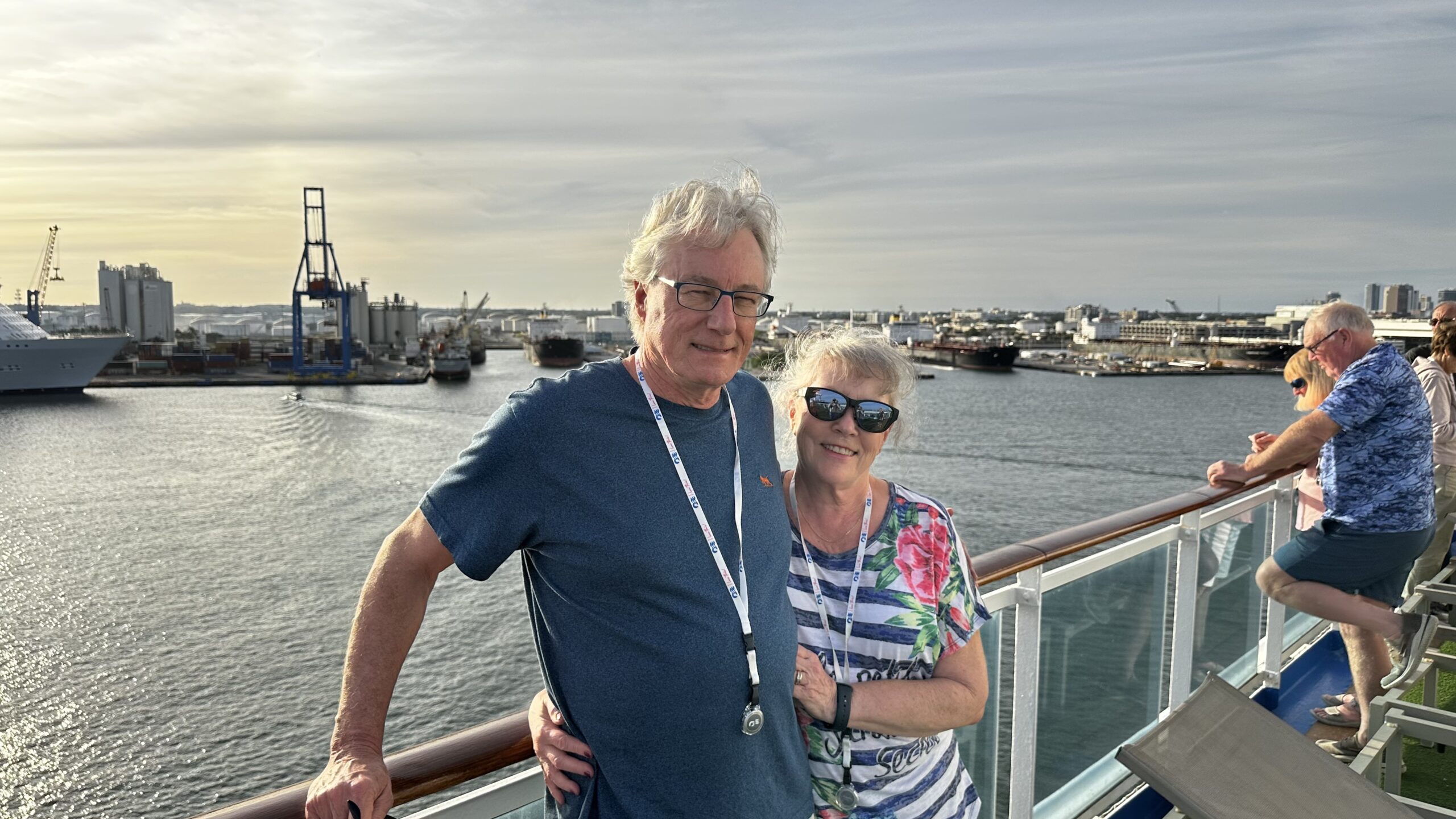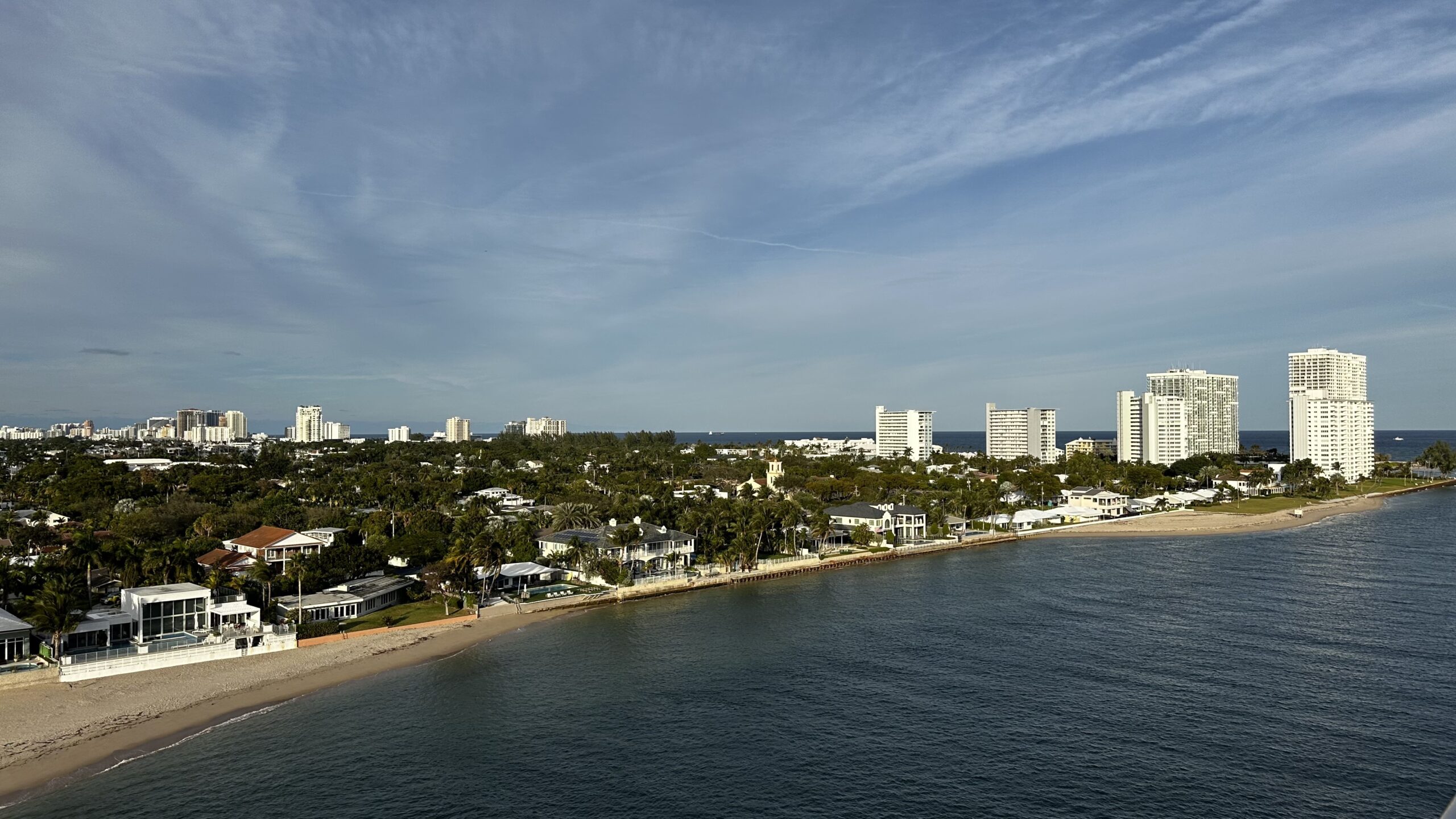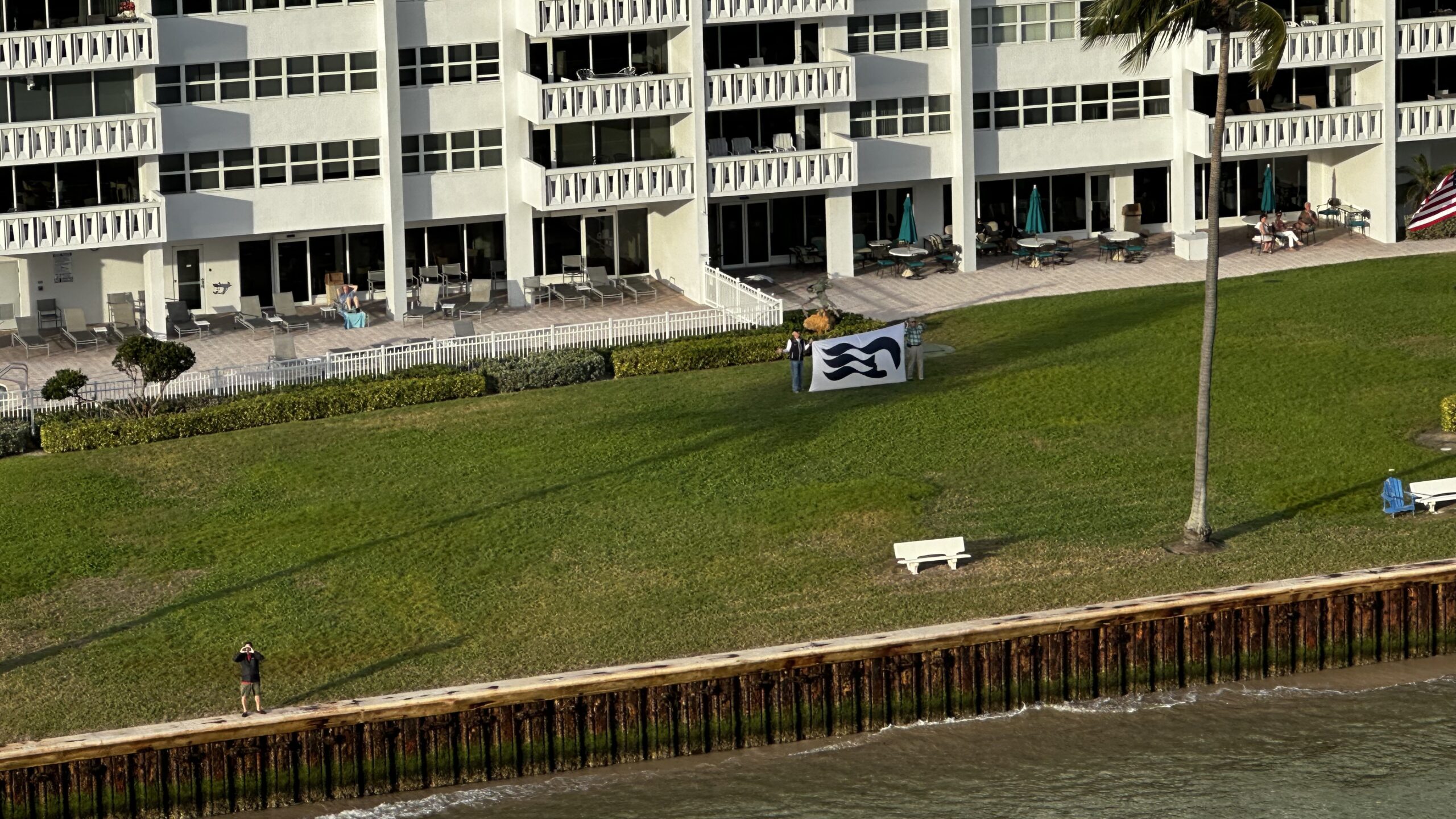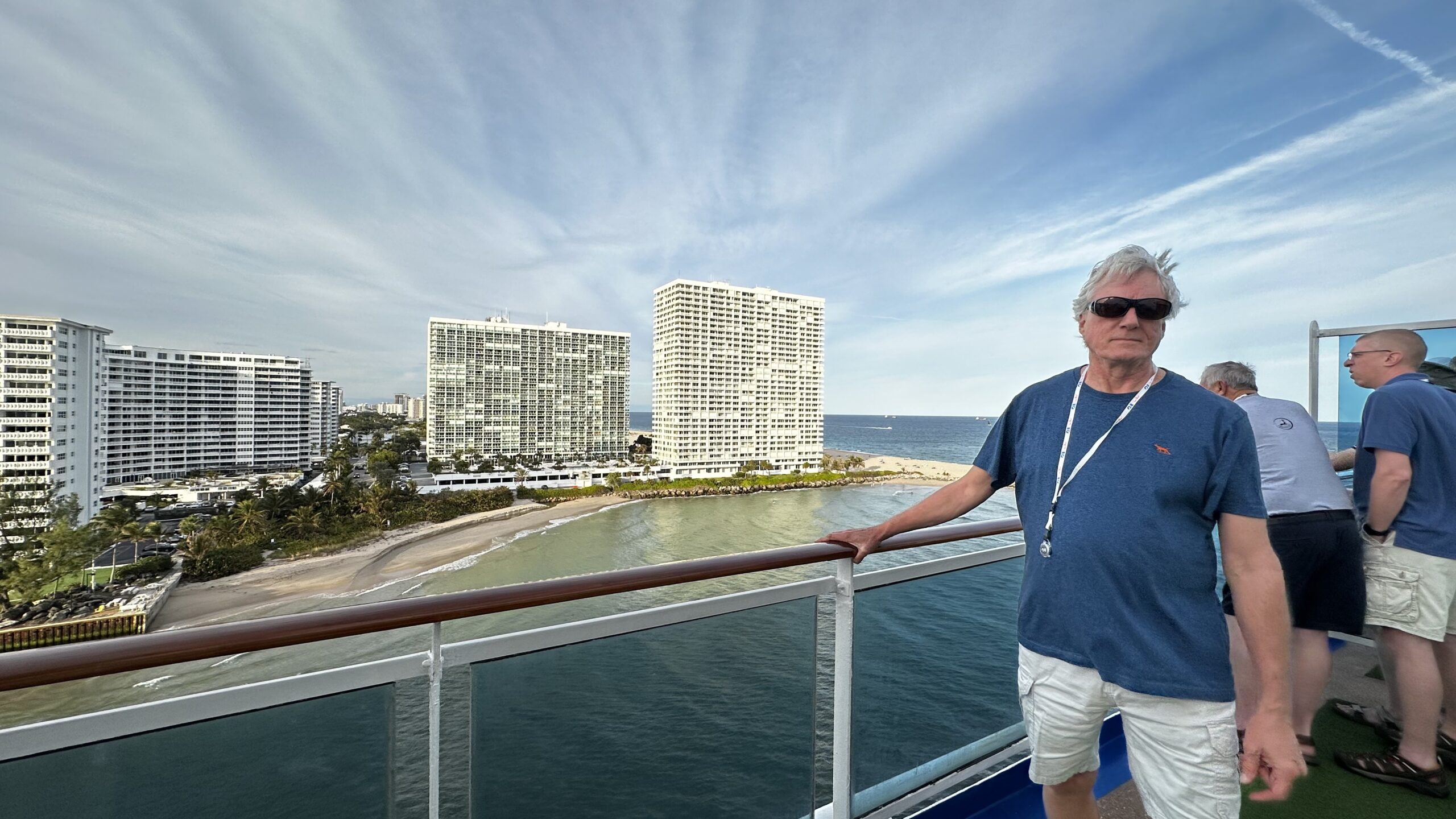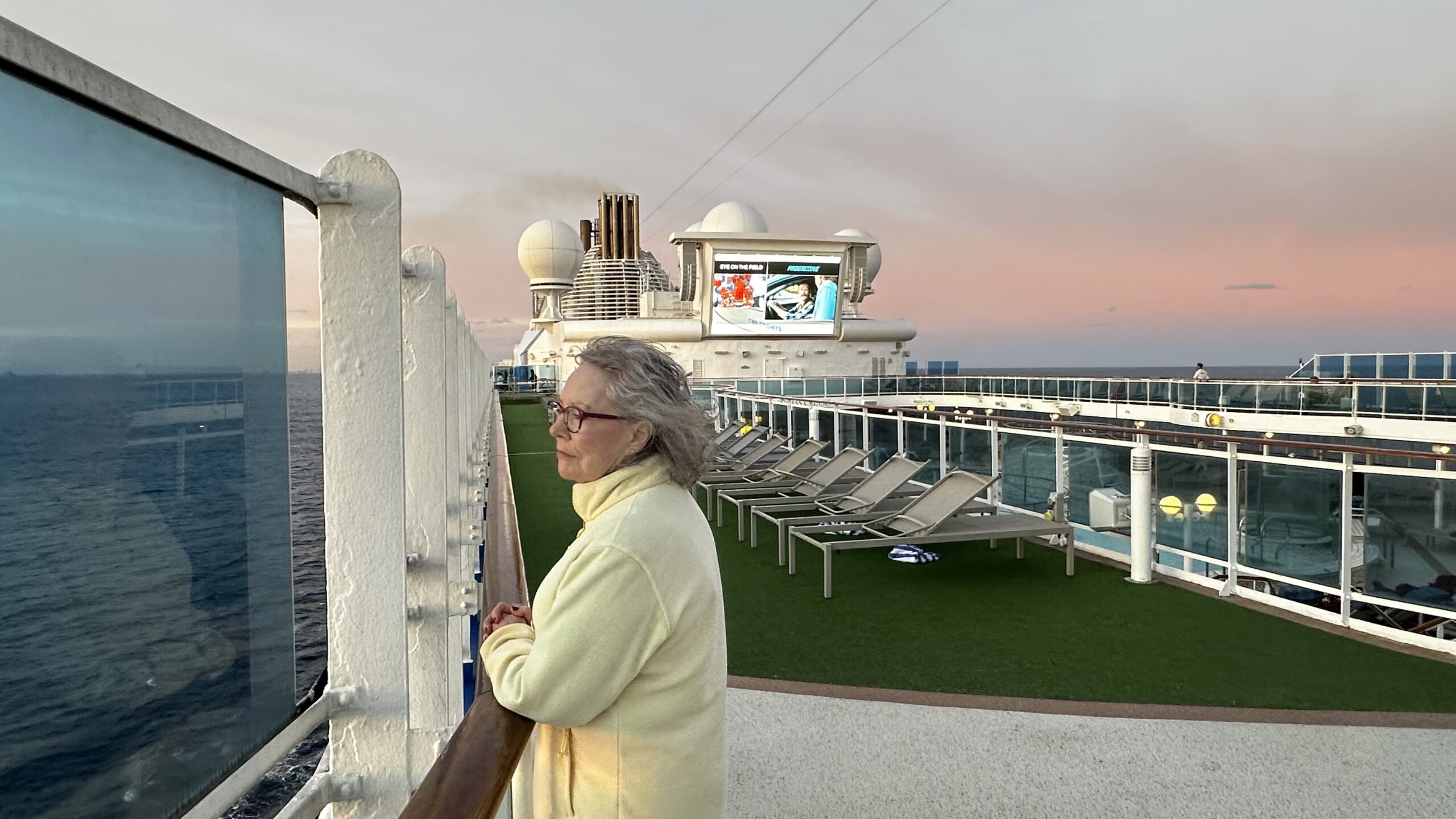
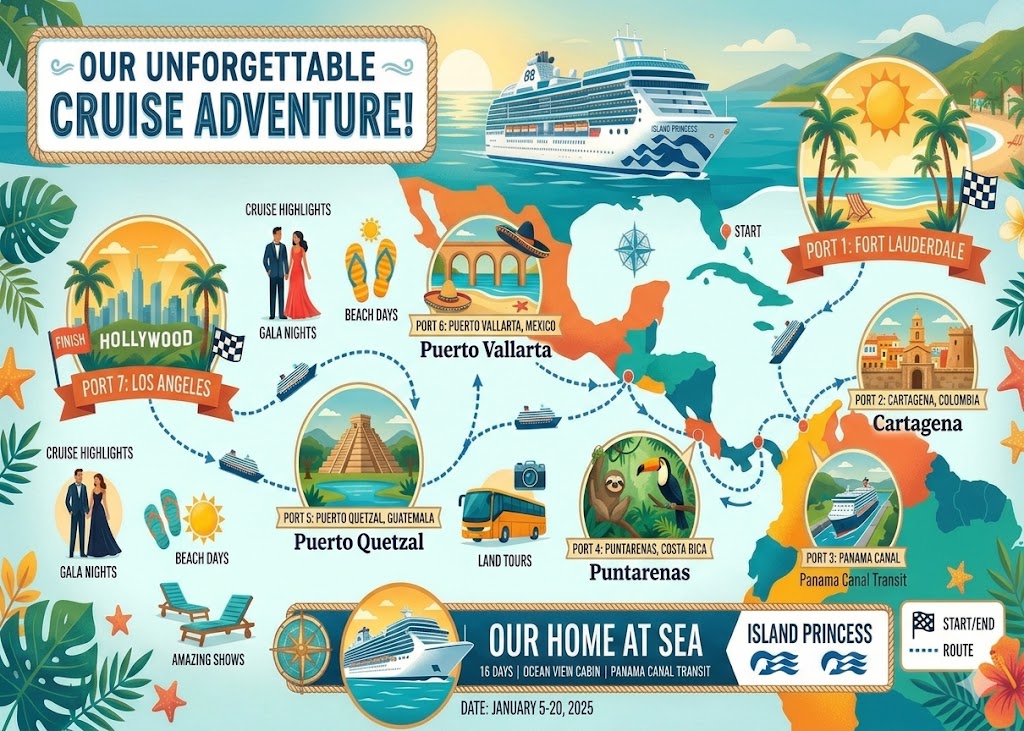
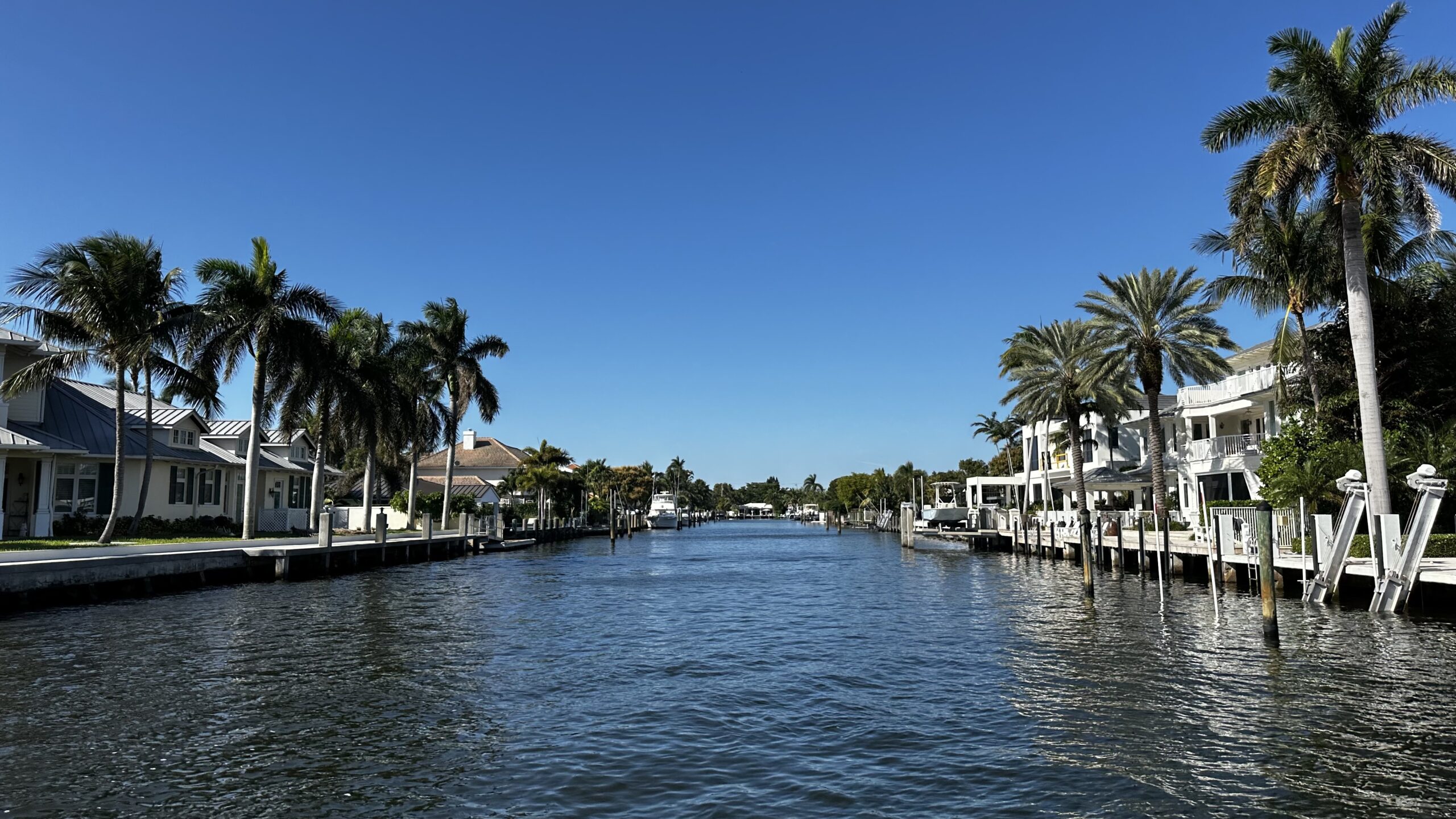
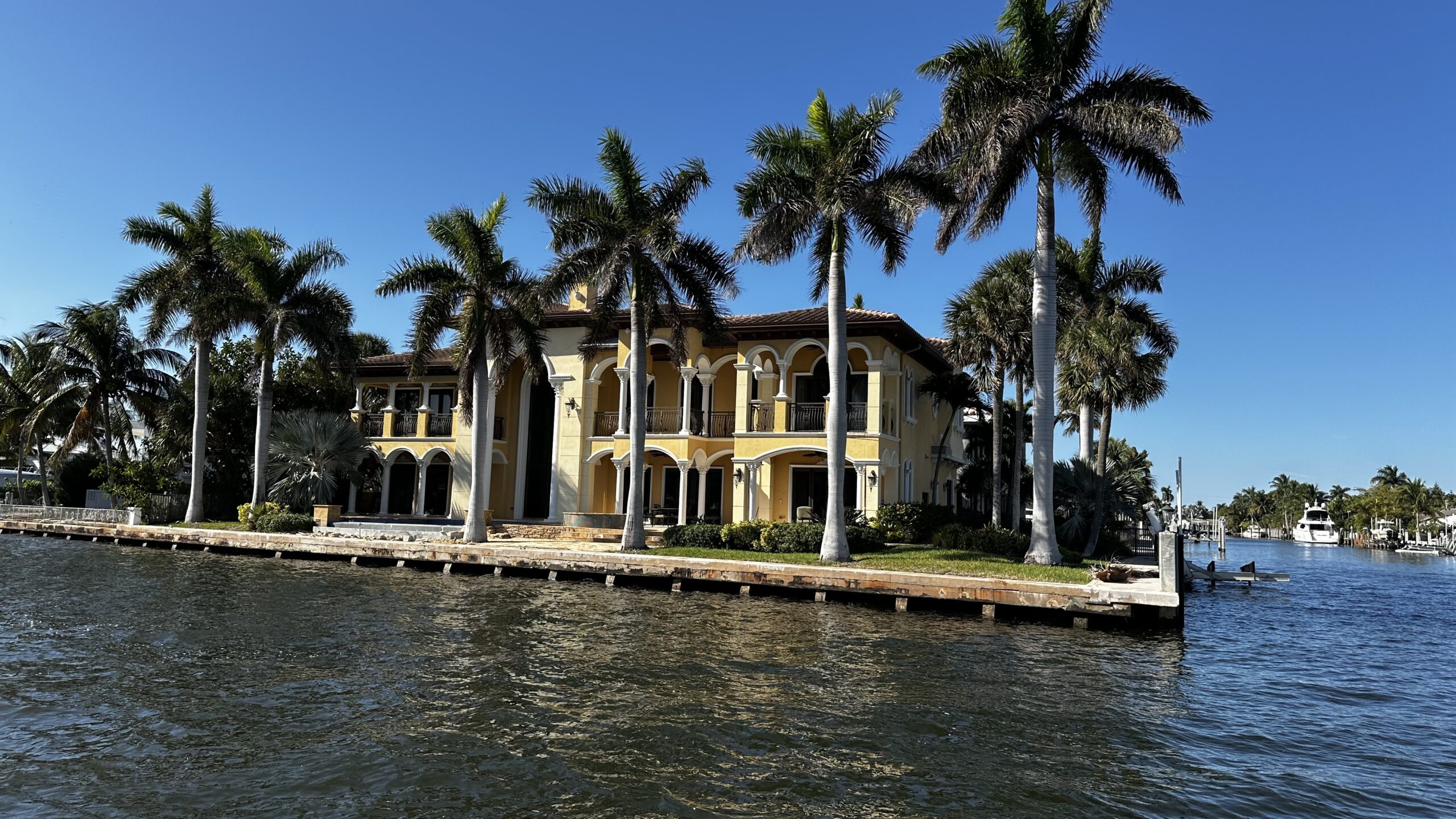
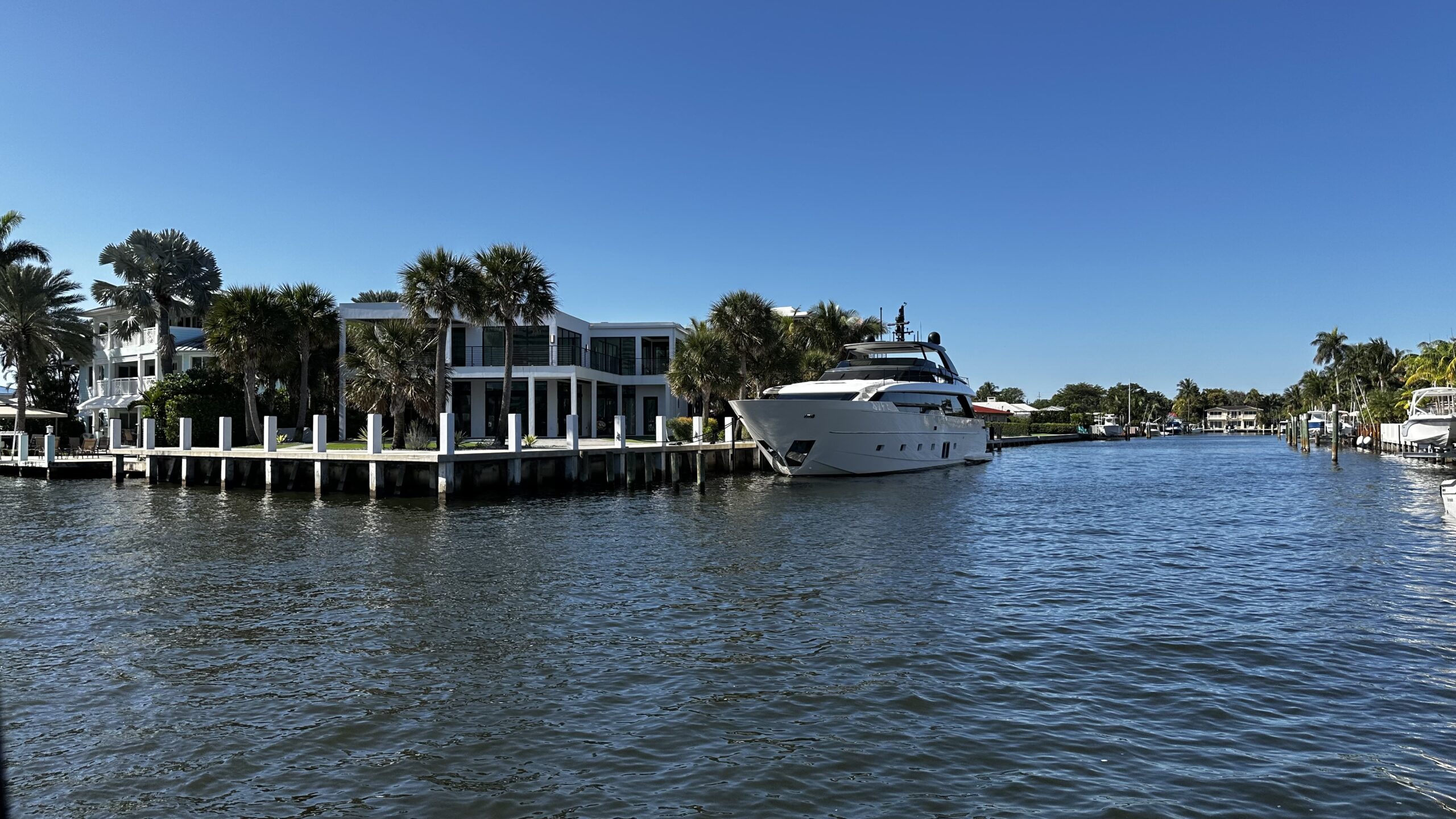
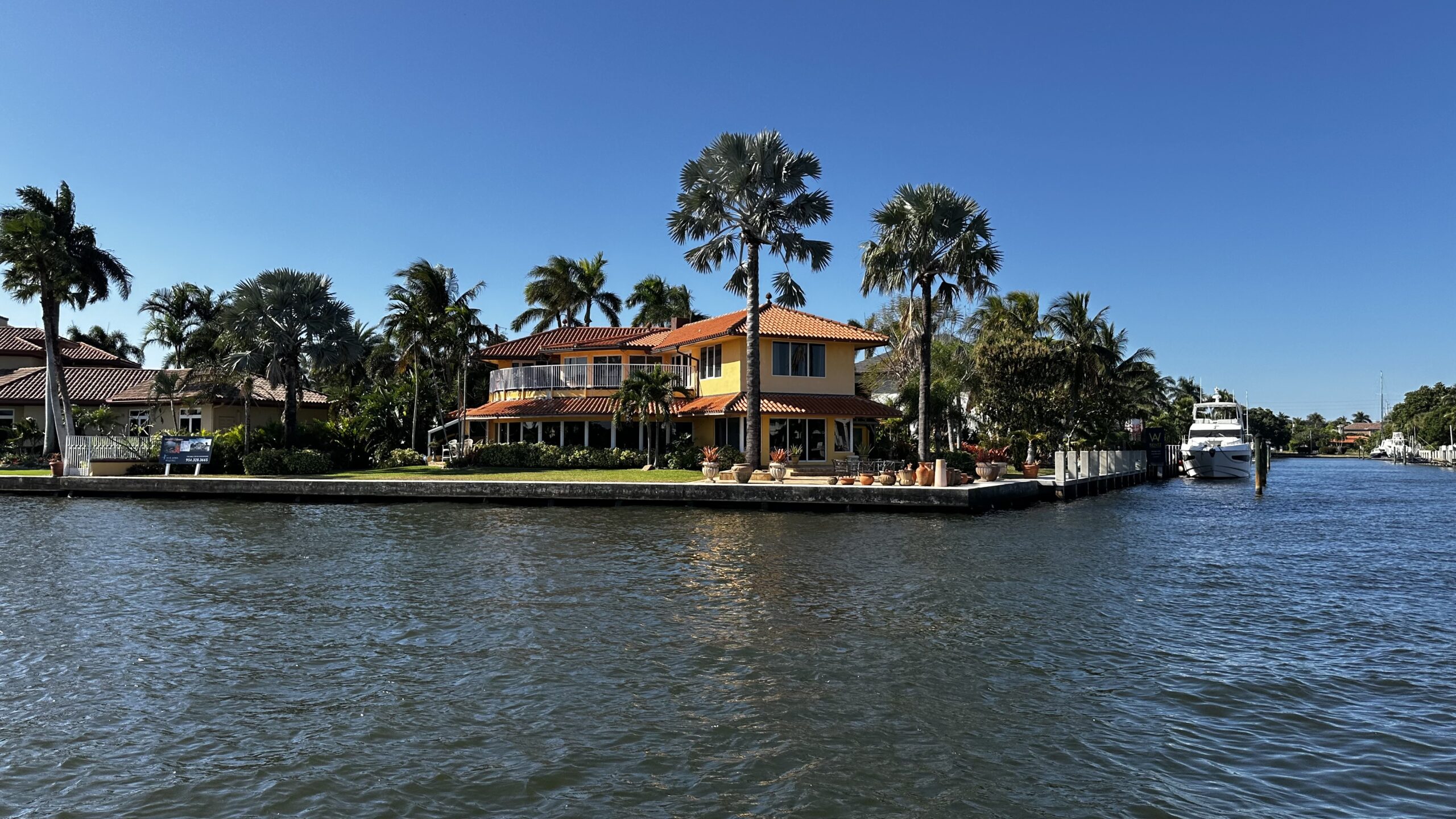
Fort Lauderdale
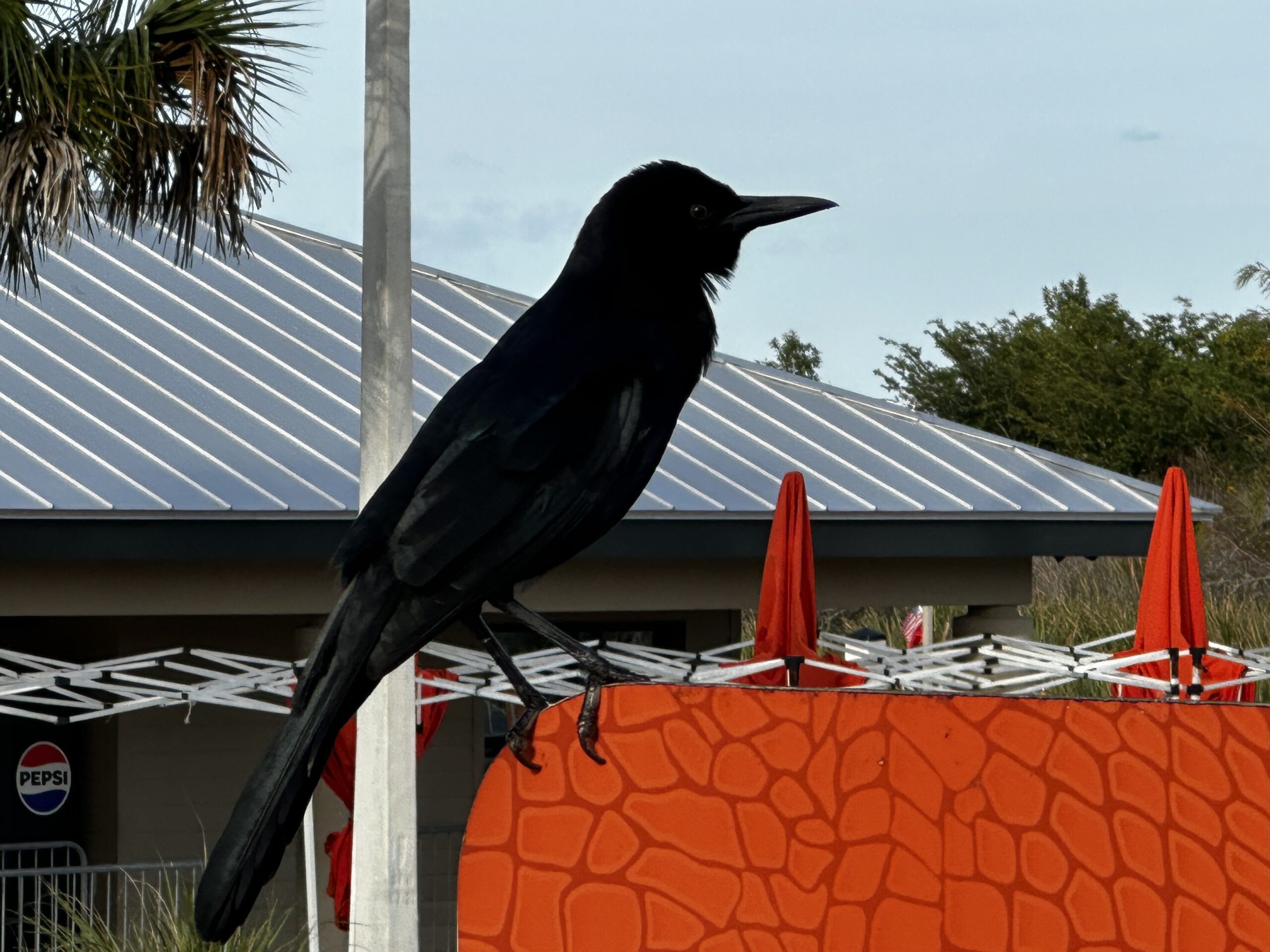
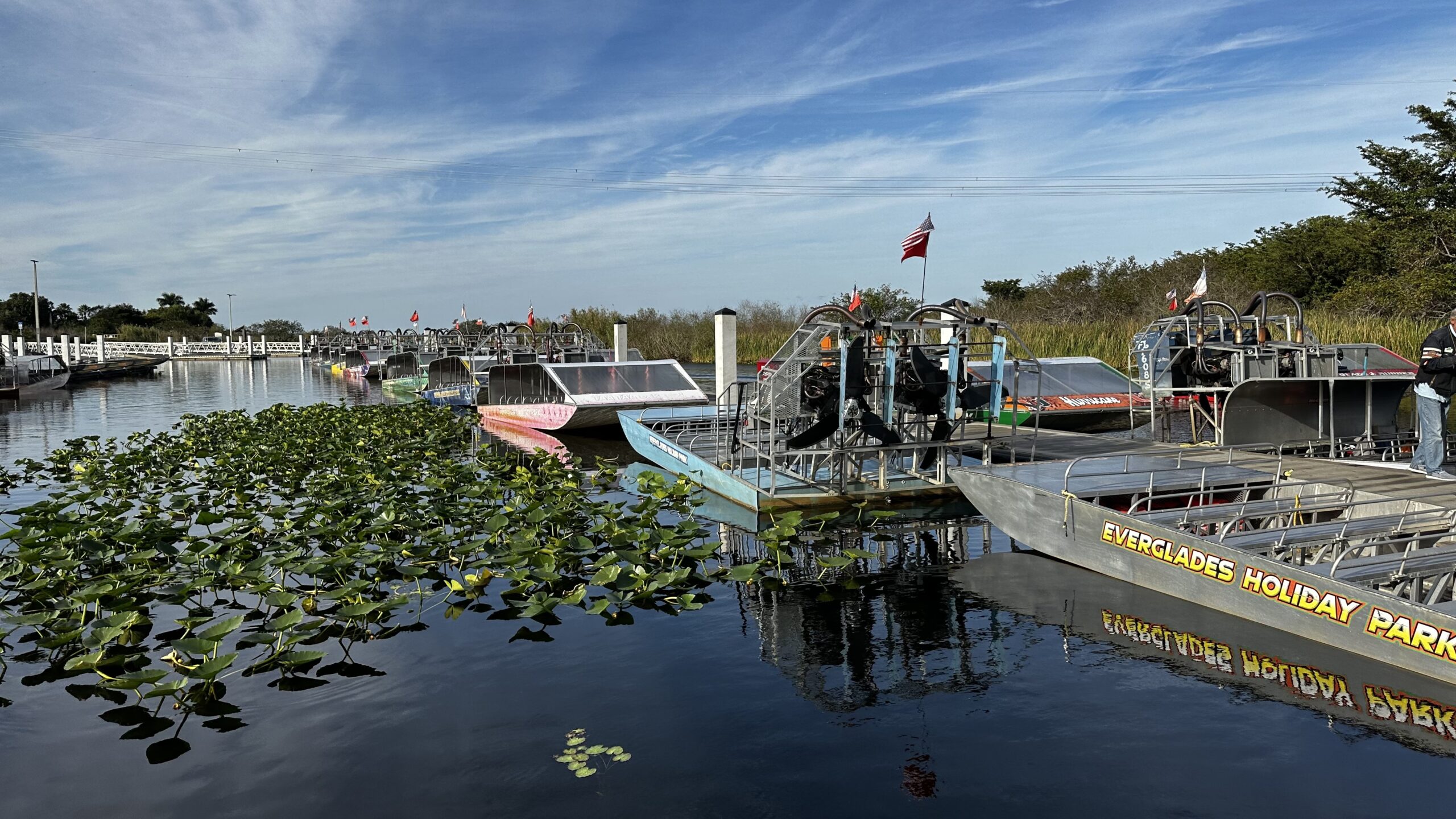
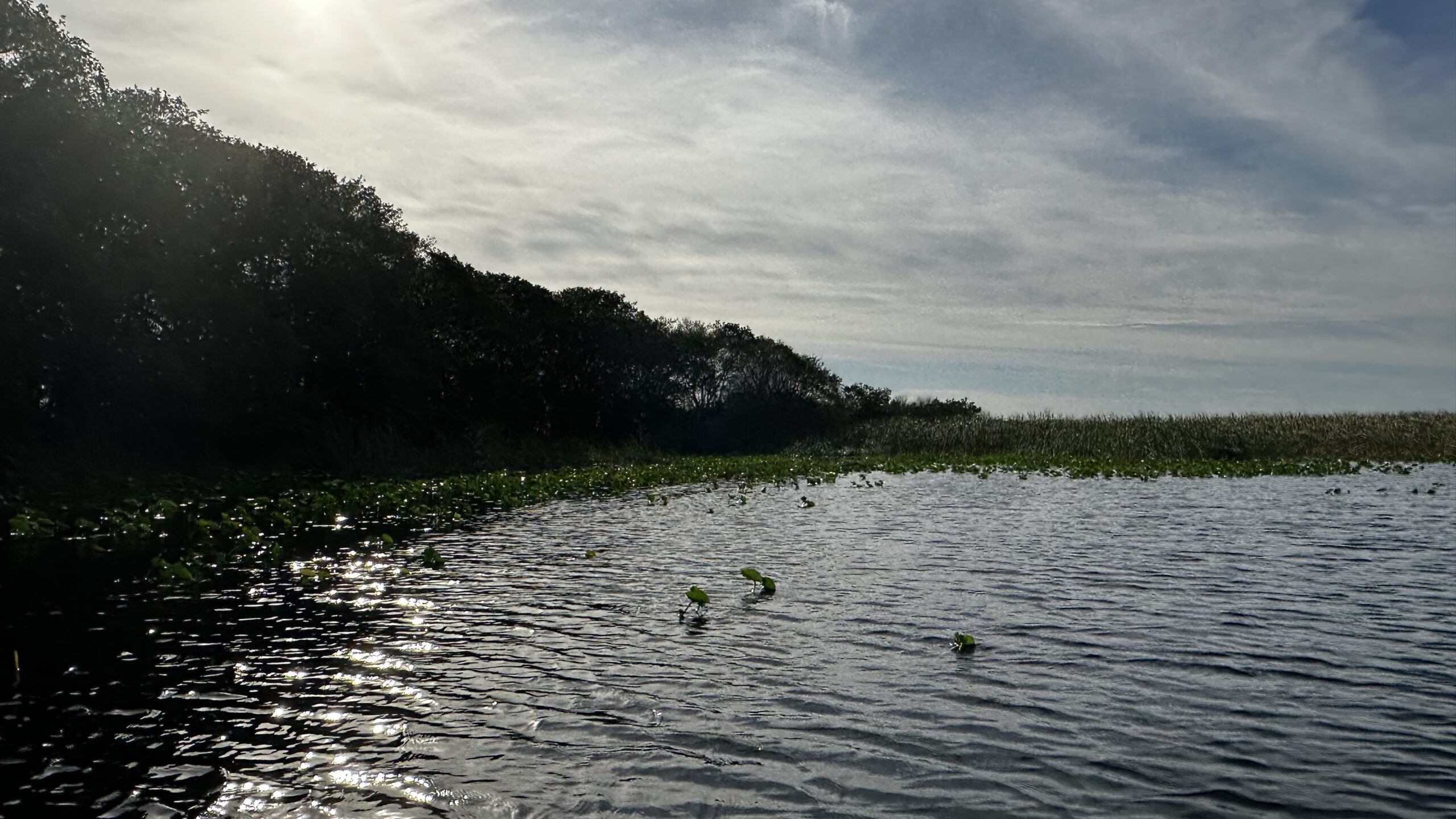
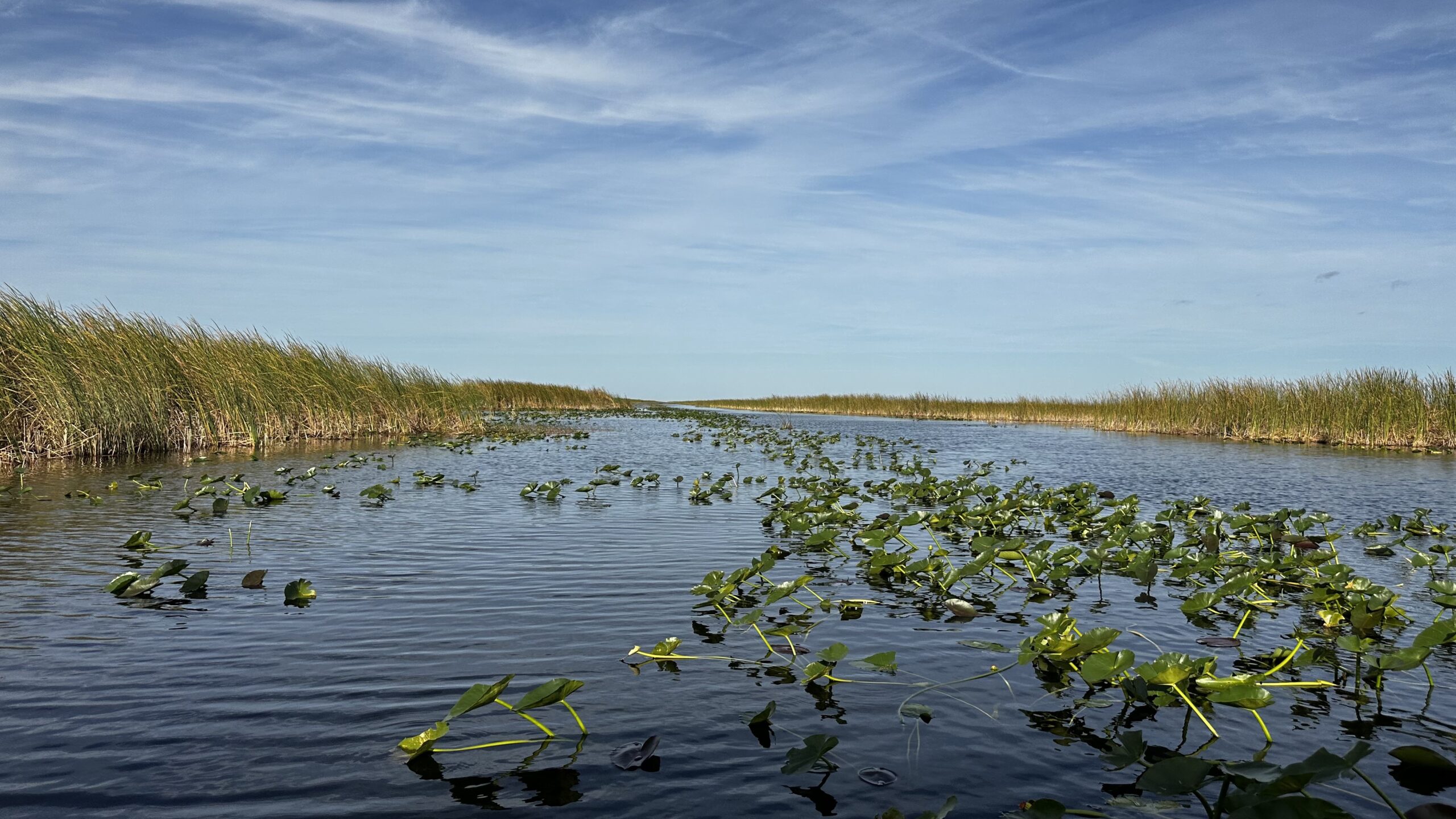
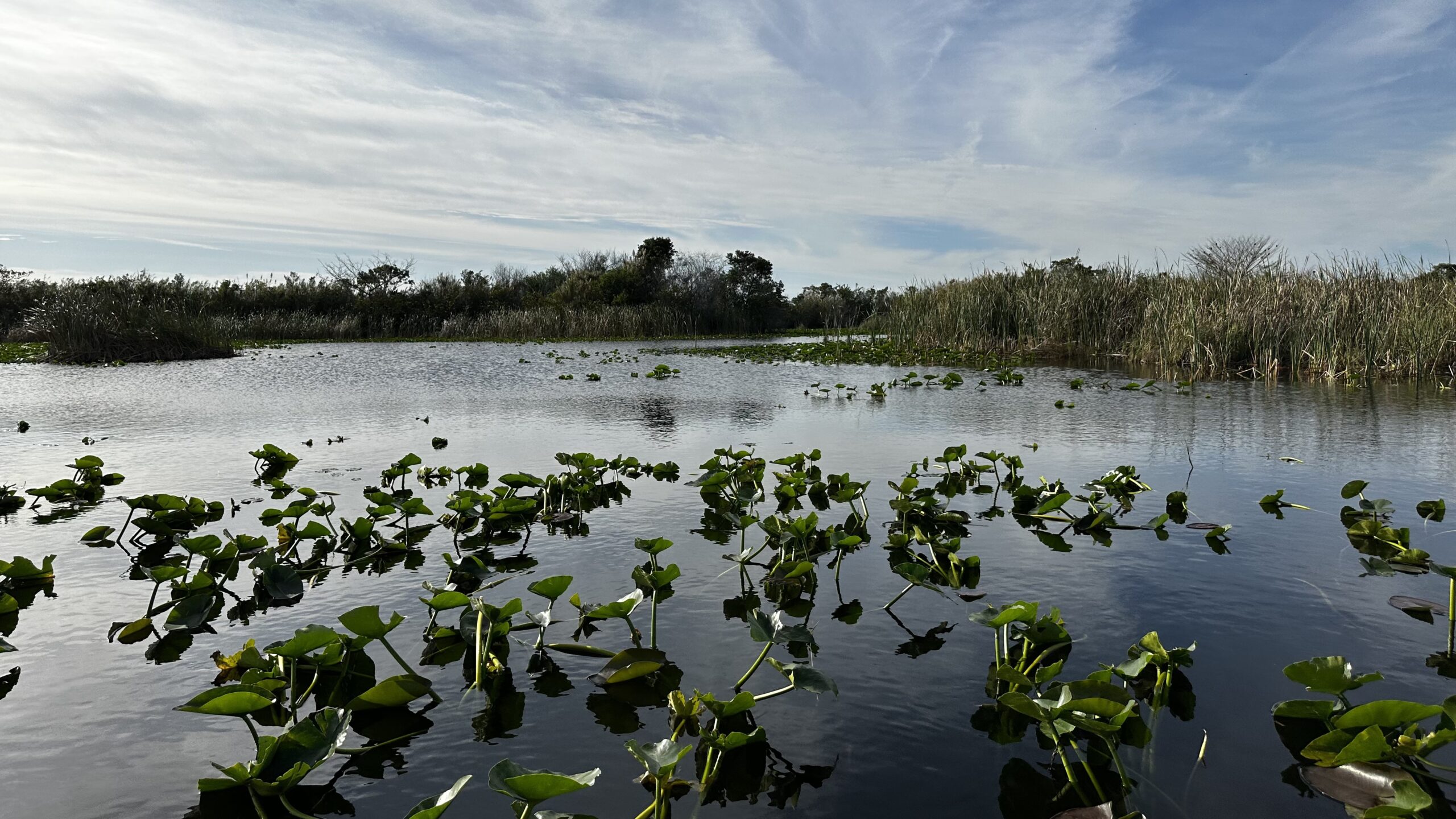
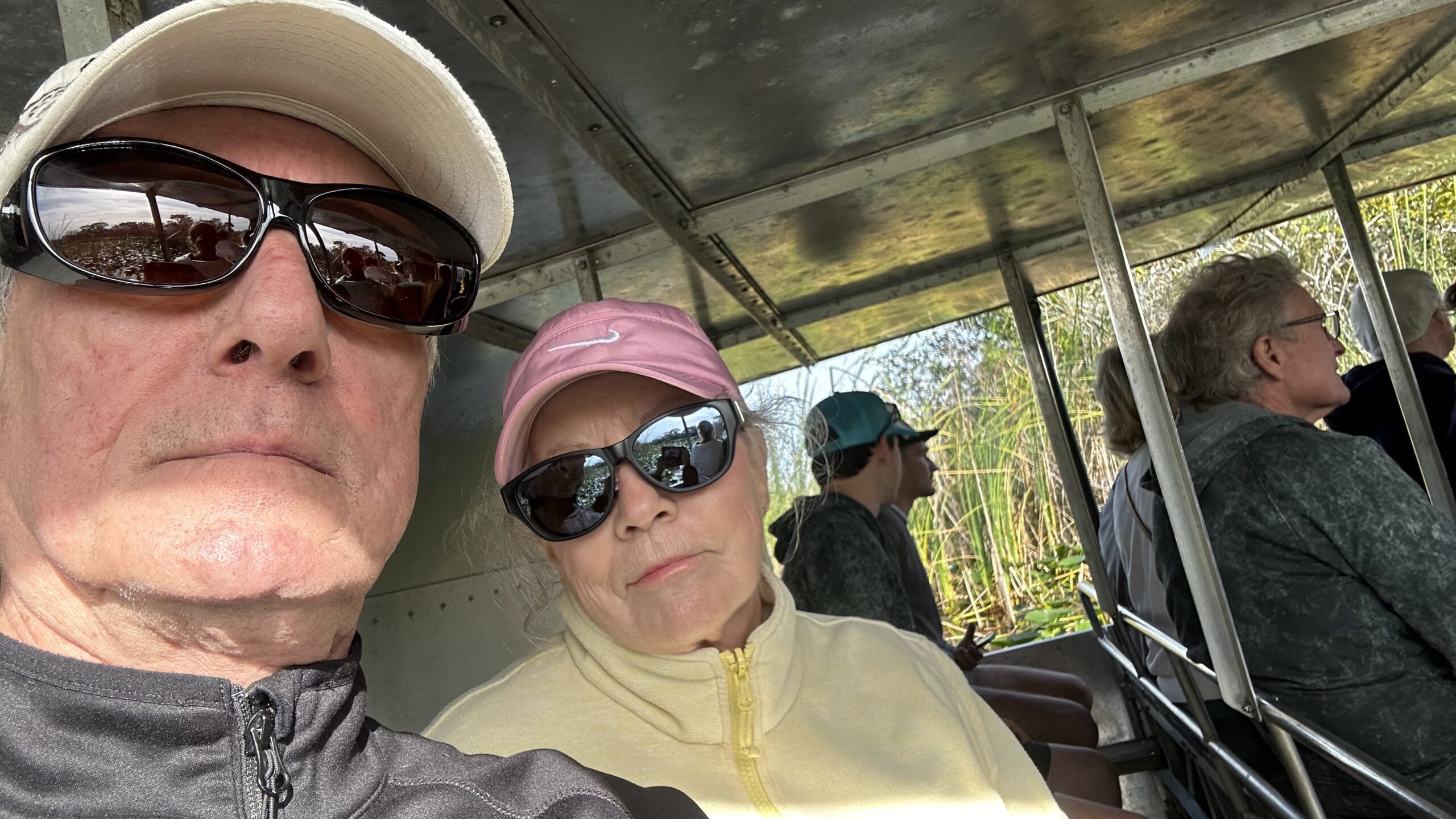
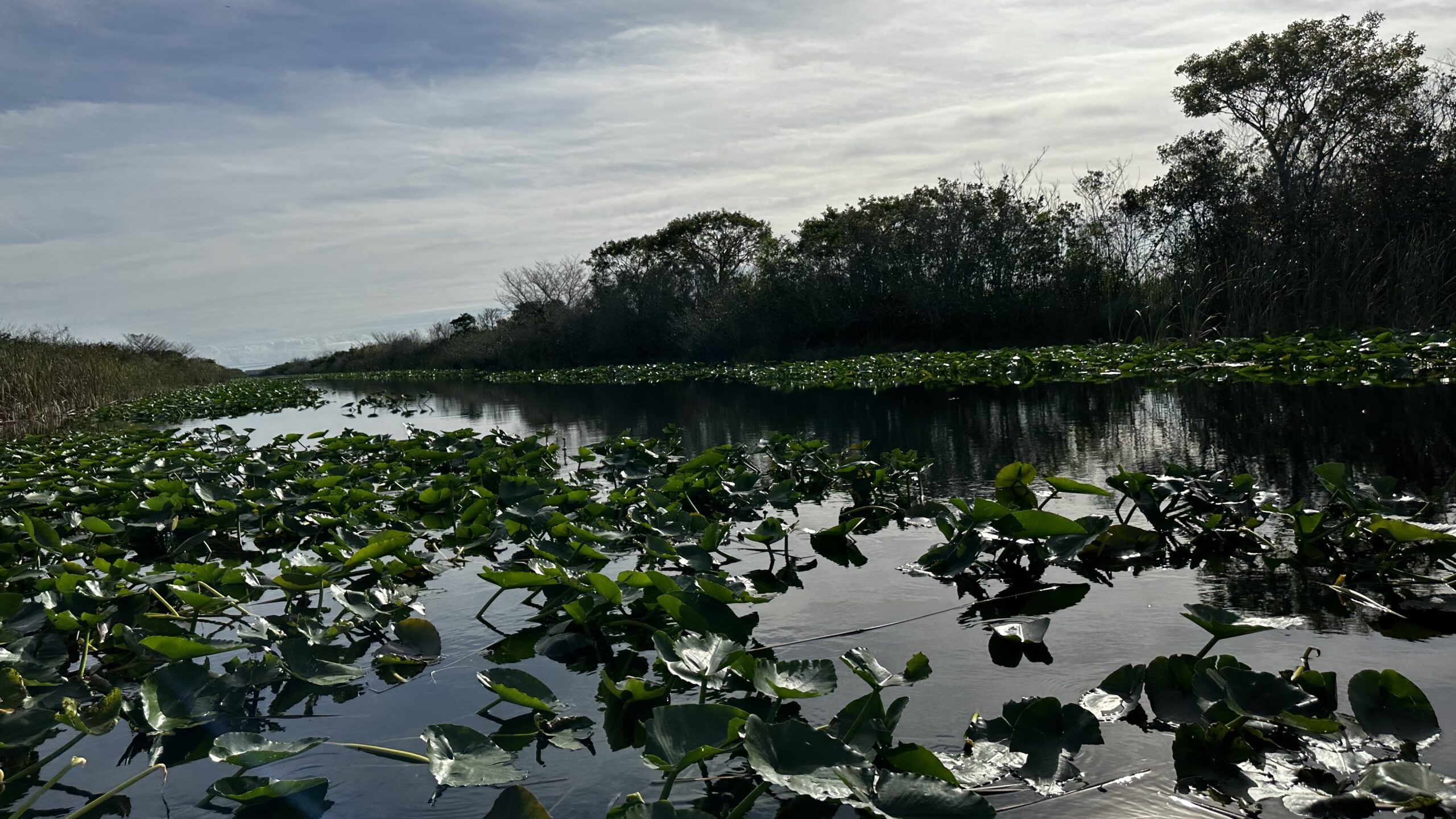
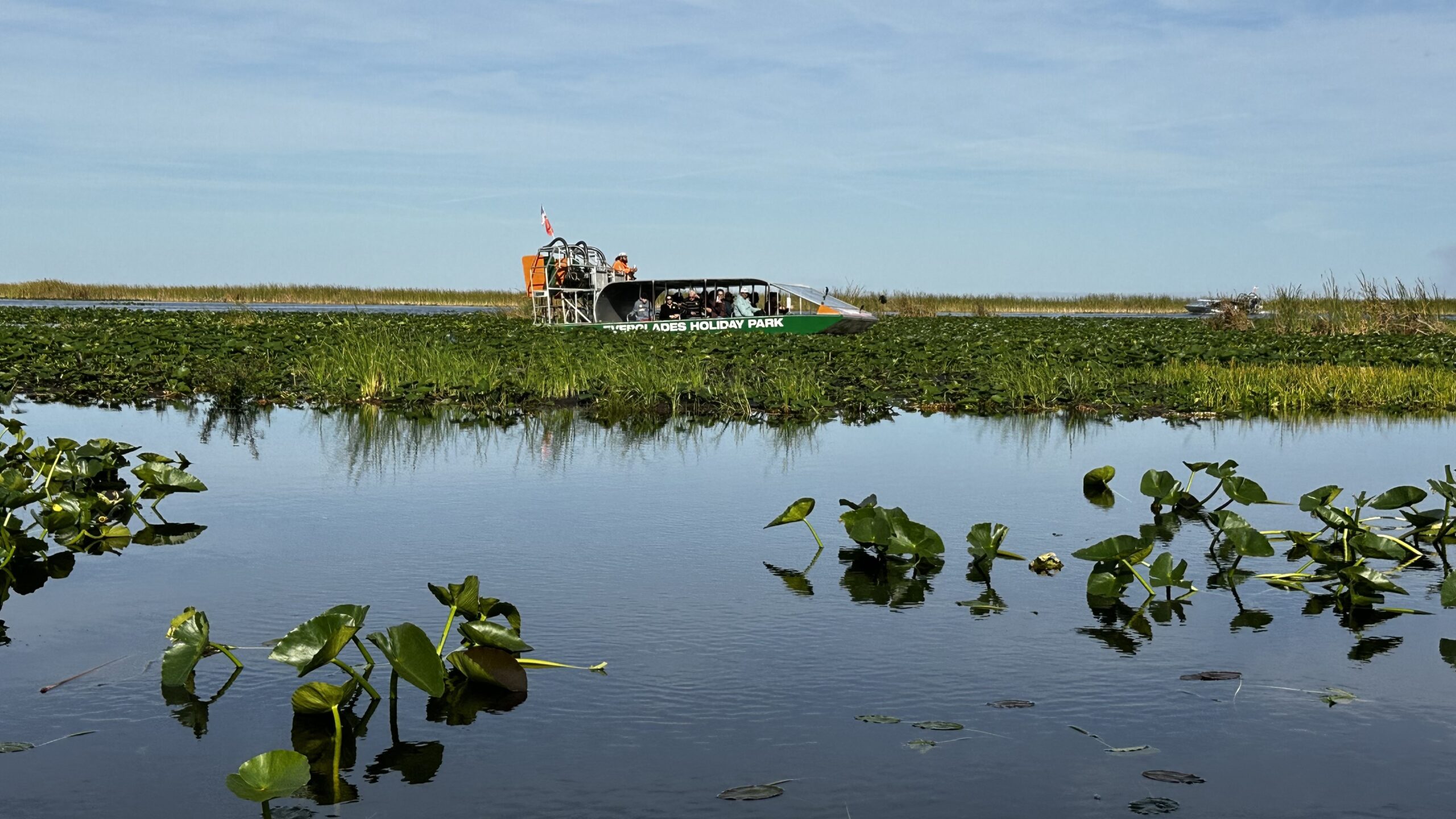
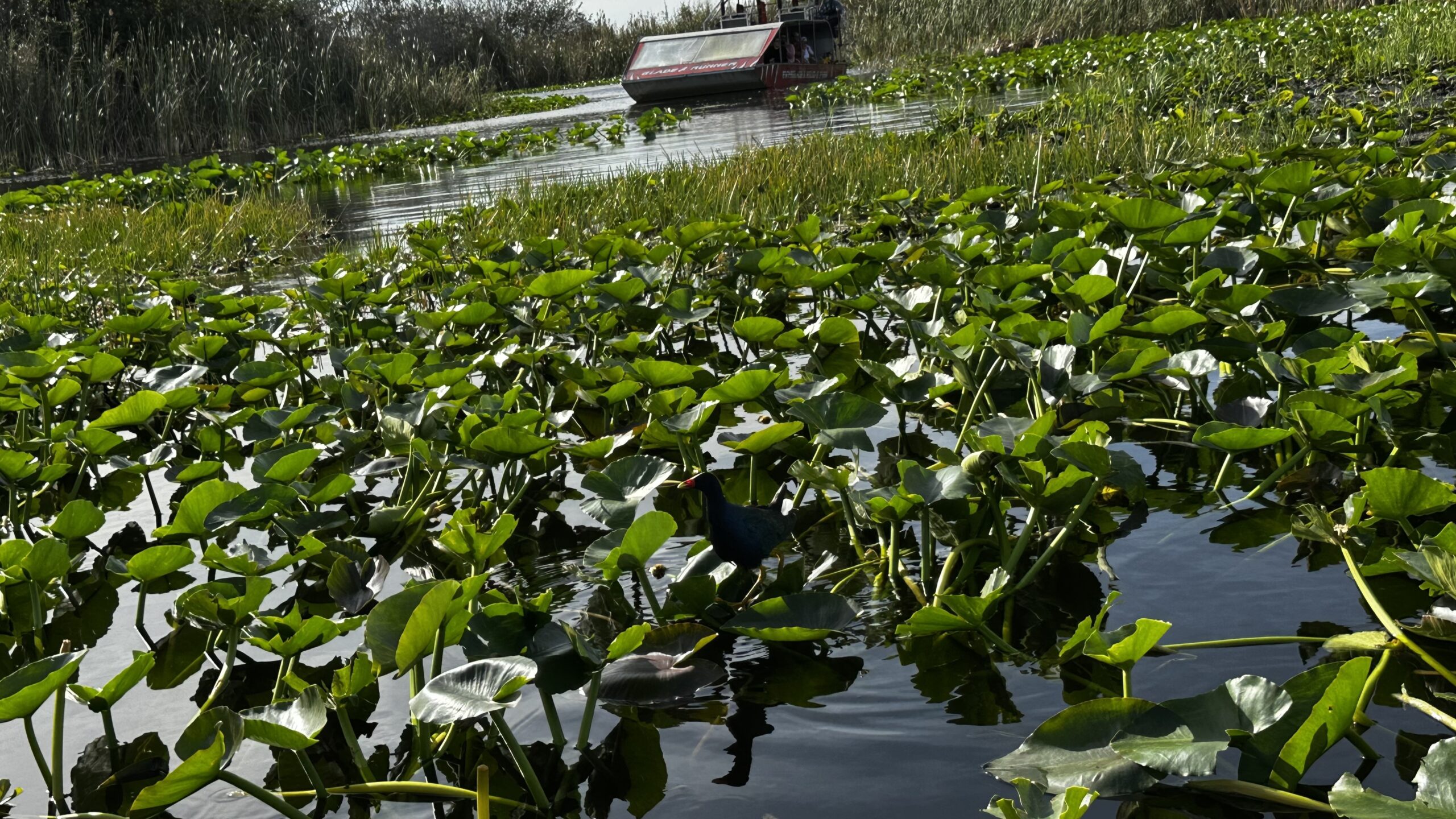
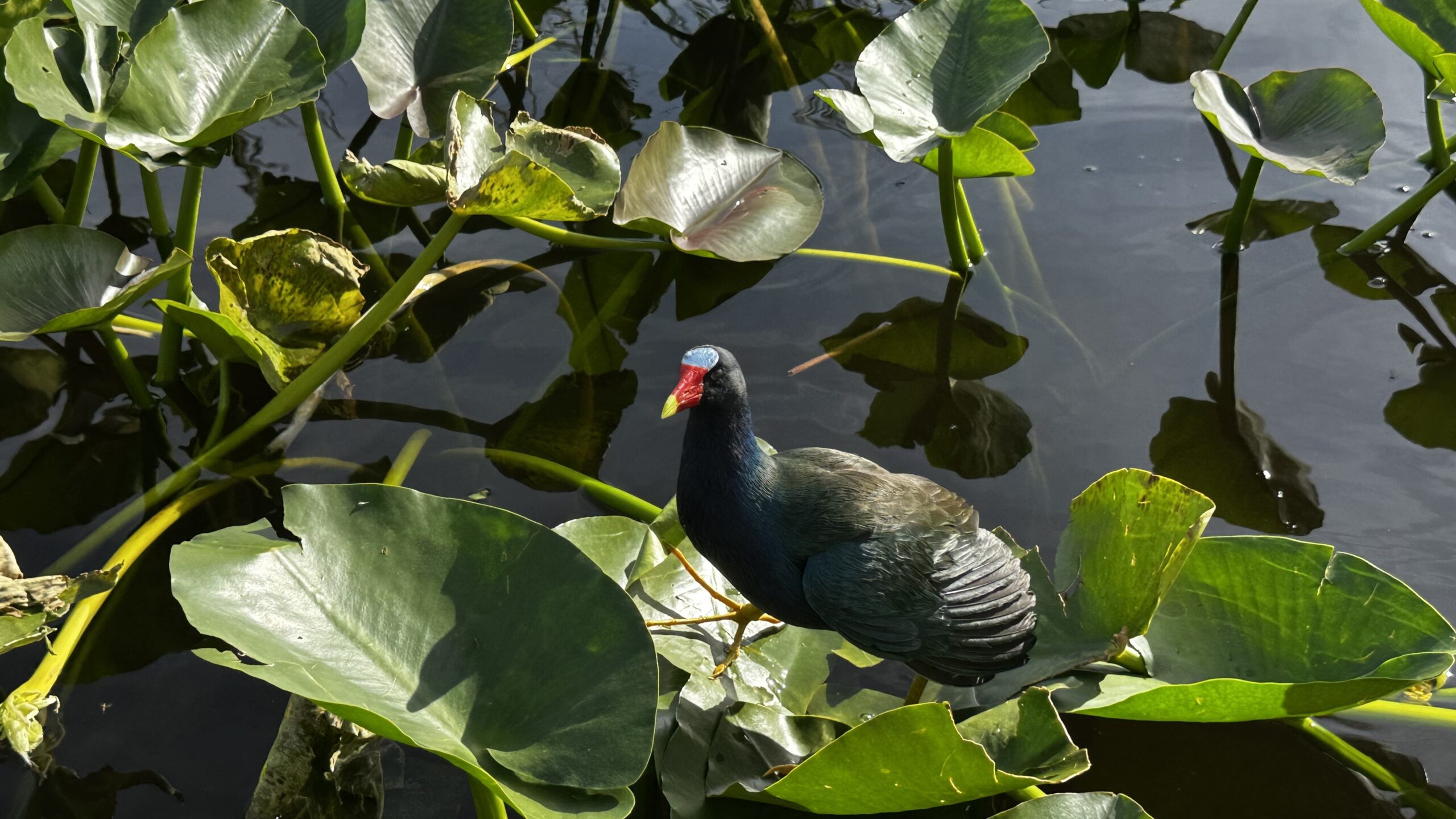
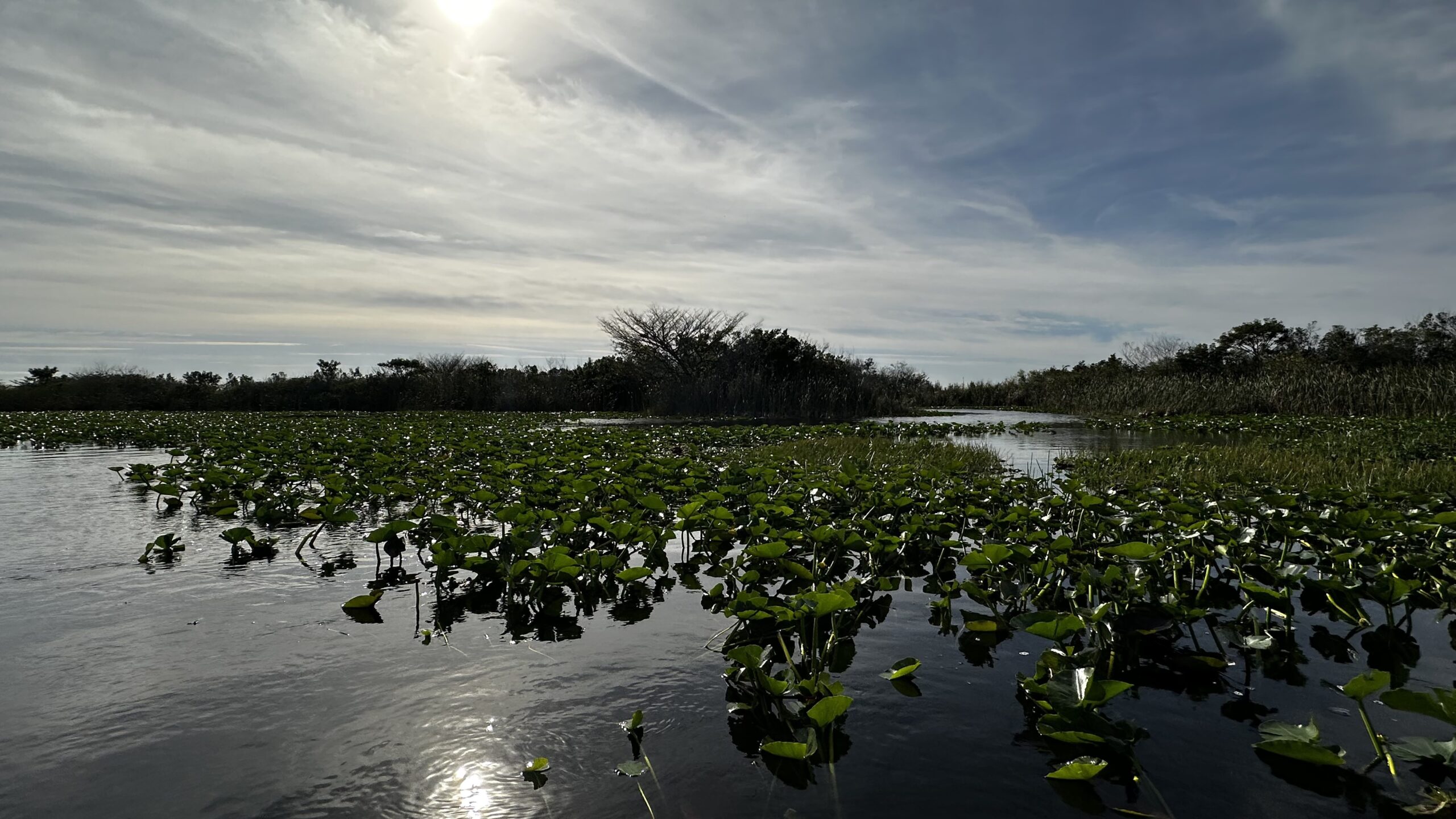
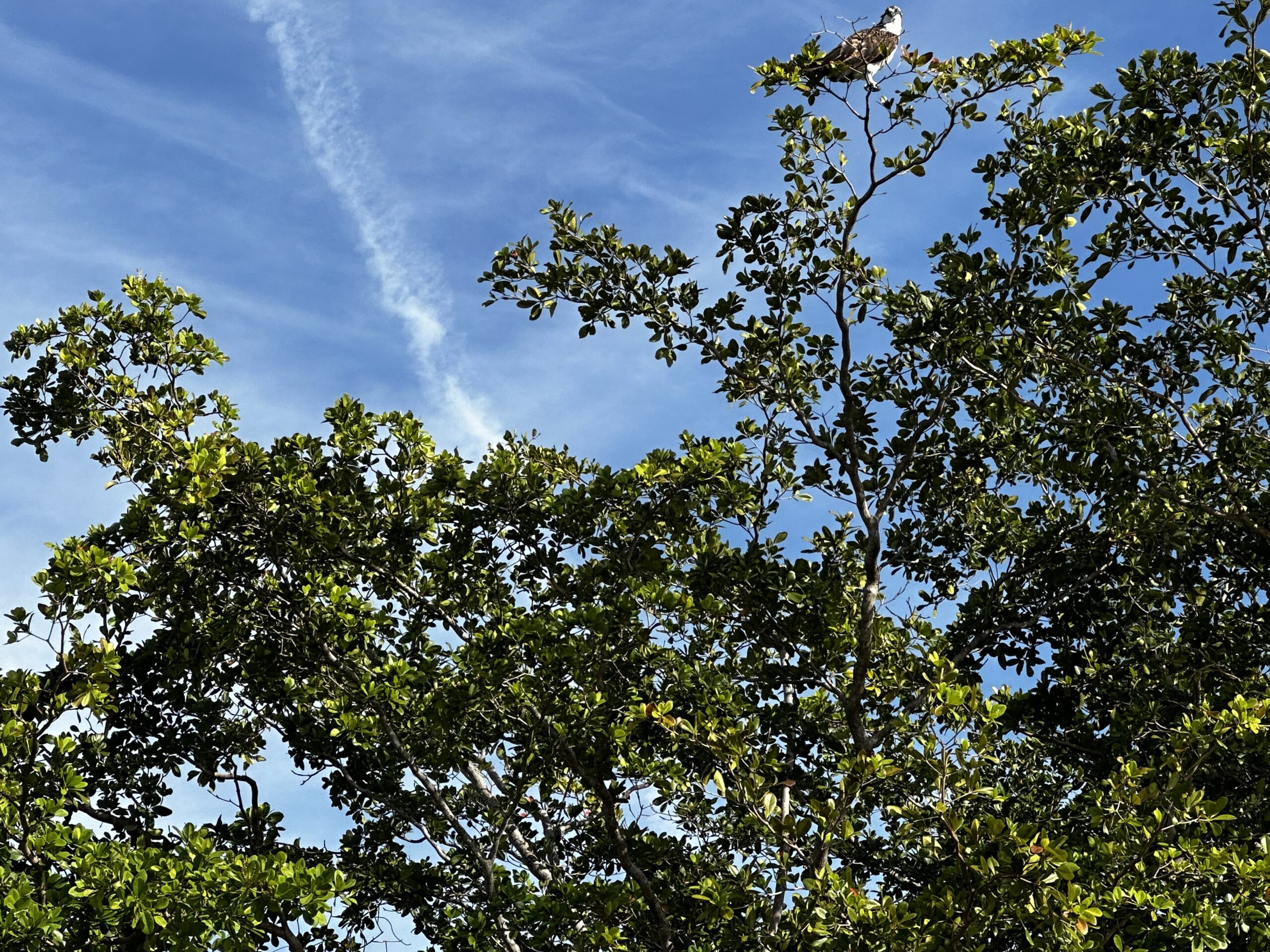
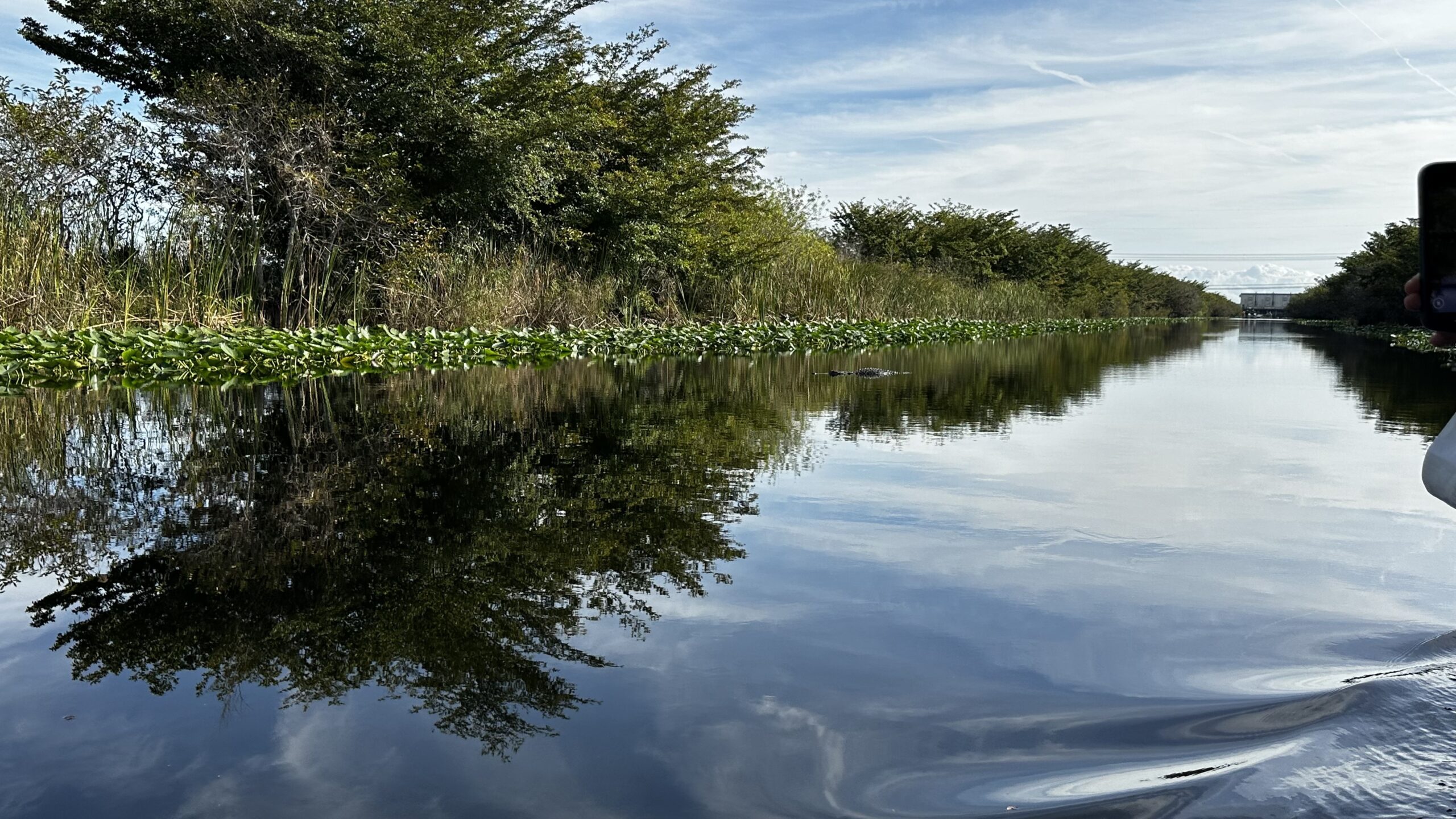
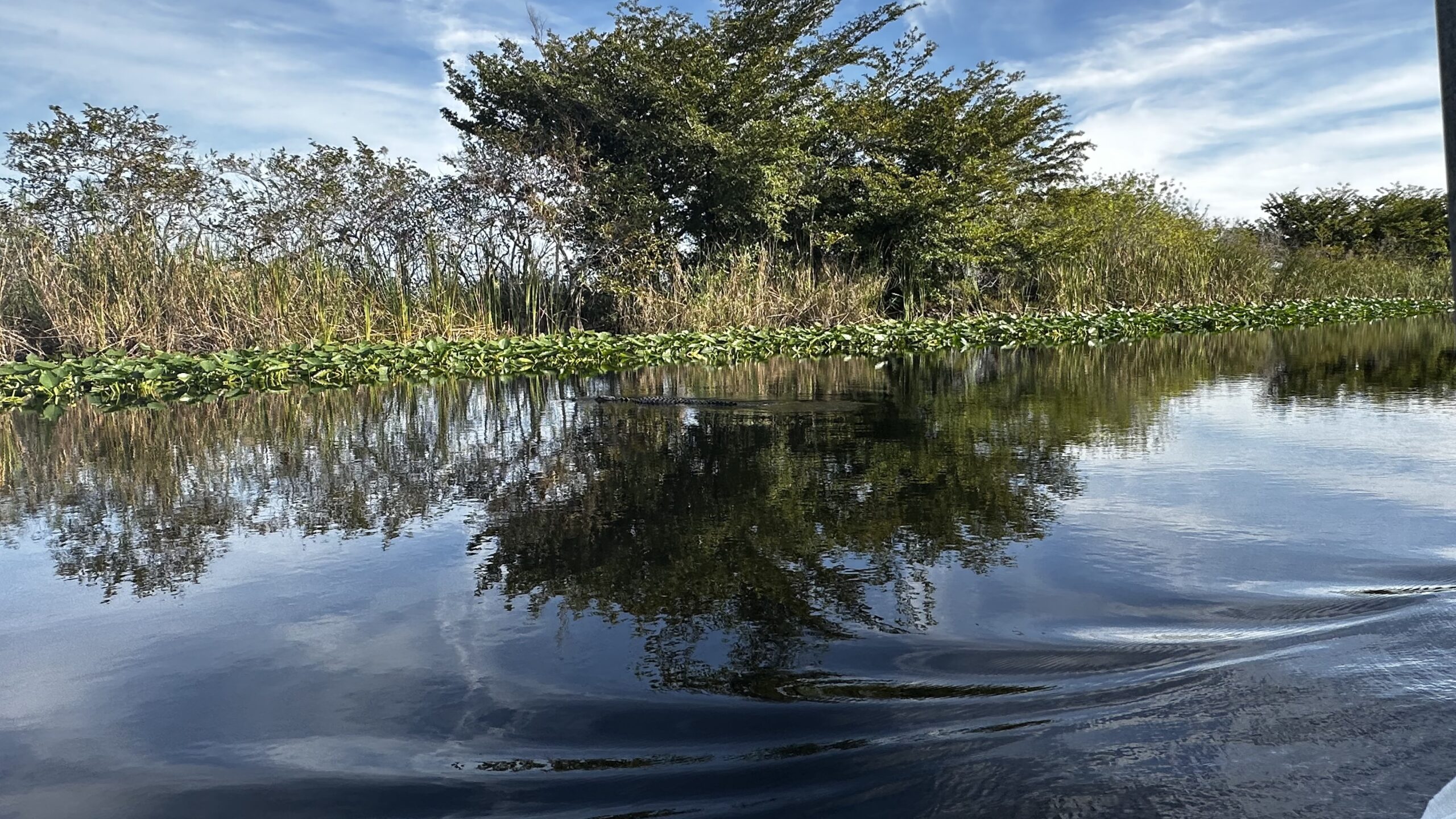
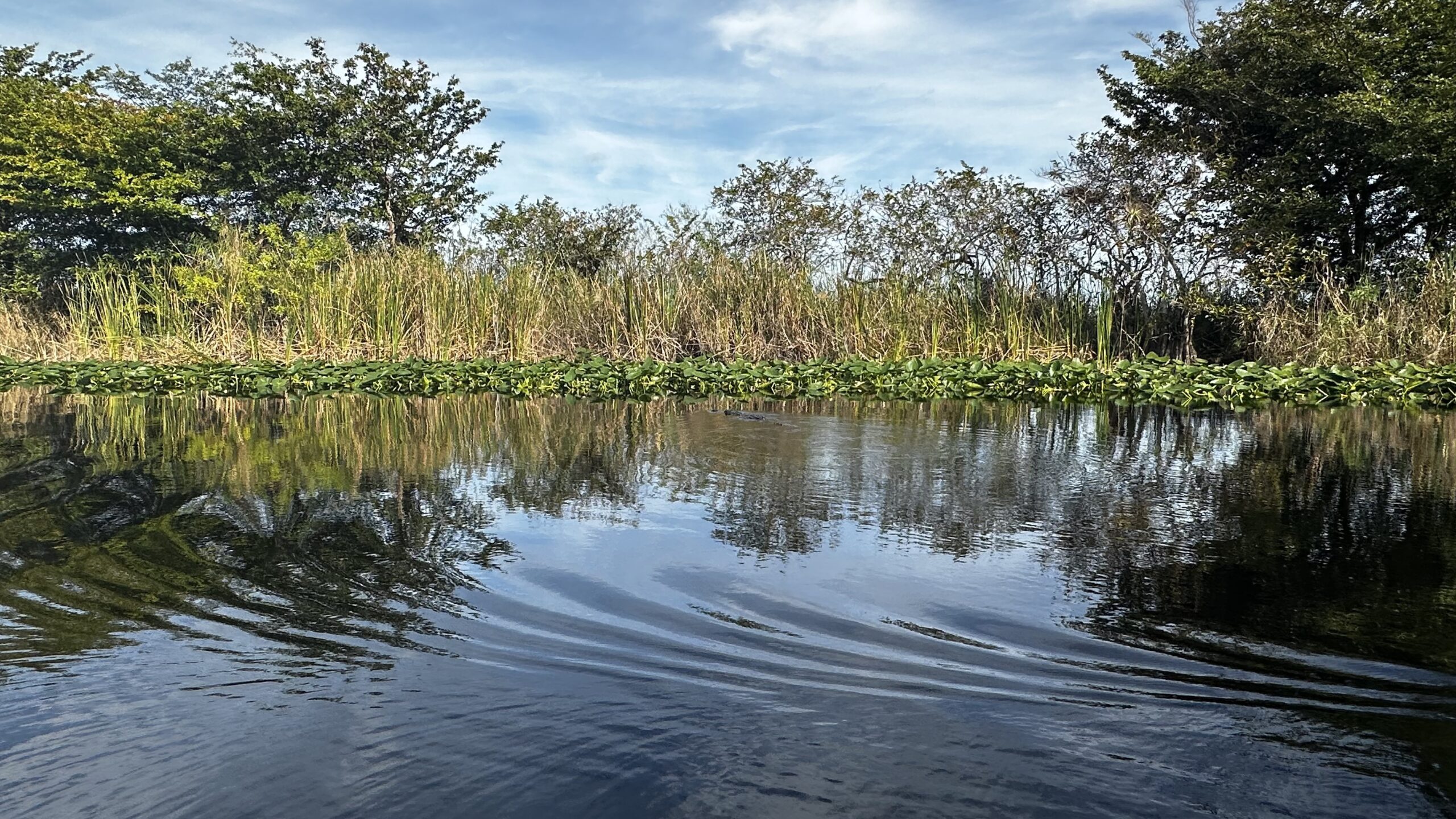
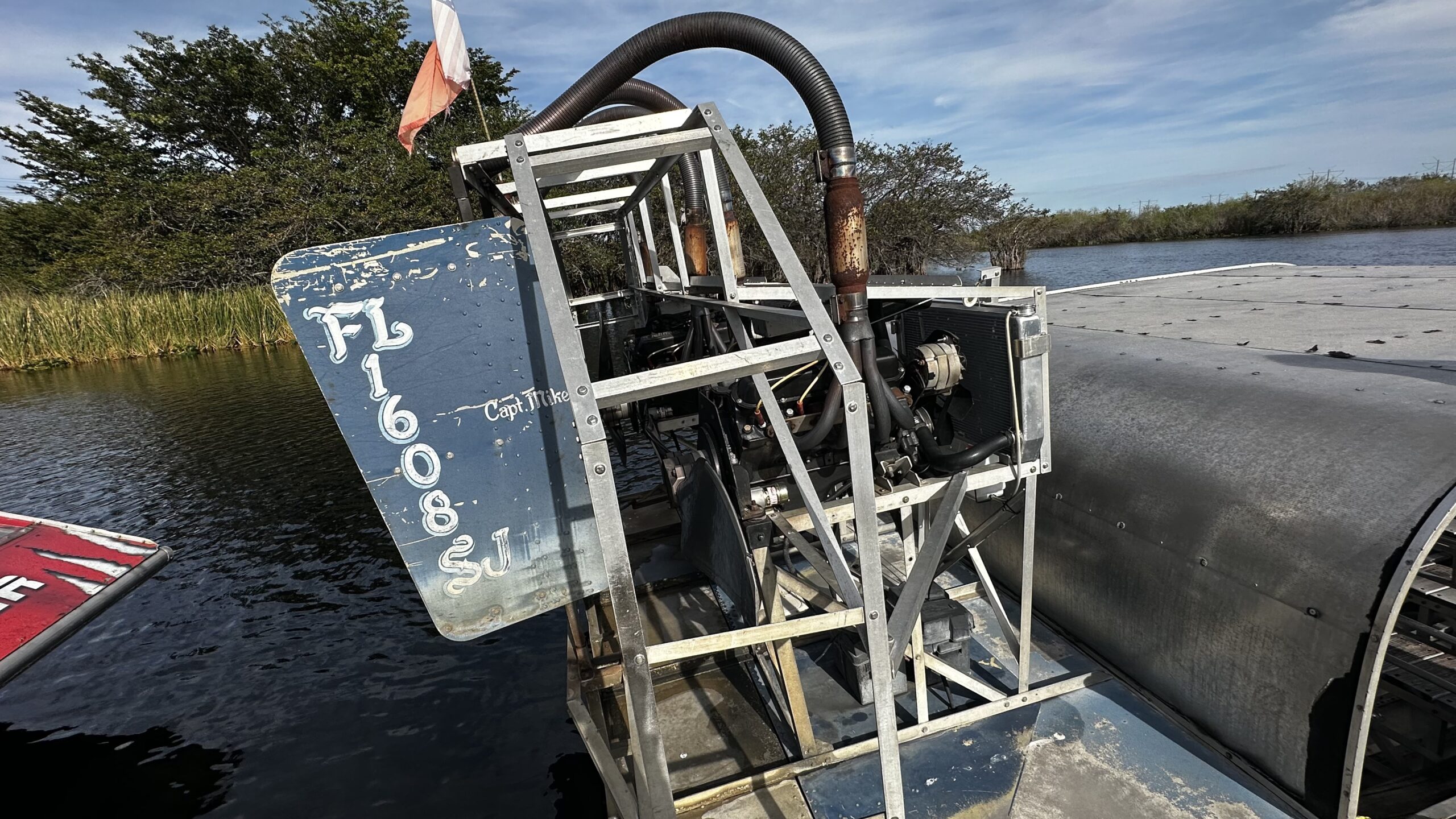
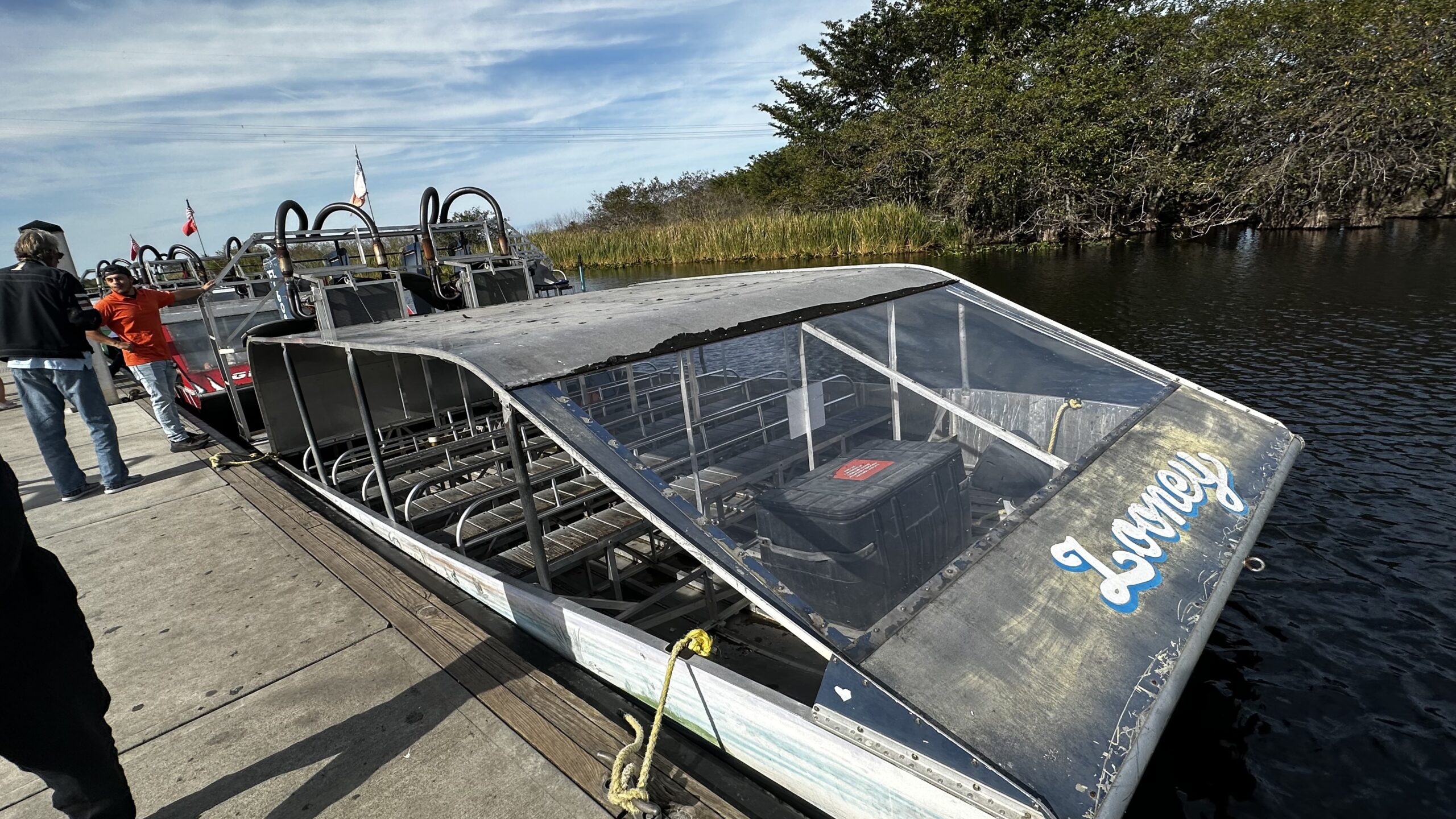
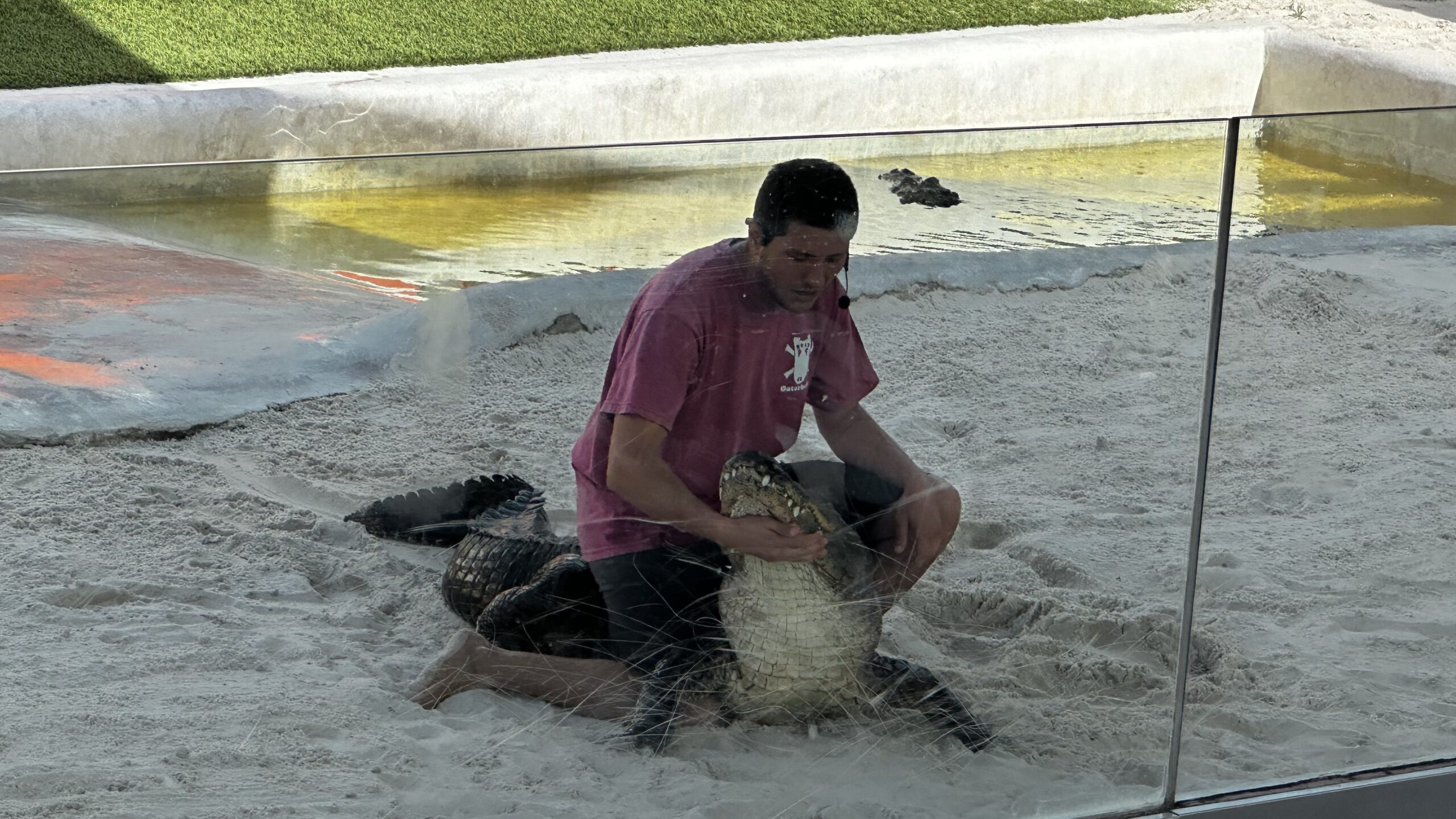
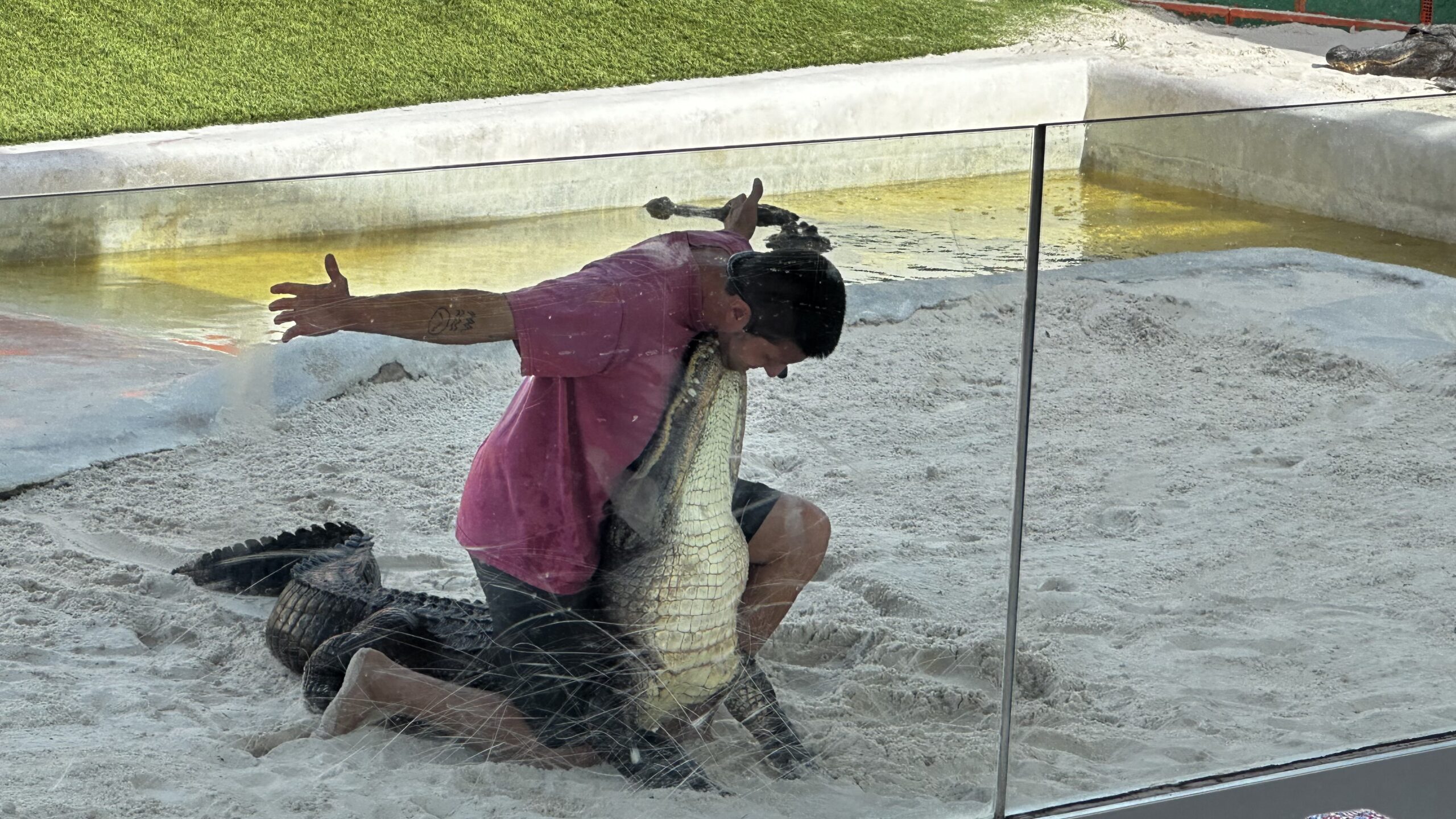
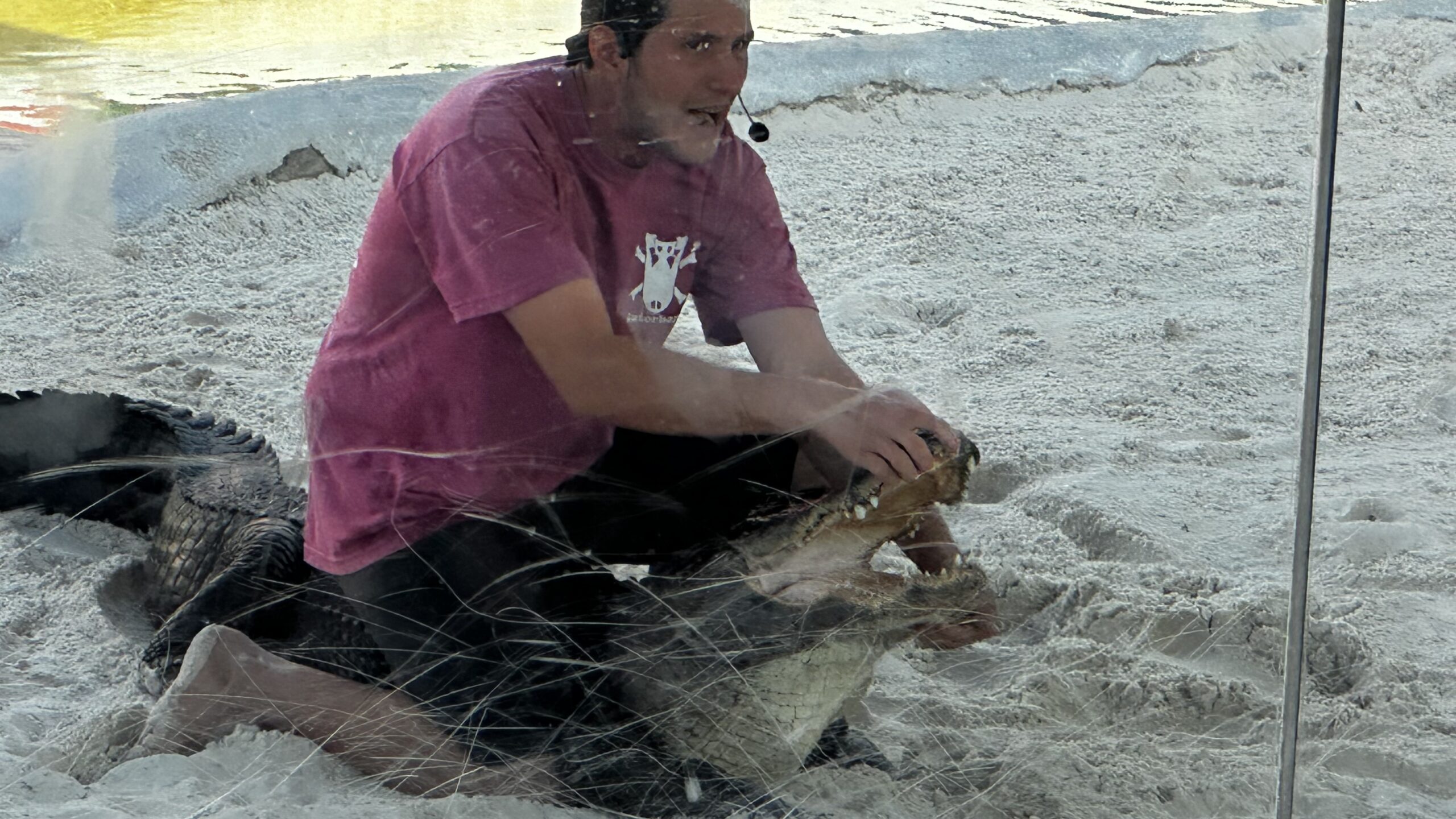
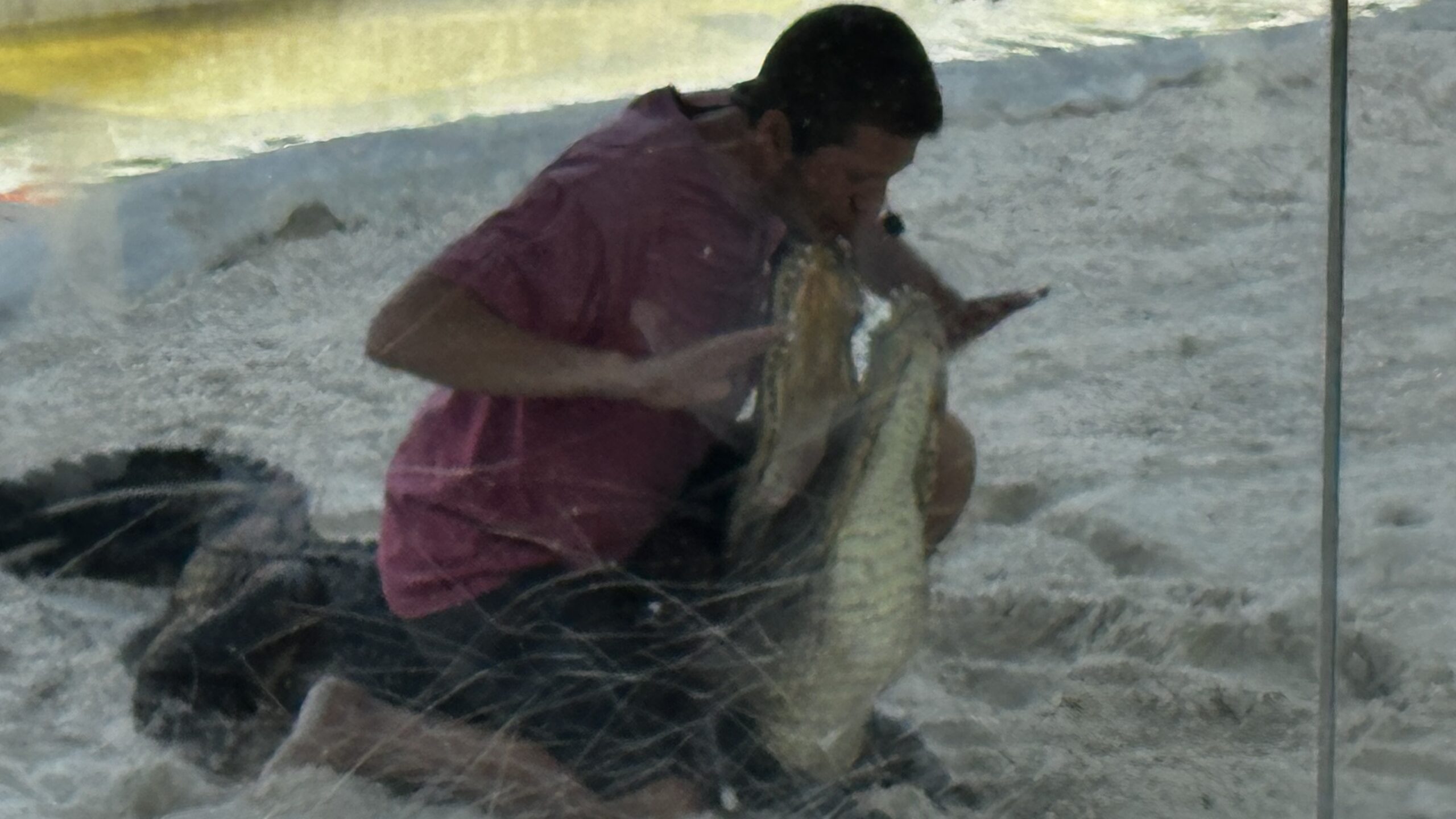
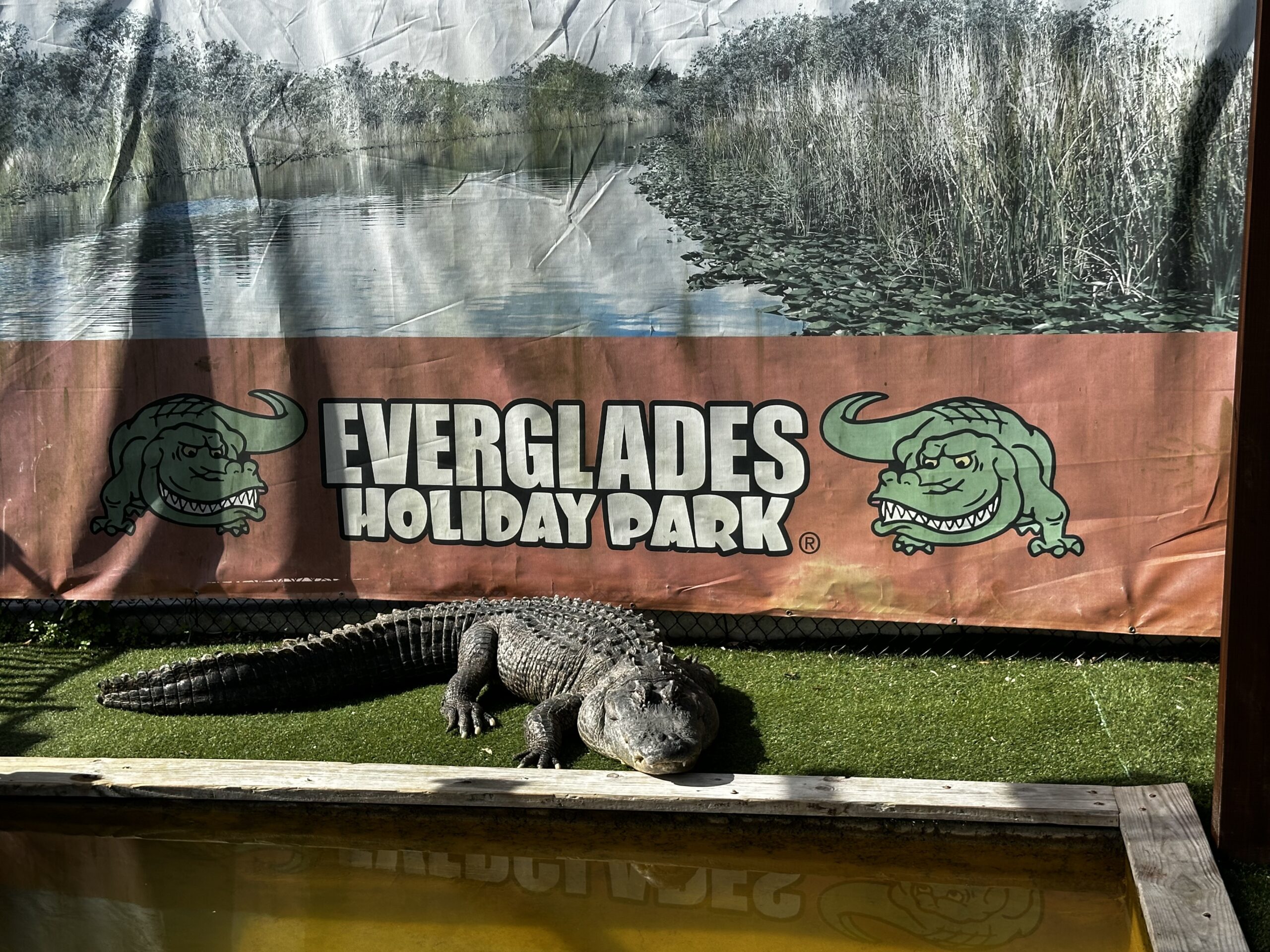
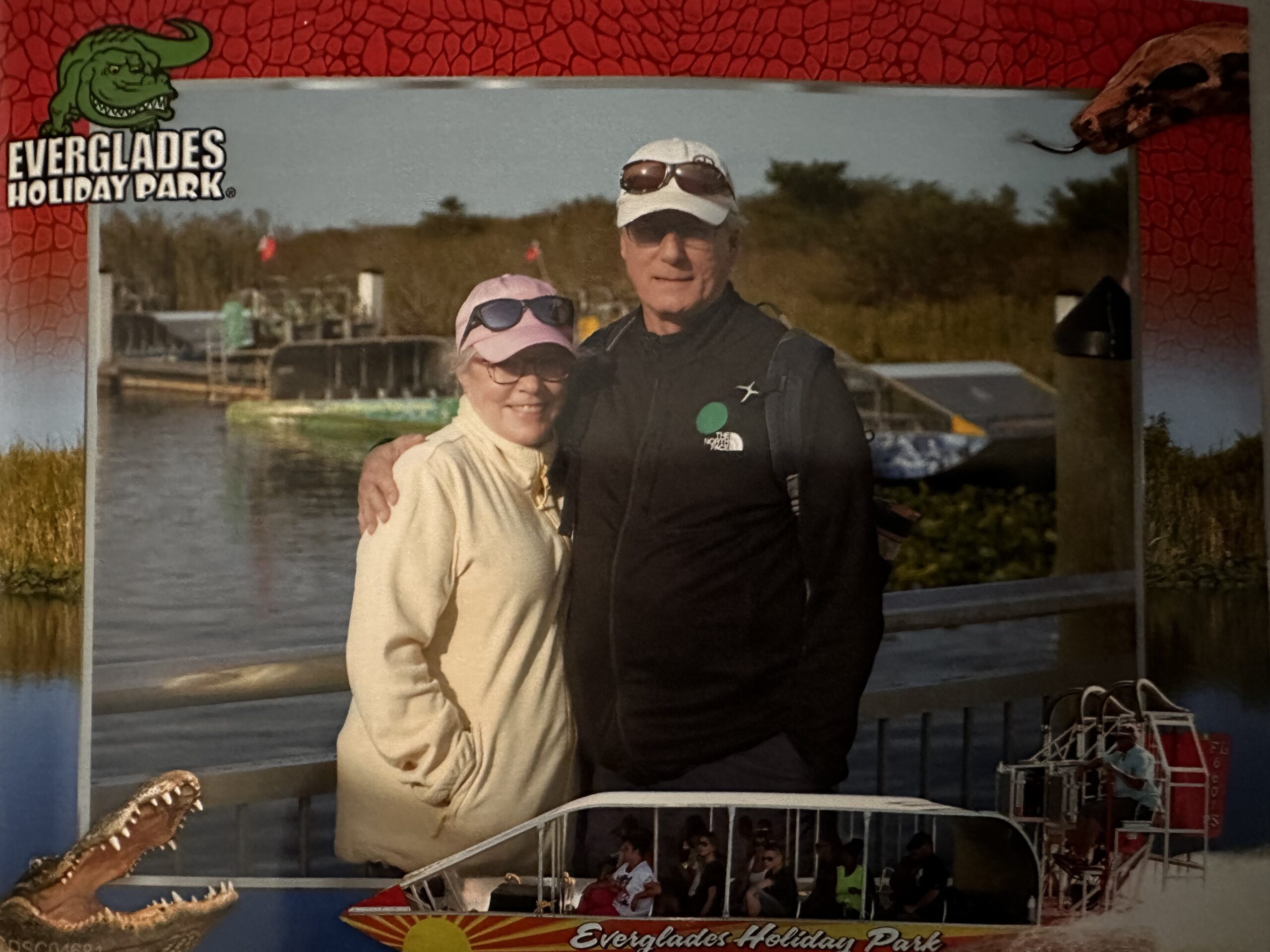
We saw 2 alligators, some birds (ospreys, turkey and American black vultures, purple gallinule). There was a short show at the end which, if nothing else, demonstrated that alligators are not man-eating monsters, rather creatures best left to their natural habitat.
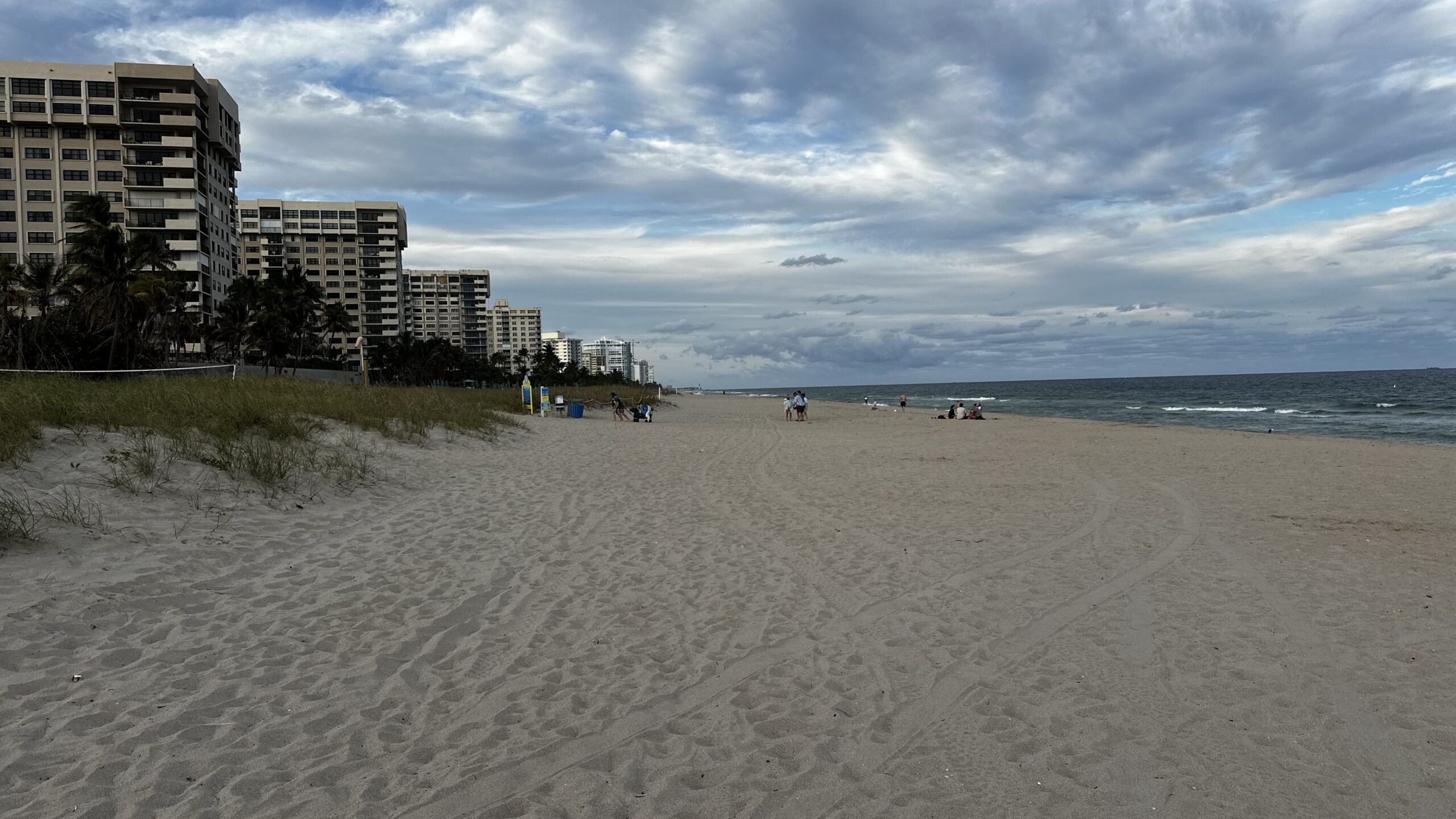
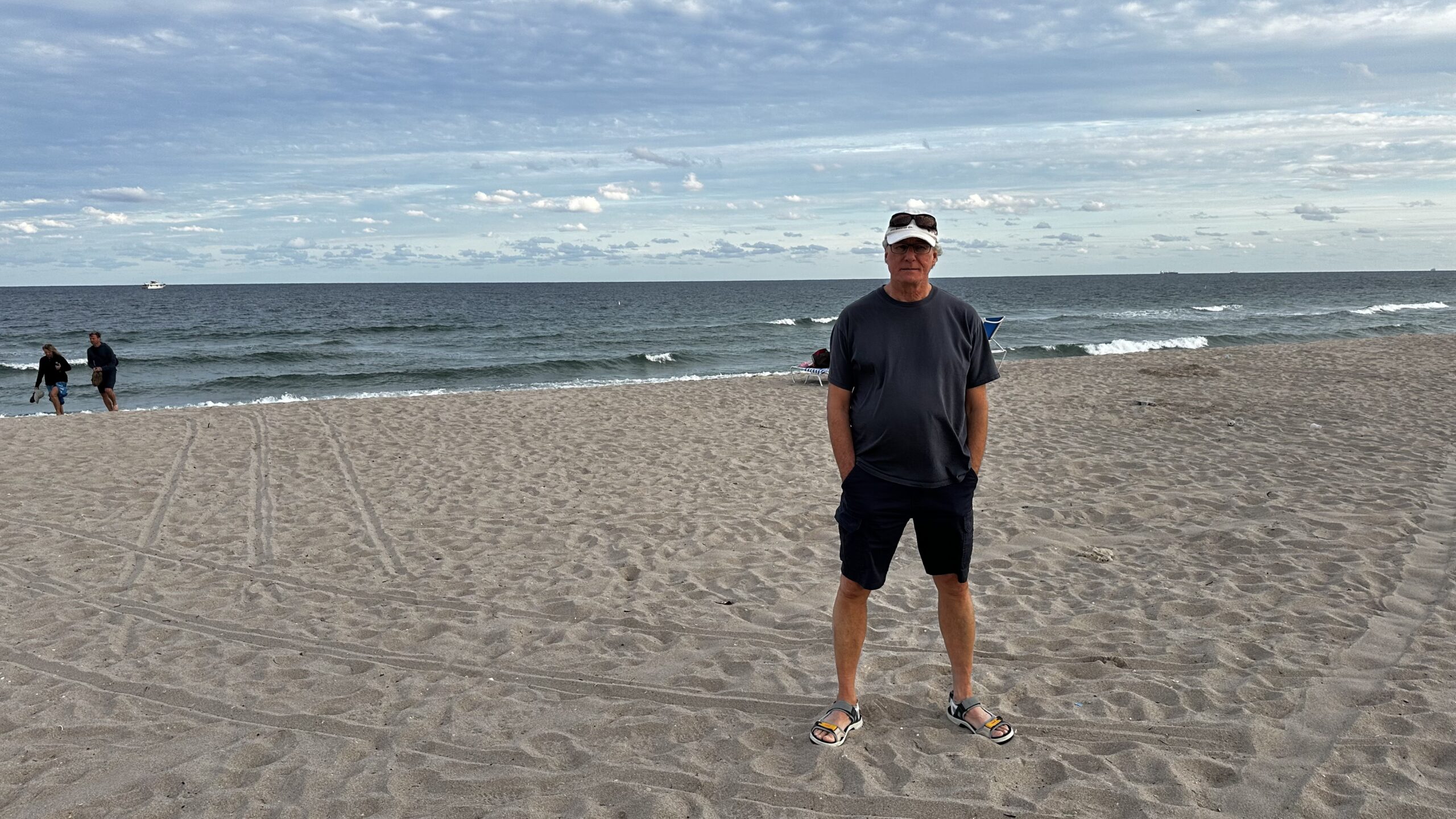
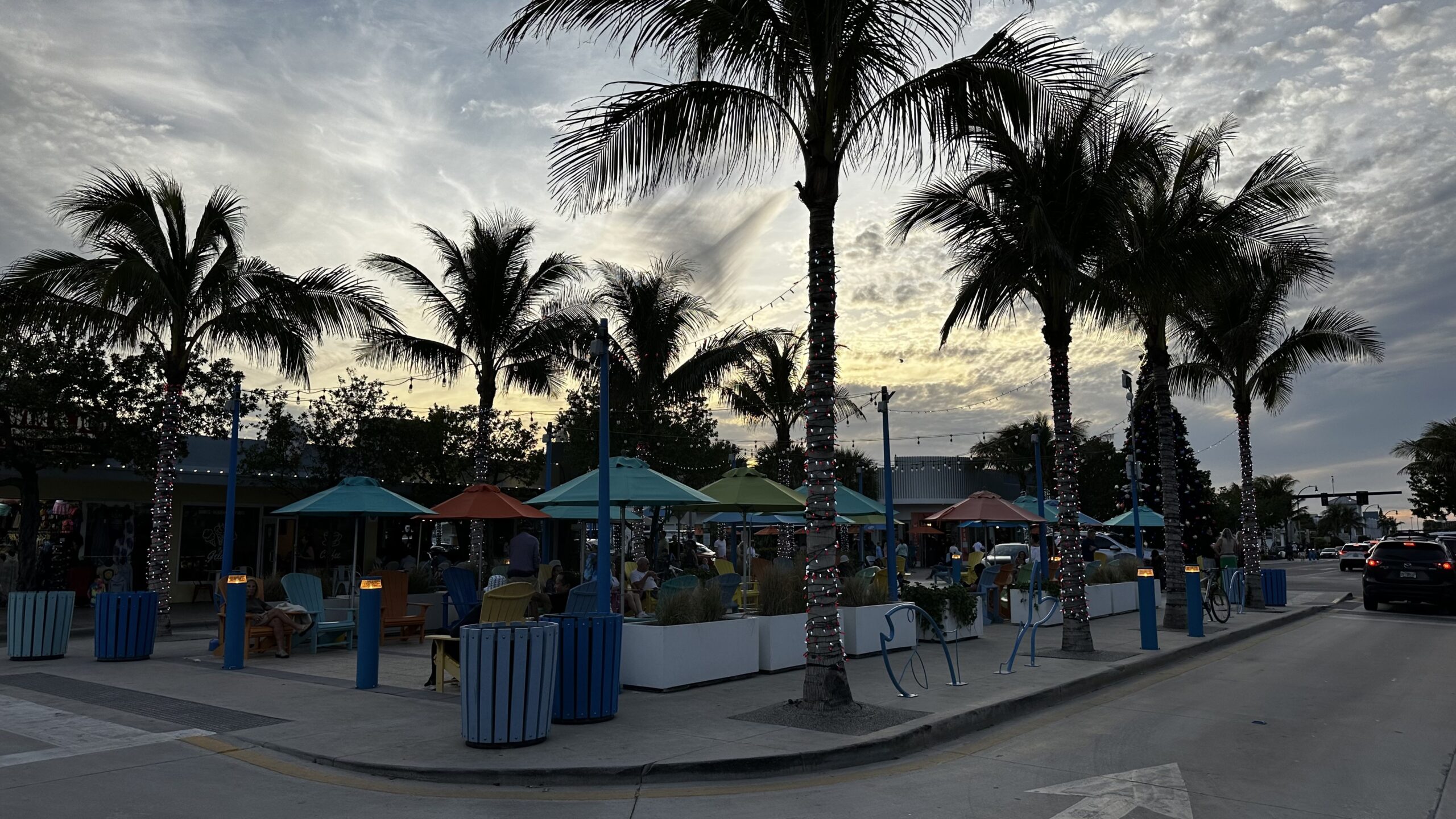
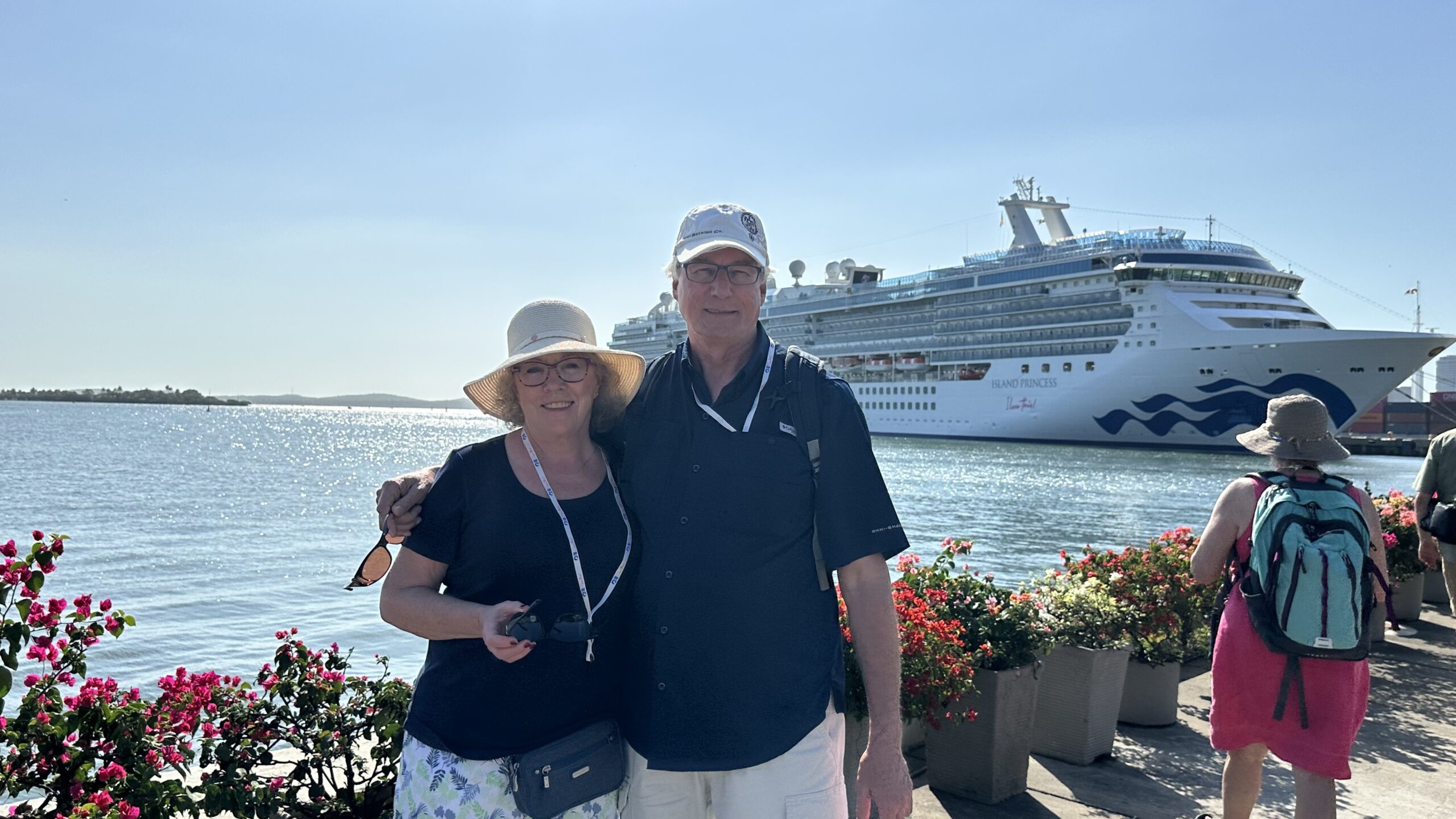
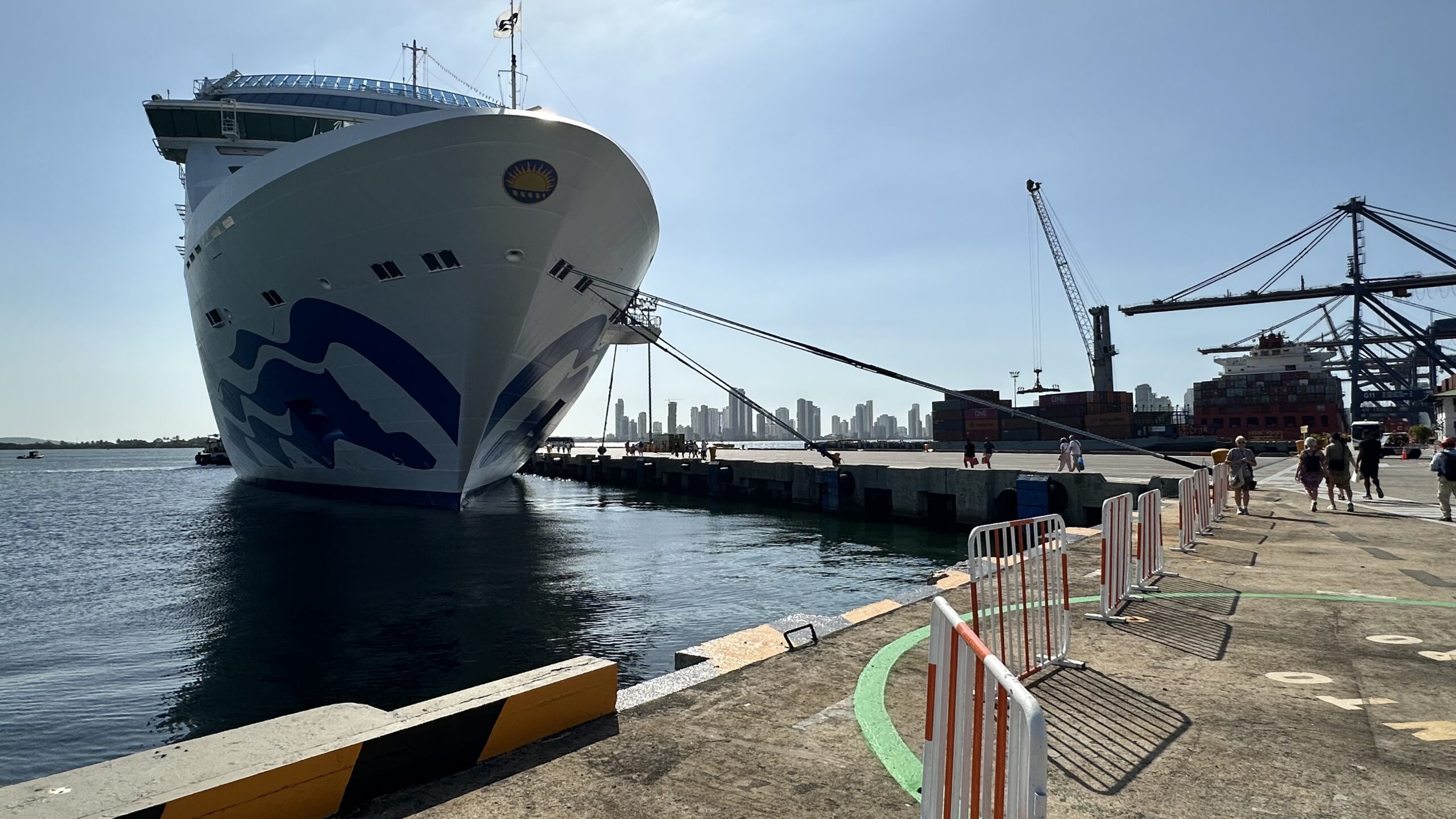
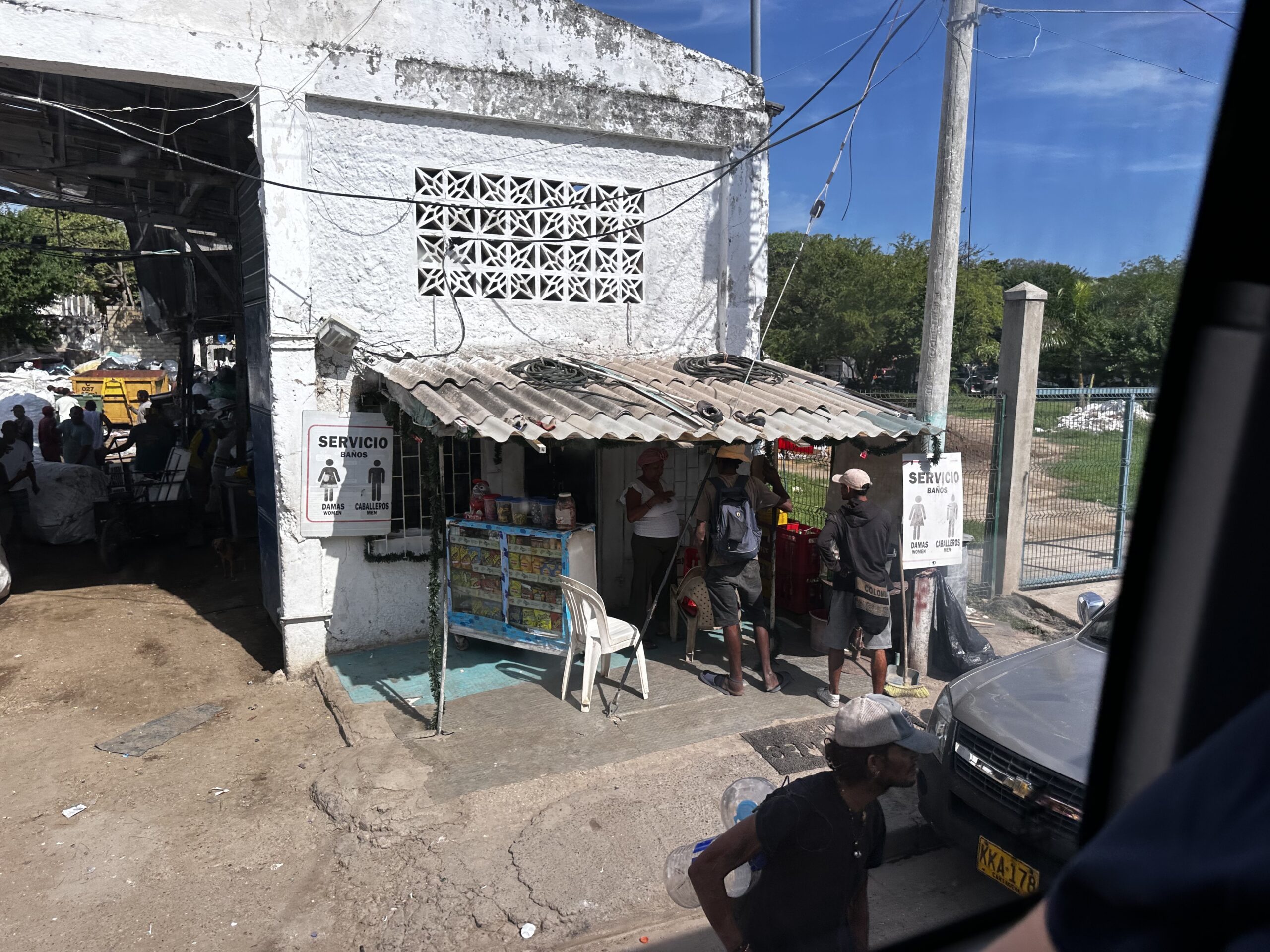
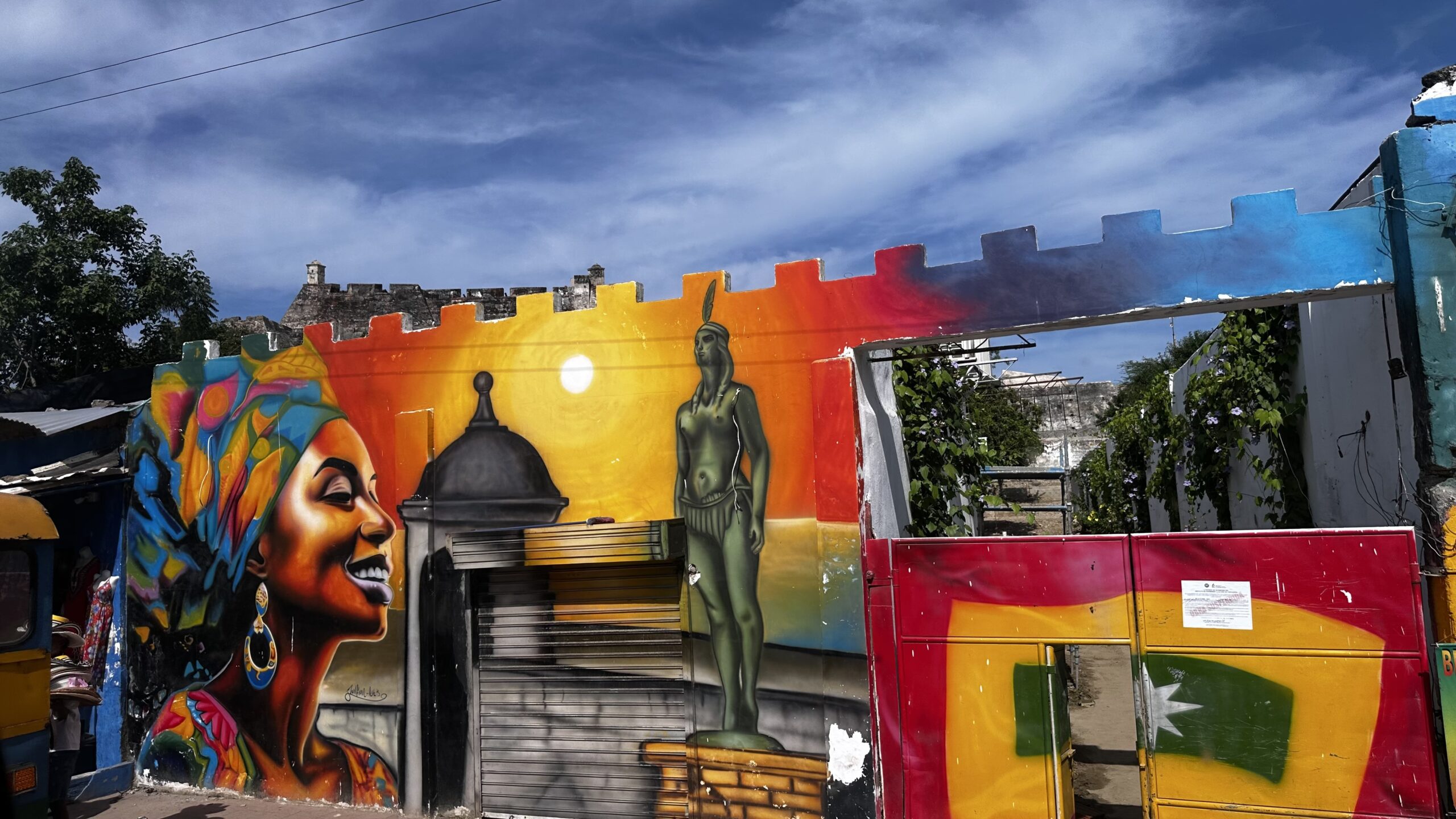
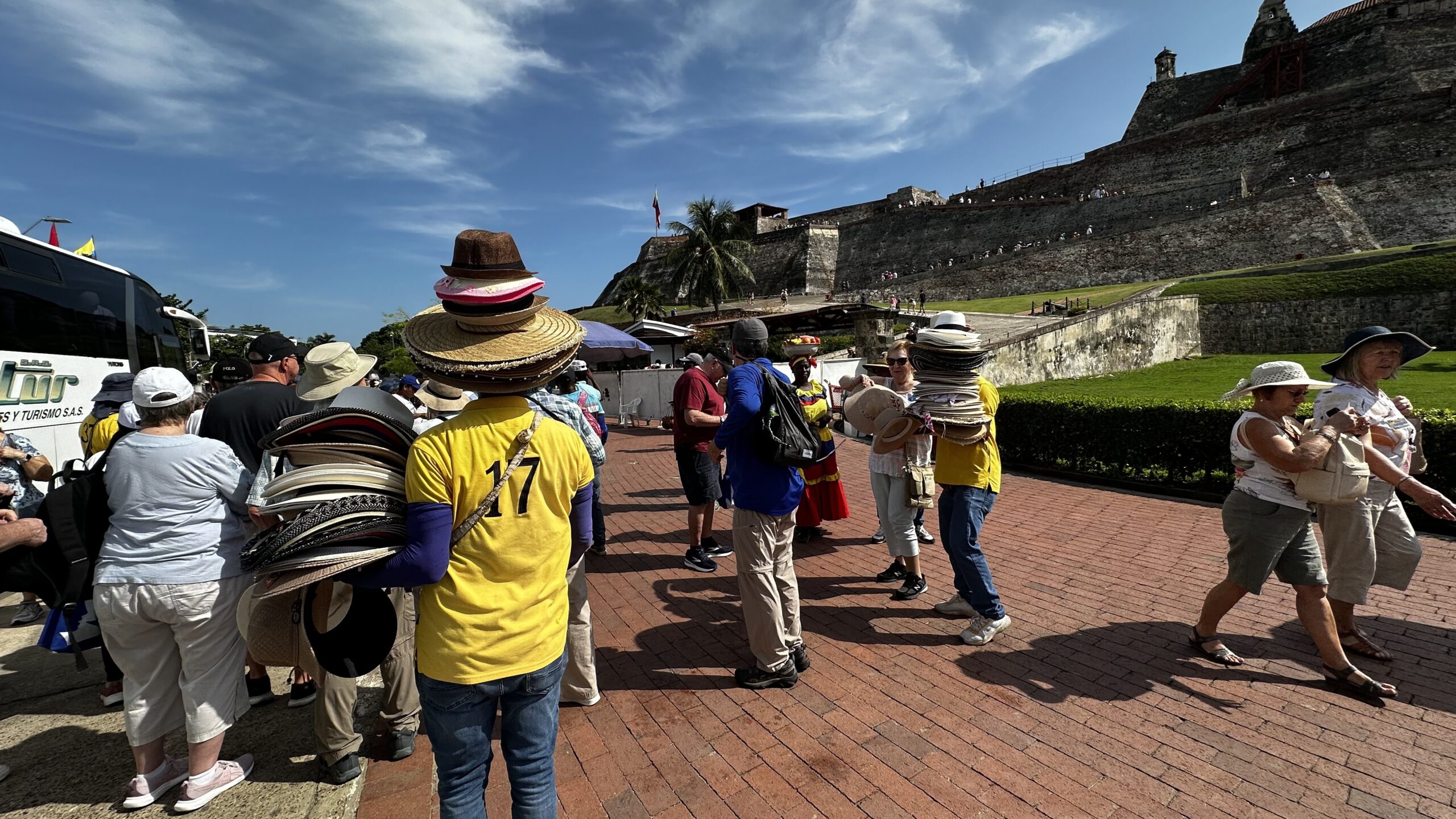
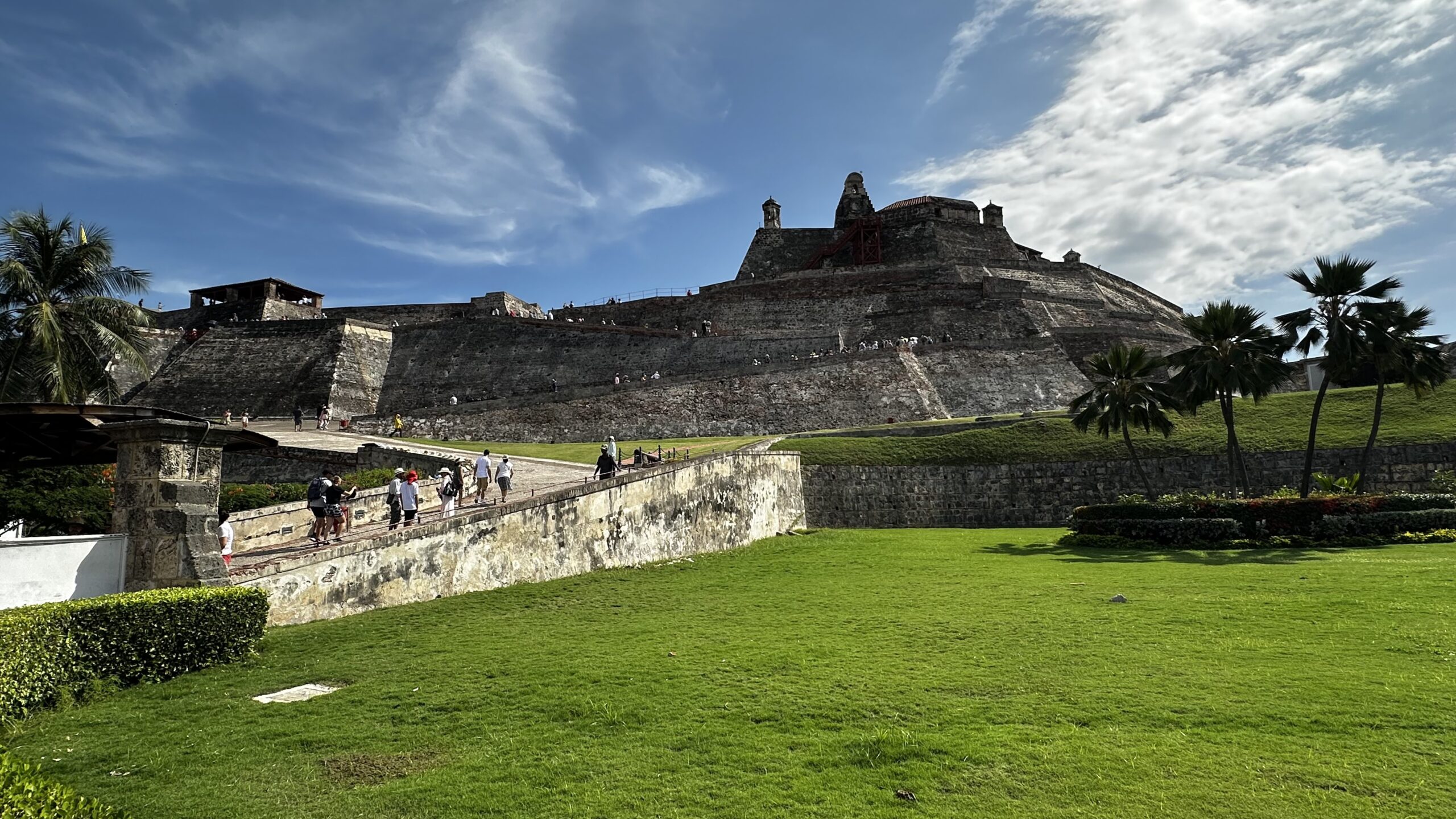
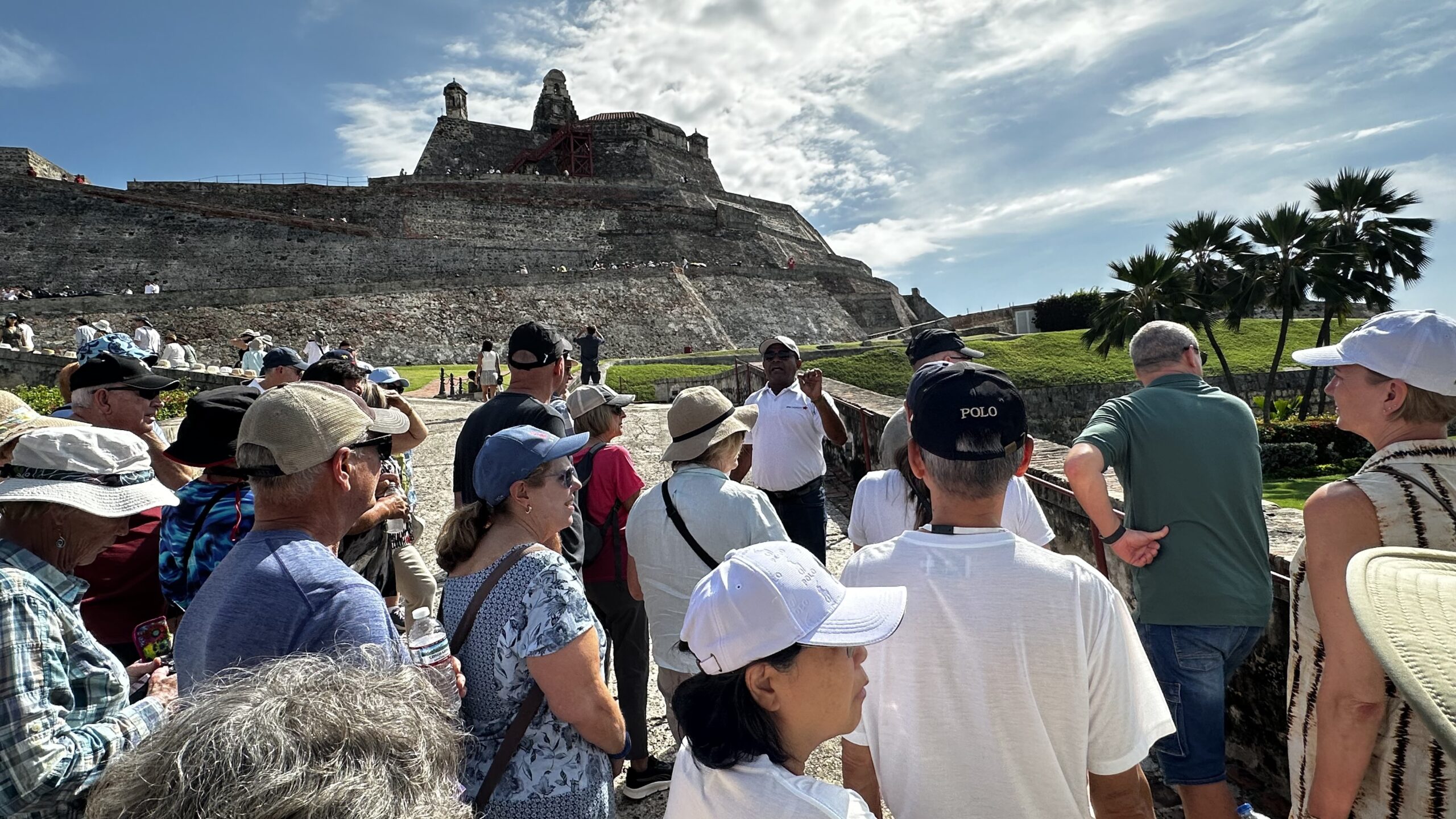
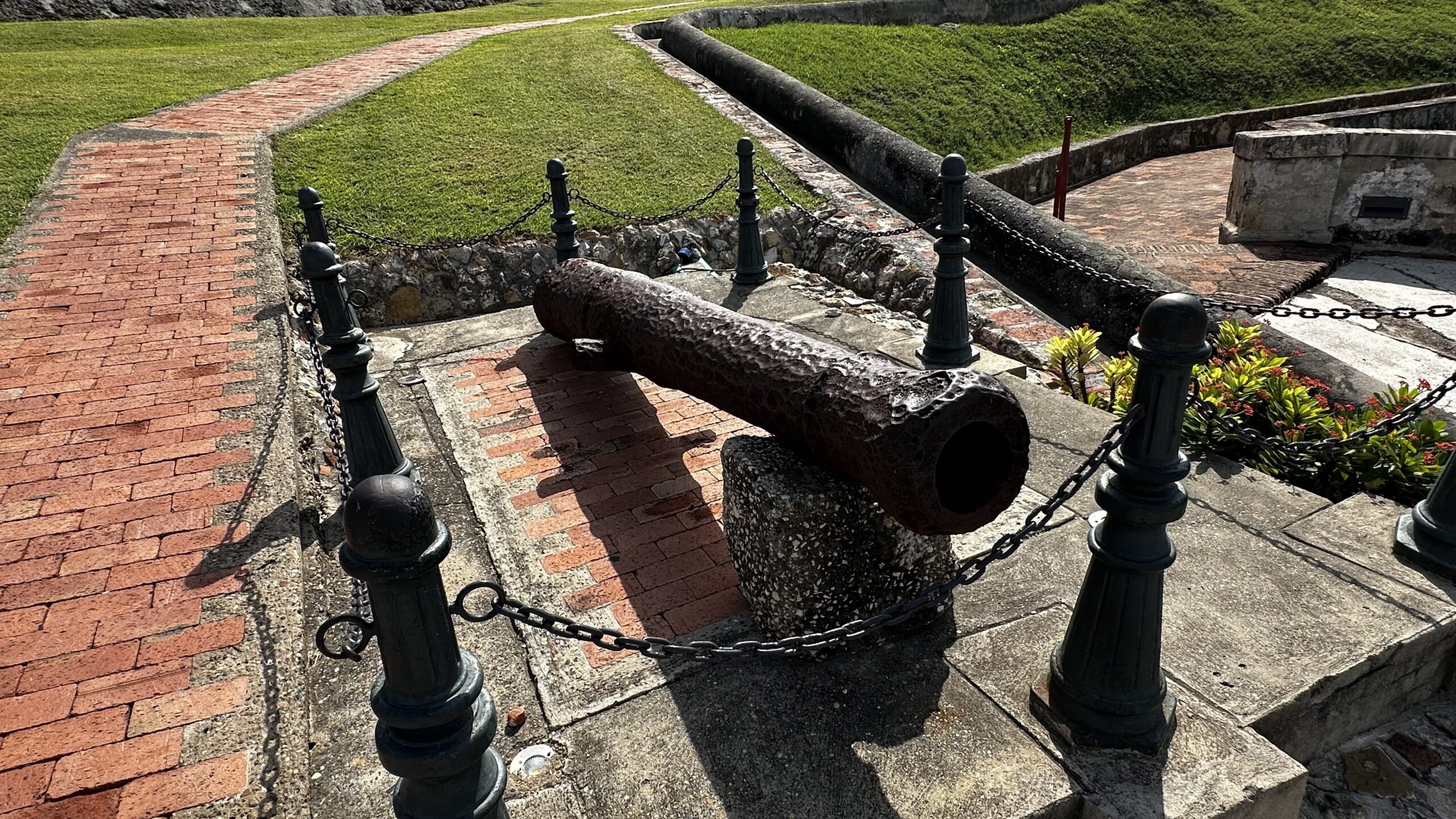
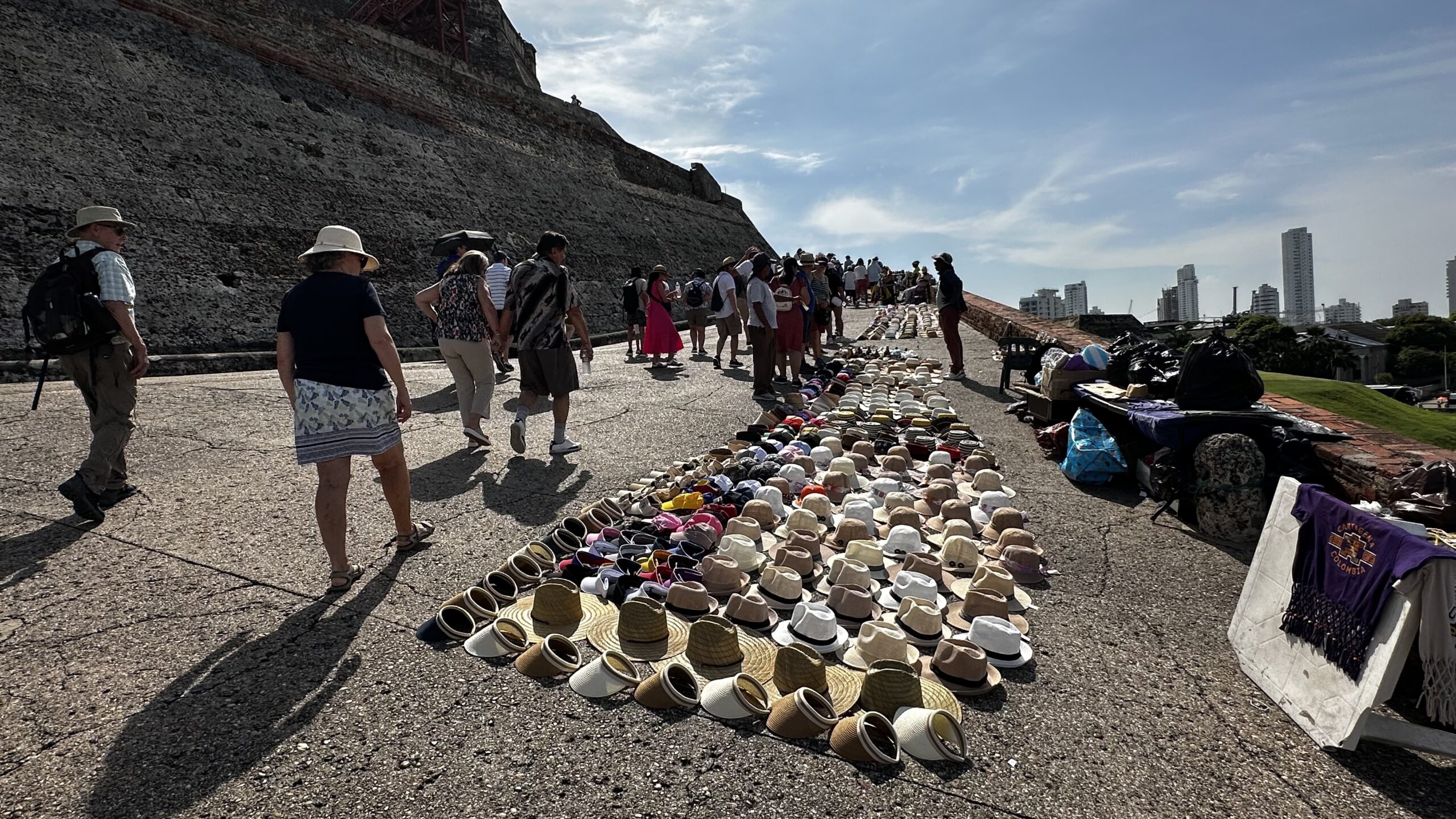
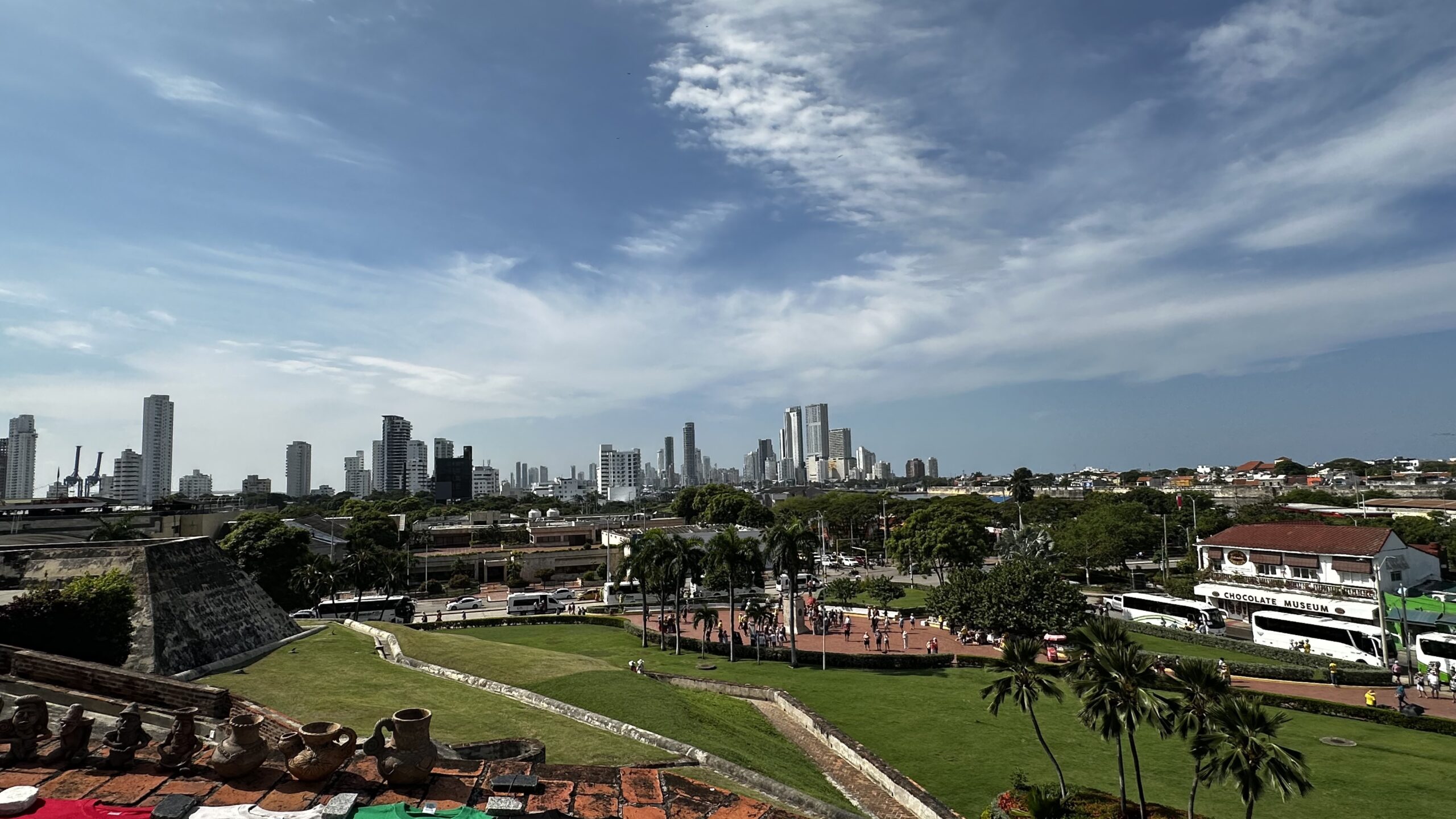
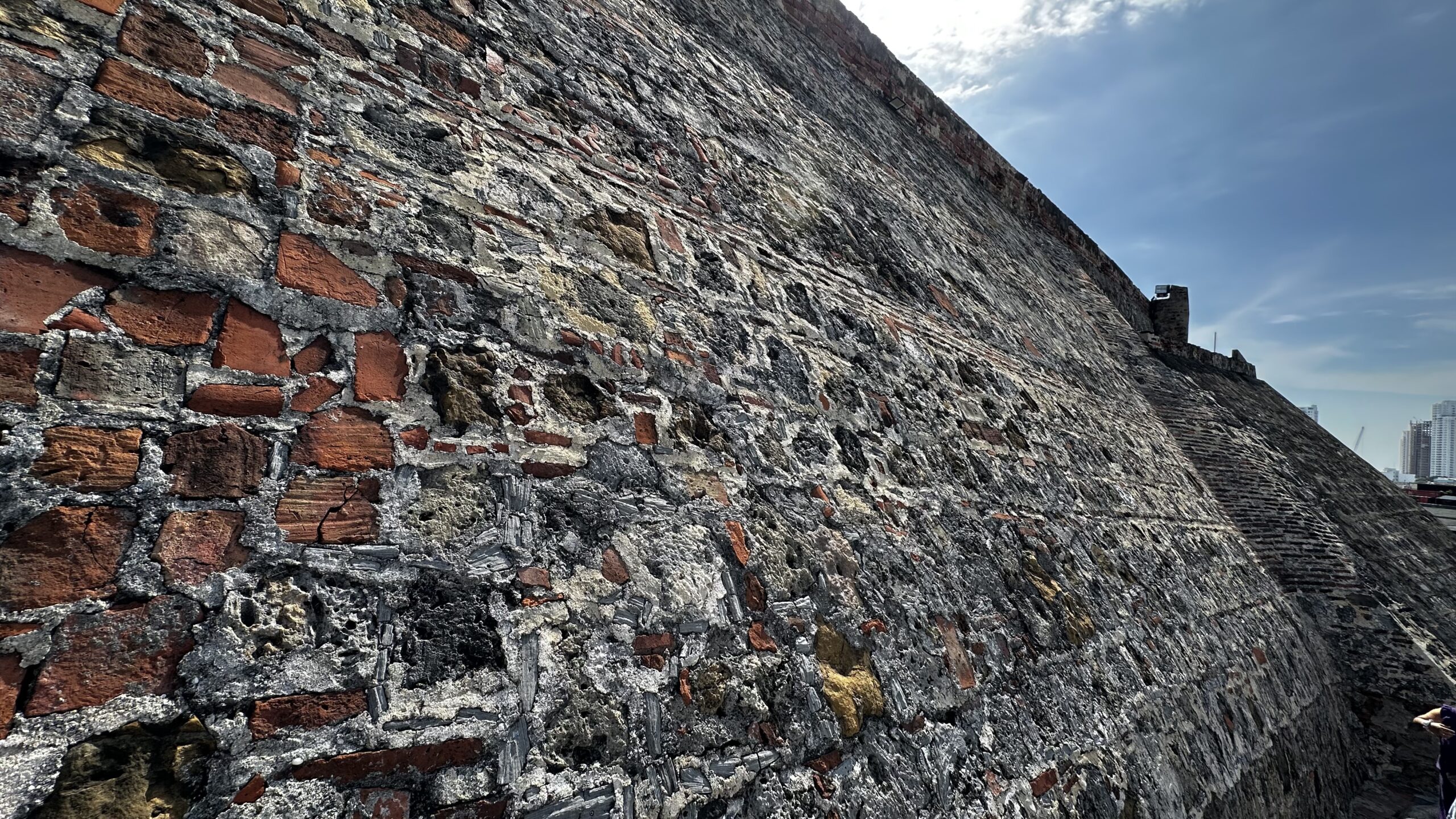
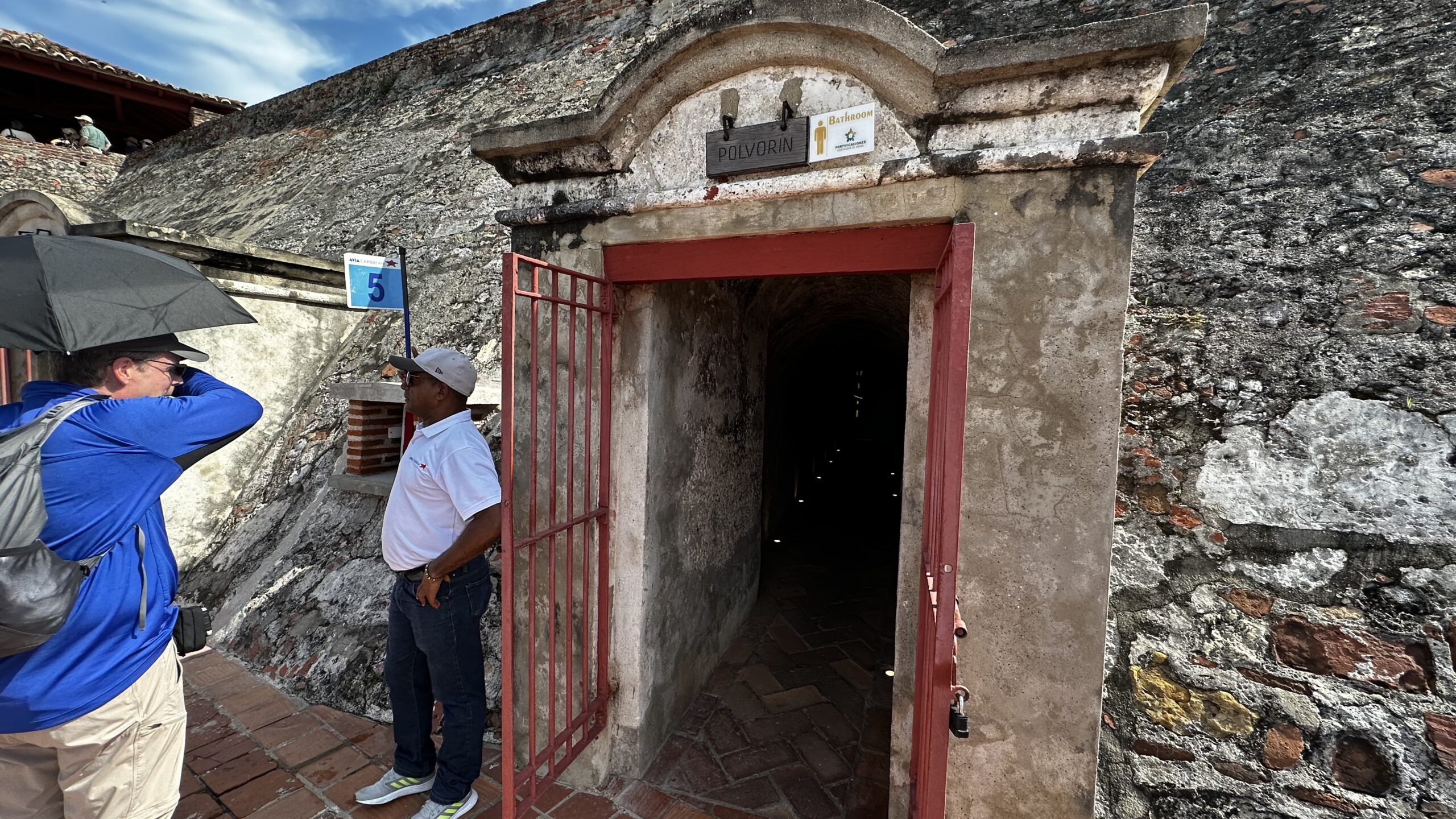
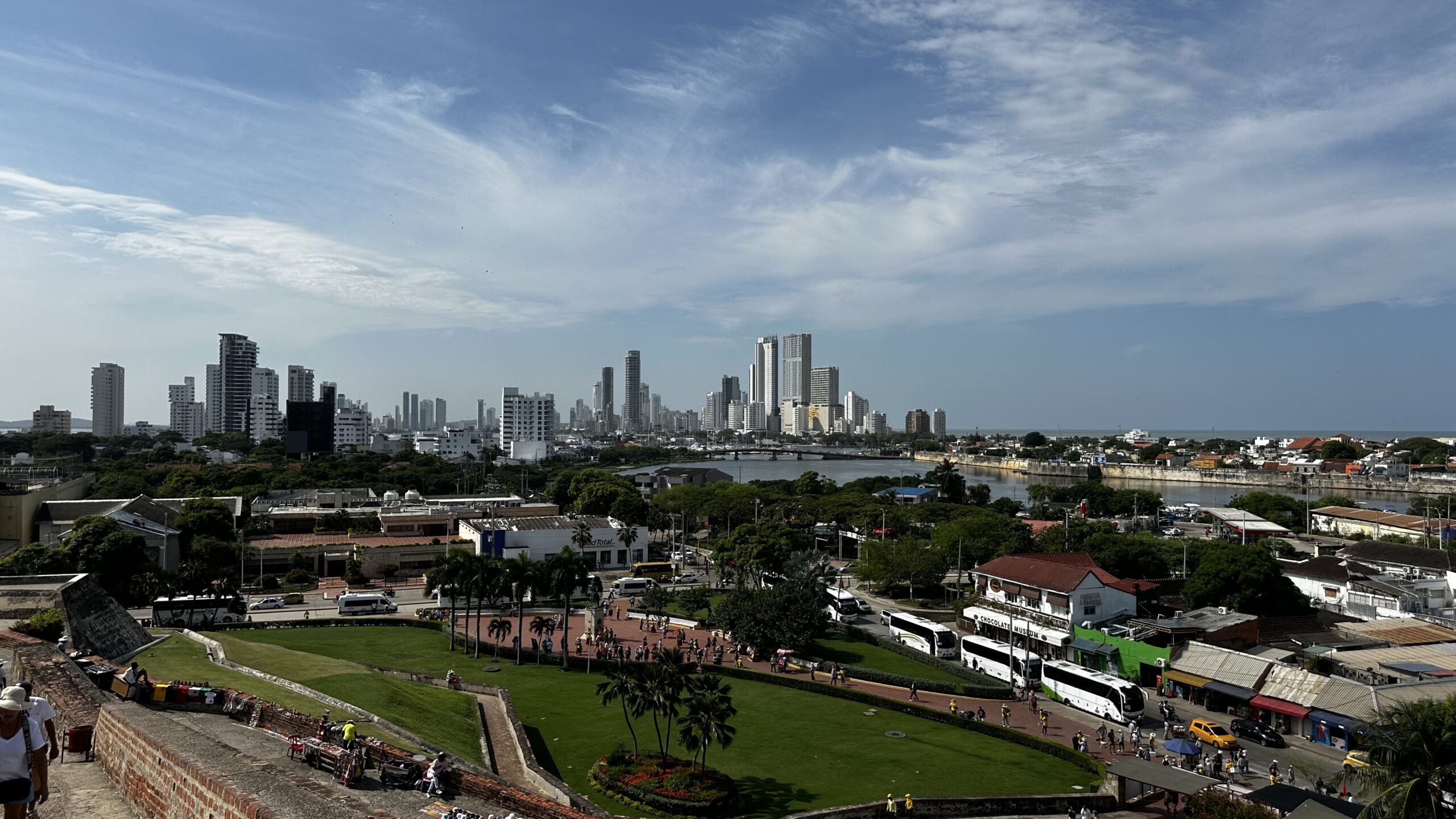
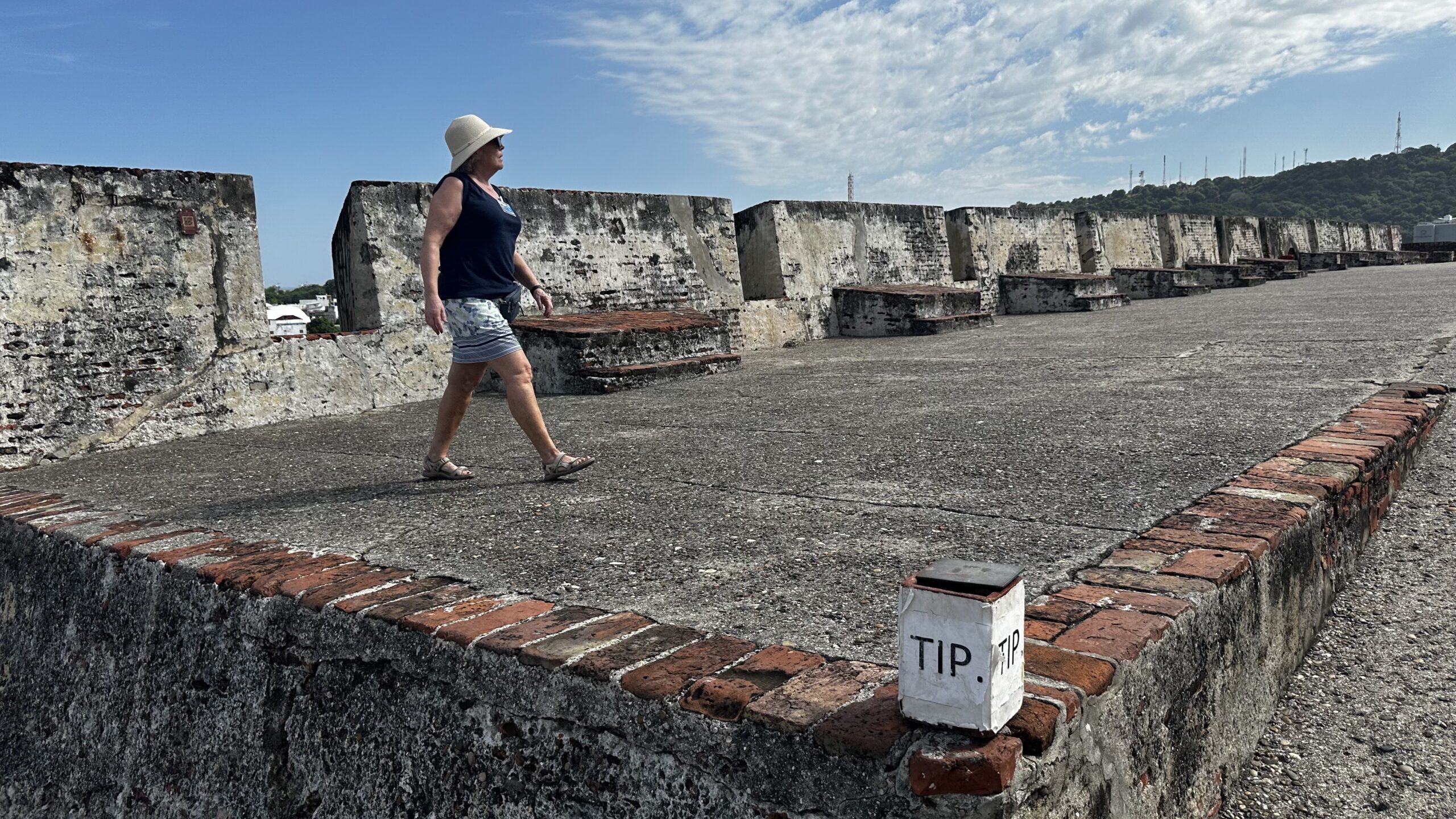
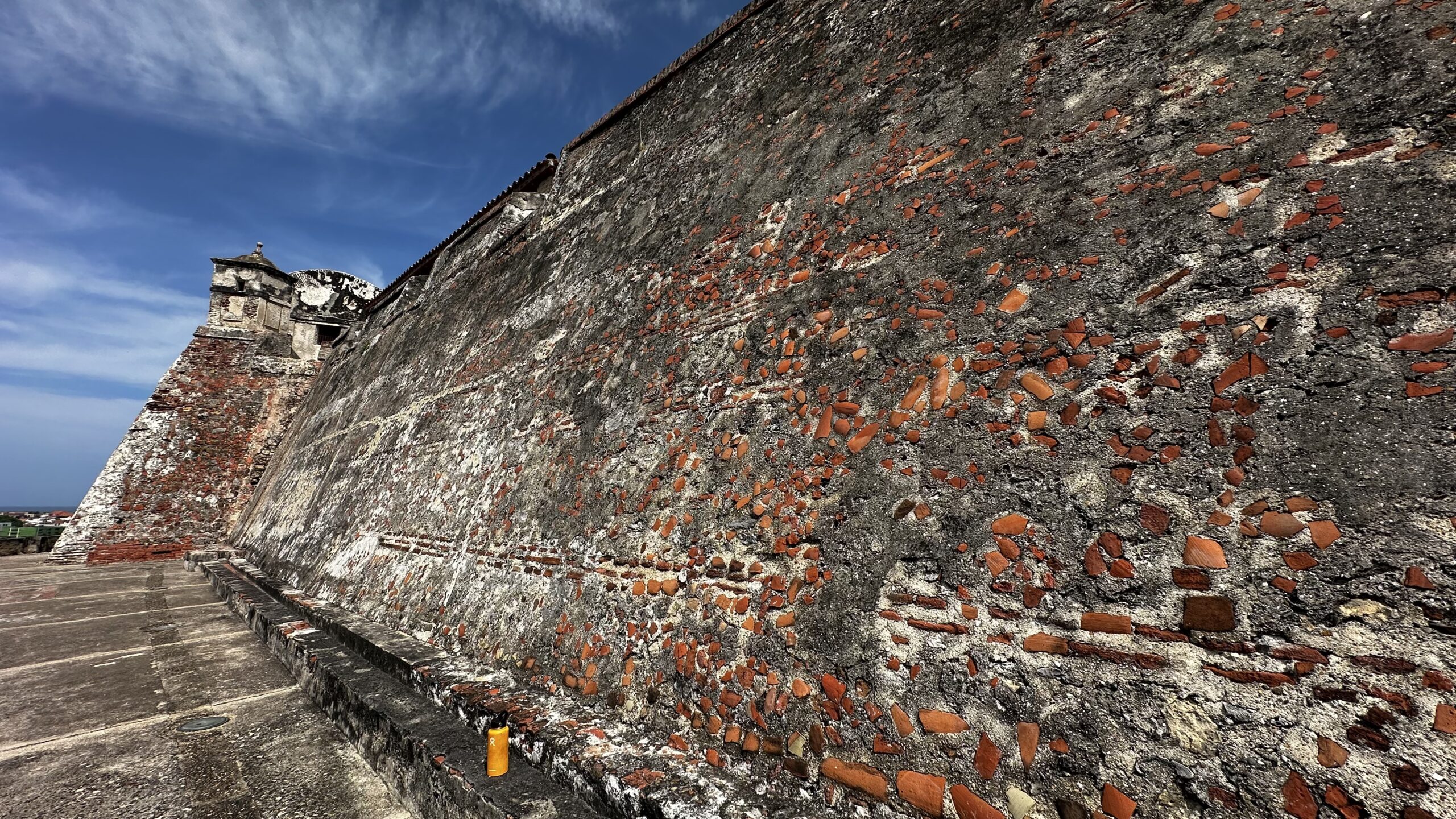
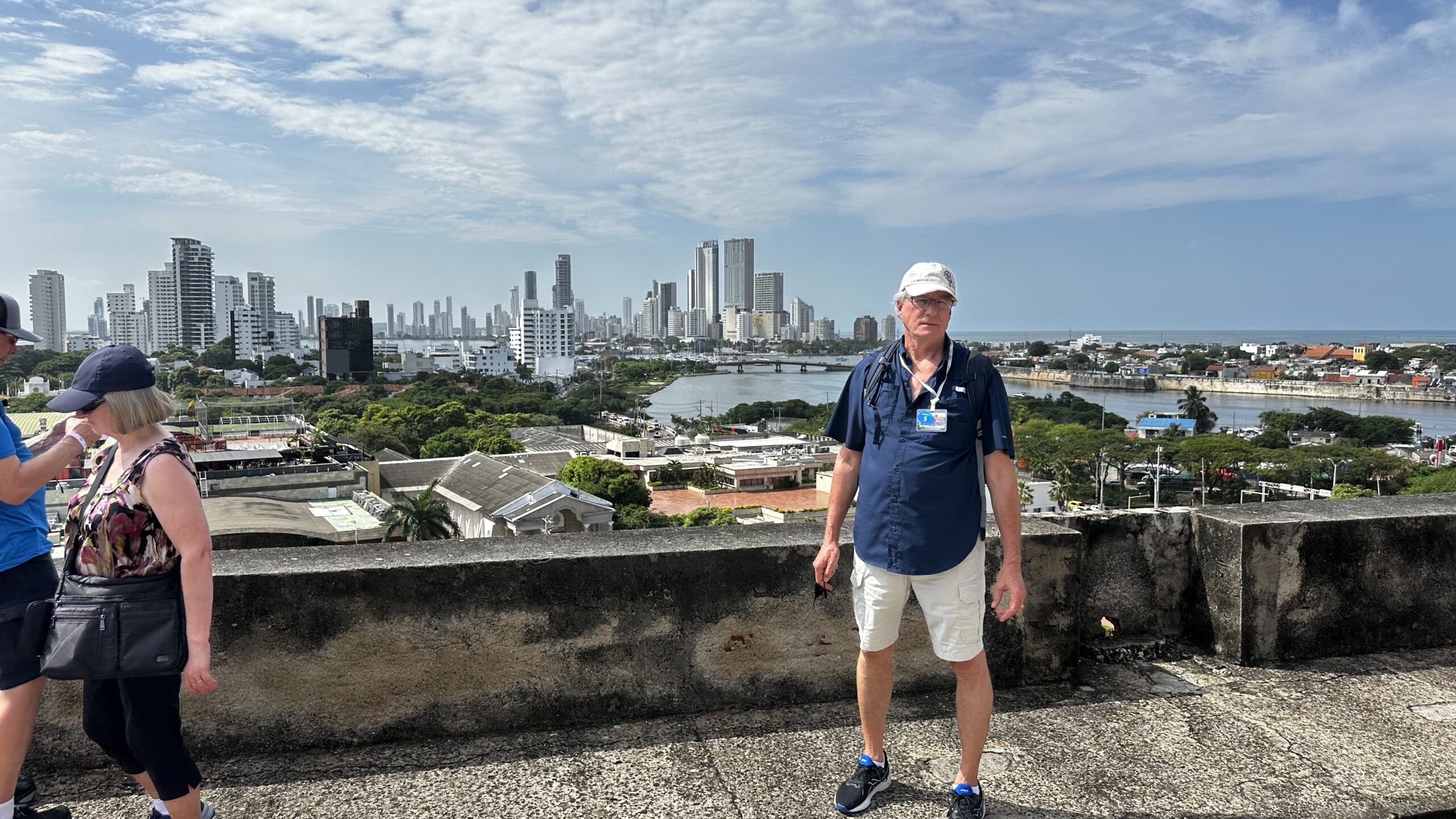
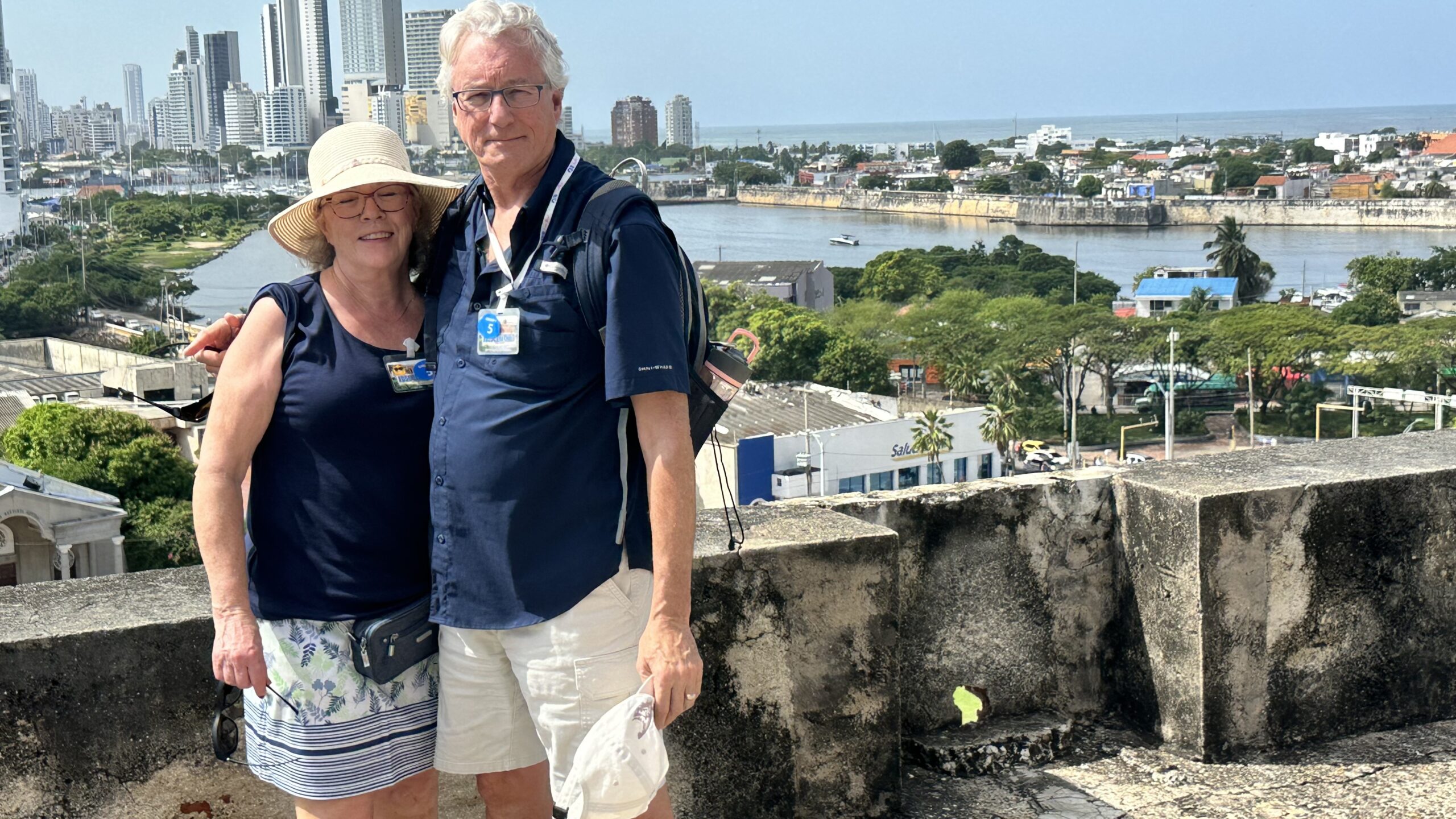
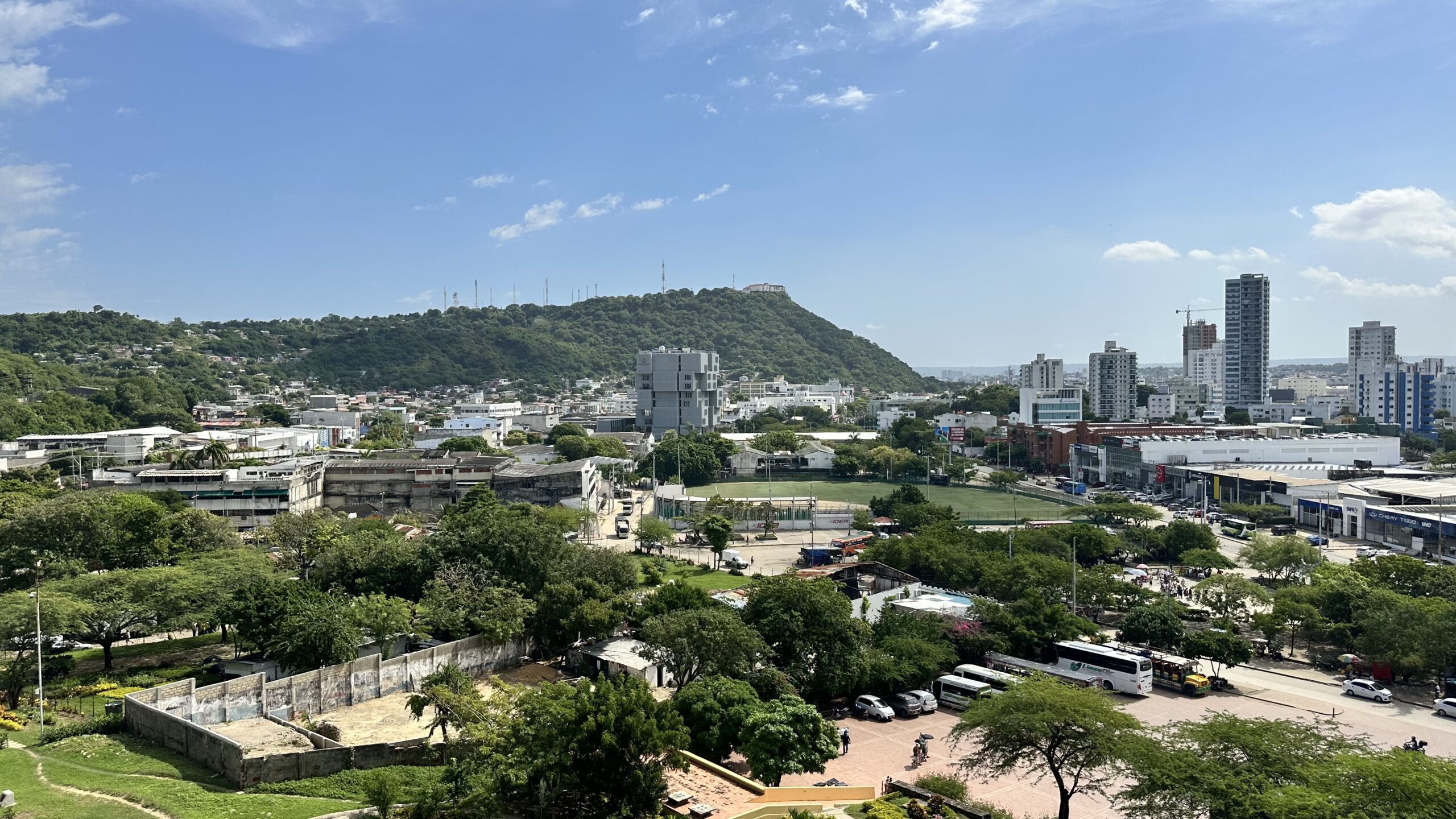
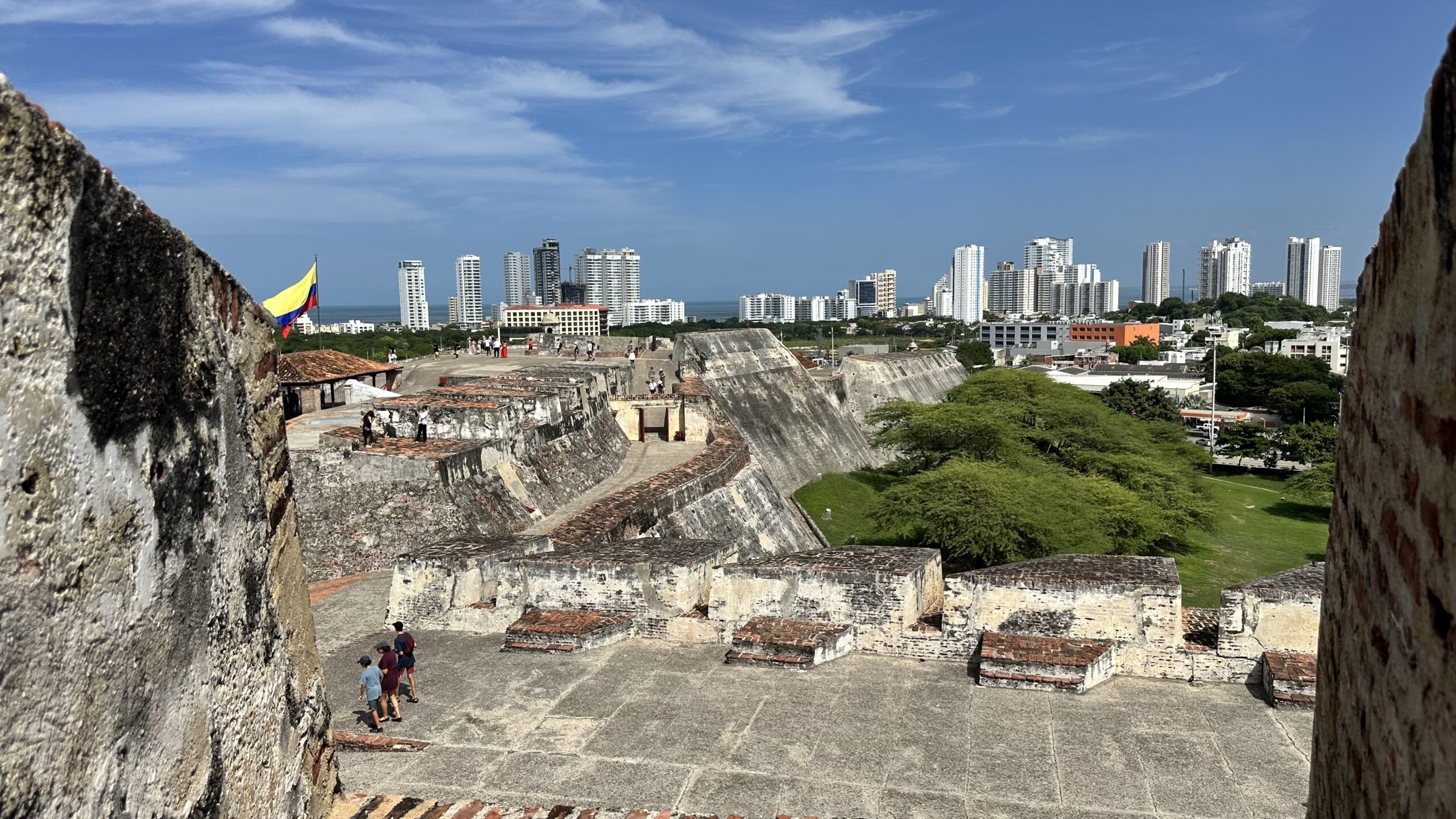
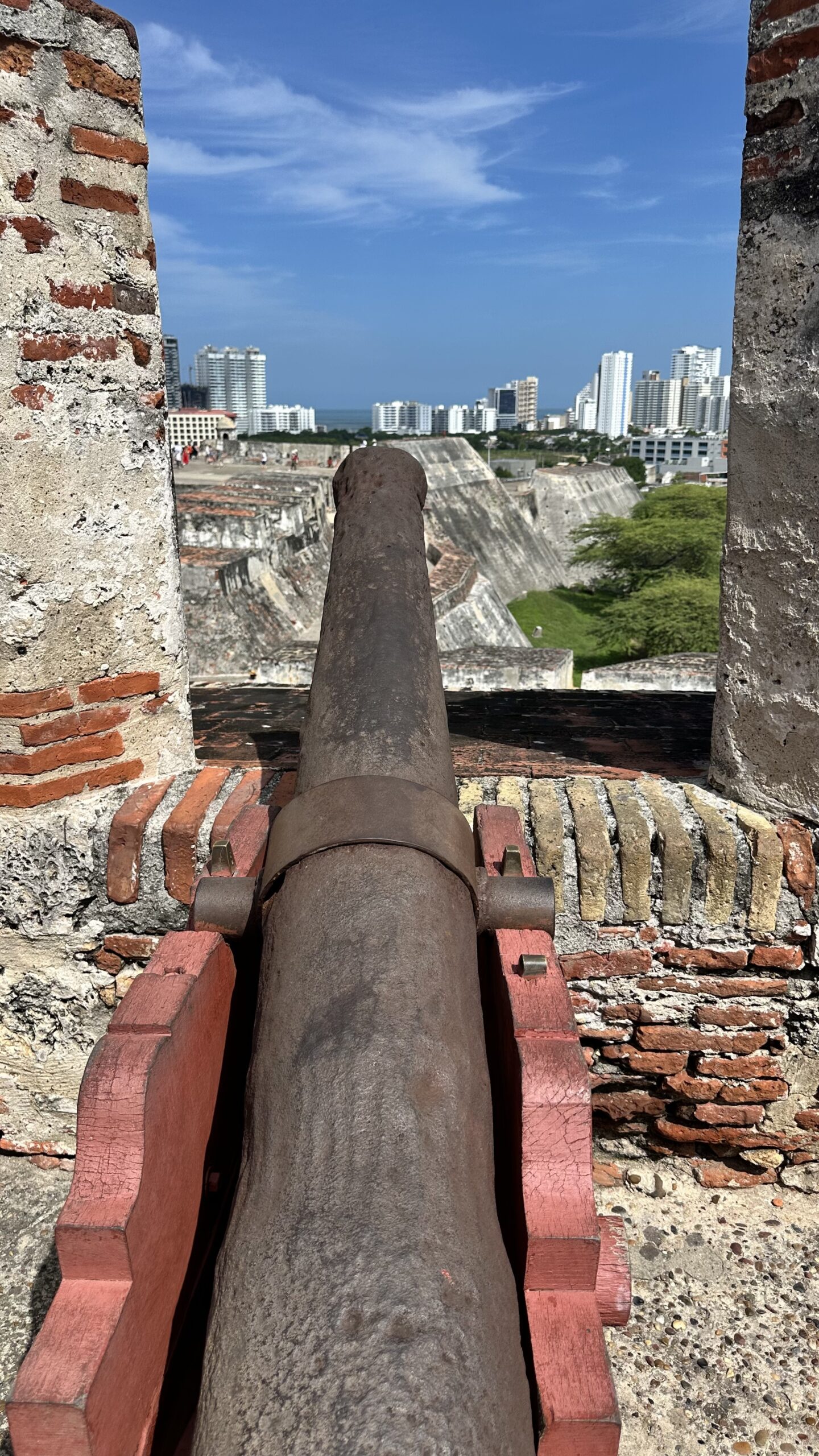
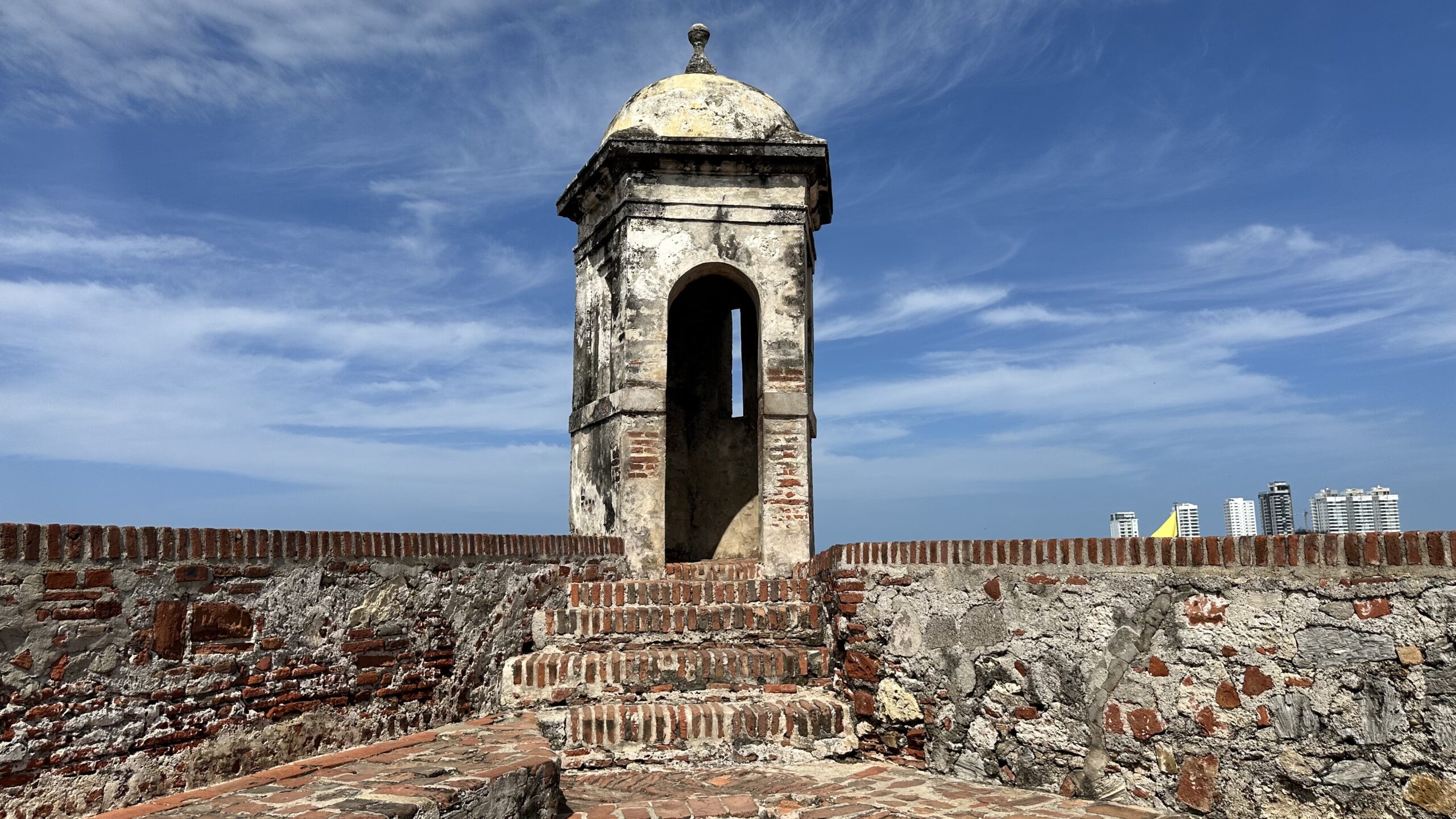
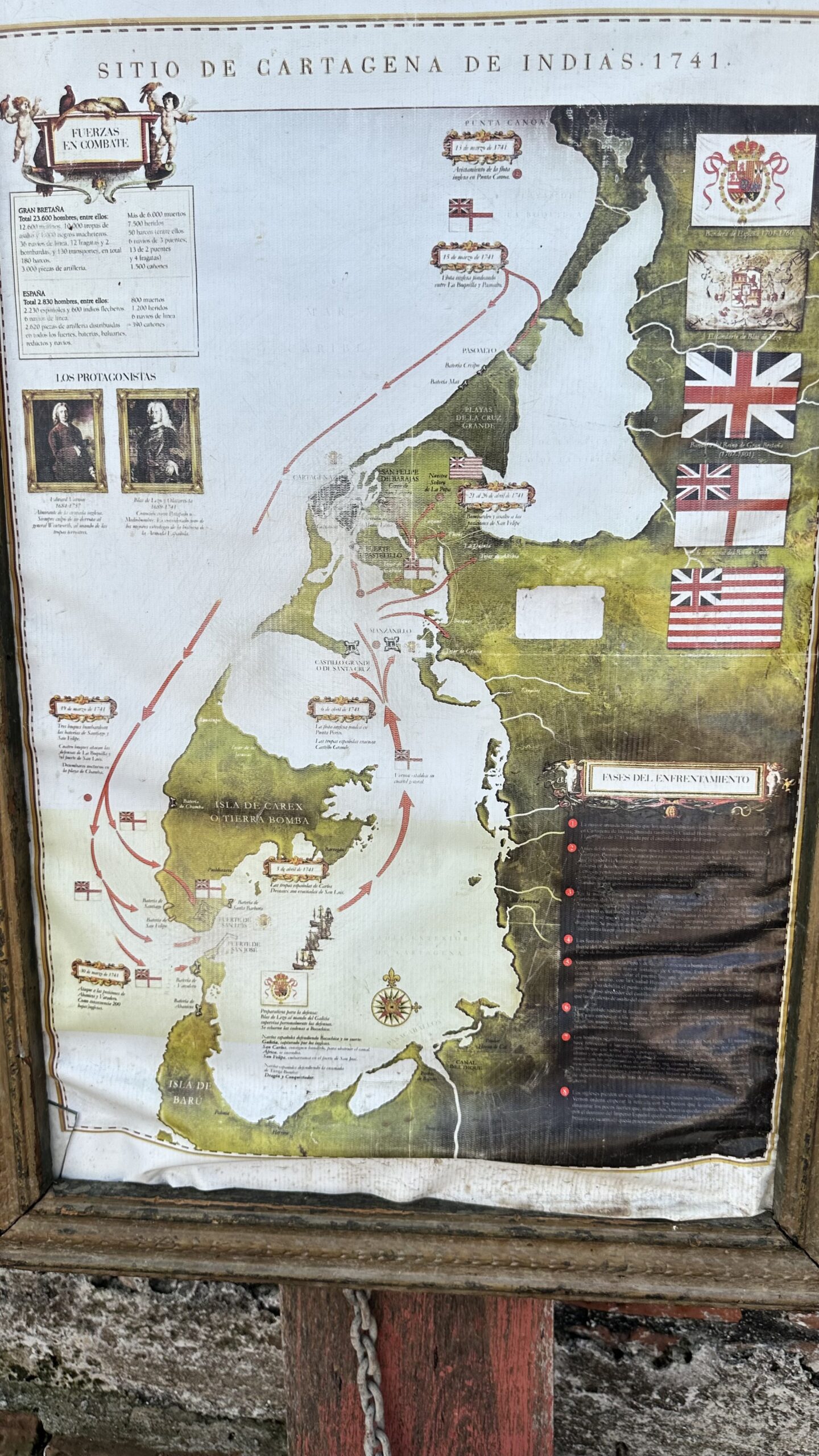
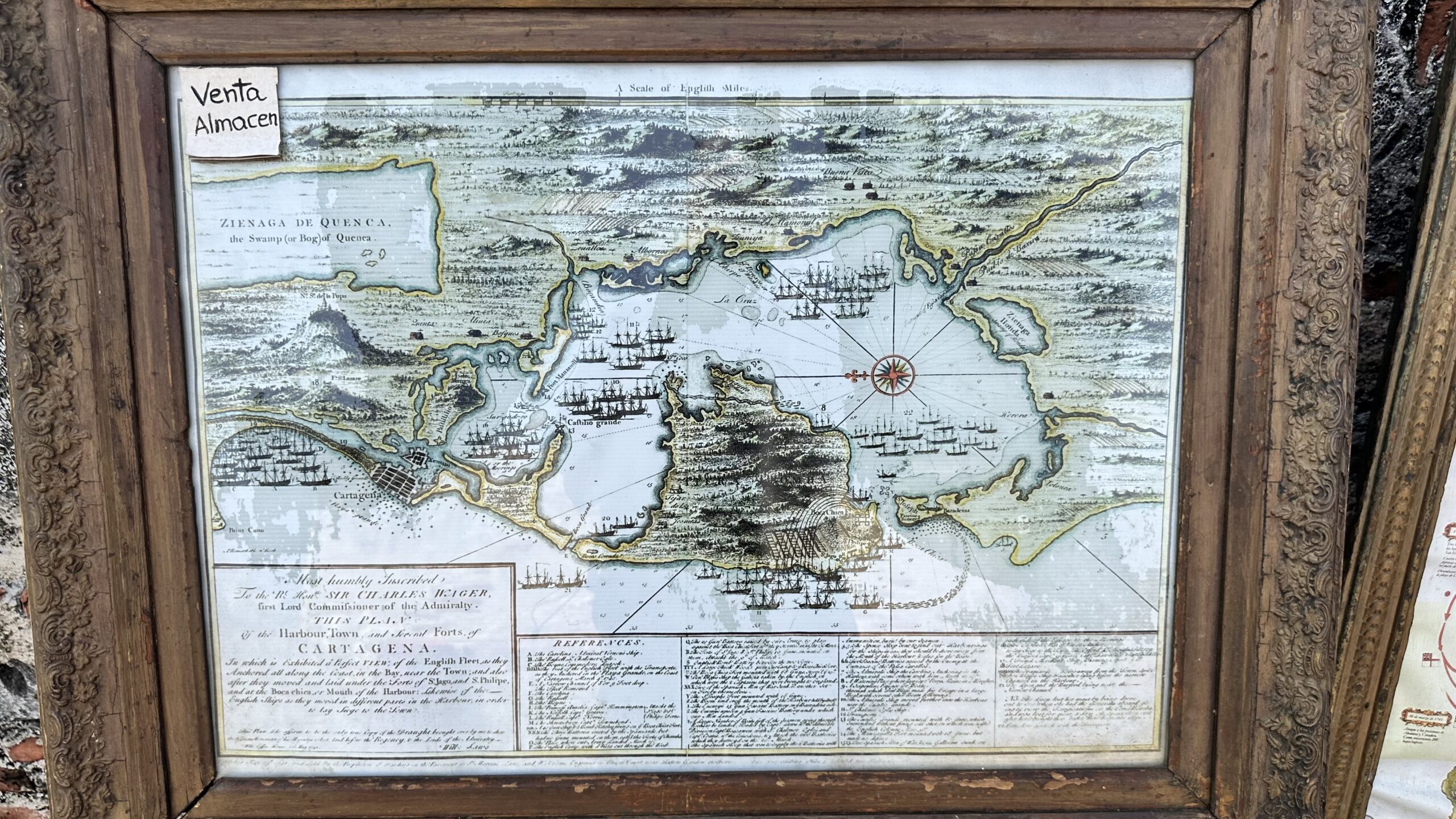
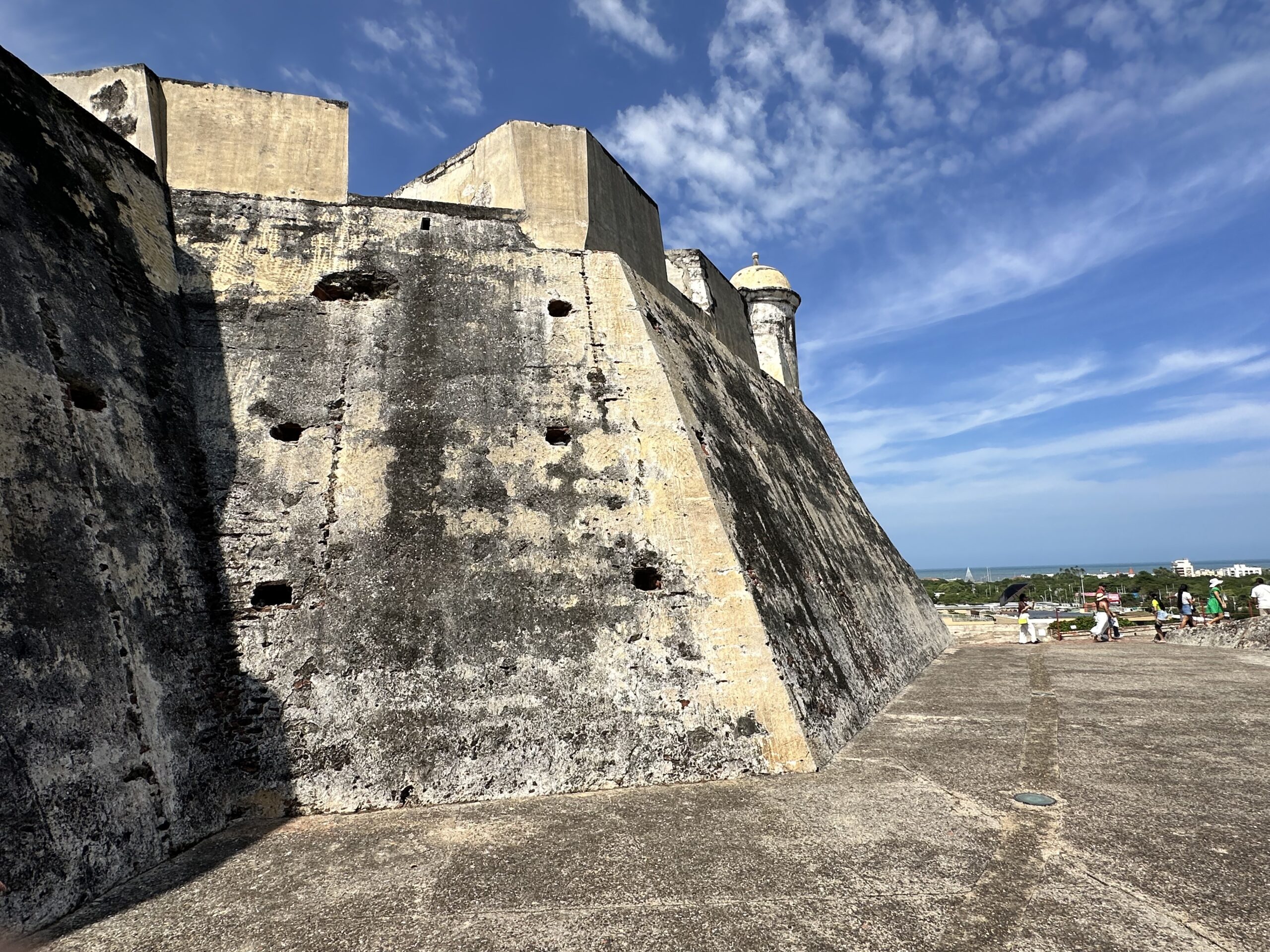
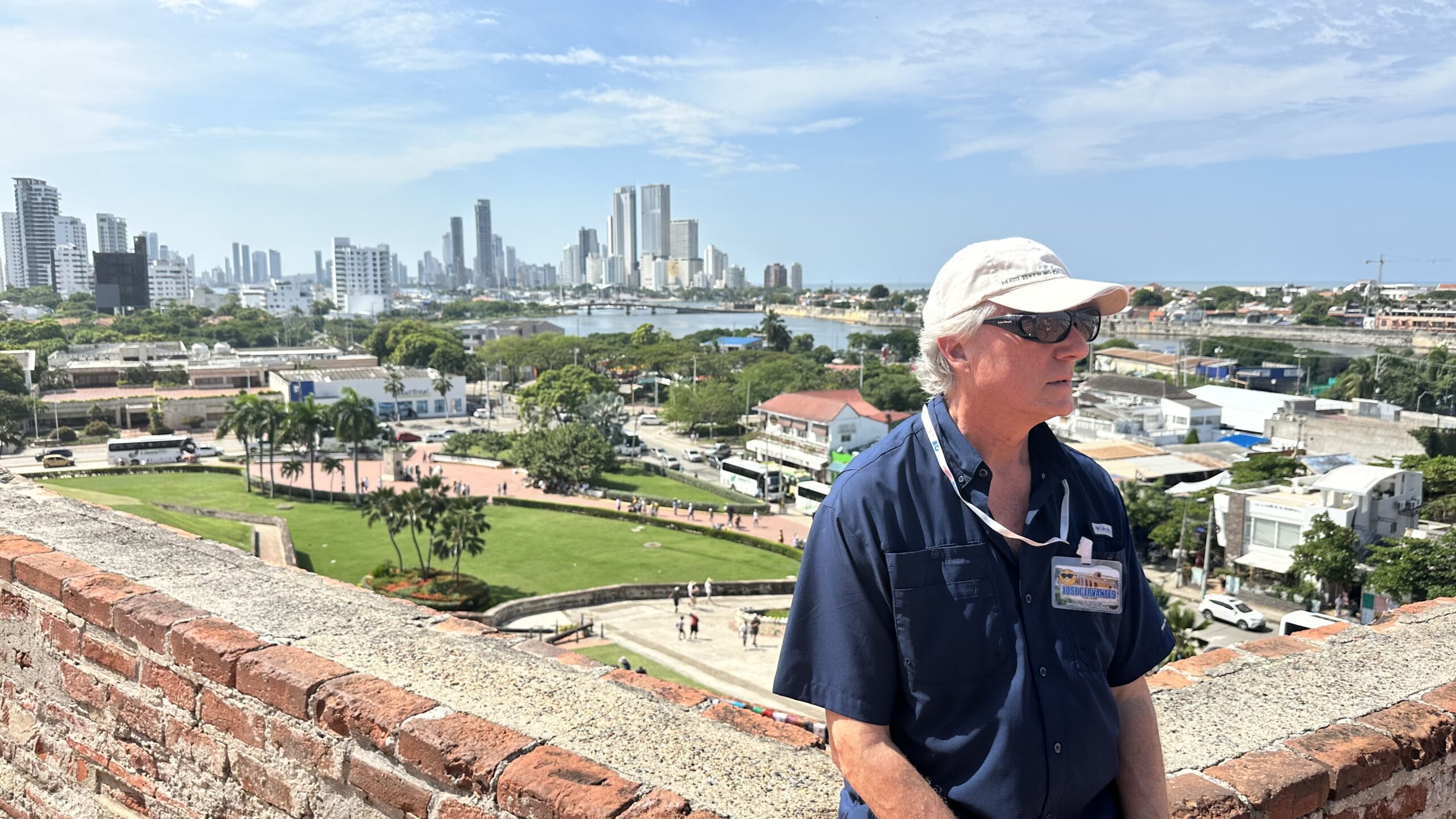
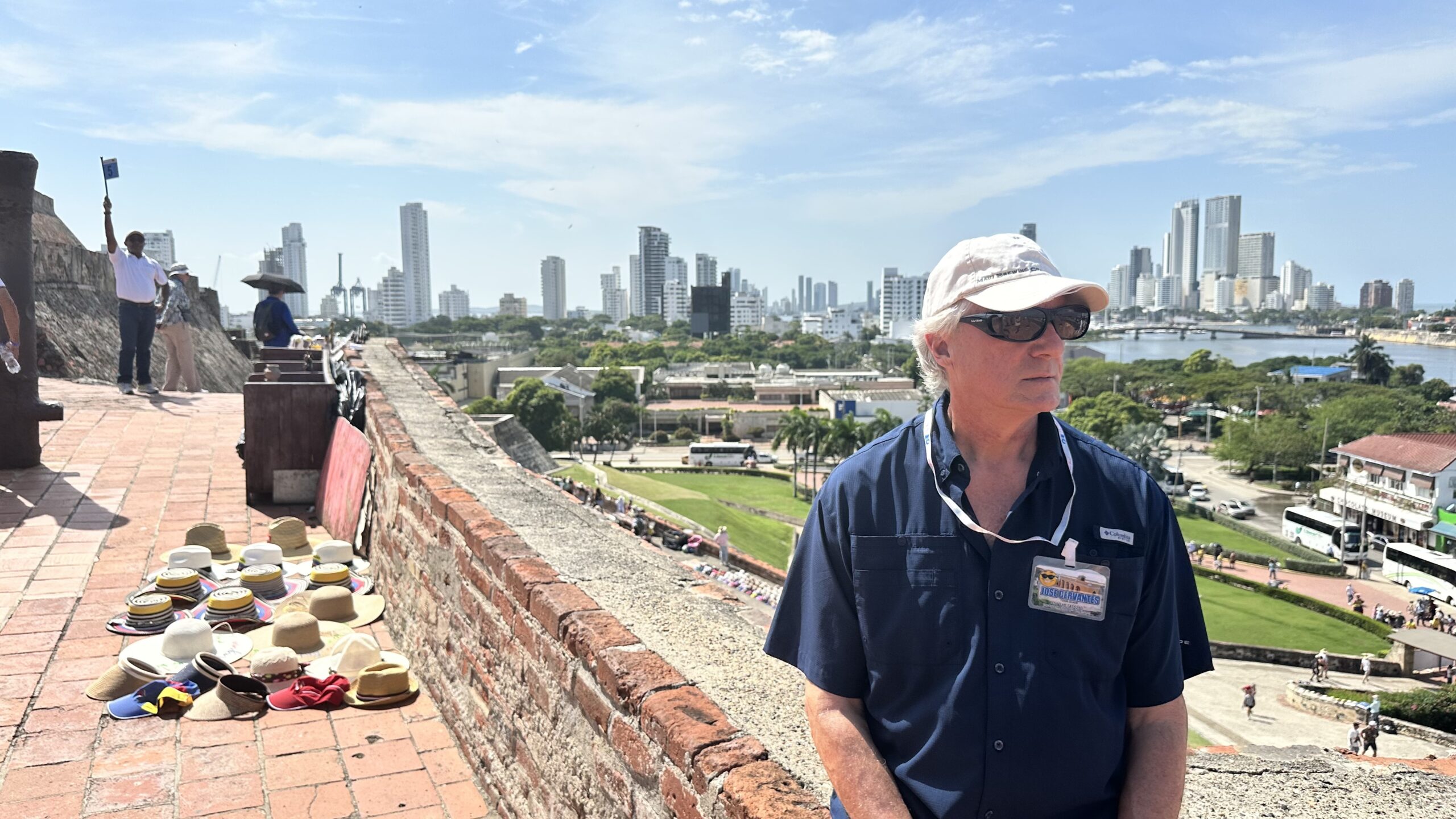
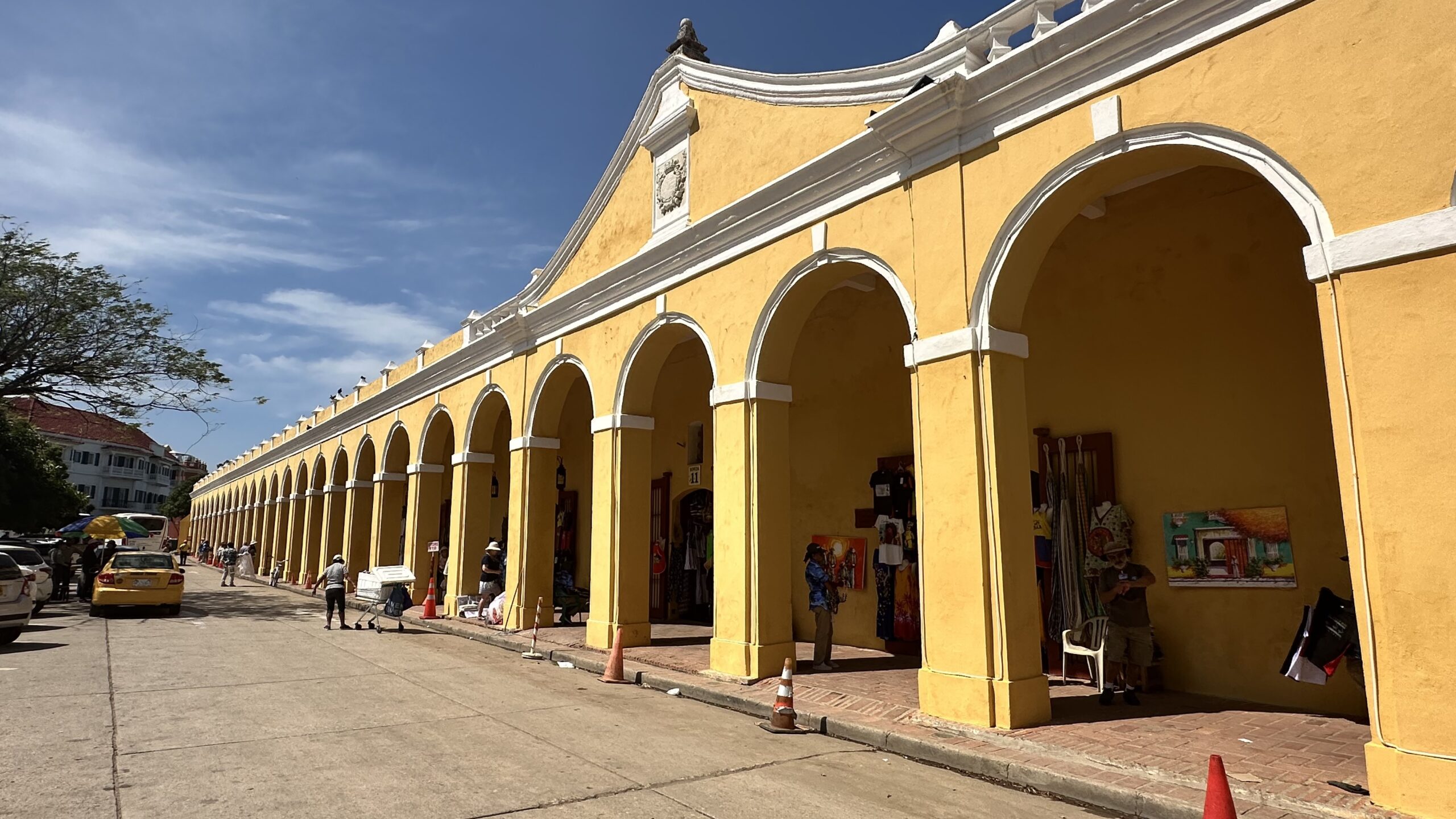
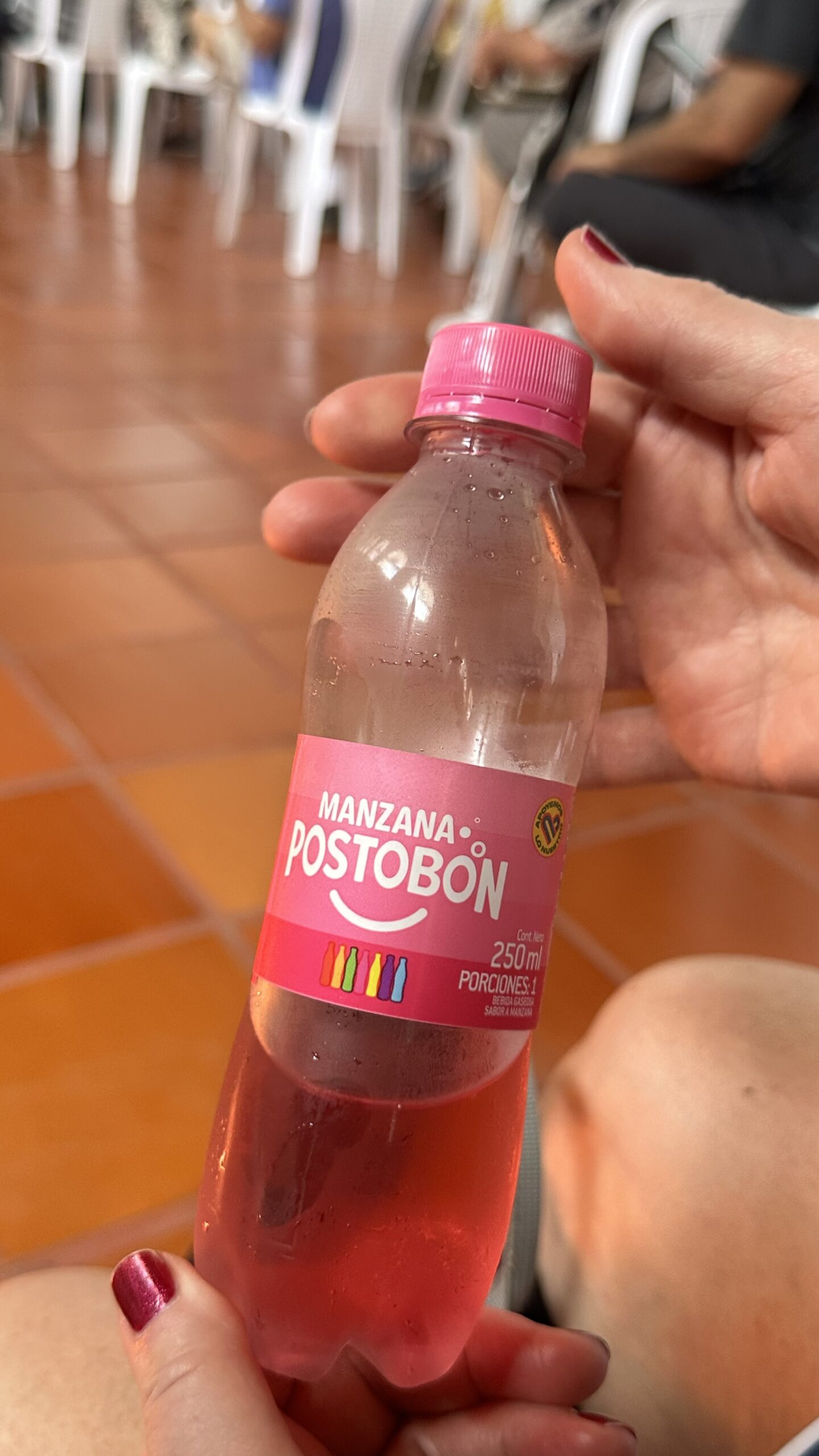
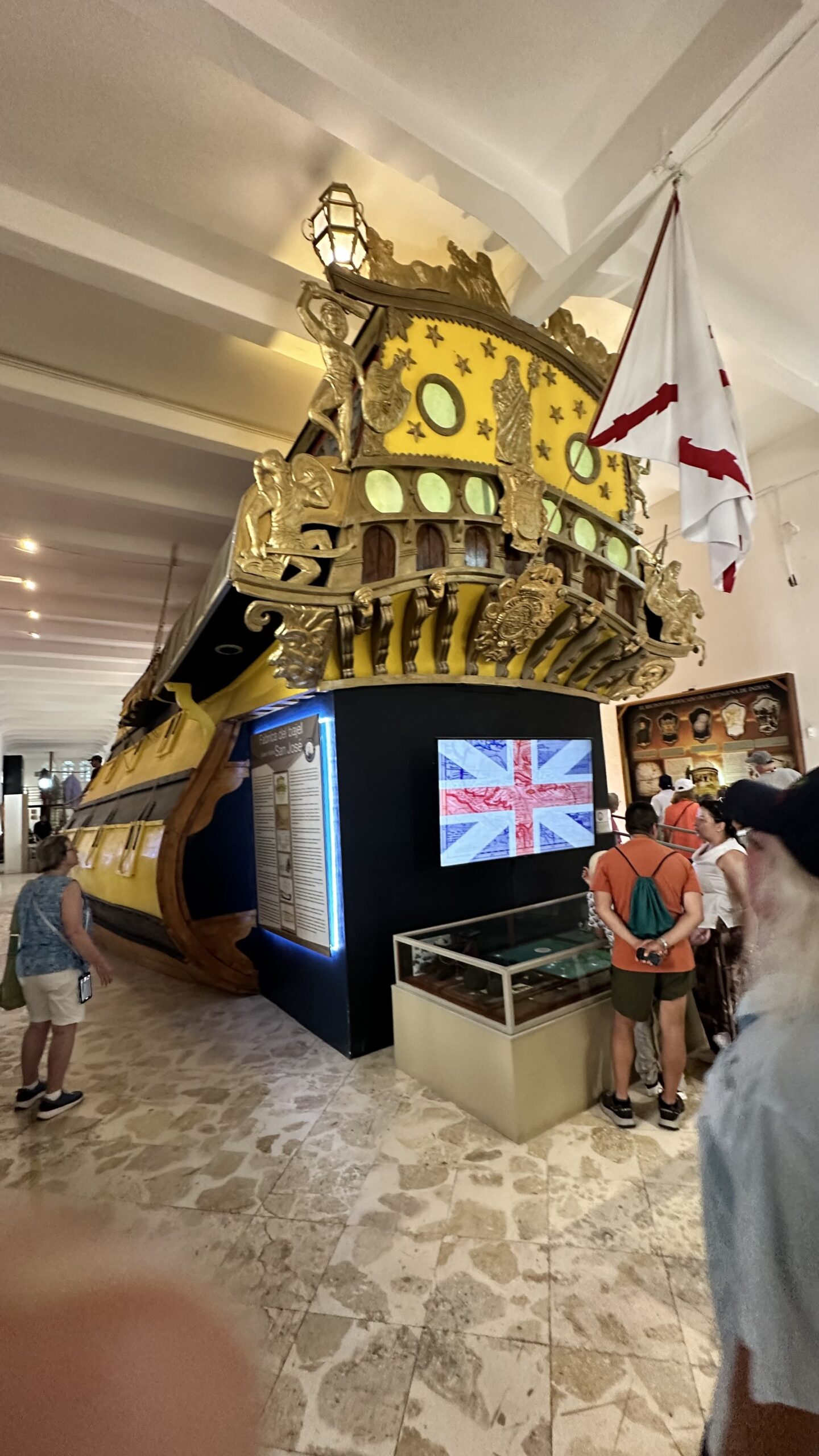
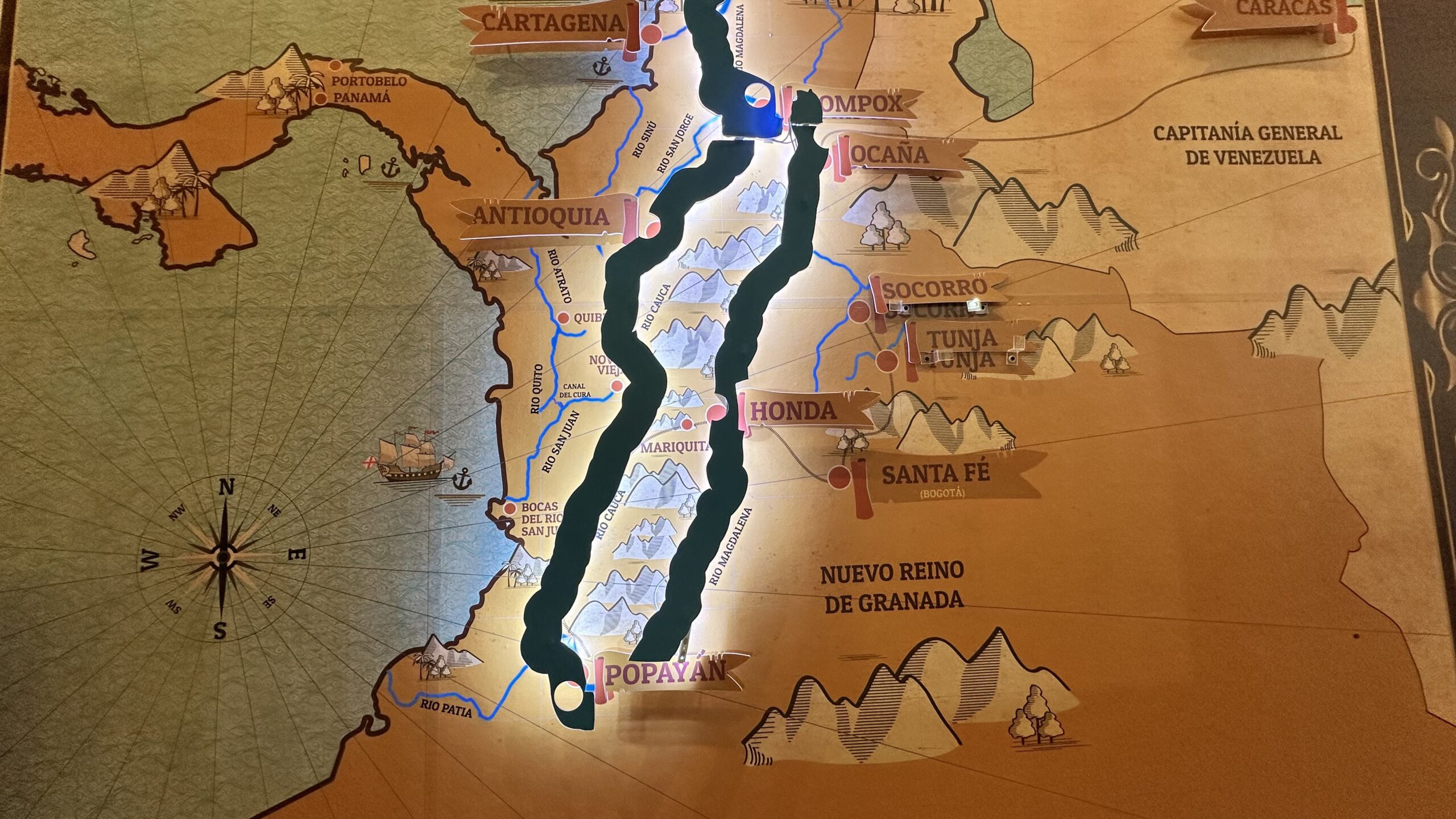
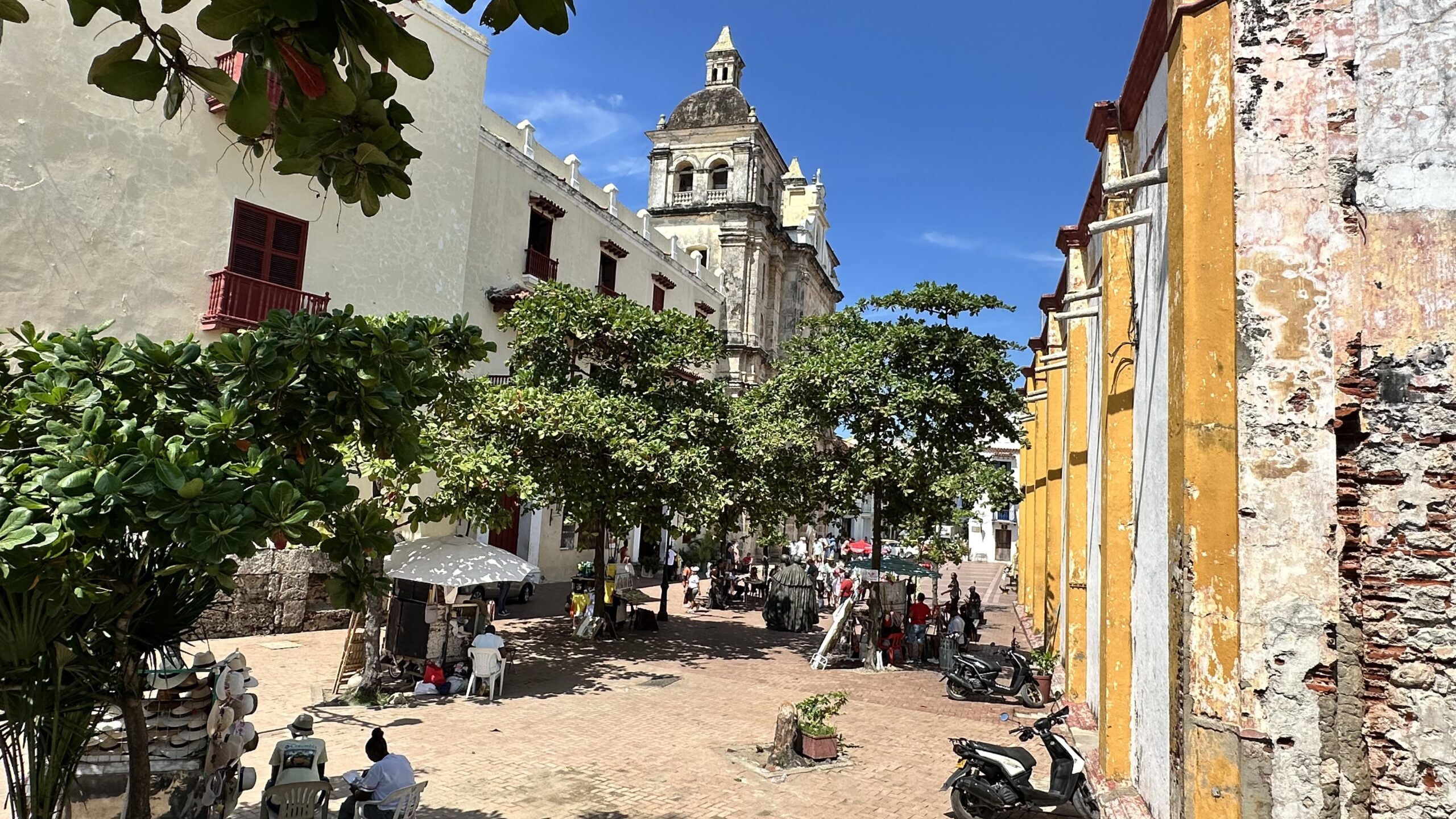
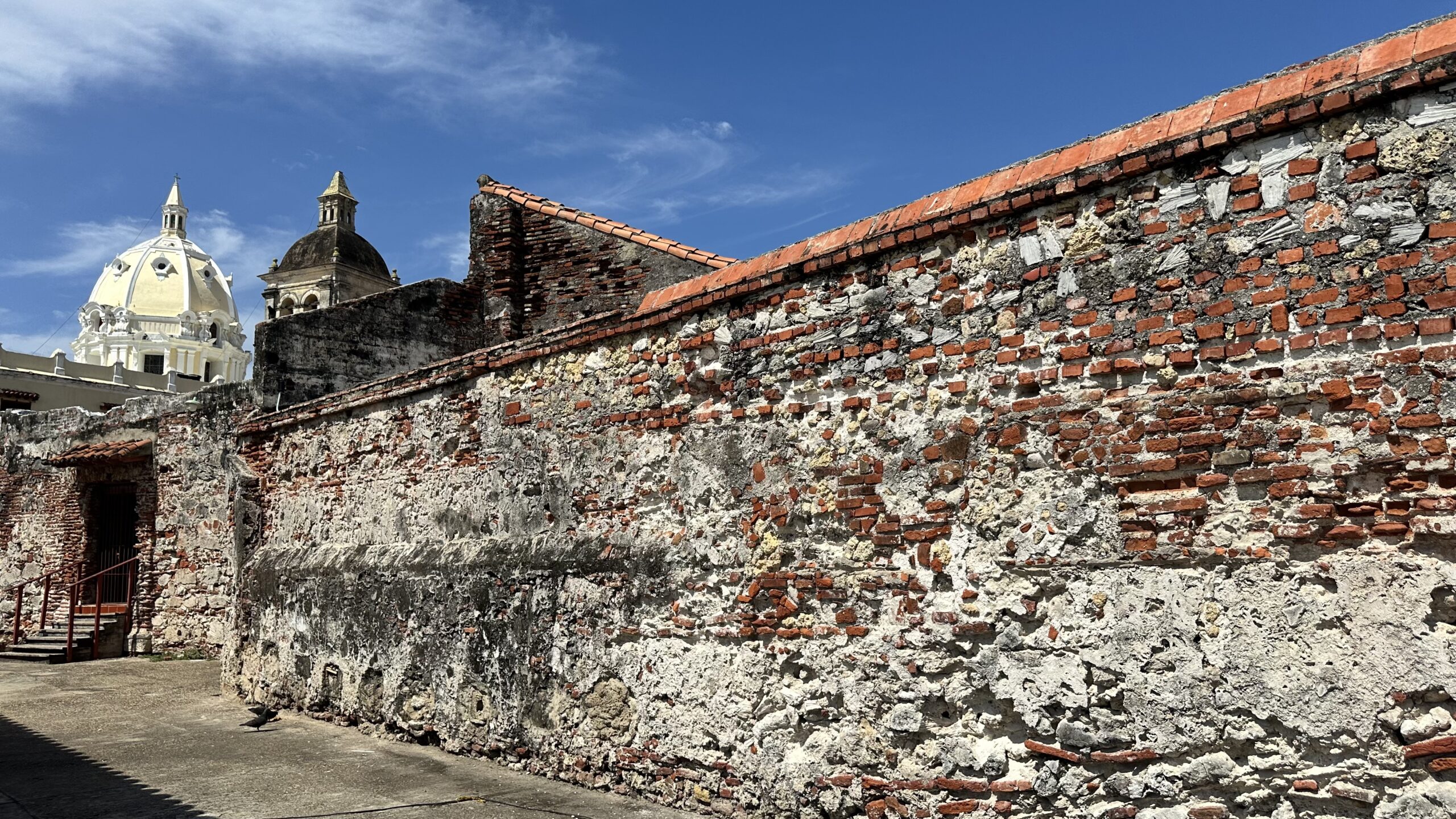
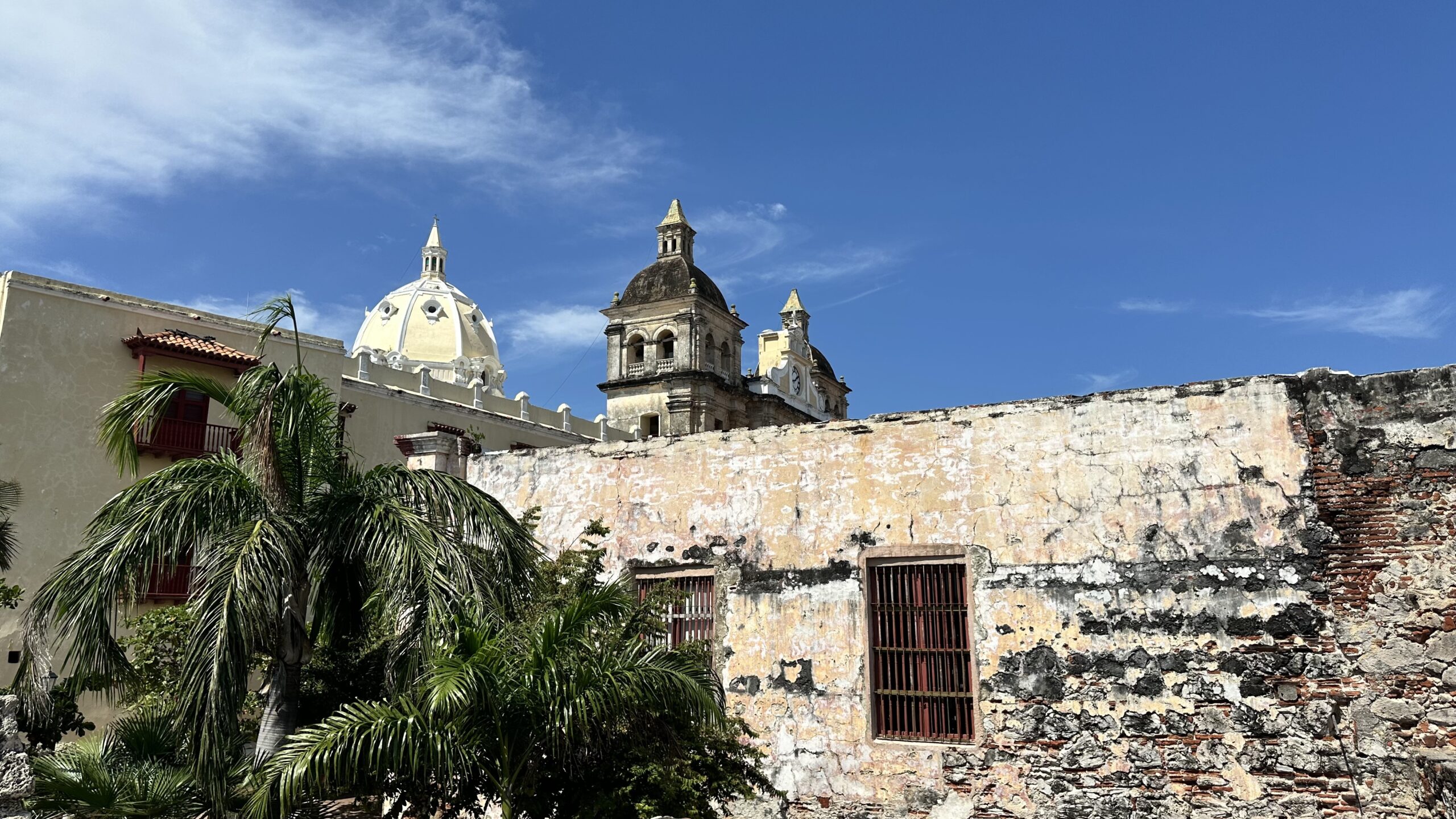
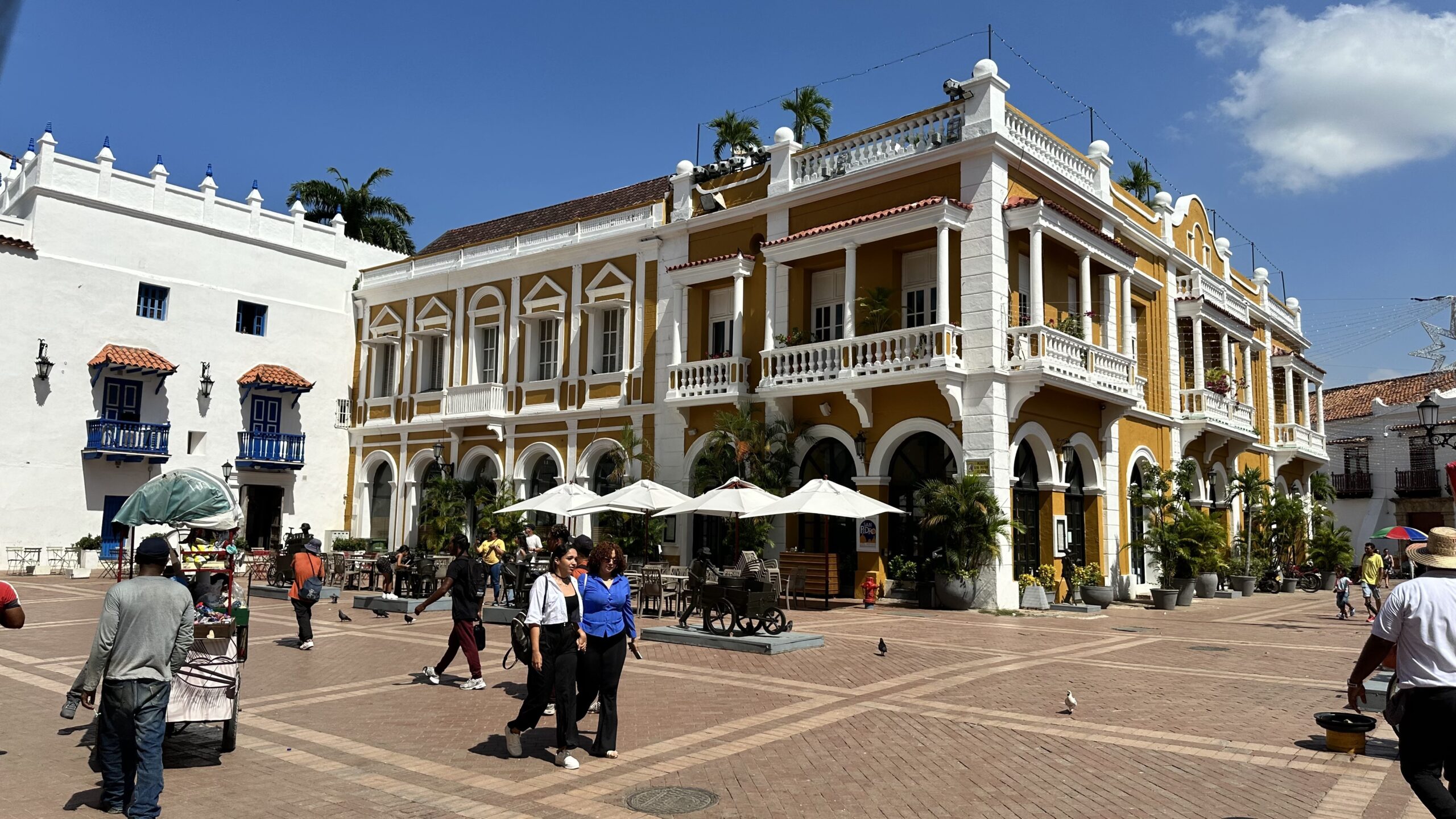
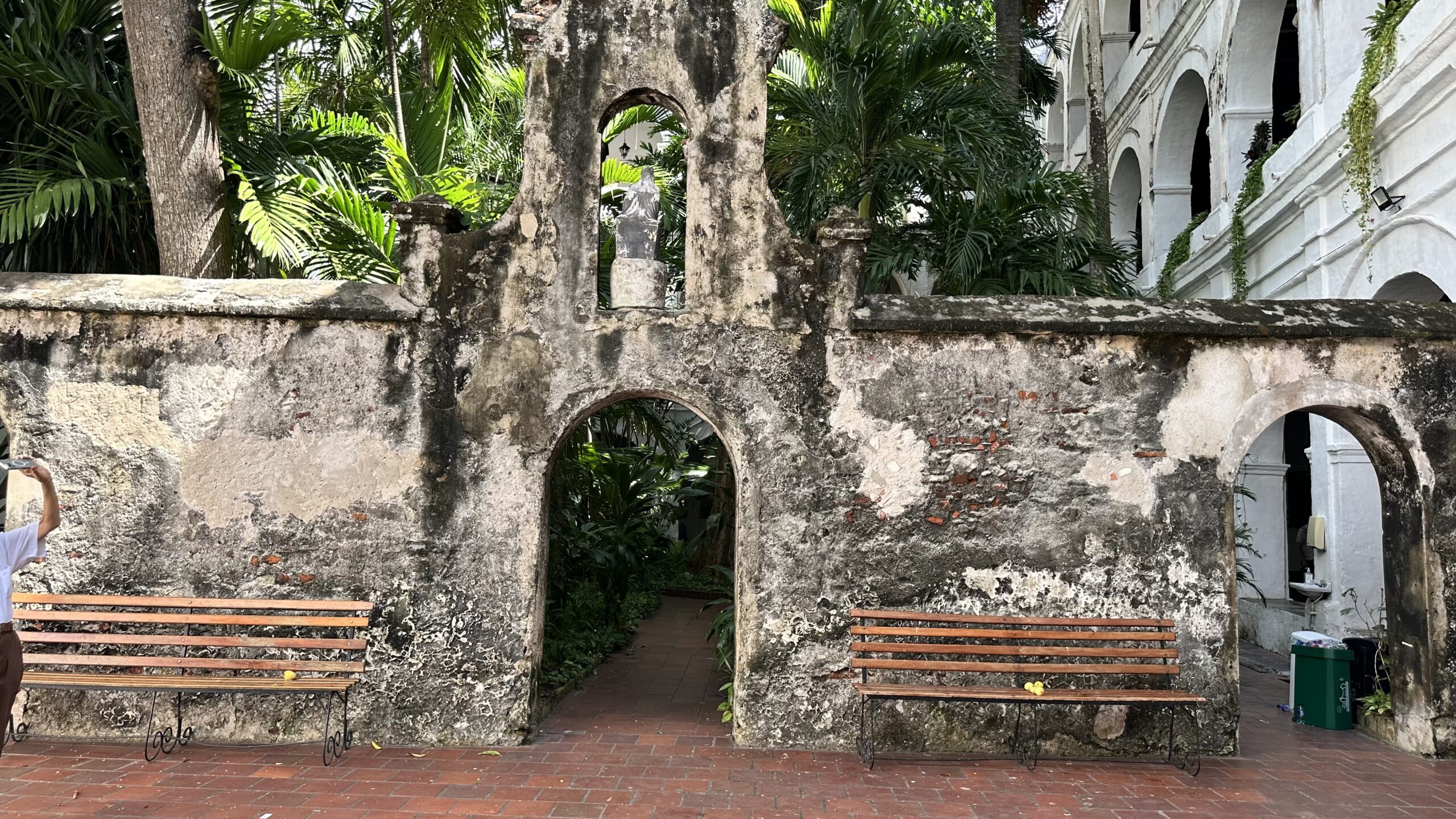
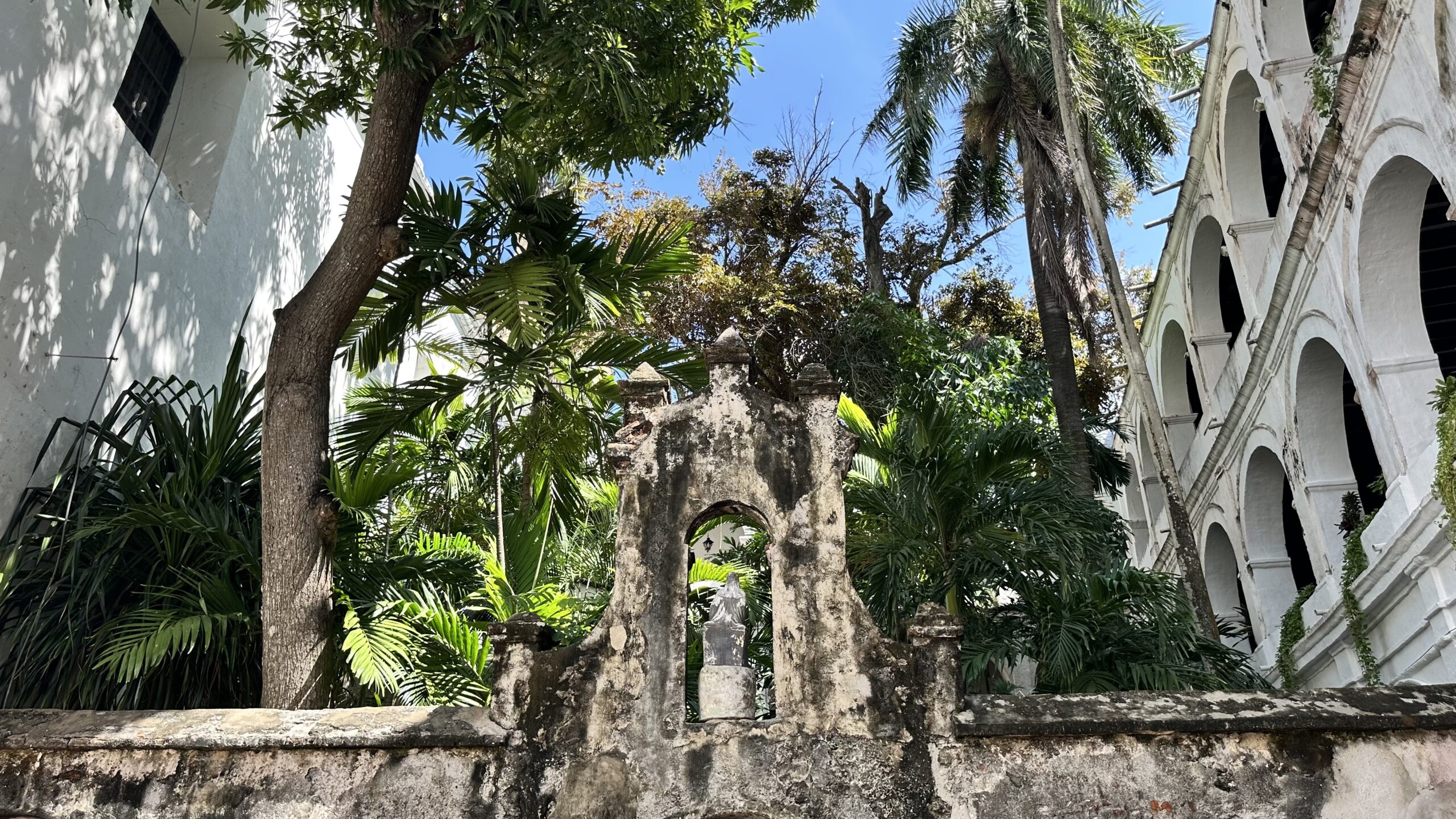
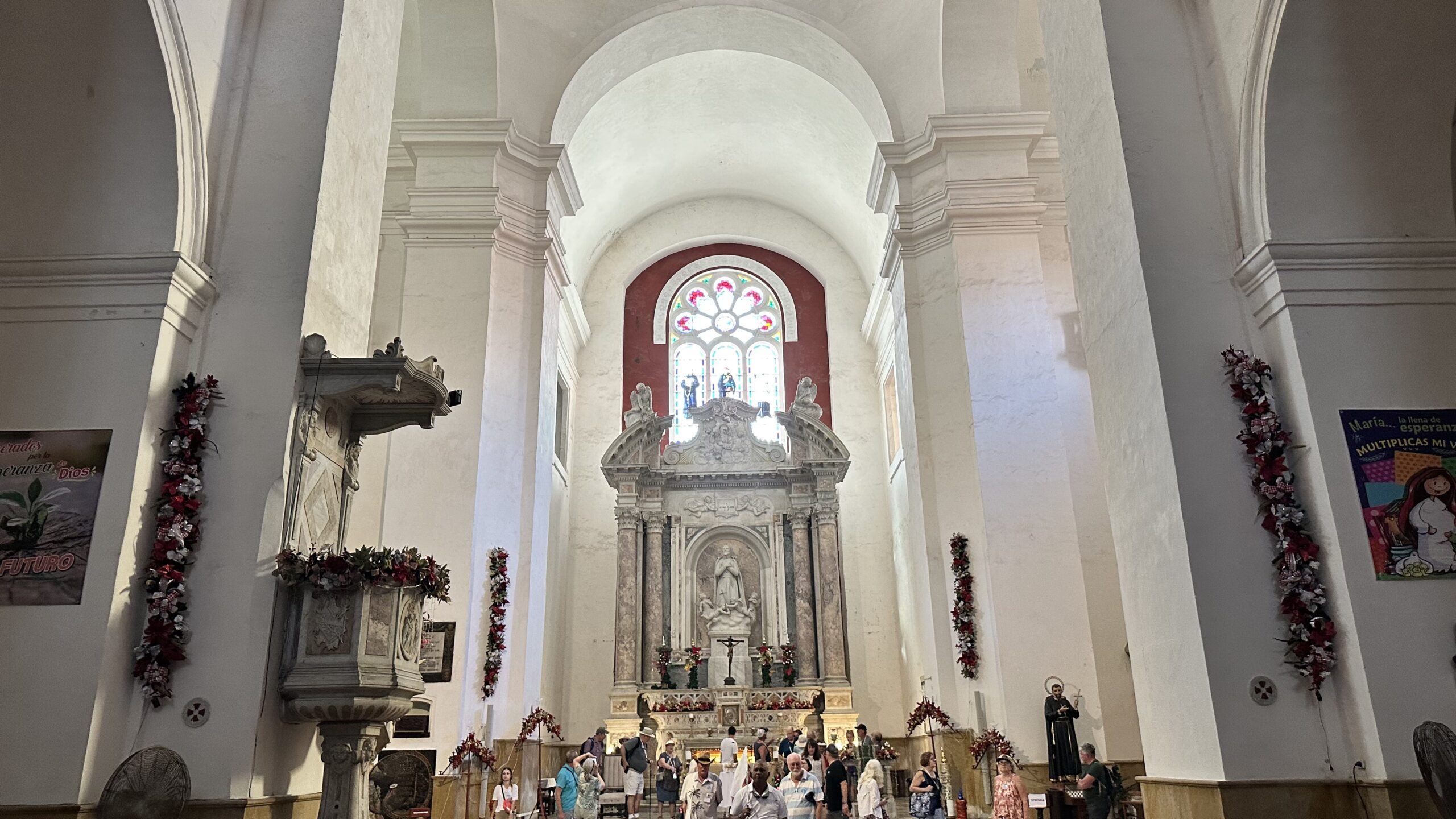
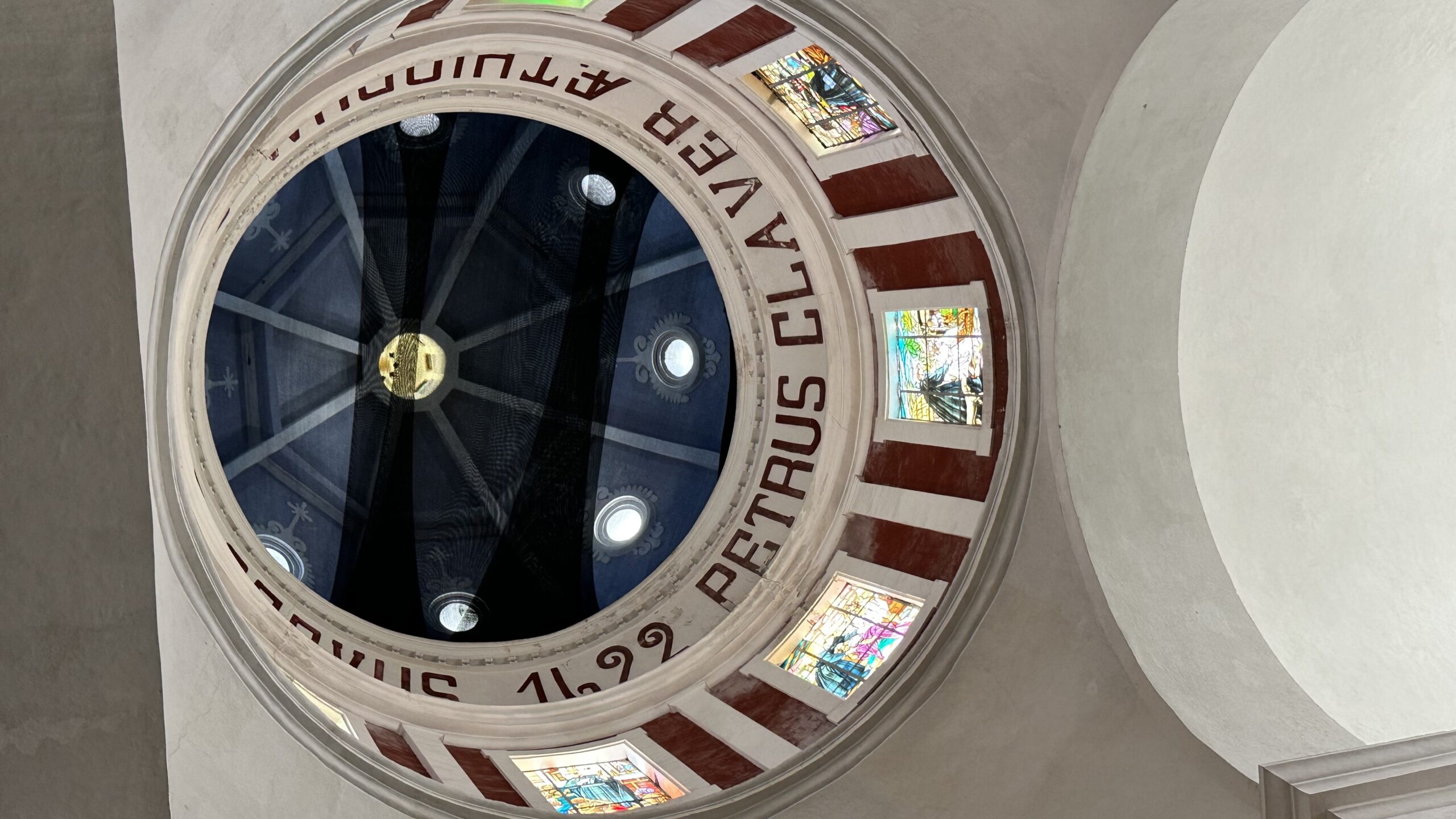
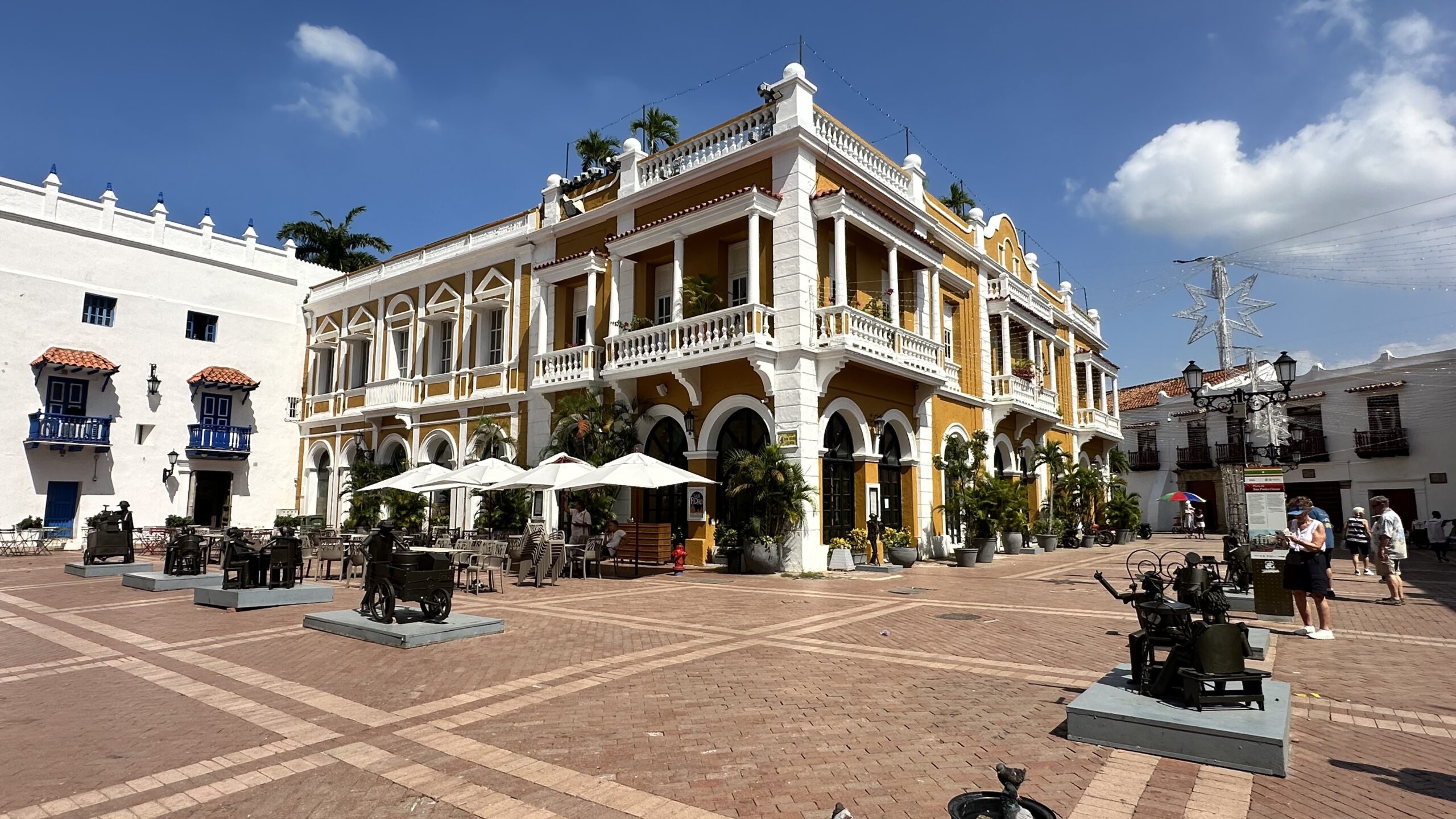
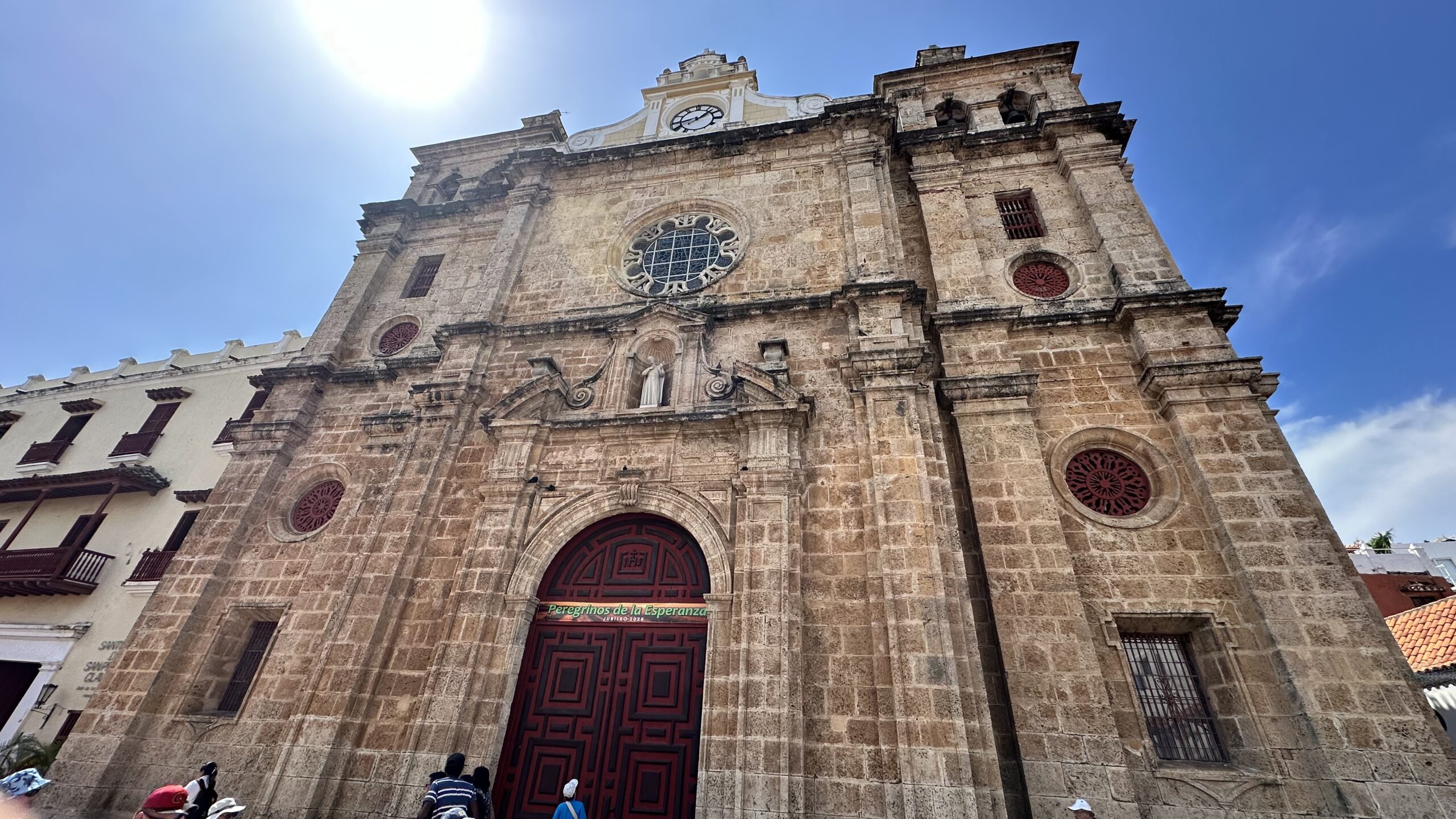
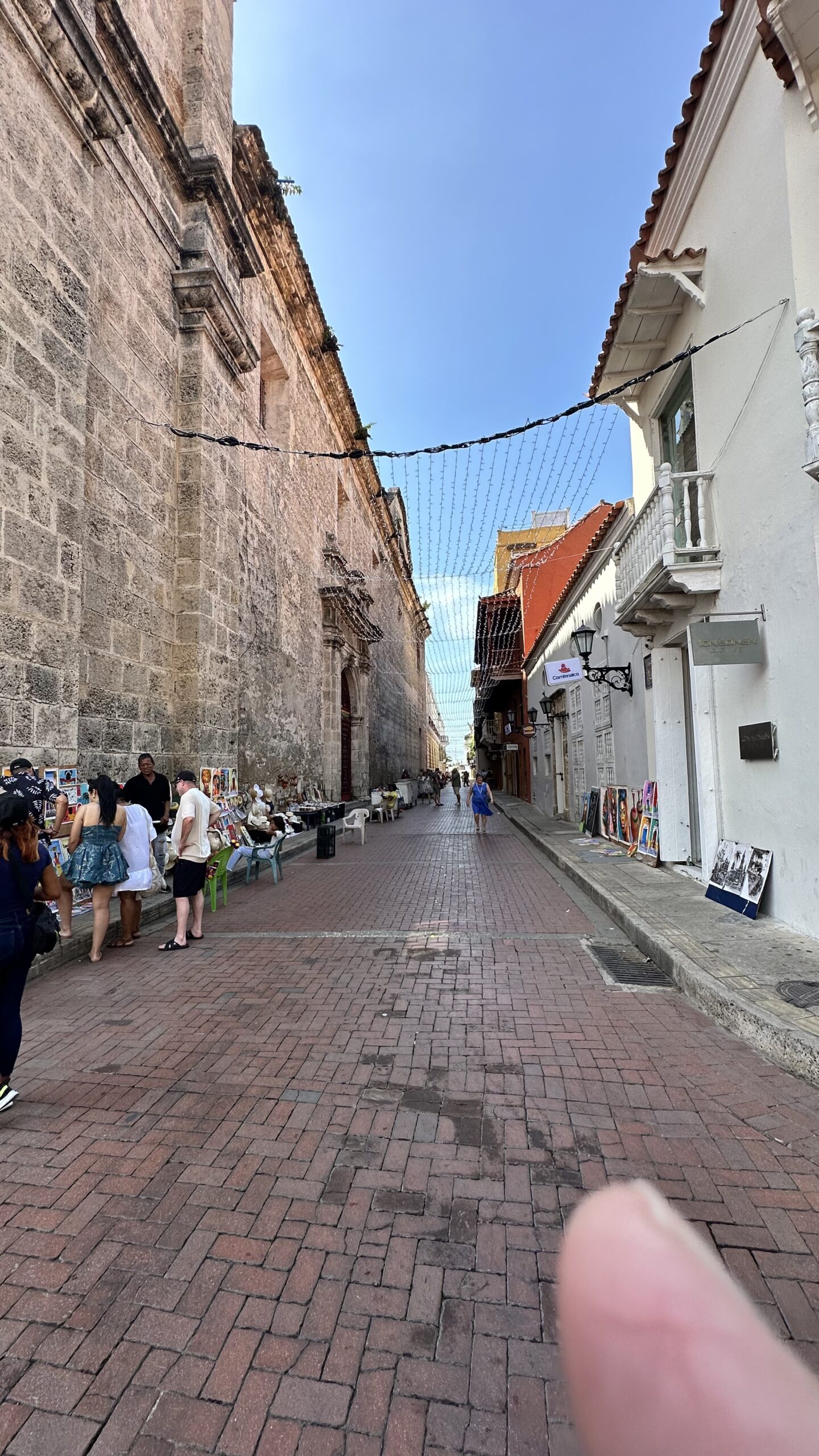
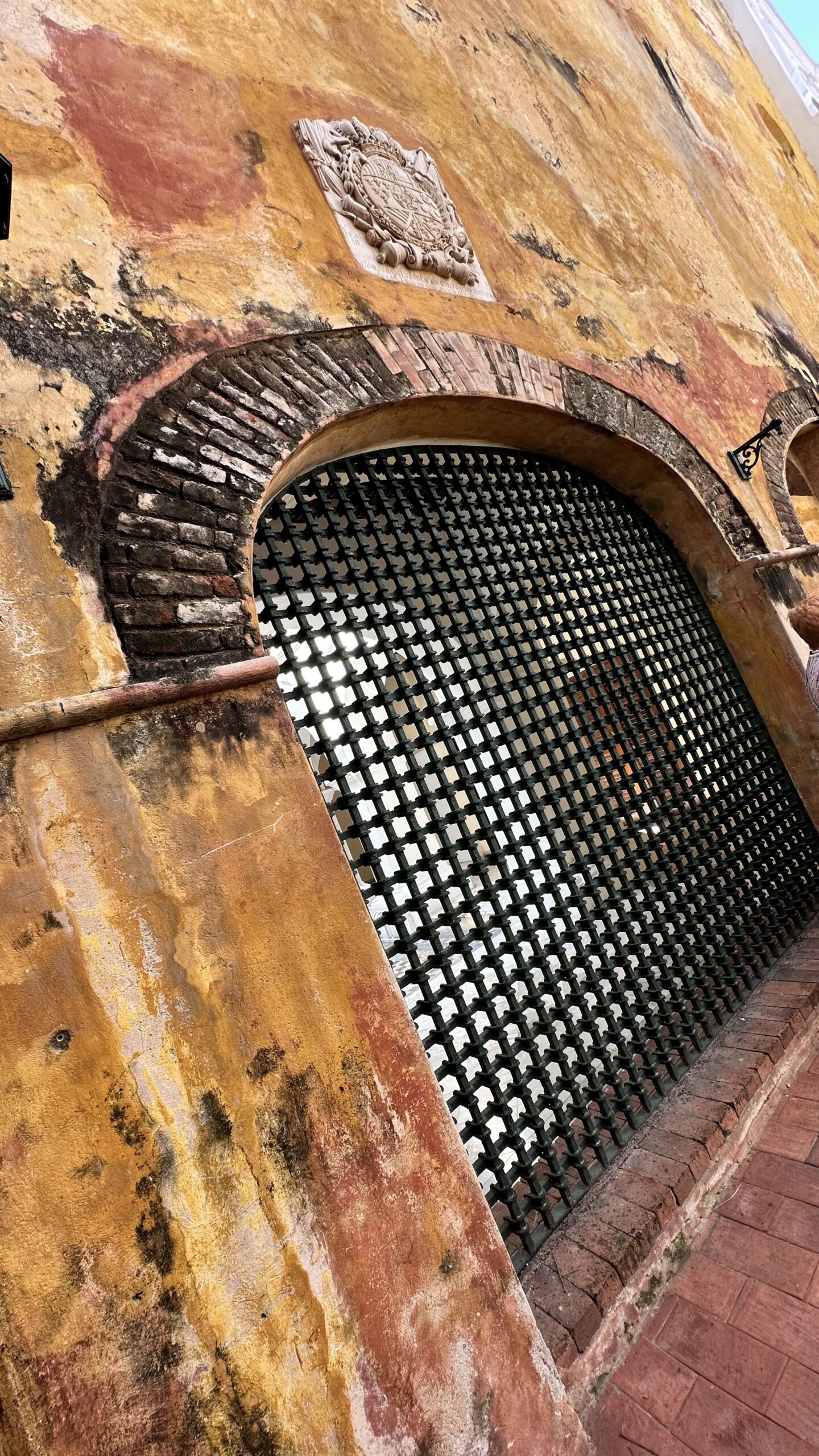
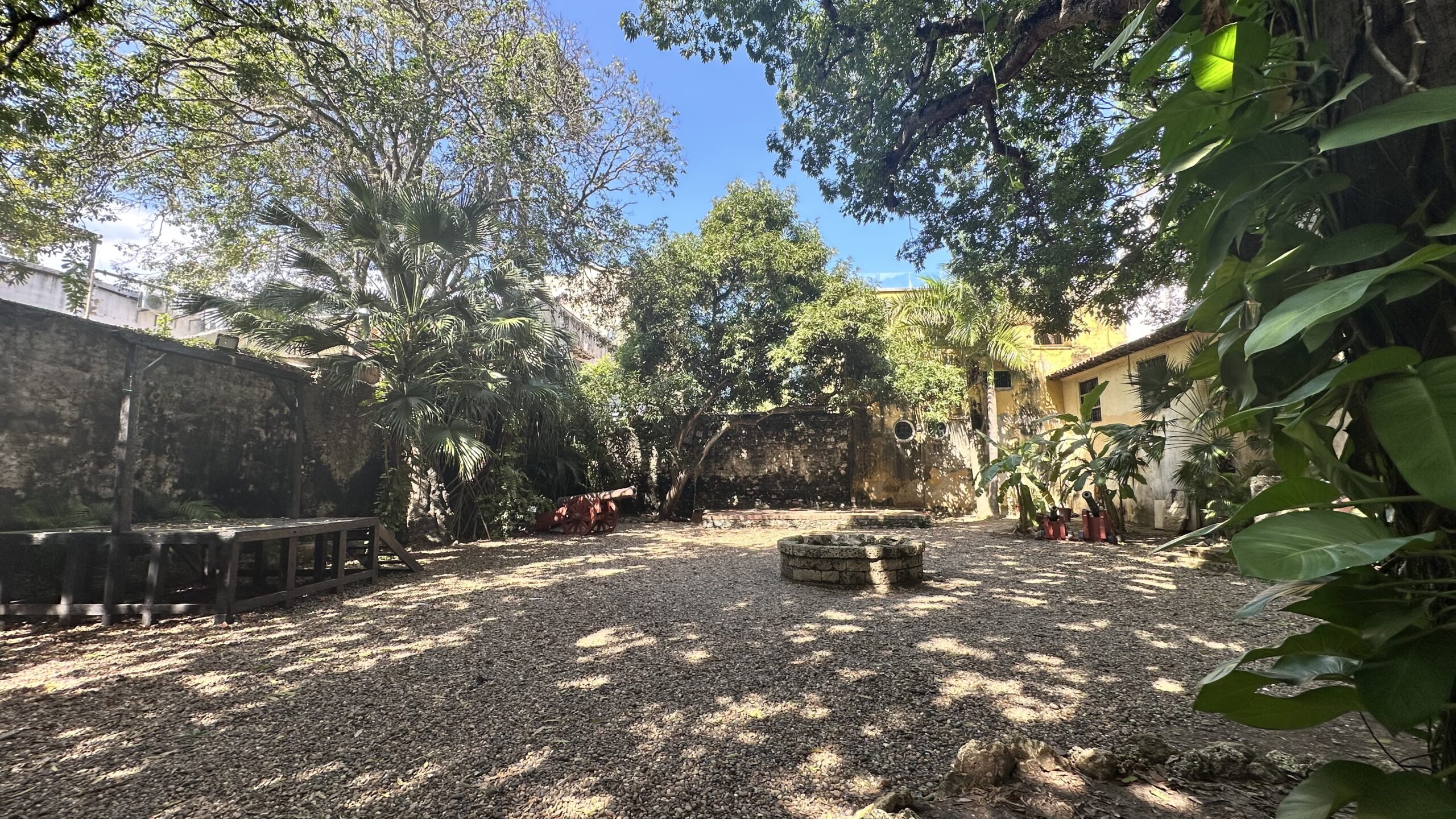
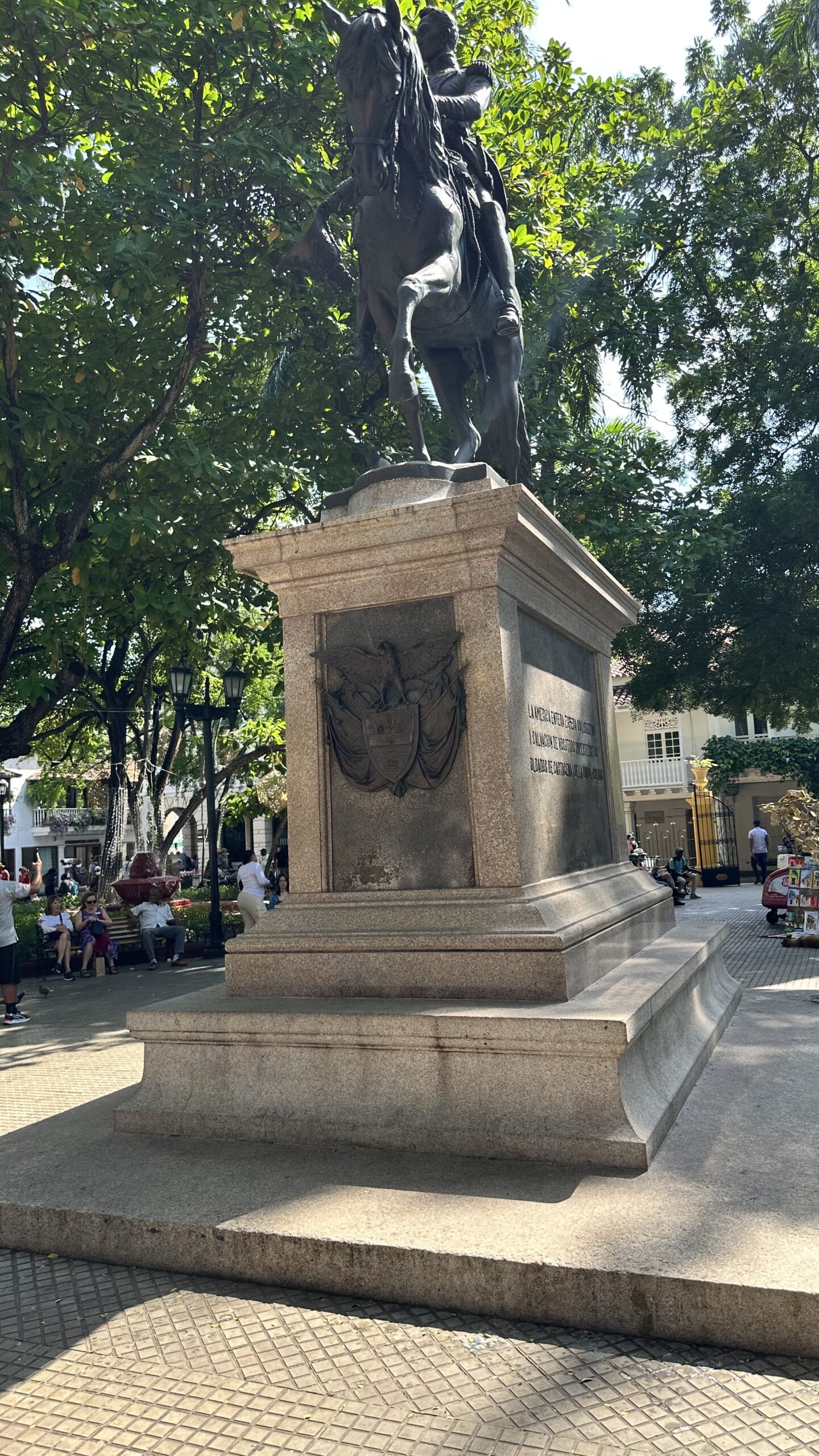
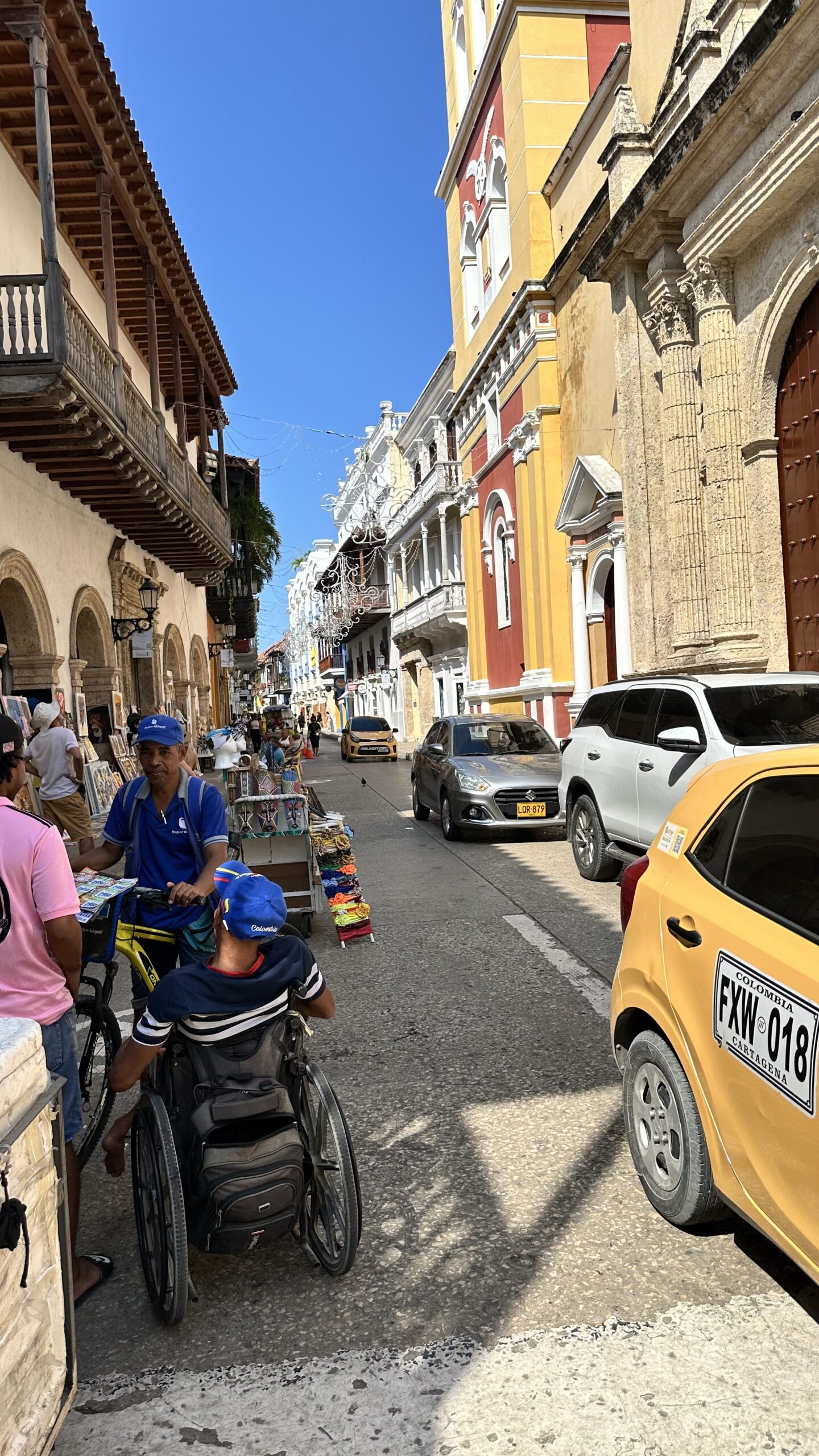
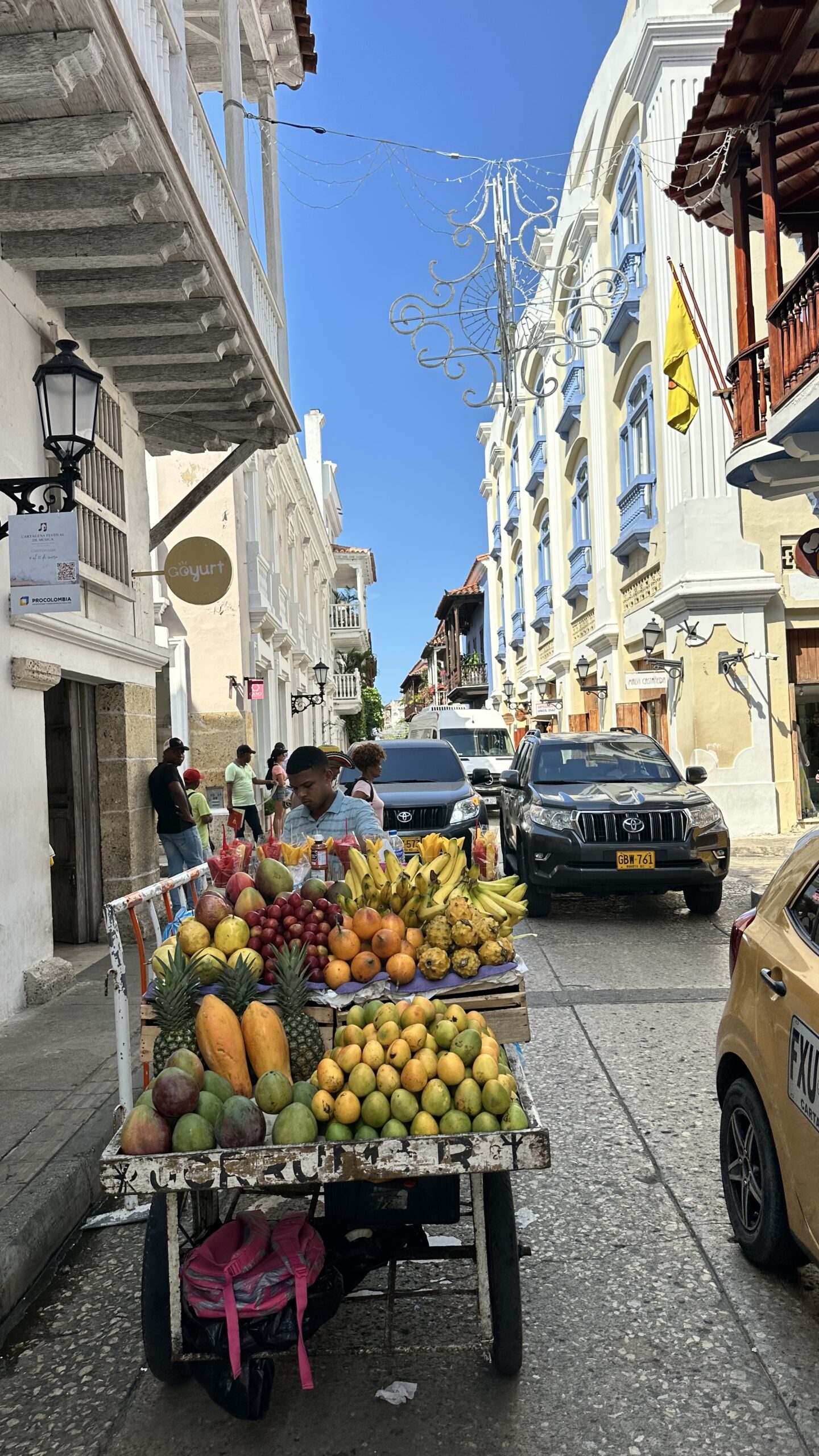
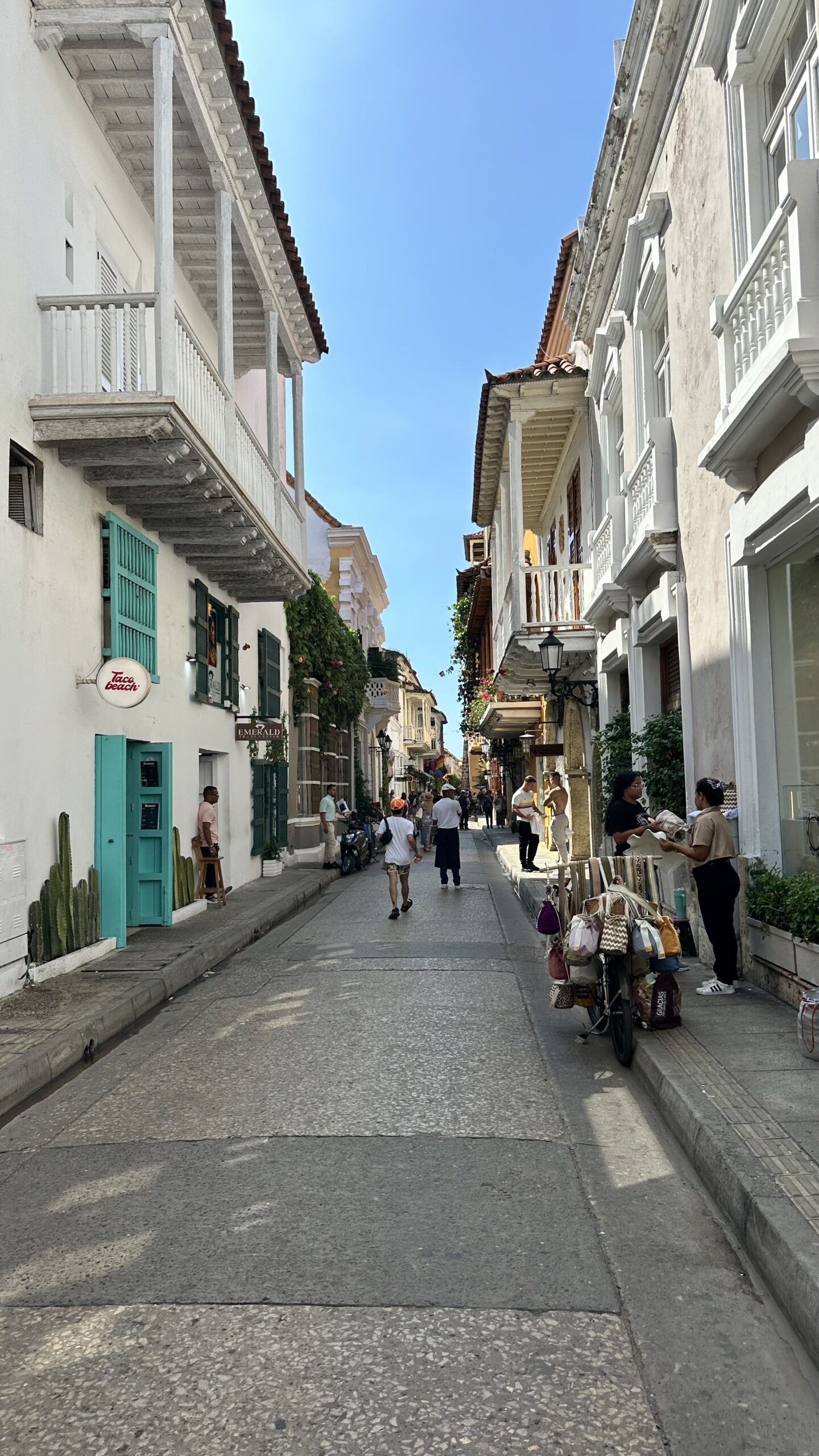
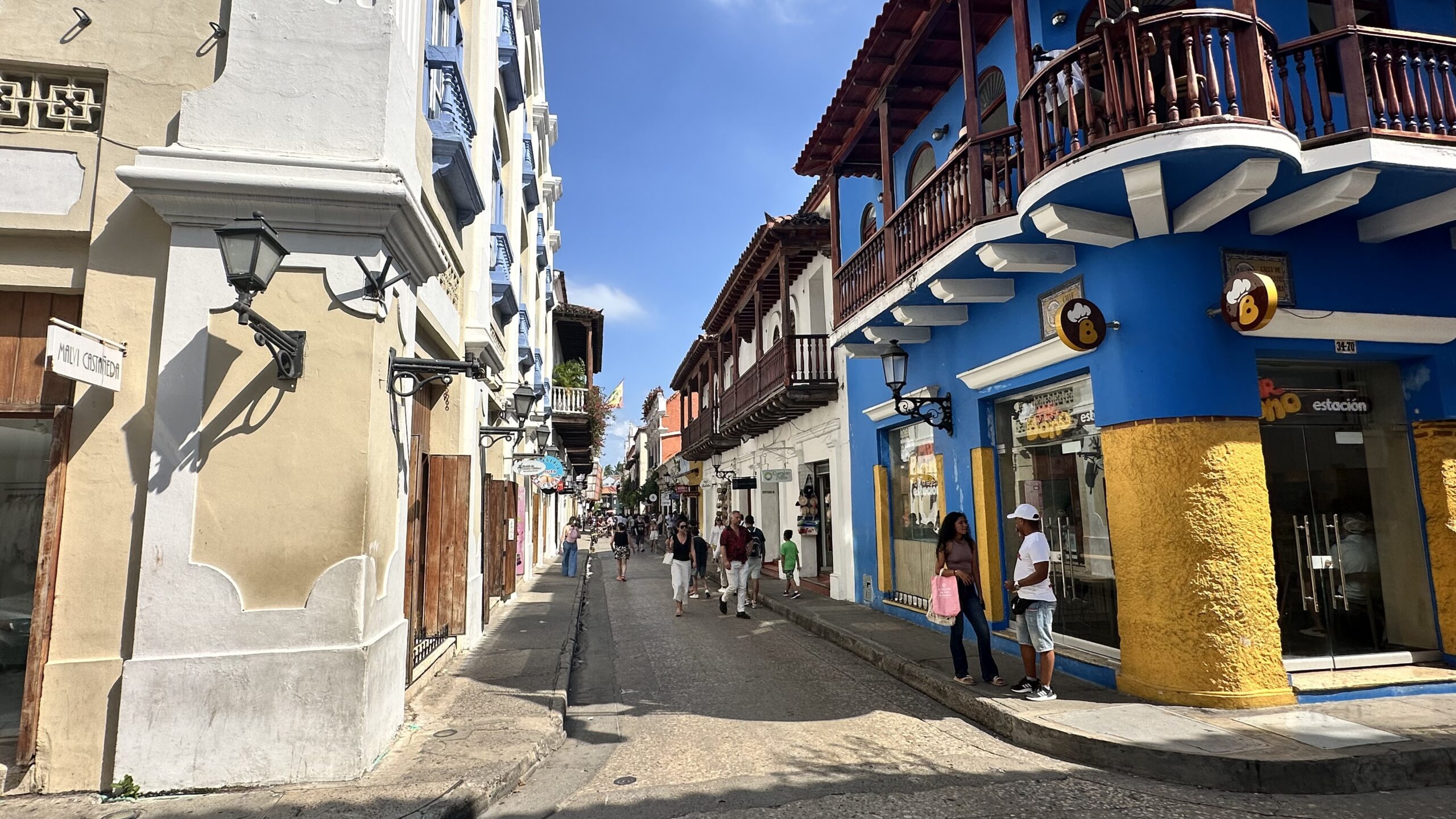
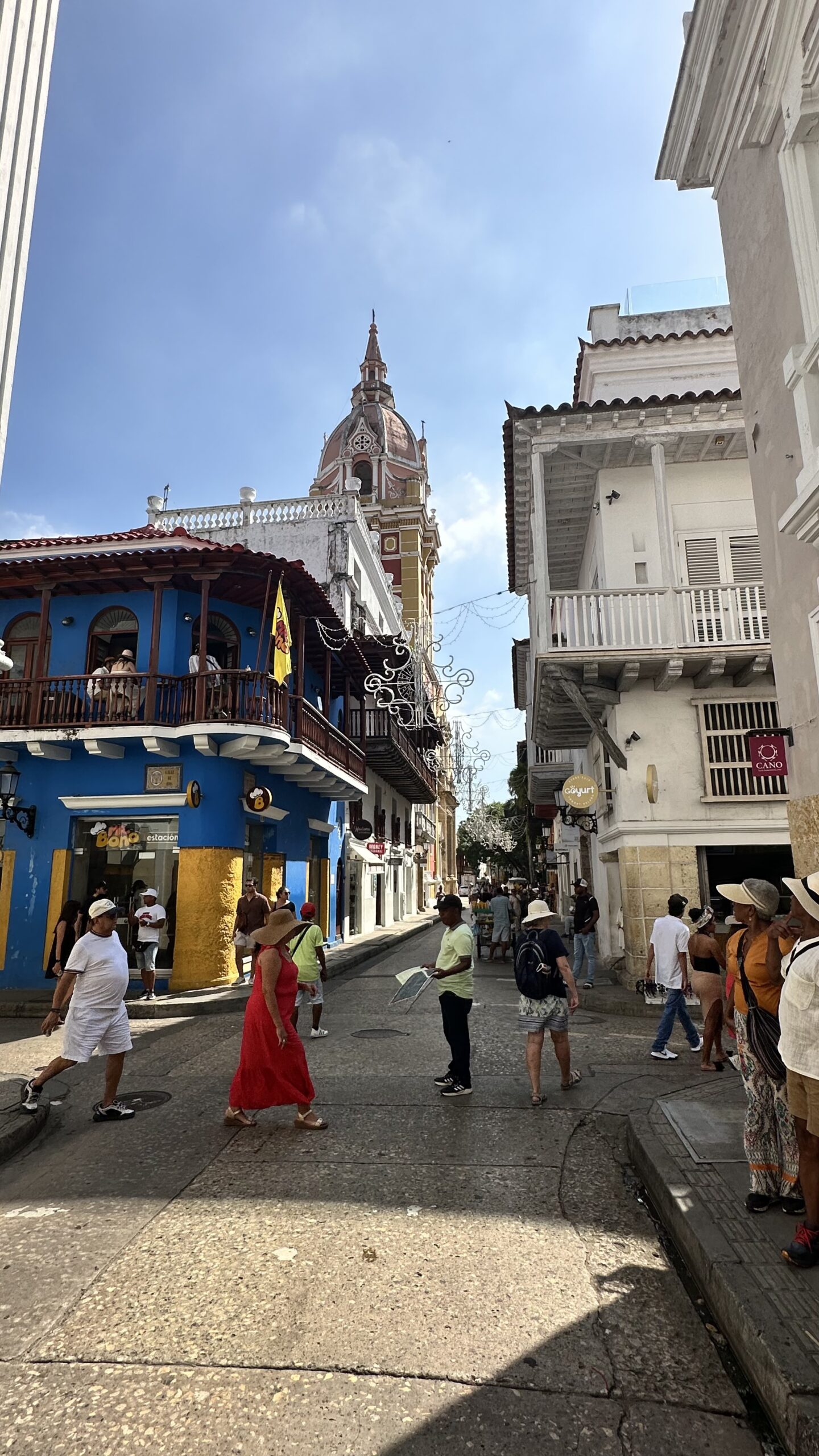
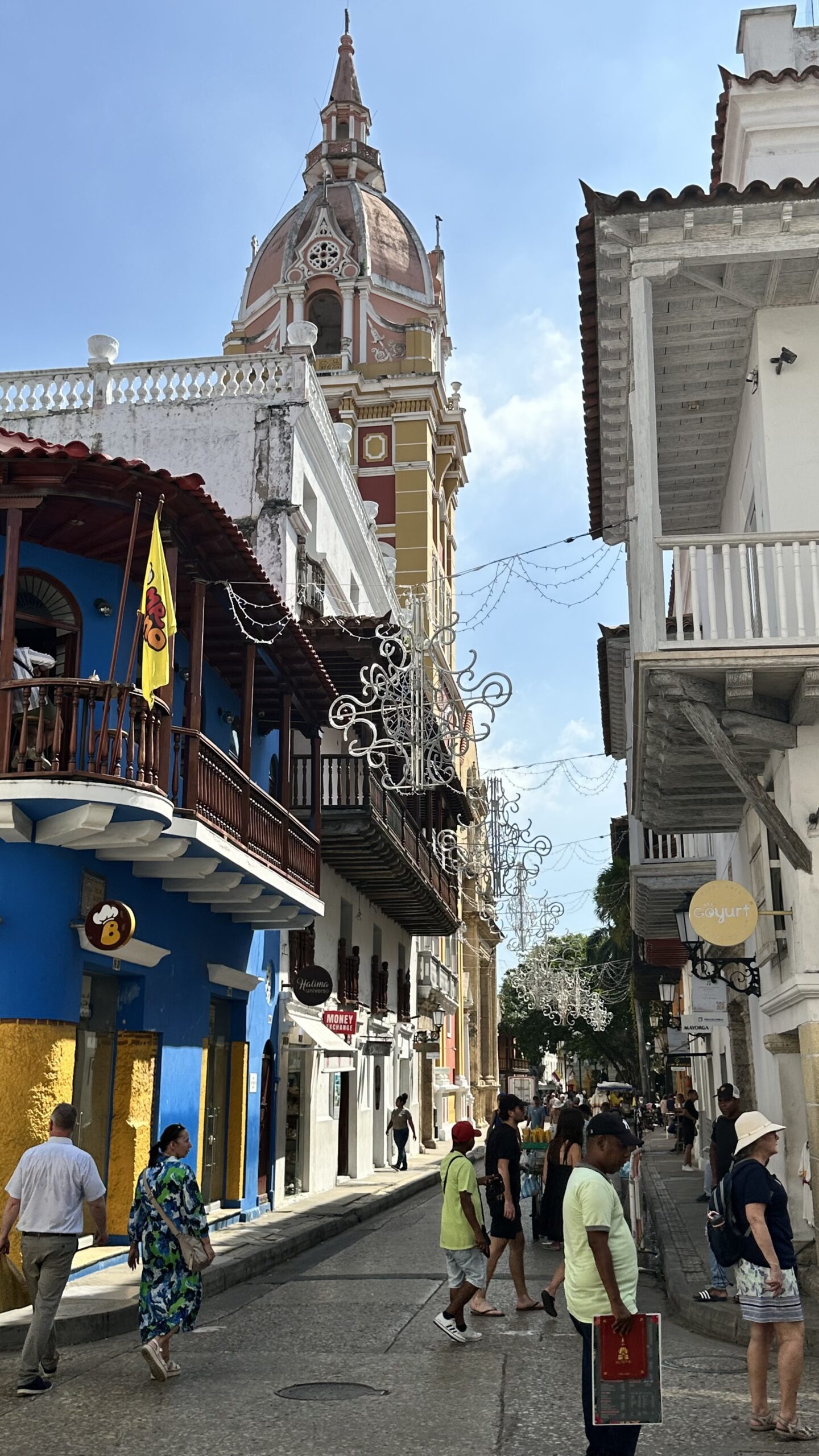
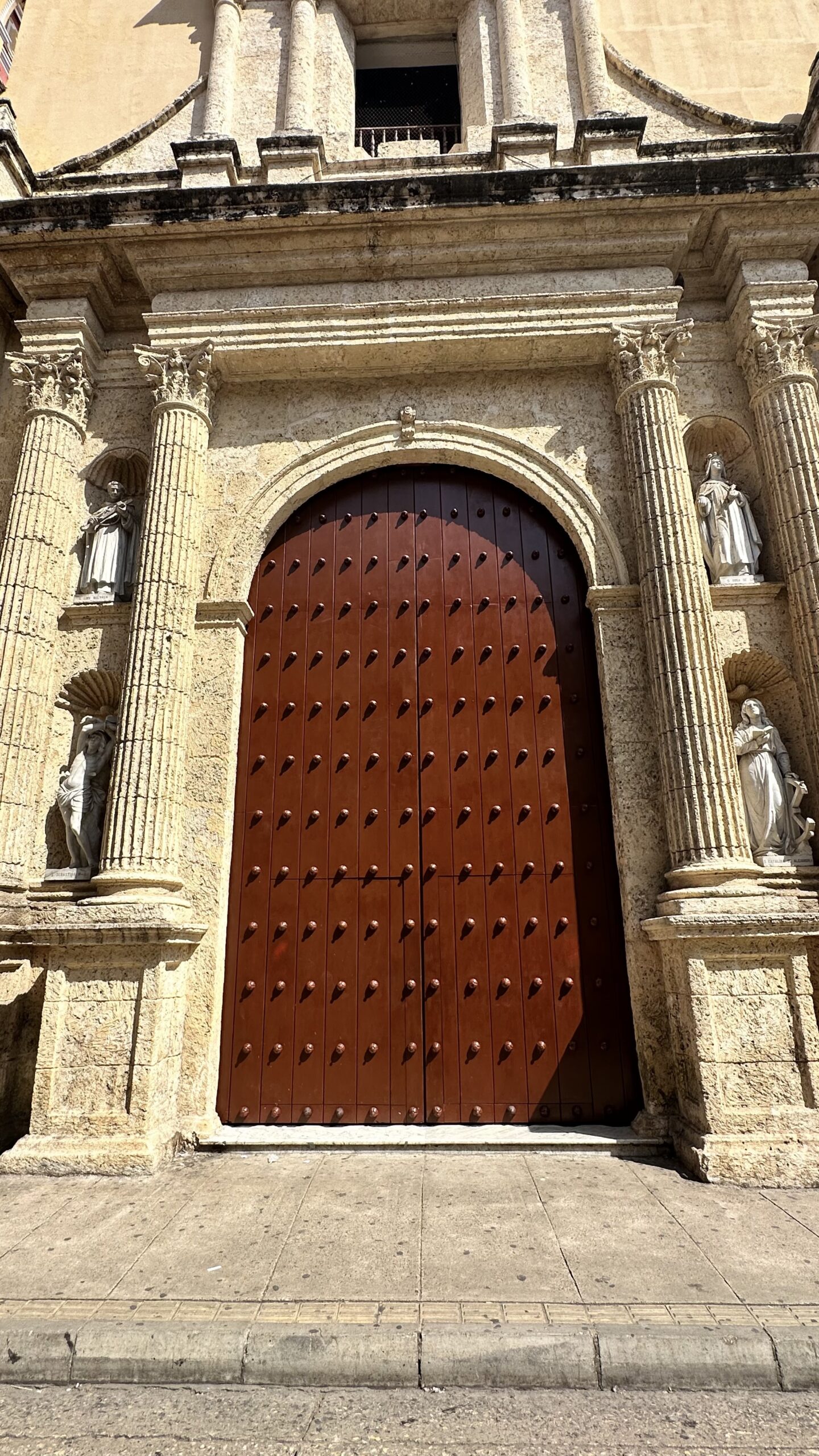
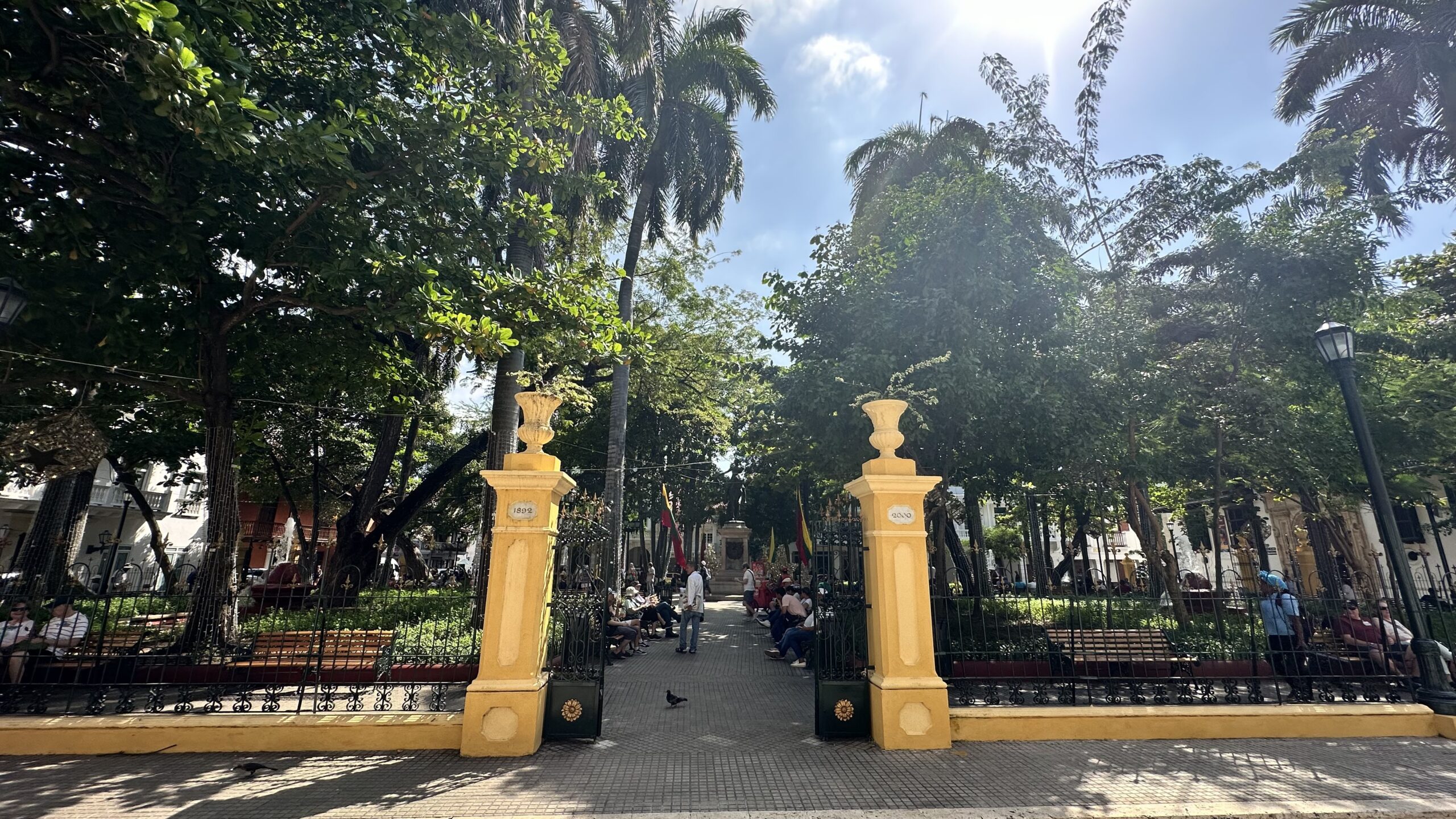
Cartagena, Columbia. That’s Spanish for really hot and humid place. Also, a place that has a very interesting and somewhat disturbing past, much like other countries in Central and South America. In short, the Spanish came in looking for new territory and gold, displaced – a nice word – many of the locals, imported slaves and built forts to defend against invaders. Several hundred years later Columbia and other neighbouring countries gained independence from Spain, led by Simone Bolivar. The old Spanish Fort, Castillo San Felipe, built in 1536 still stands as well as many of the old walls surrounding the city. The Old Town is a UNESCO Heritage Site.
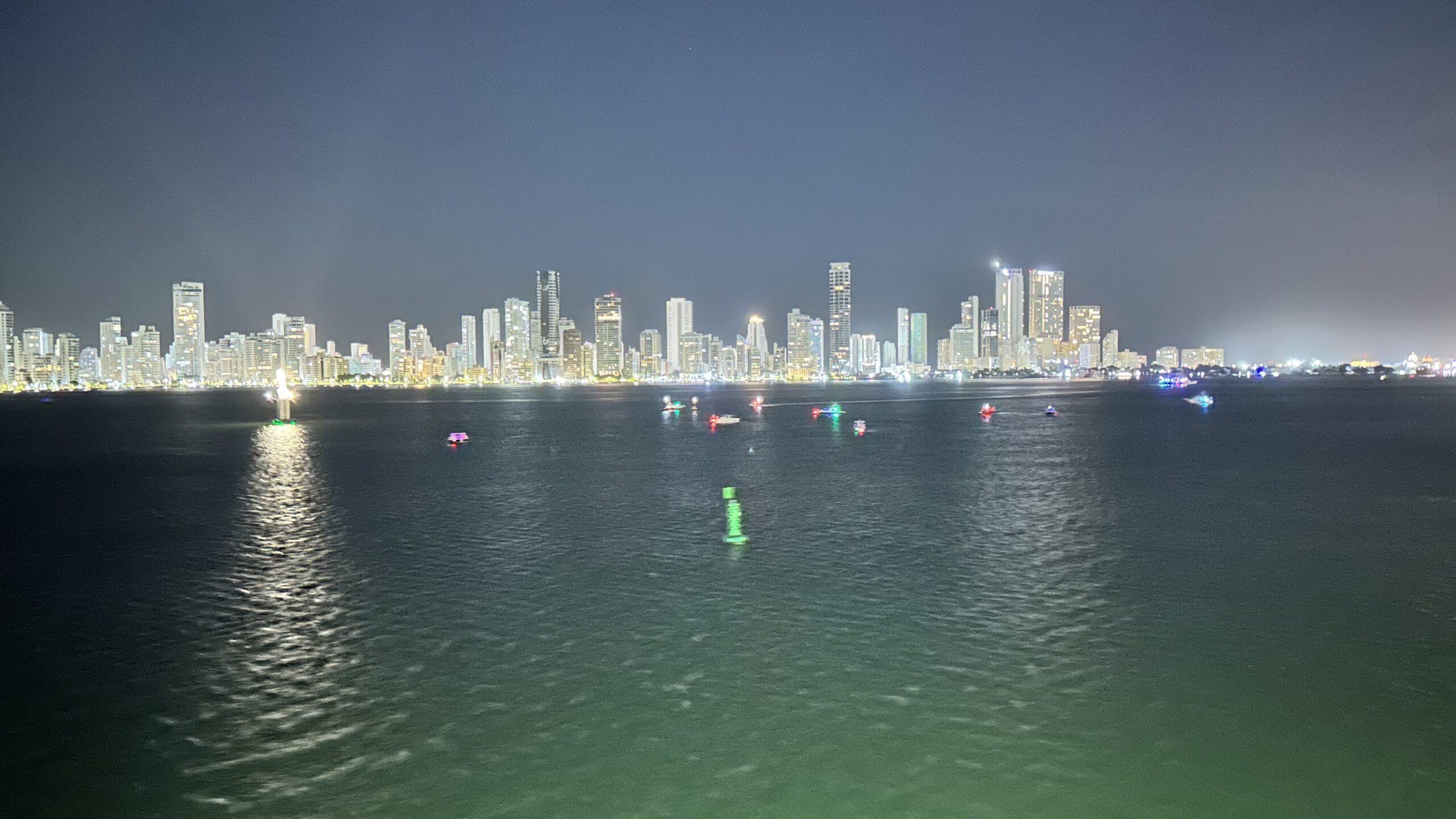
The Panama Canal
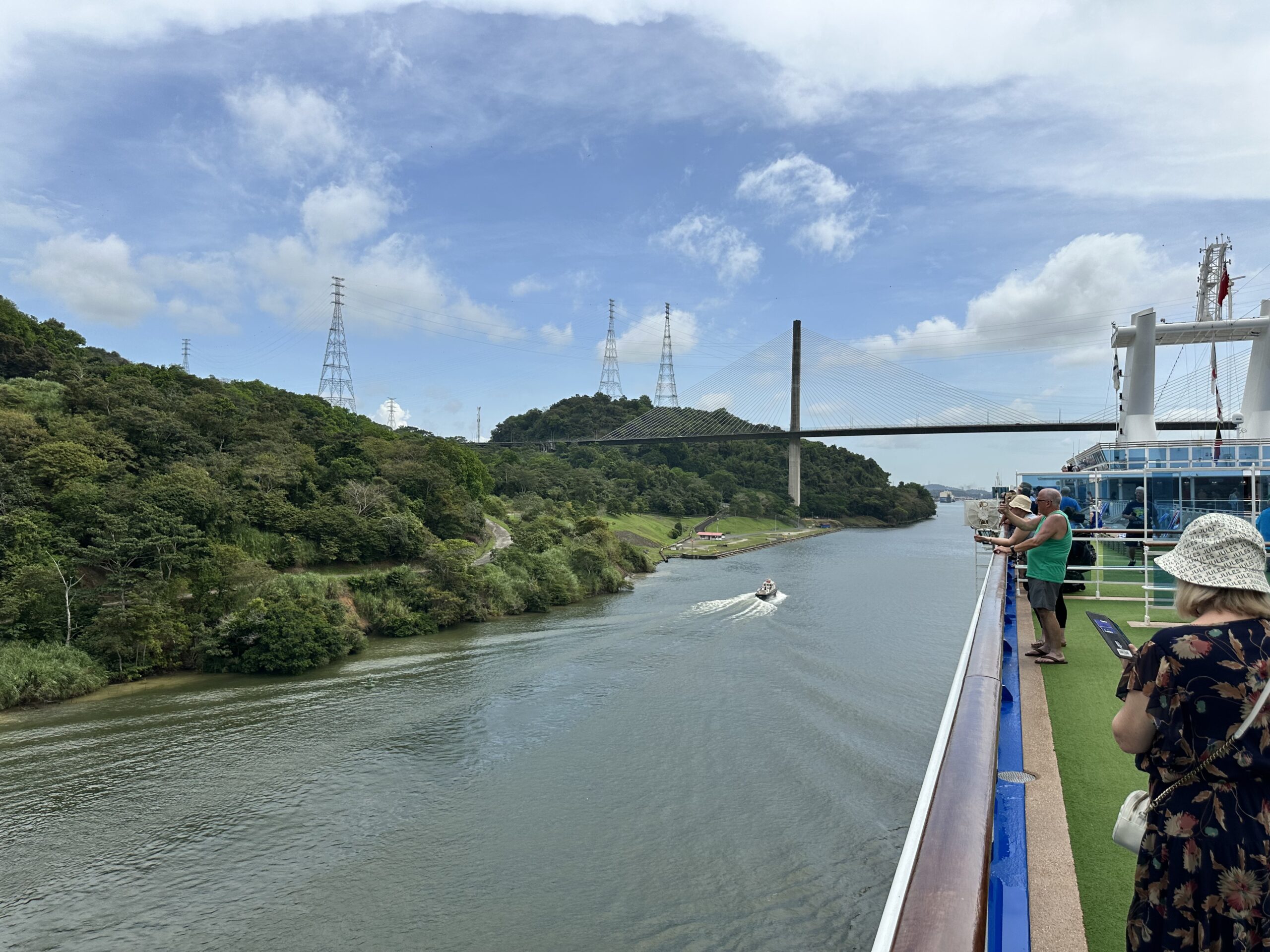
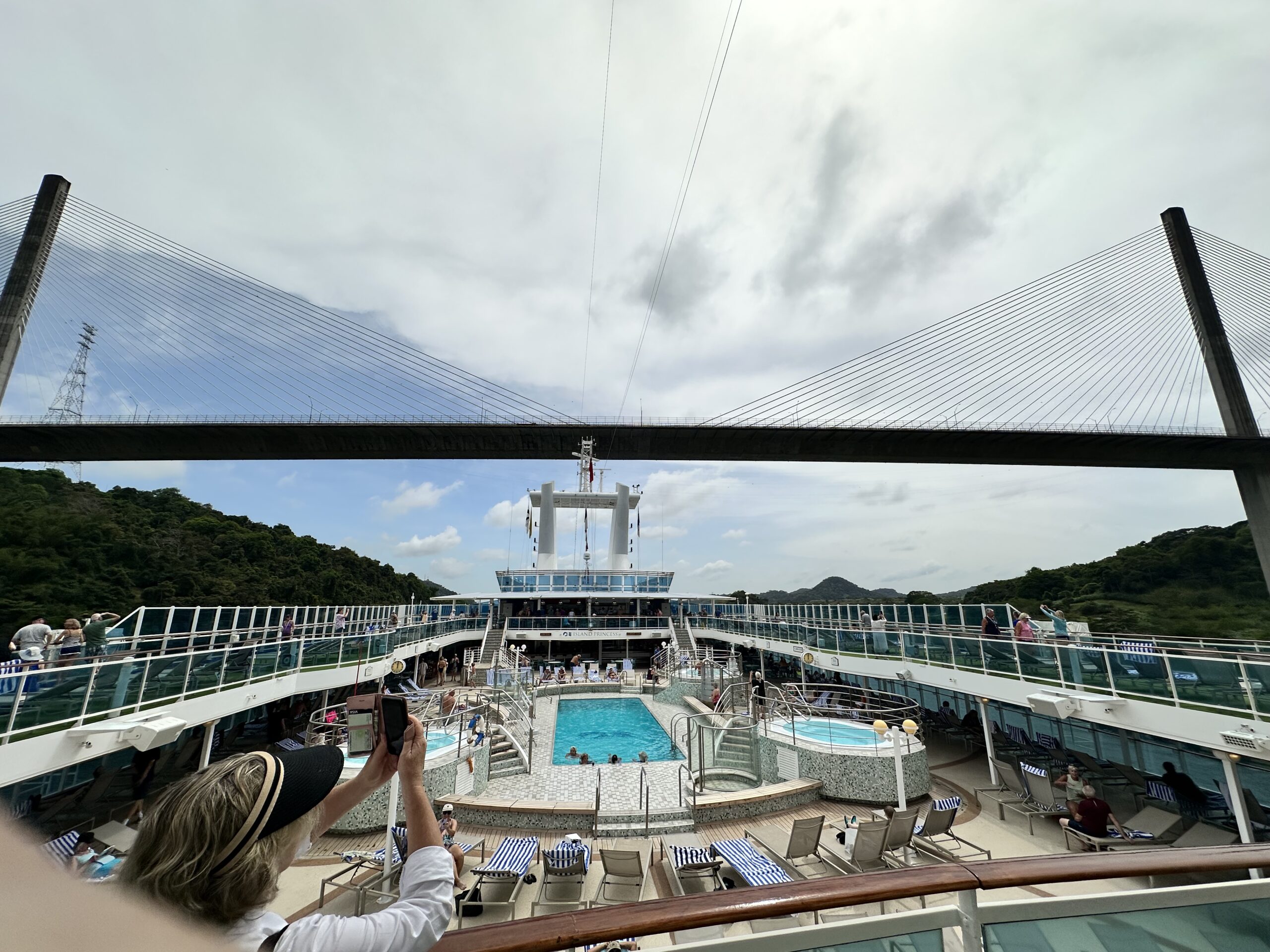
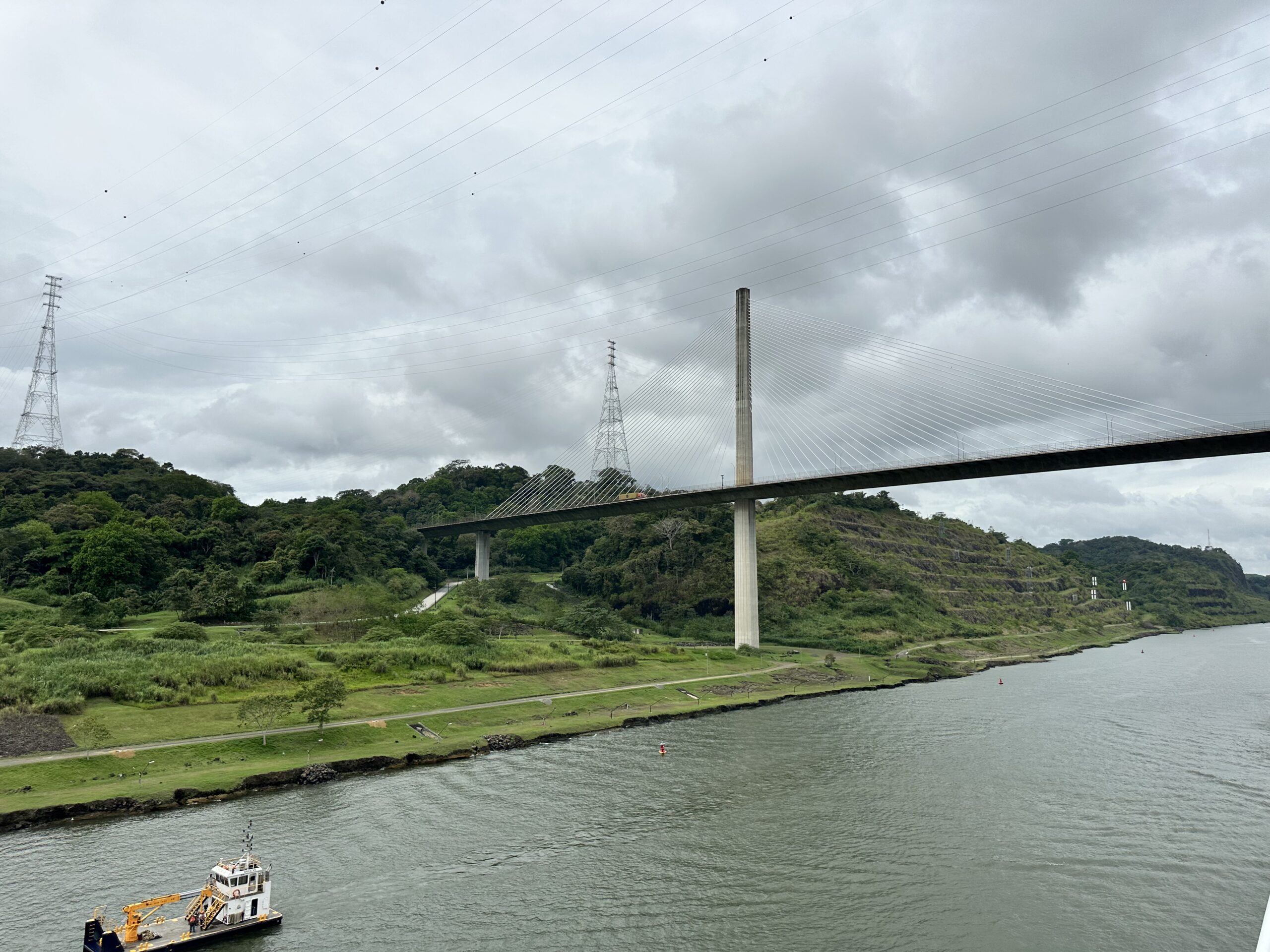
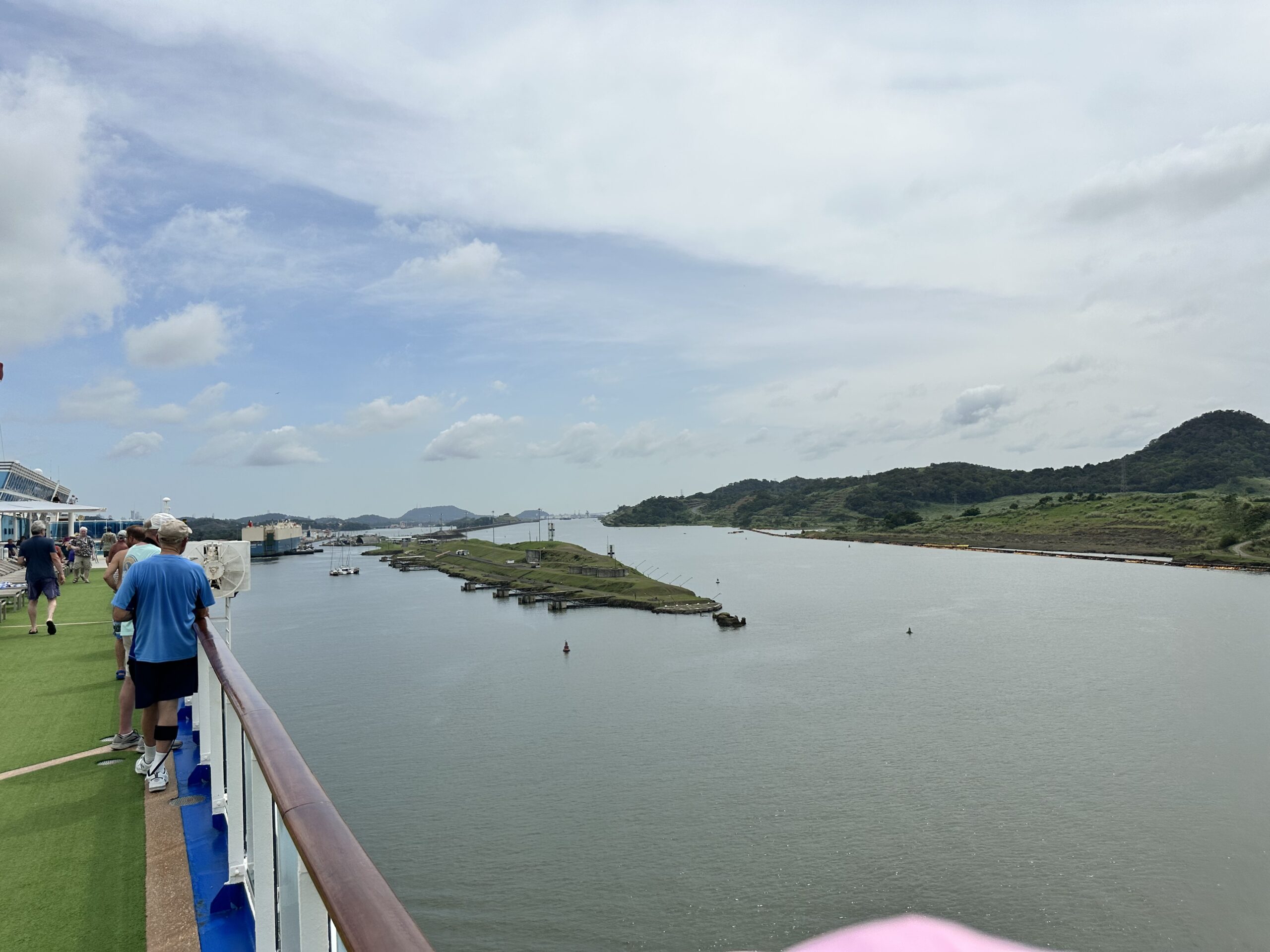
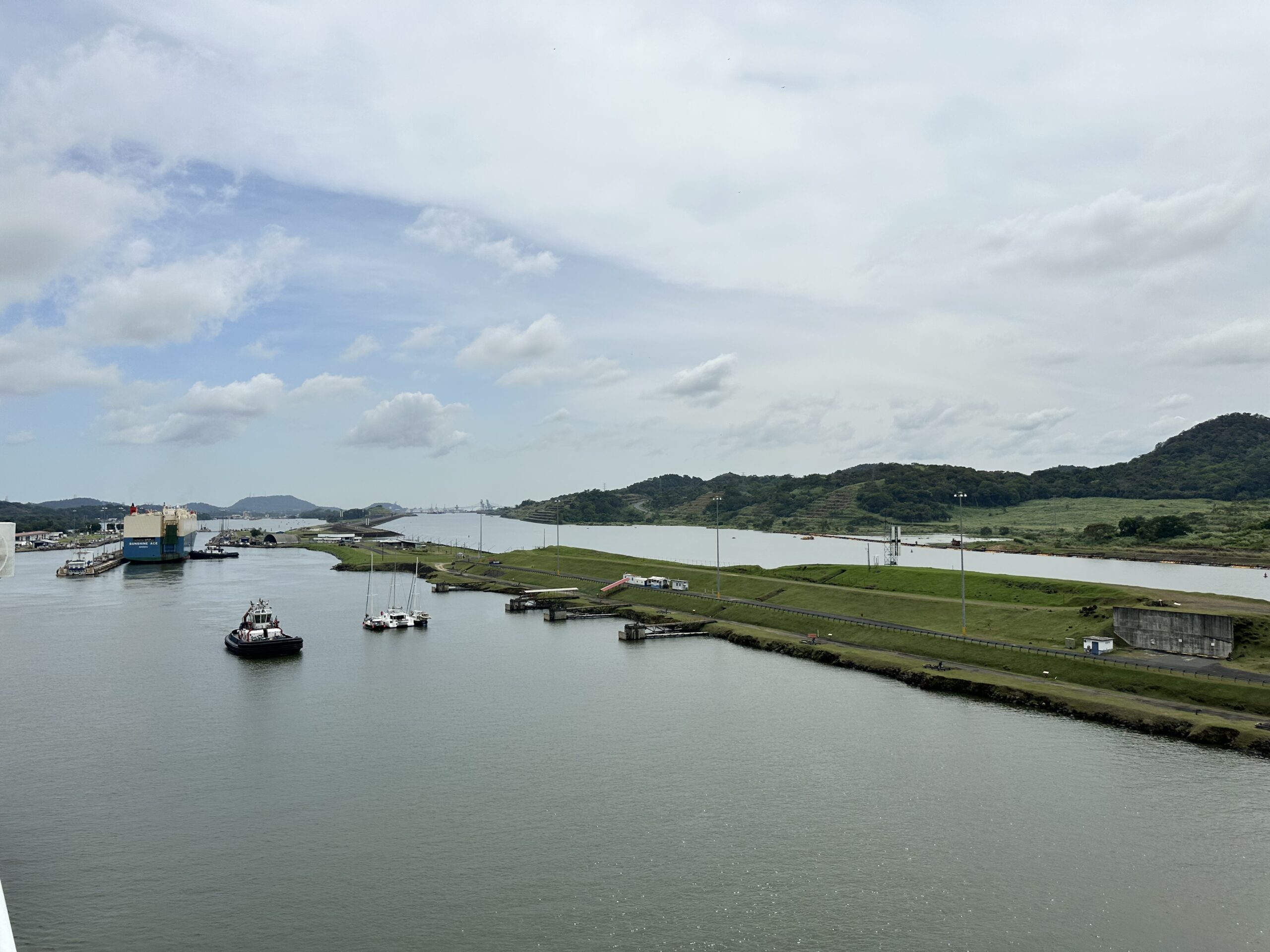
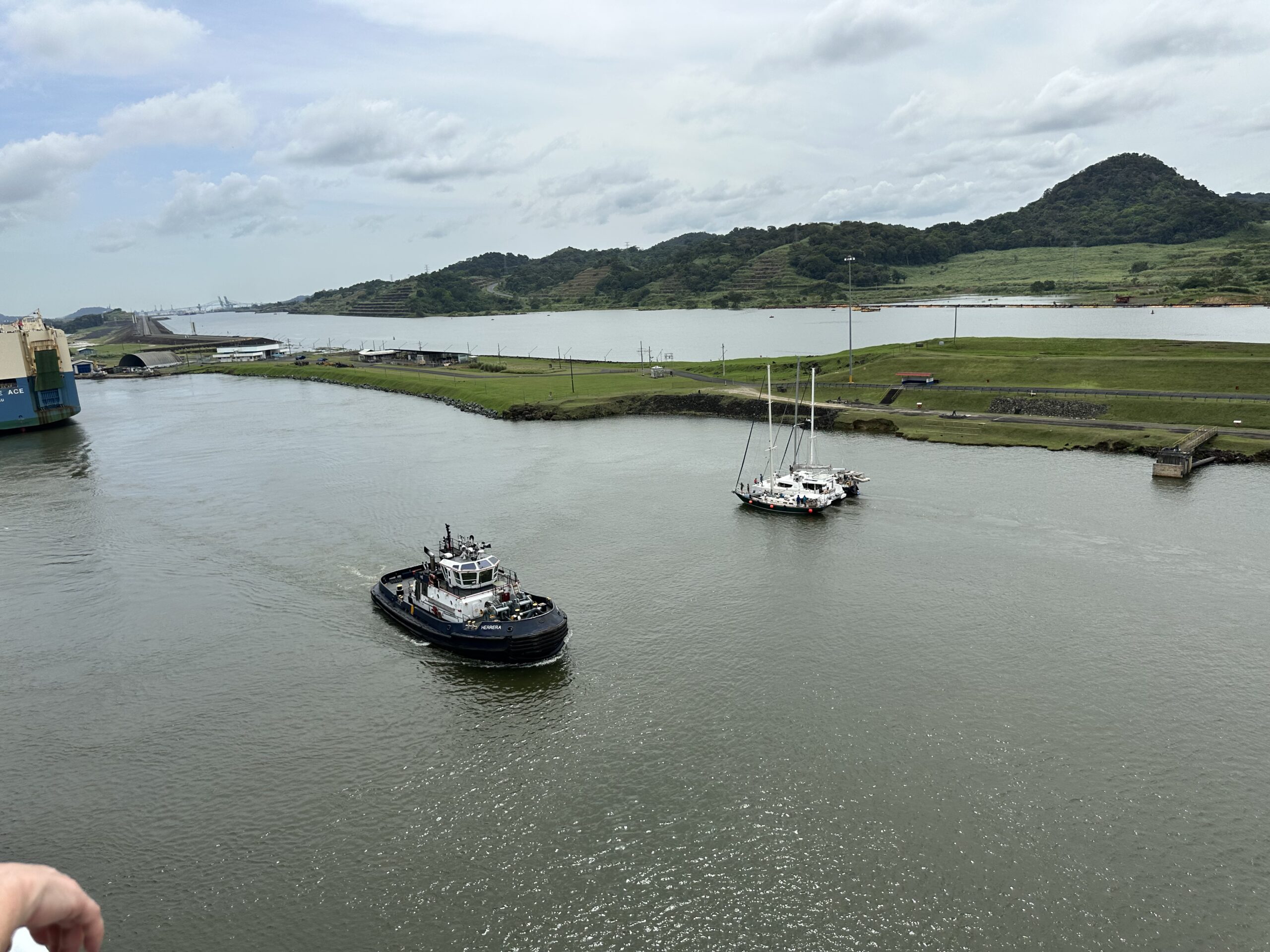
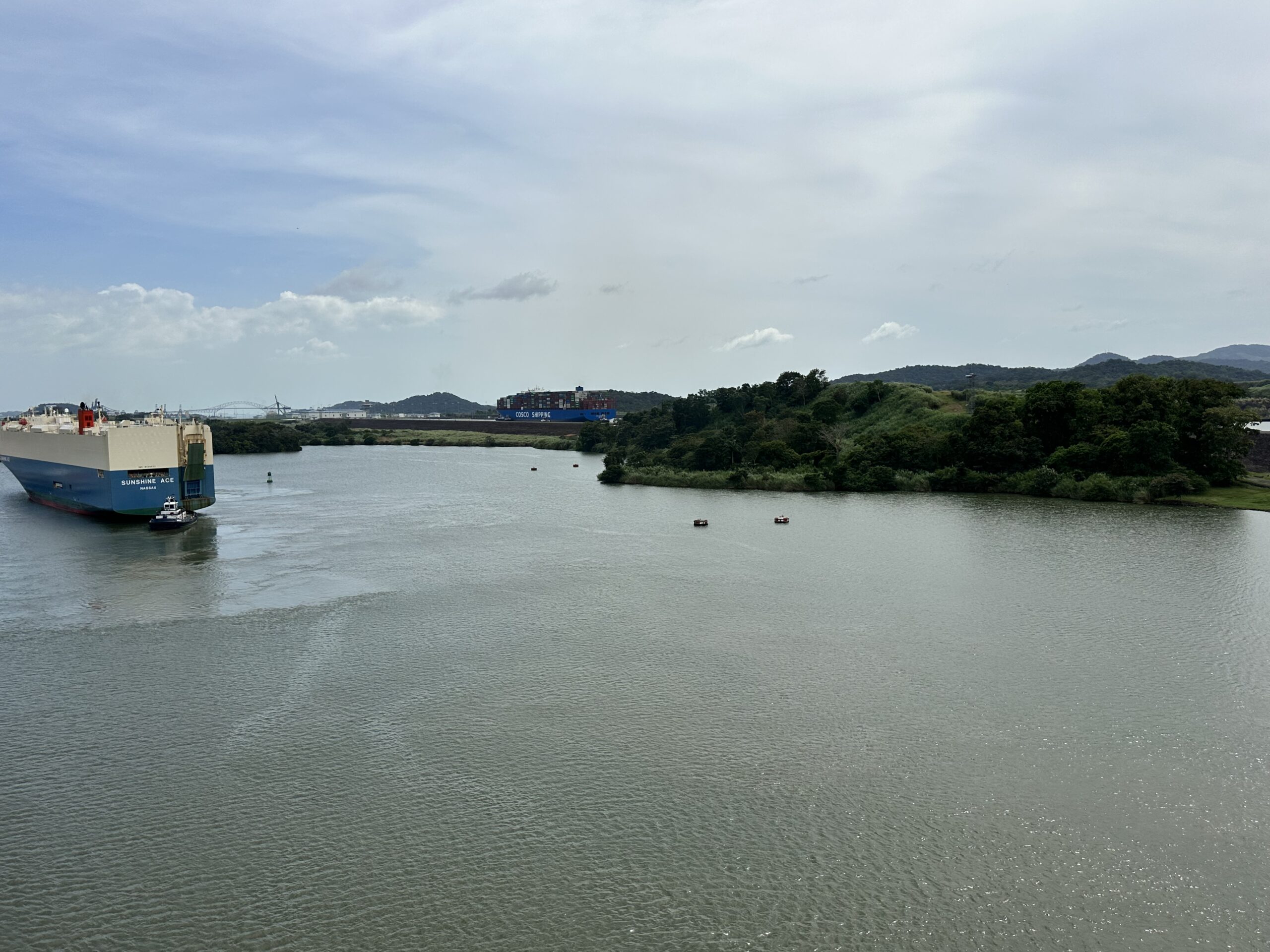
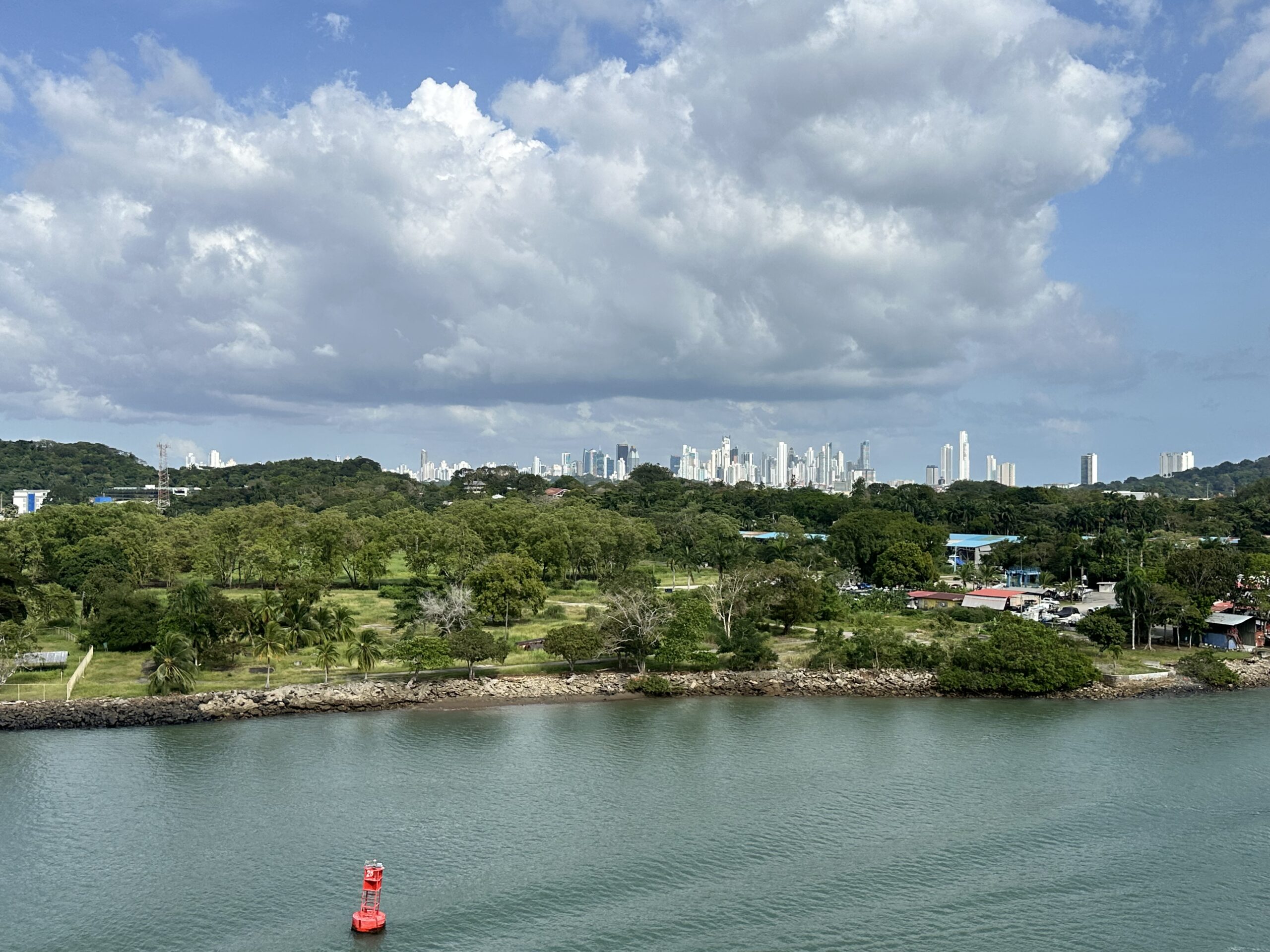
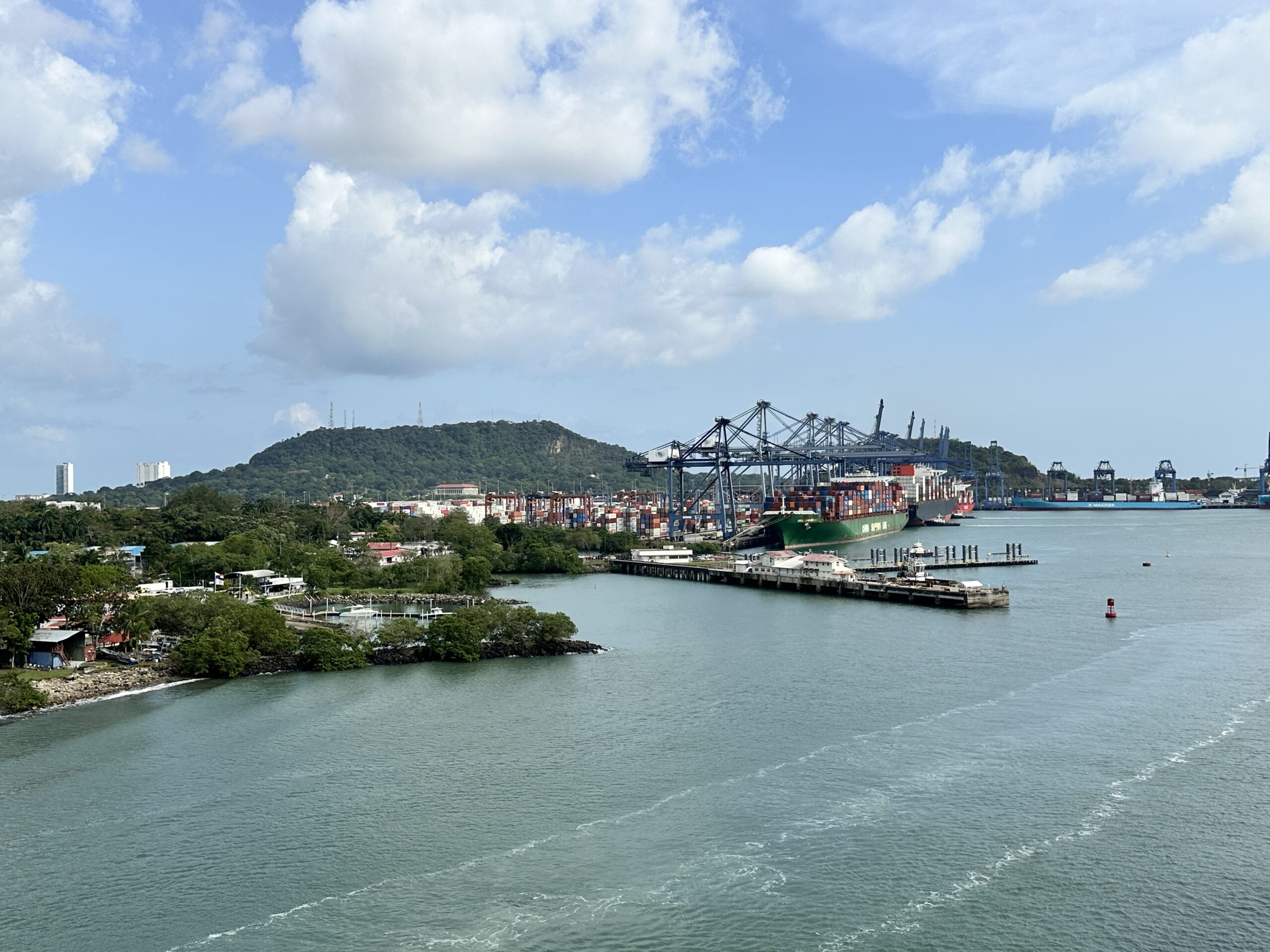
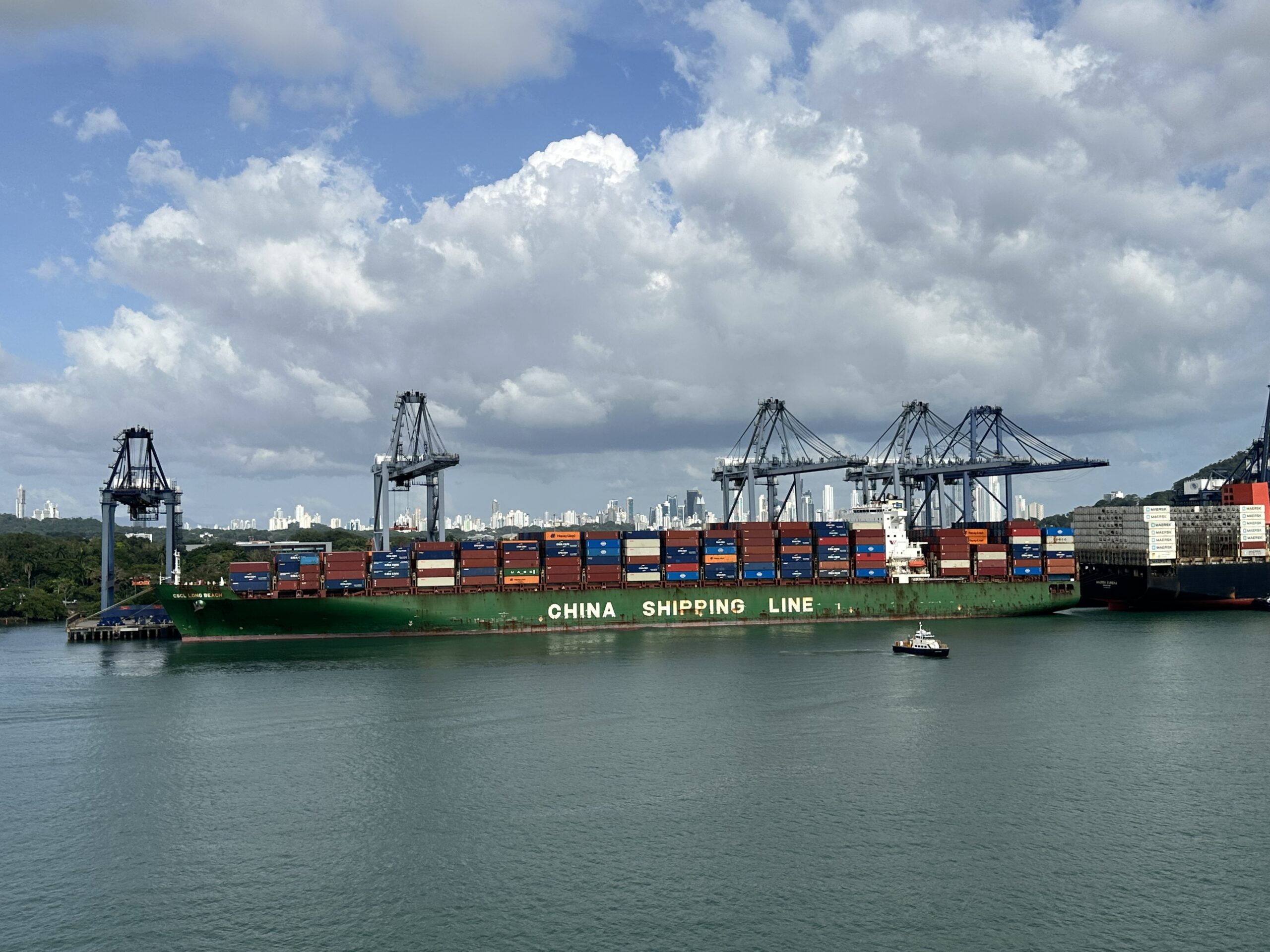
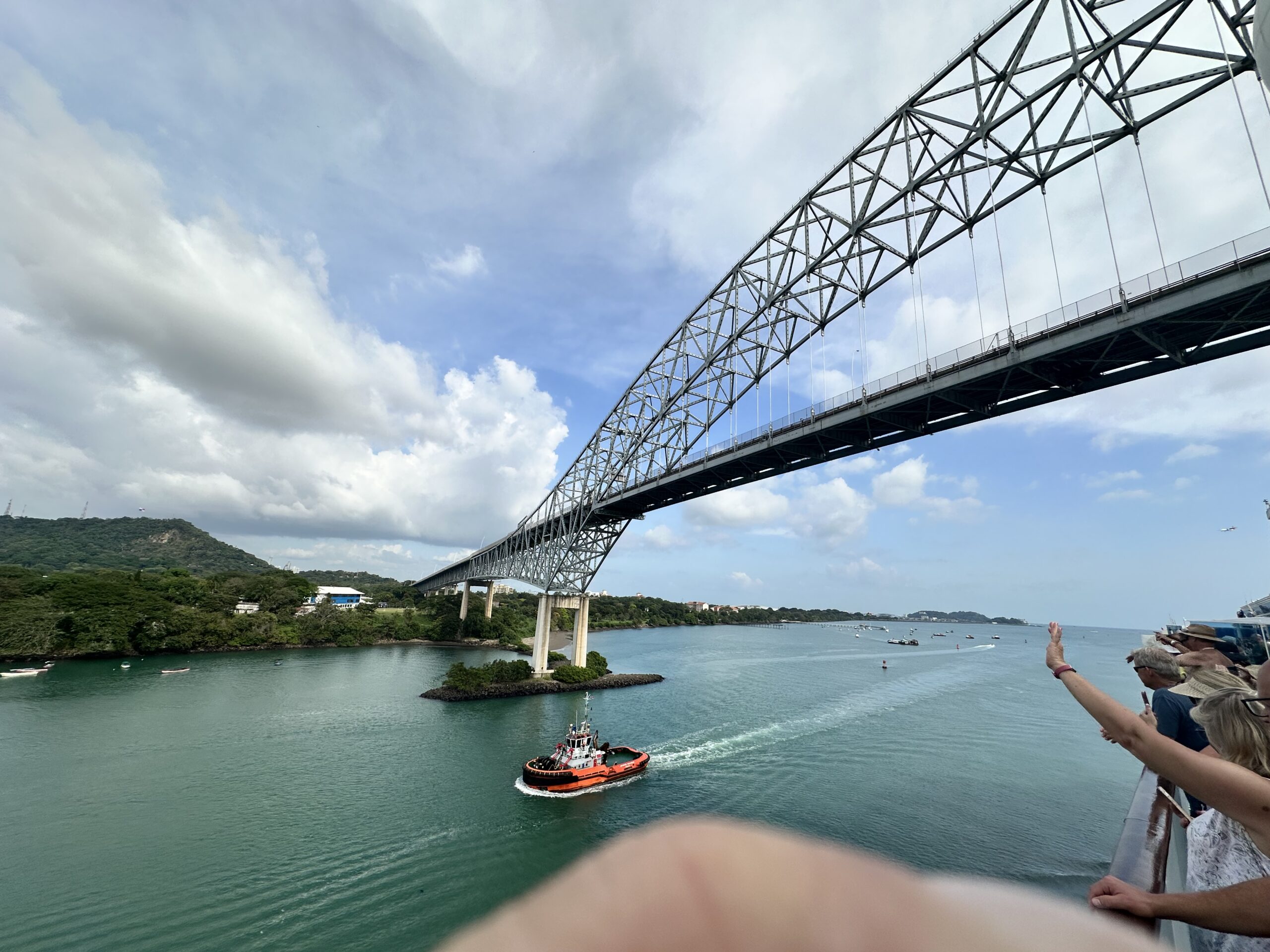
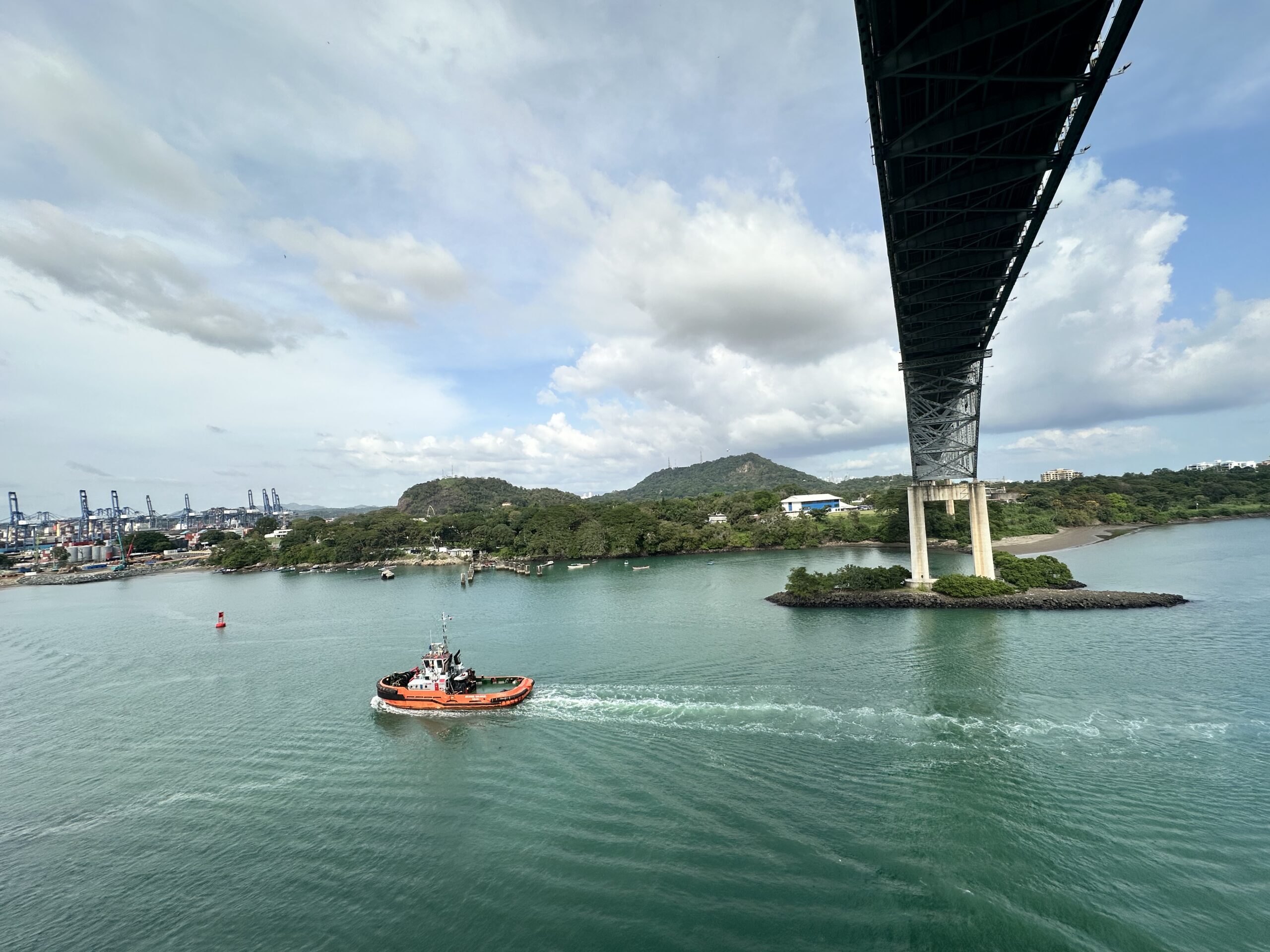
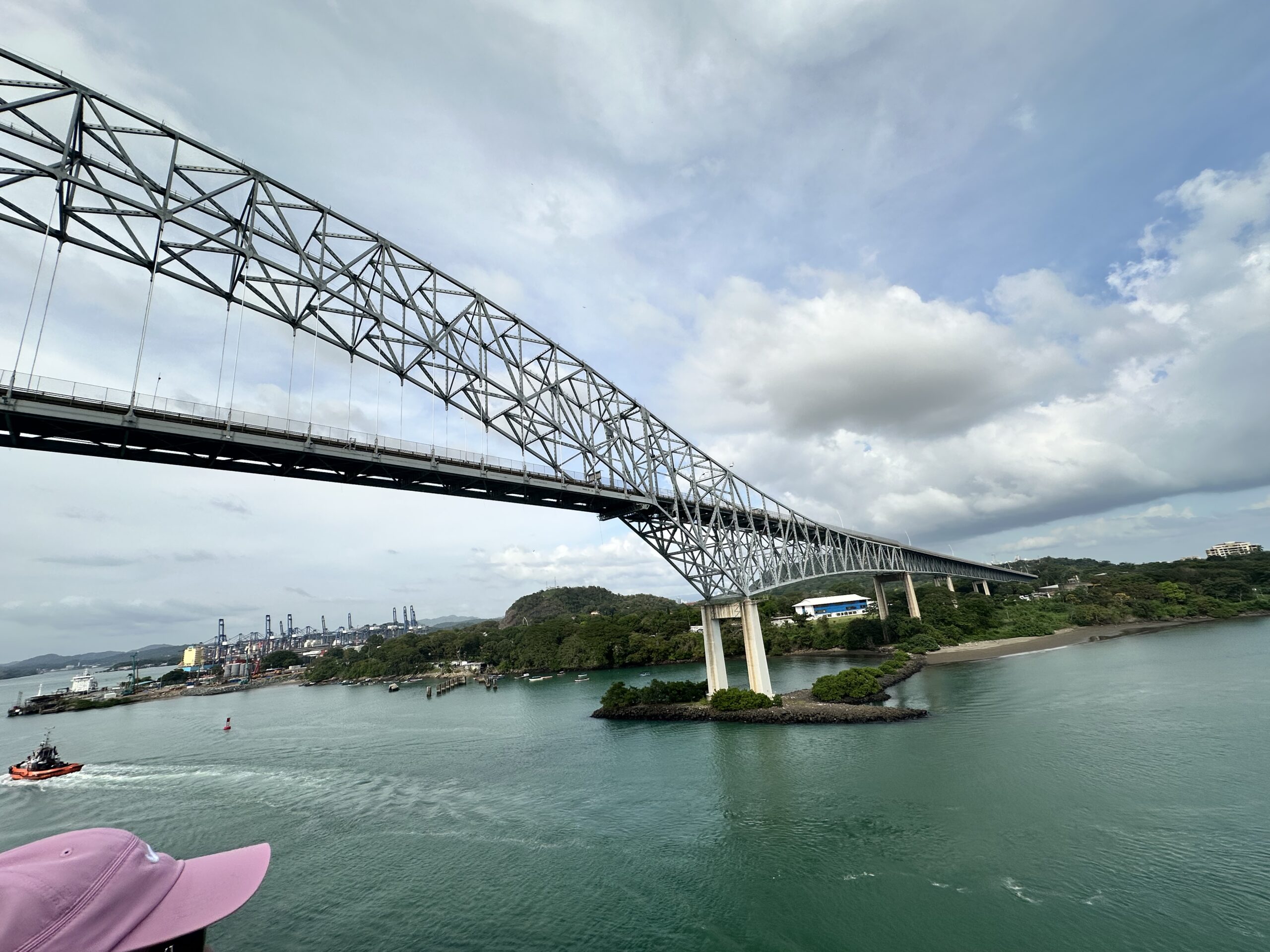
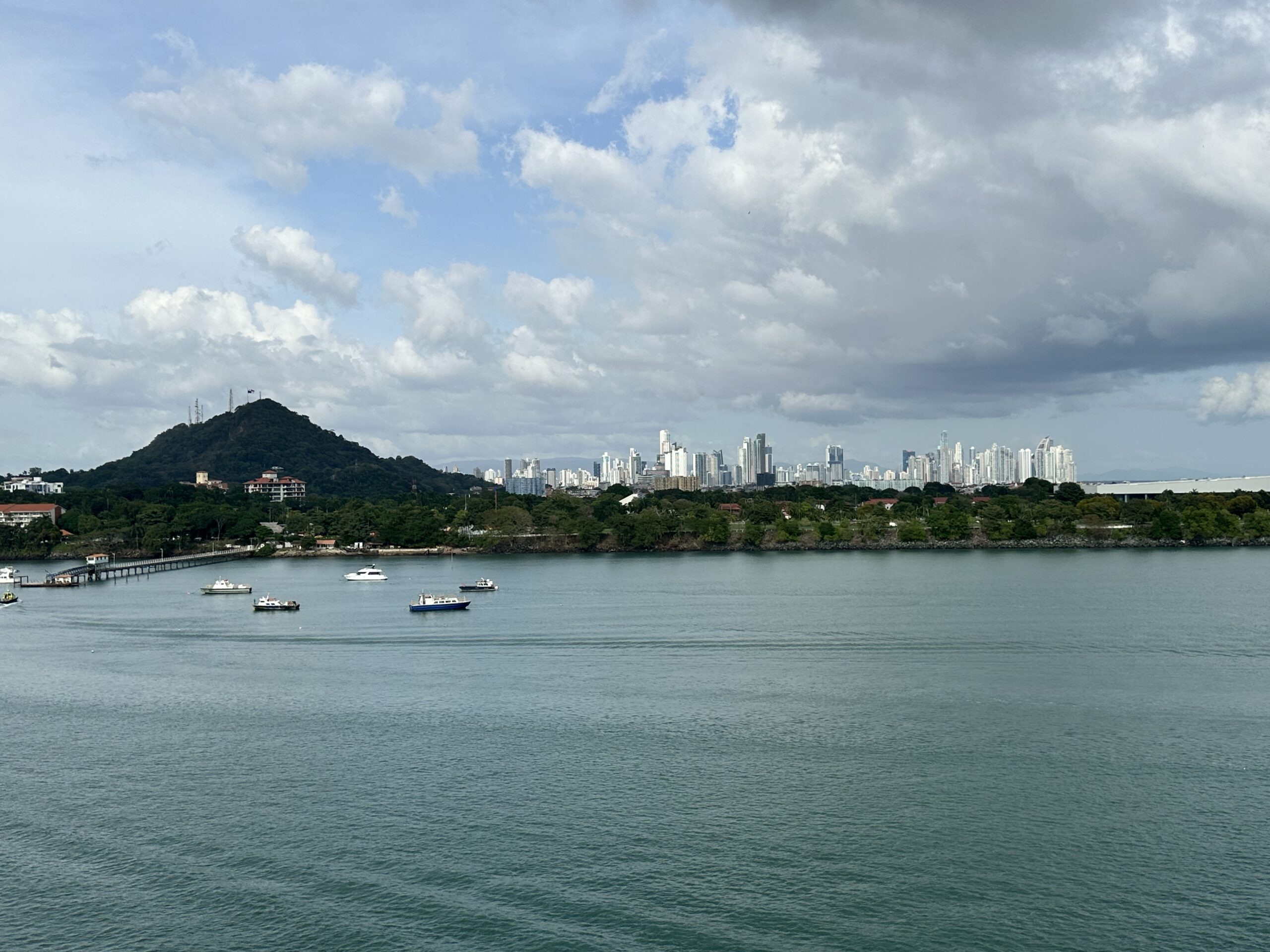
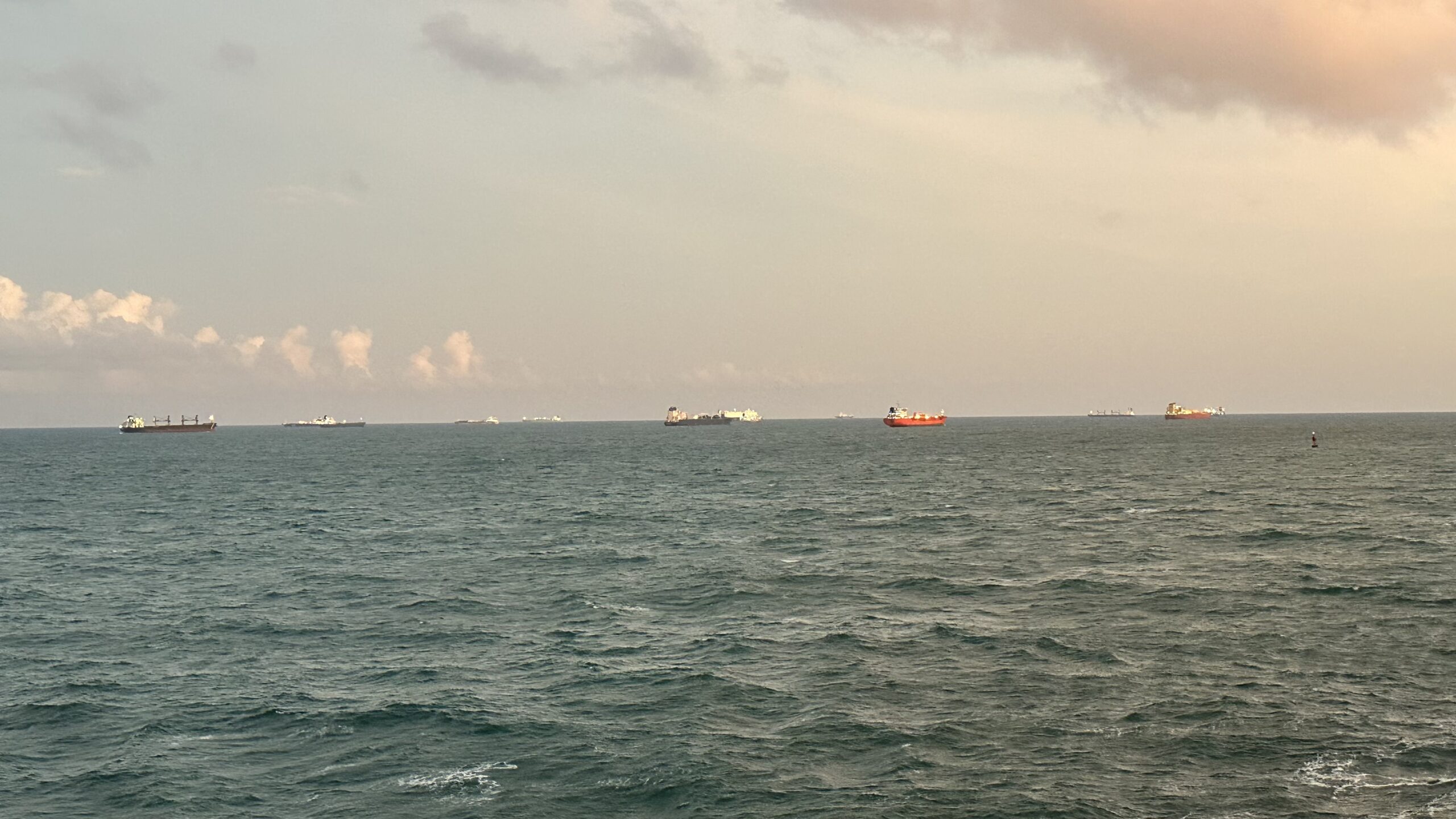
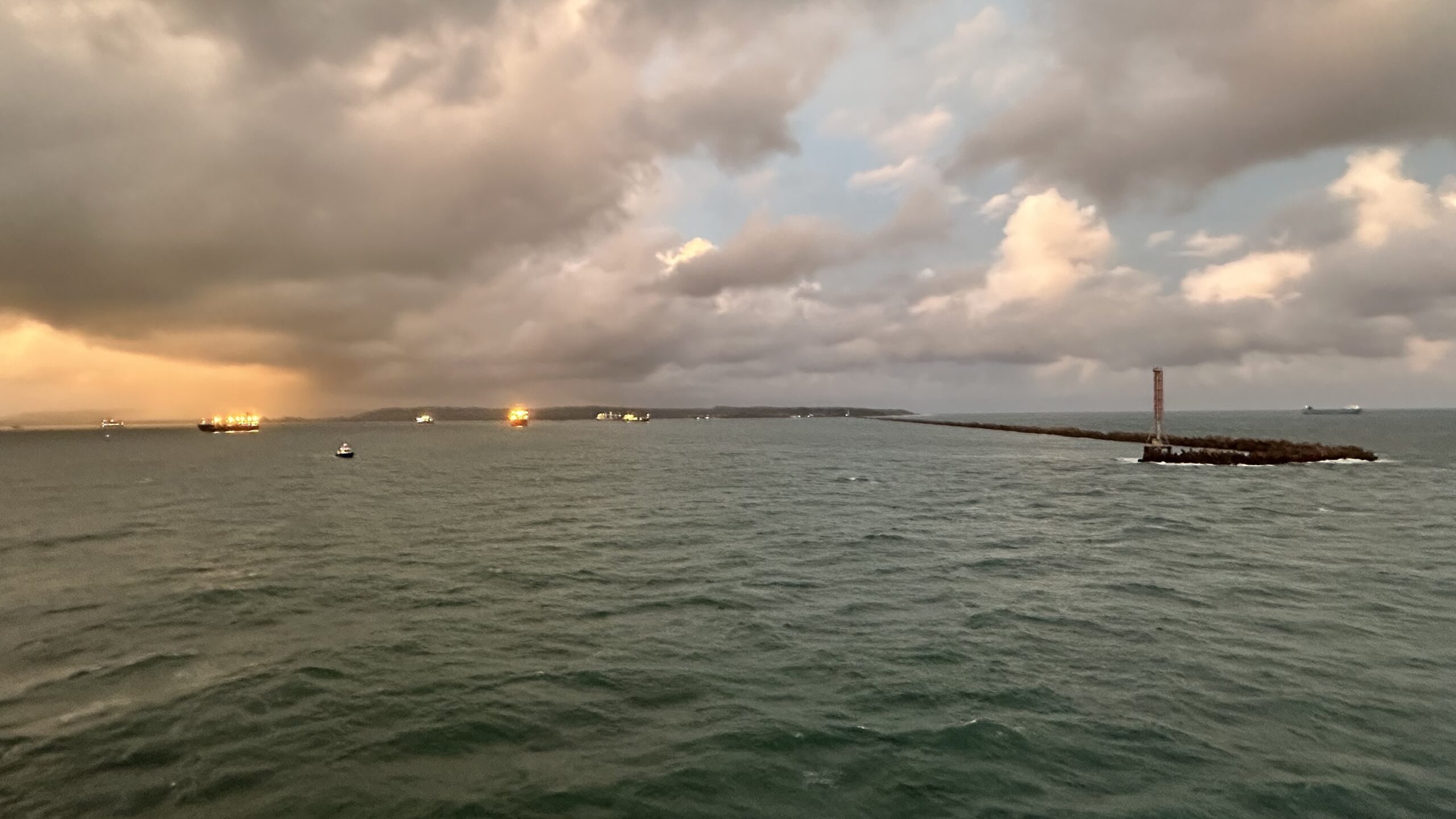
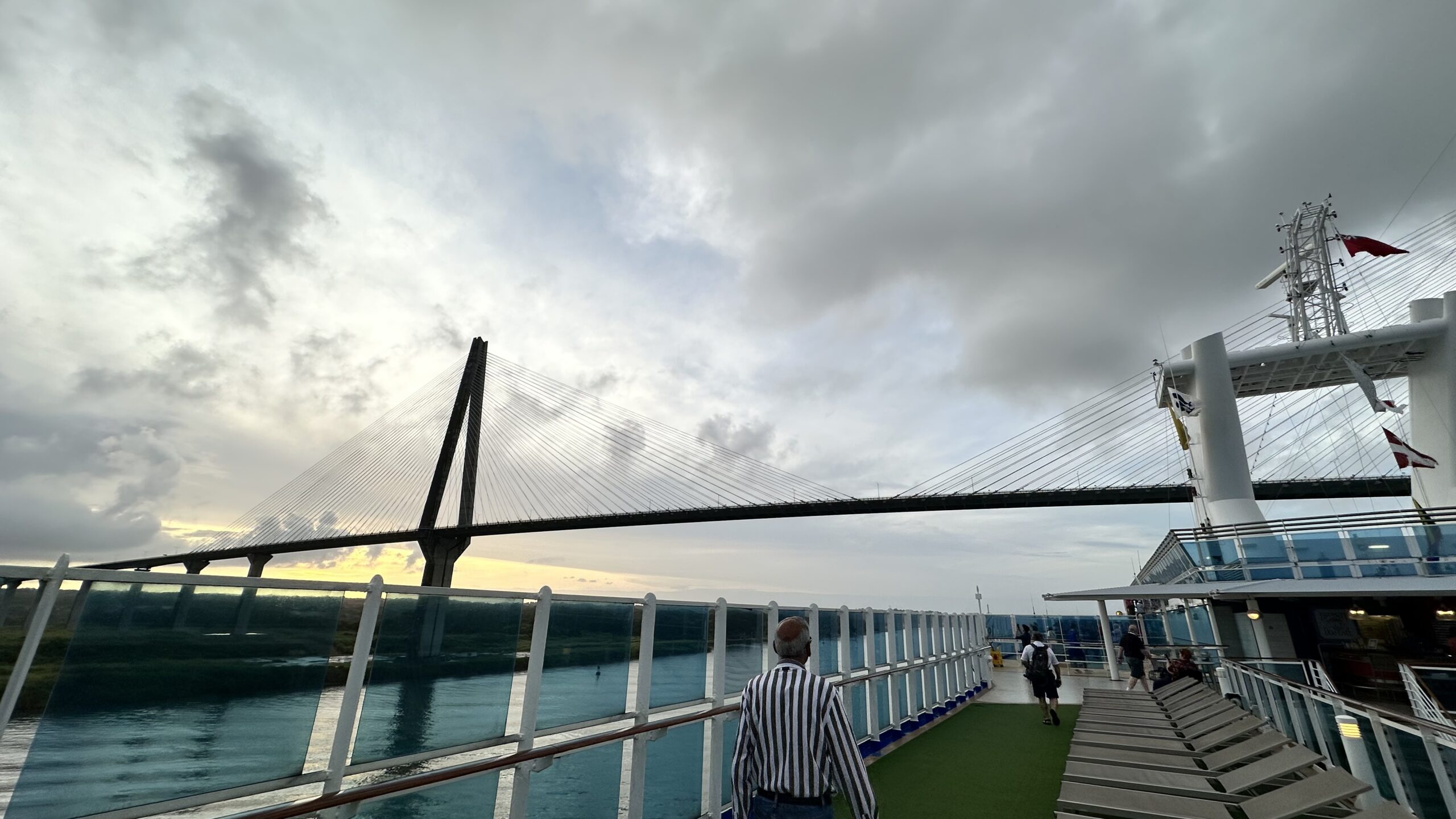
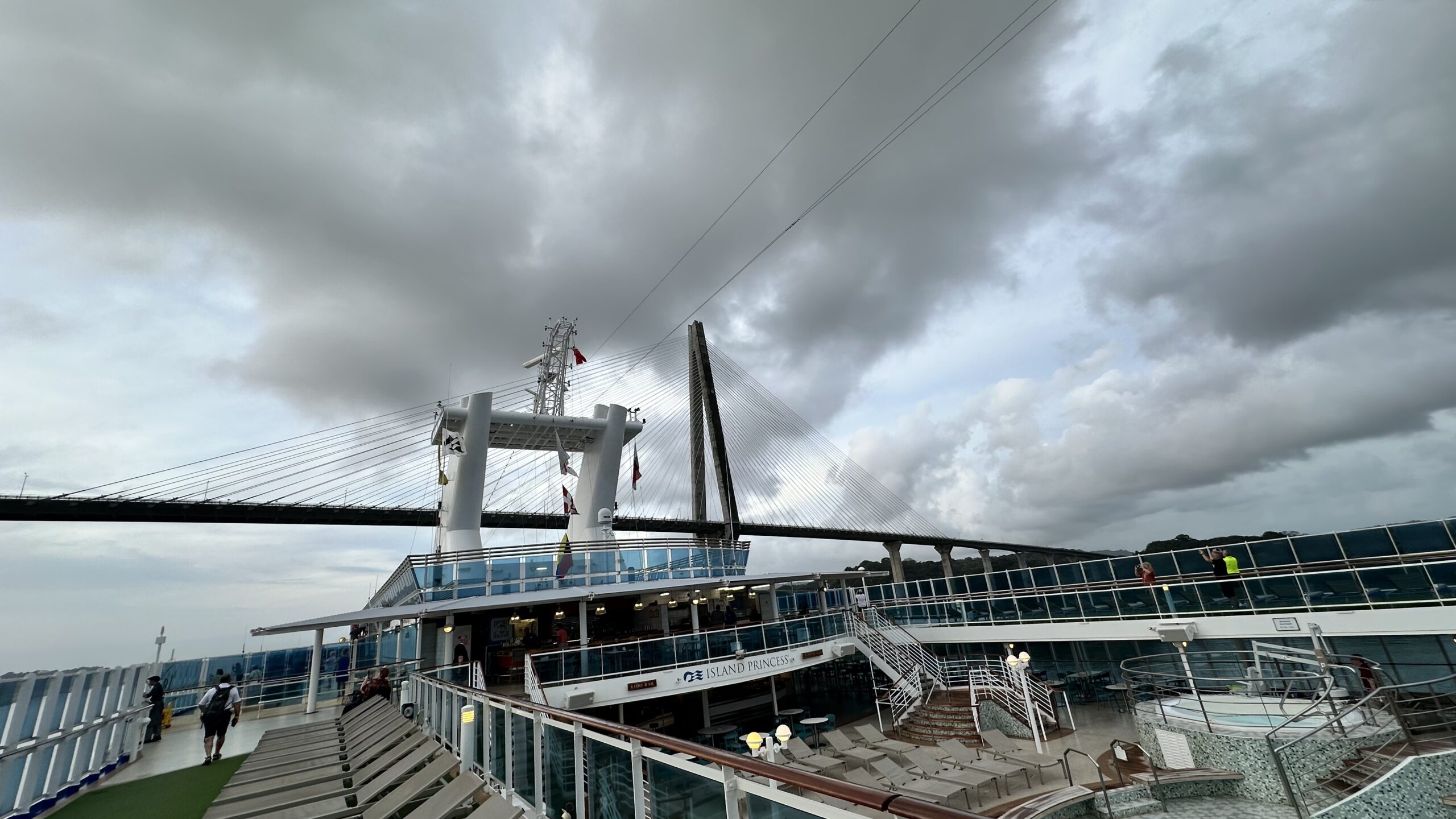
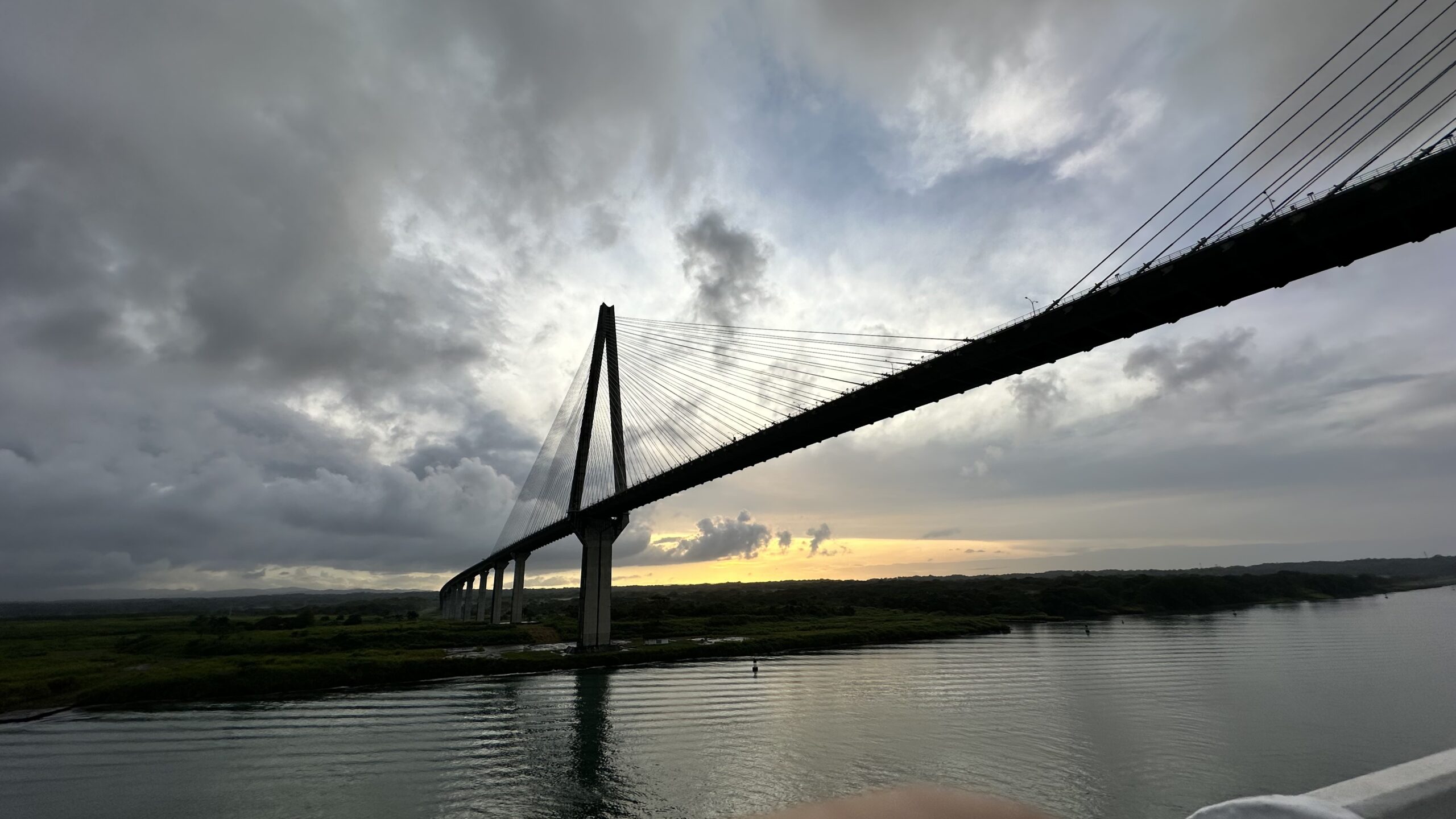
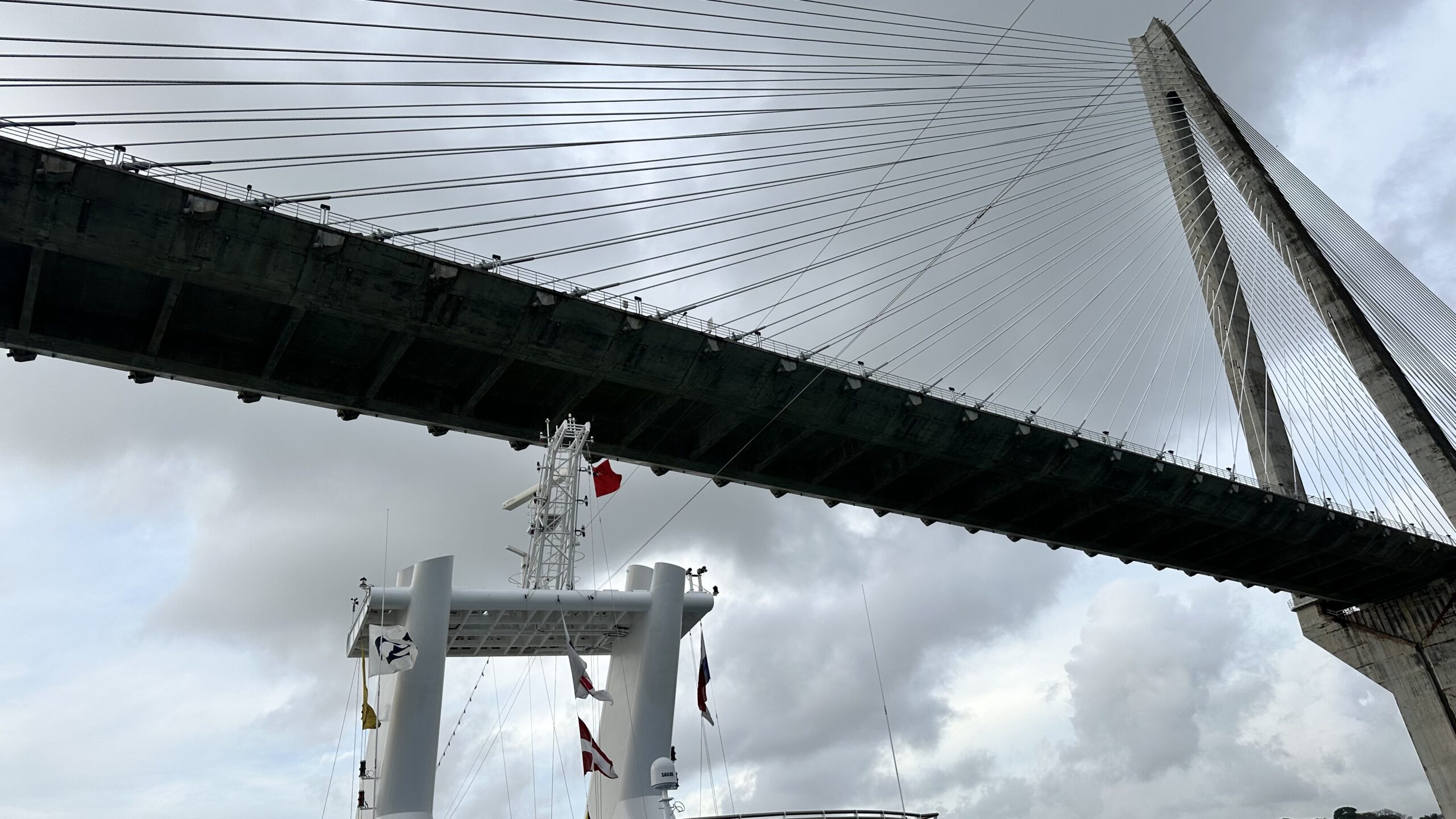
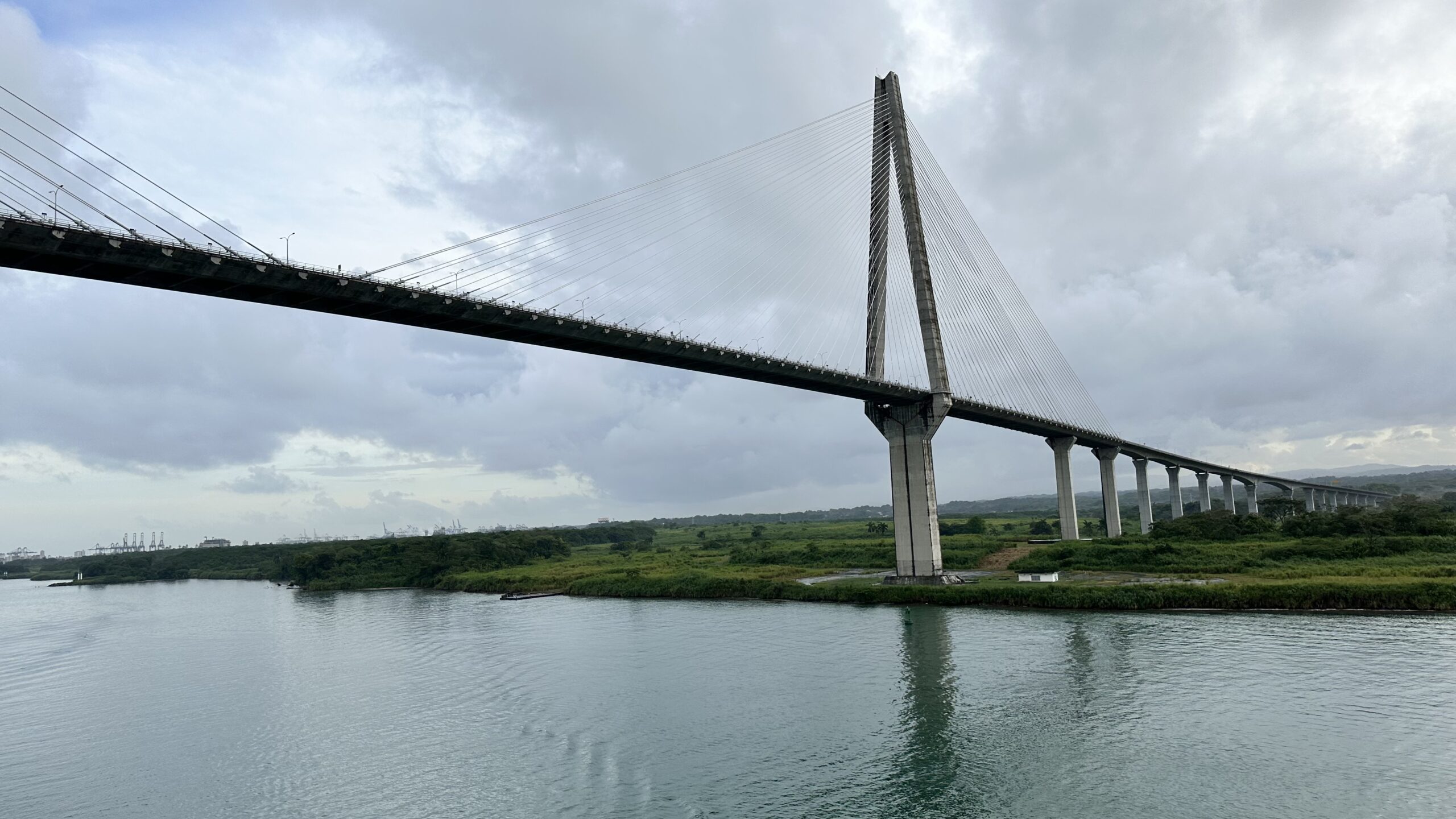
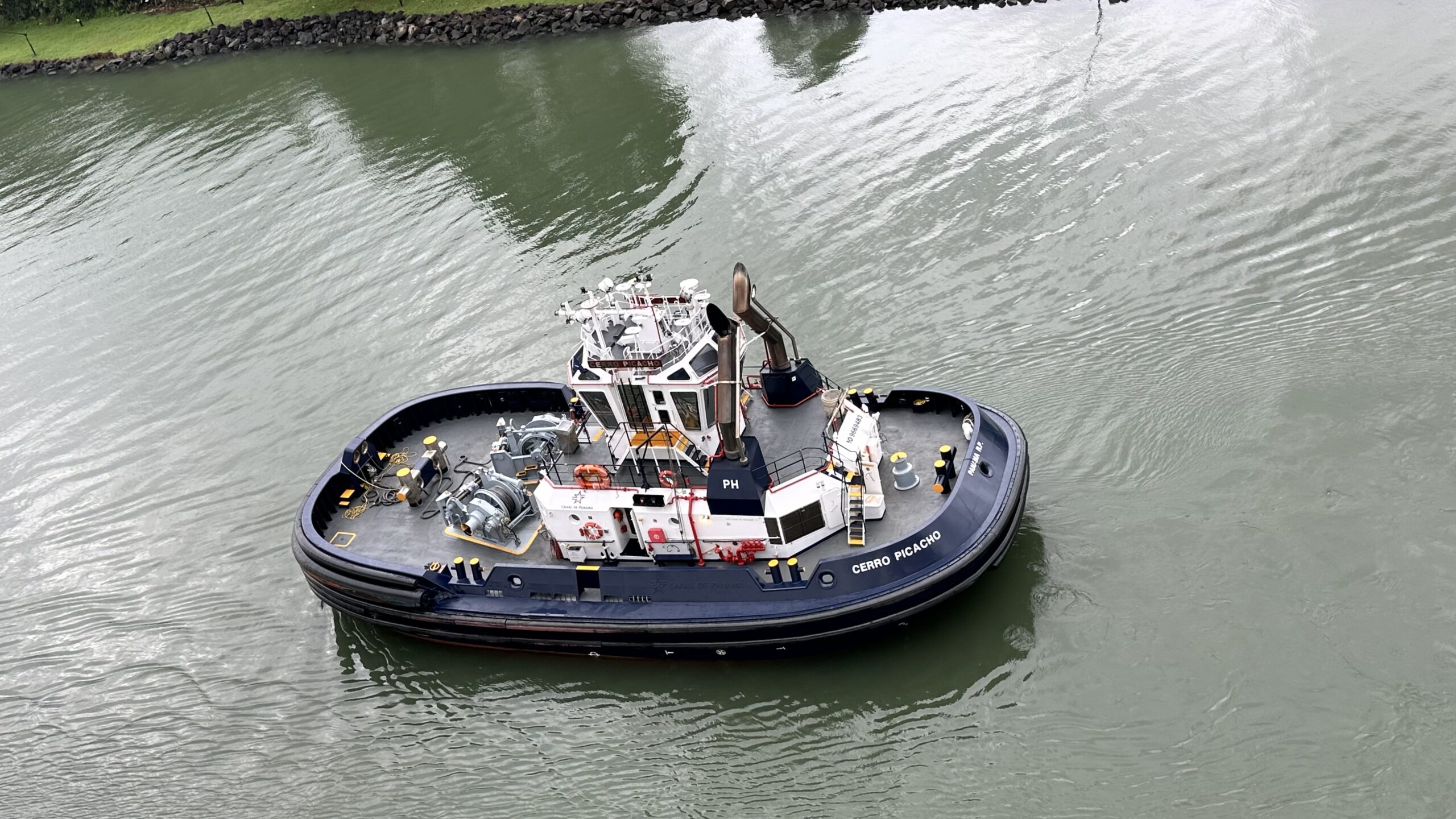
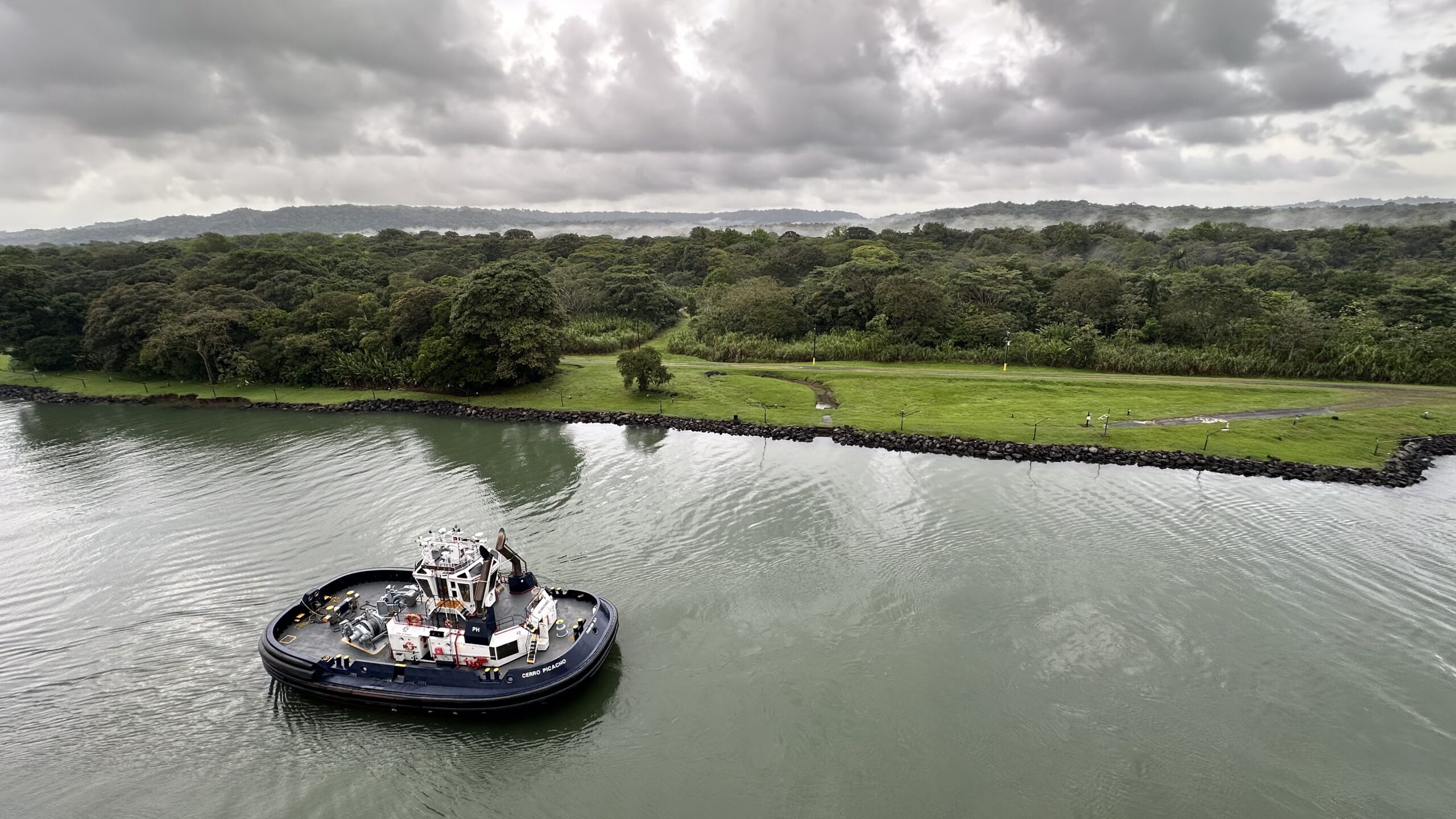
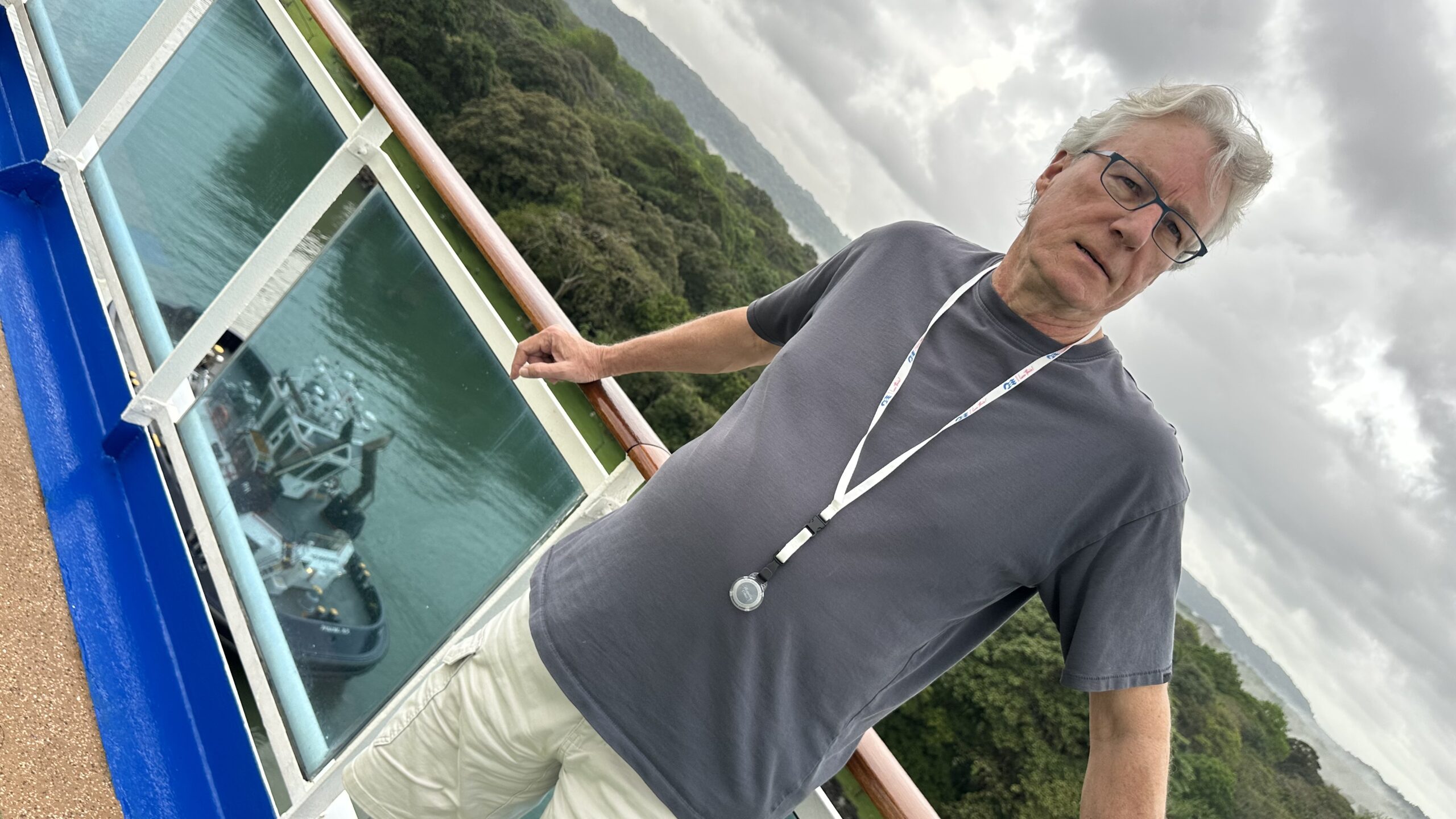
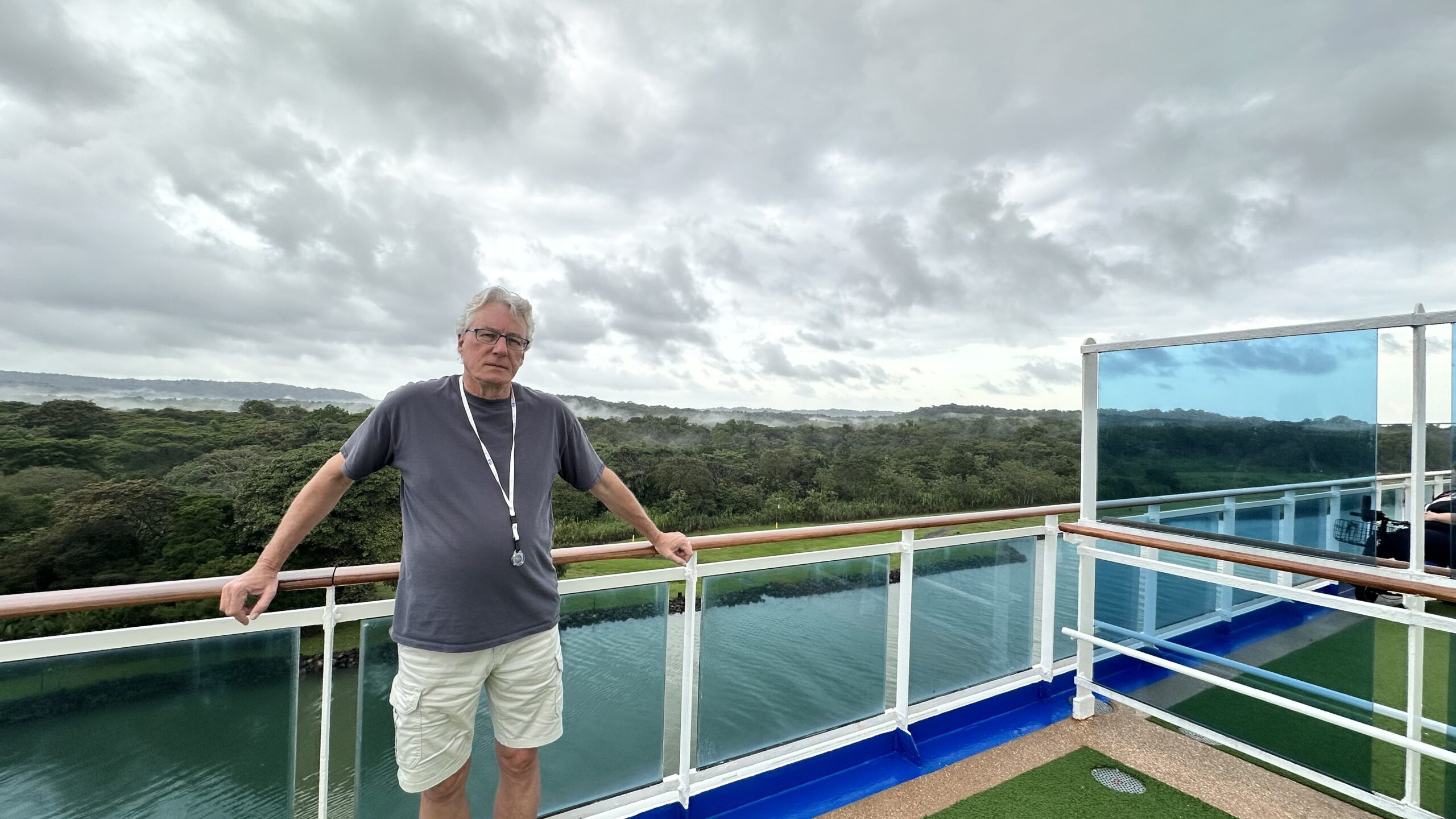
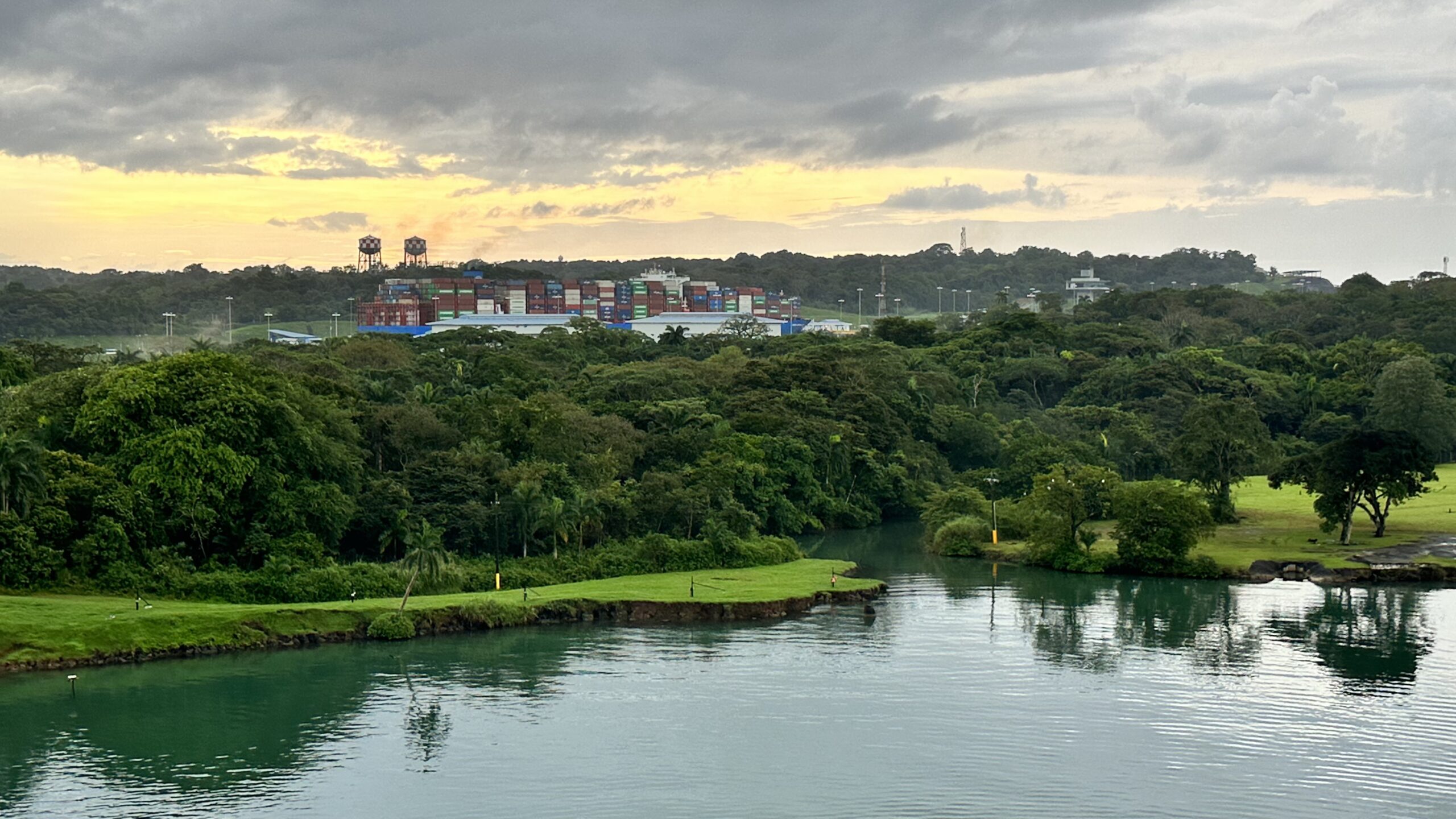
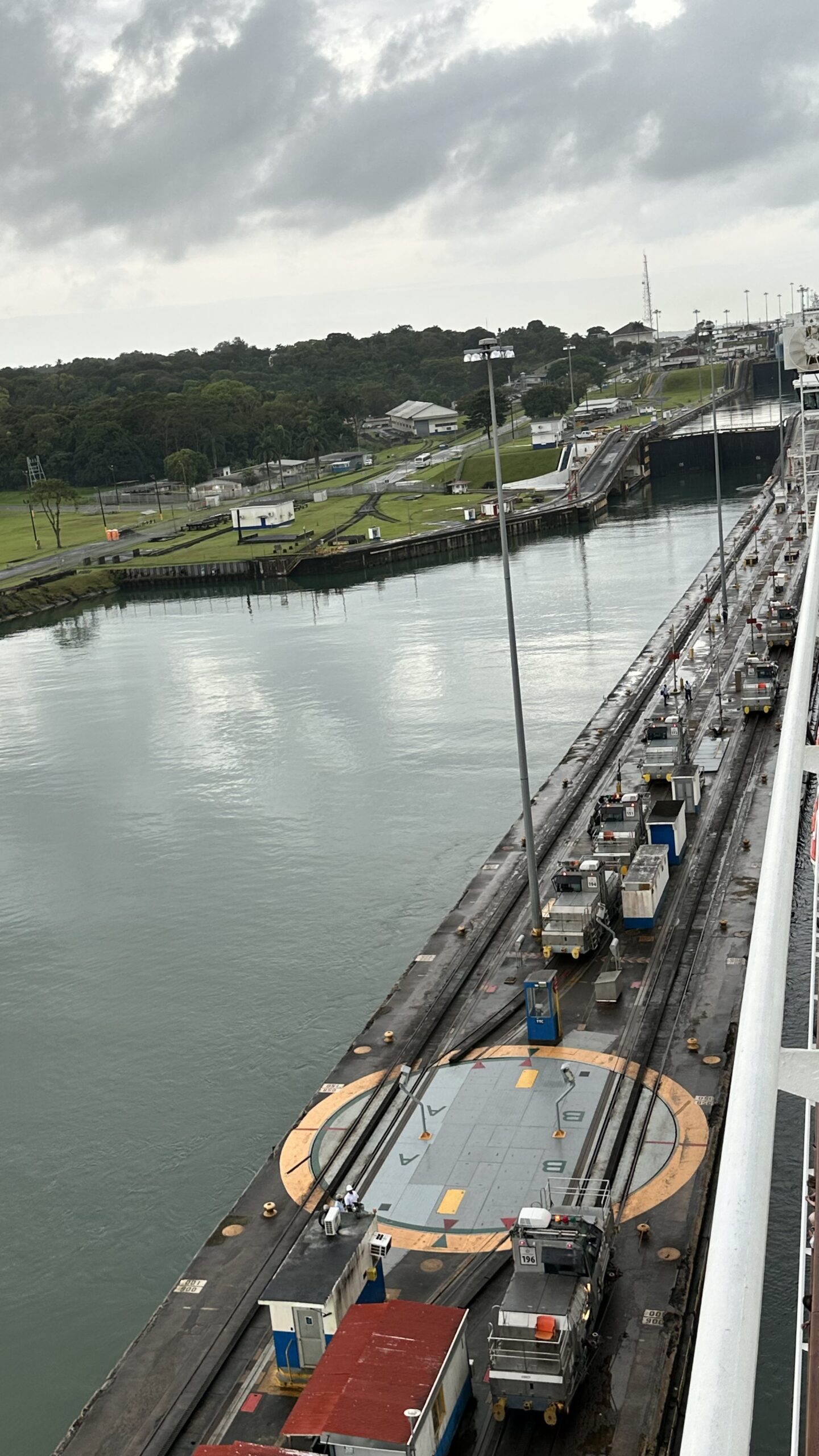
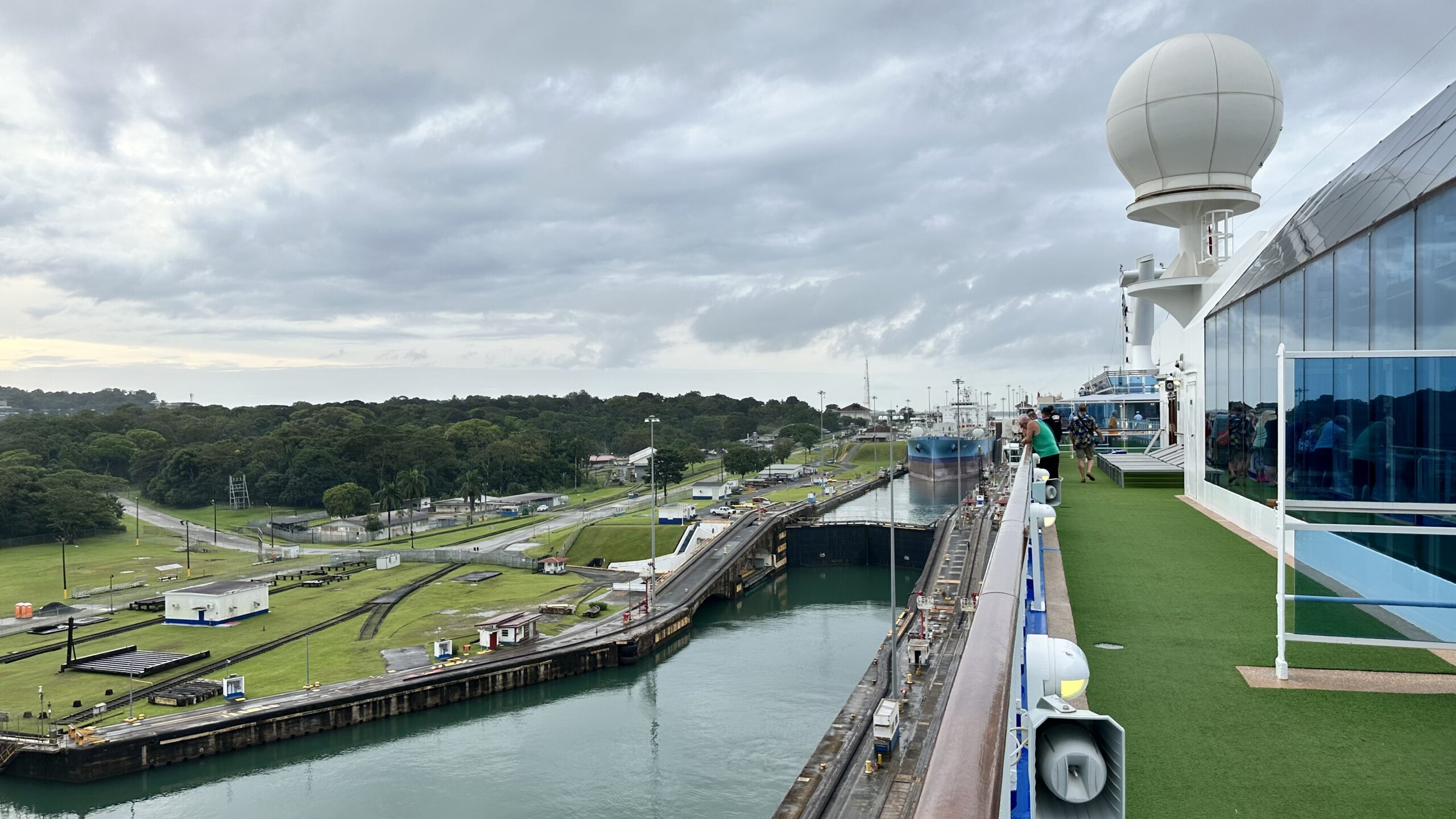
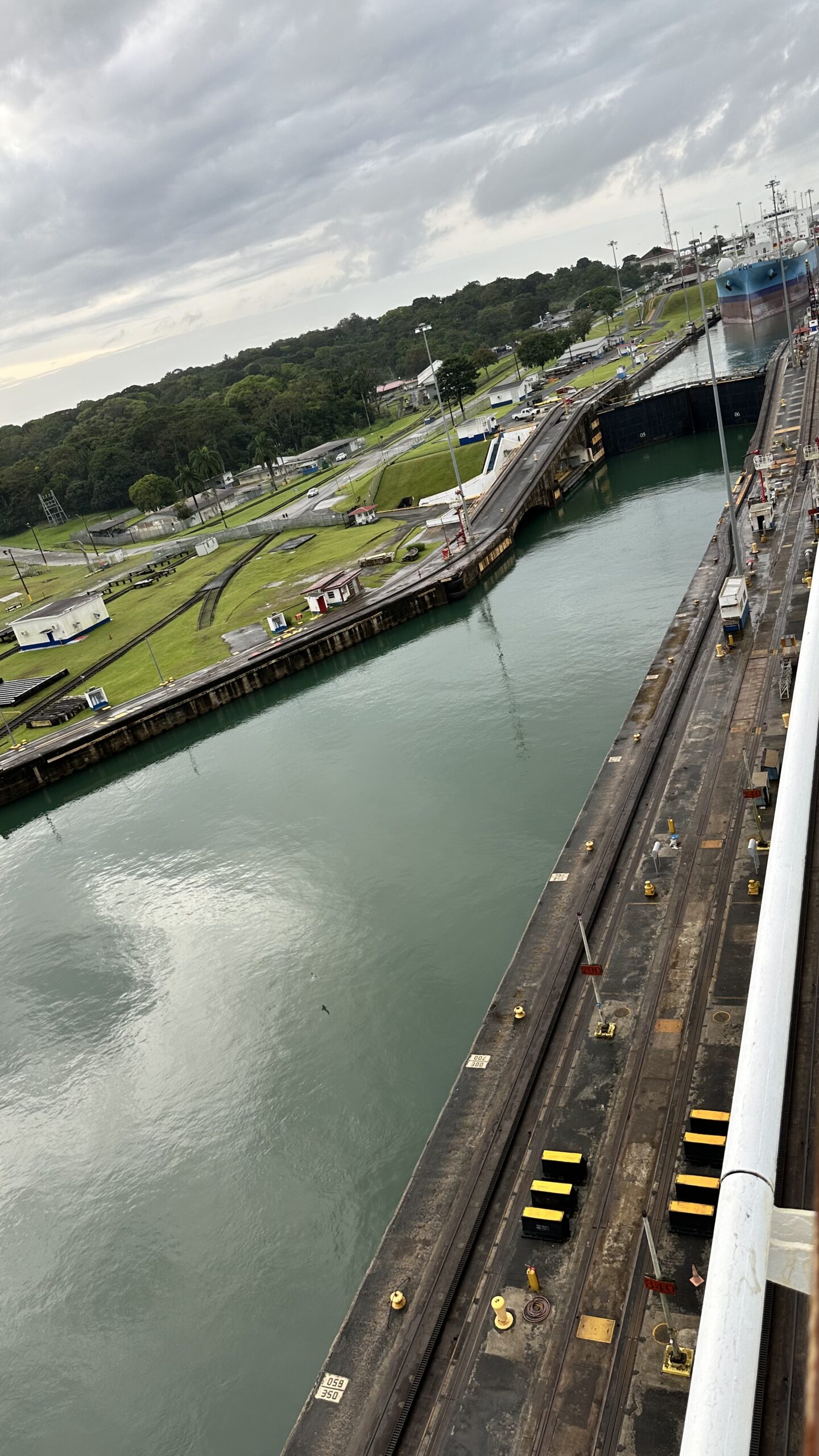
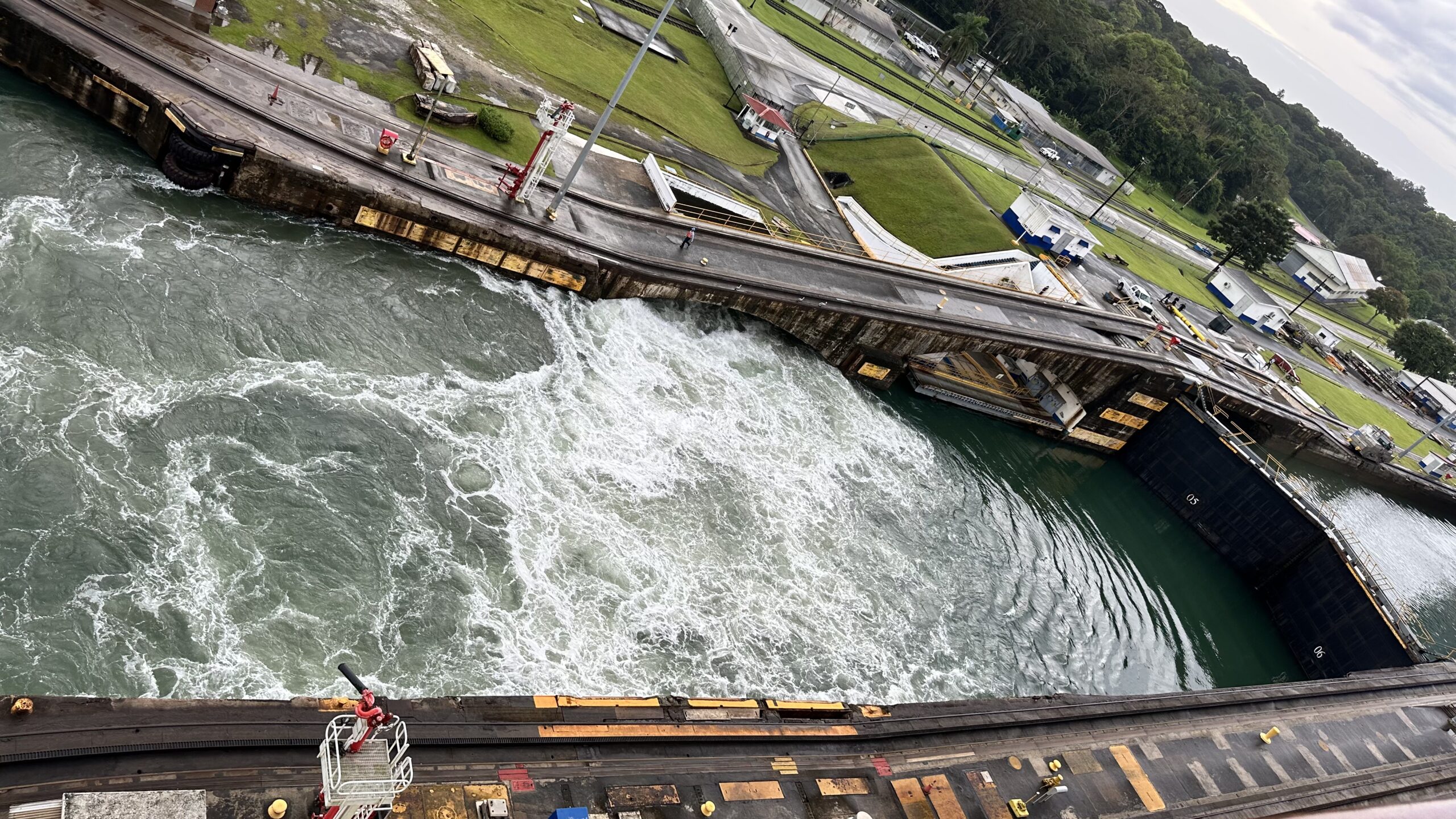
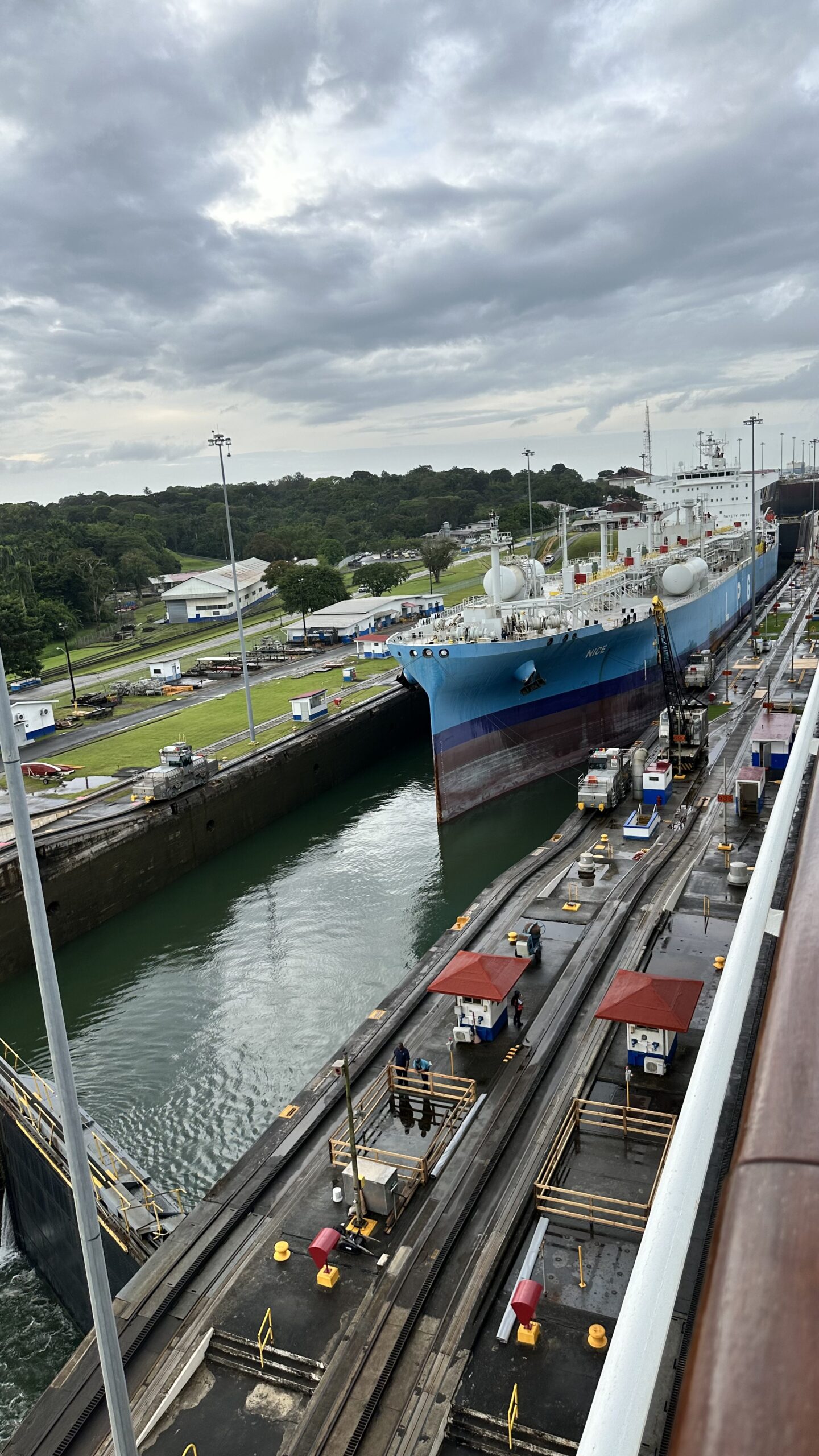
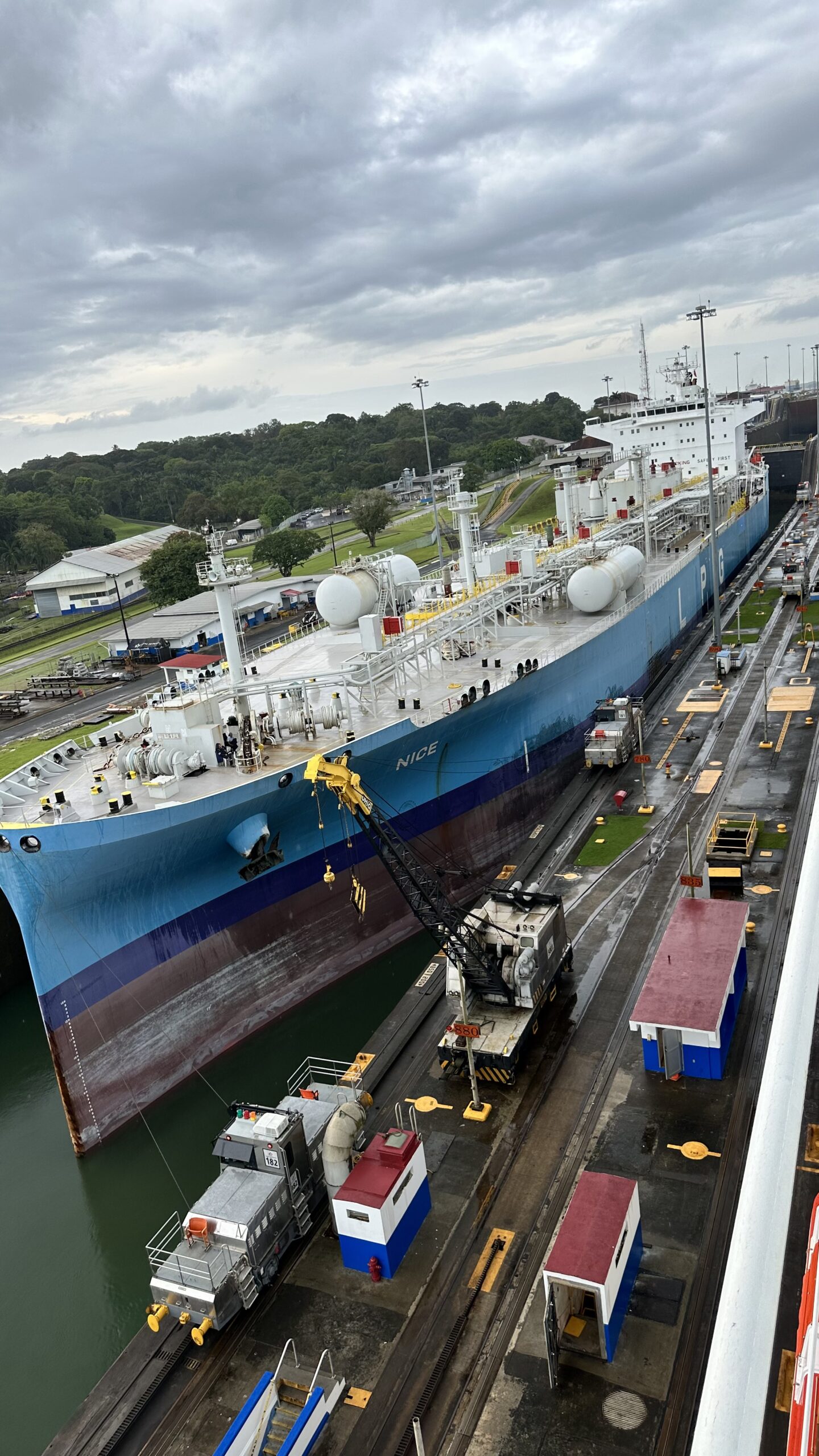
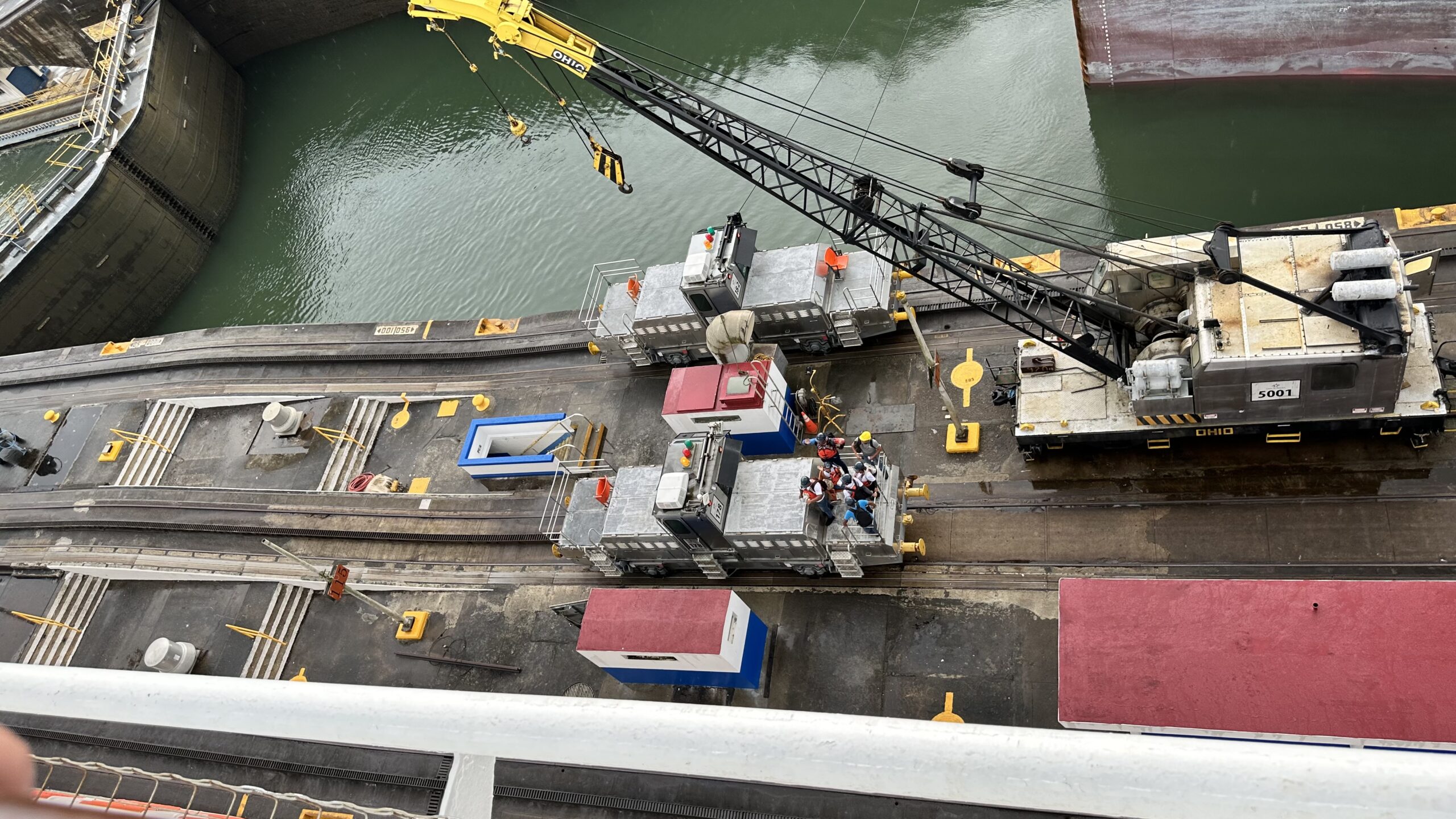
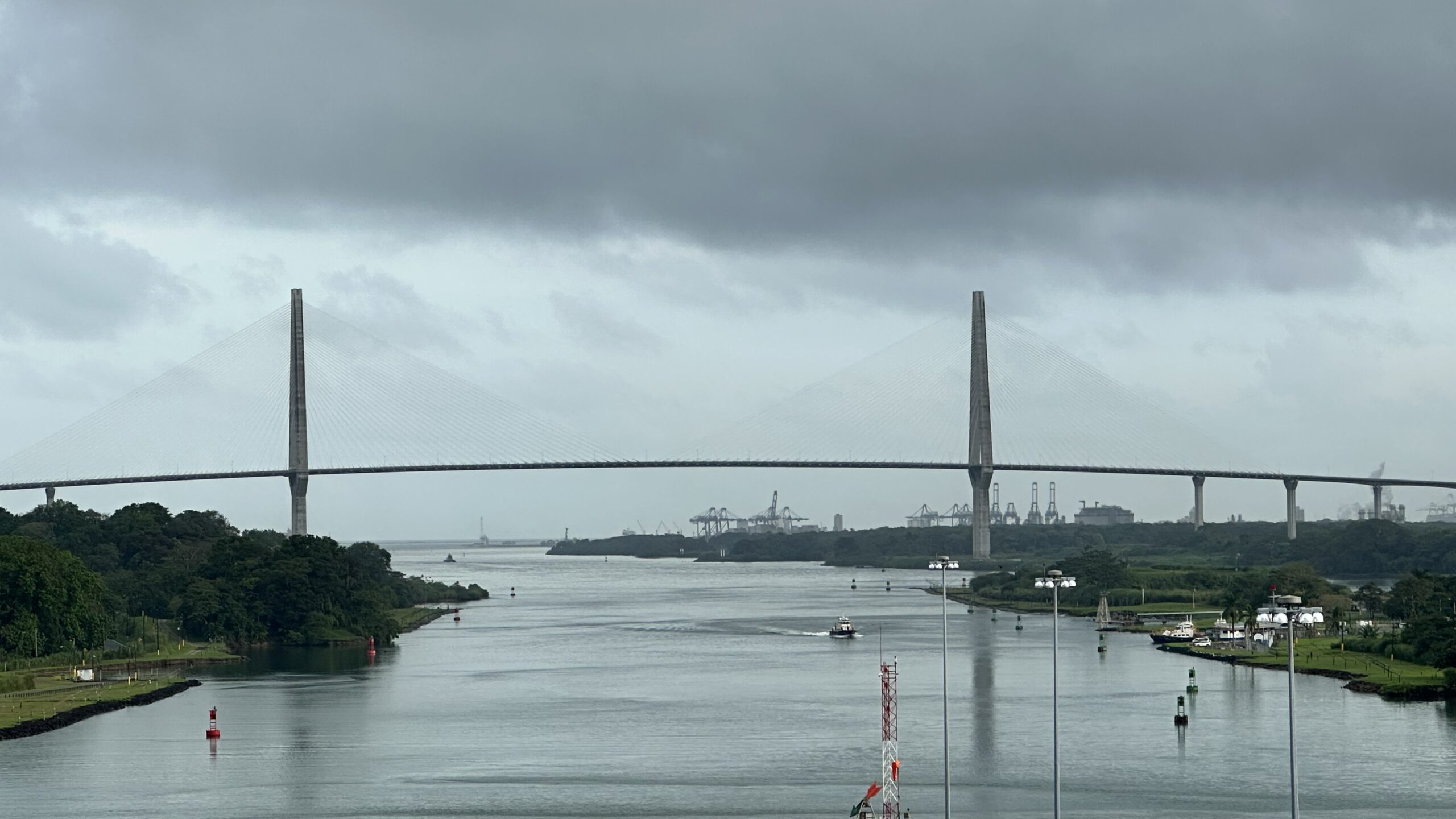
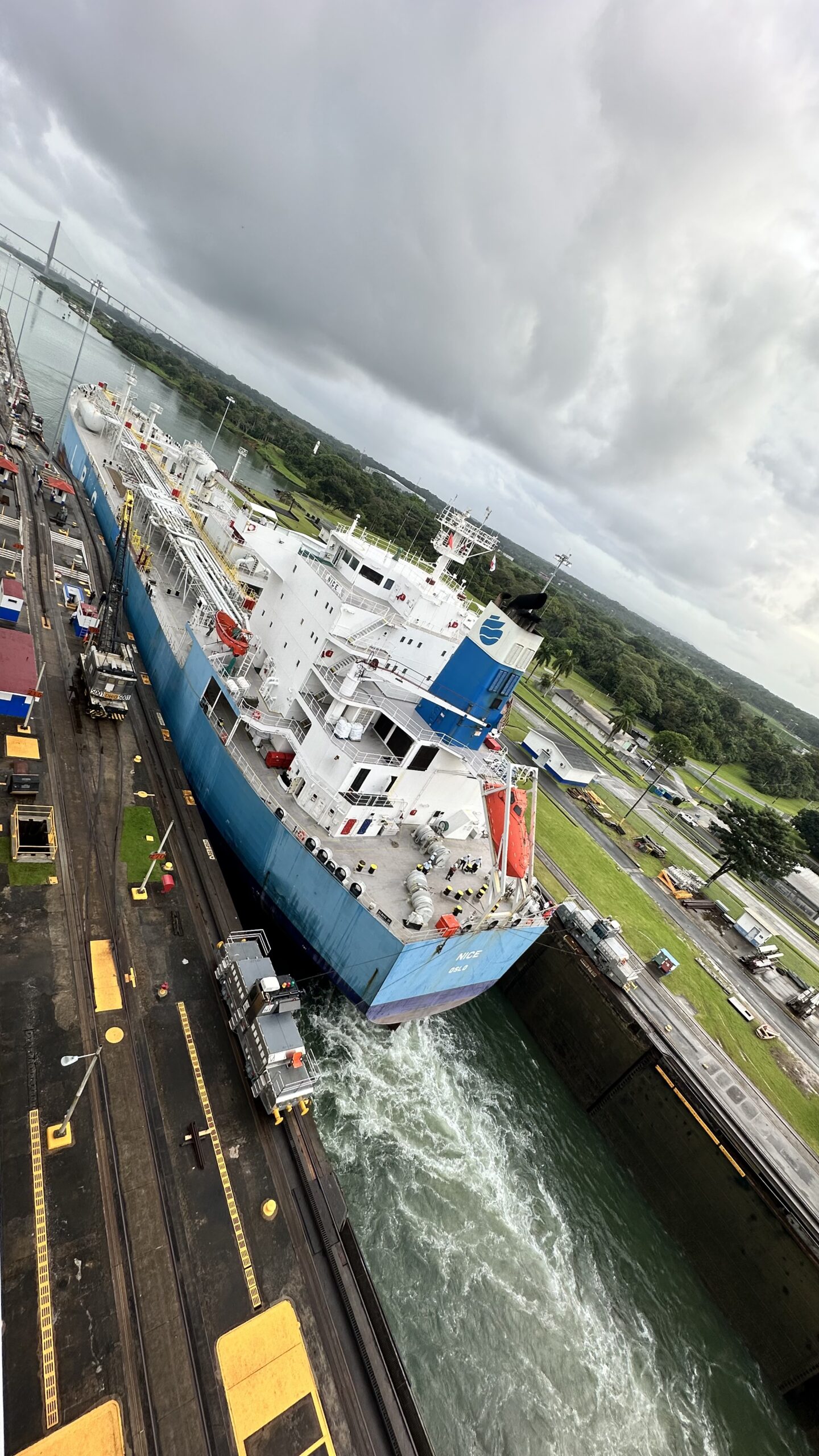
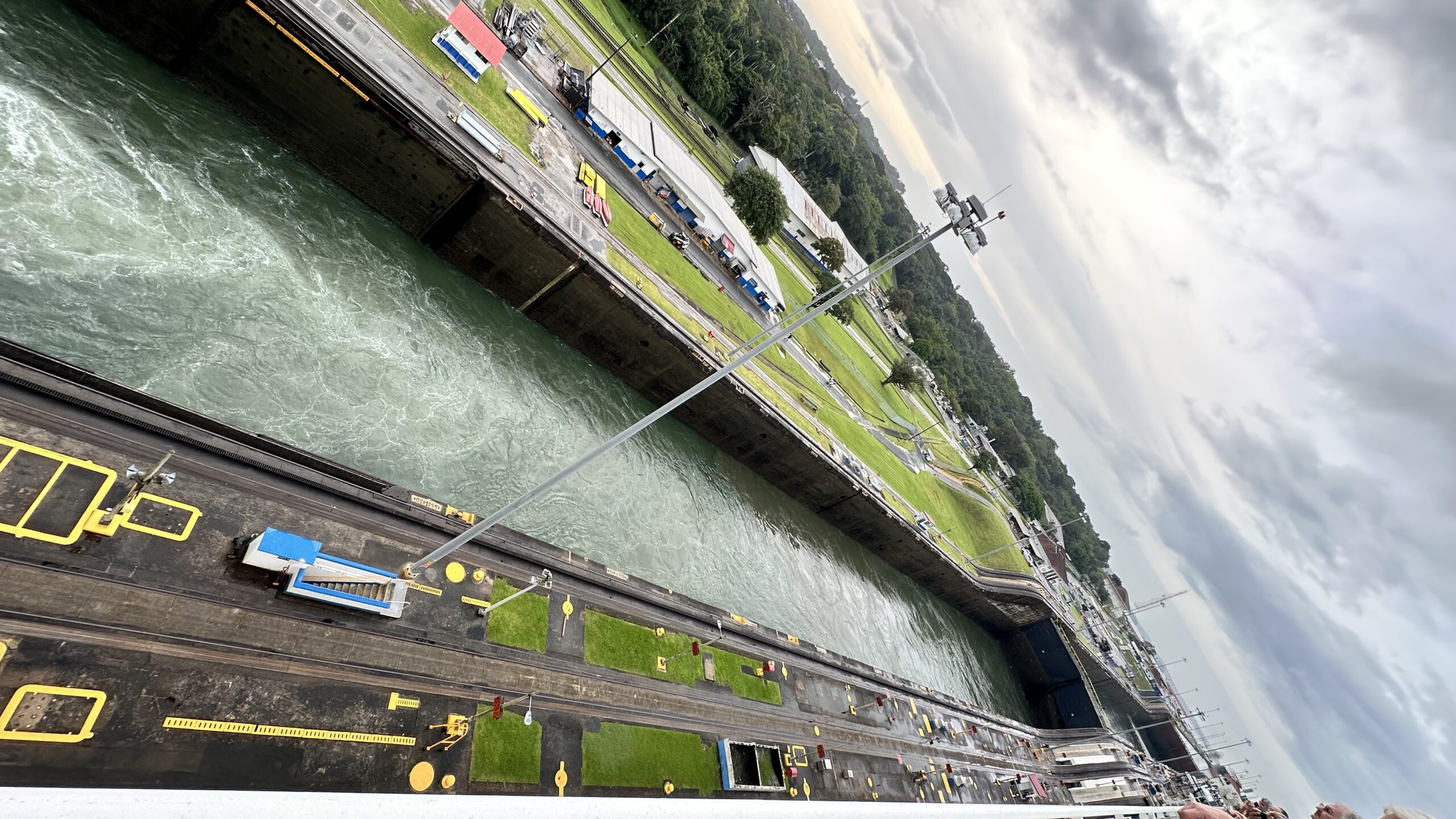
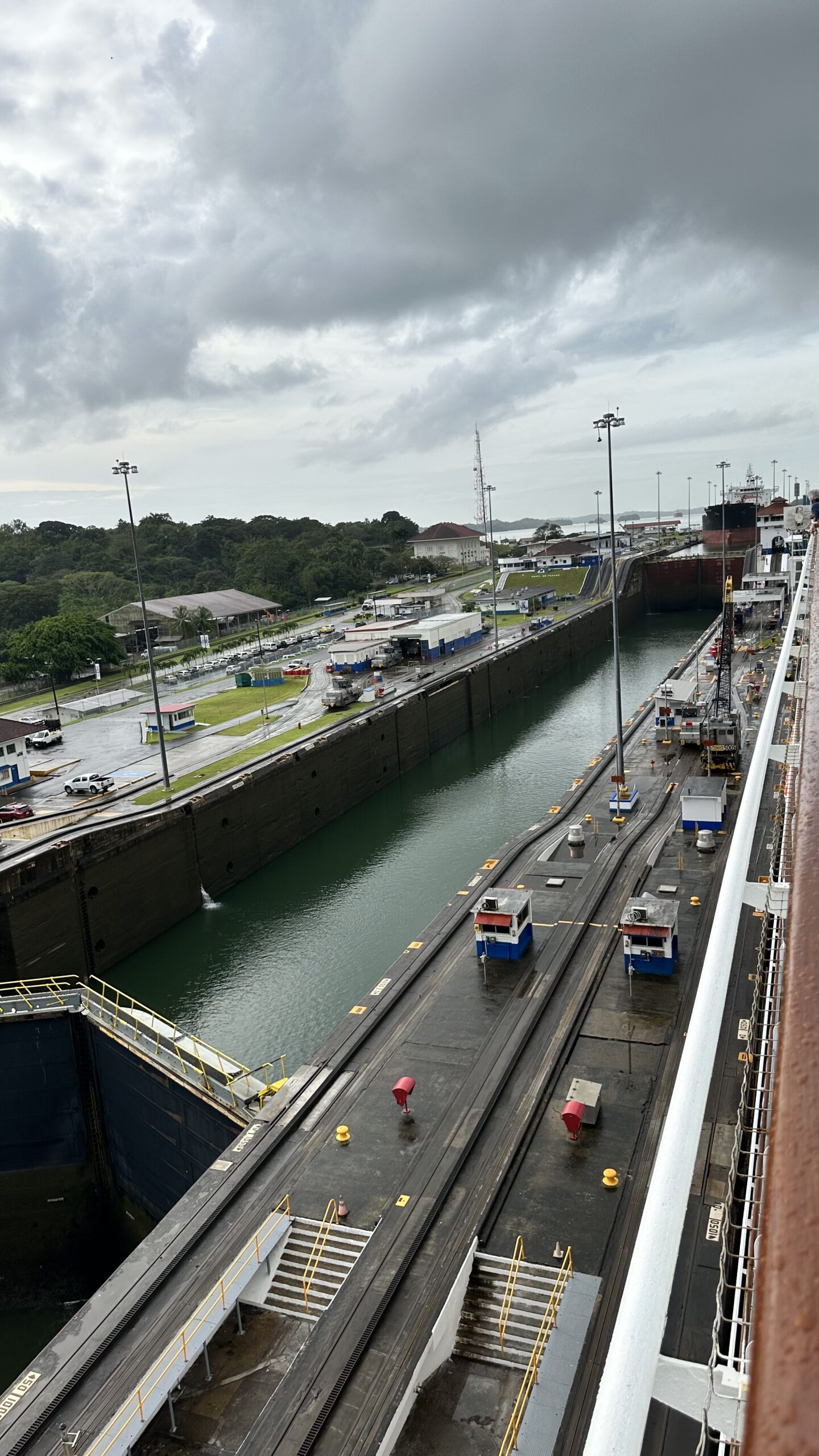
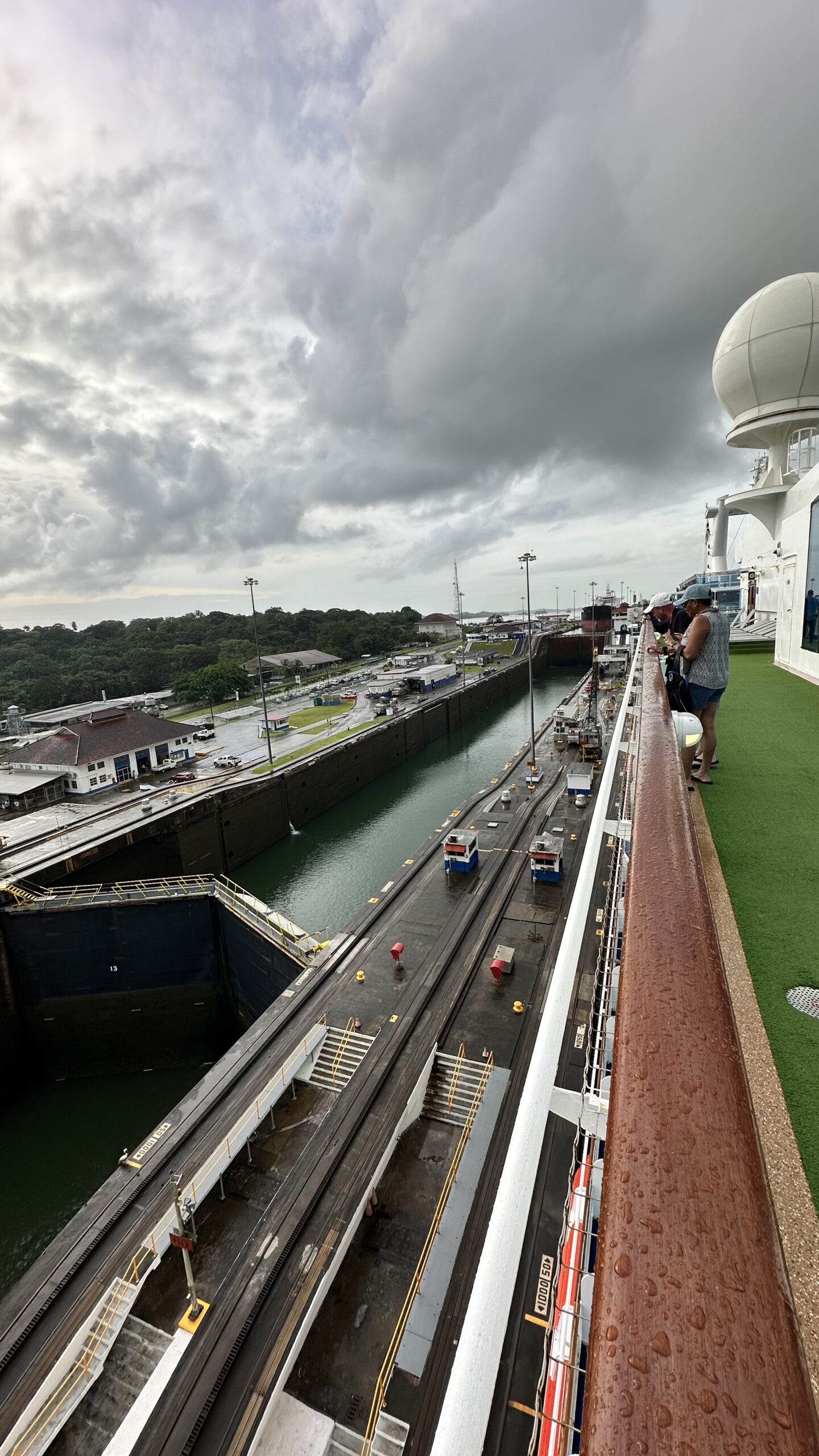
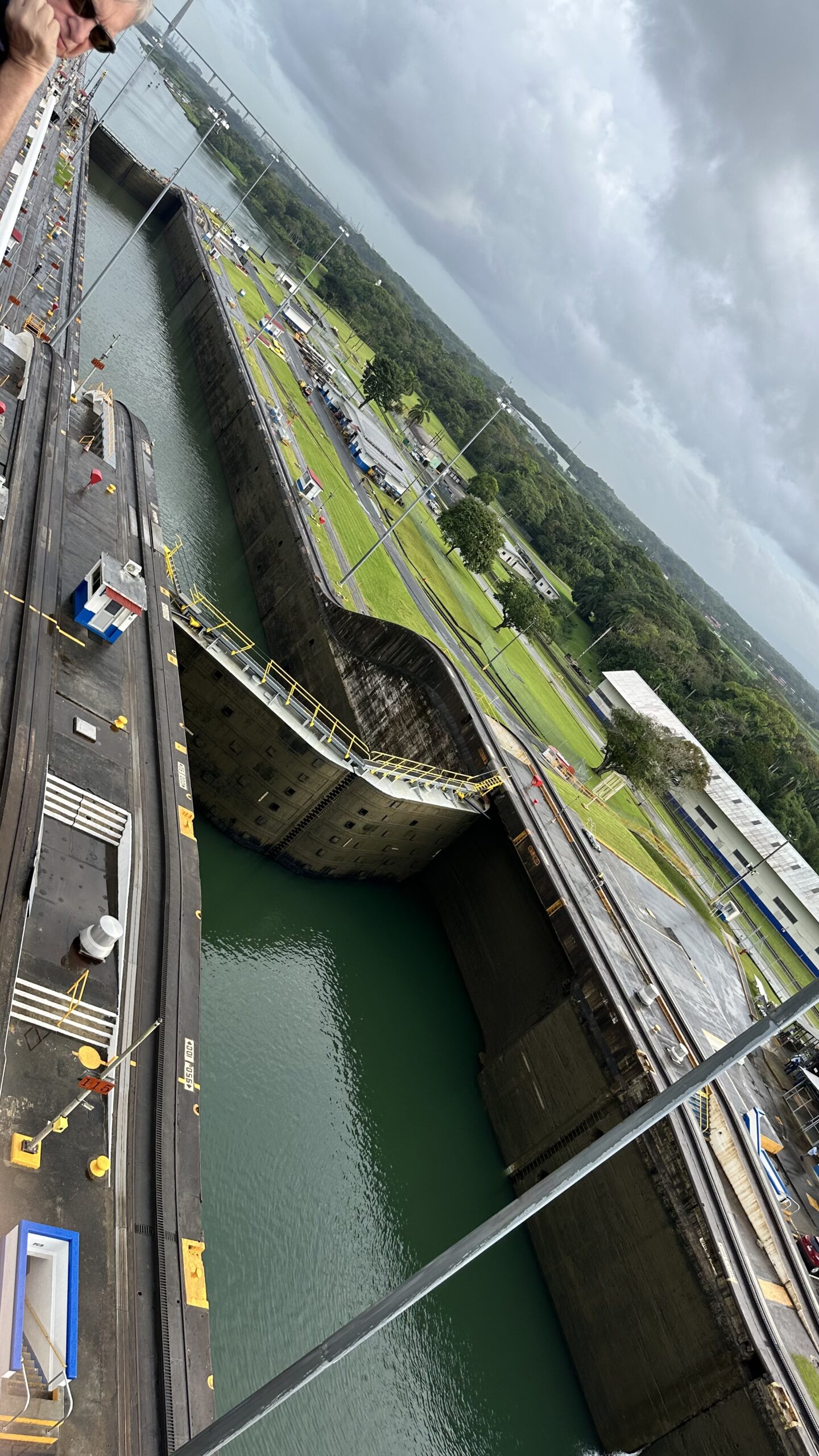
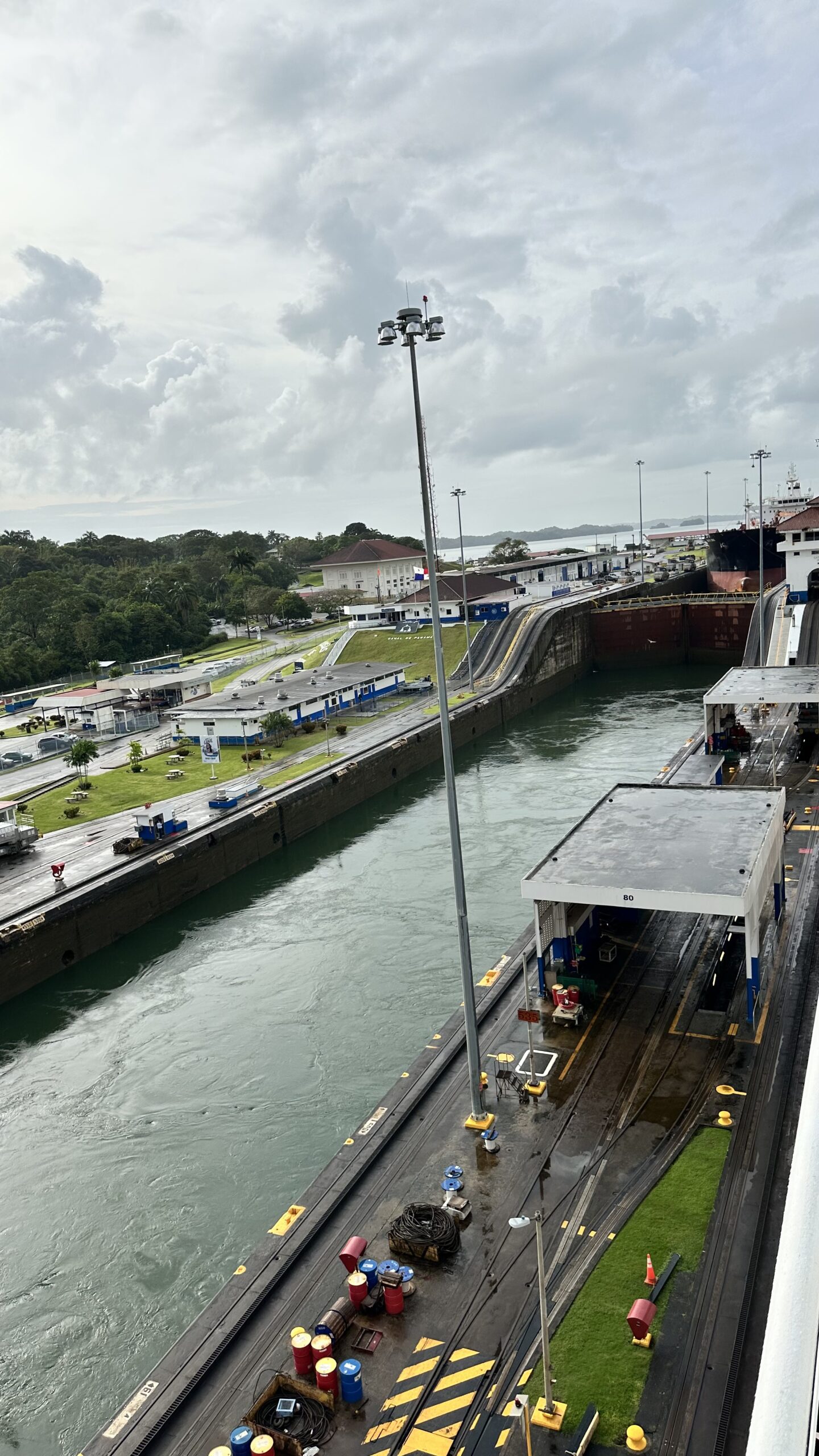
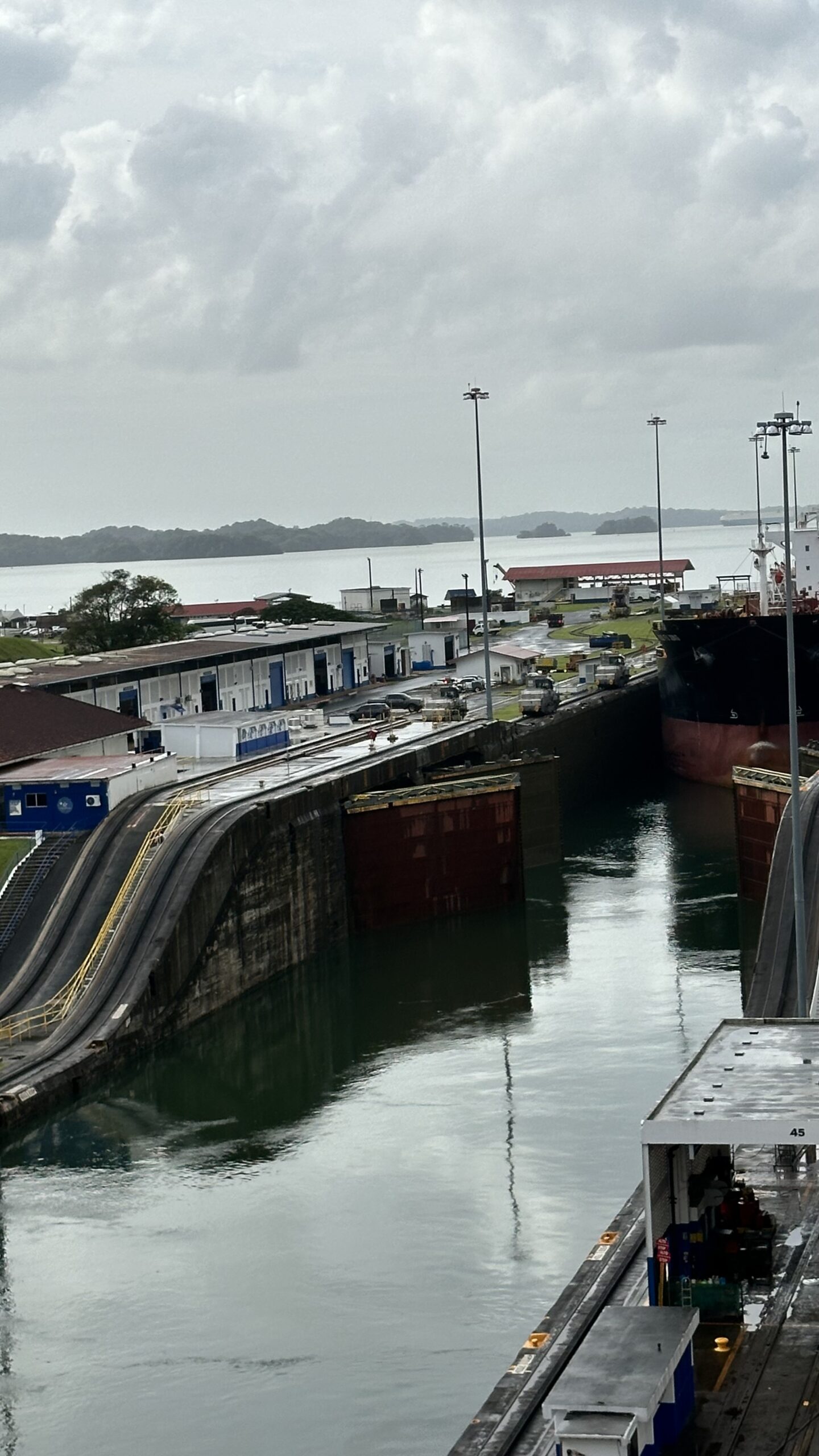
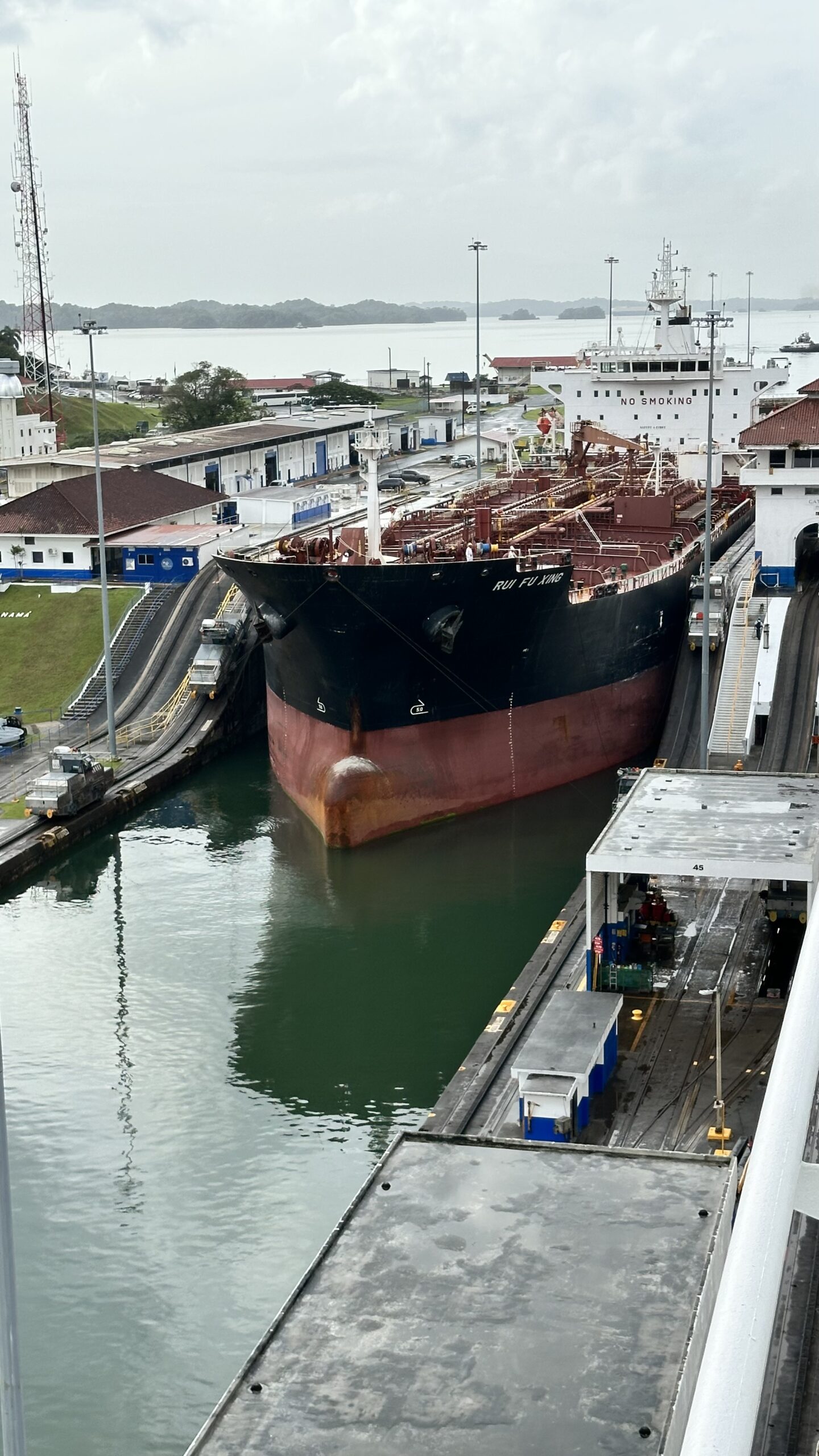
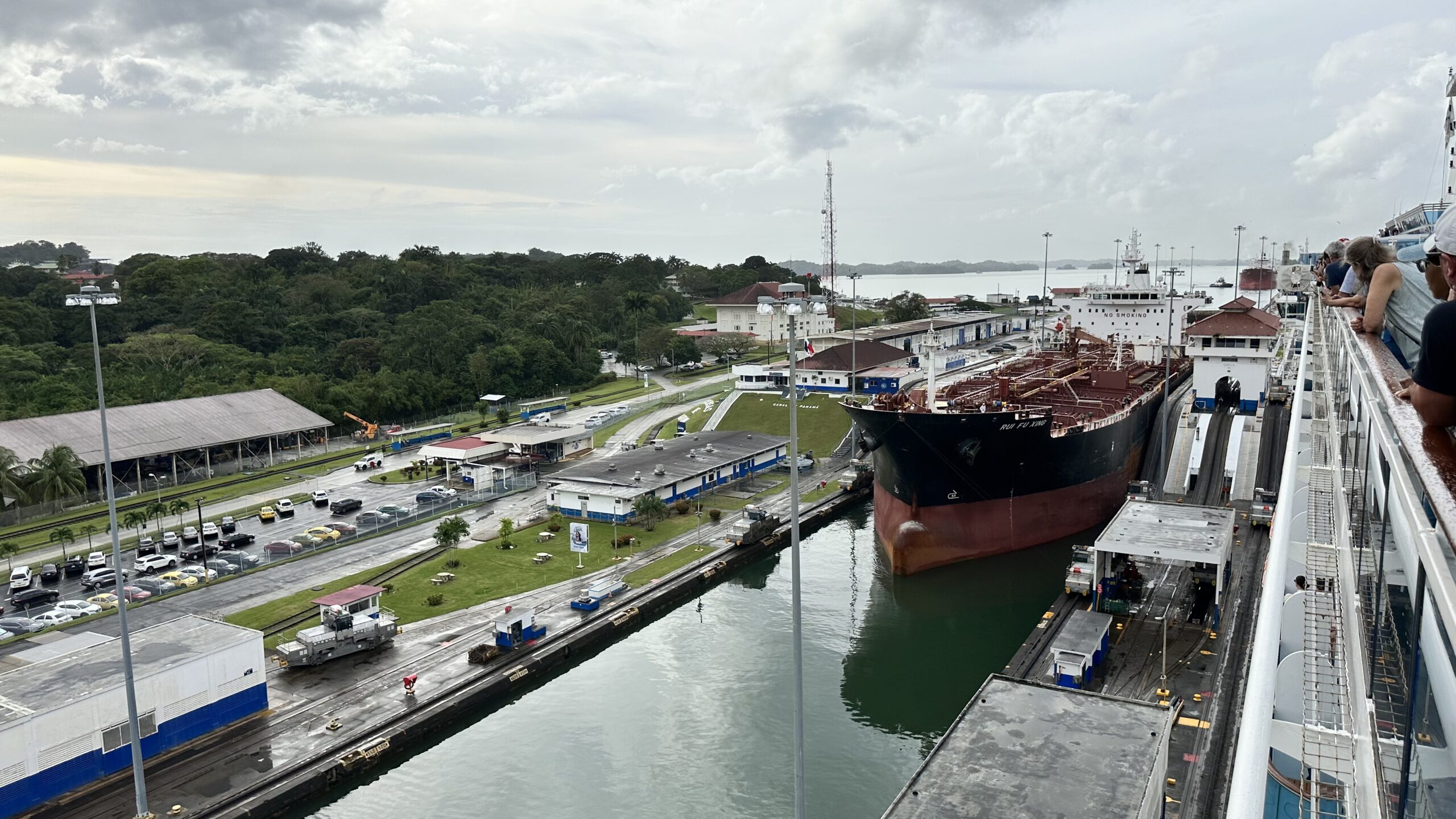
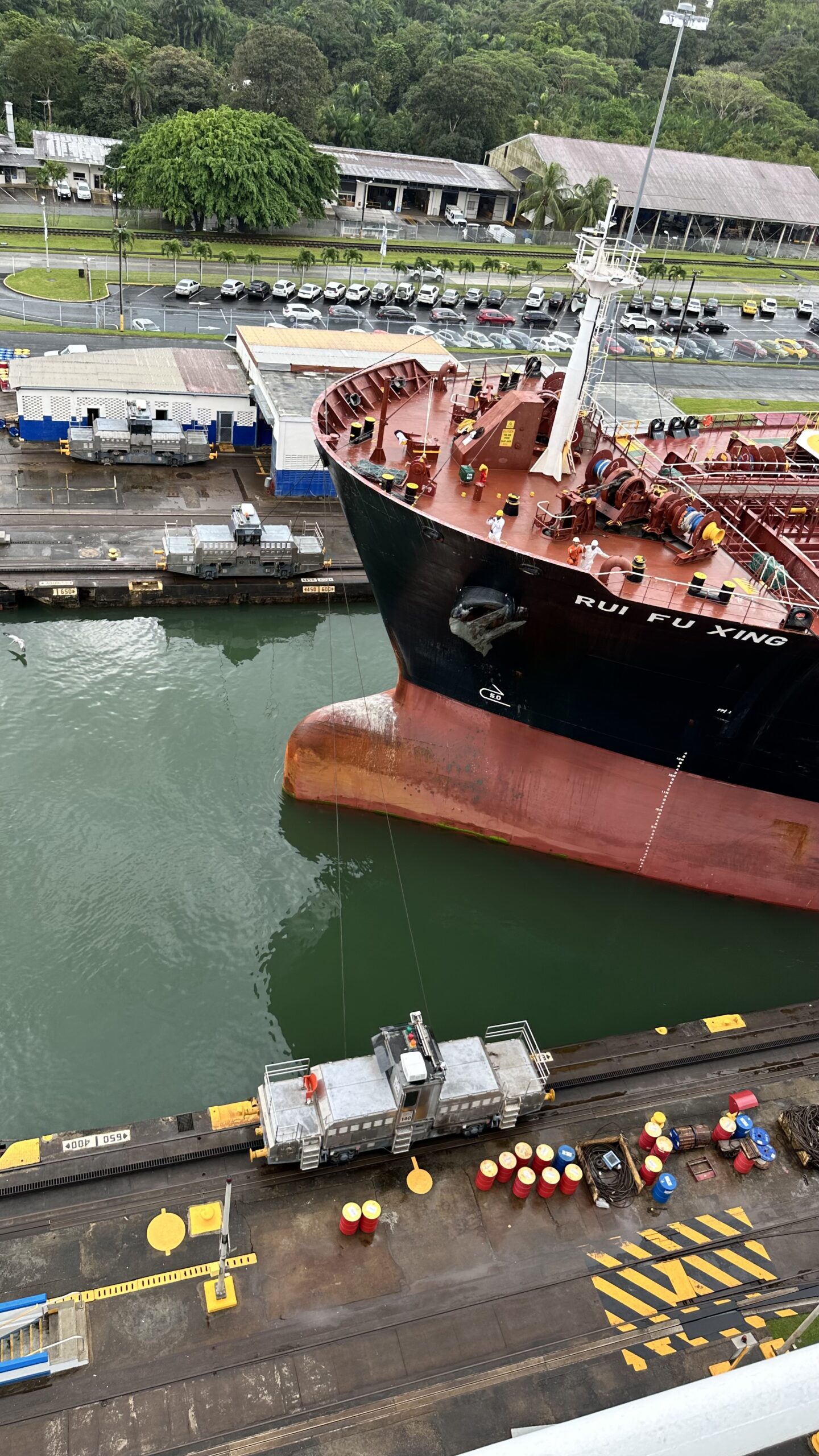
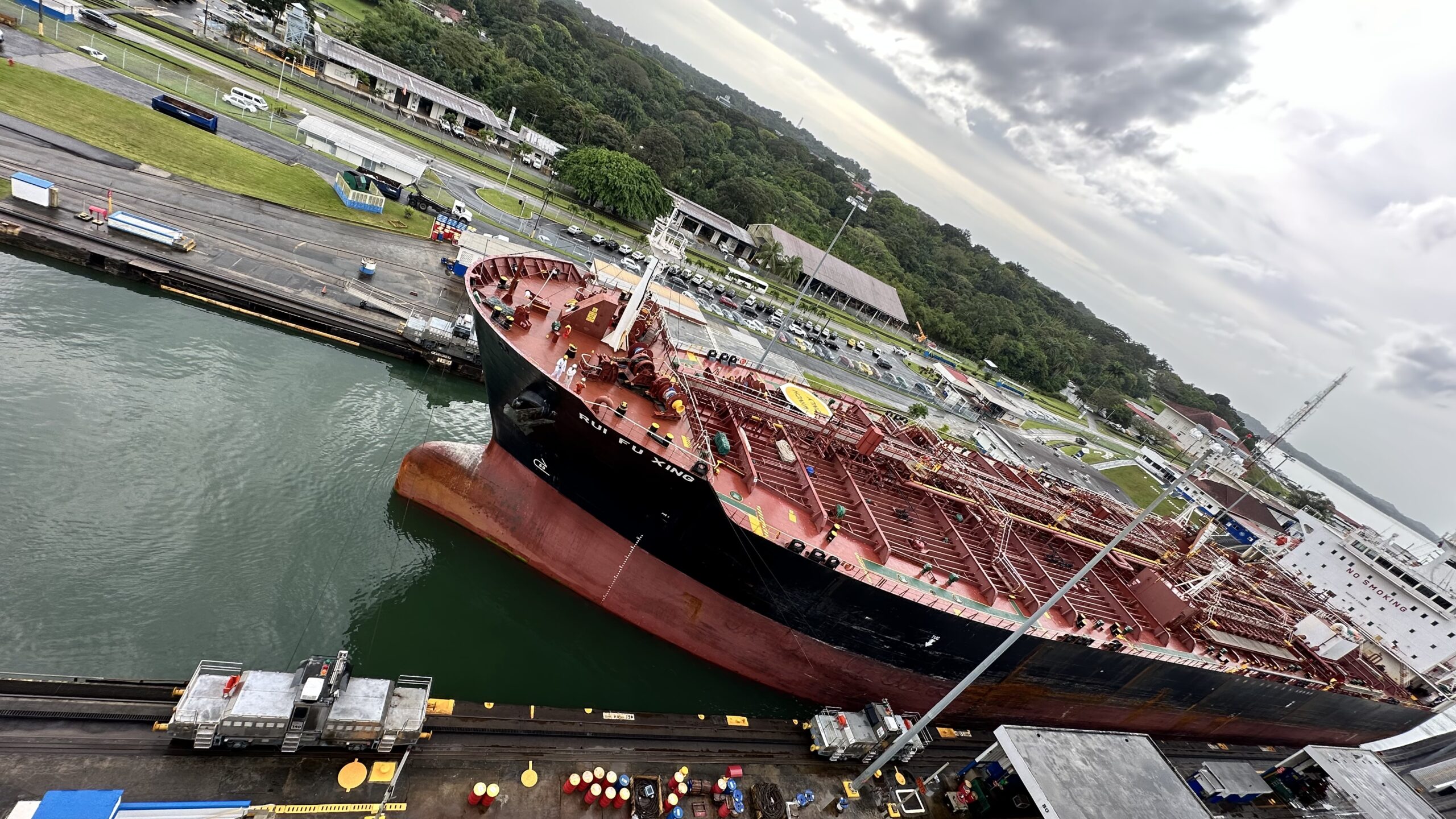
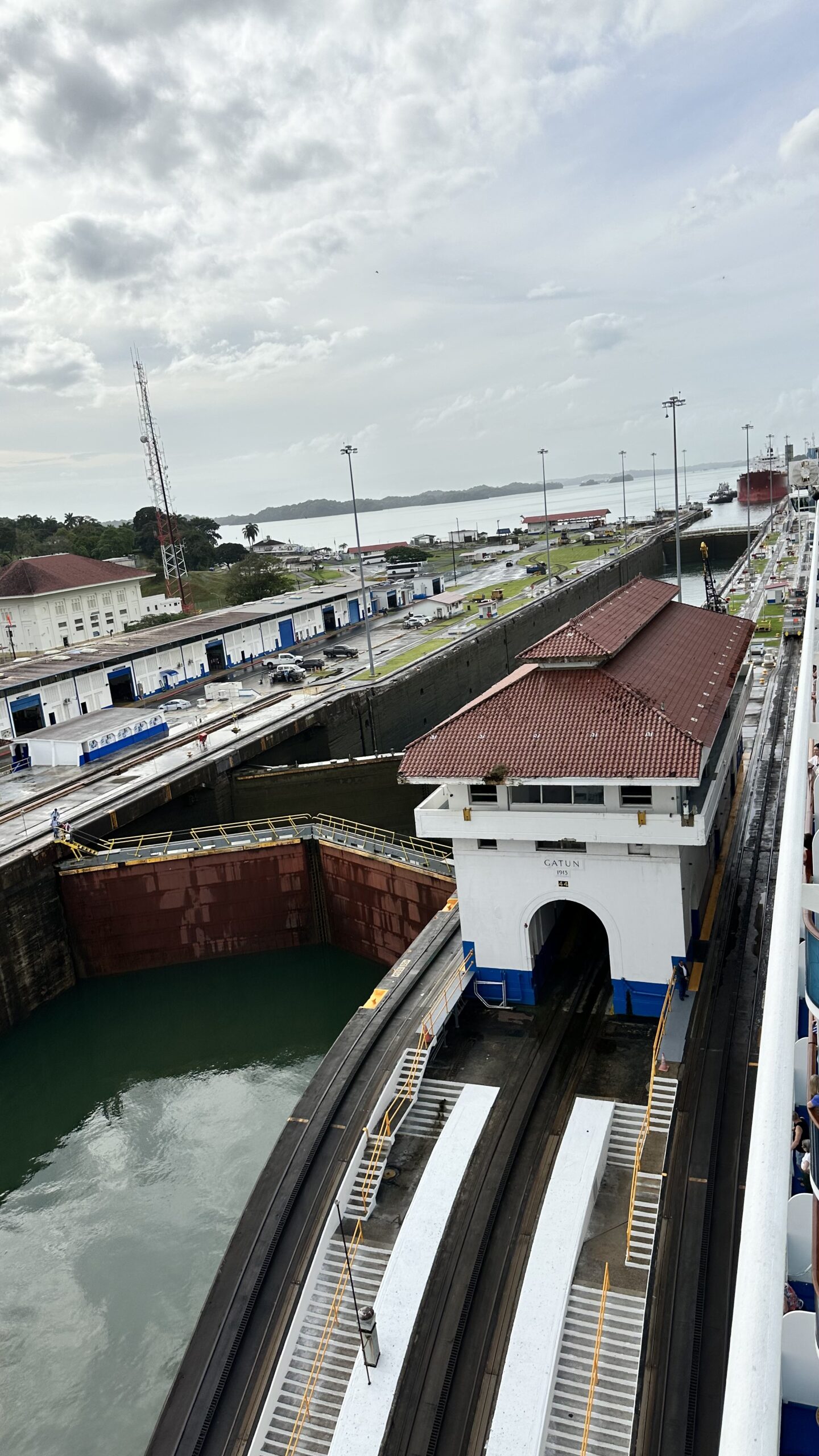
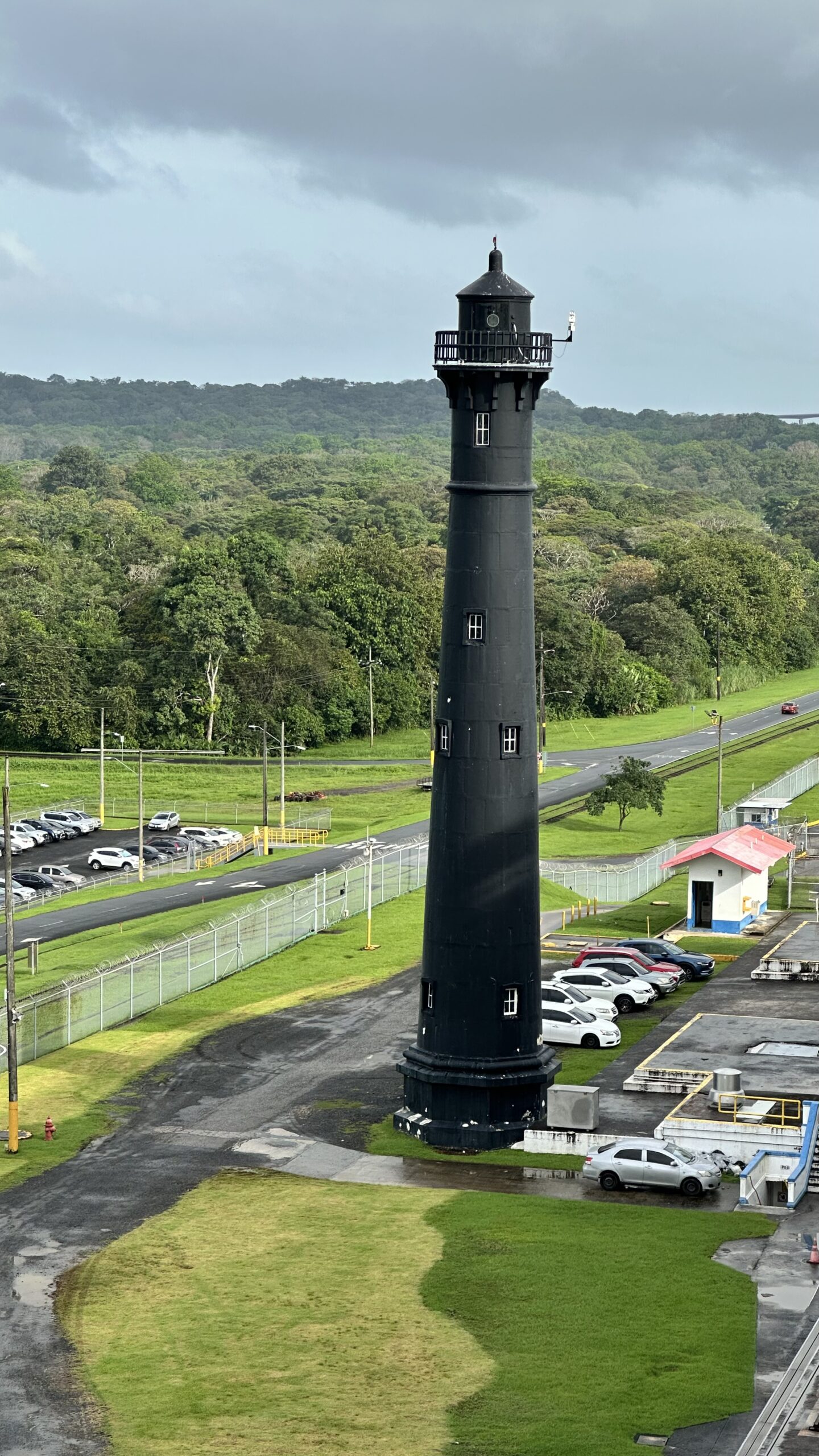
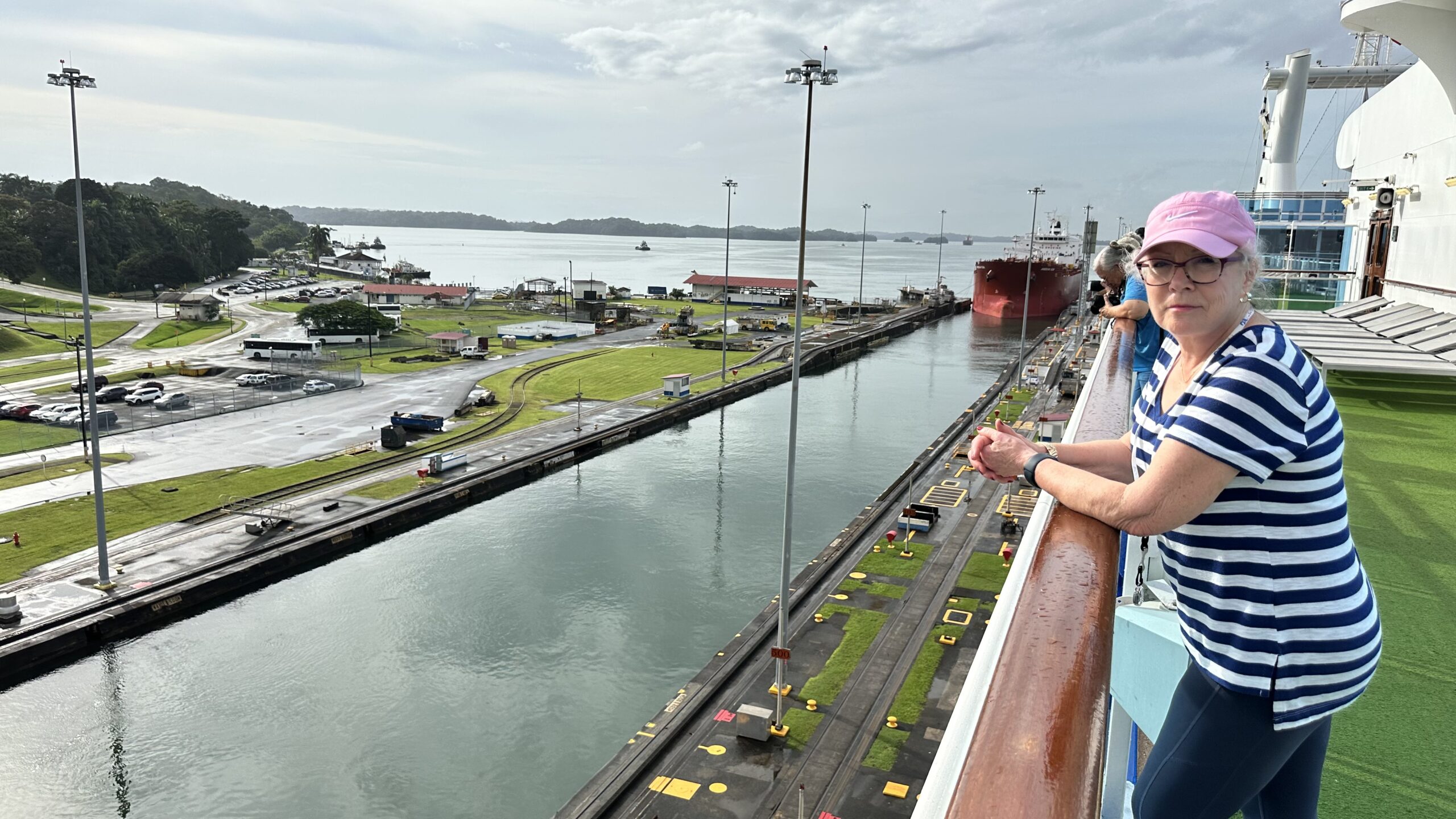
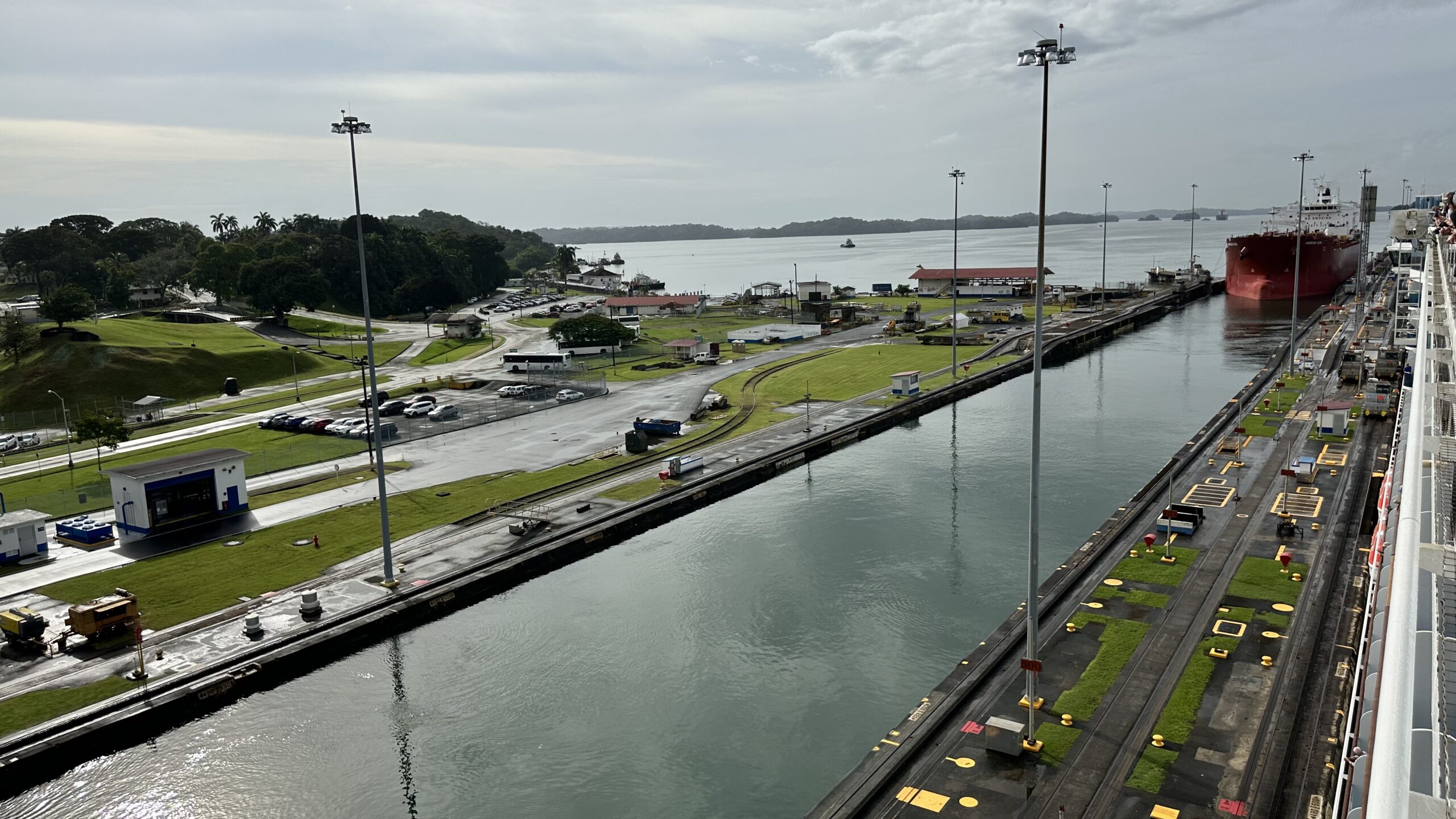
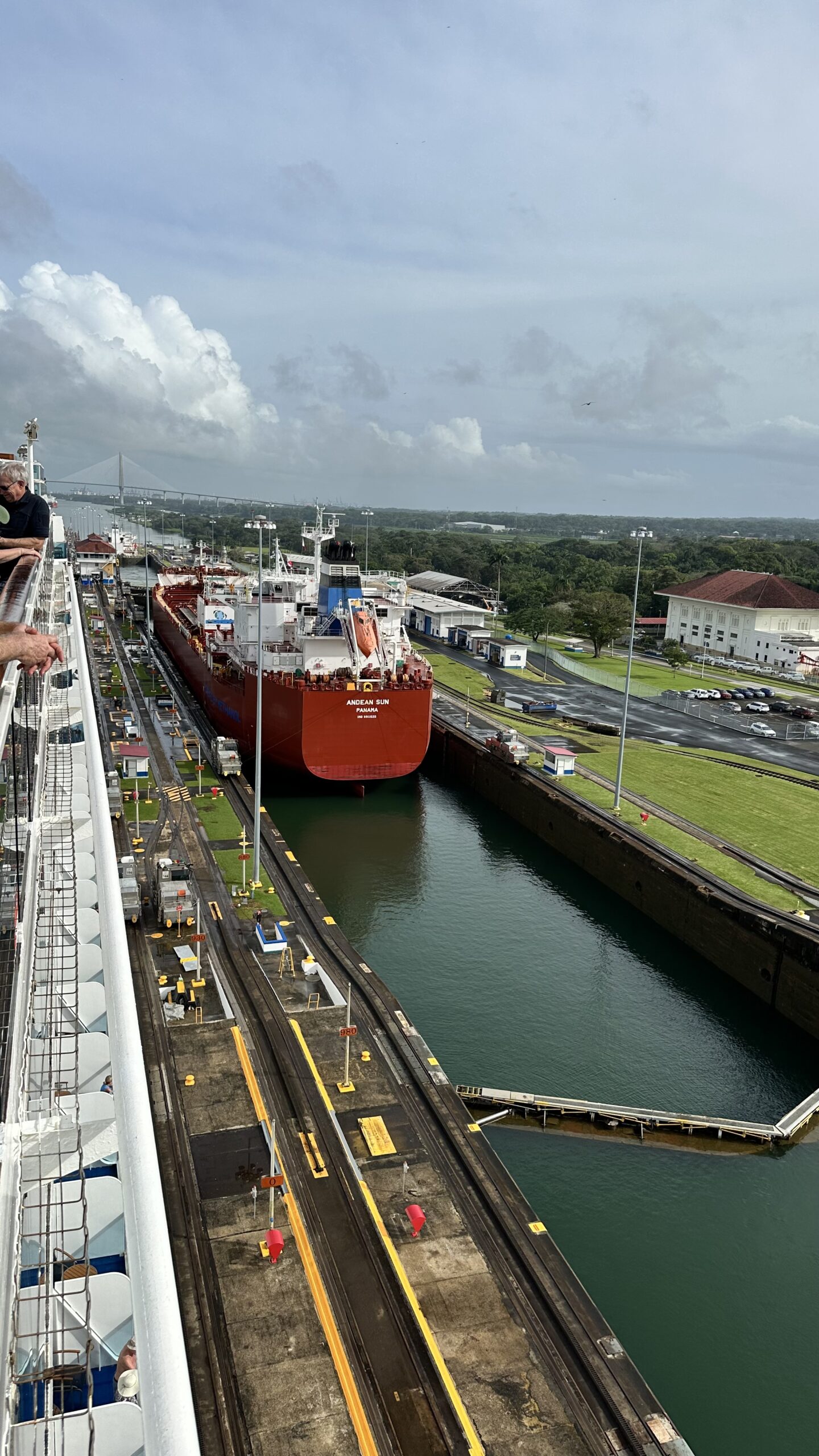
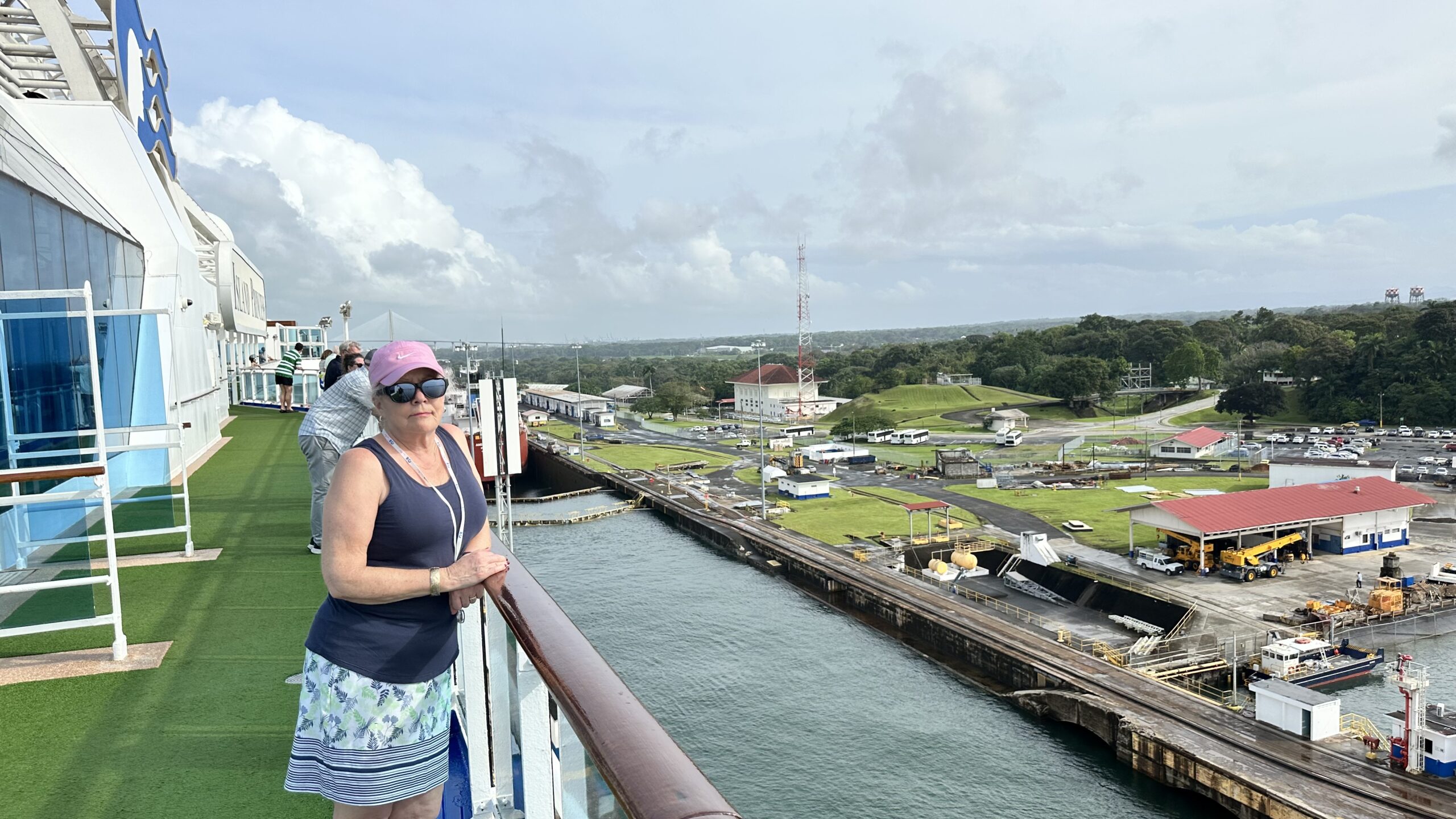
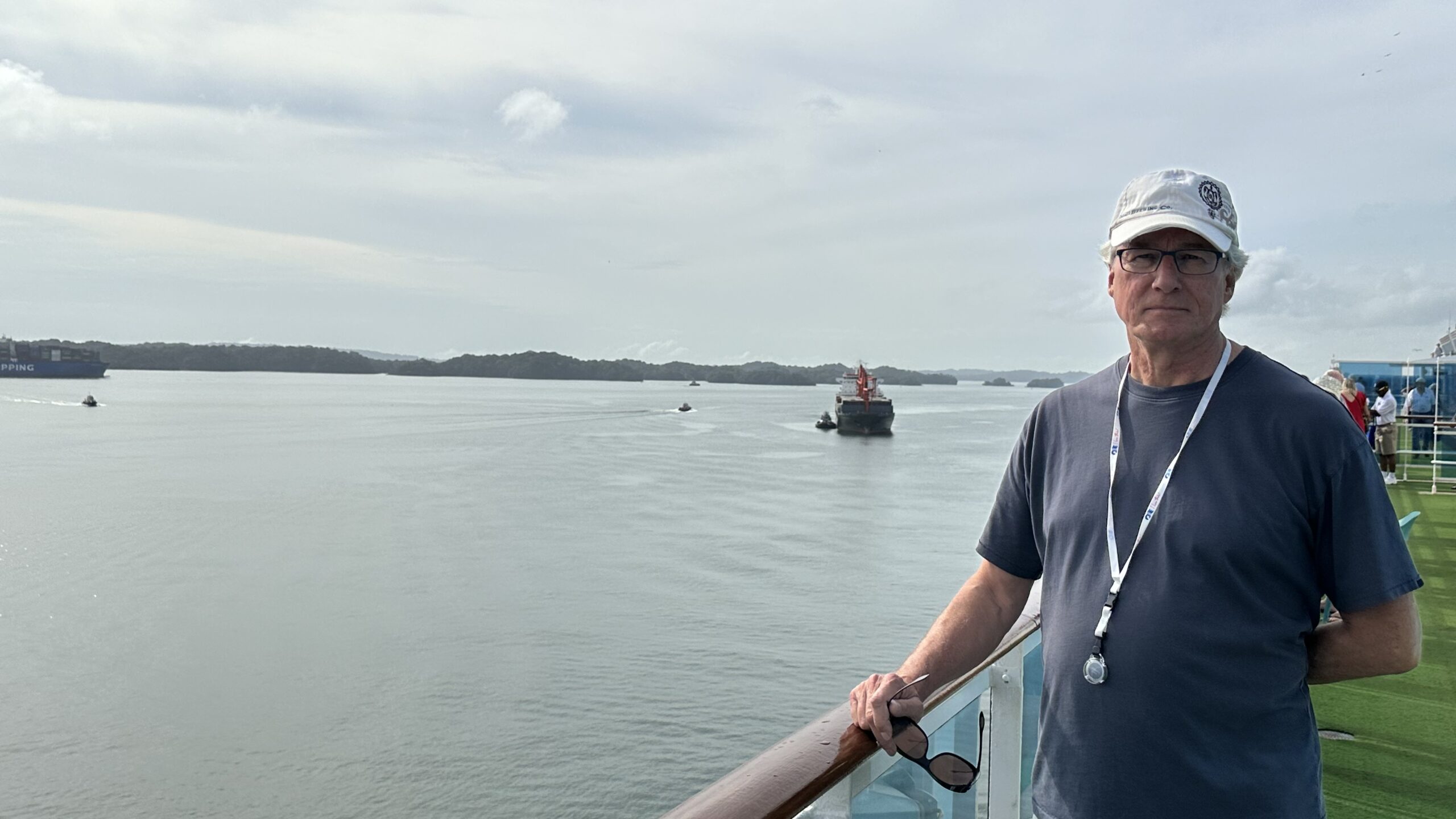
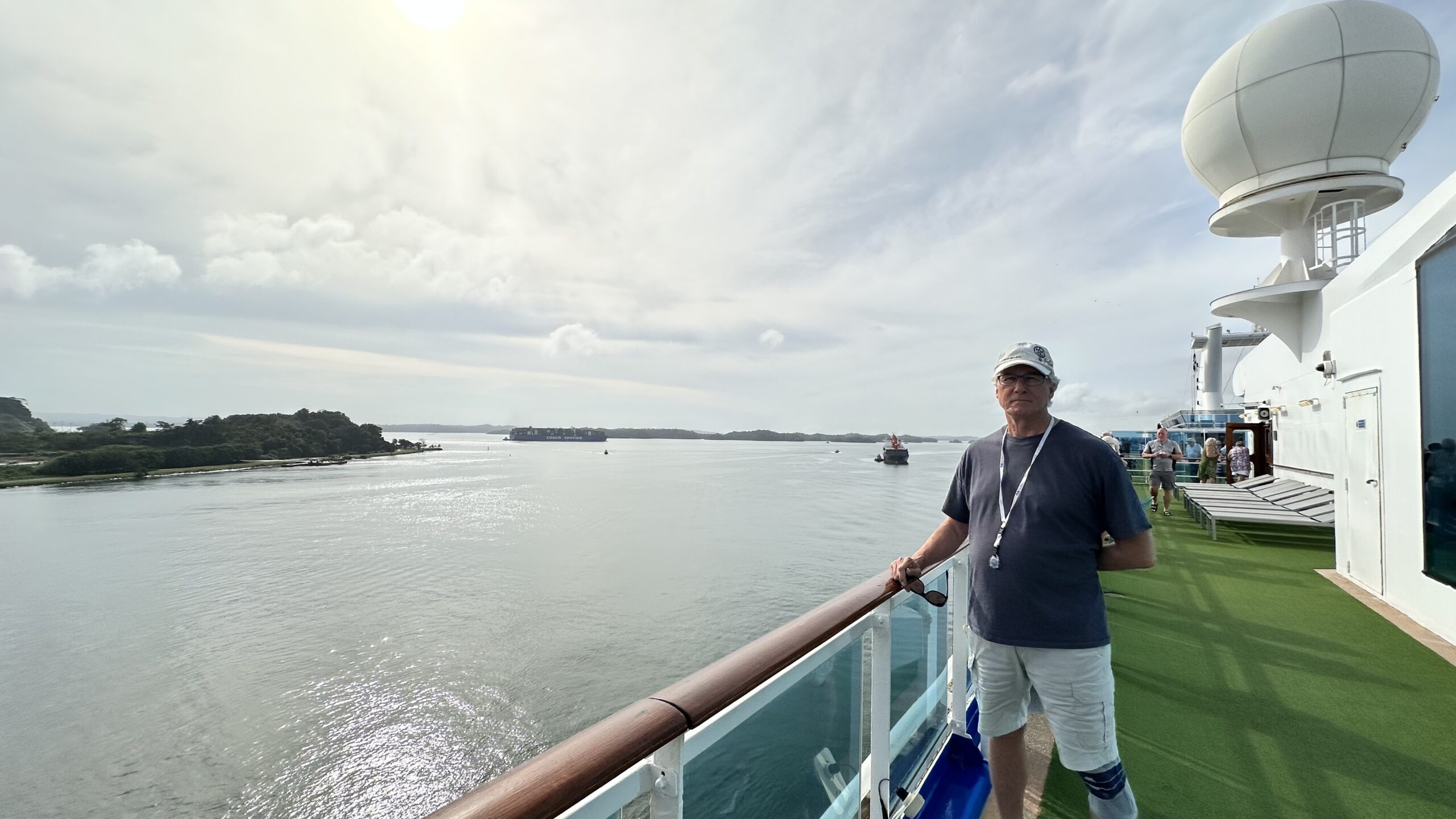
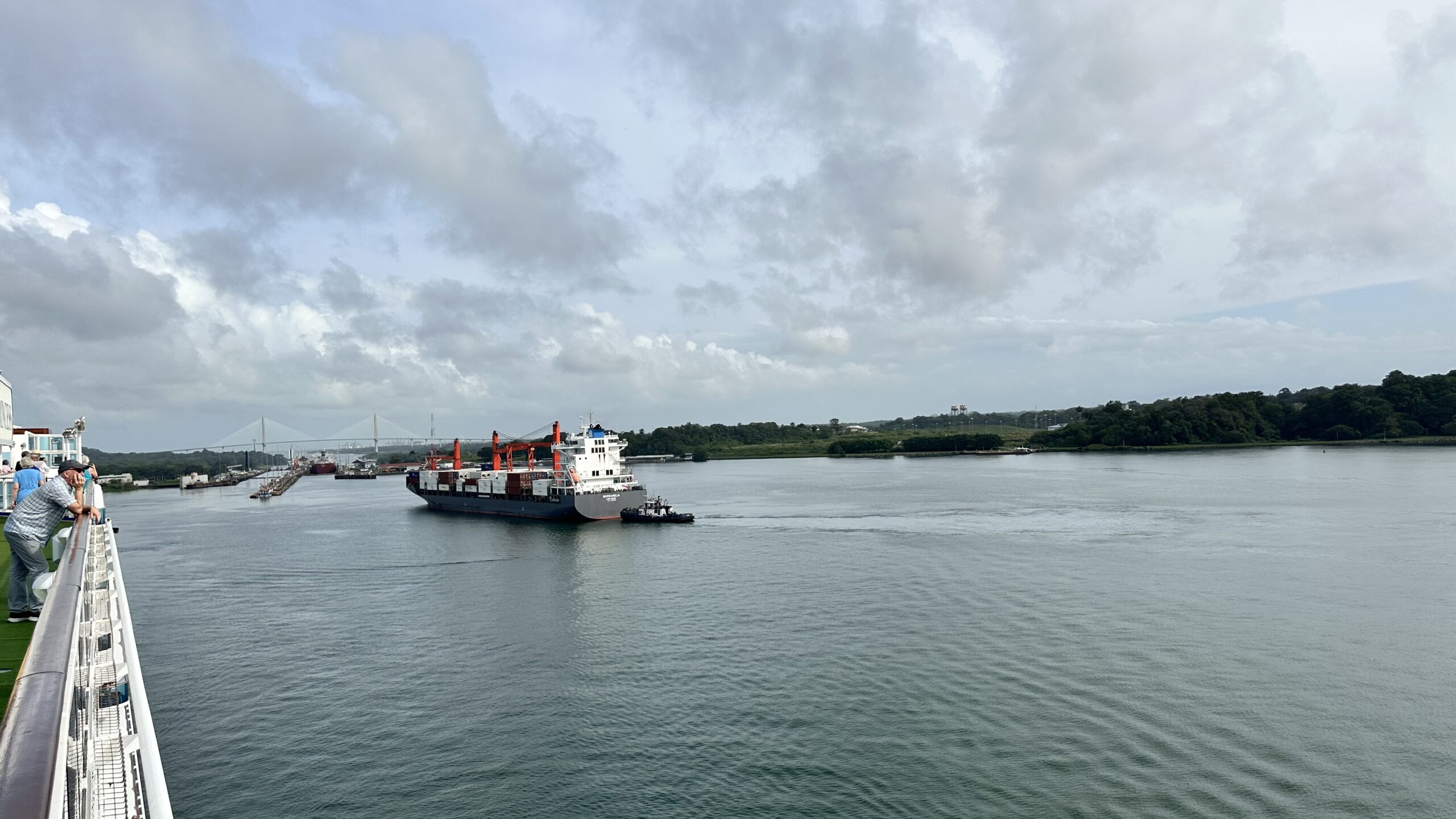
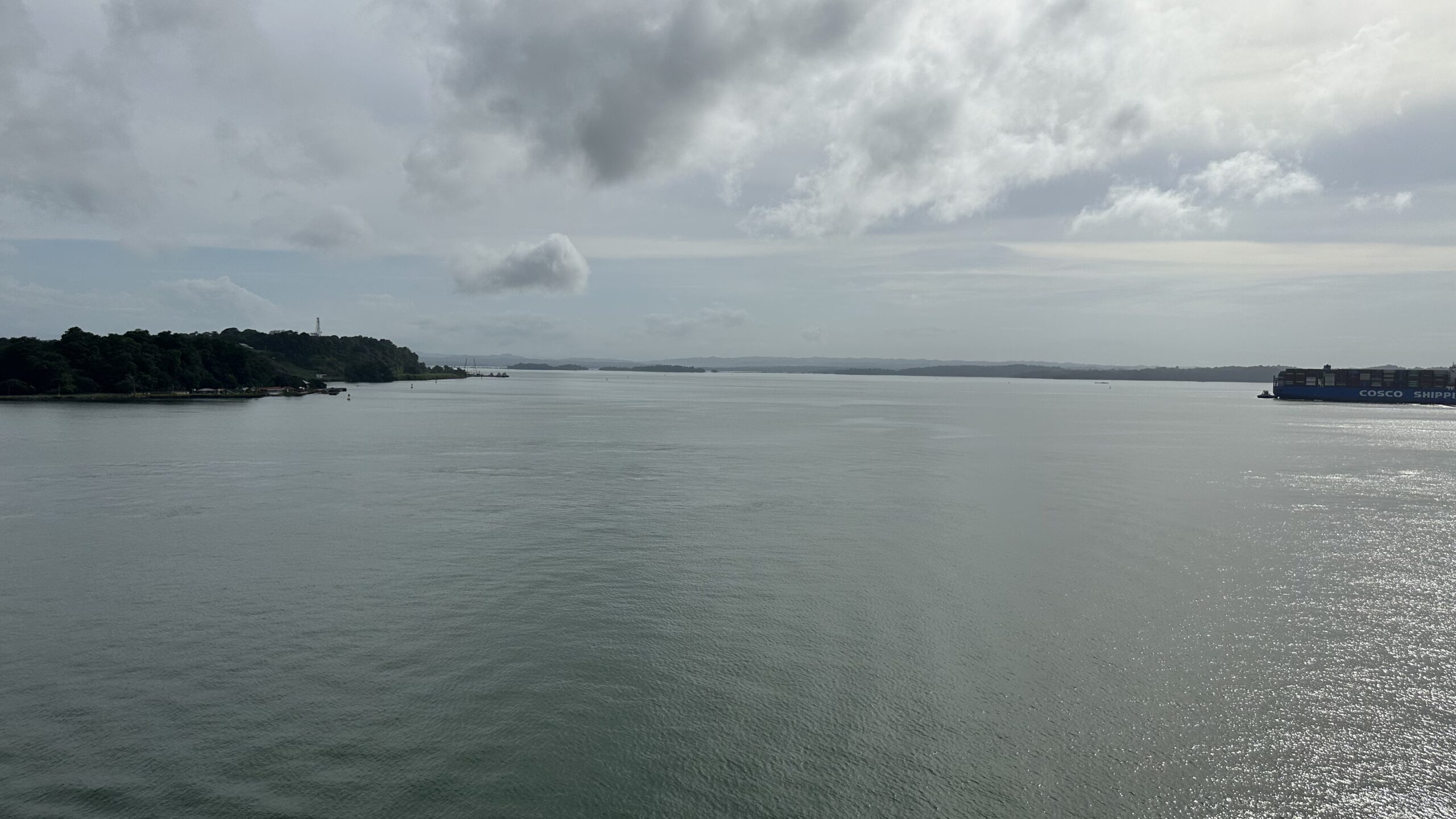
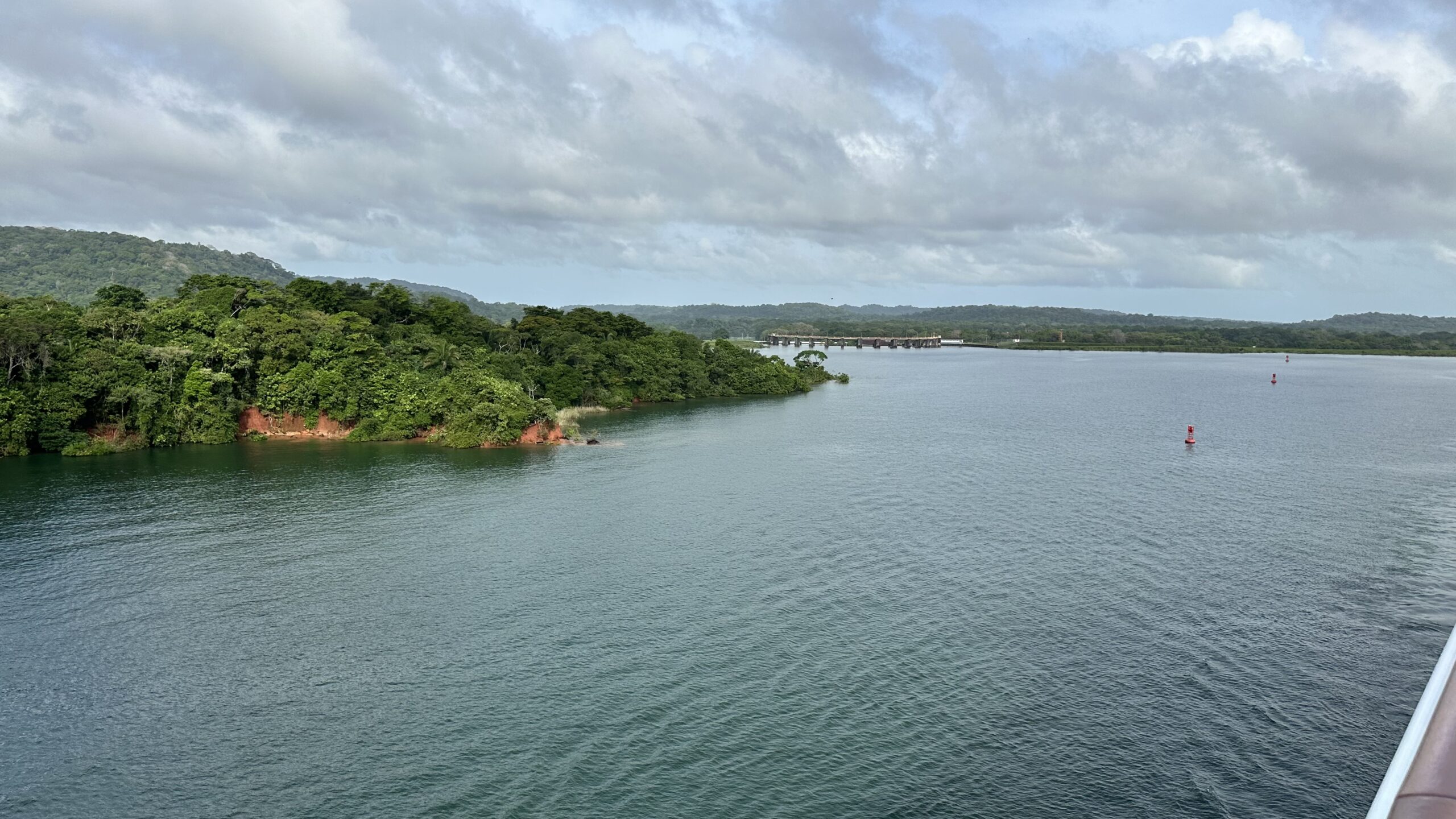
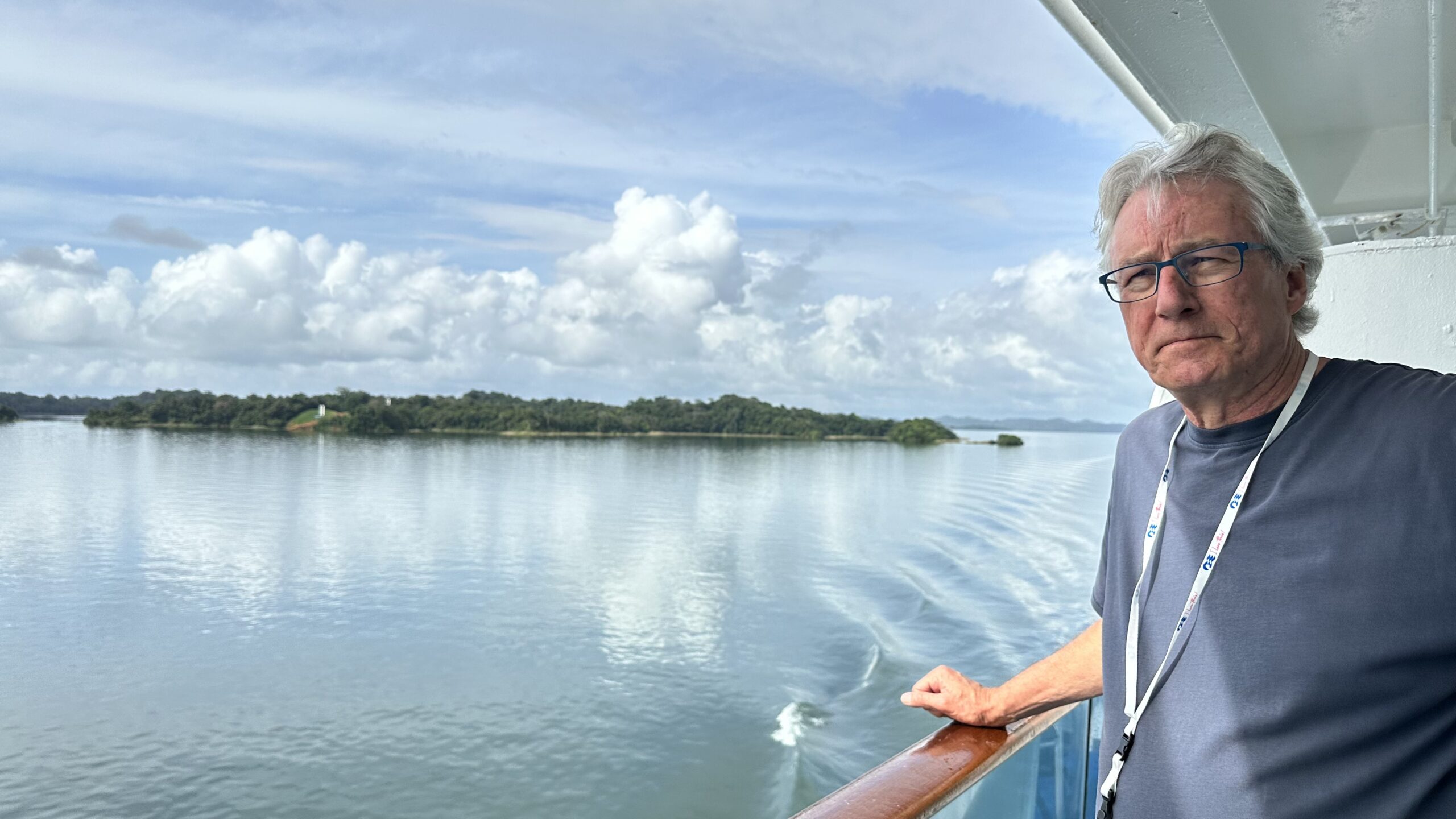
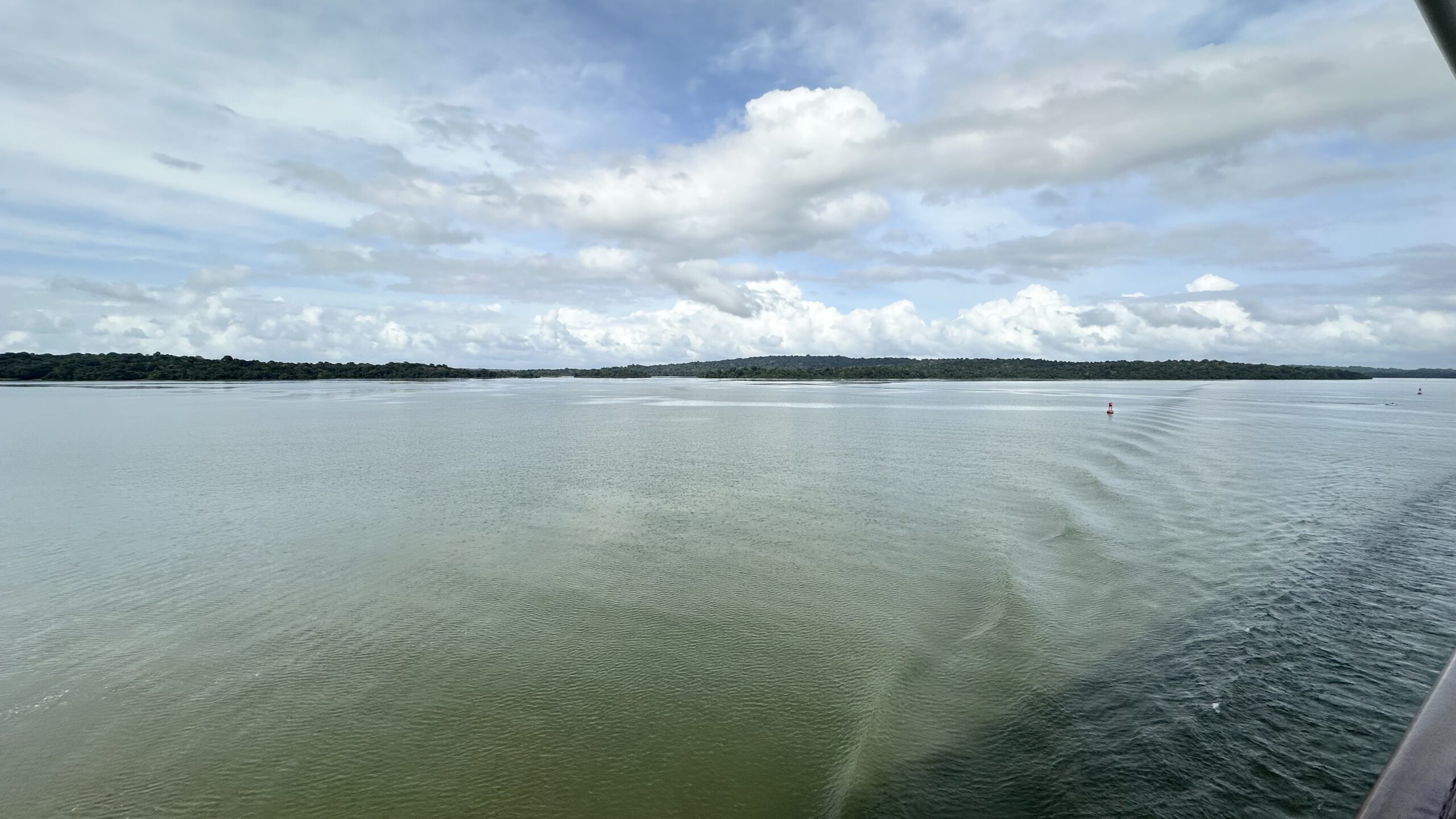
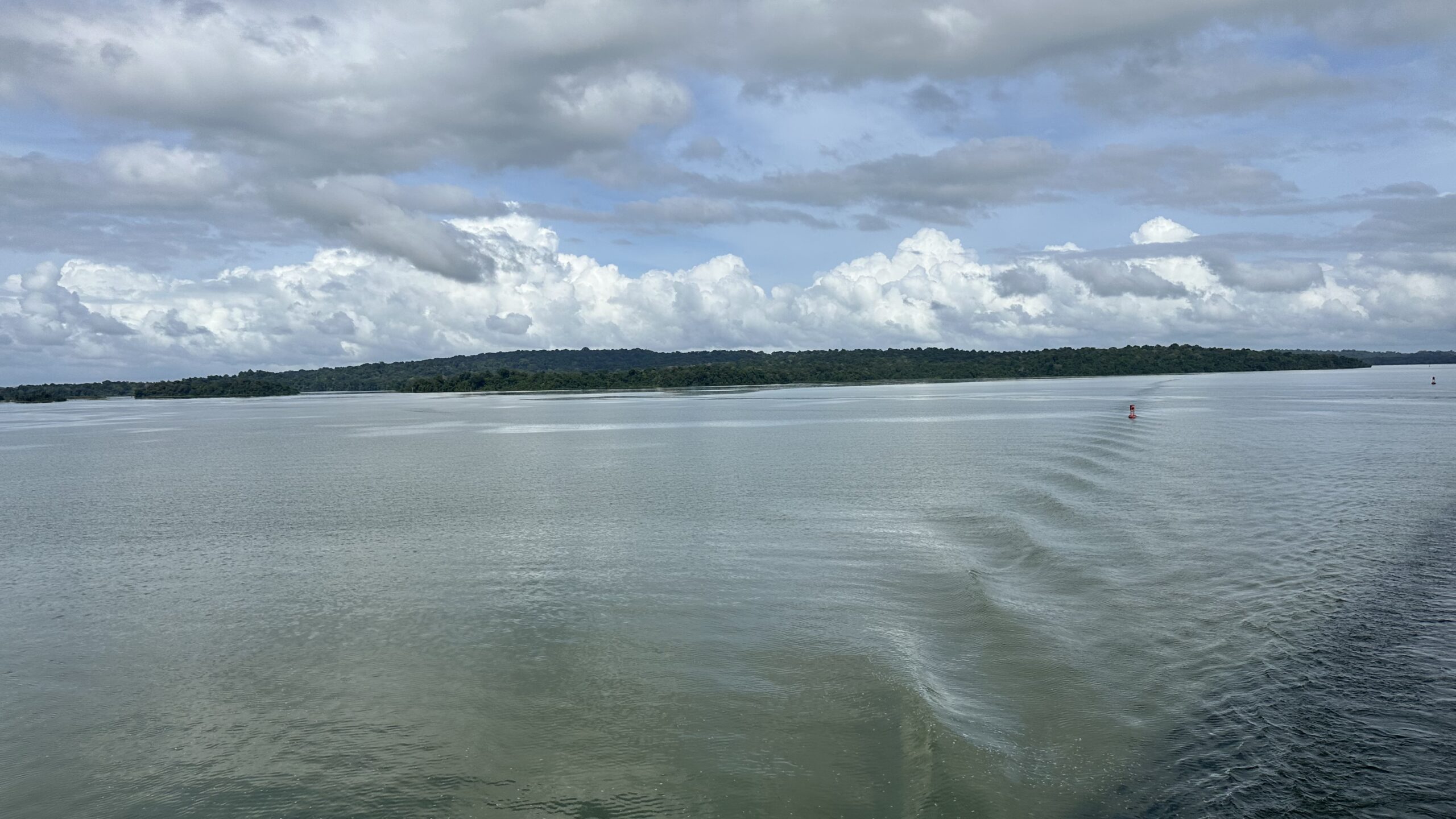
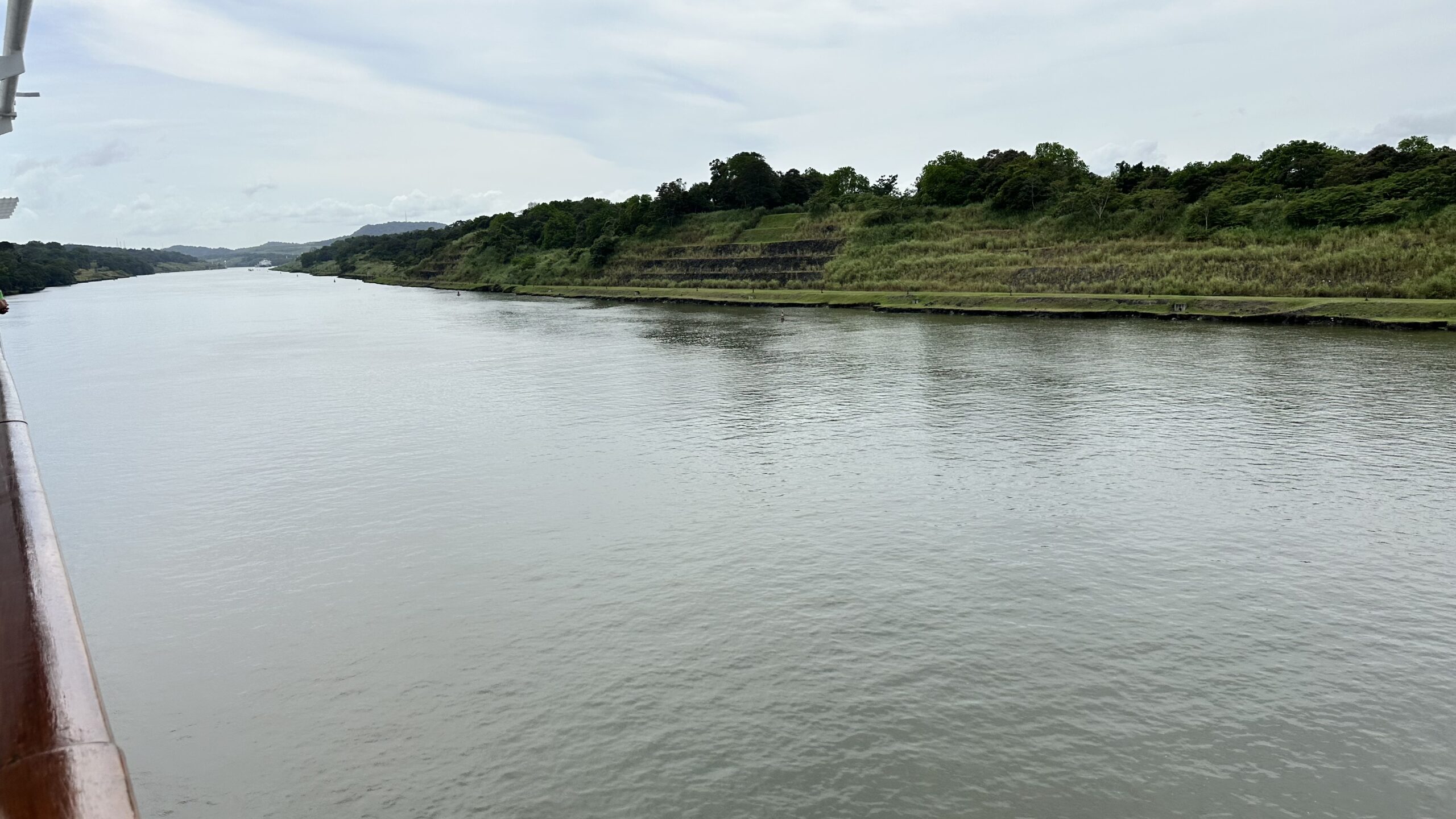
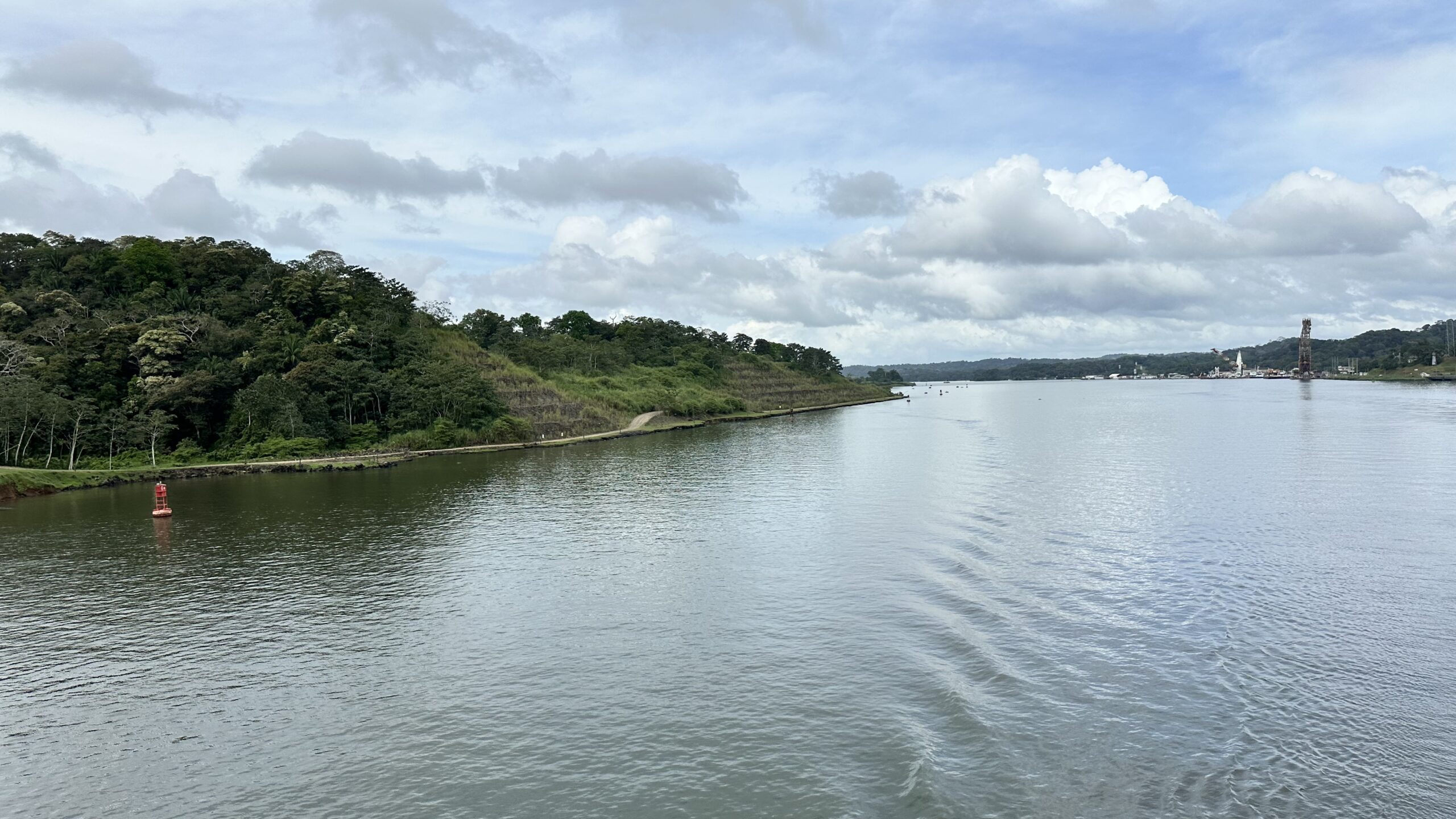
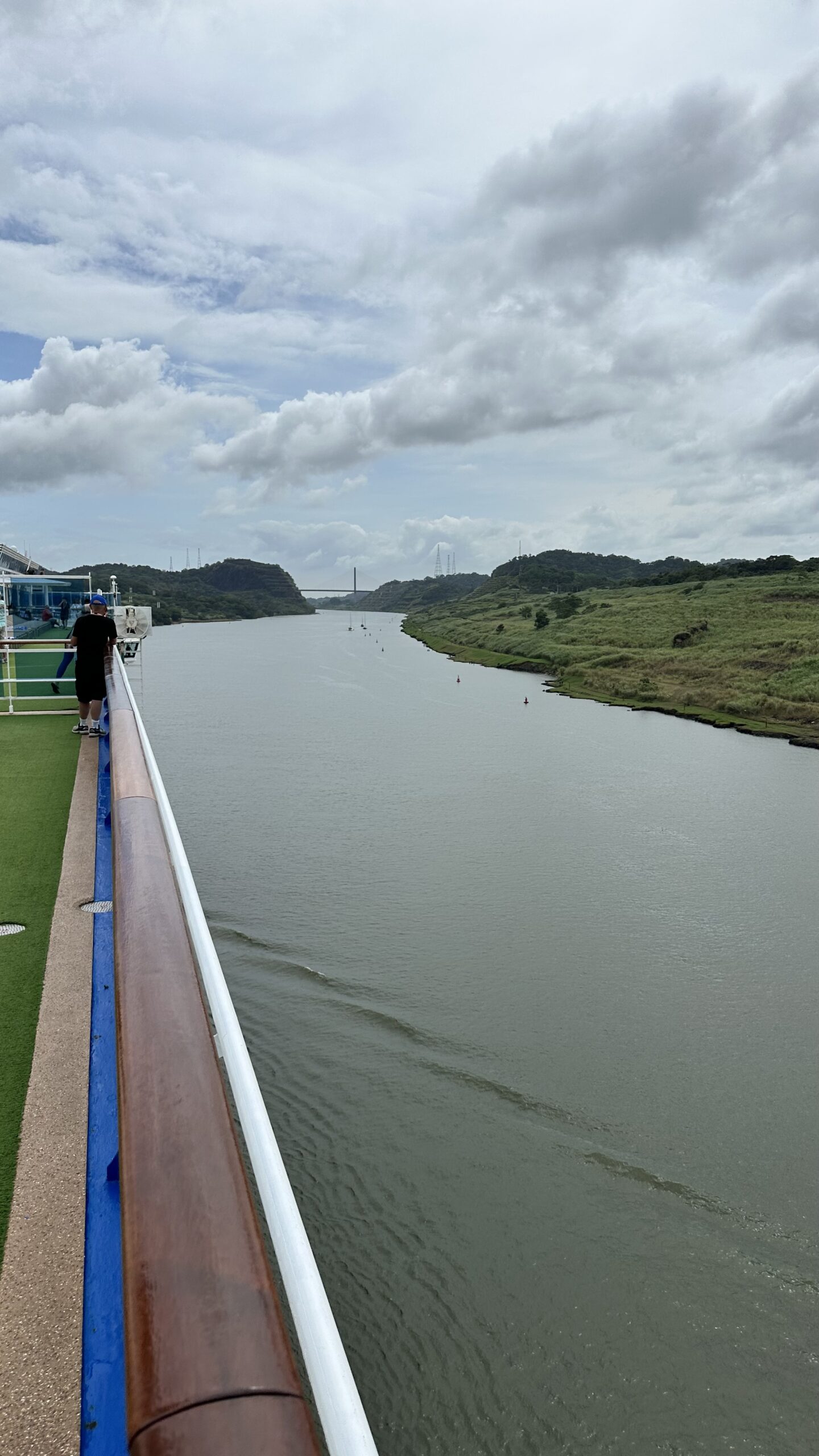
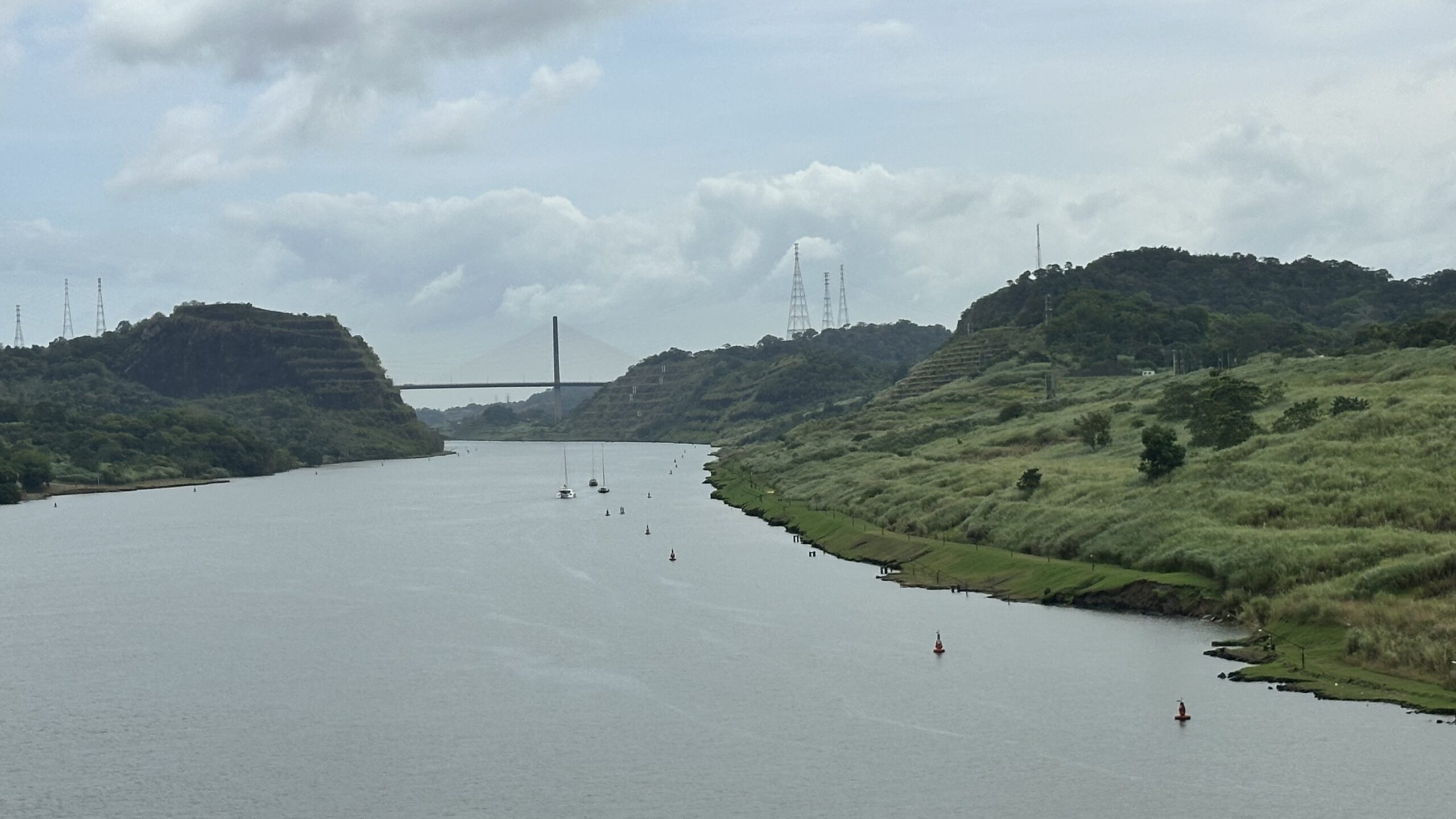
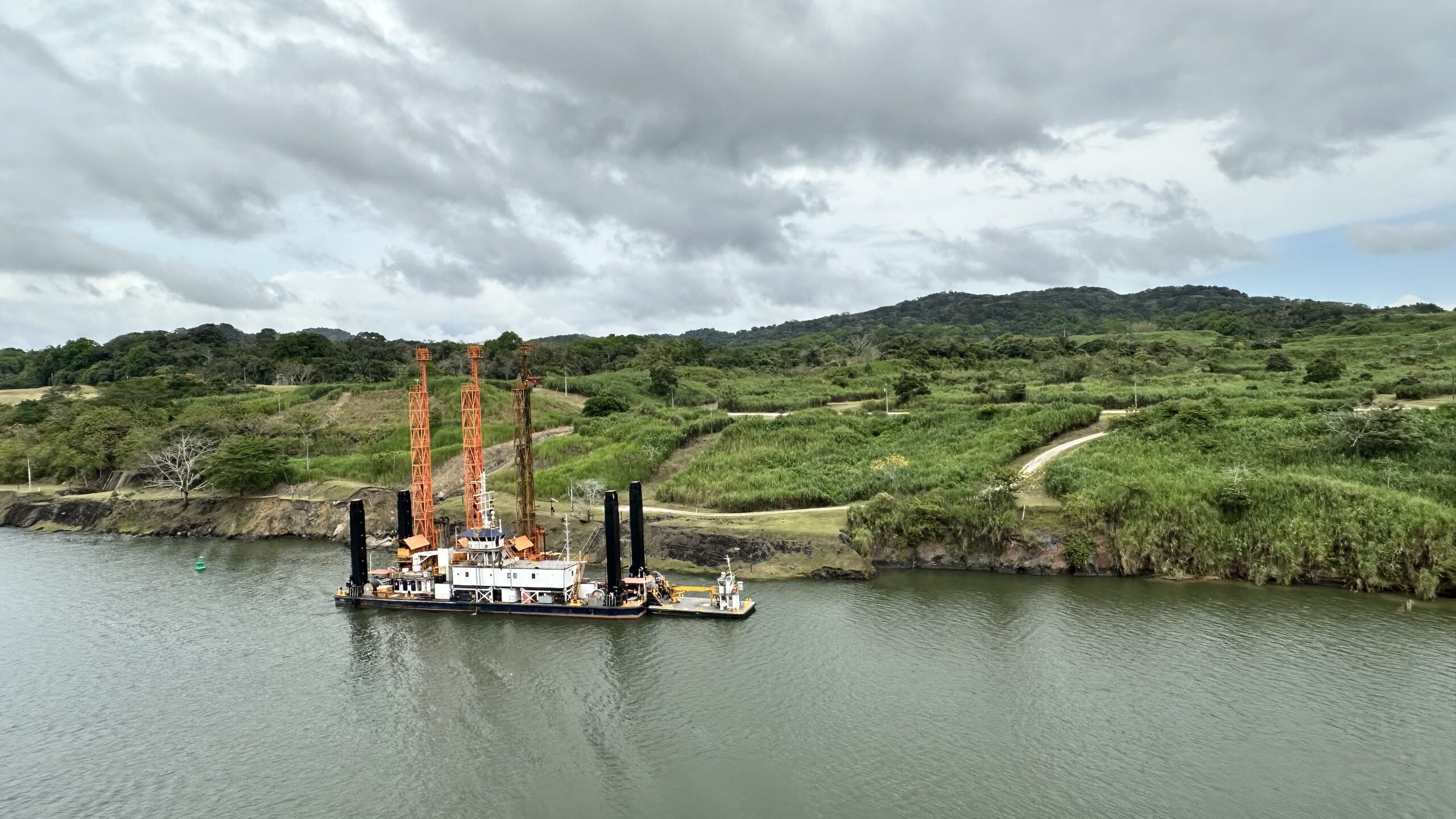
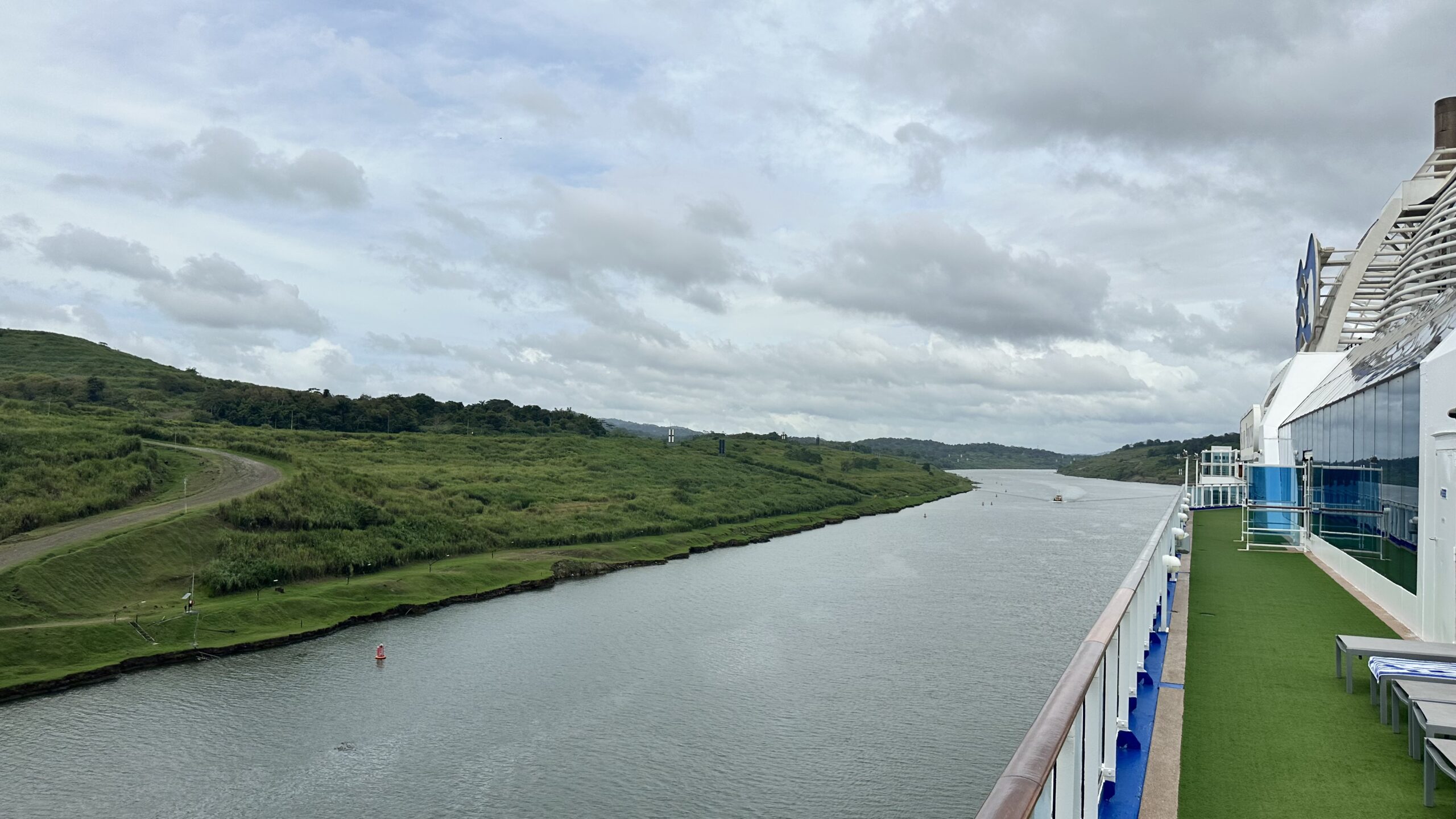
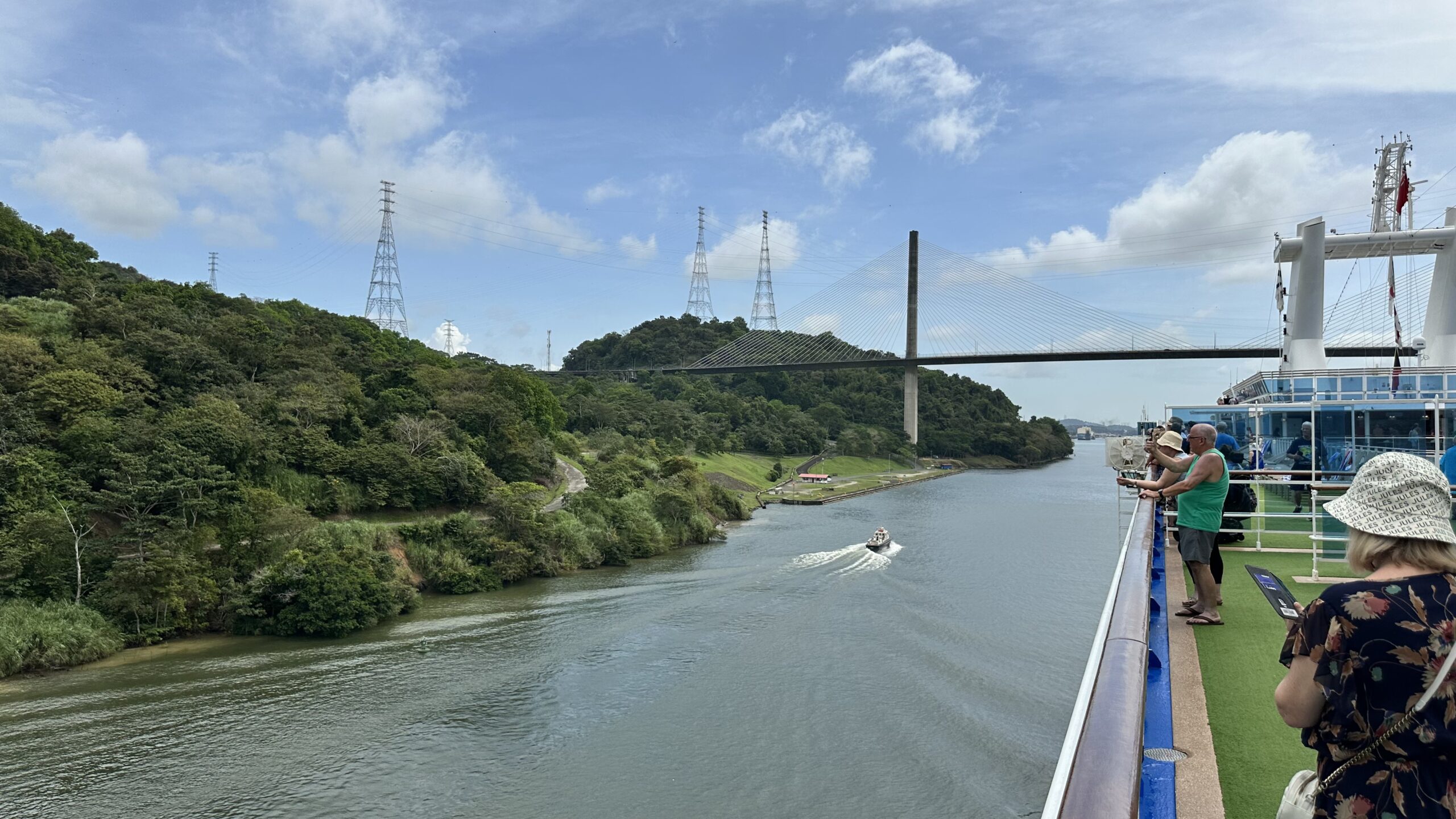
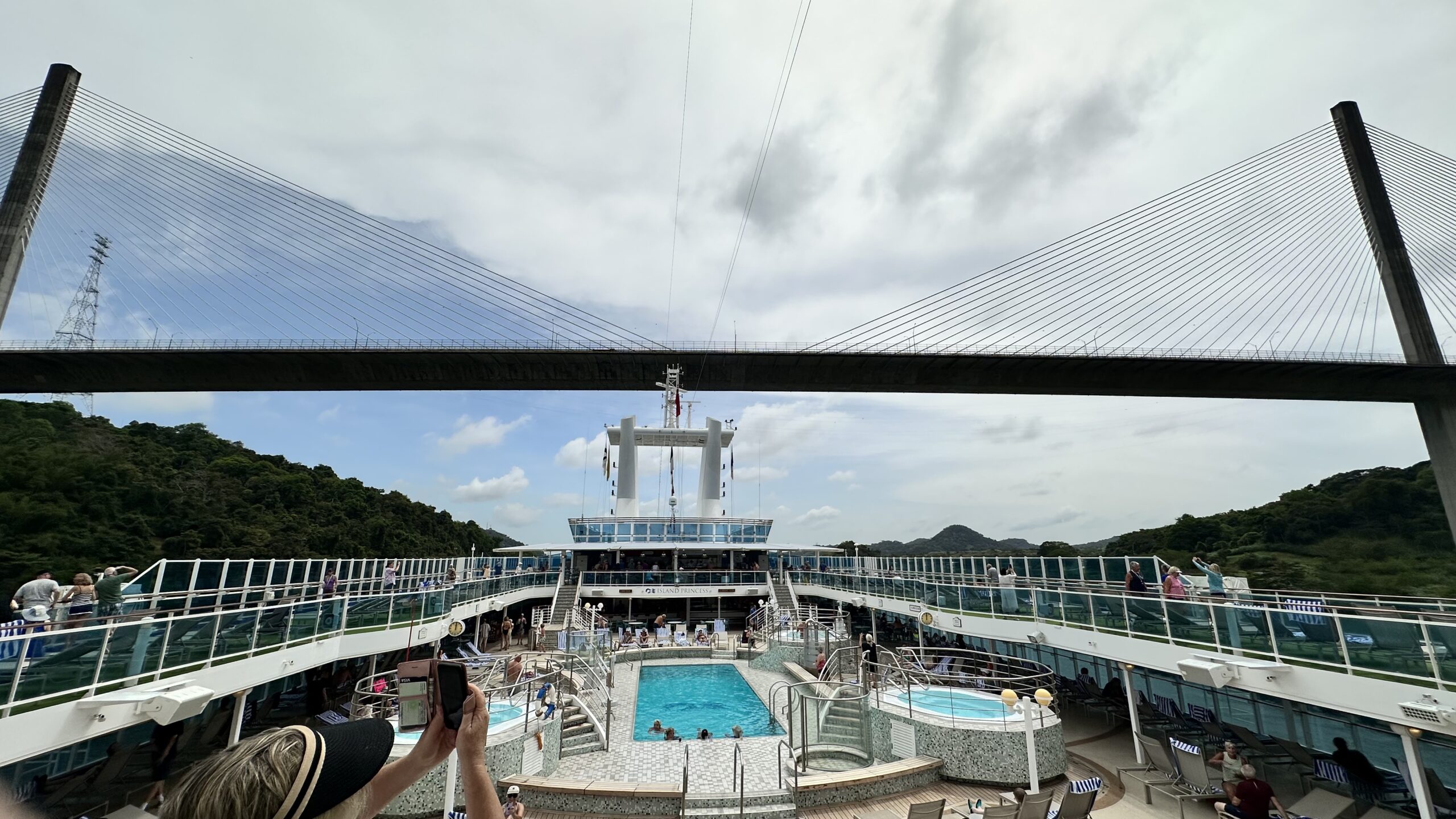
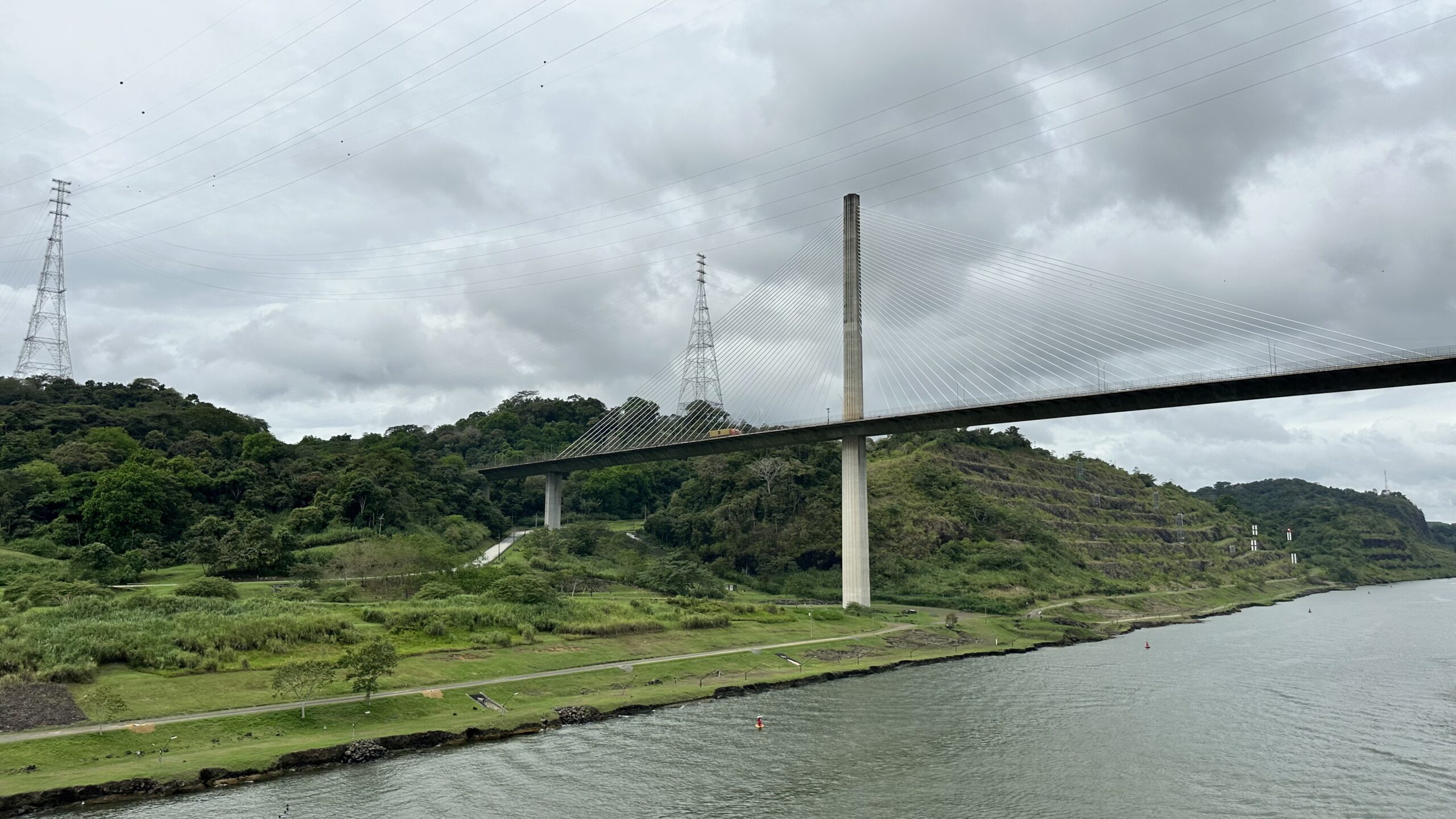
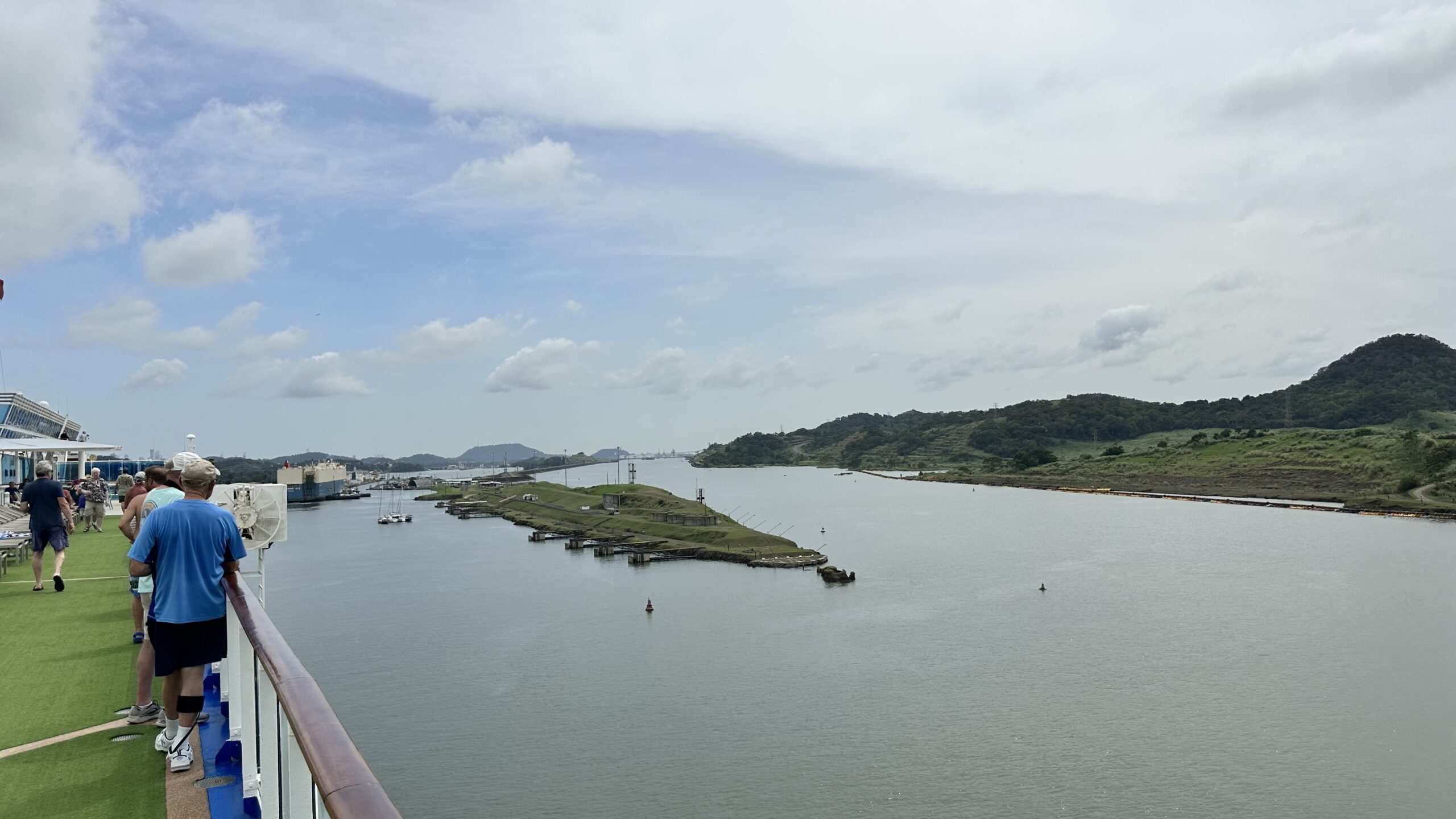
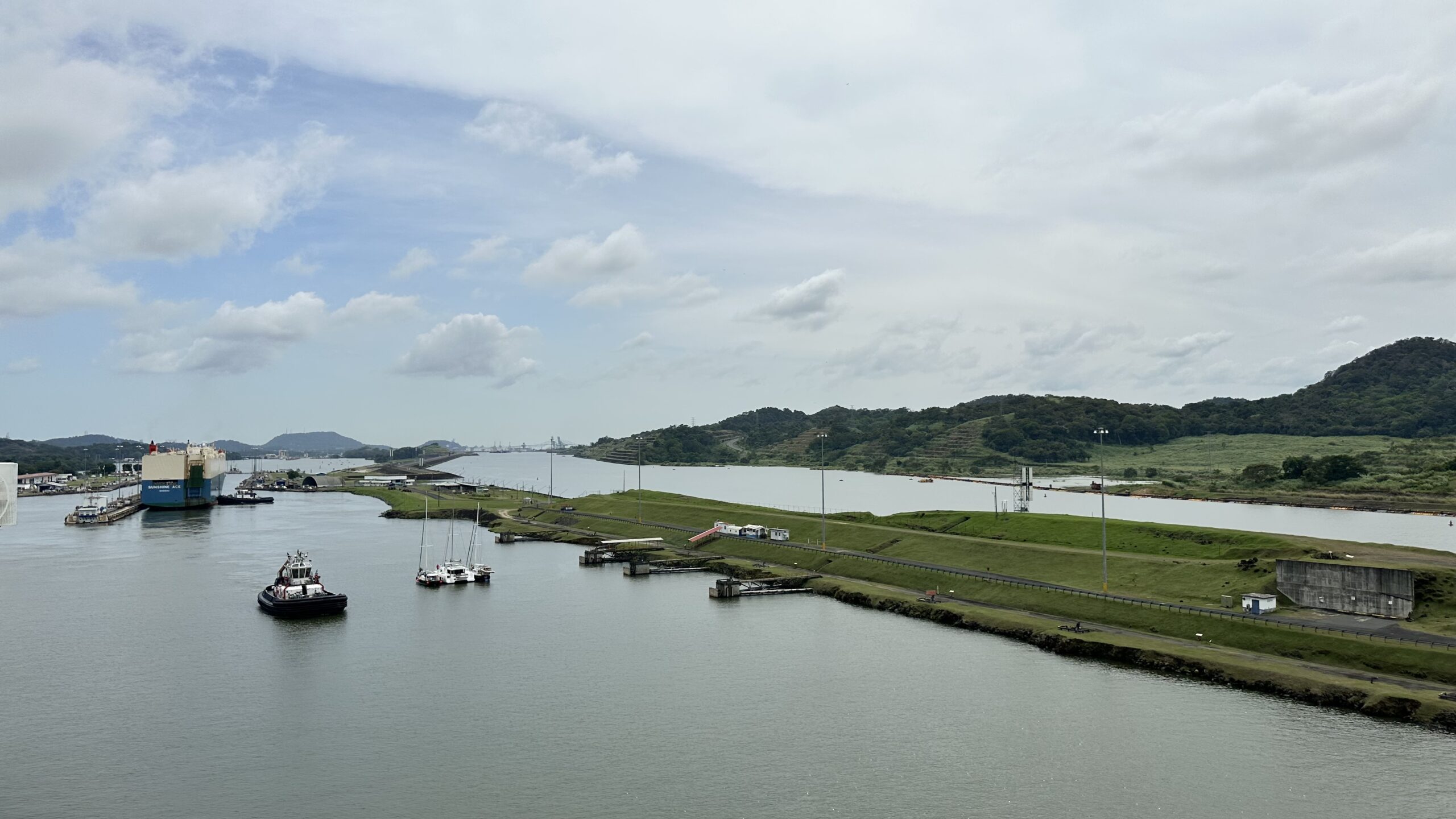
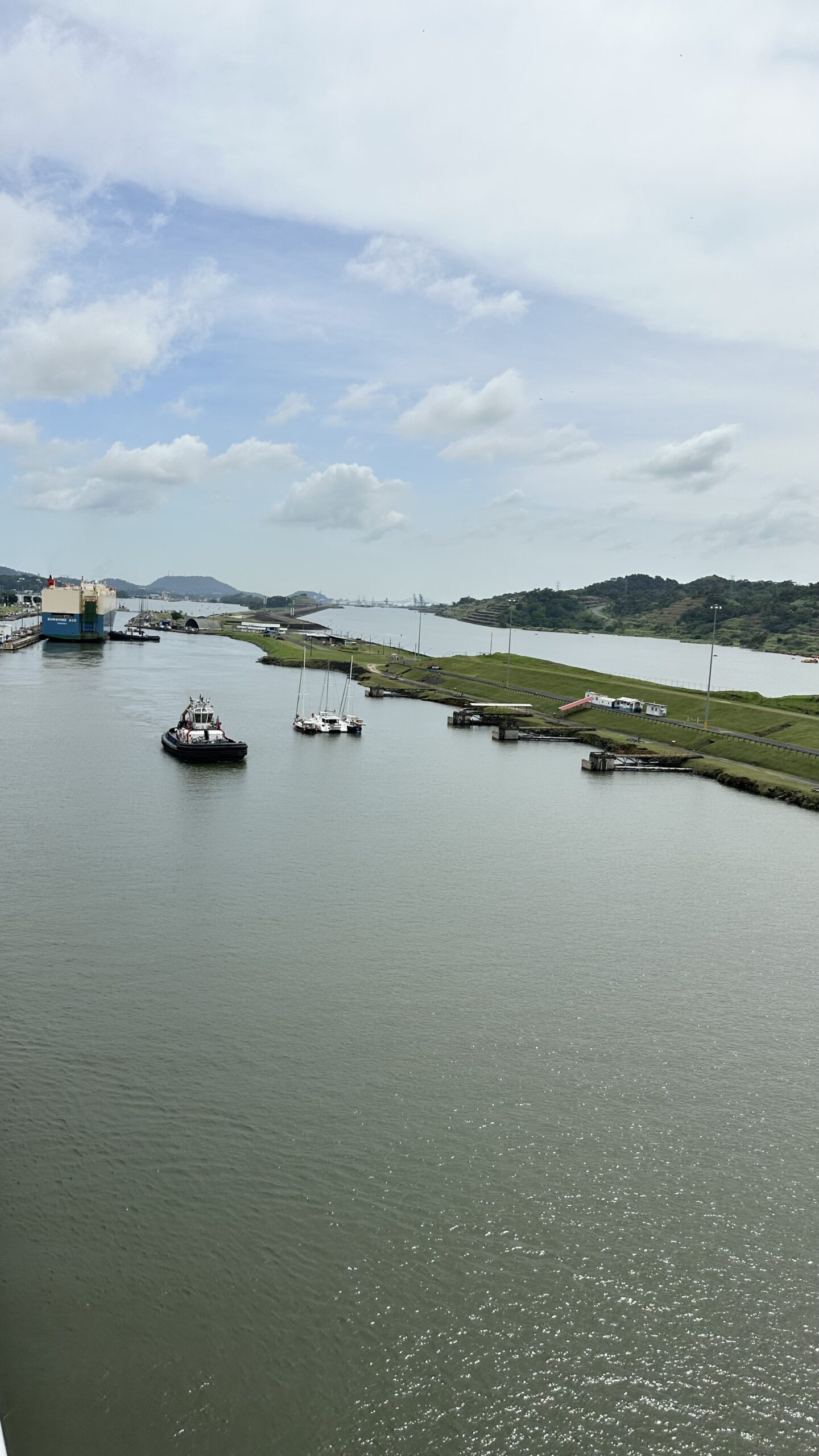
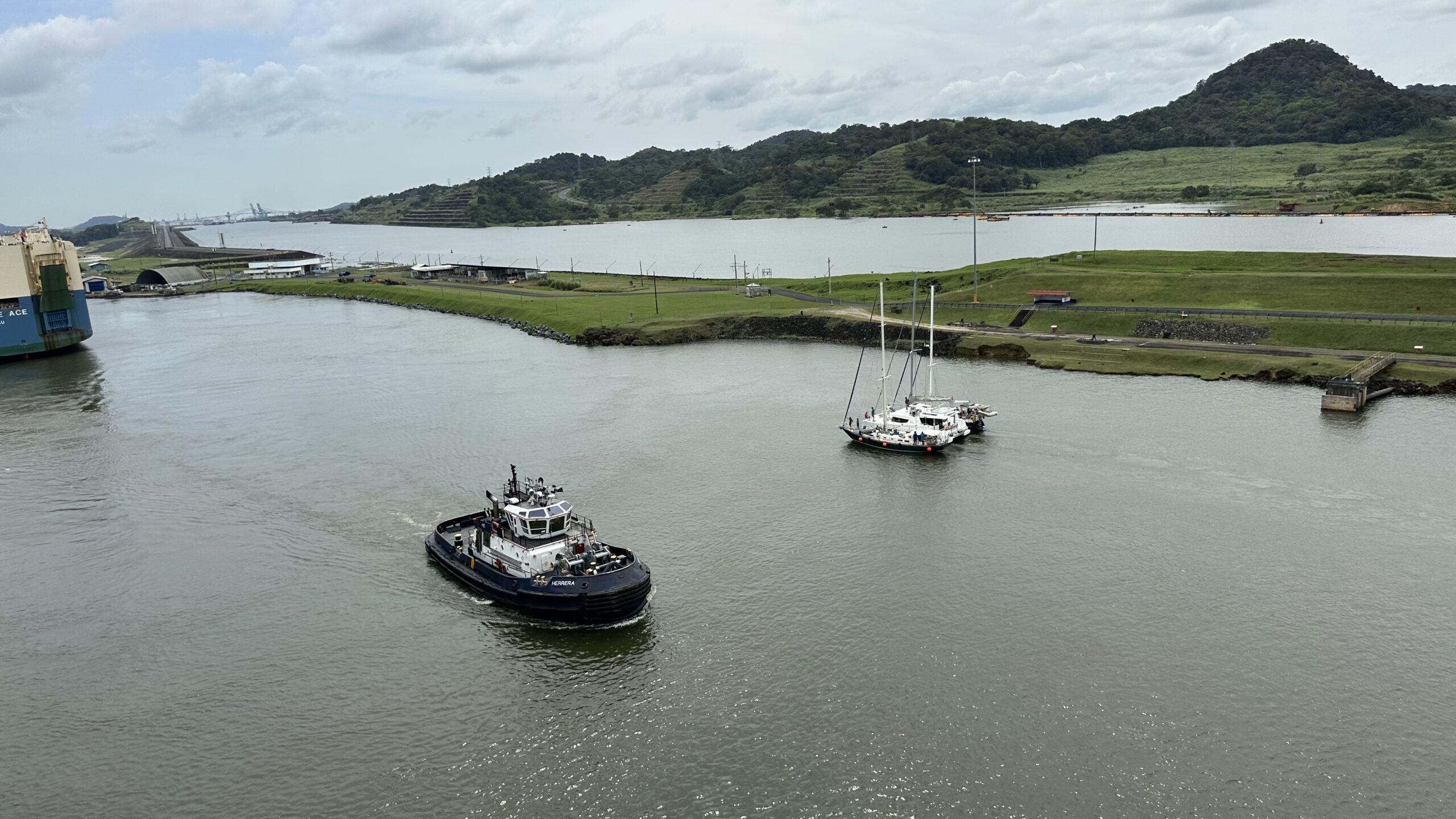
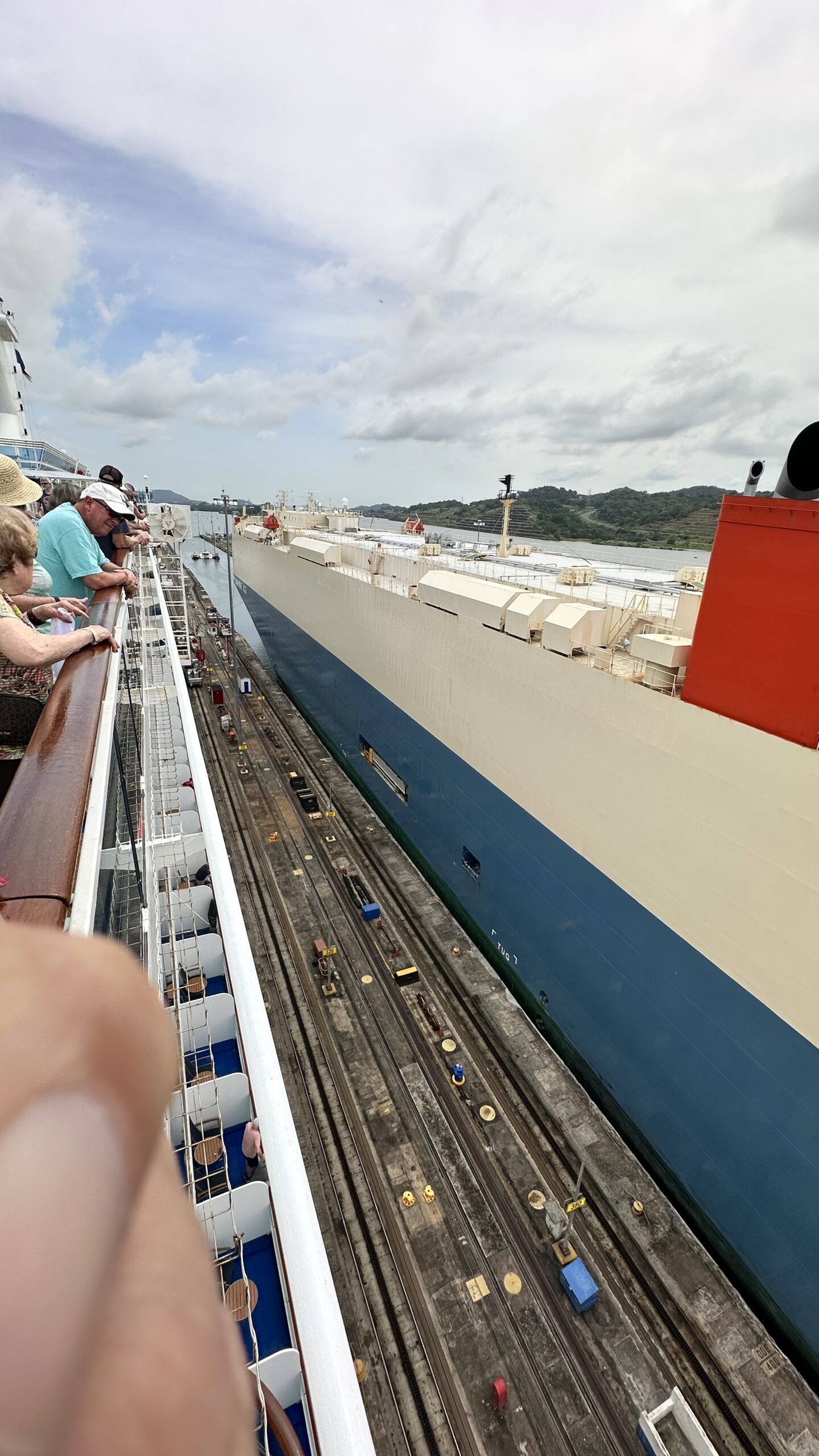
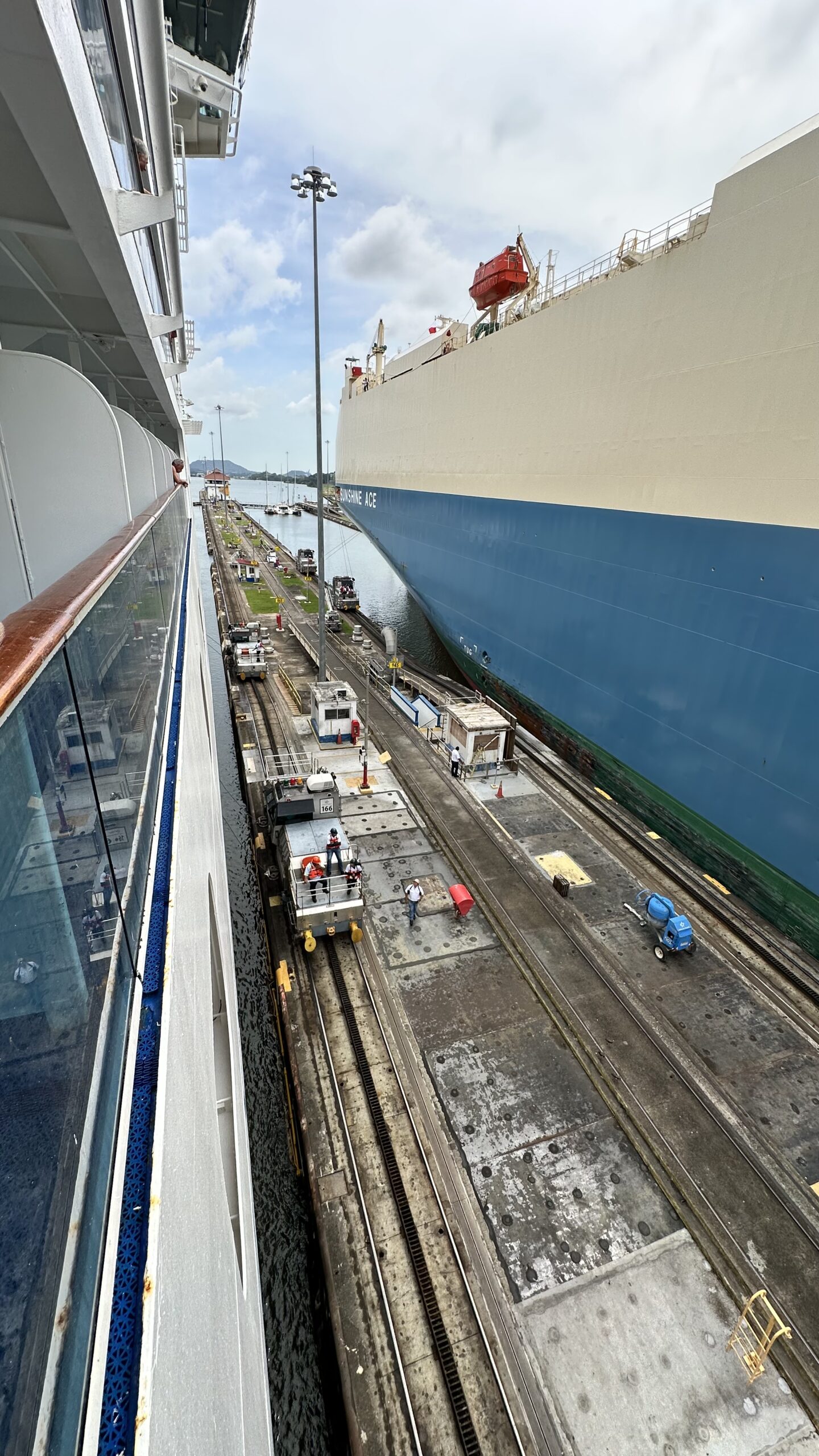
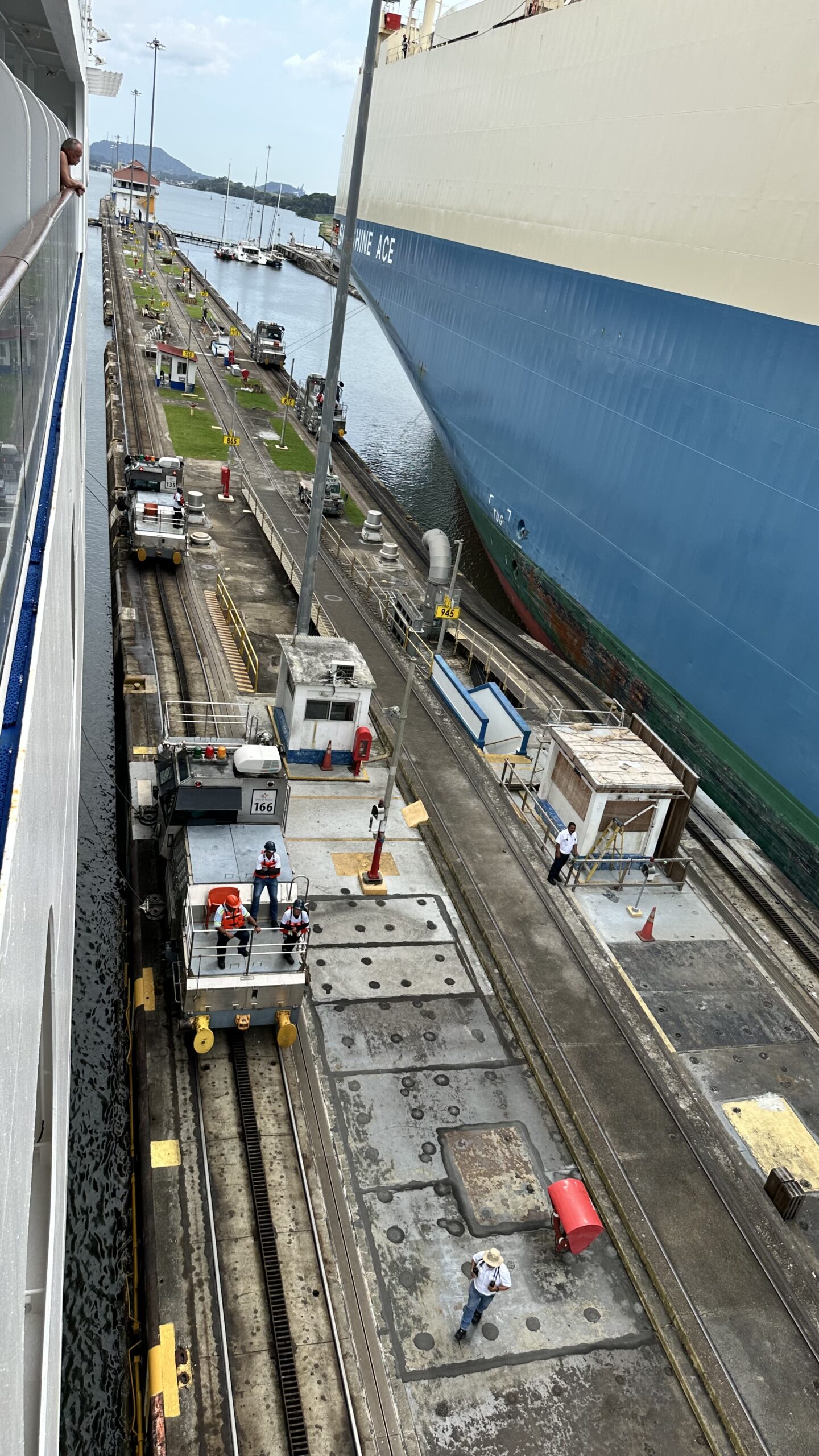
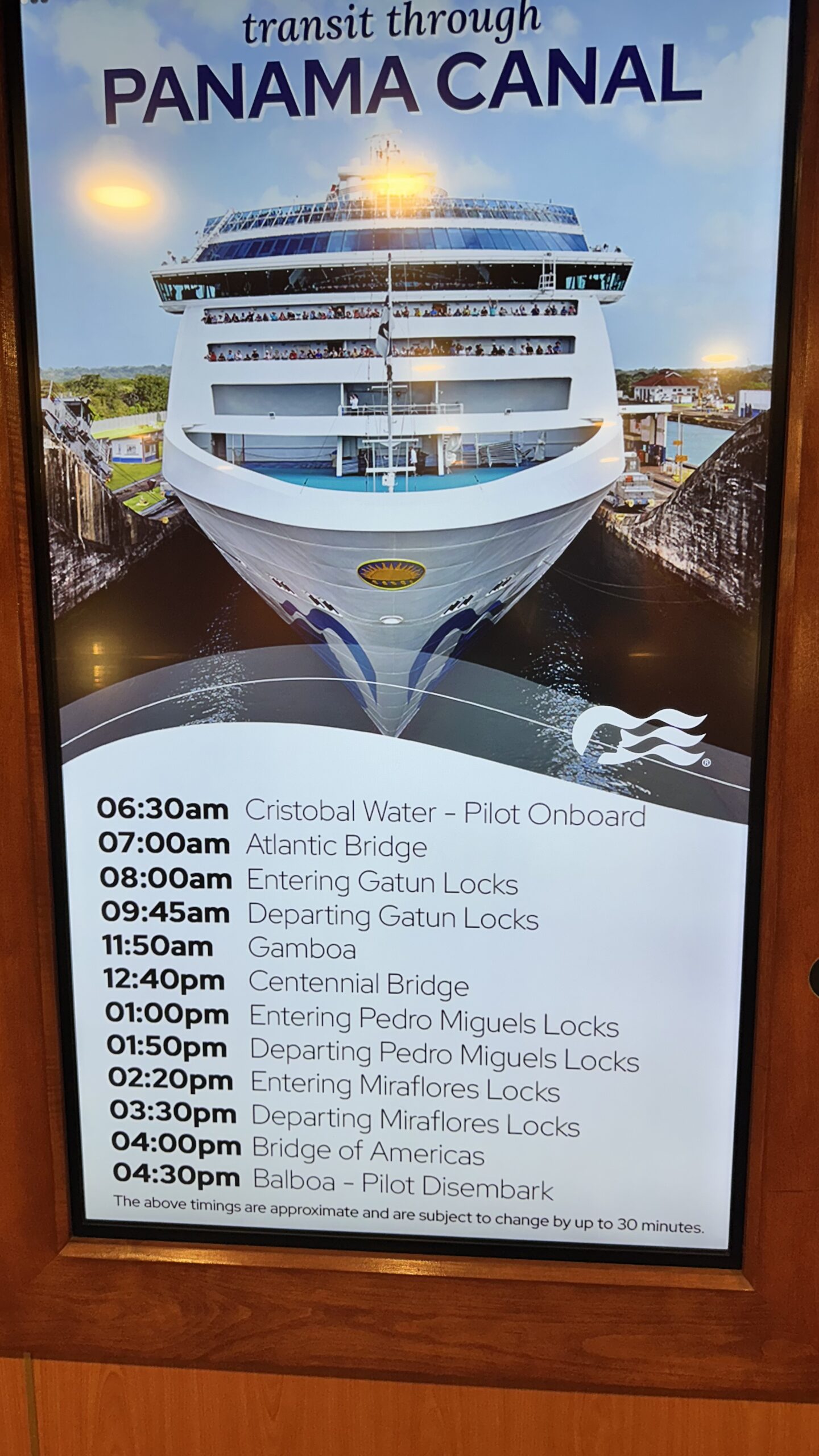
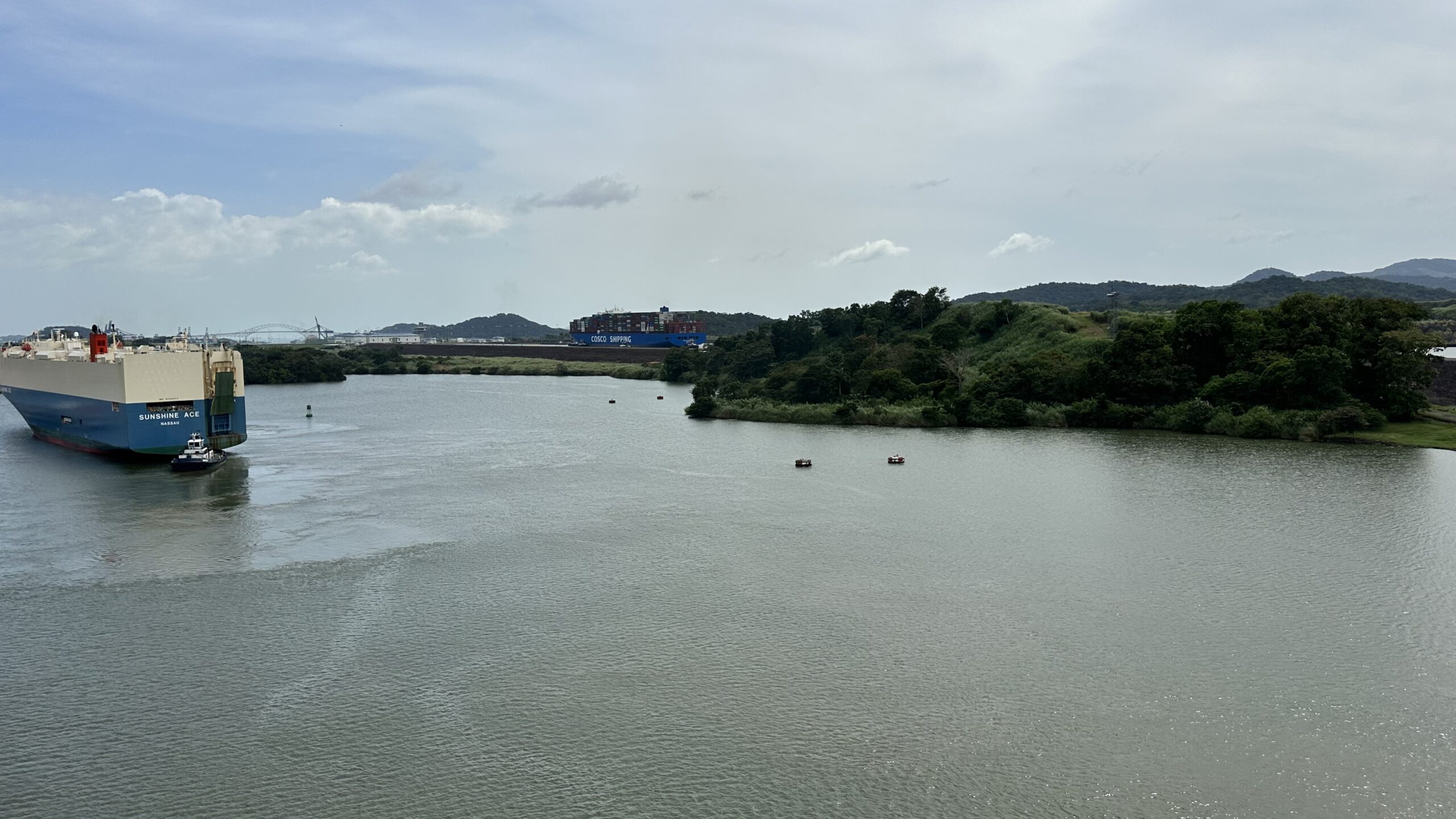
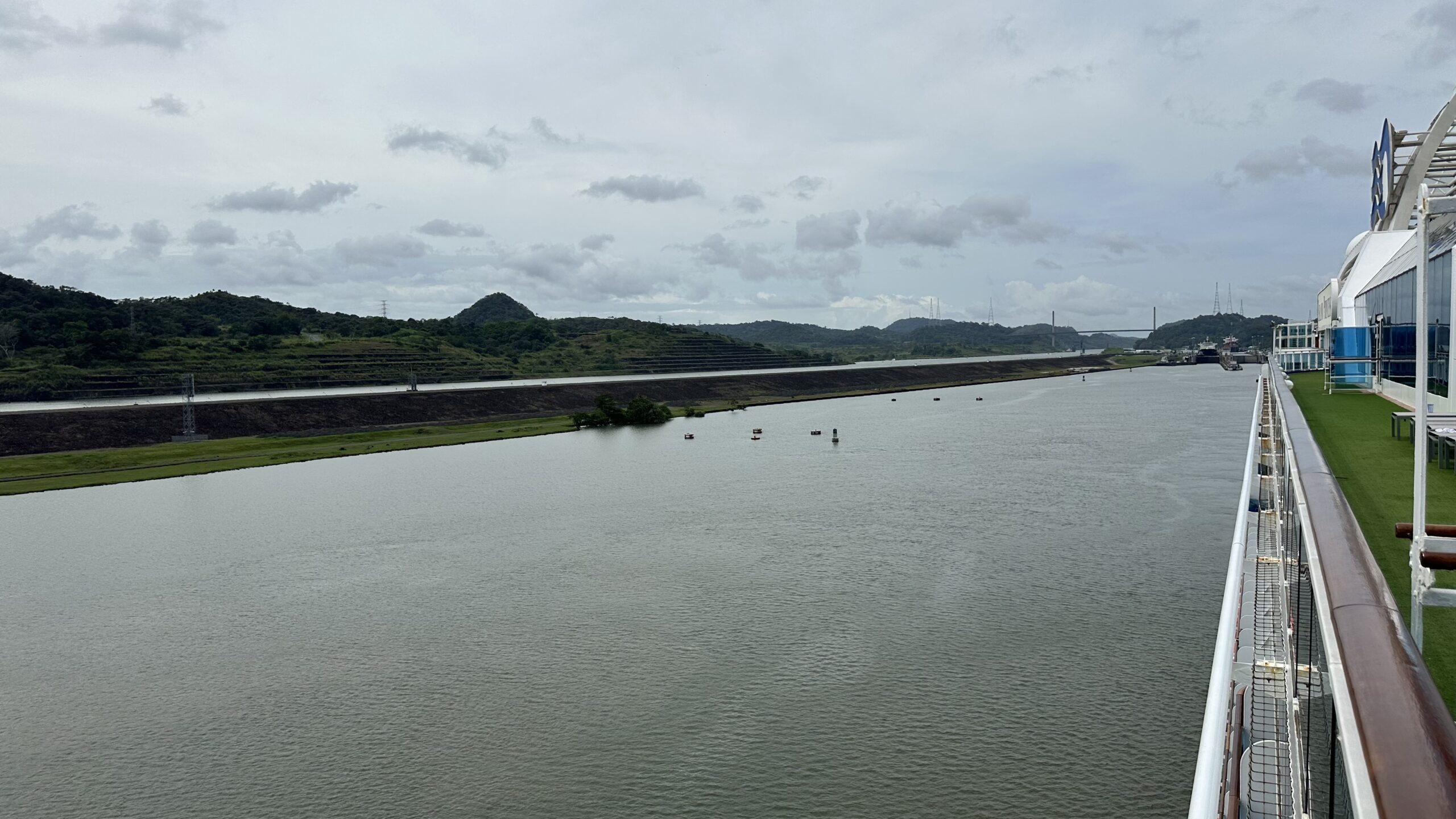
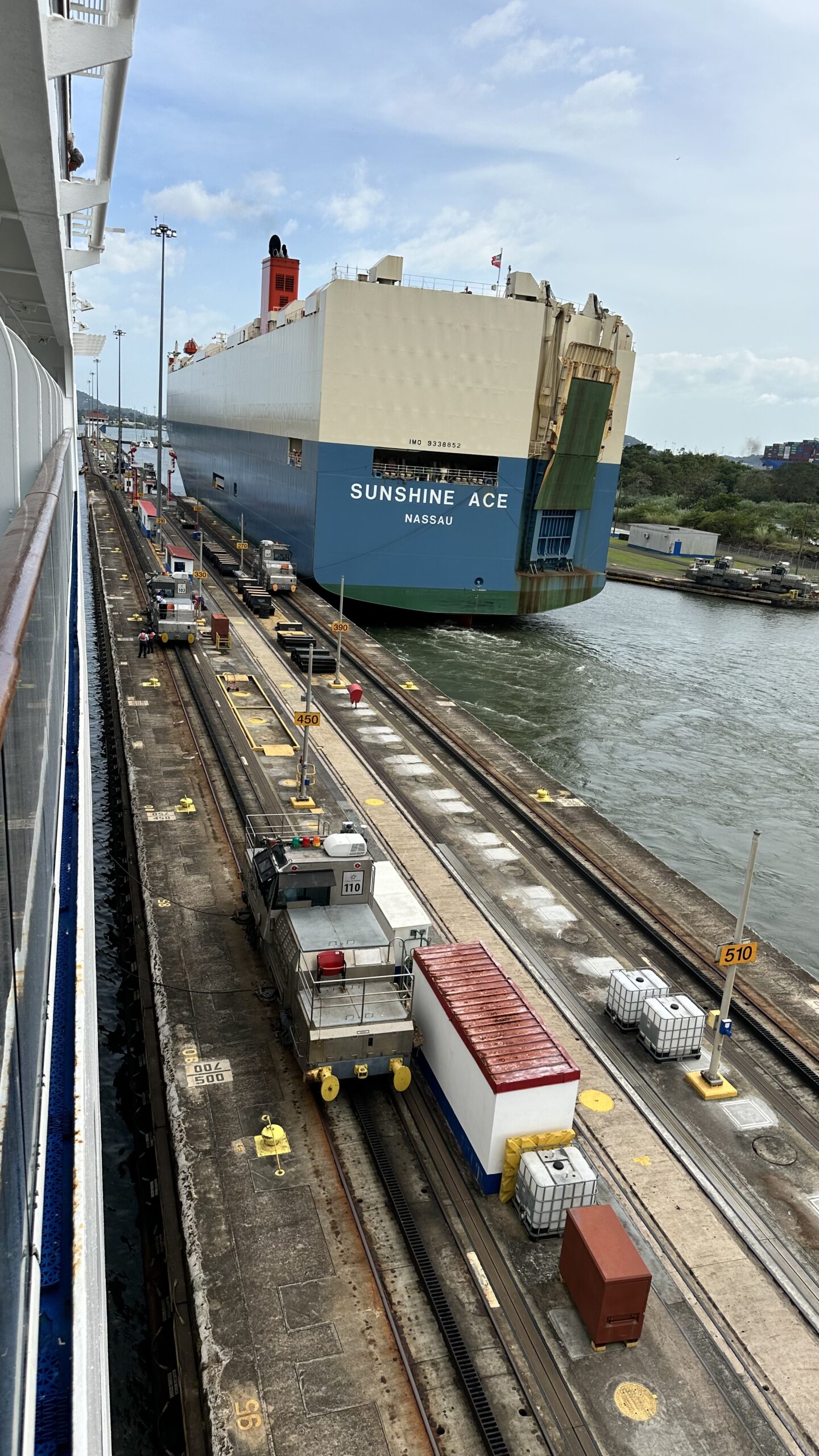
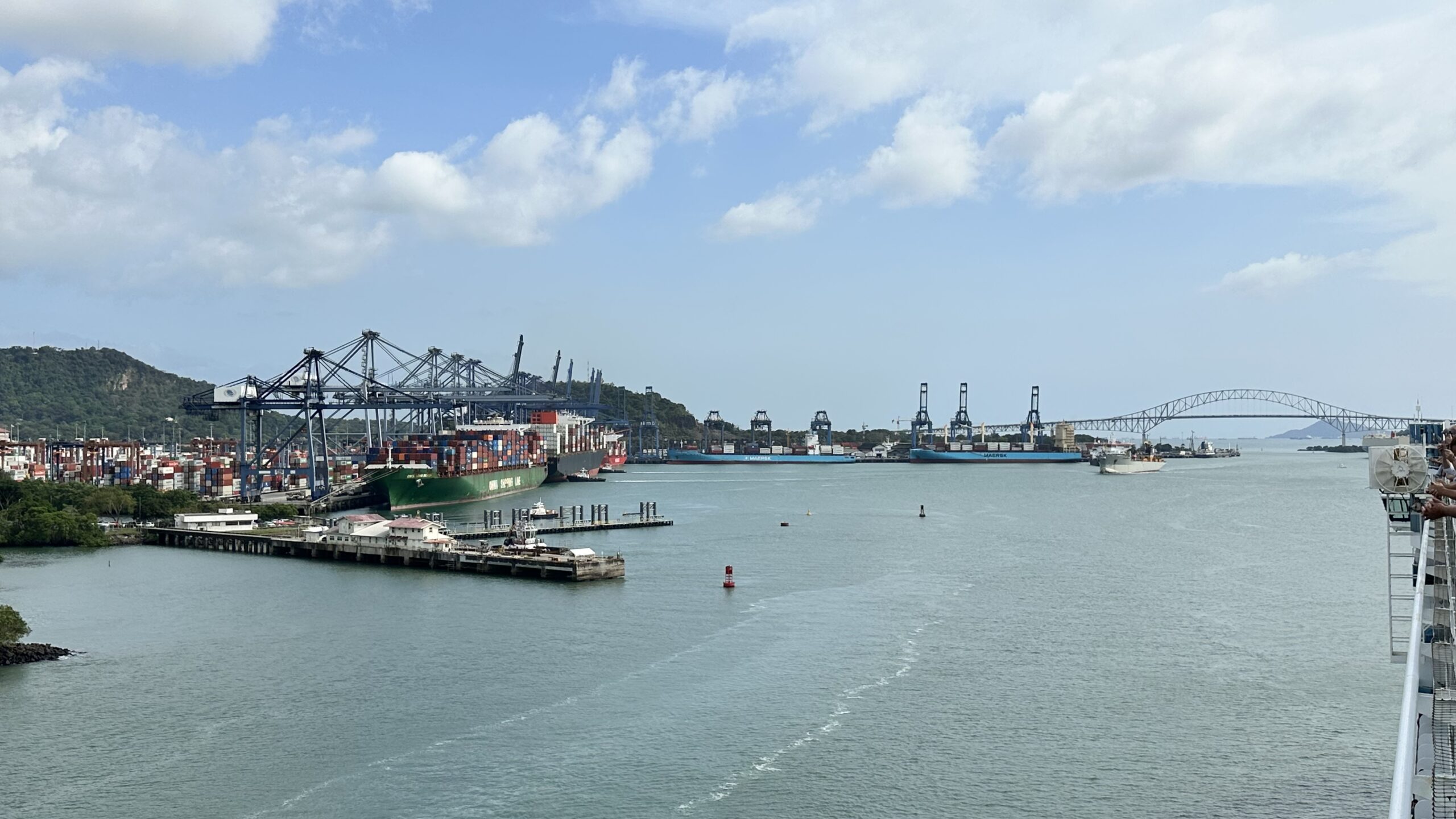
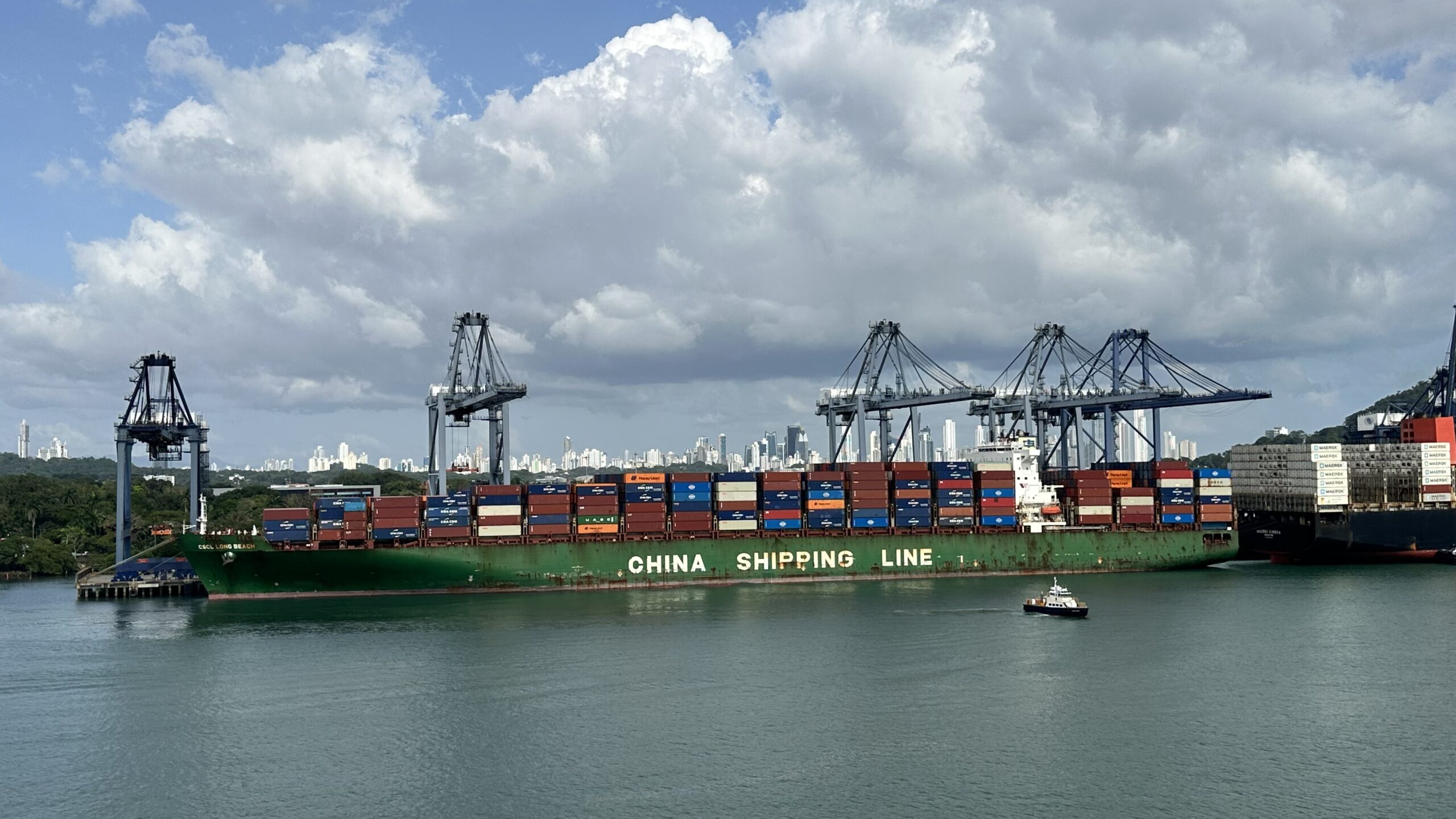
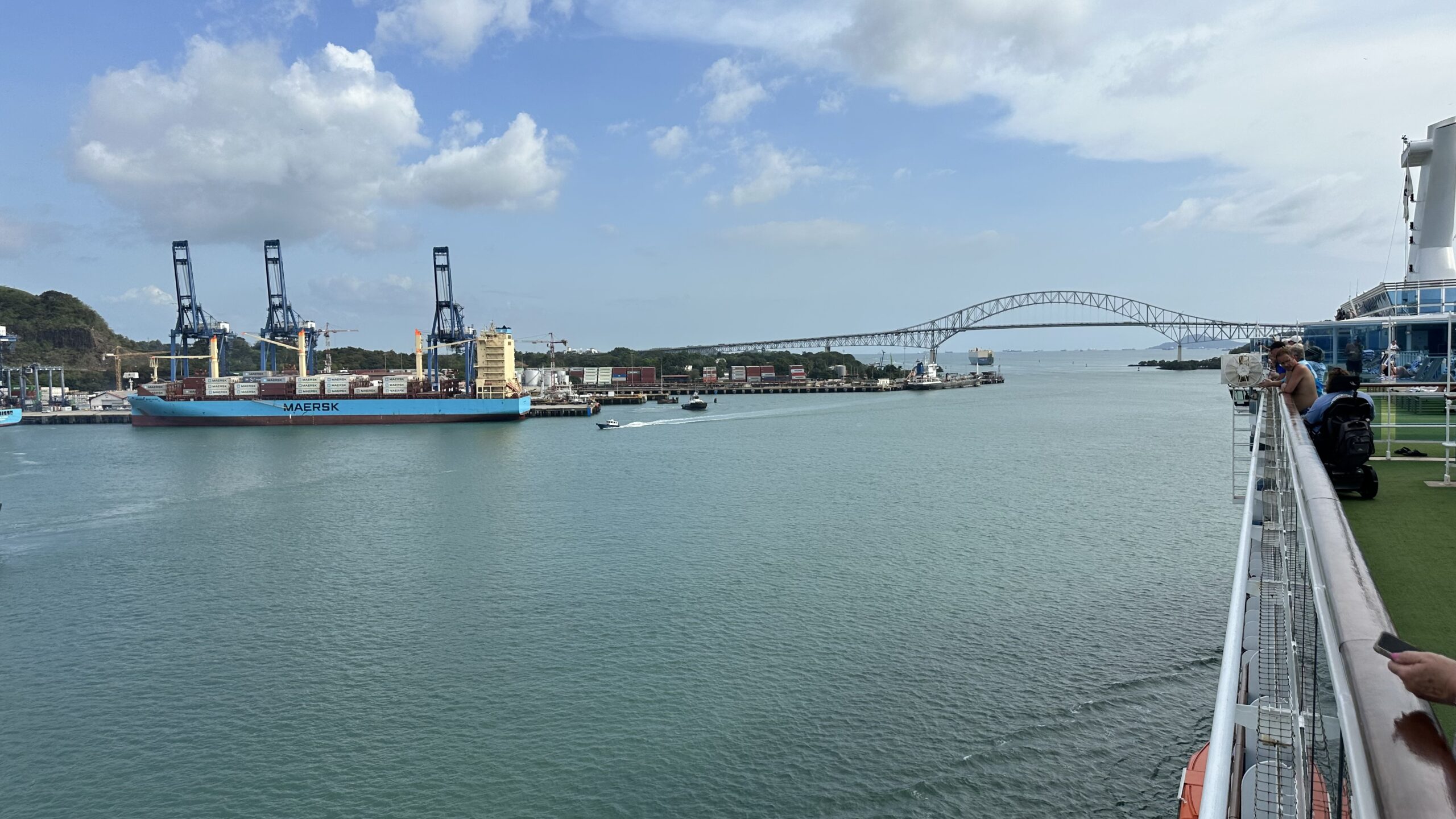
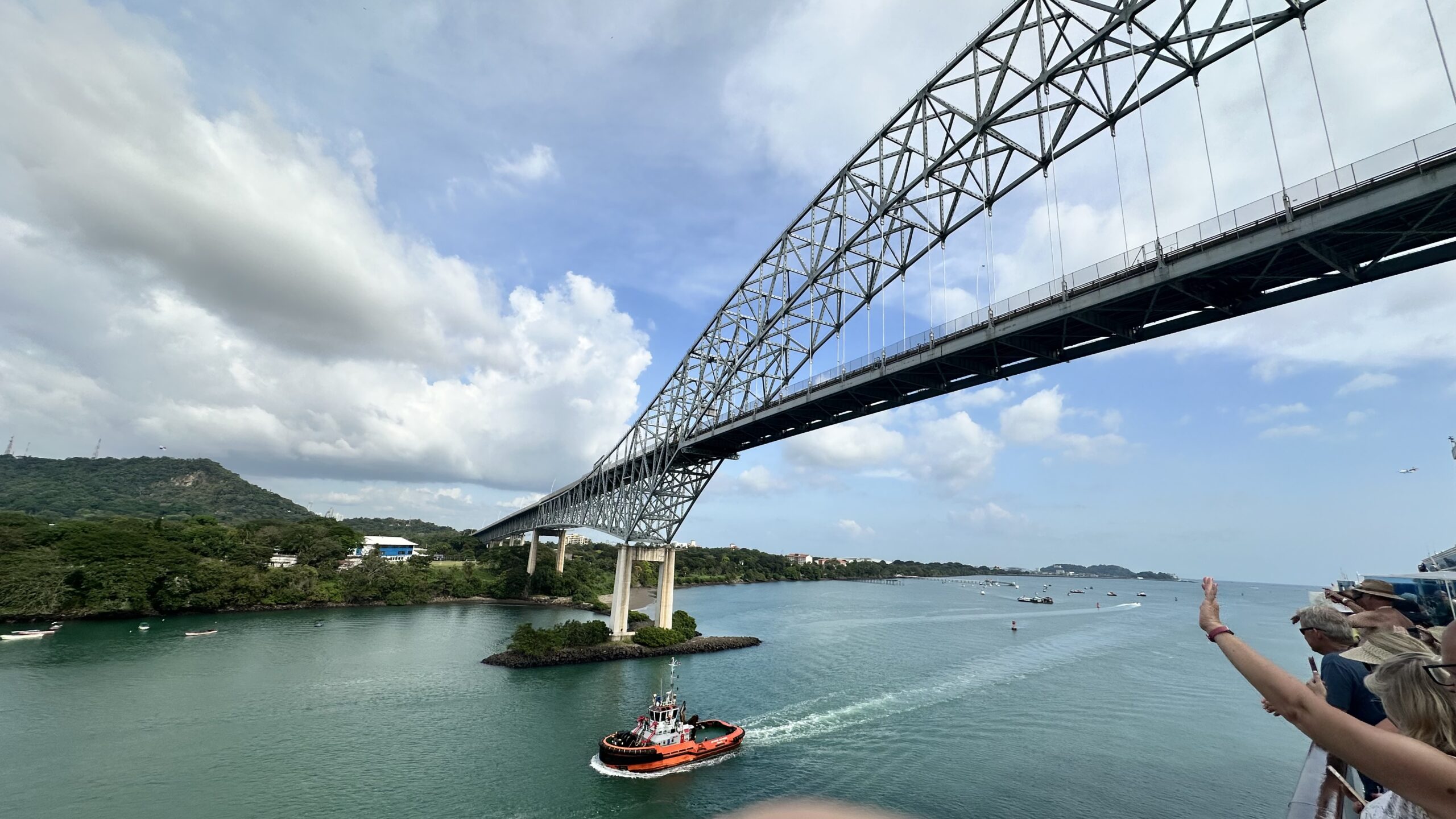
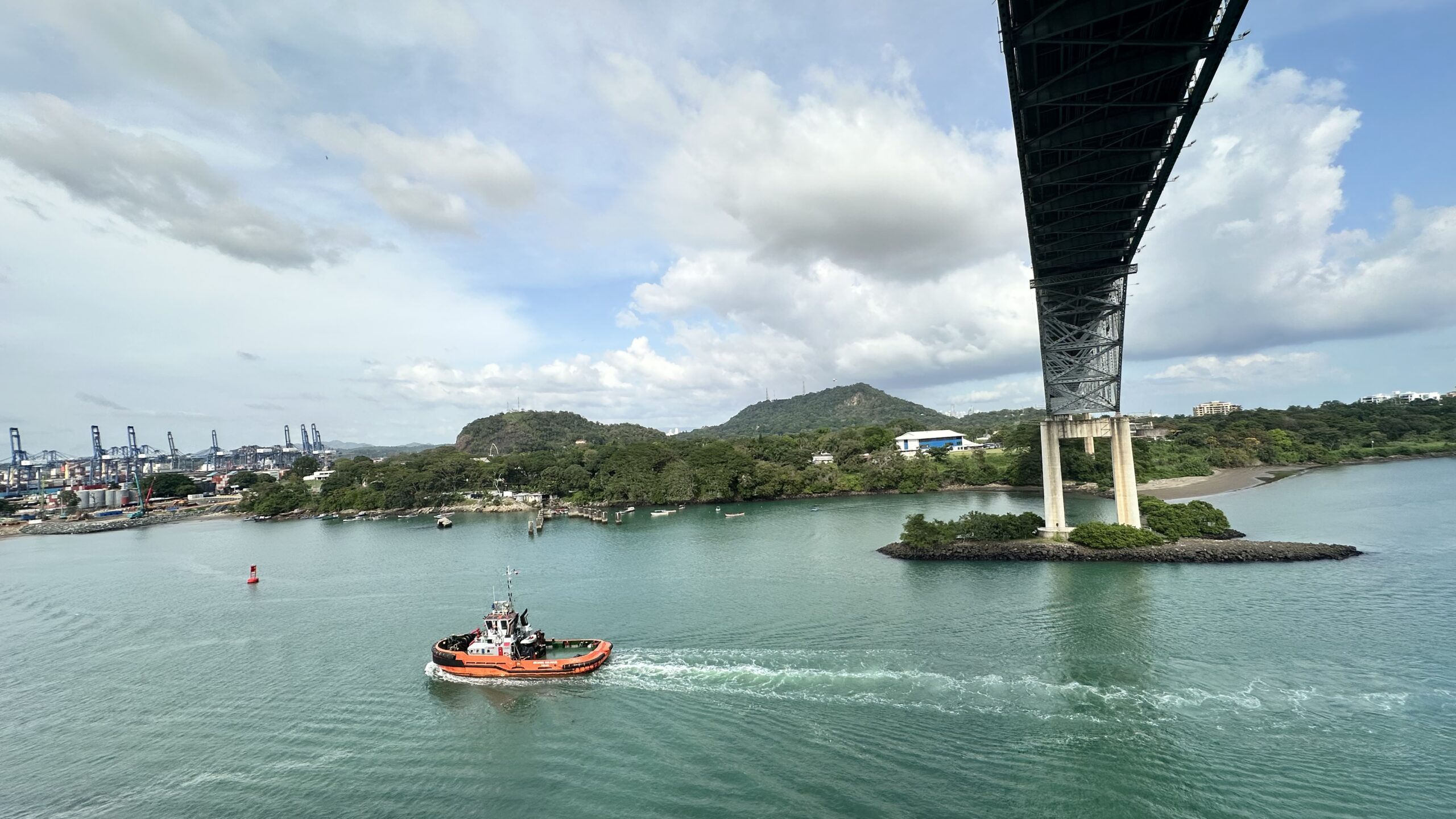
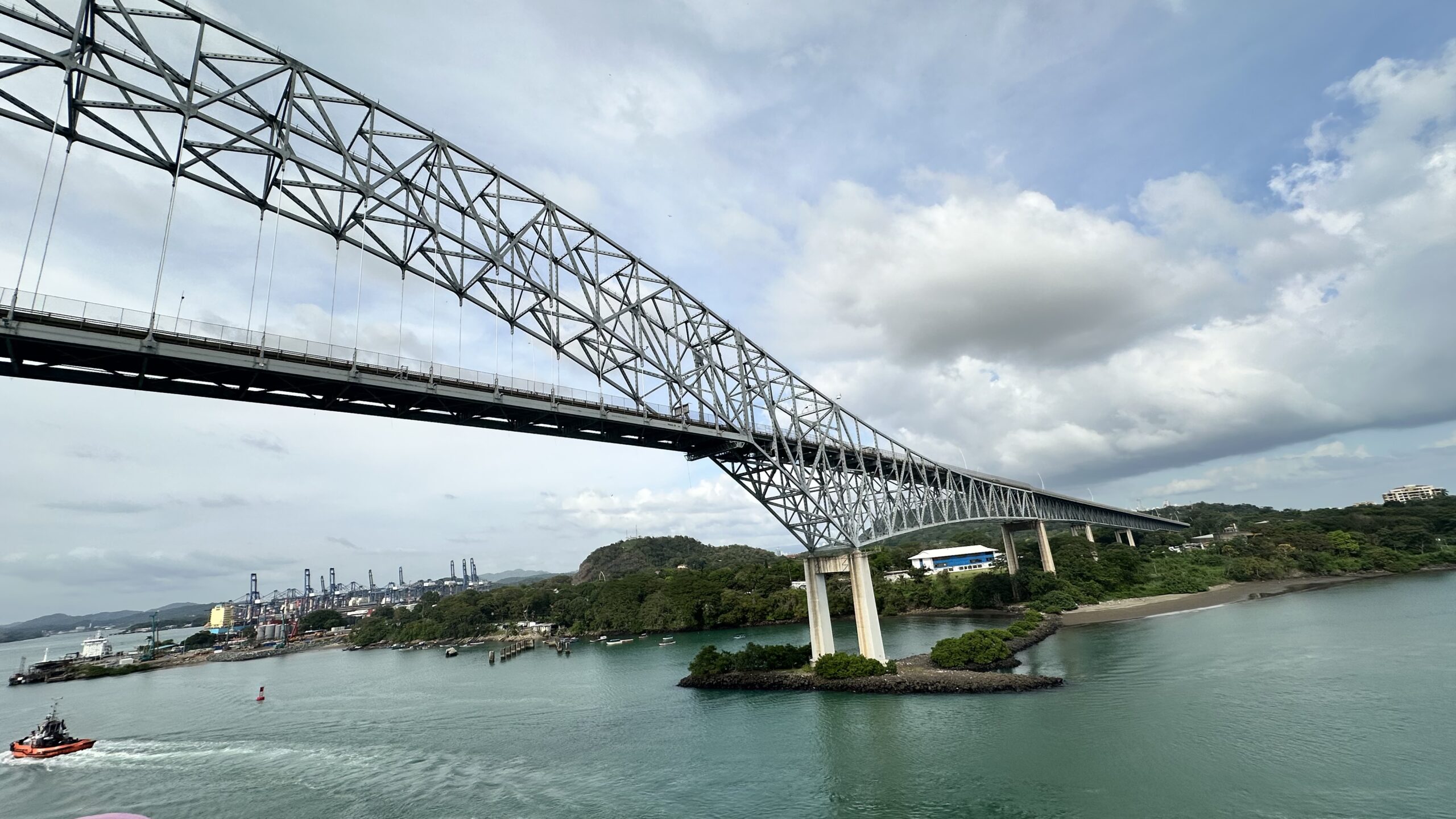
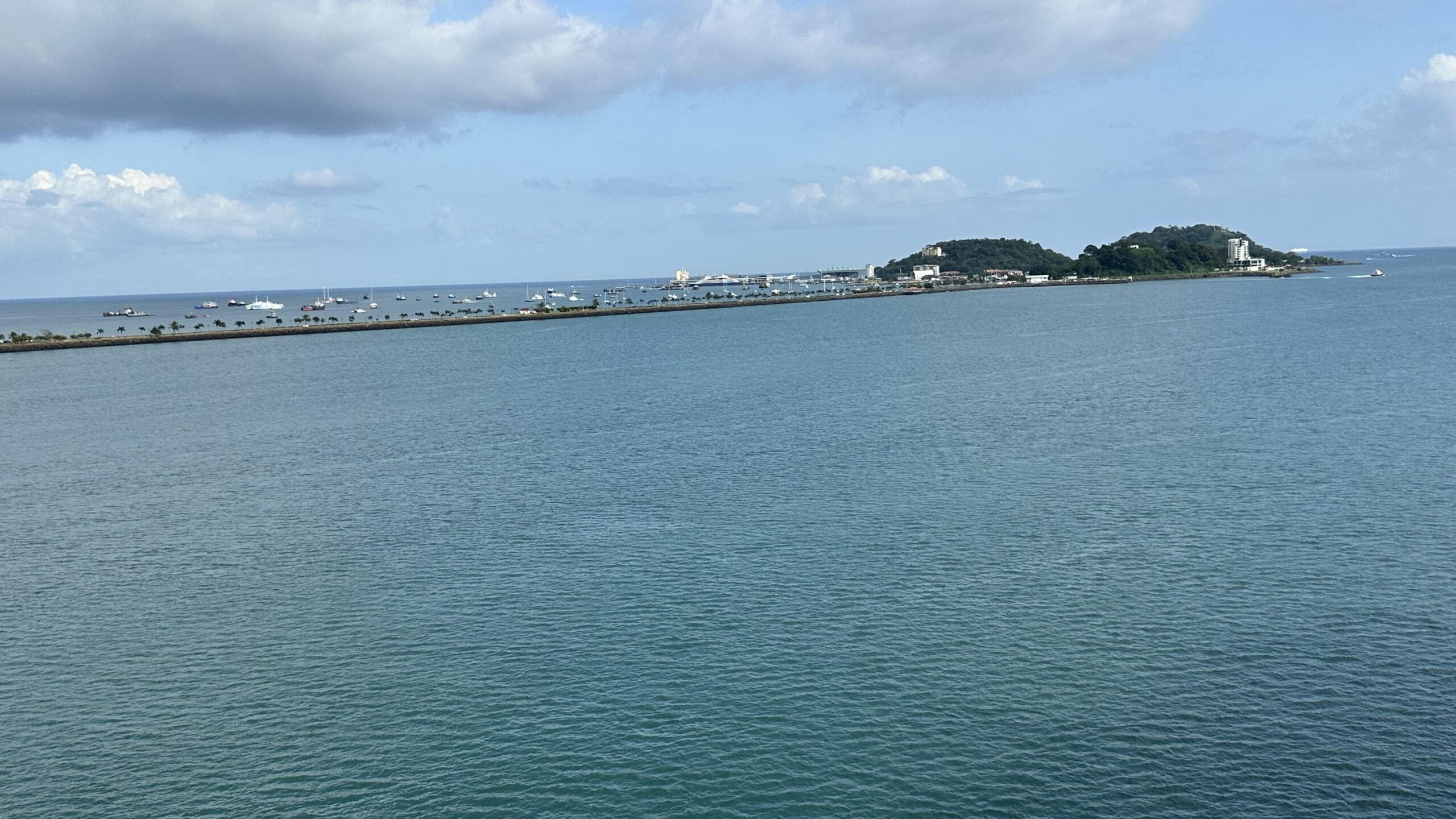
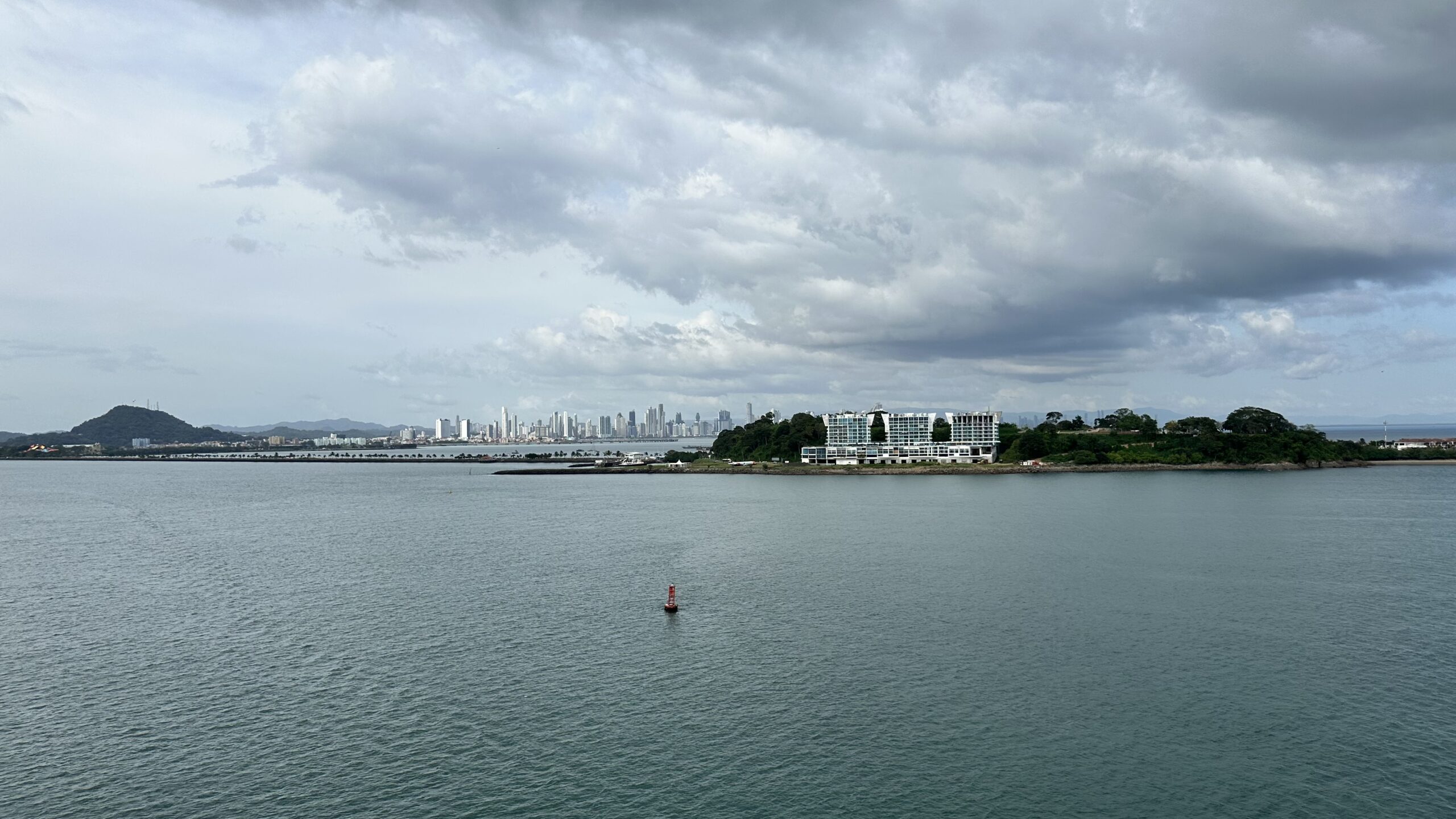
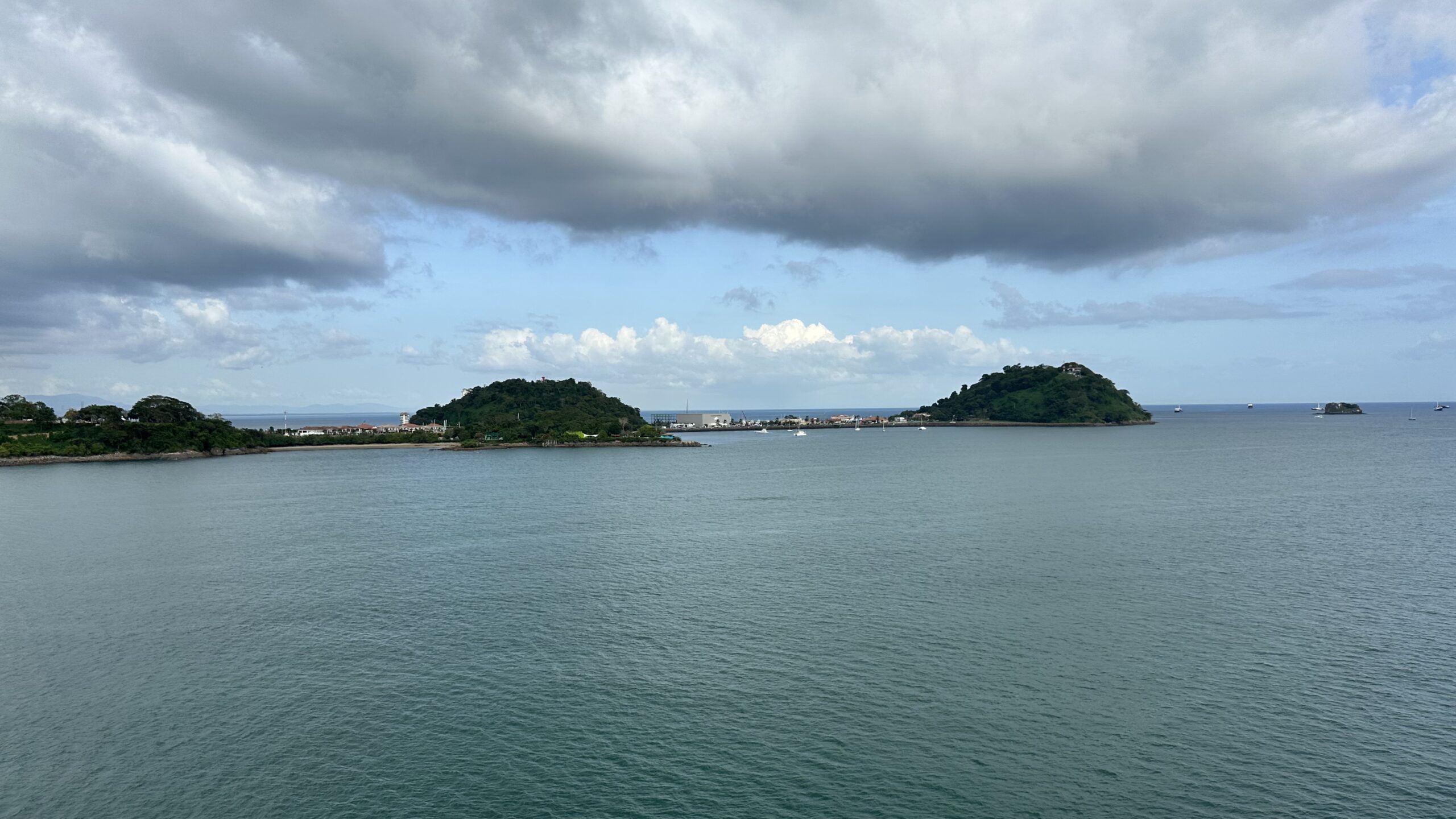
Panama Canal Day. There is a lot of history behind the Canal and lots of facts and figures. Path Between the Seas by David McCullough covers it all. In brief, the canal is about 80 km in length and it took us most of the day to transit, one of about 40 ships per day. The charge for our ship to transit the canal was $350,000
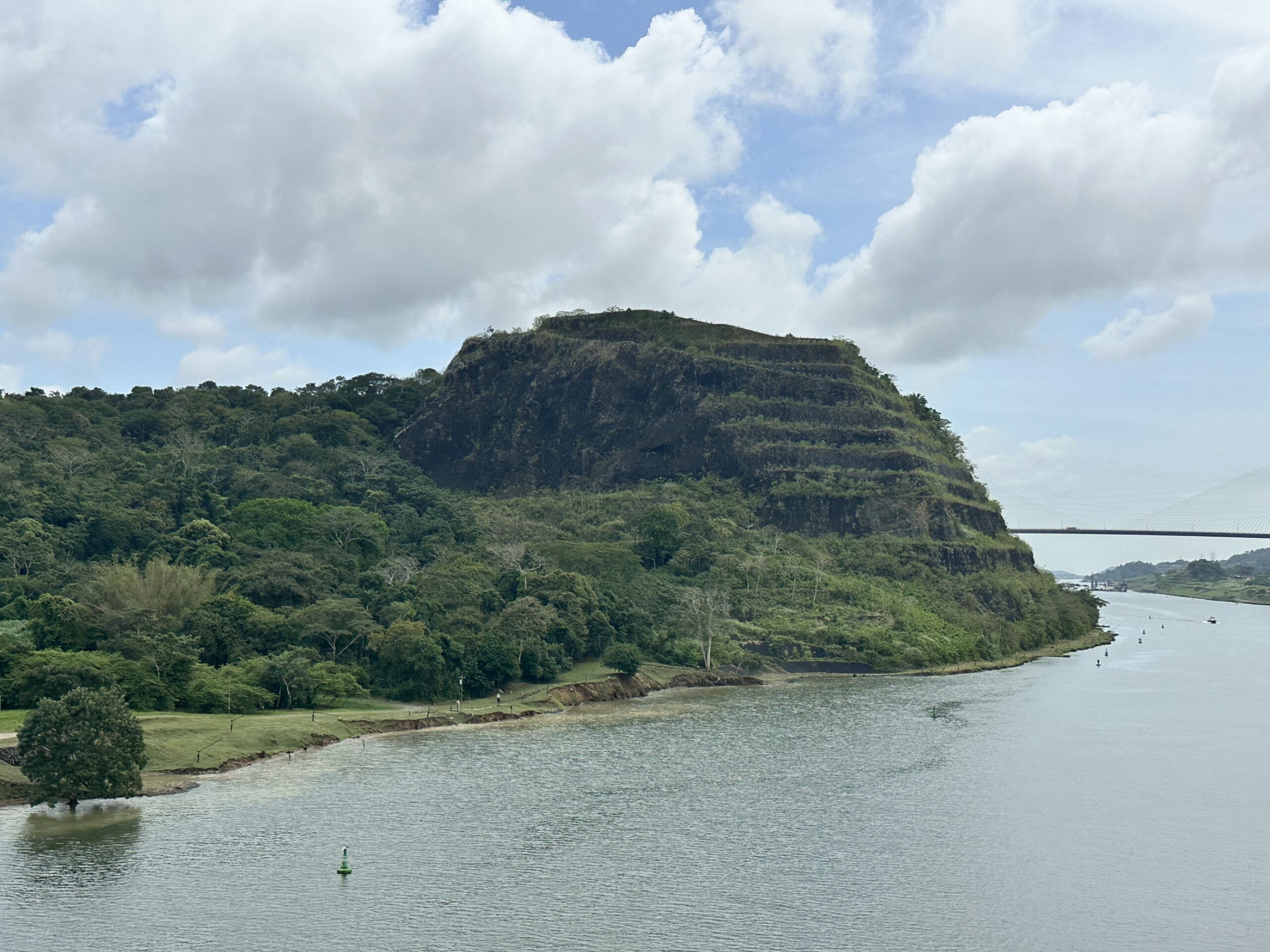
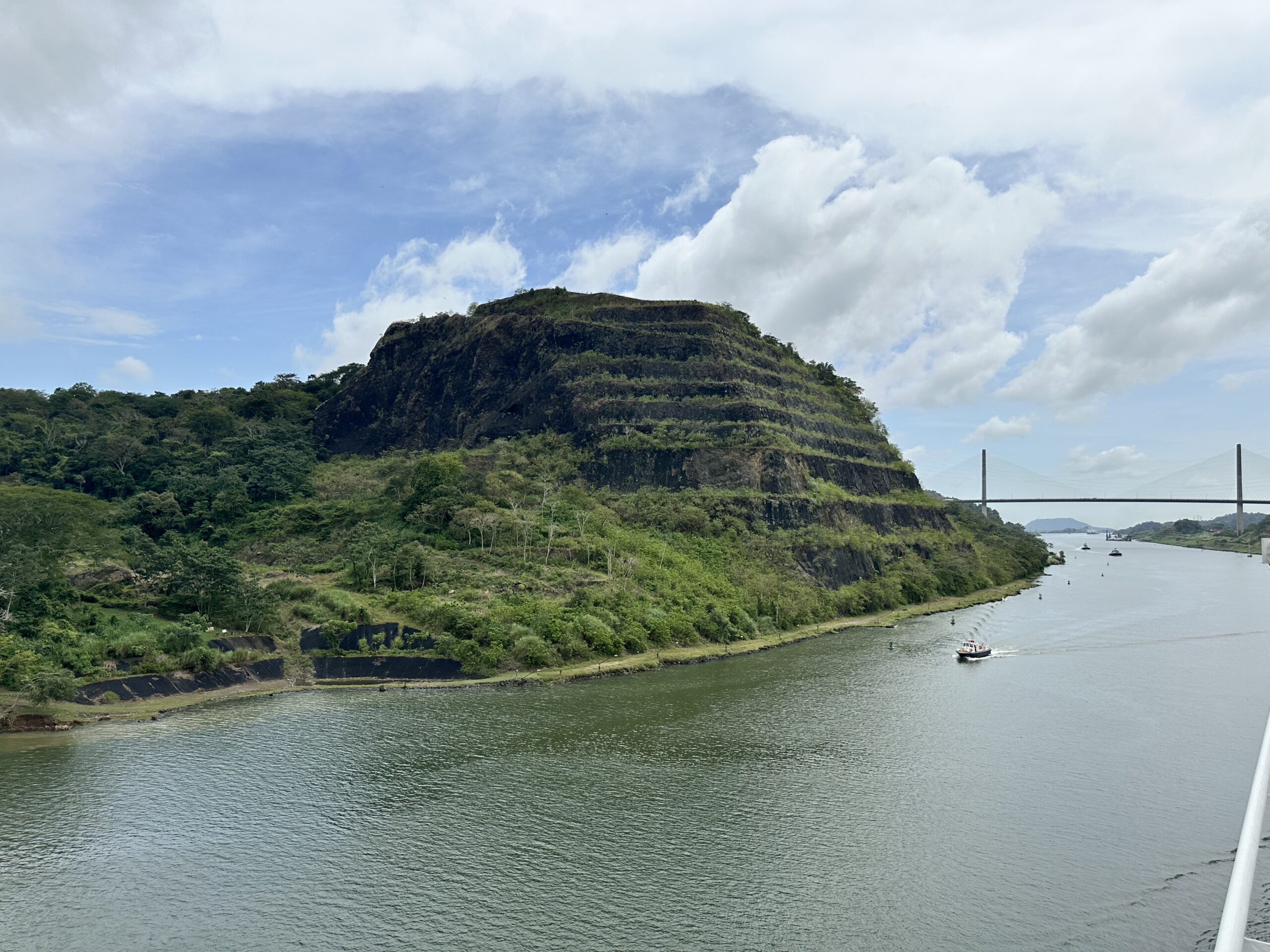
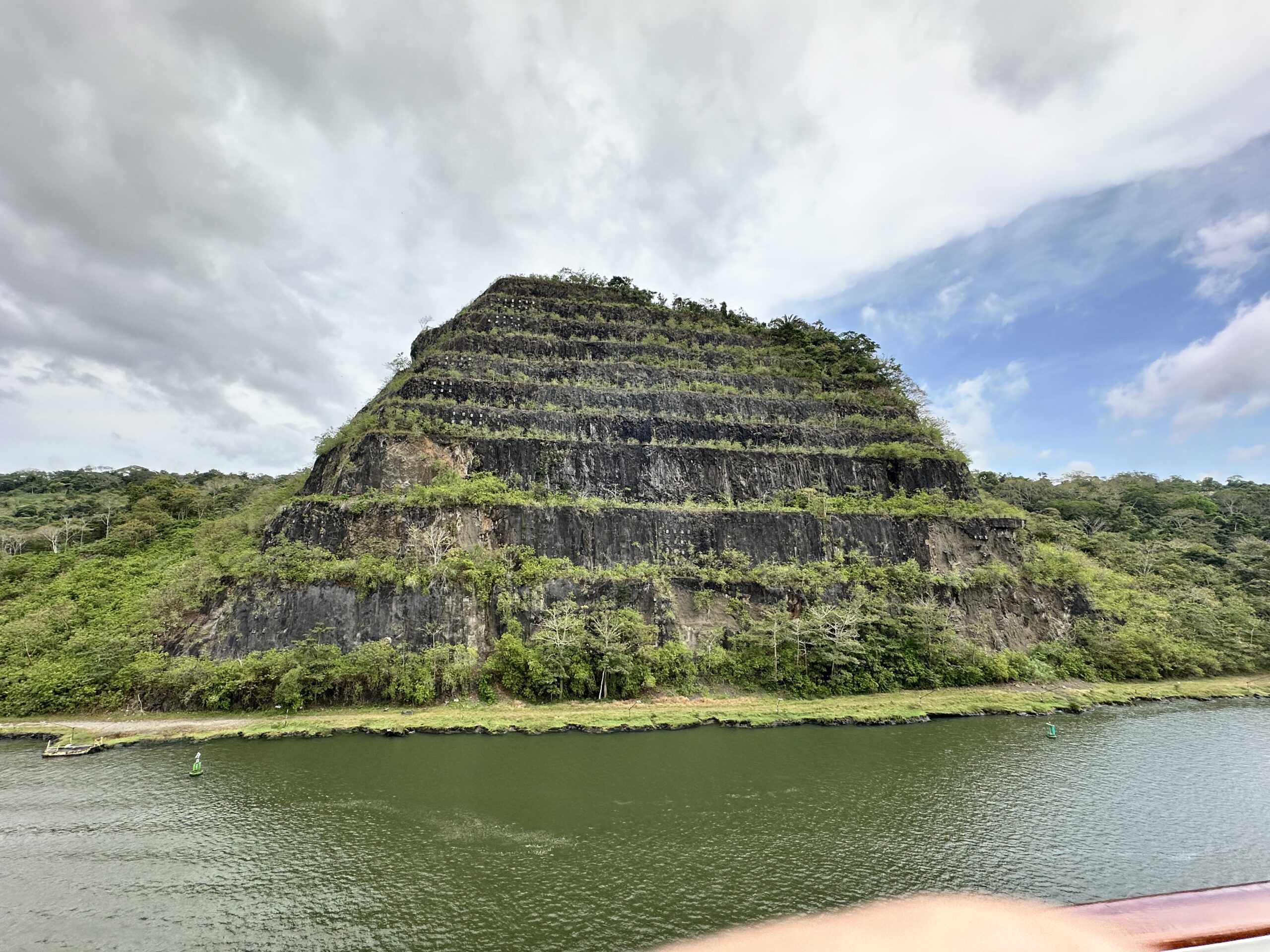
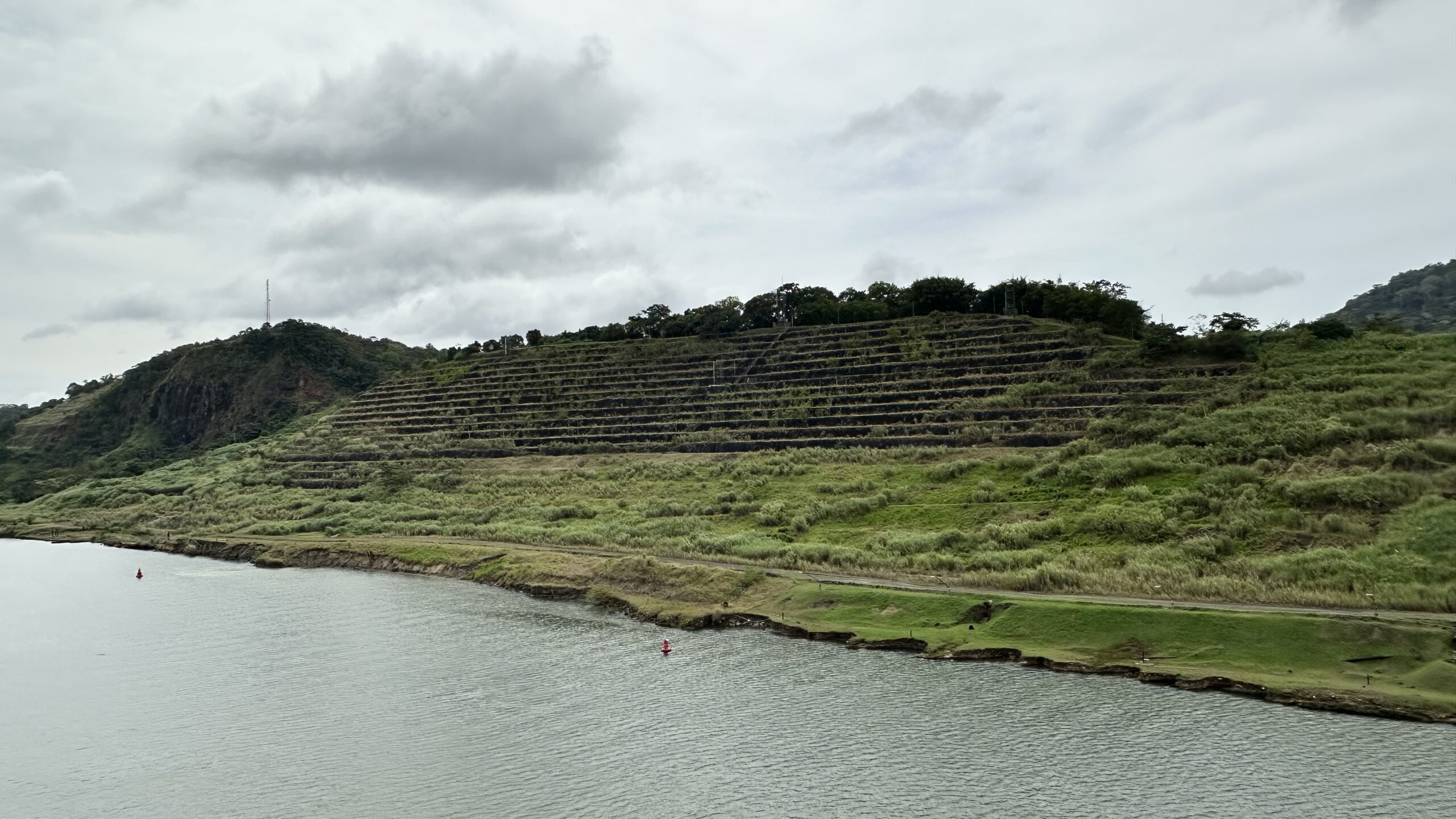
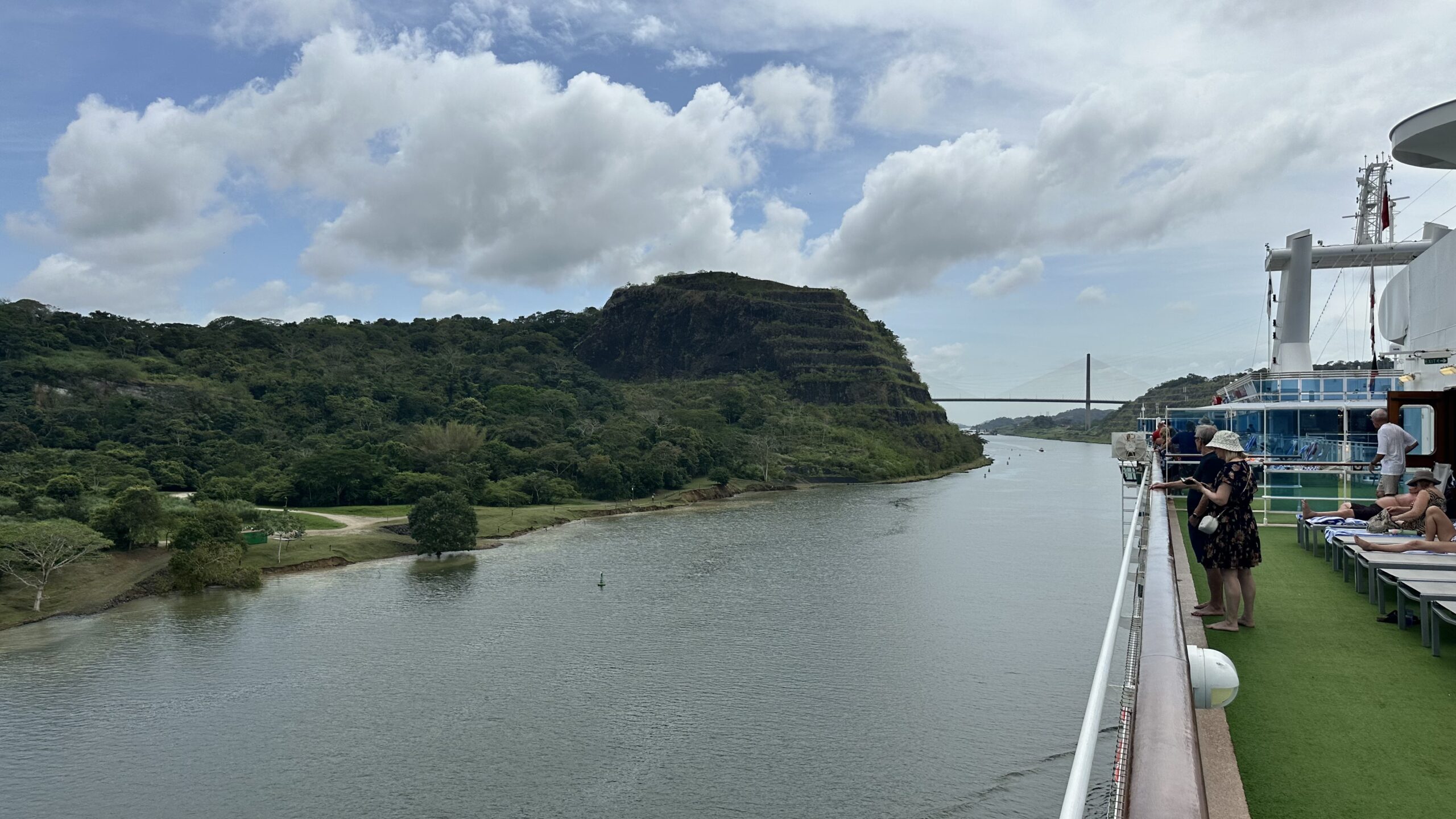
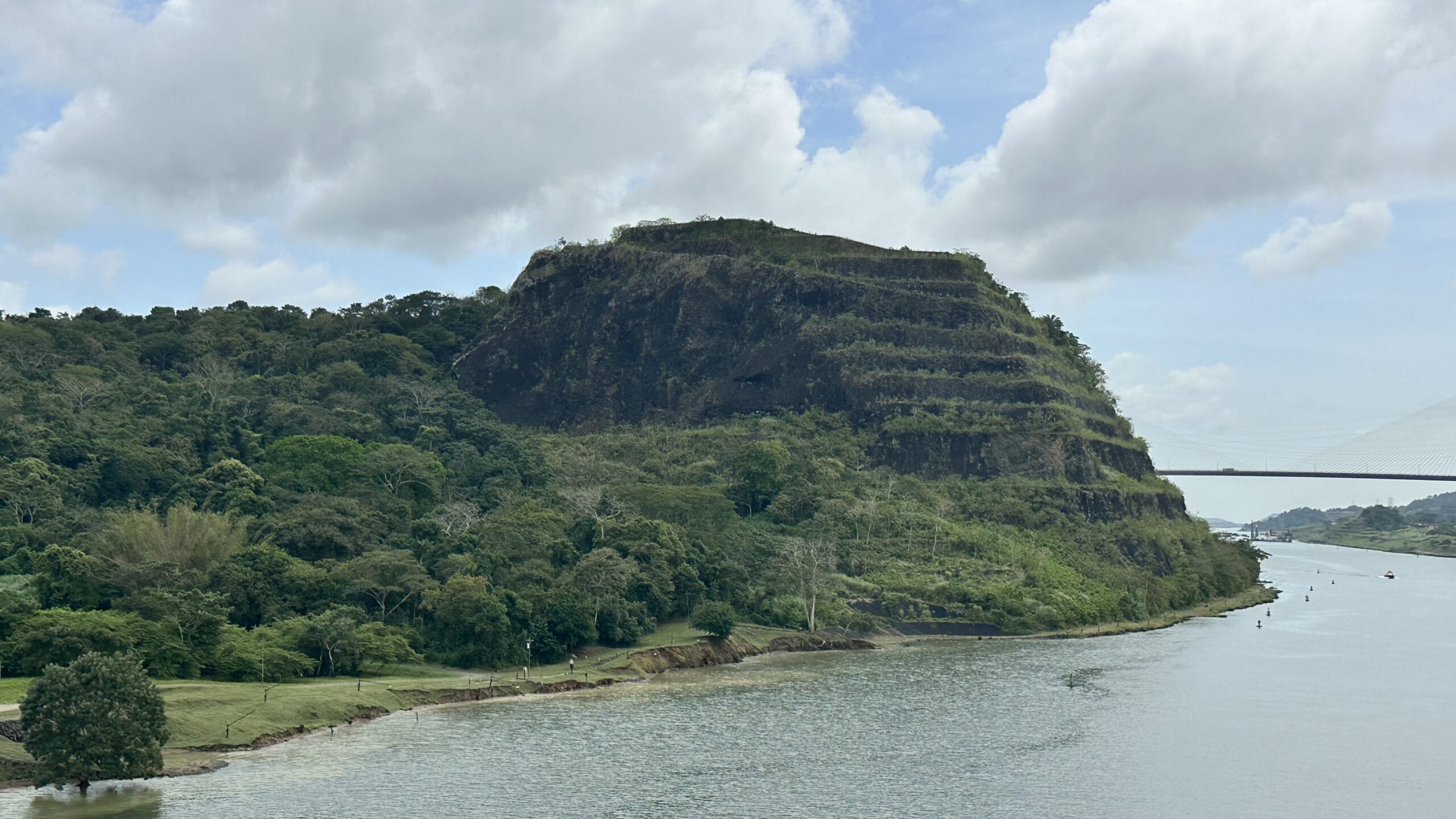
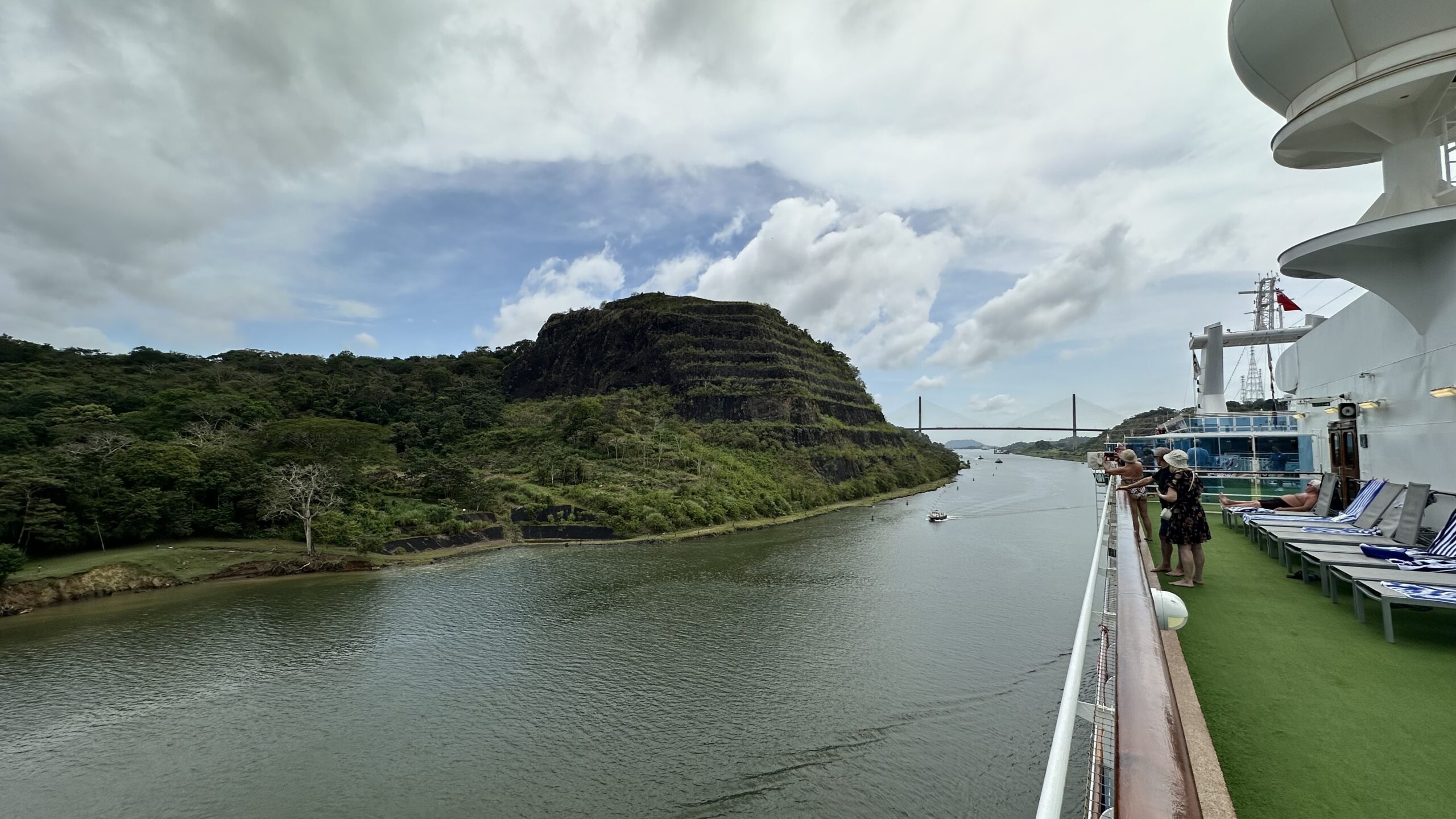
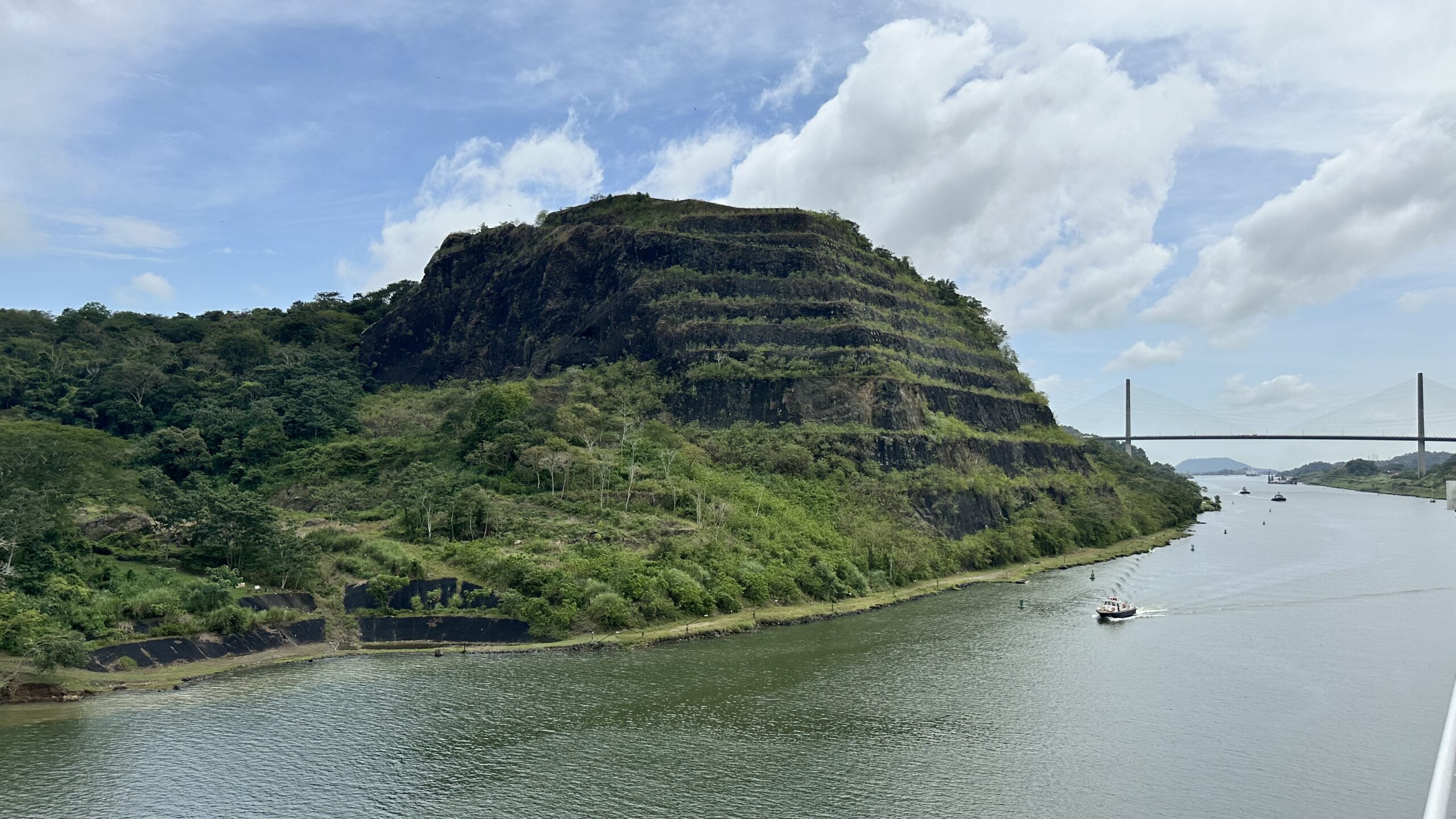
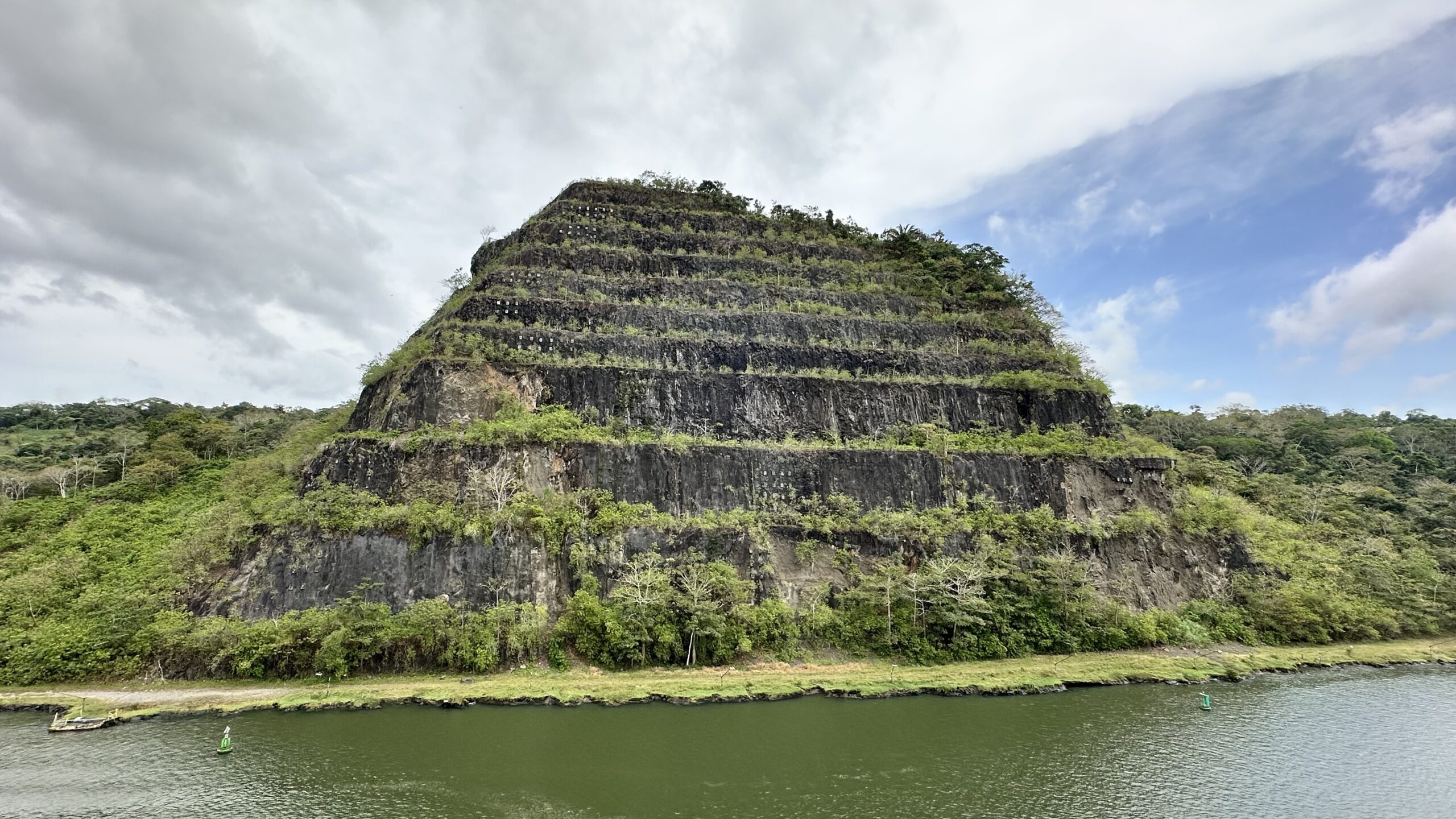
The canal was completed in 1914, almost on the day that WW1 started. The initial work went back to about 1870 by the French, who had a good start on the canal, but for a host of reasons did not complete it. The Americans took over, did a redesign and completed the work in 10 years, and were were aided by a British doctor who figured out that Yellow Fever and Malaria, which were killing many workers, was being transmitted by mosquitos. 20,000 workers died during the French construction and a further 5,000 during the American, not only from Yellow Fever and Malaria but other diseases and accidents. Near the end, over 40,000 workers were employed, many to assist completion of the Culebra Cut, which is the terraced portion in the pictures.
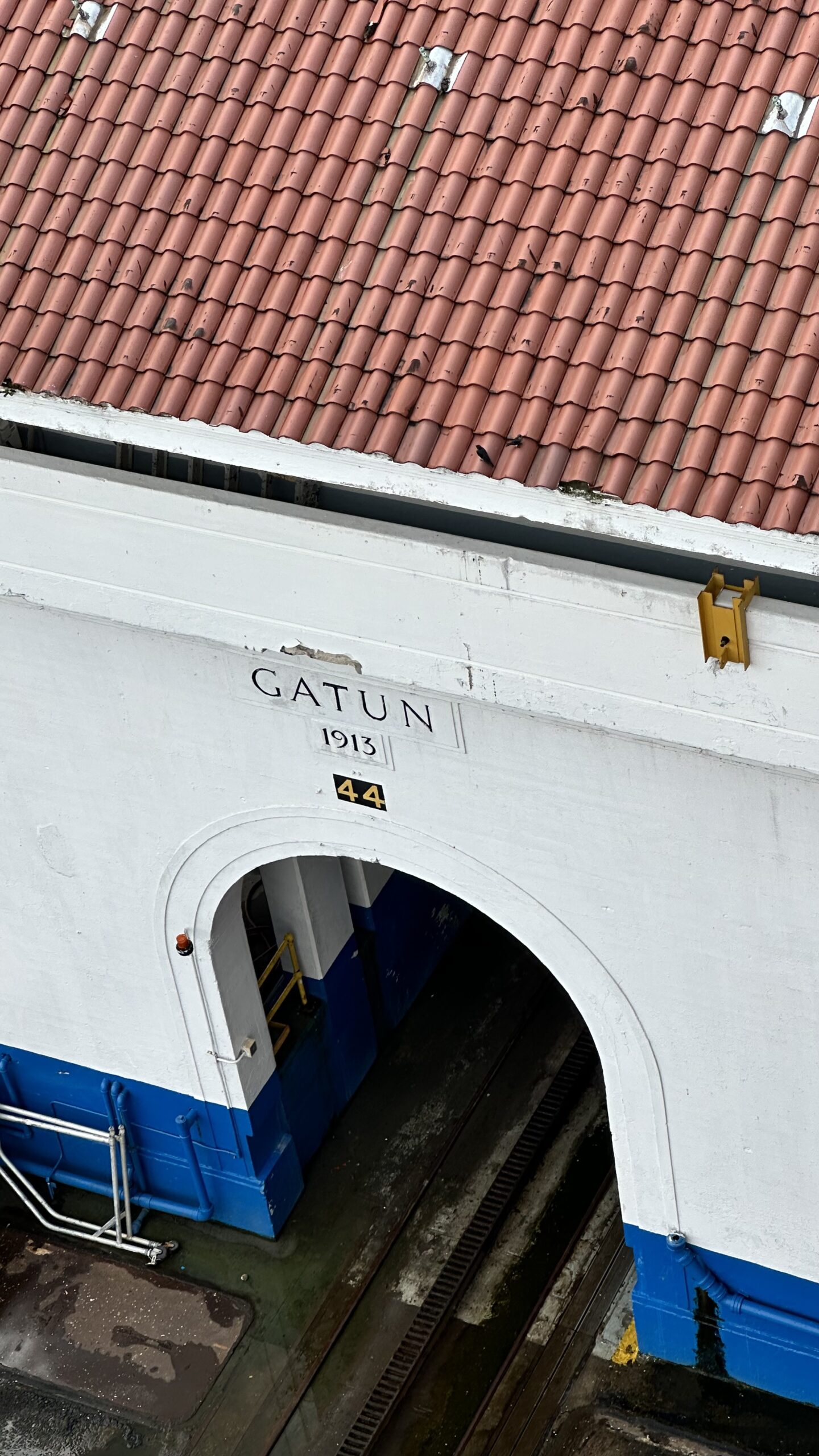
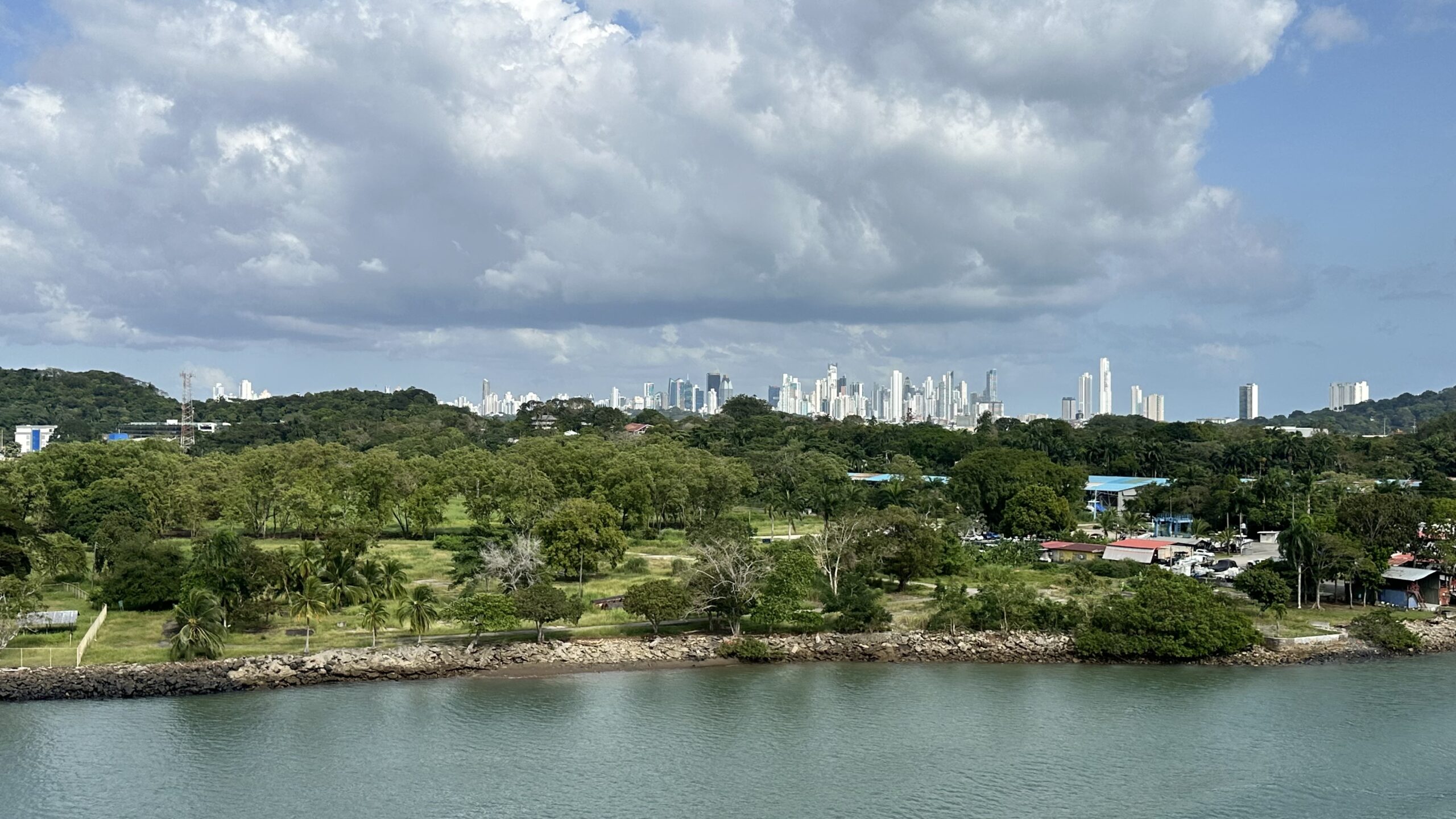
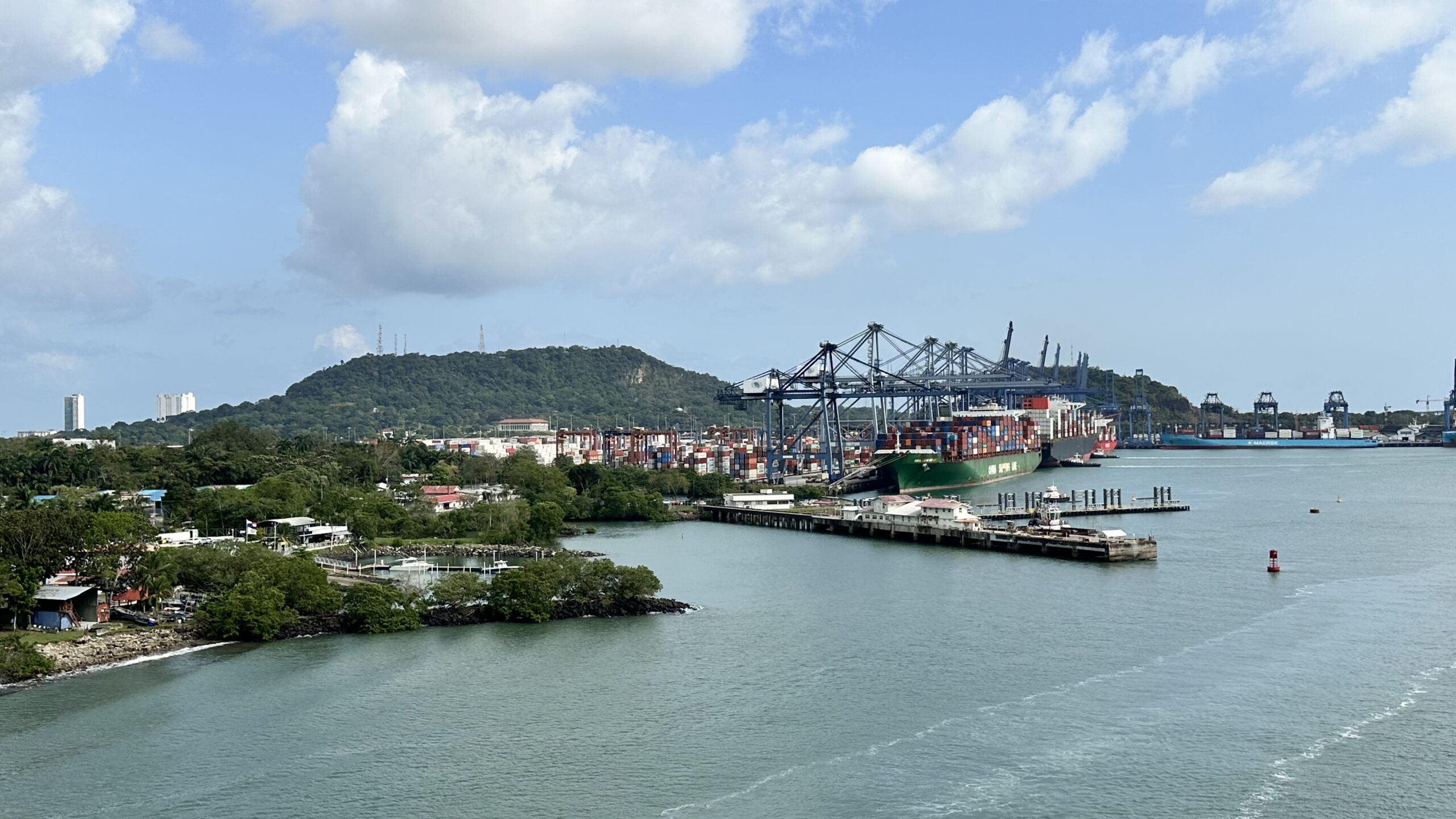
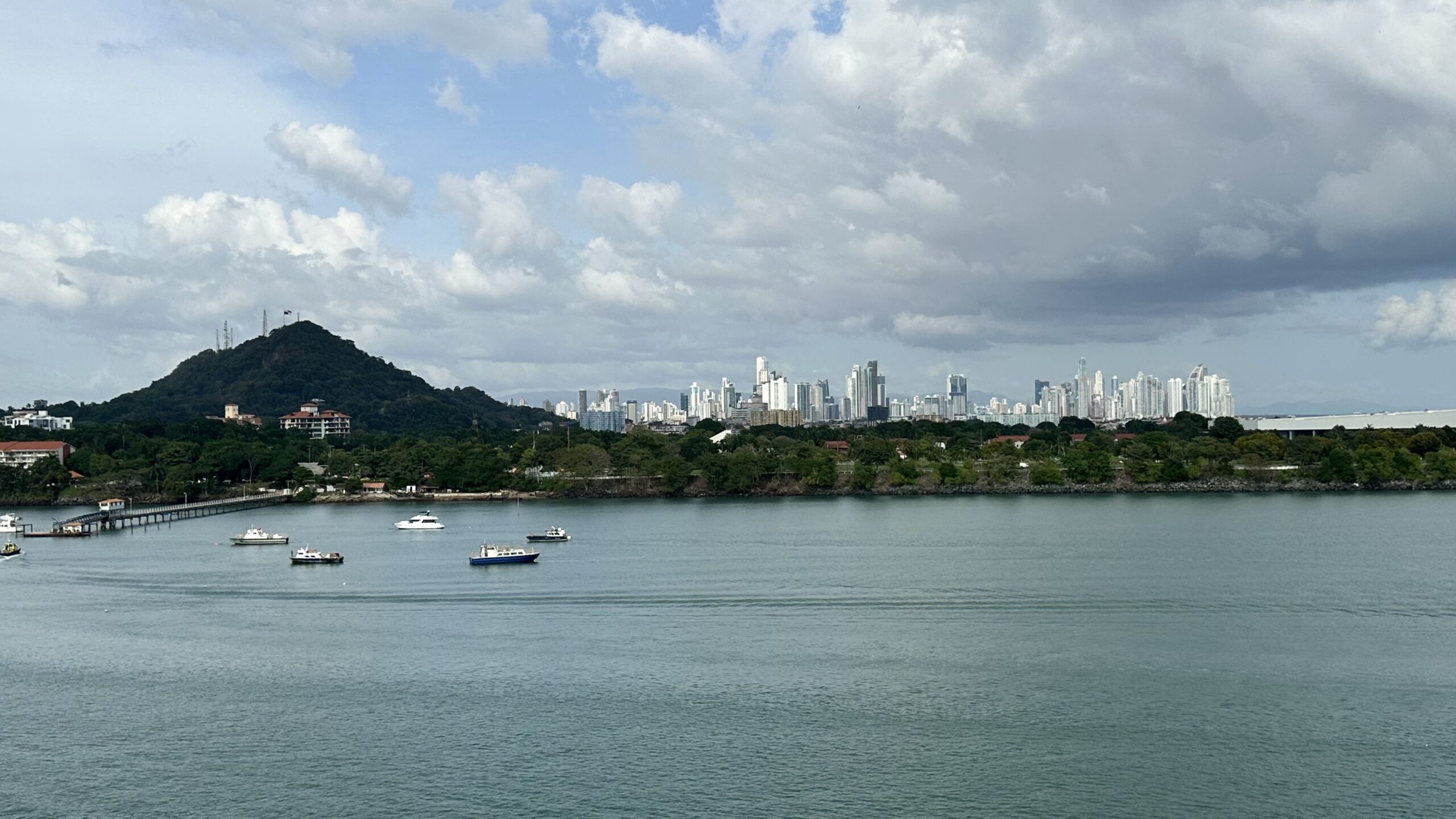
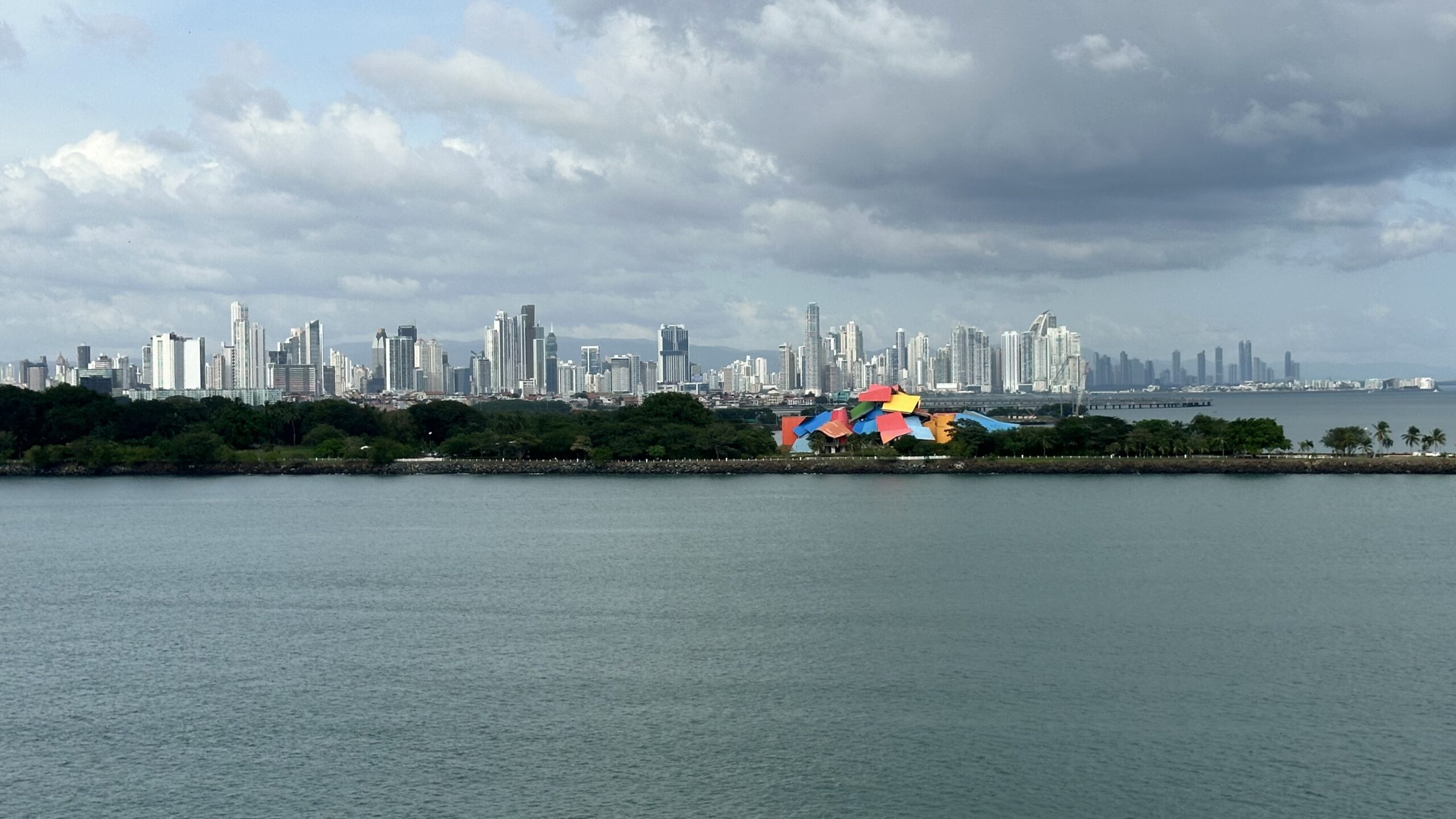
The canal locks have been upgraded but our ship was small enough to transit the original locks. We entered on the Atlantic side at Colon and we went up a 3 step set of locks raising us 90′ to the man-made lake, Lake Gatun. Nearing the Pacific, close to Panama City, we went through a single lock, then a 2 stage lock to lower us to sea level. Interesting note…sea levels at the Pacific and the Atlantic are not the same.
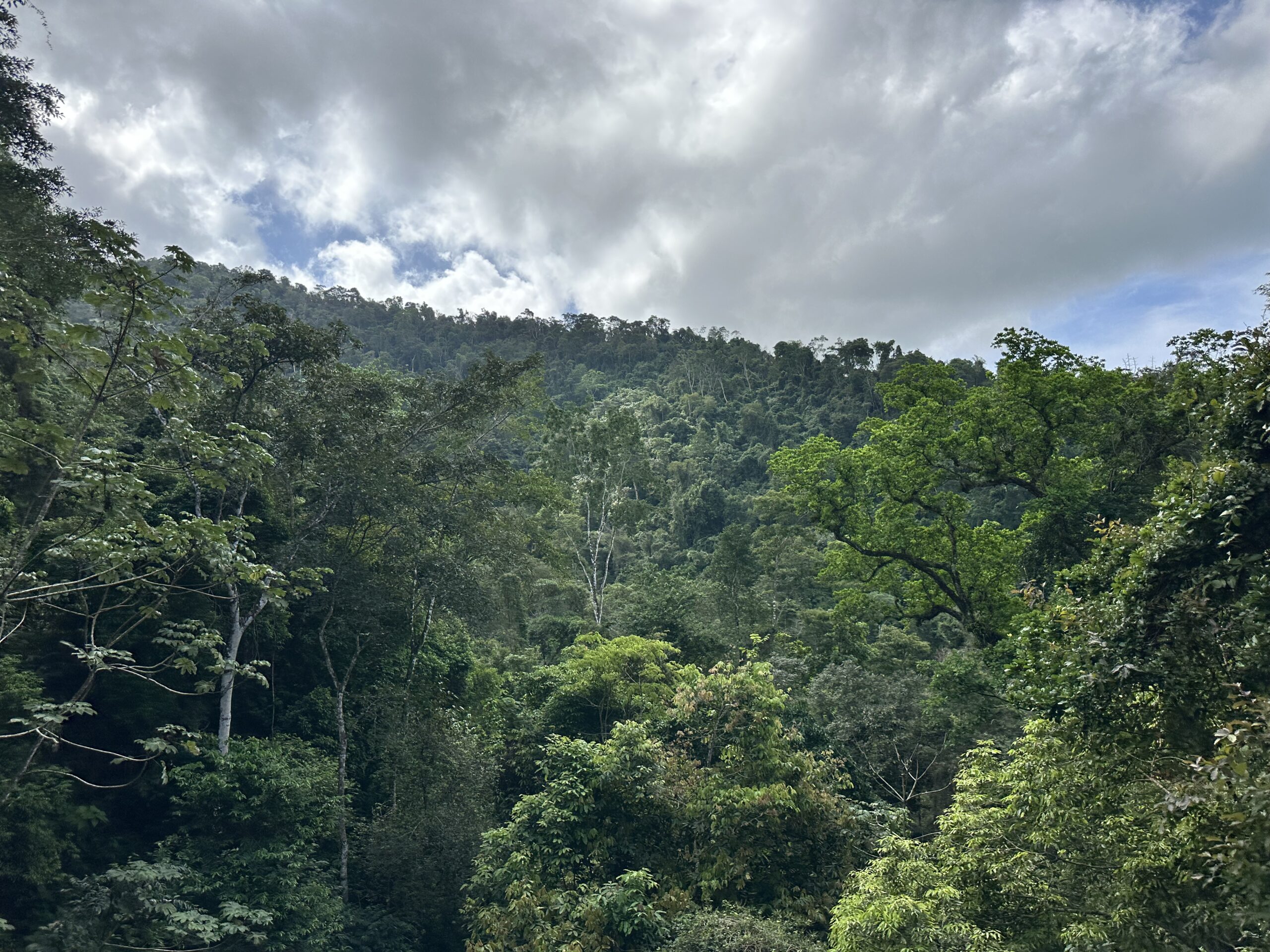
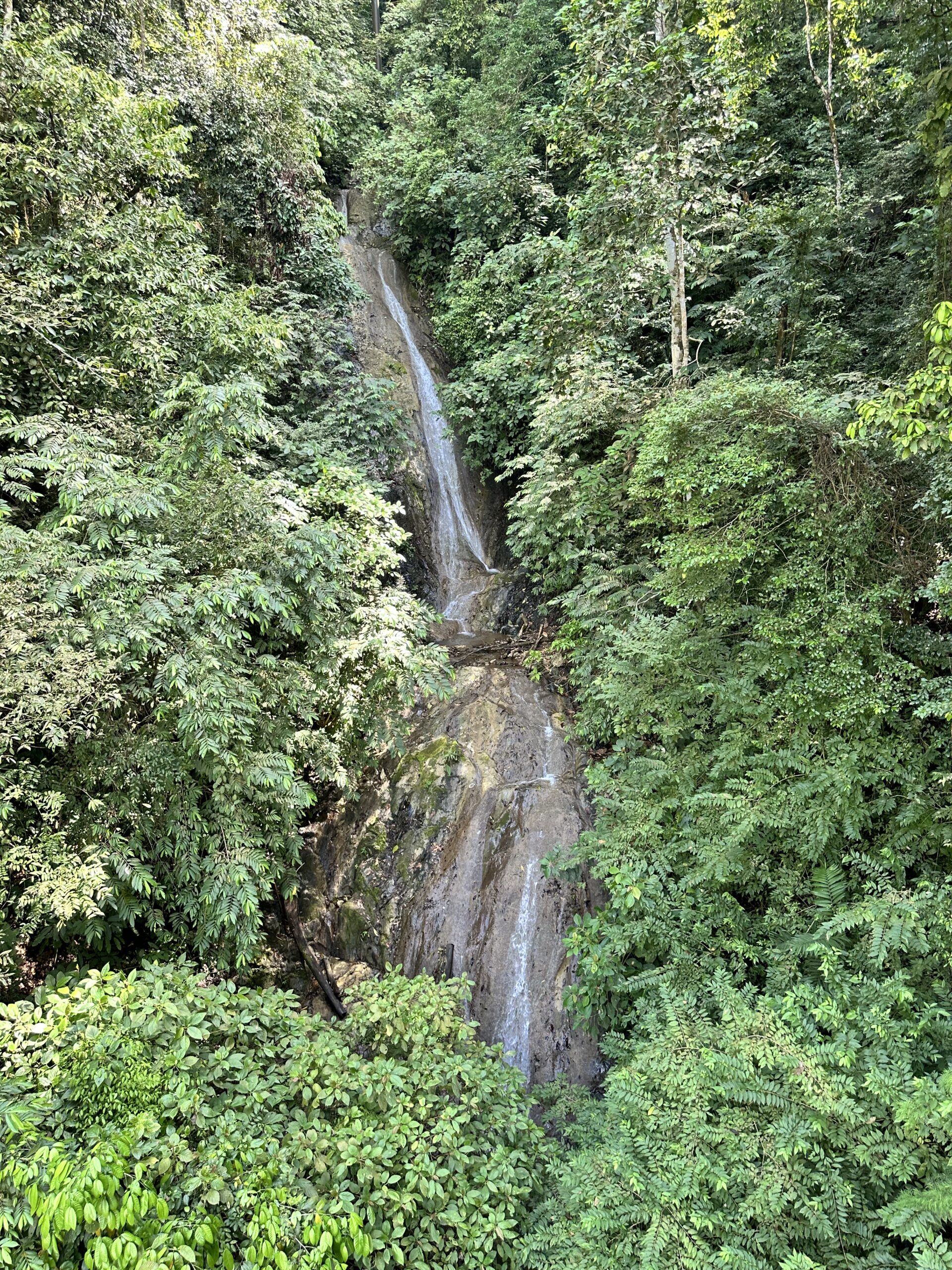
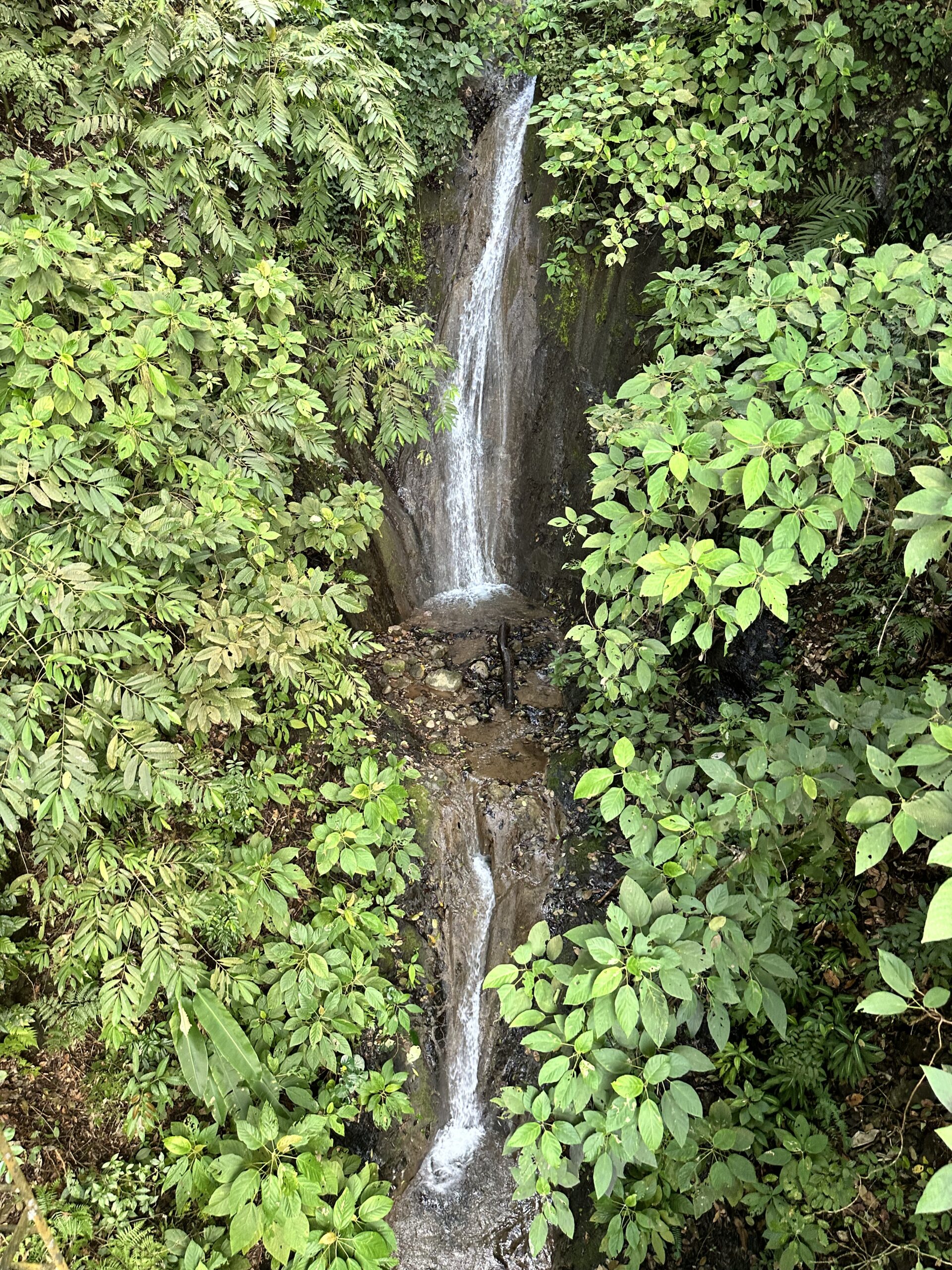
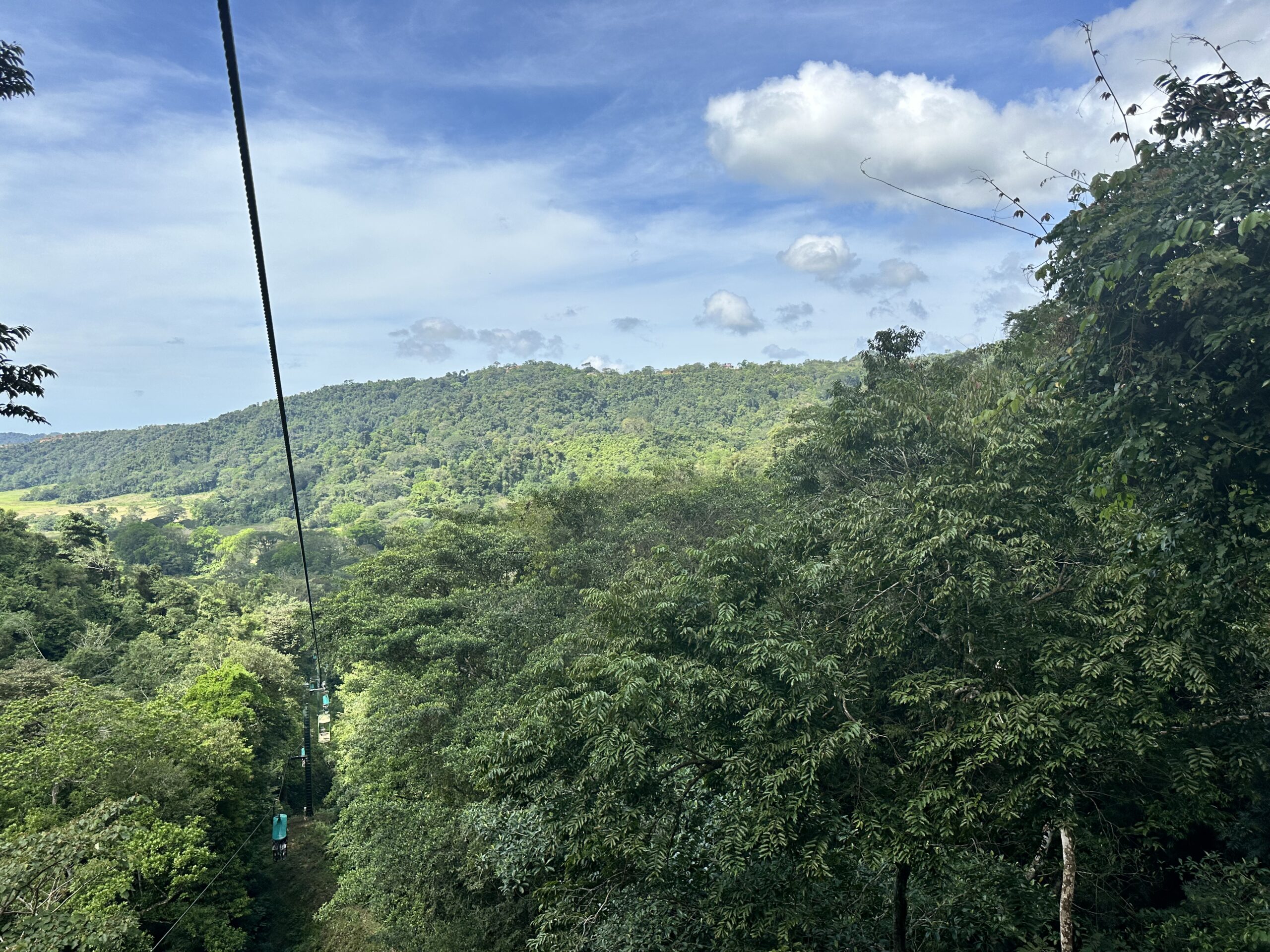
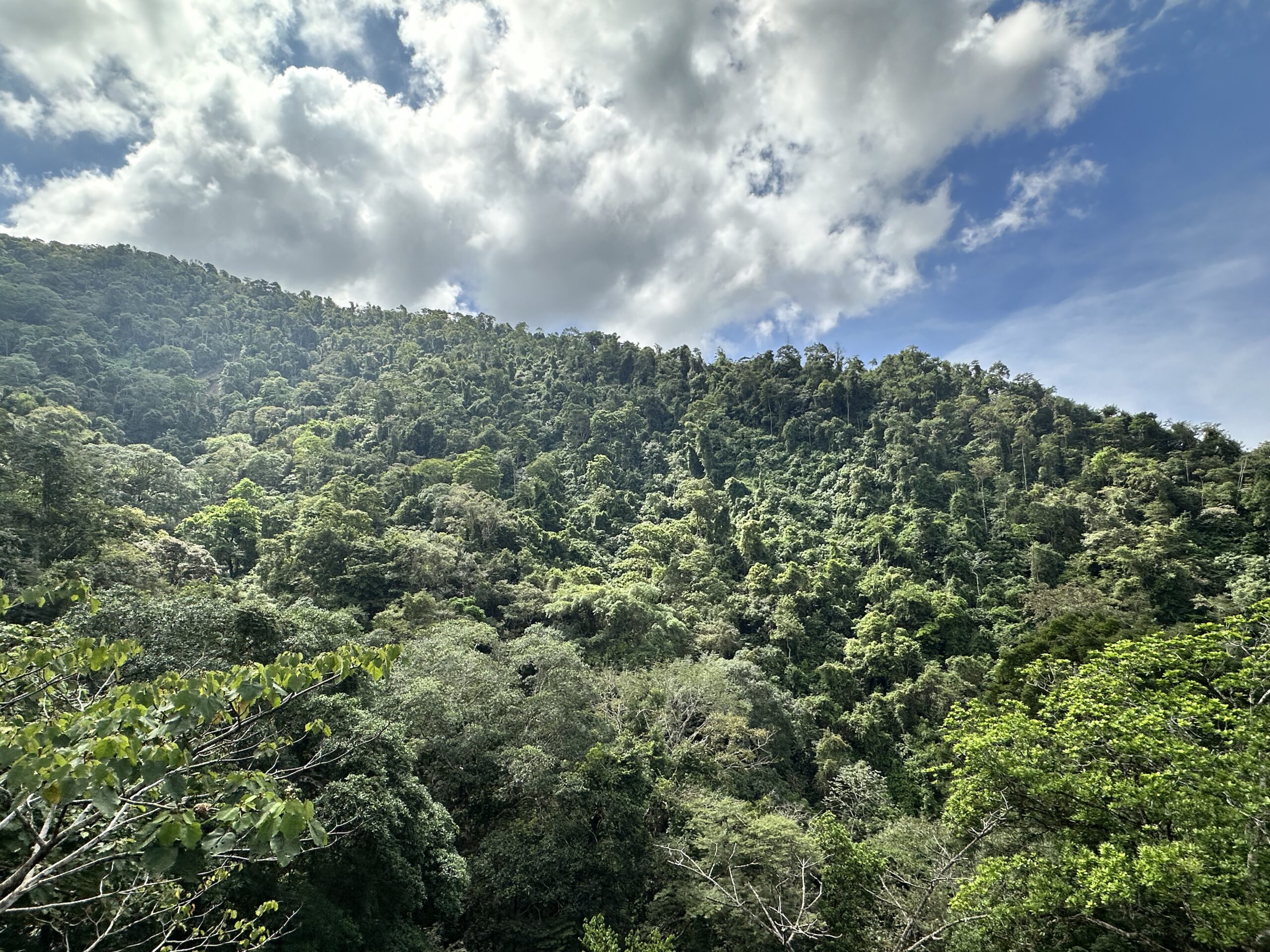
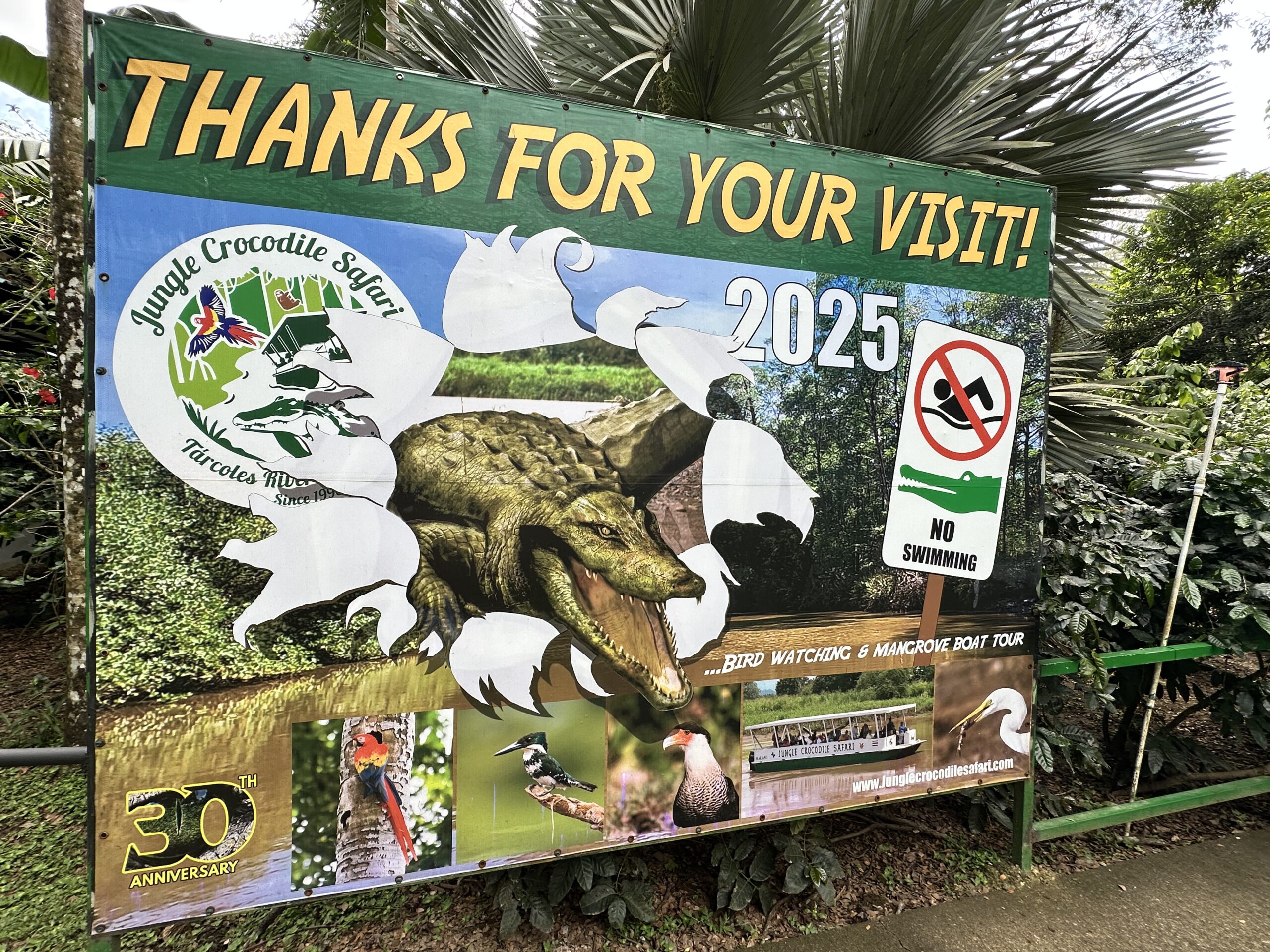
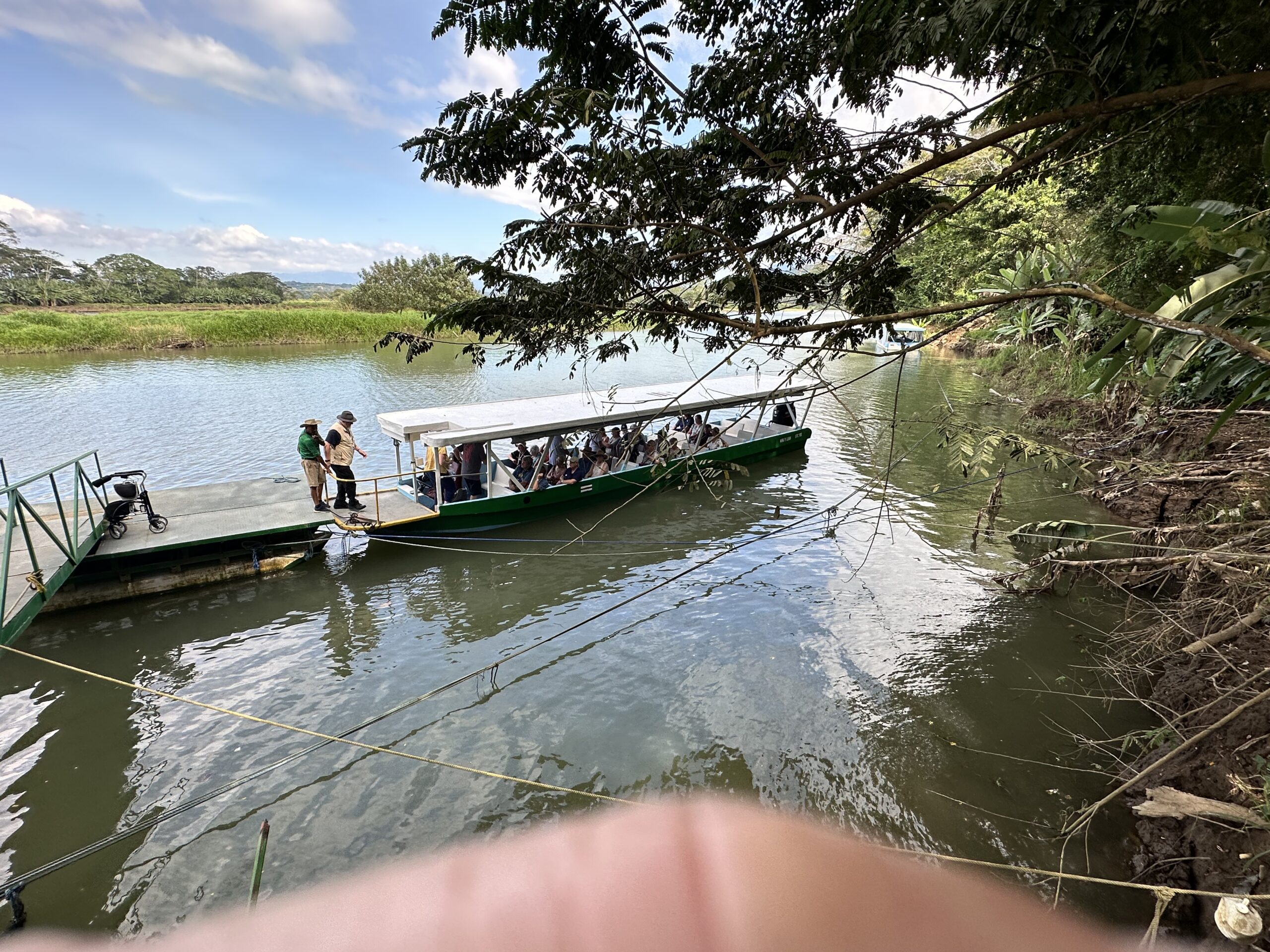
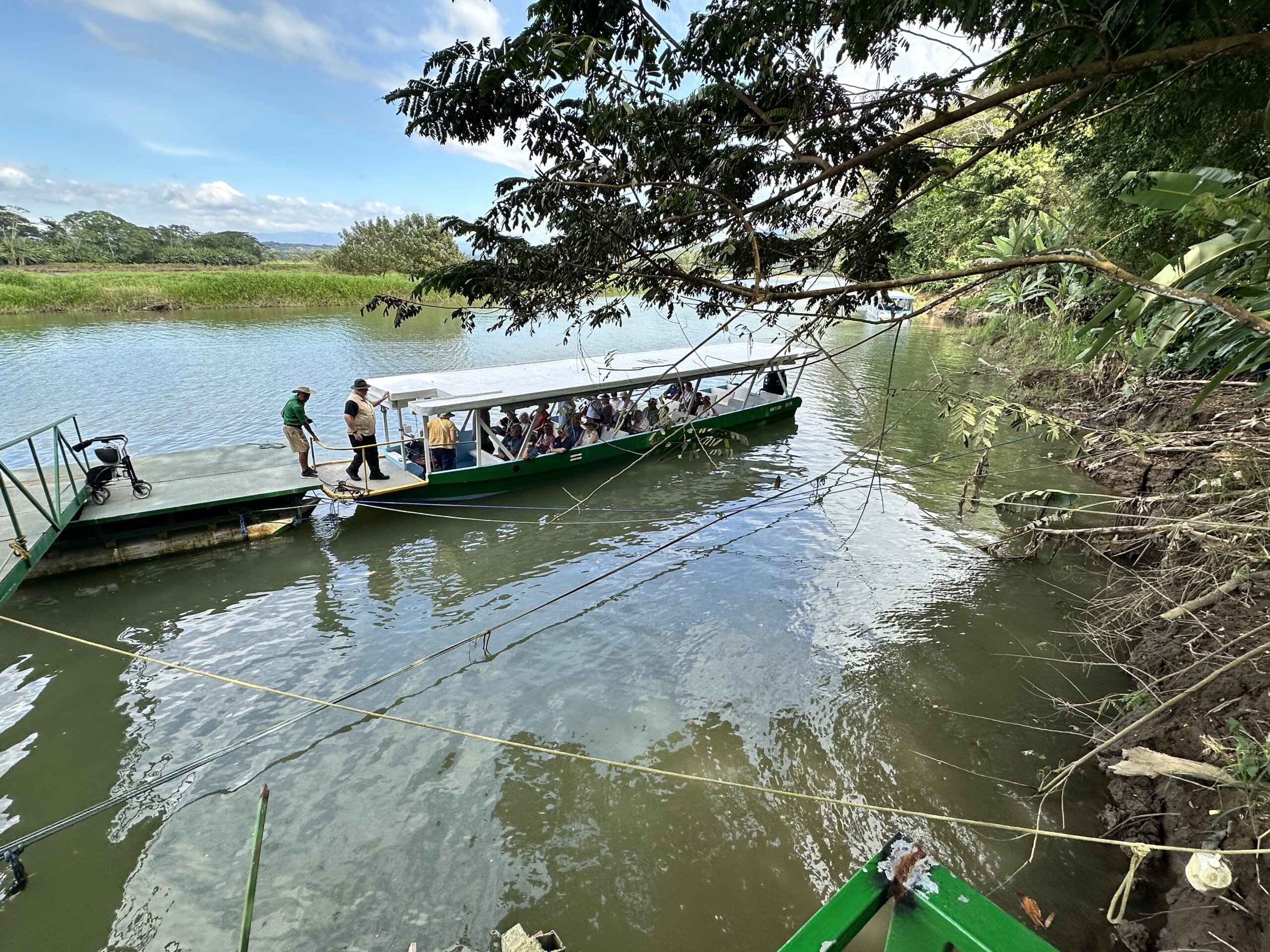
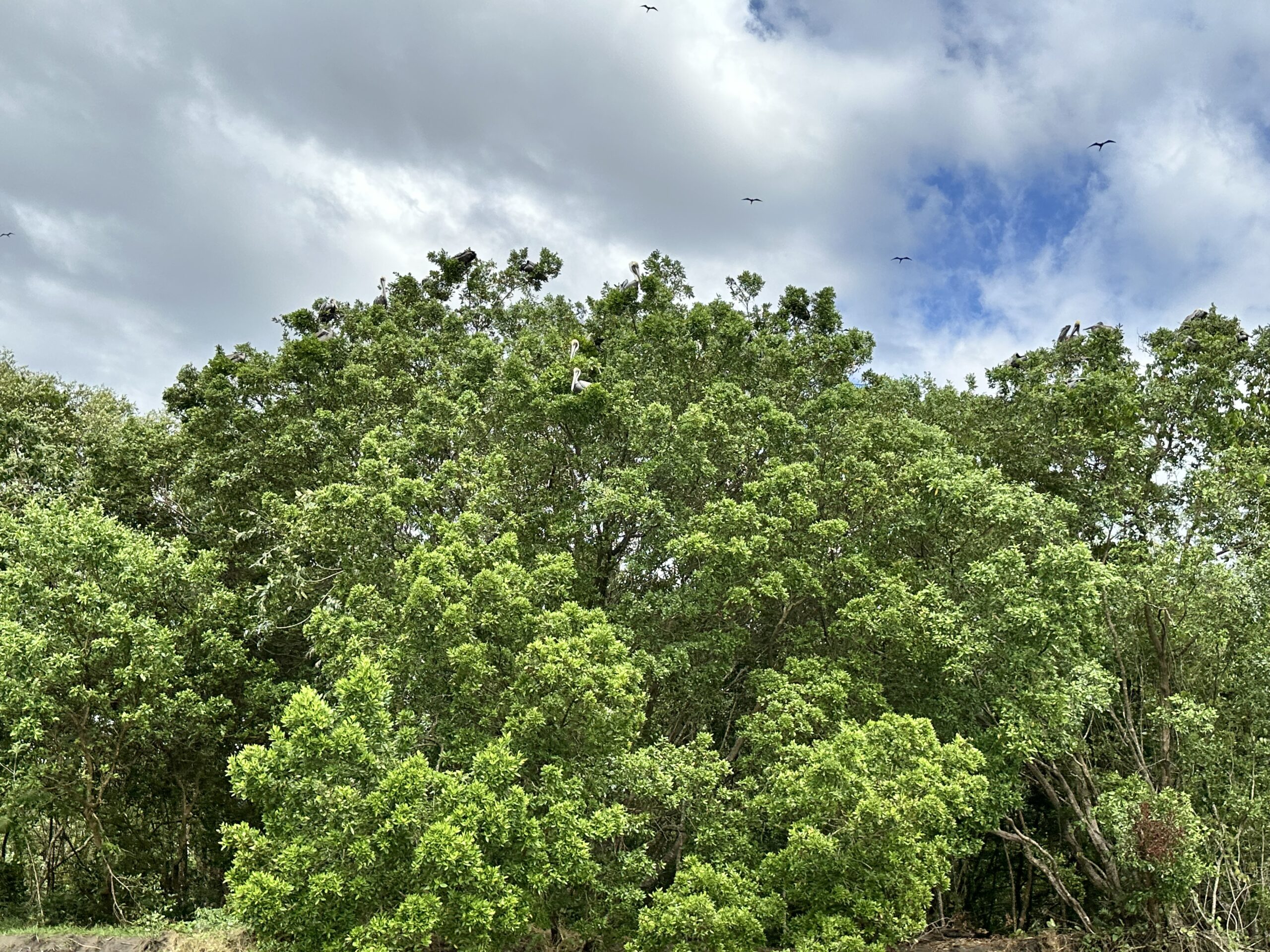
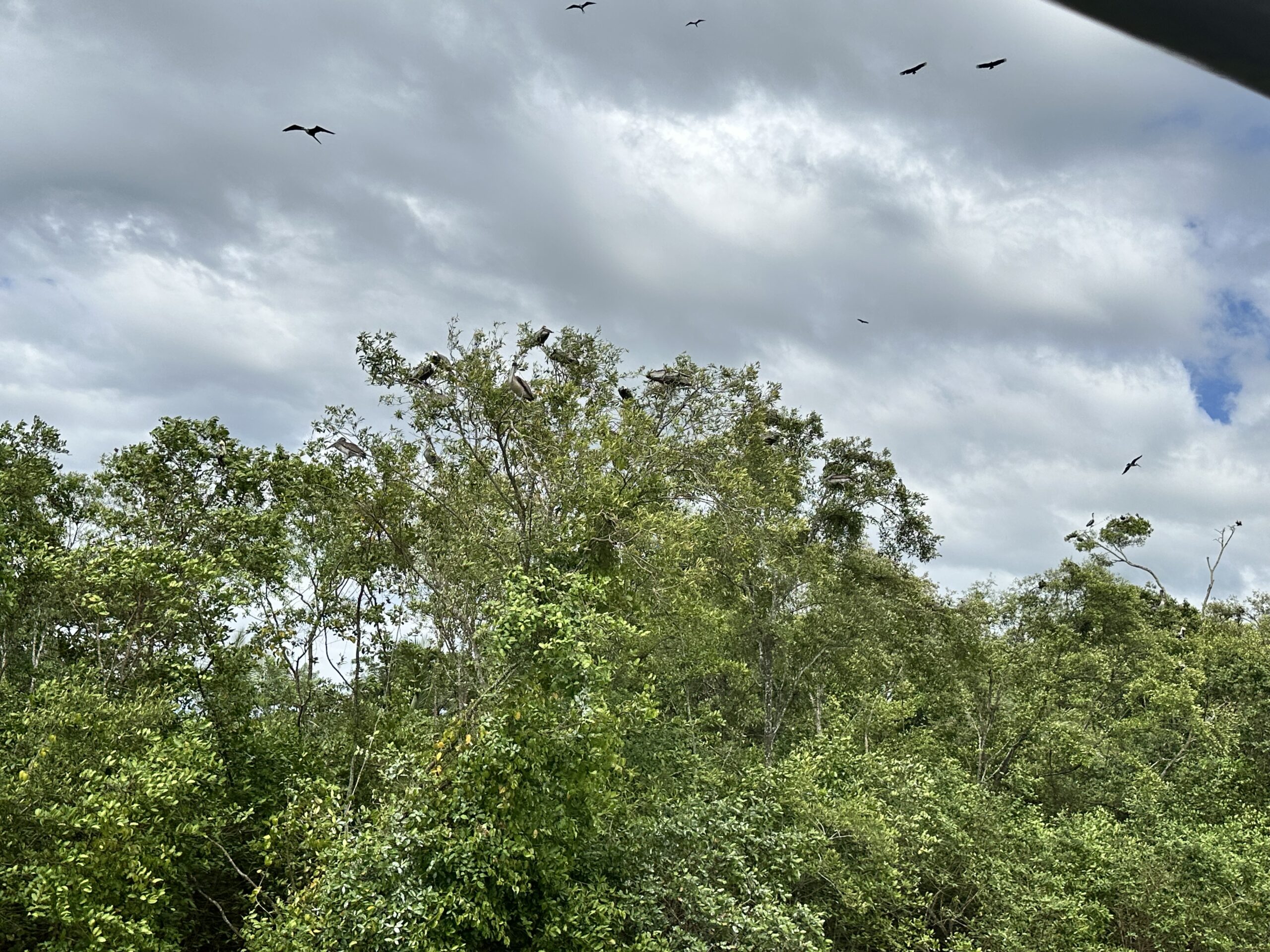
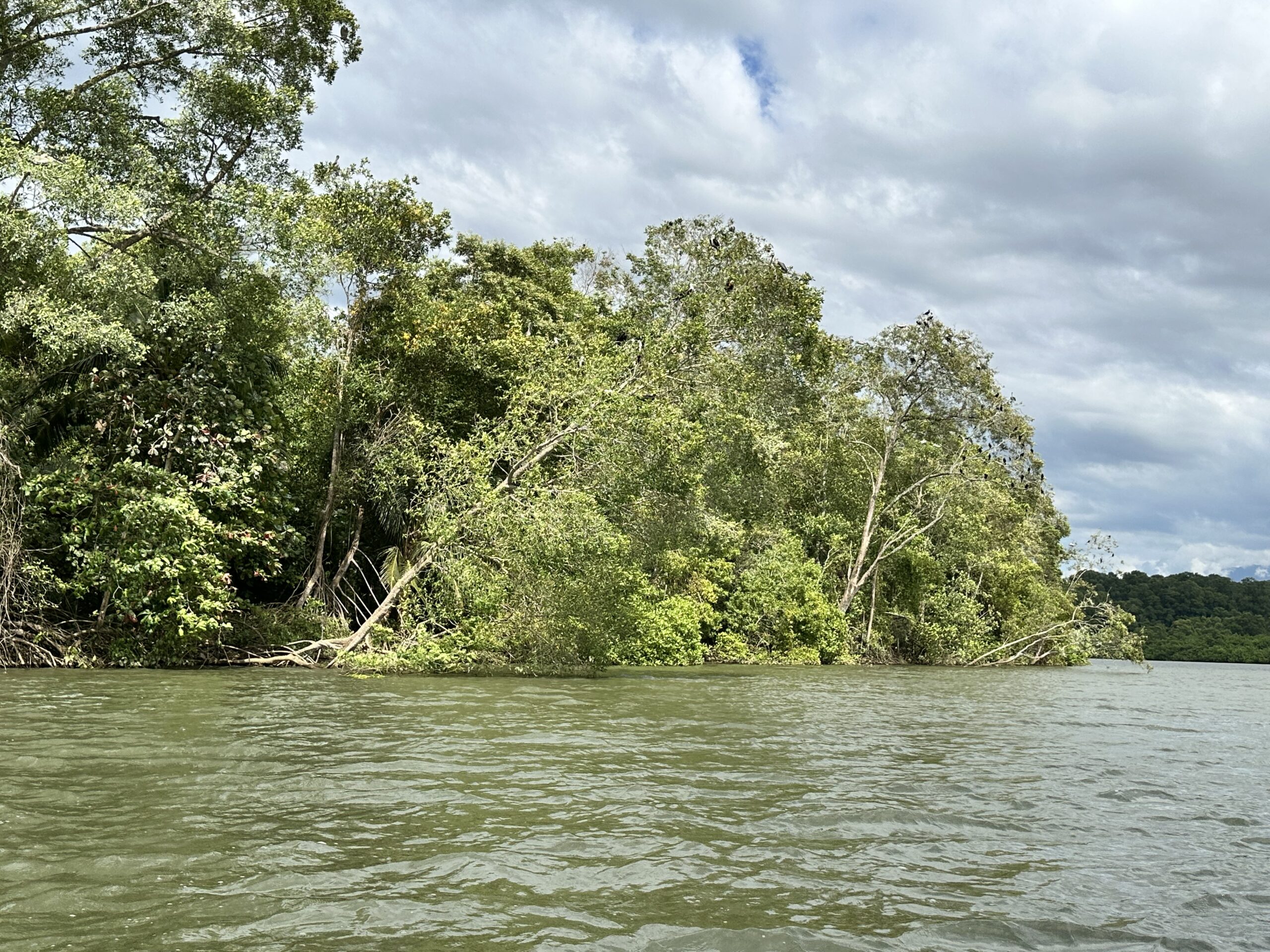
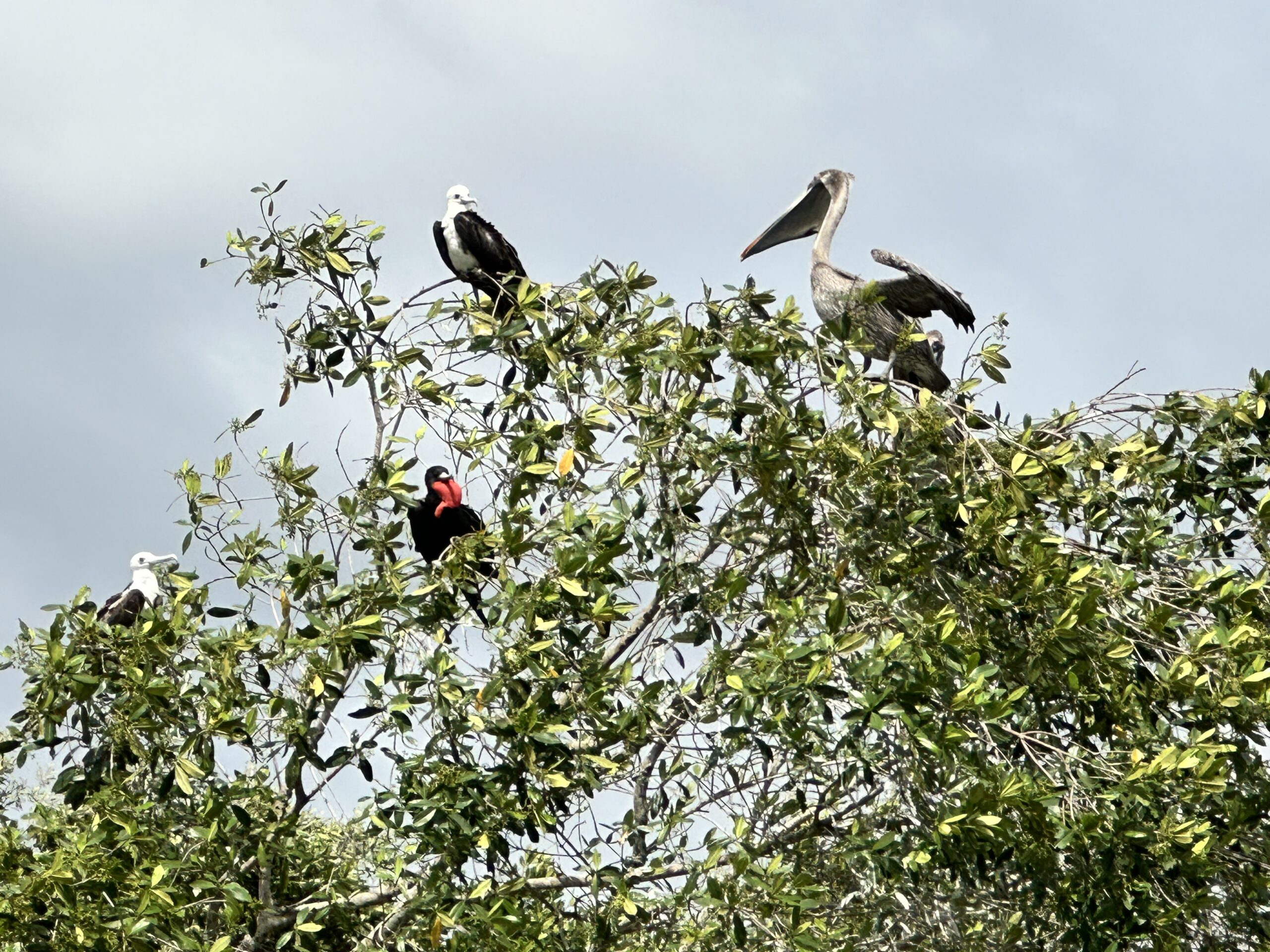
Costa Rica
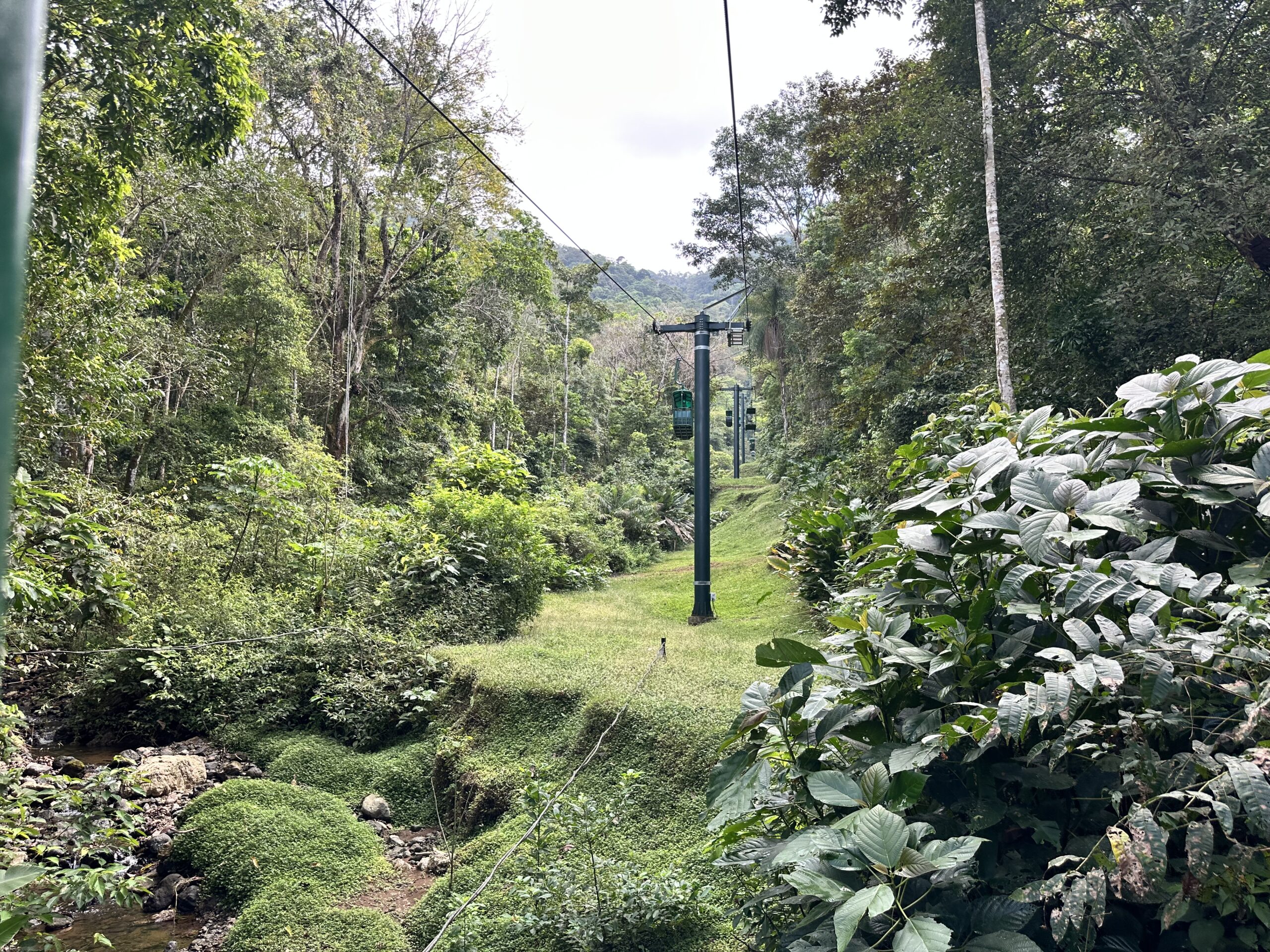
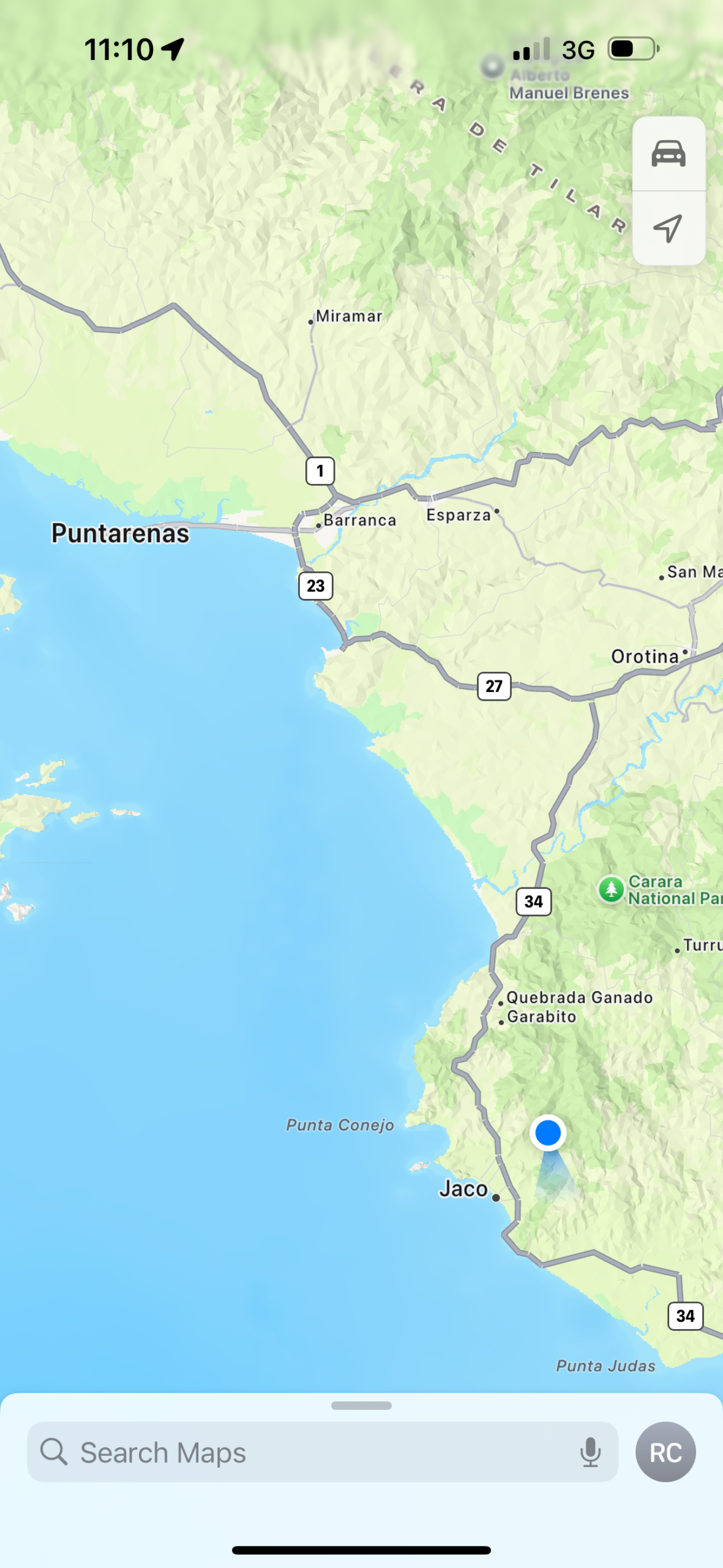
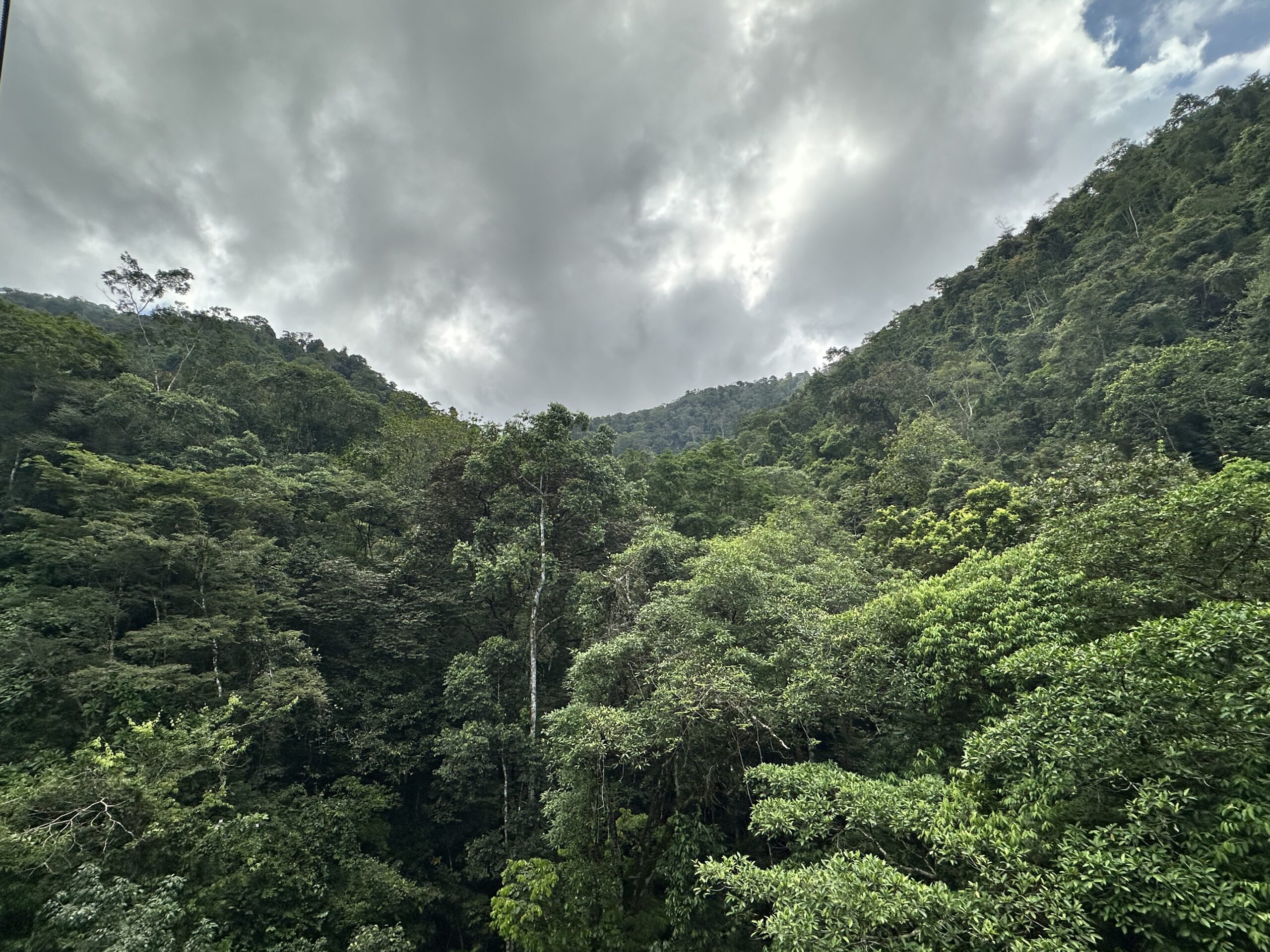
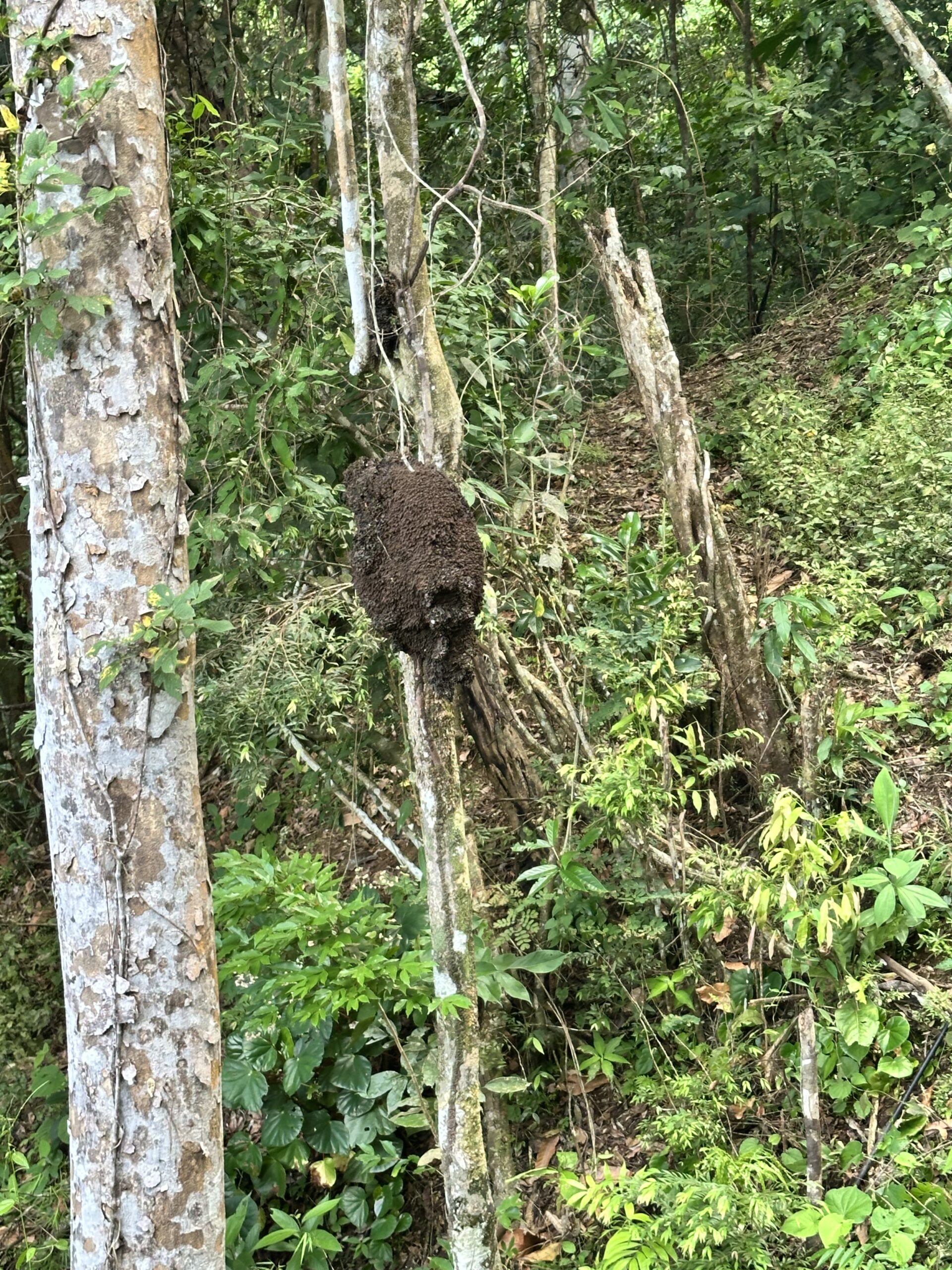
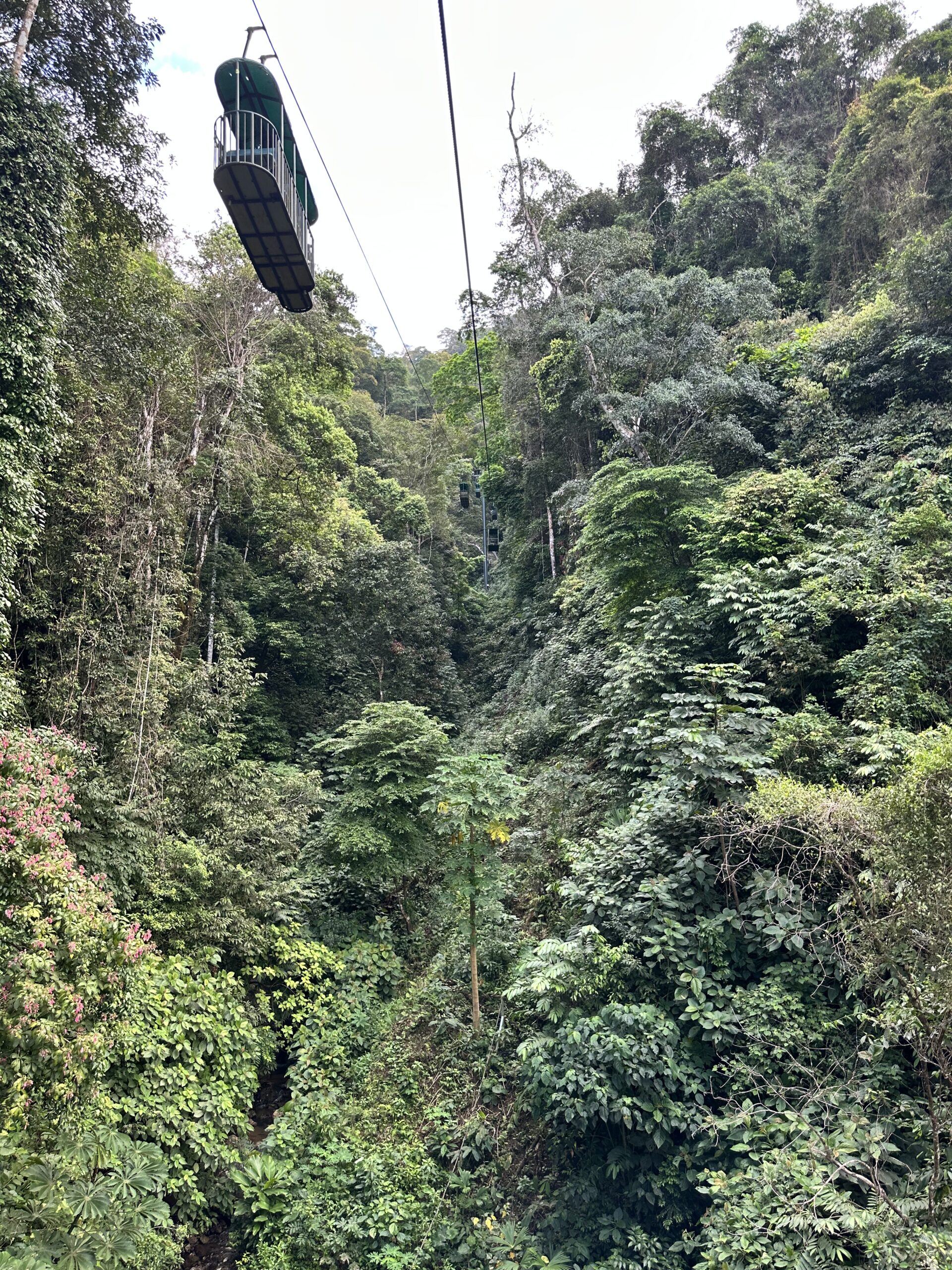
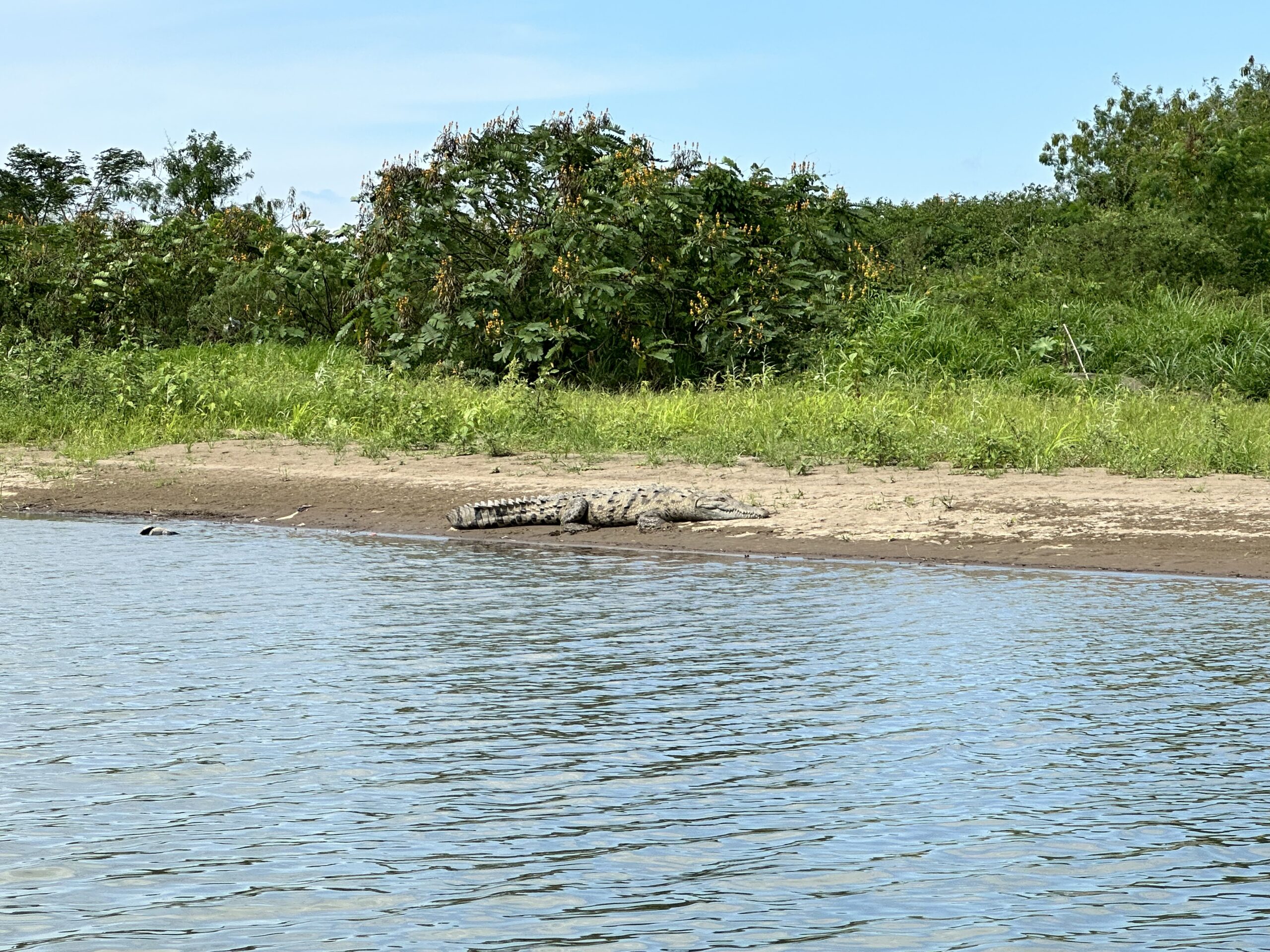
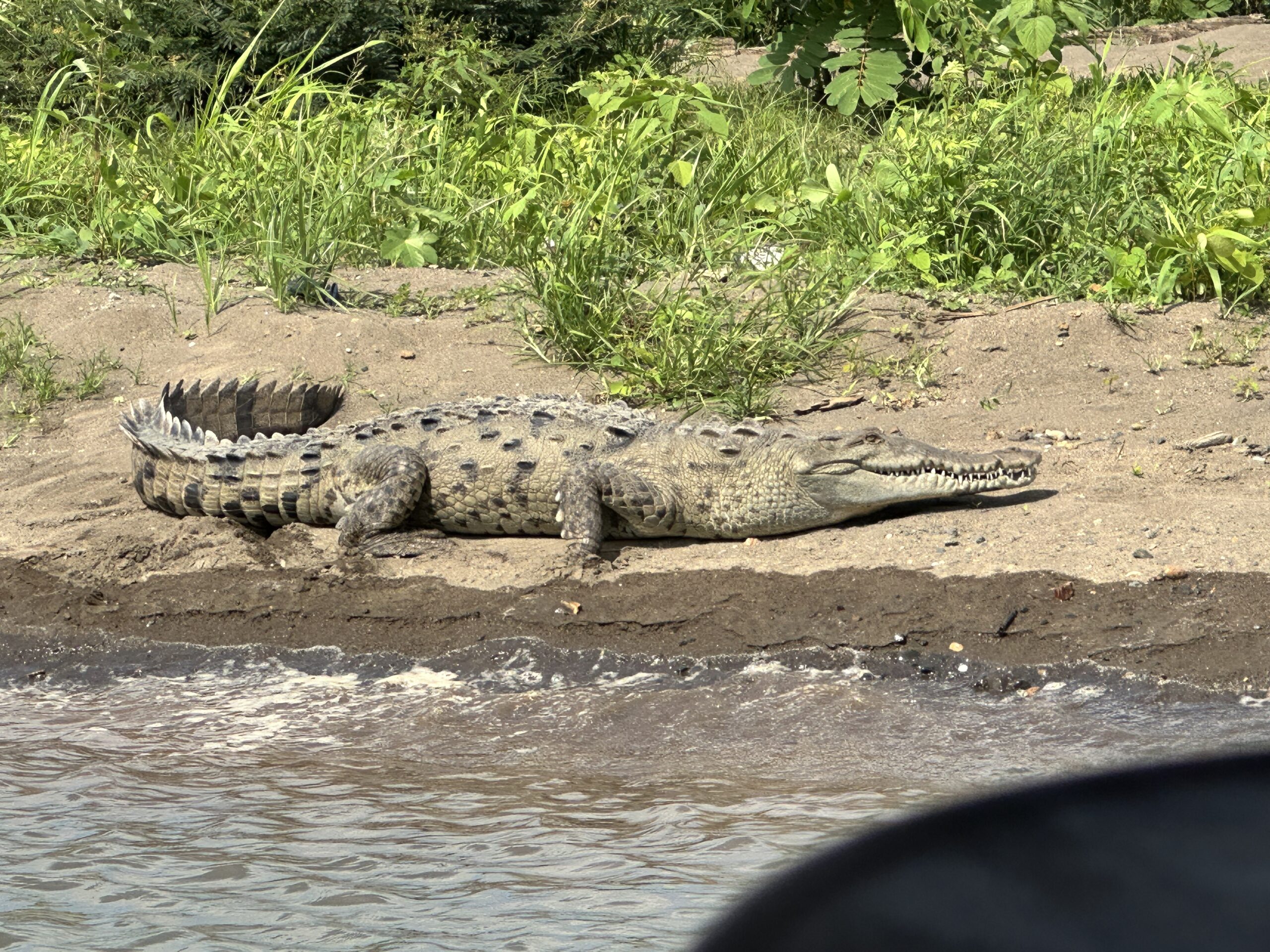
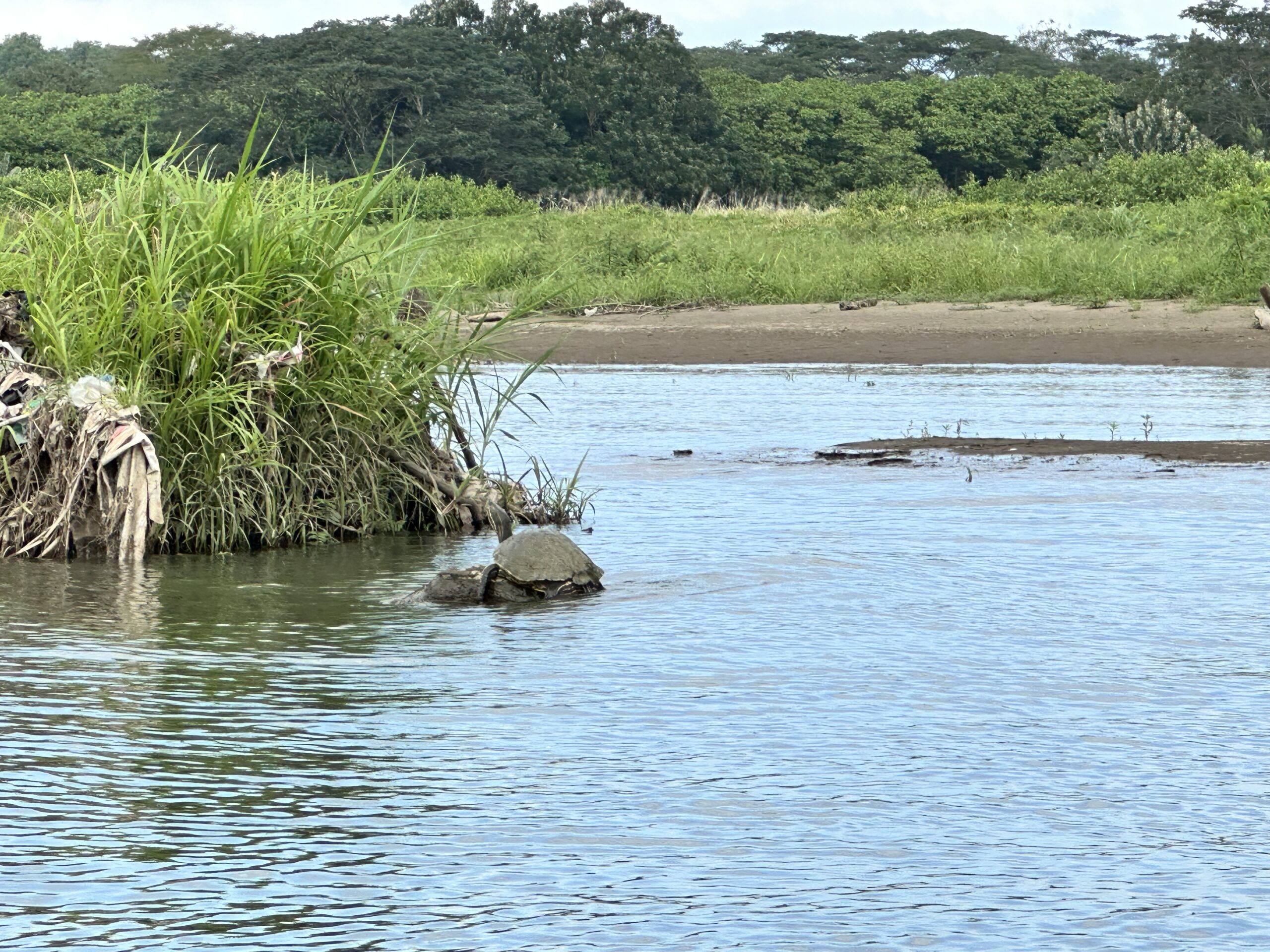
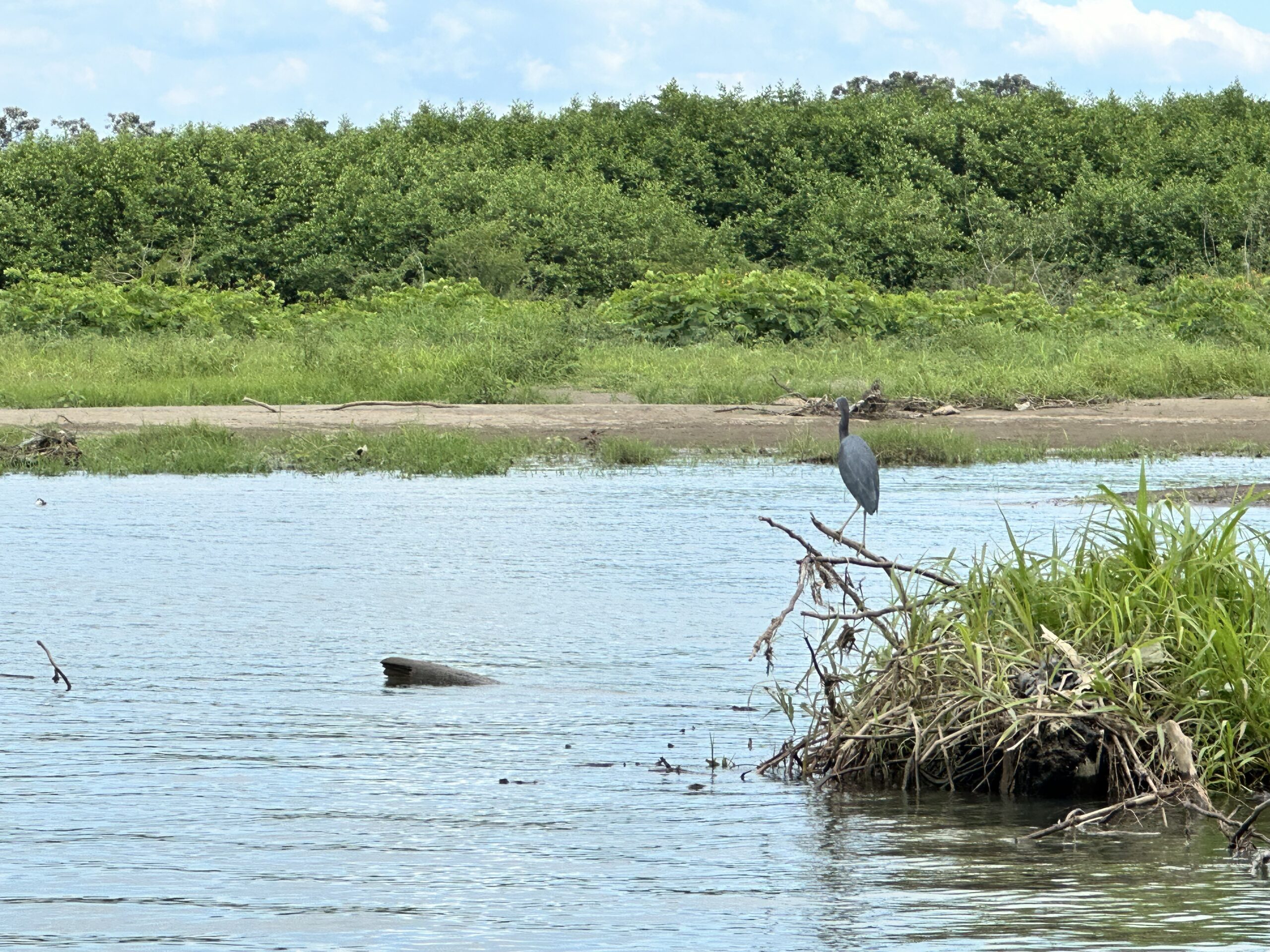
Electrical power is 99% from renewable sources. As for fuel efficient, low polluting vehicles and electric vehicles…..not so much. CR has the highest literacy rate in Central America, a very good universal health care system an no military.
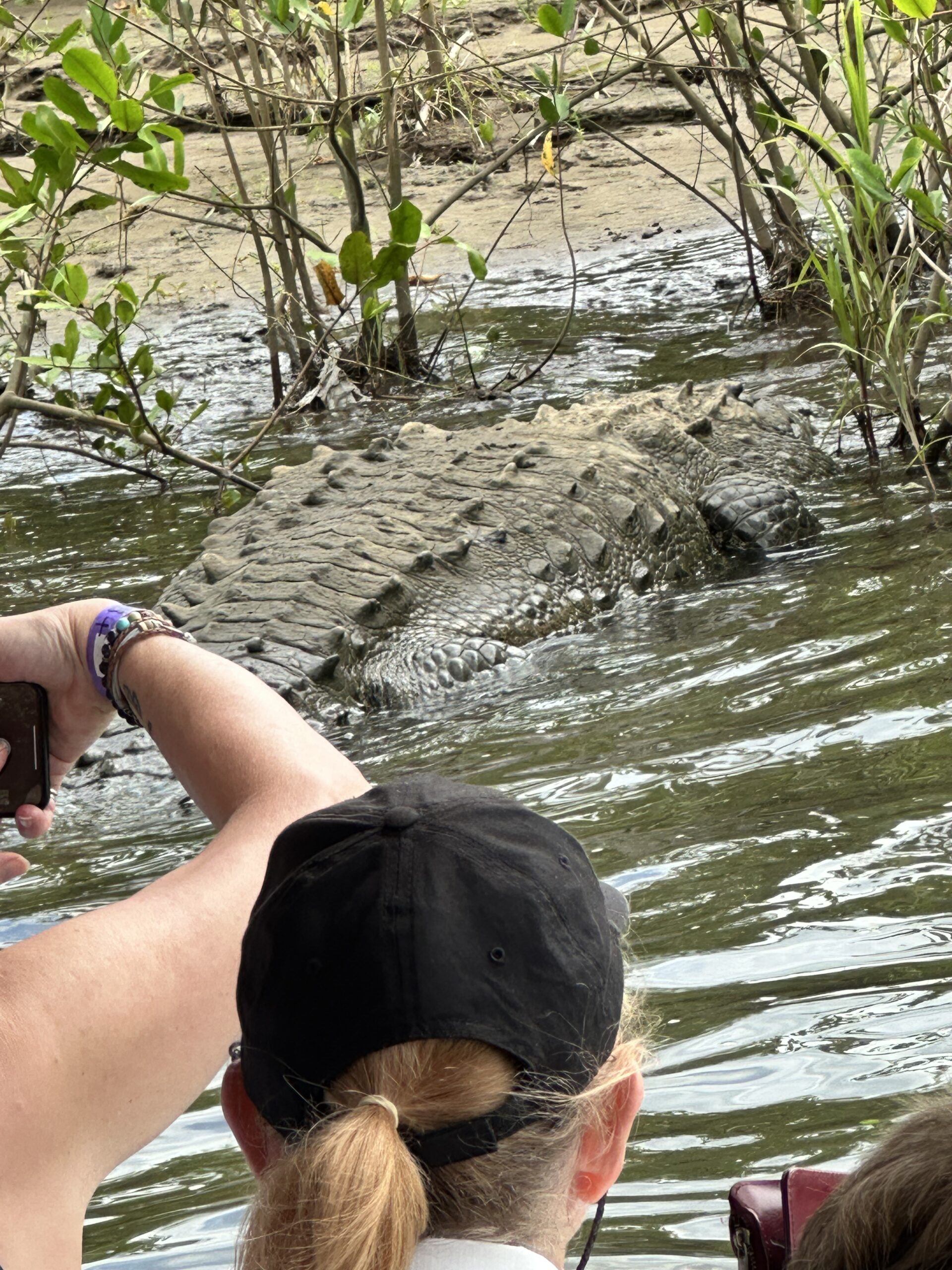
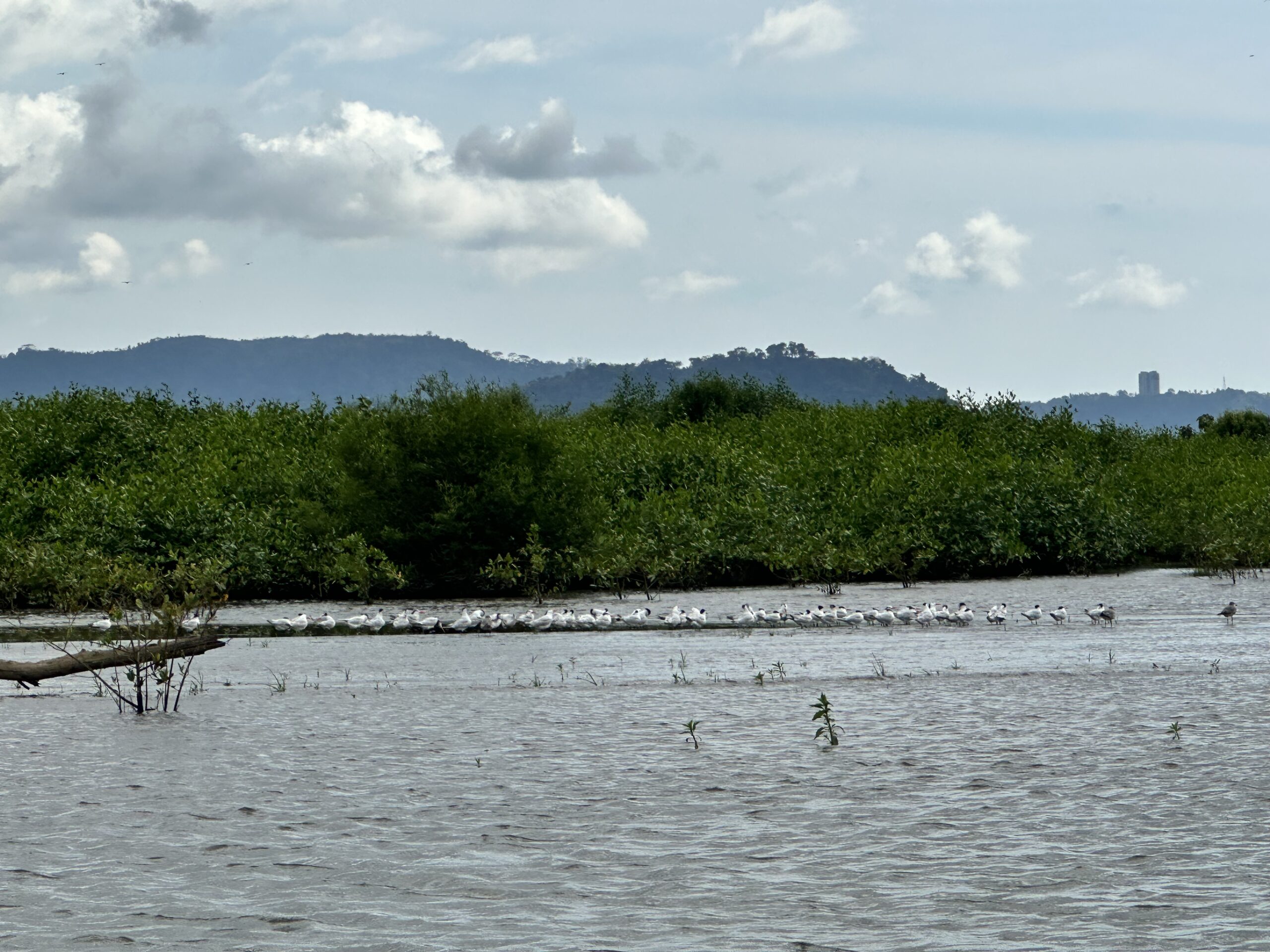
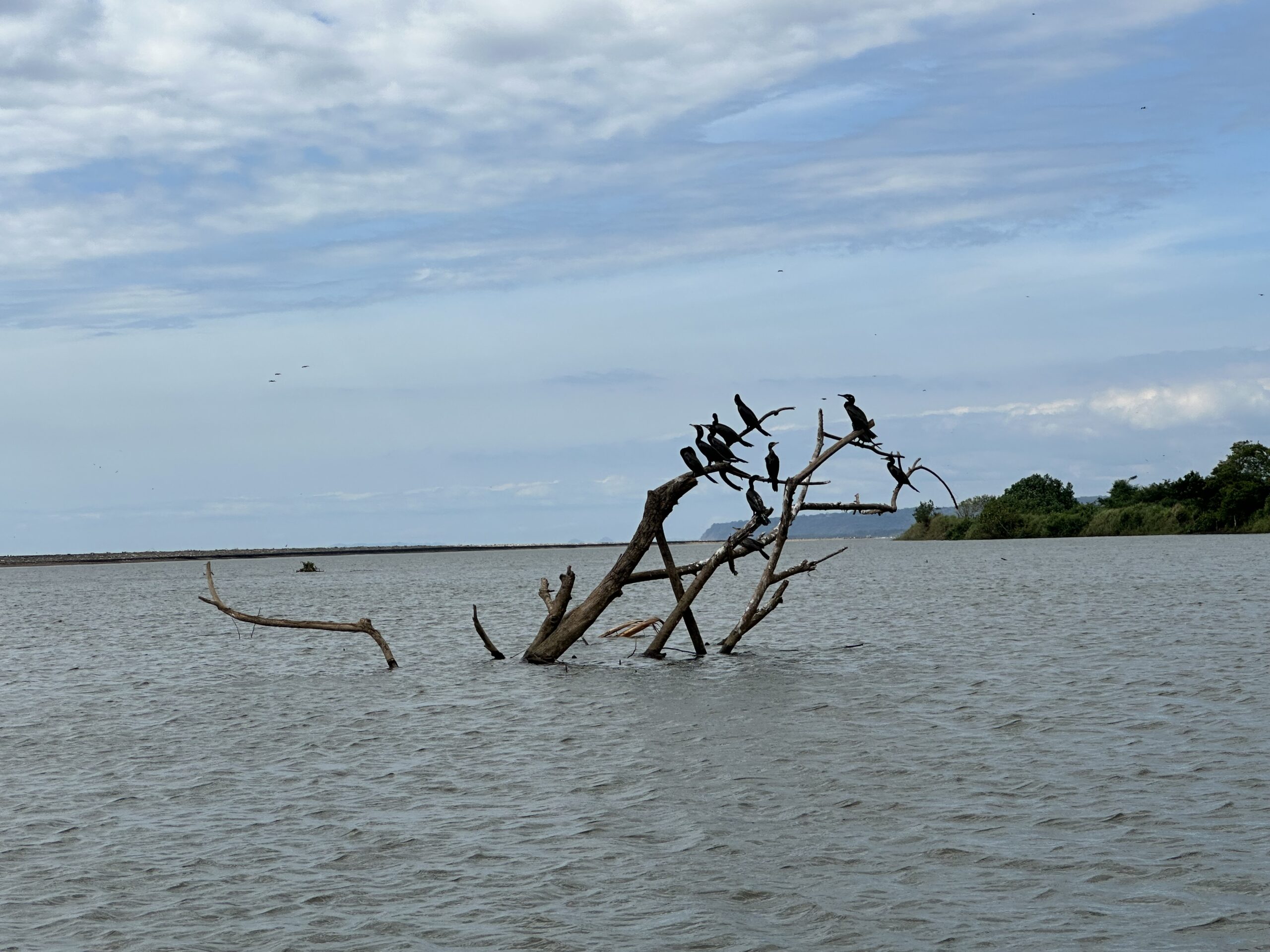
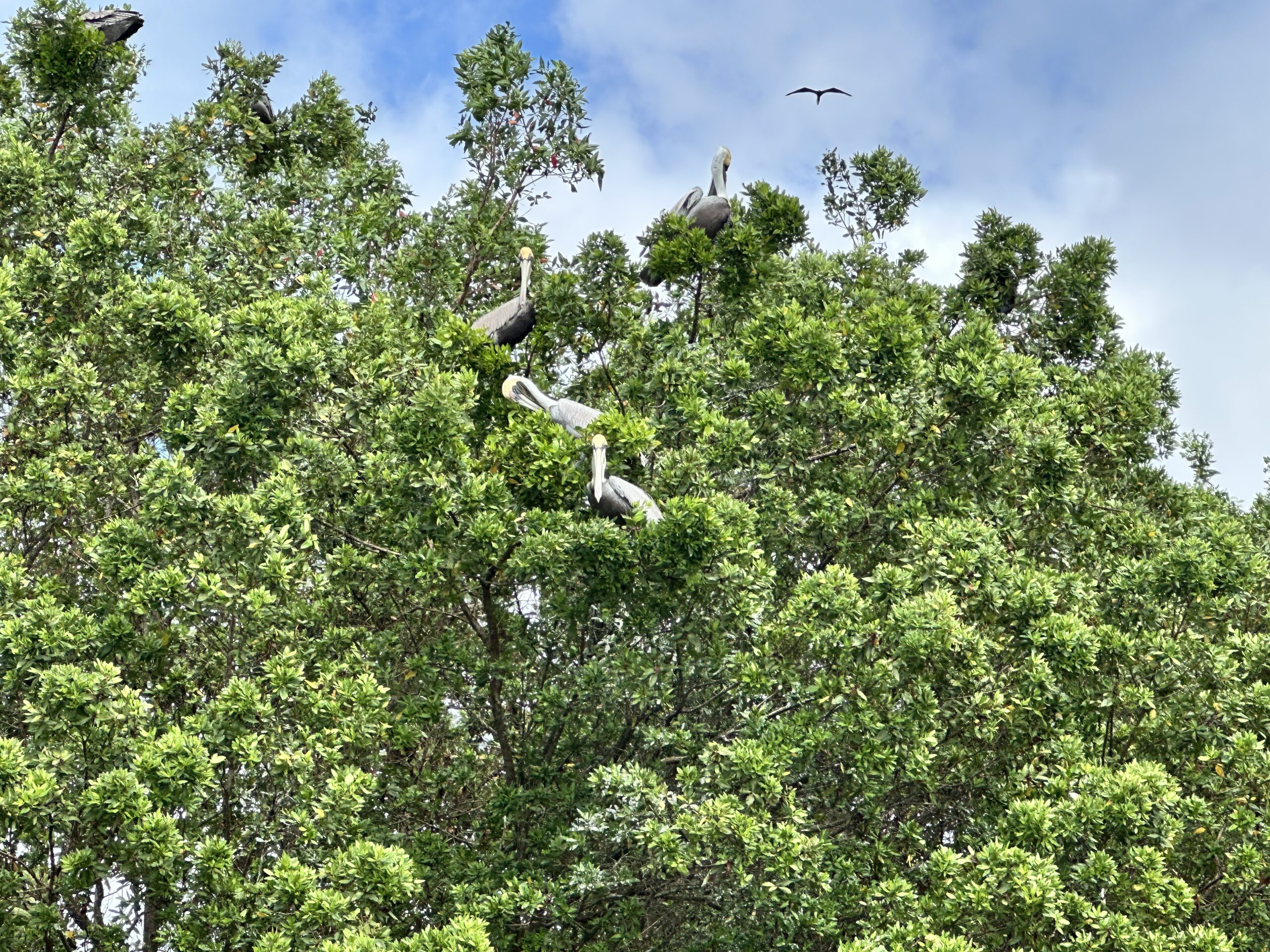
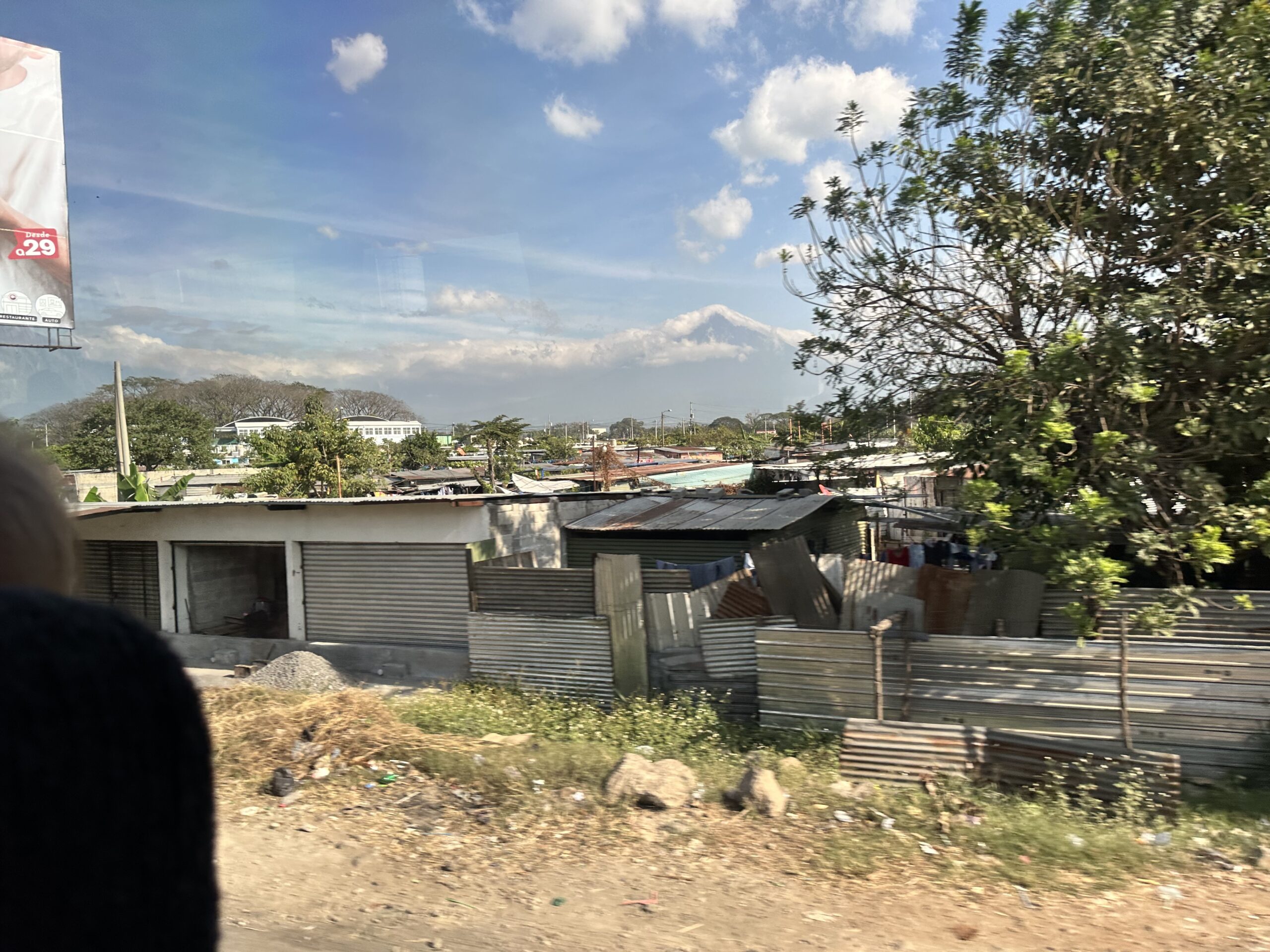
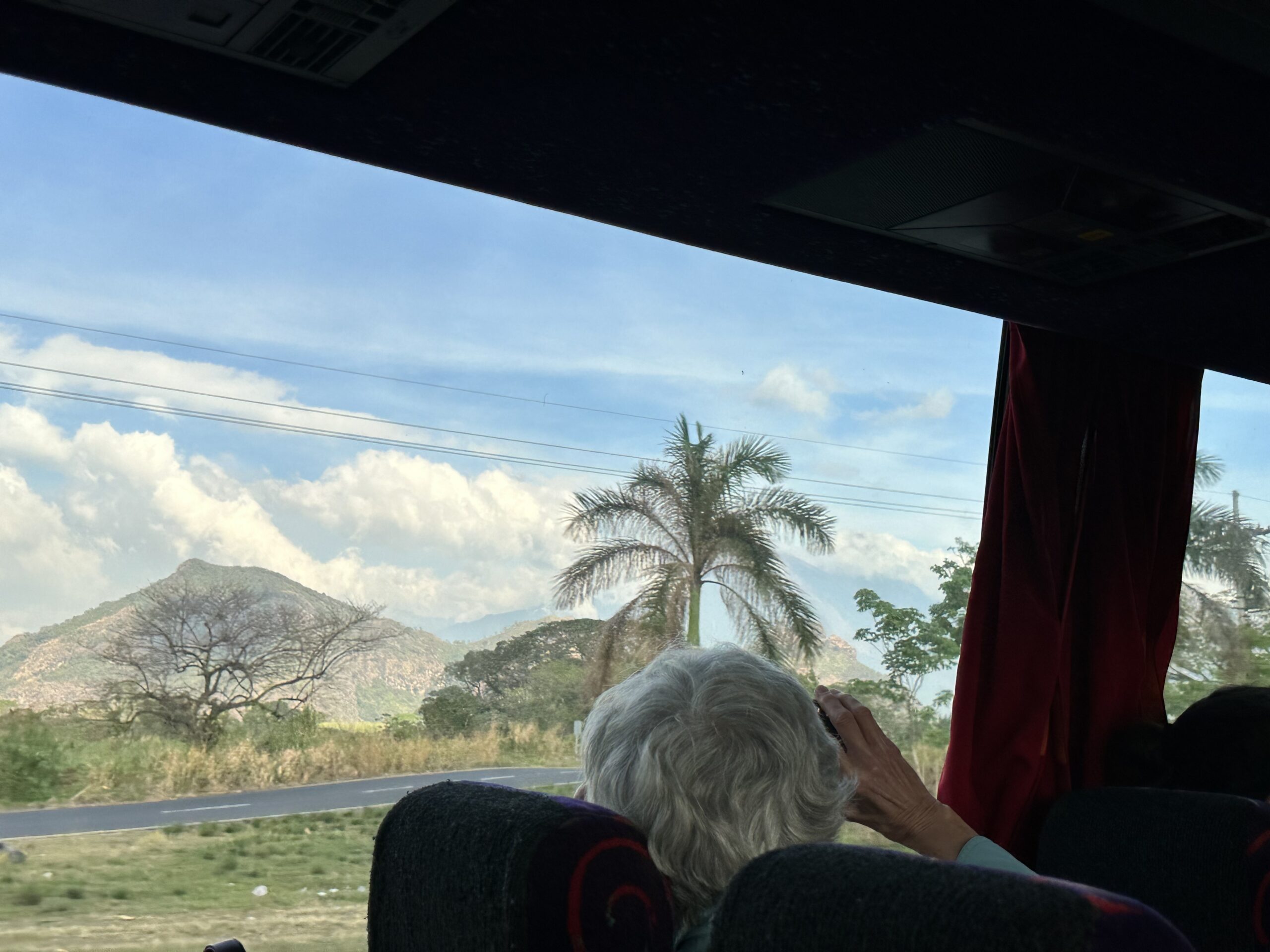
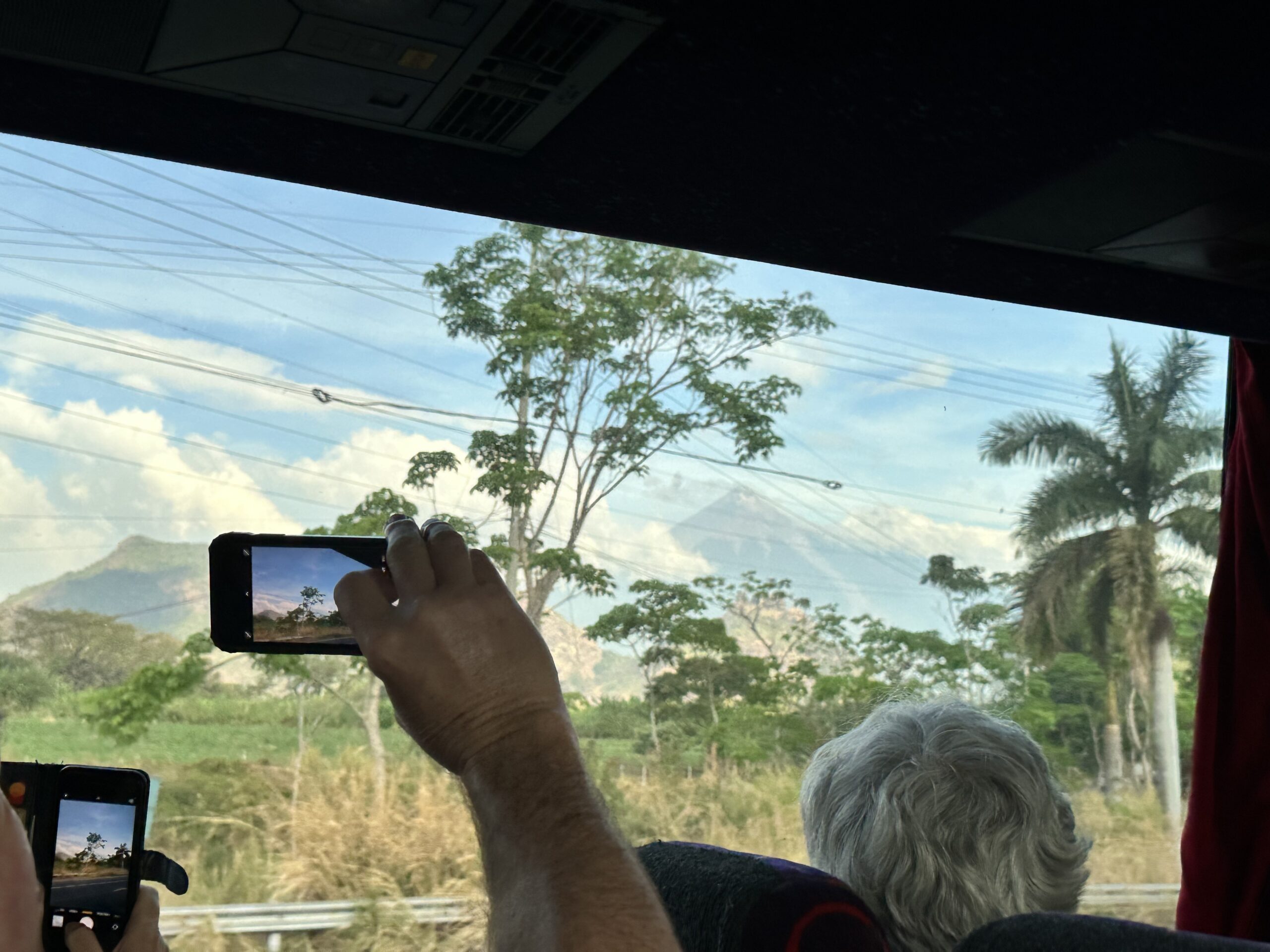
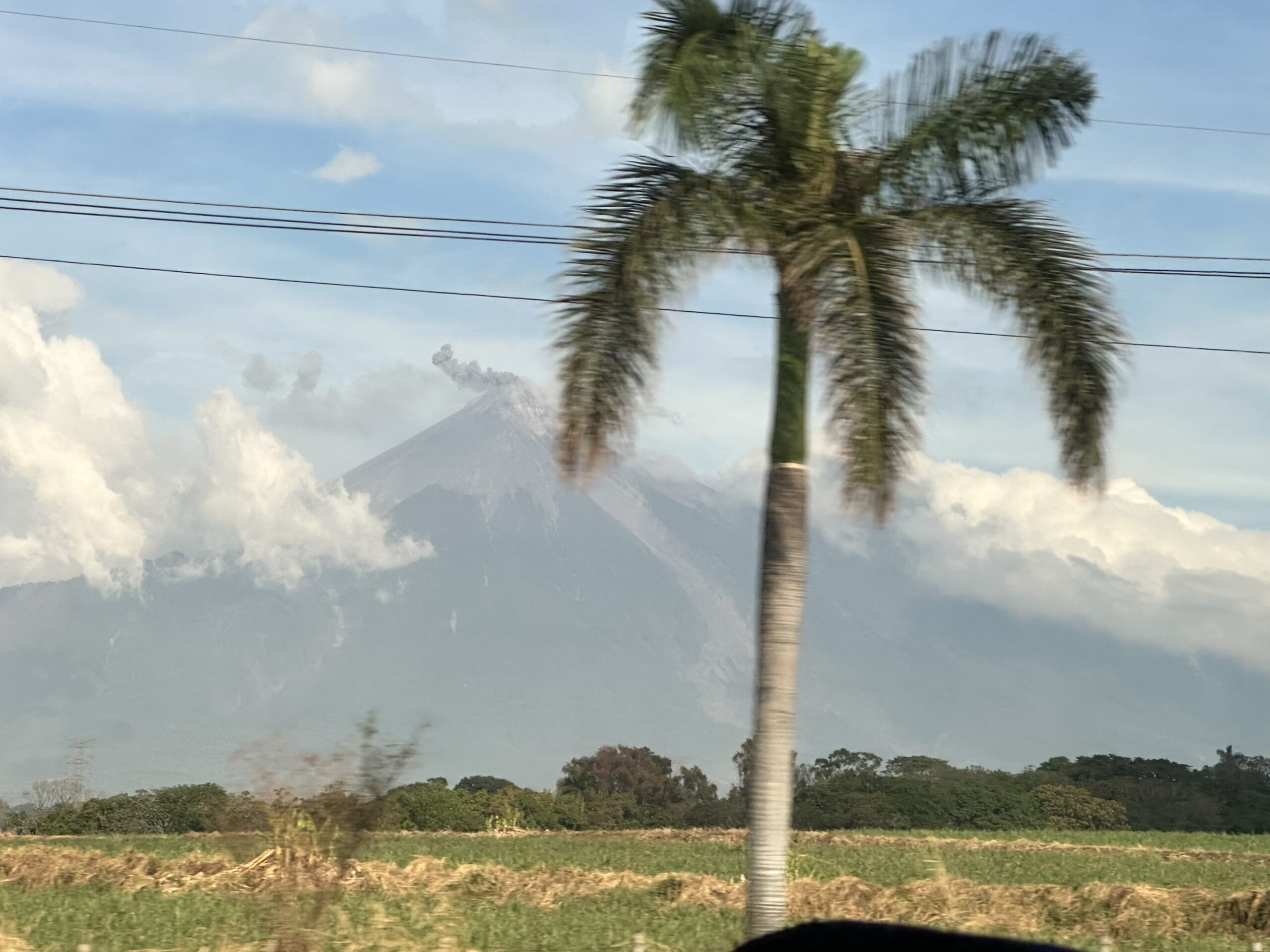
Guatamala
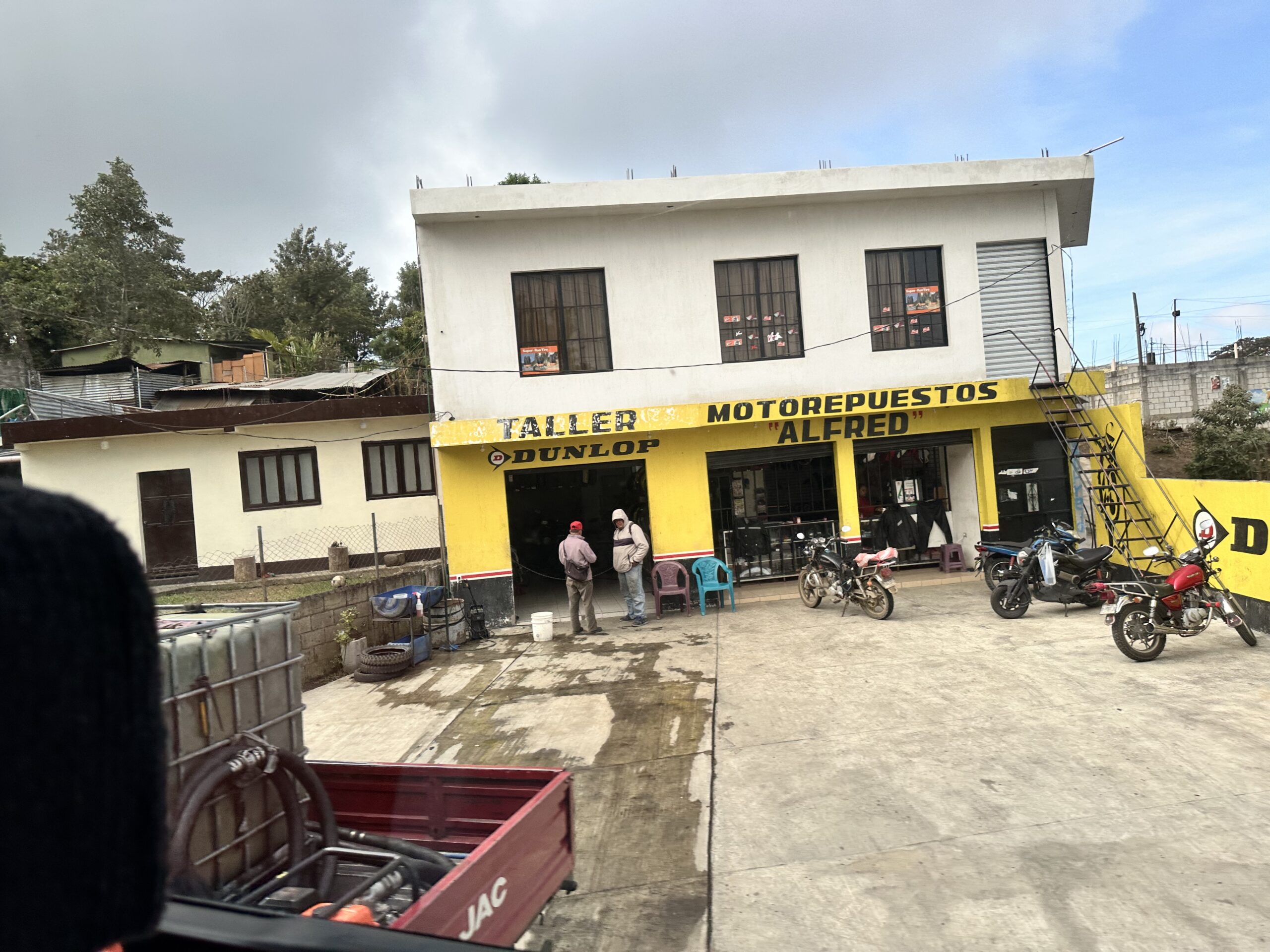
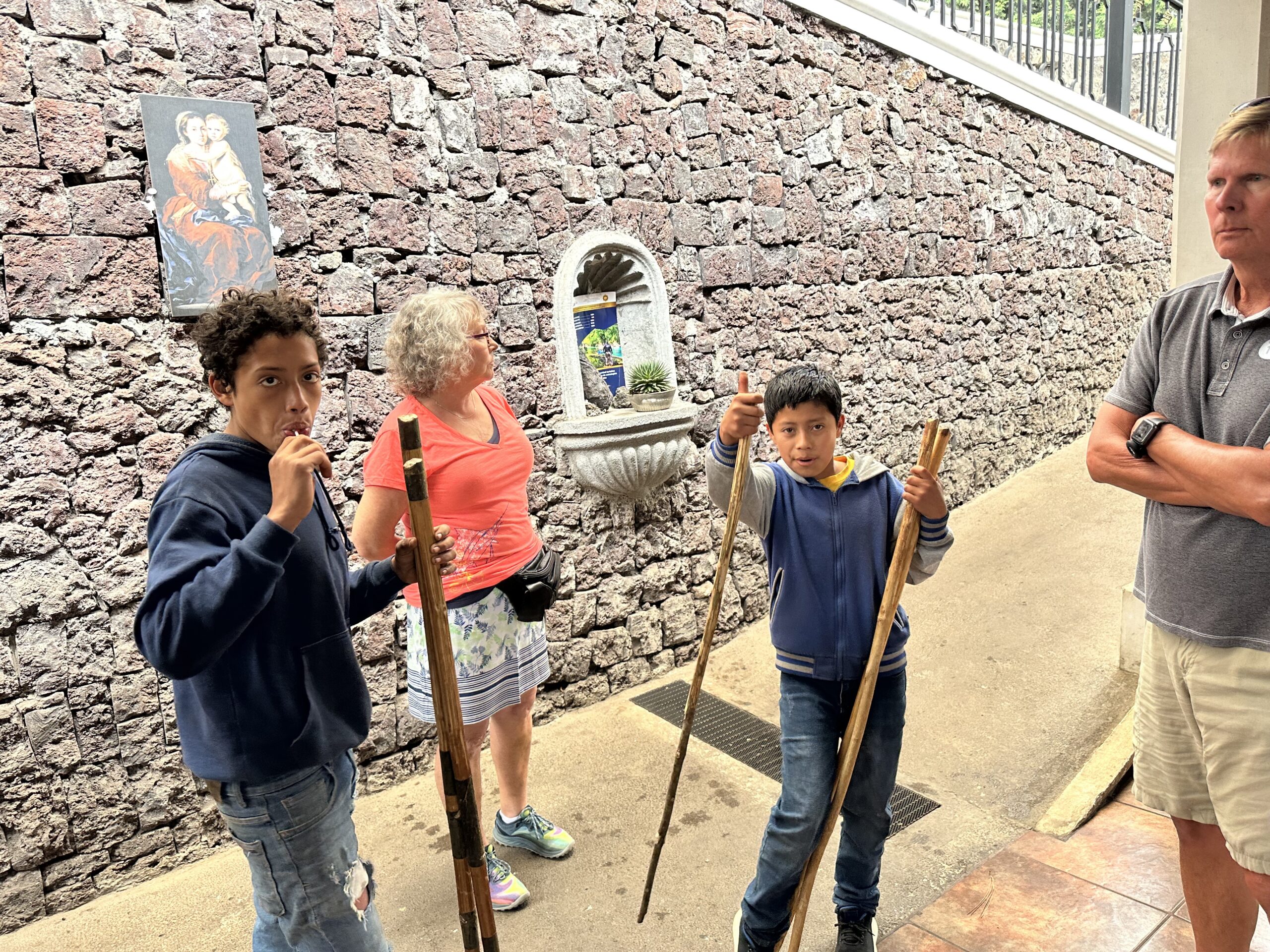
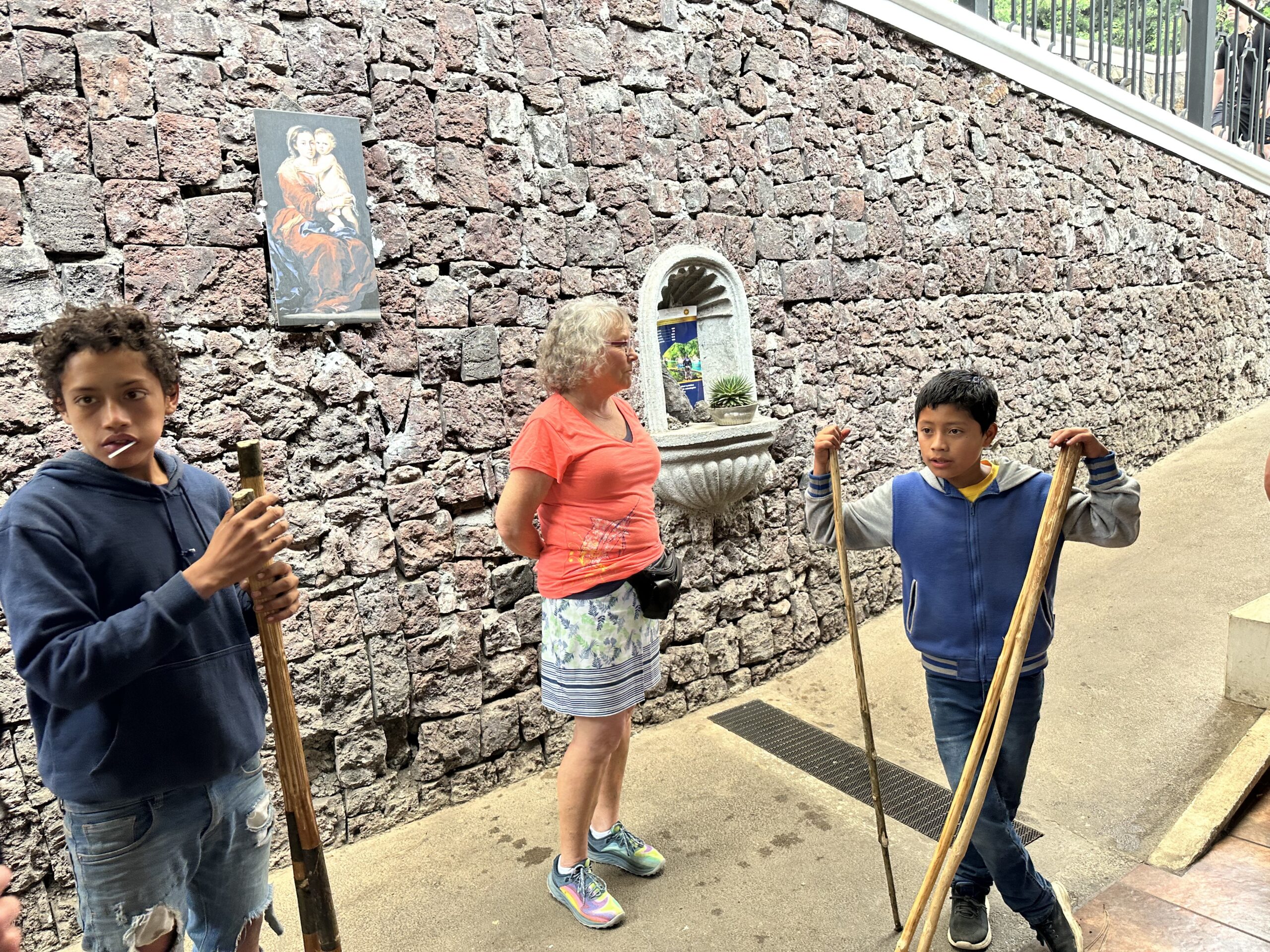
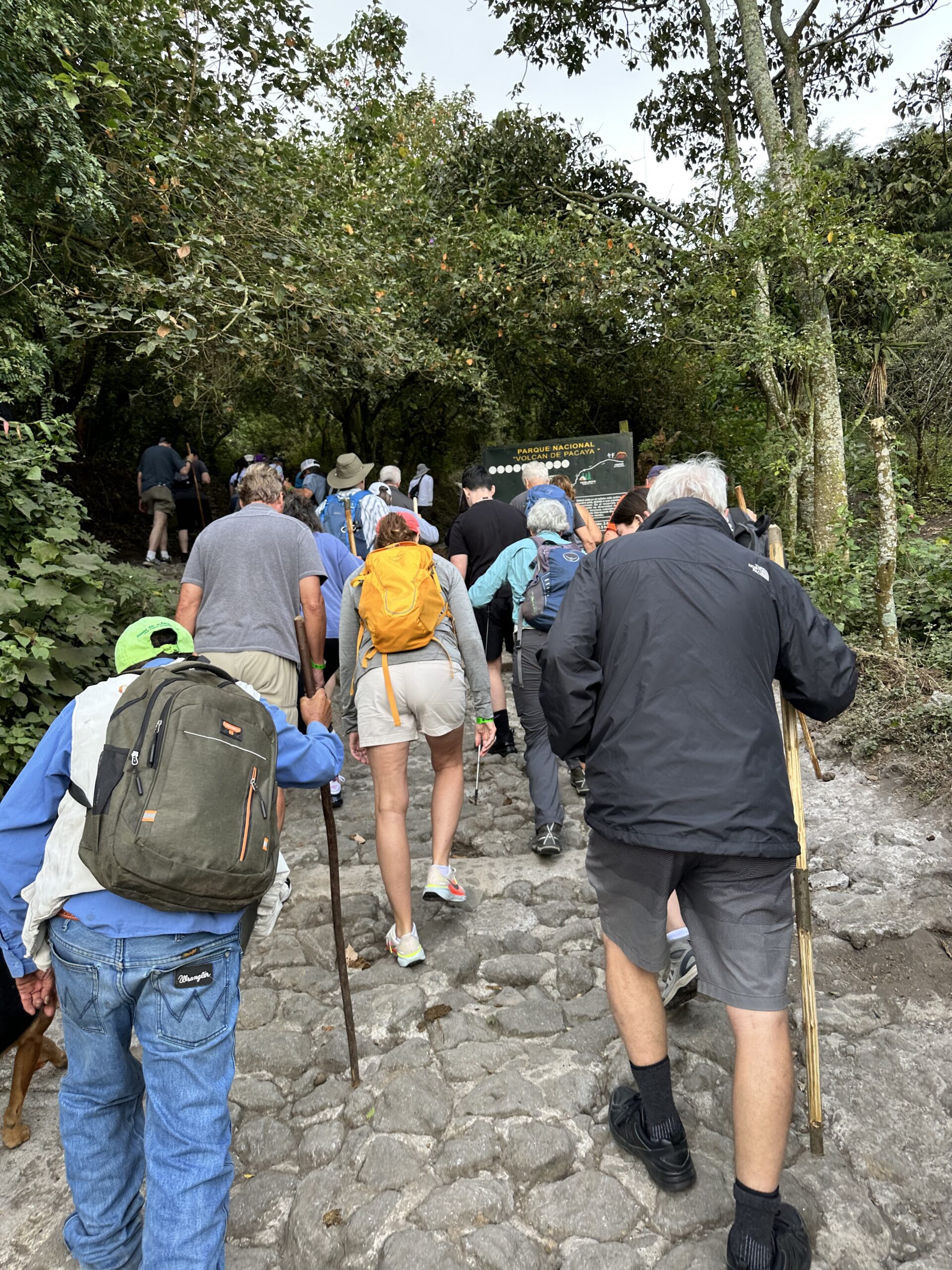
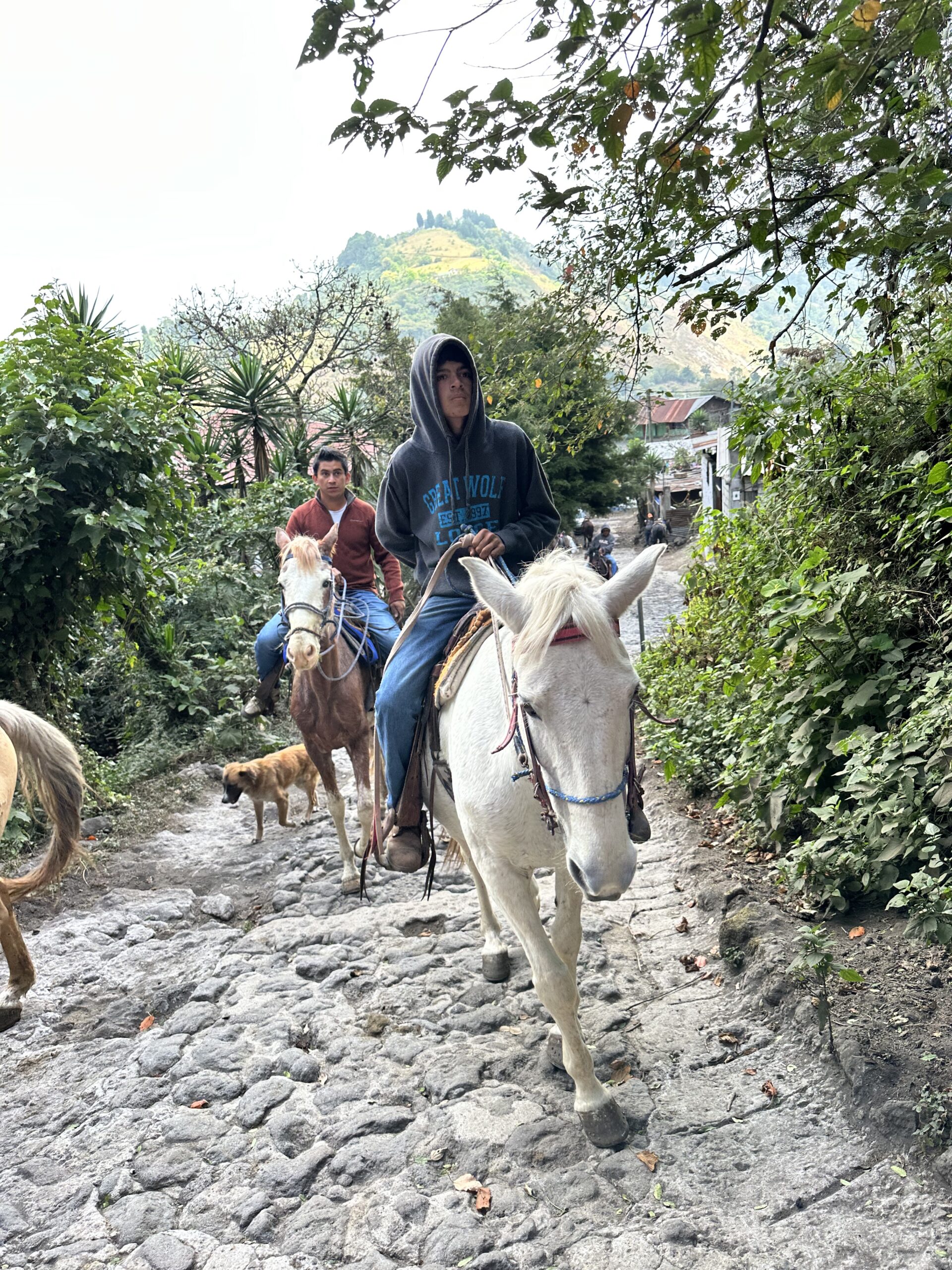
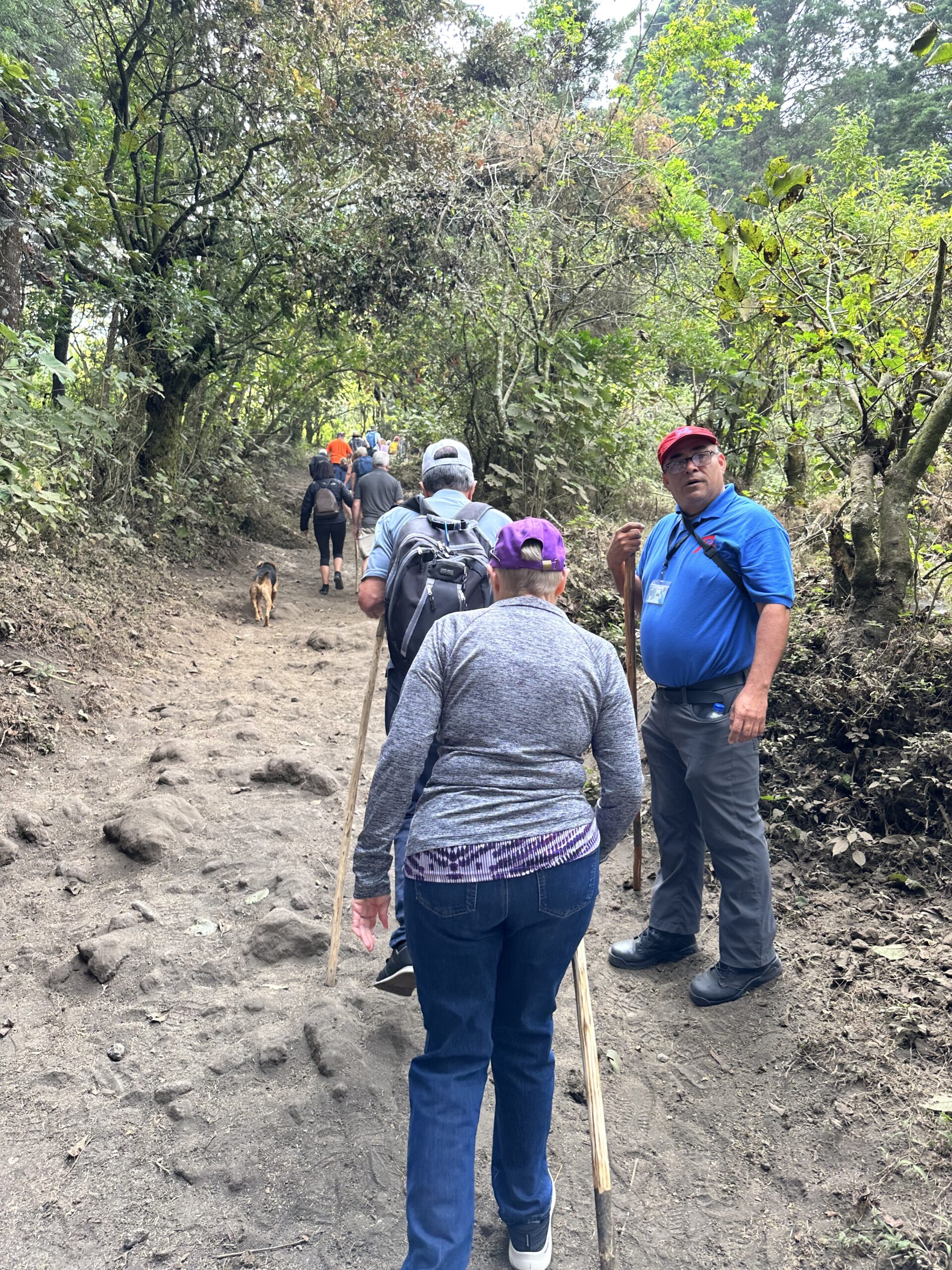
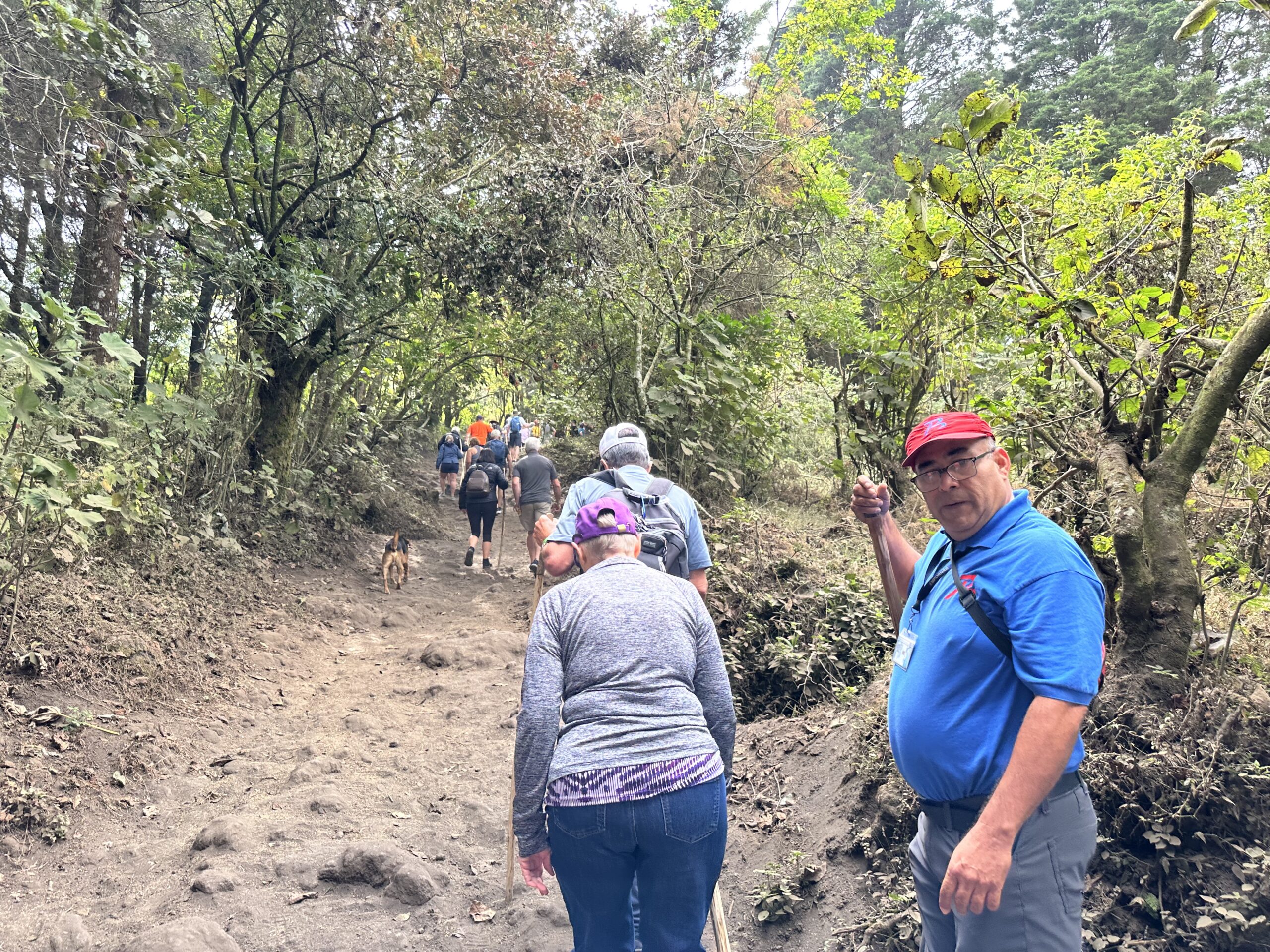
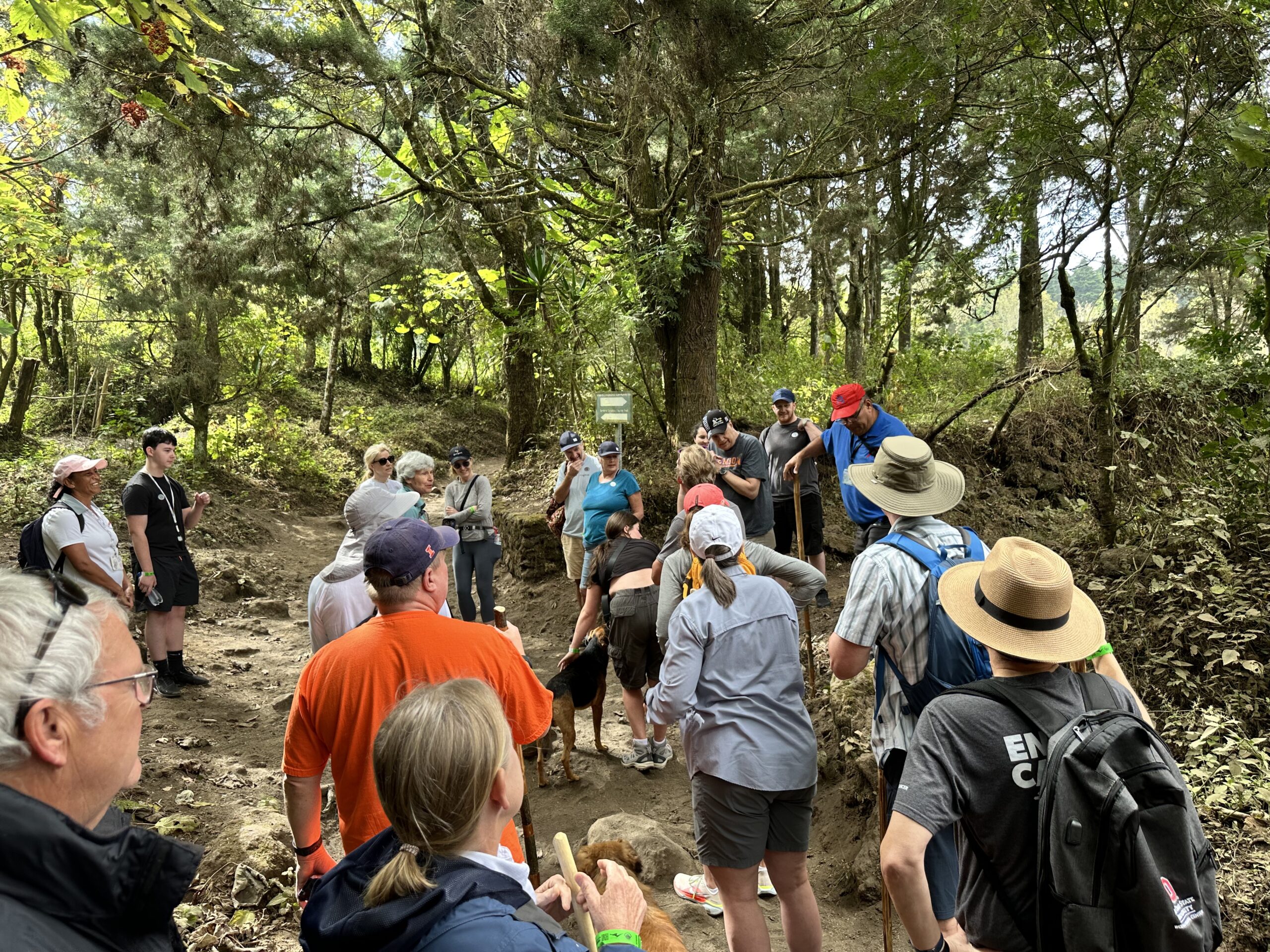
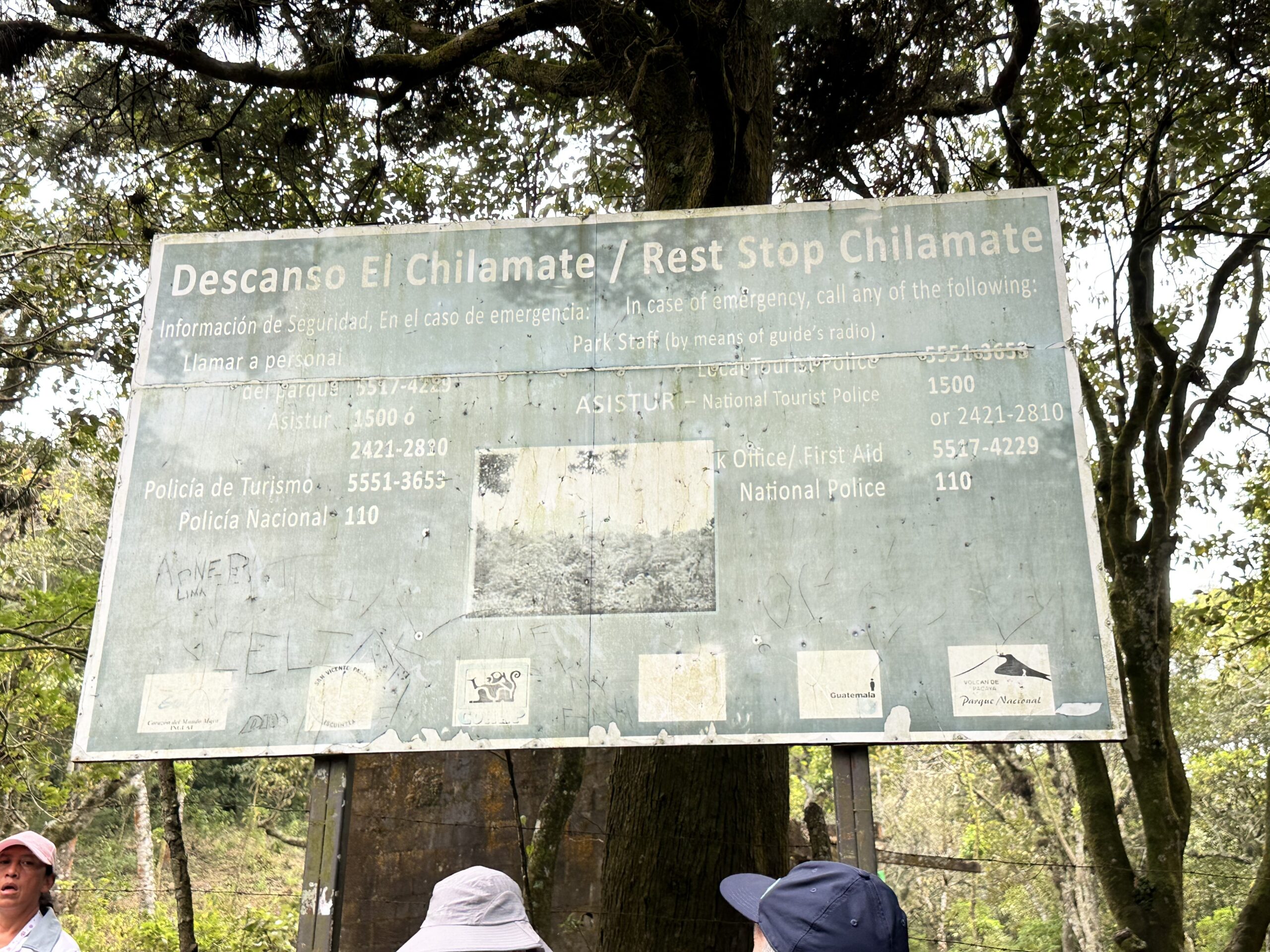
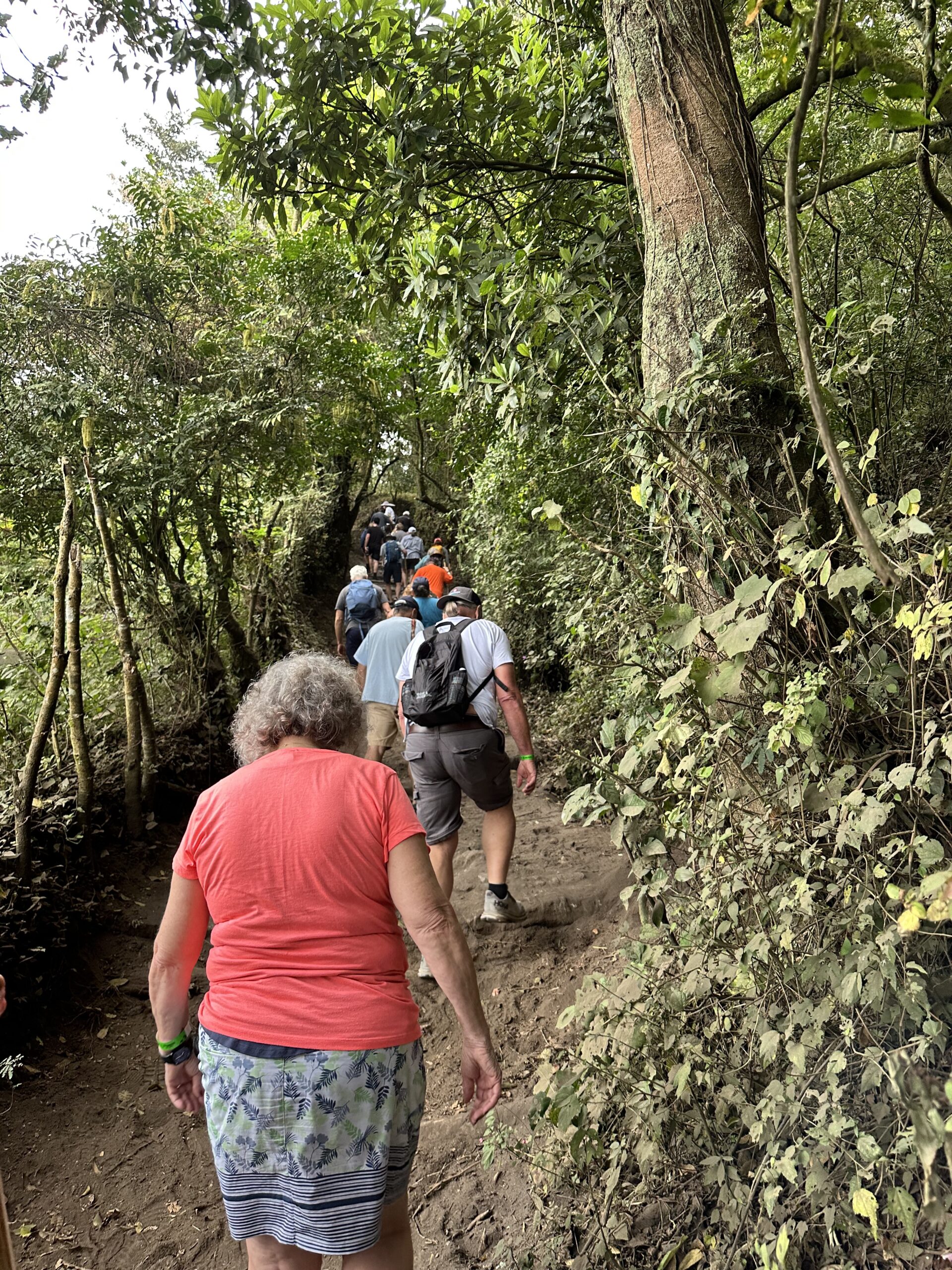
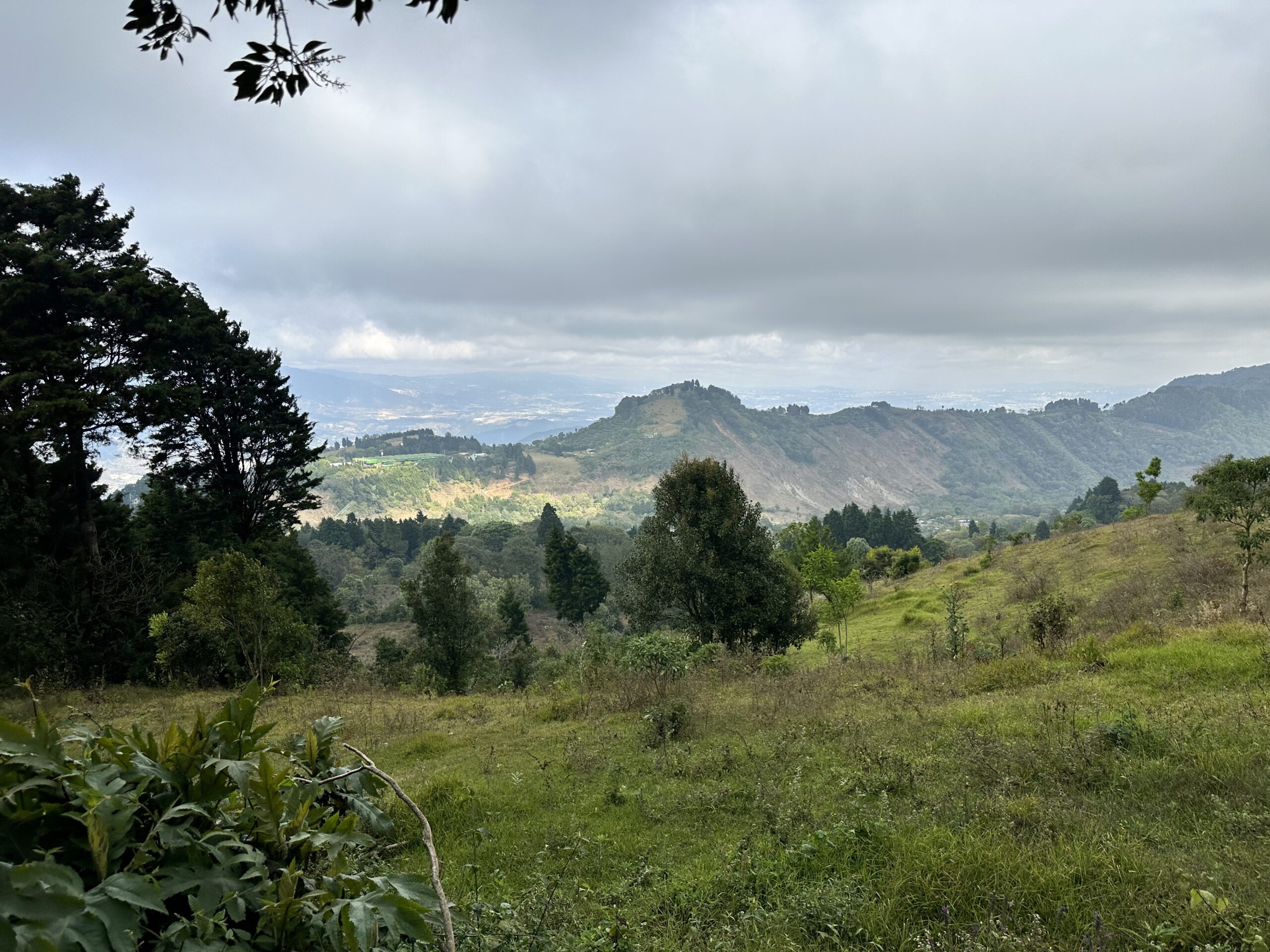
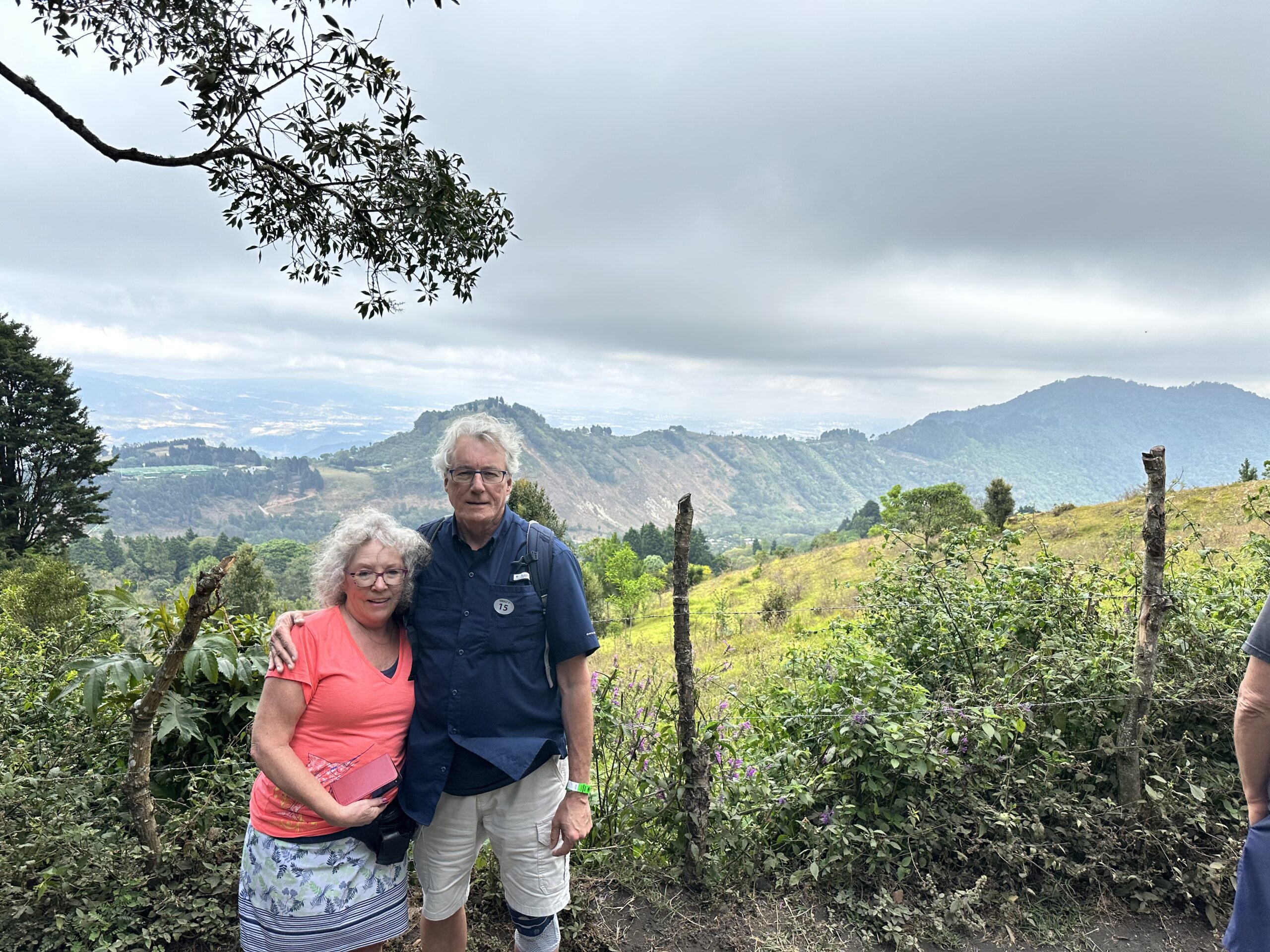
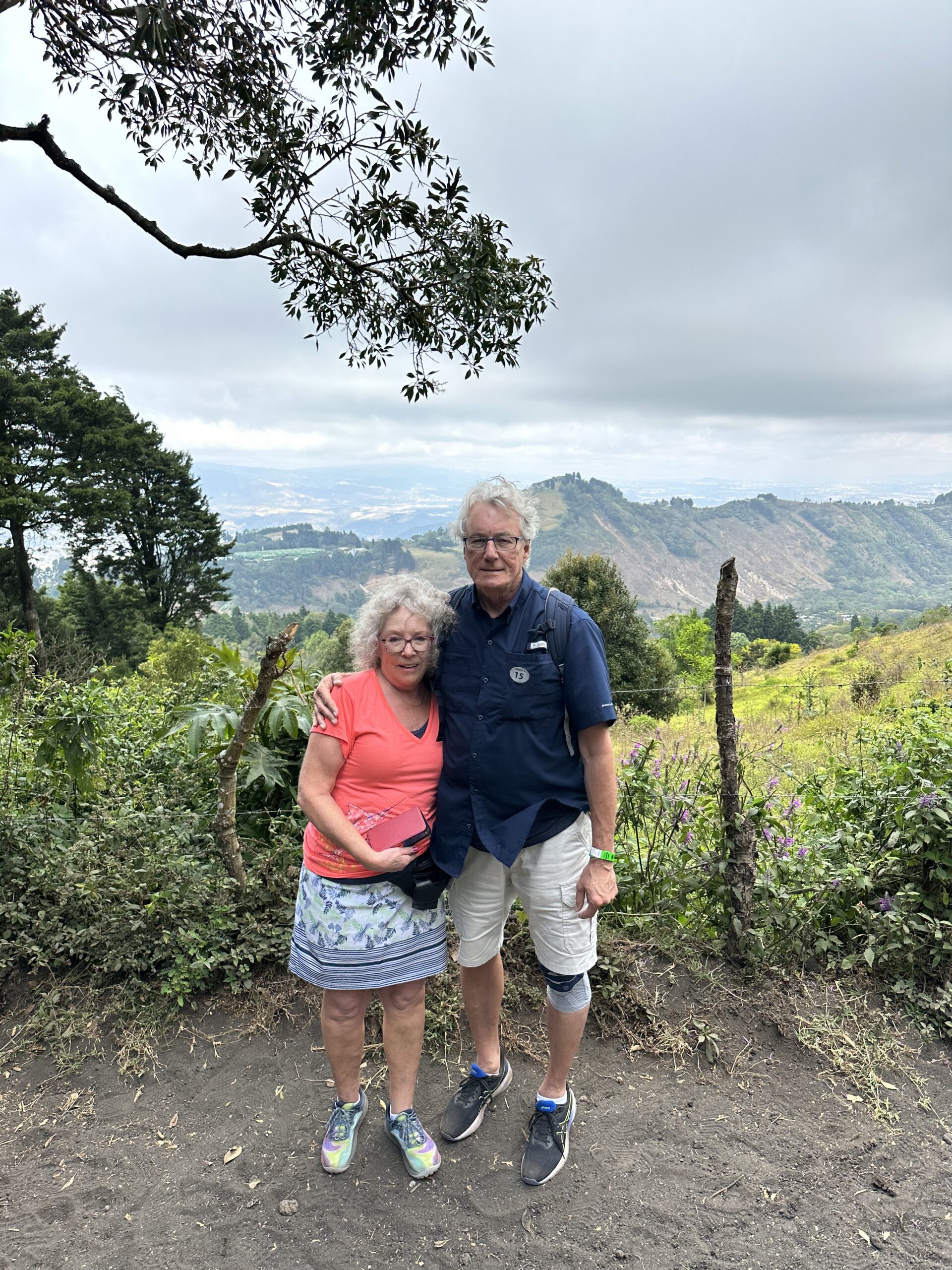
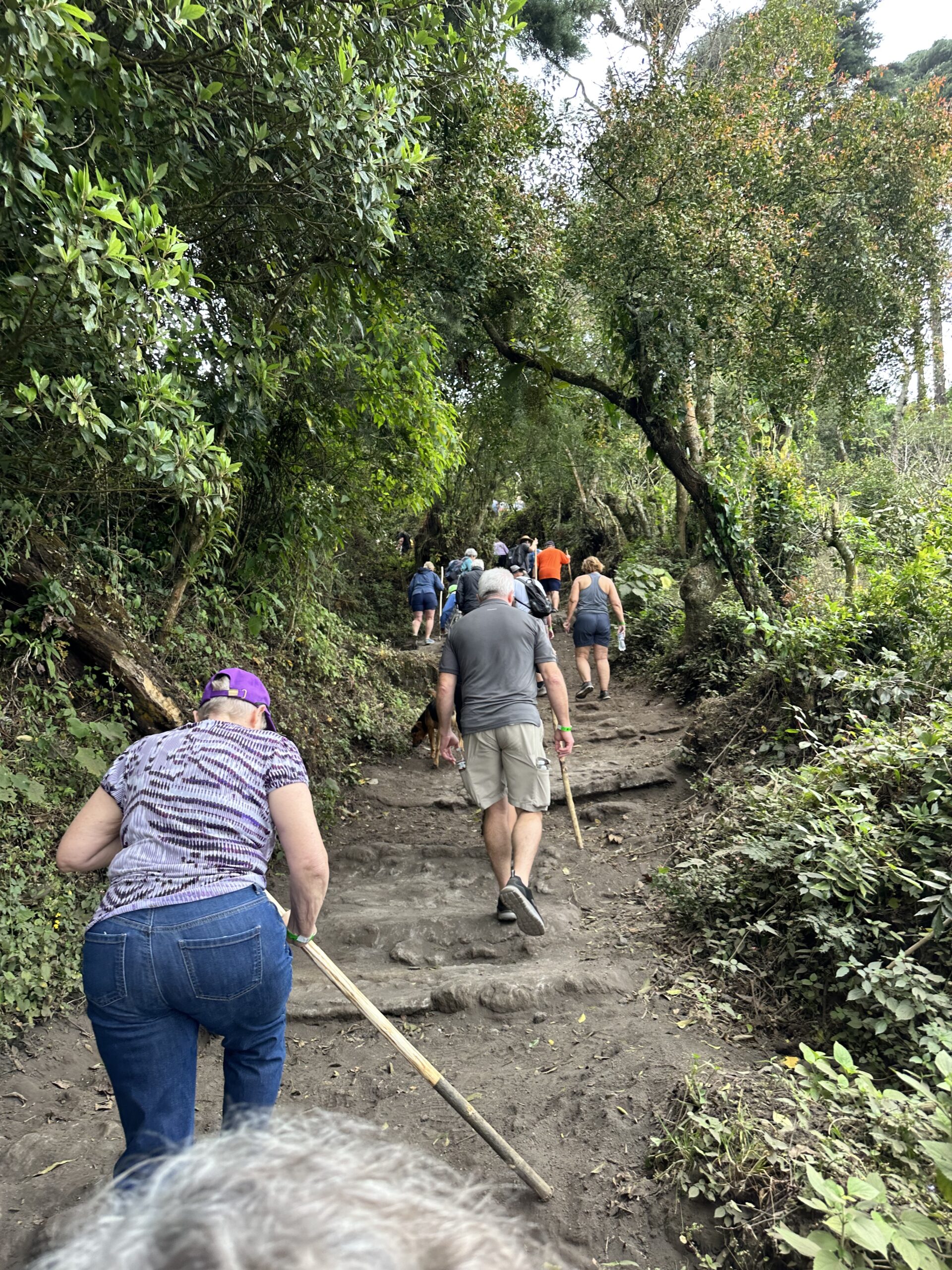
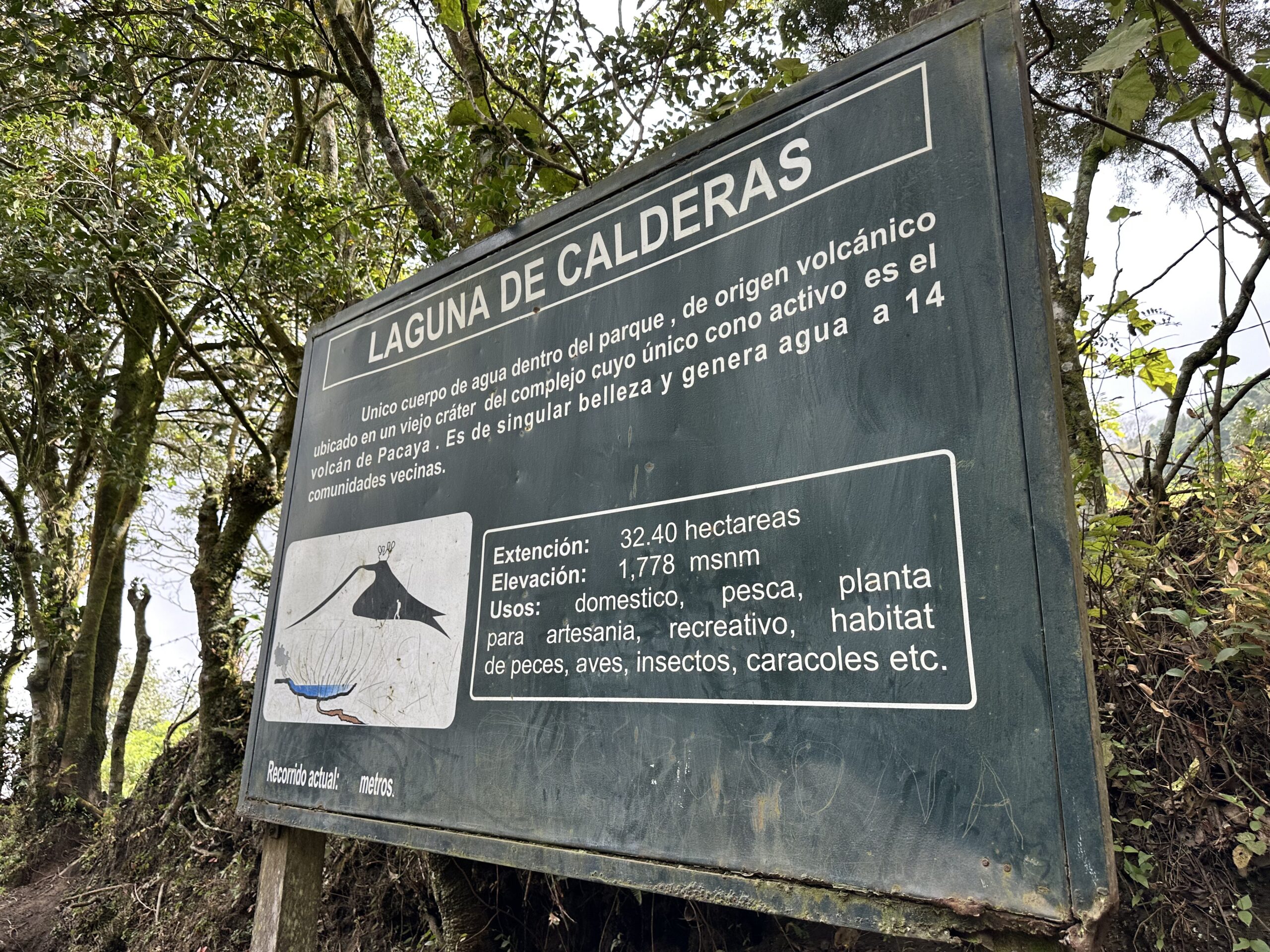
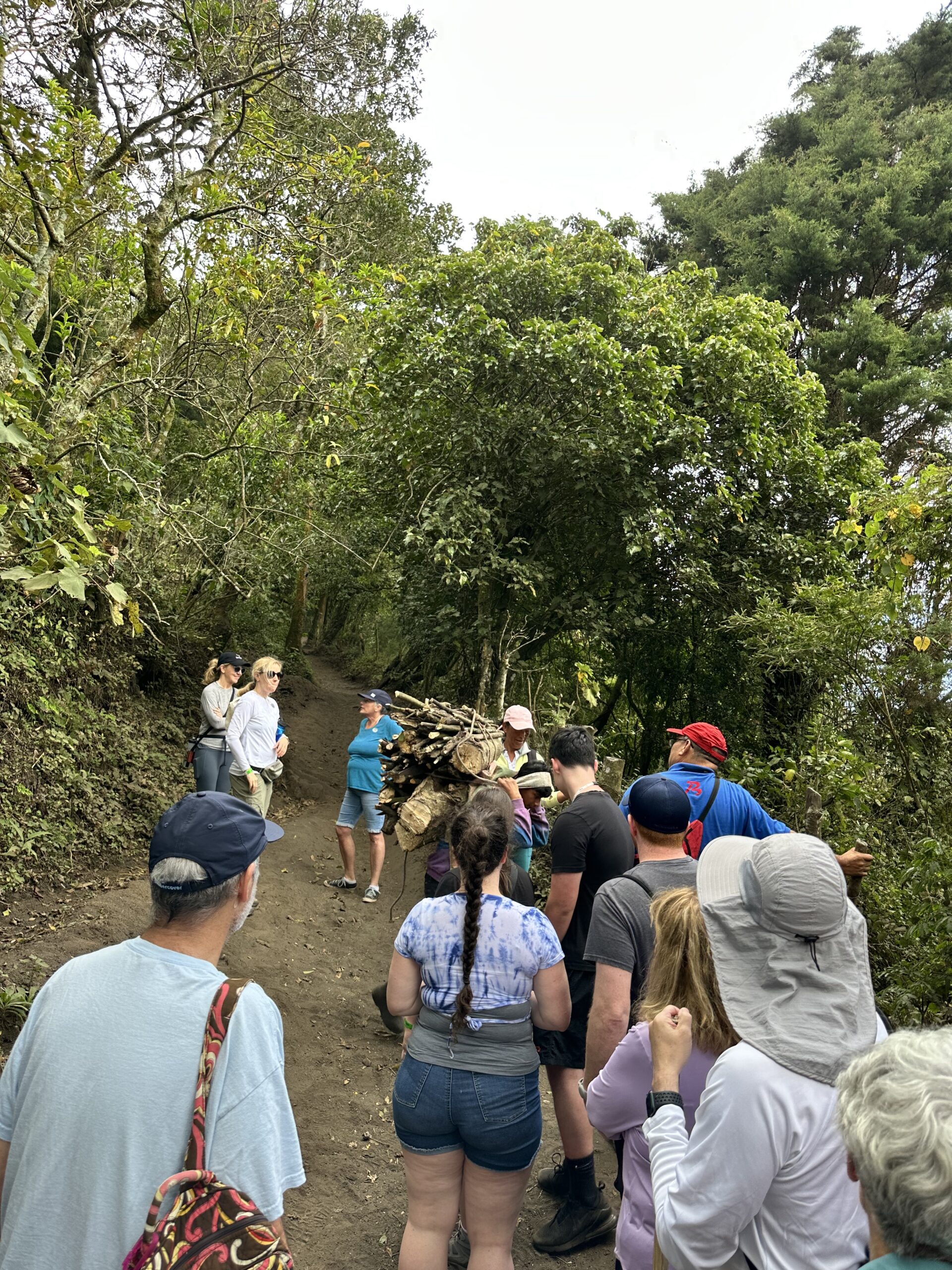
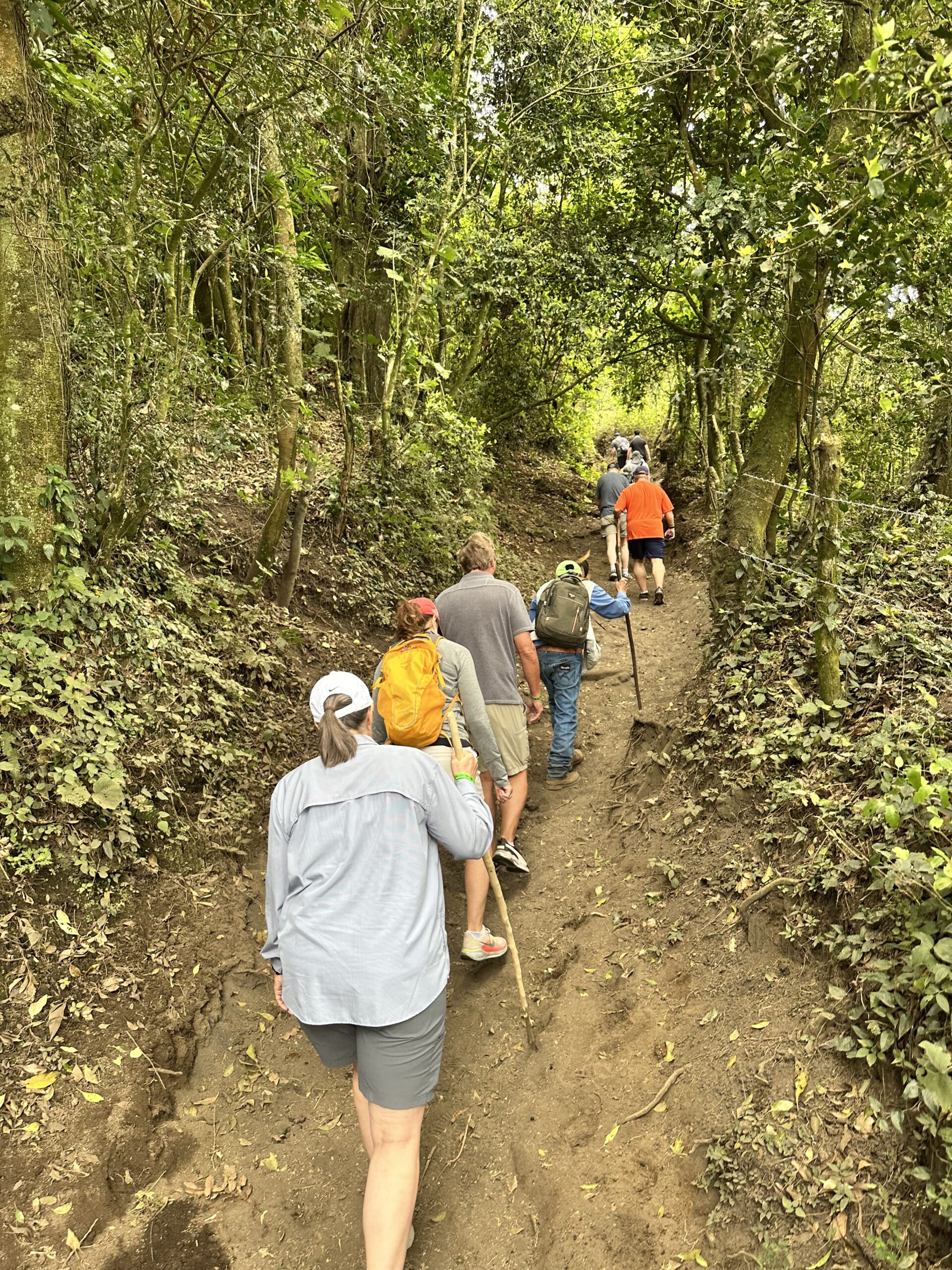
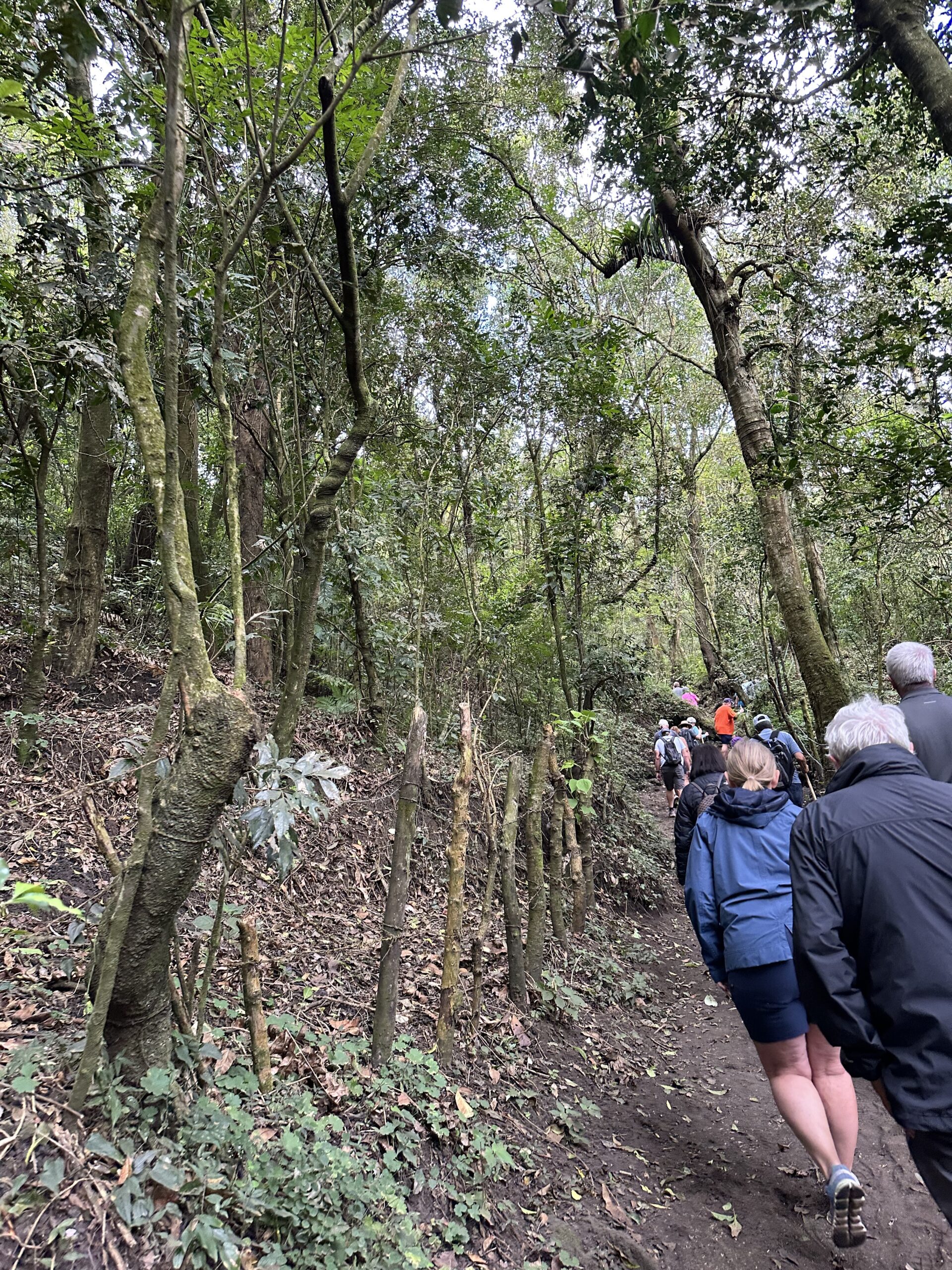
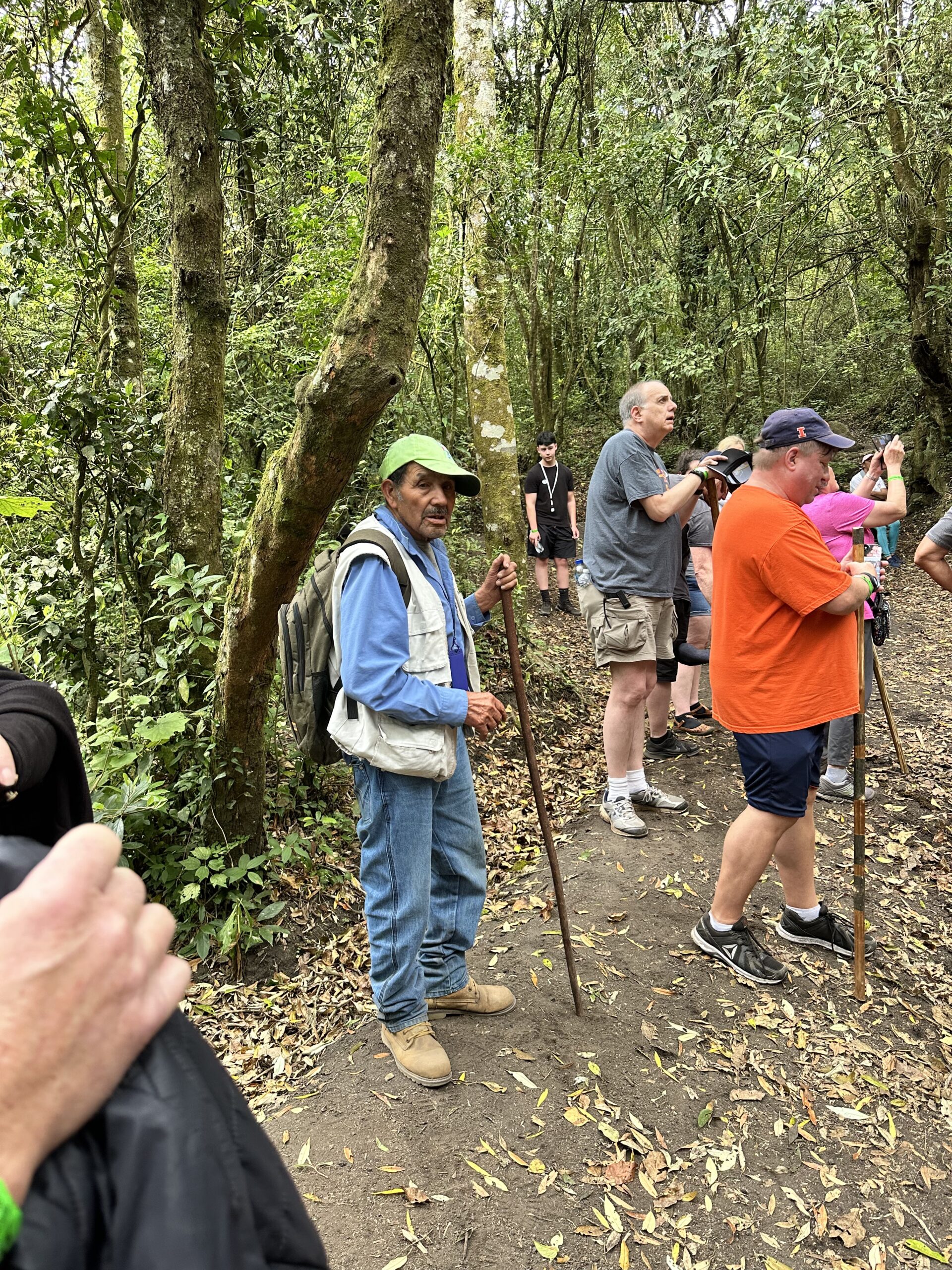
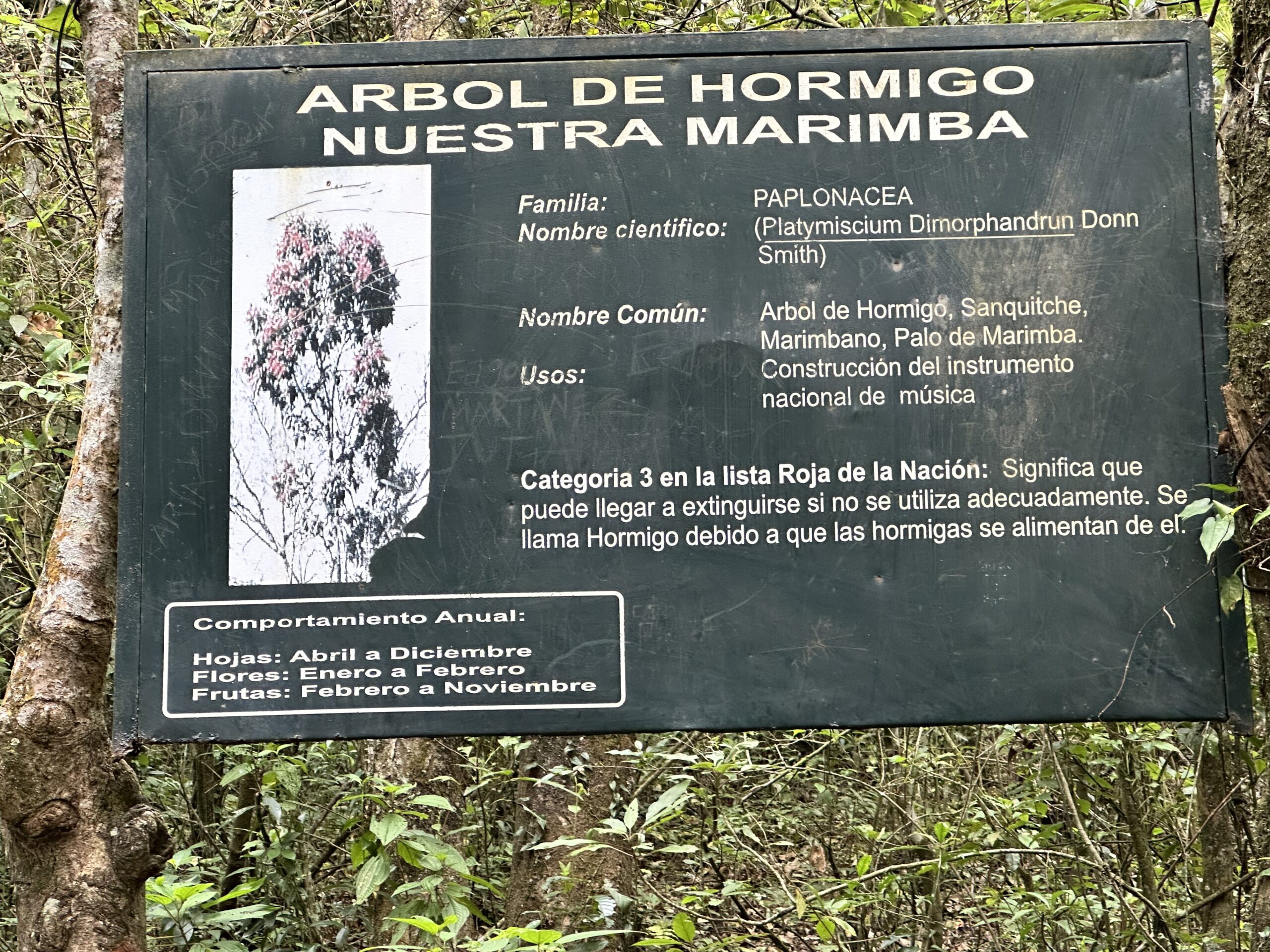
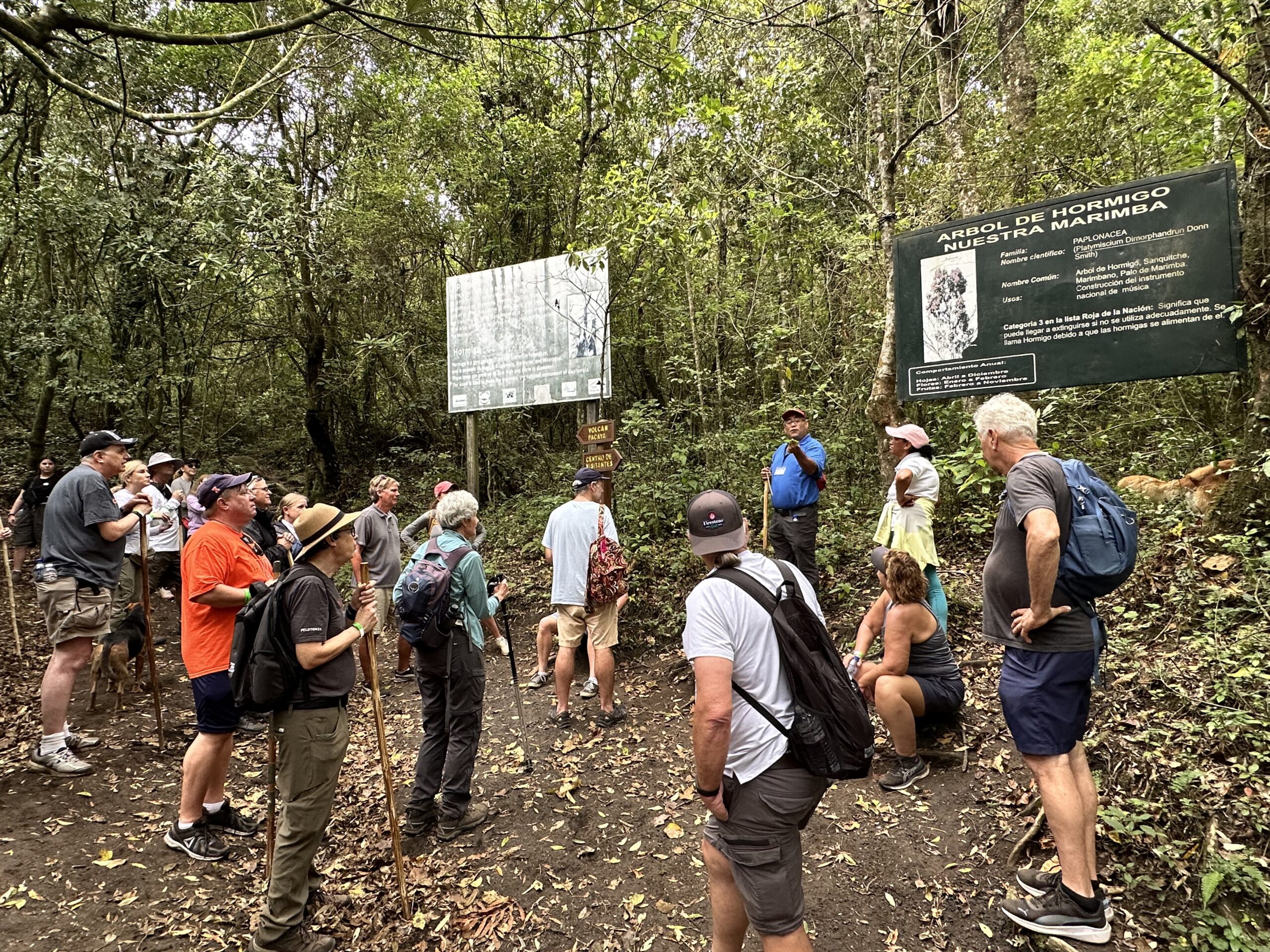
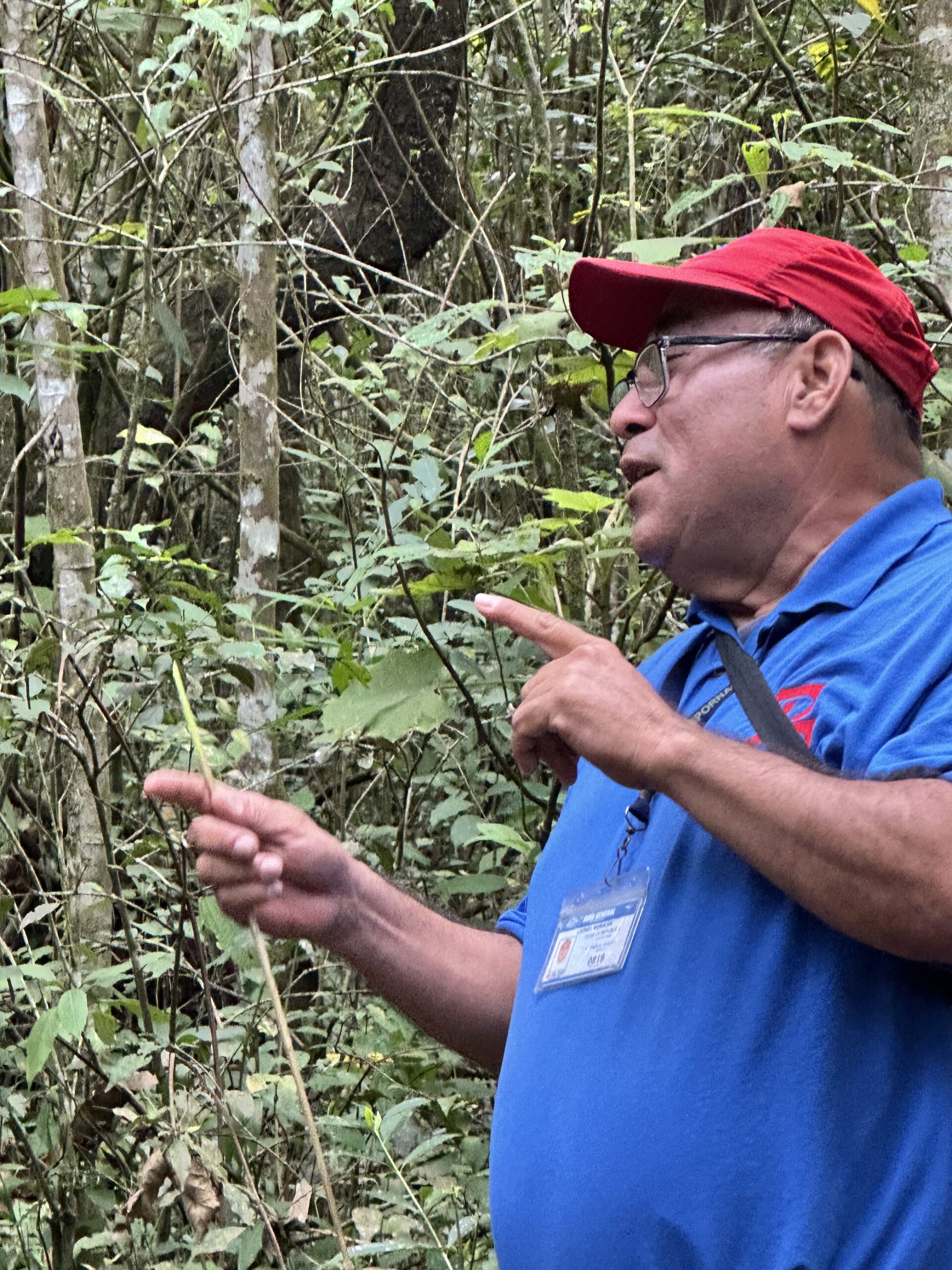
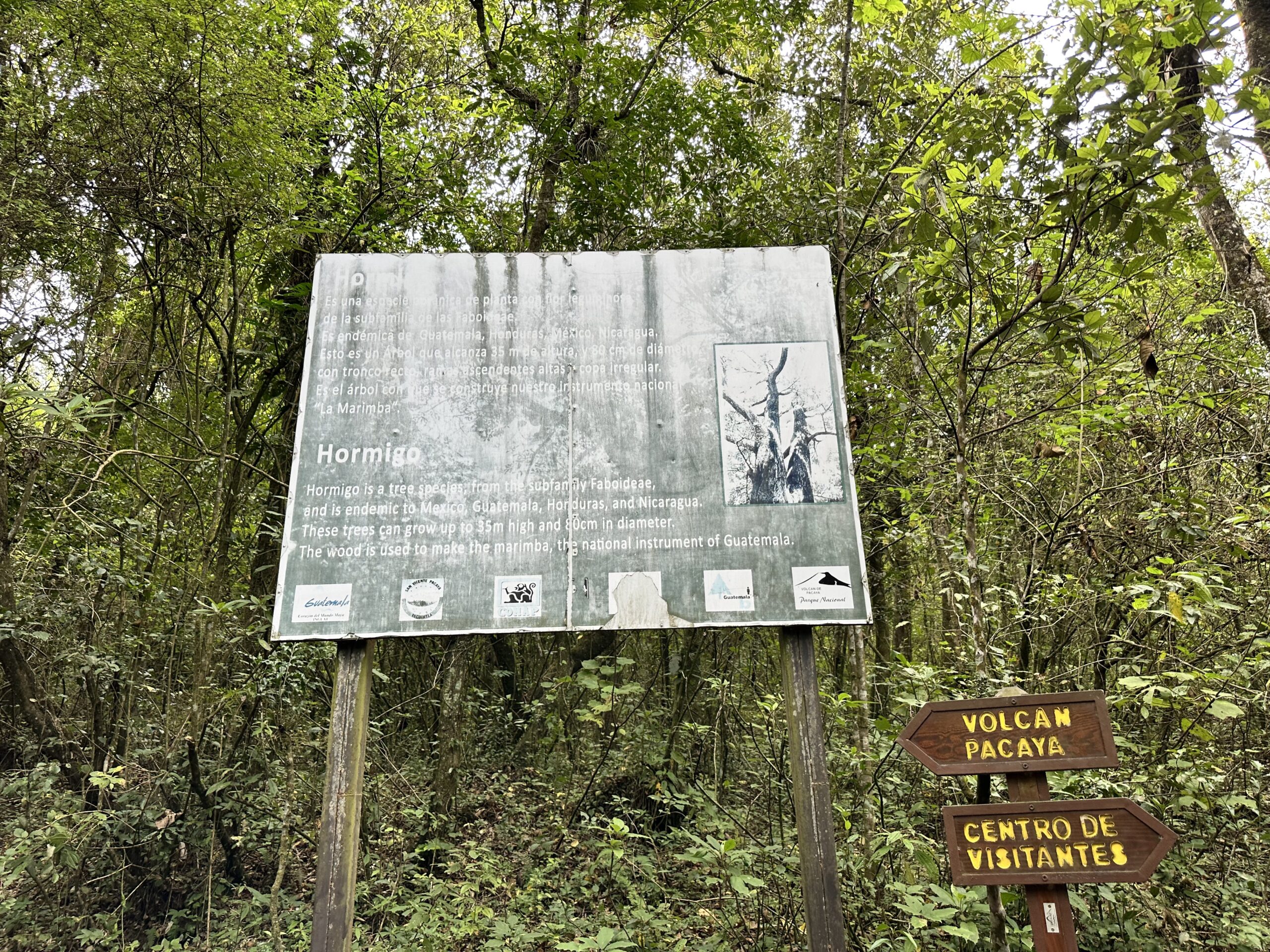
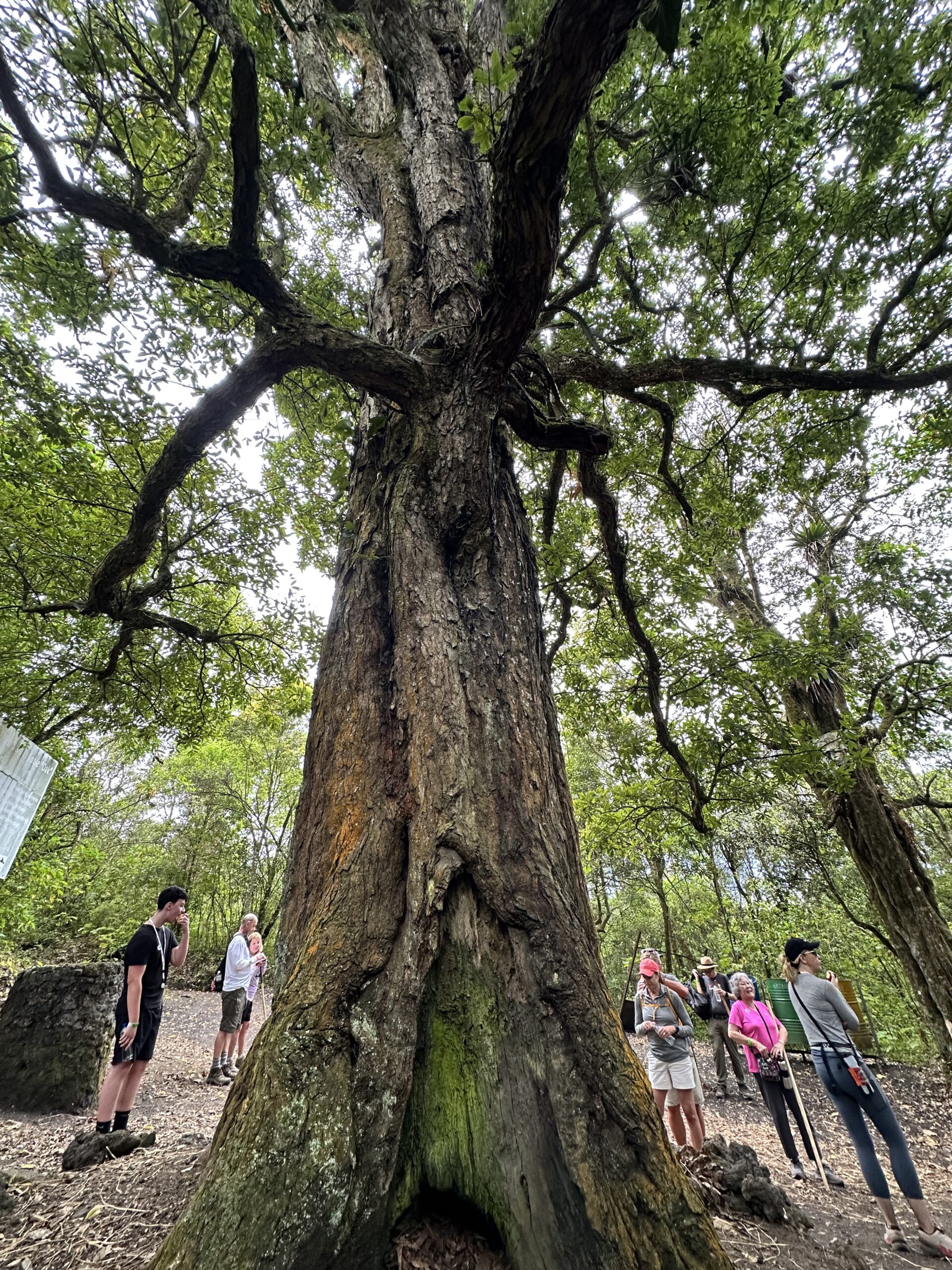
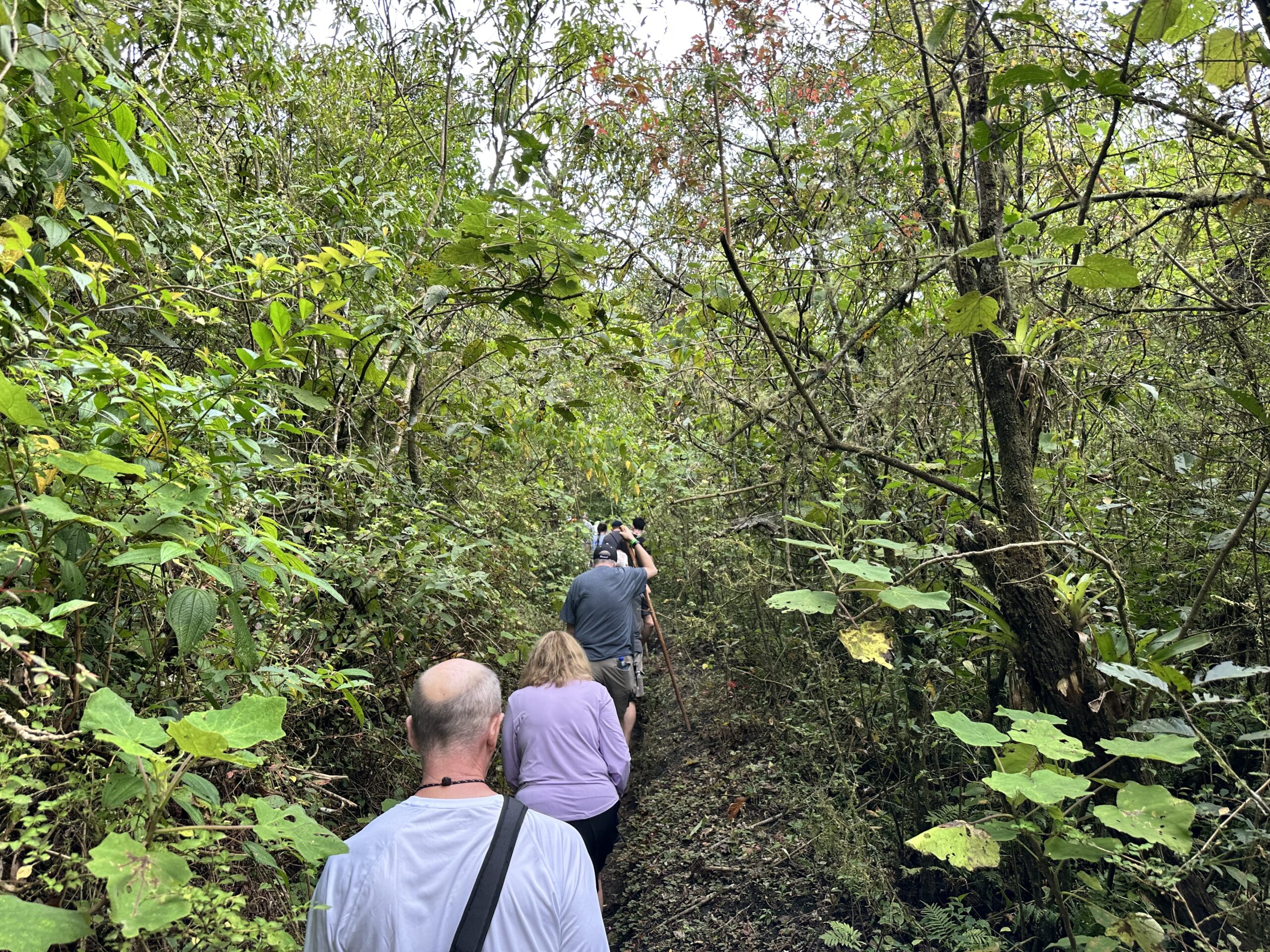
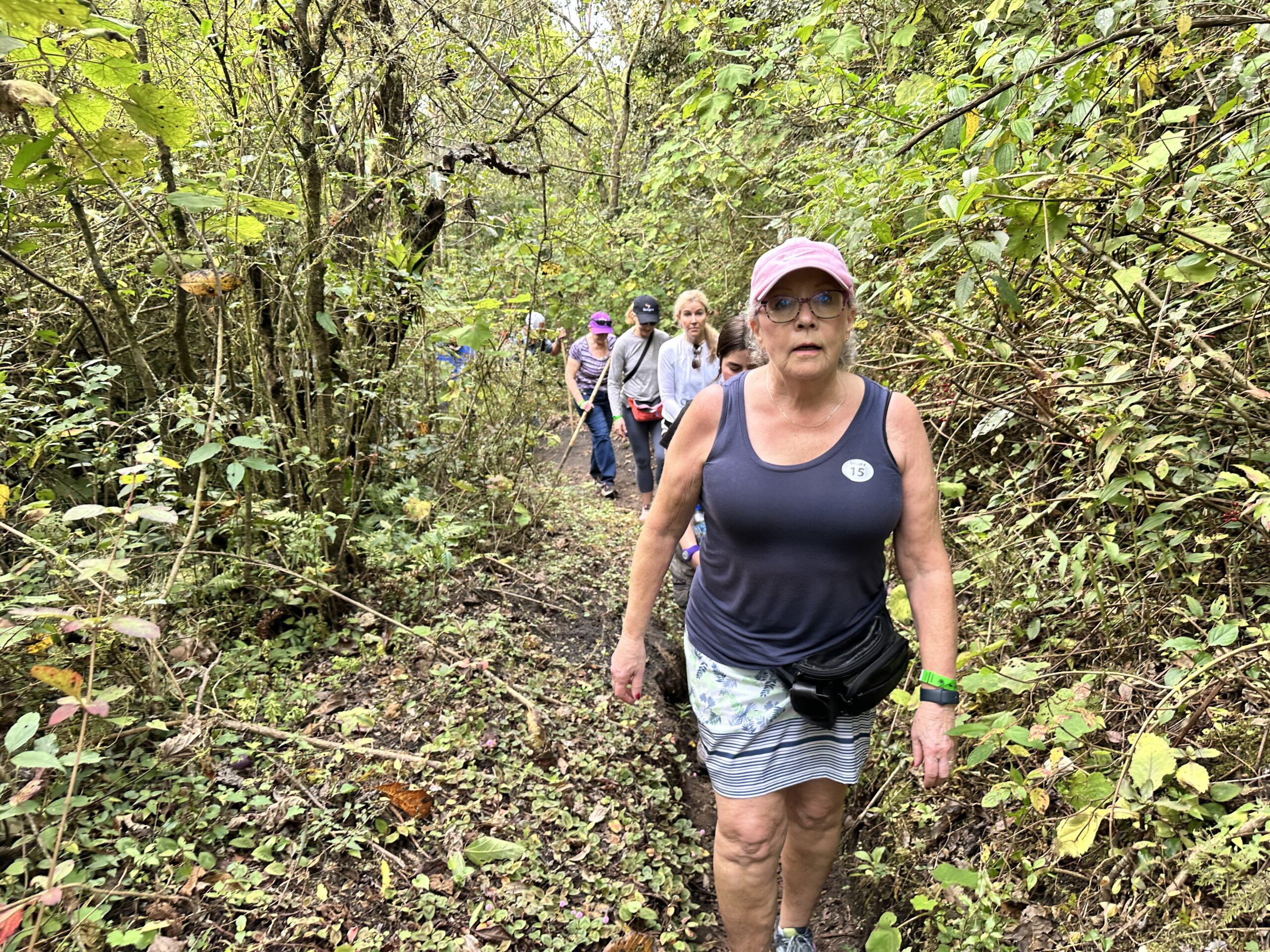
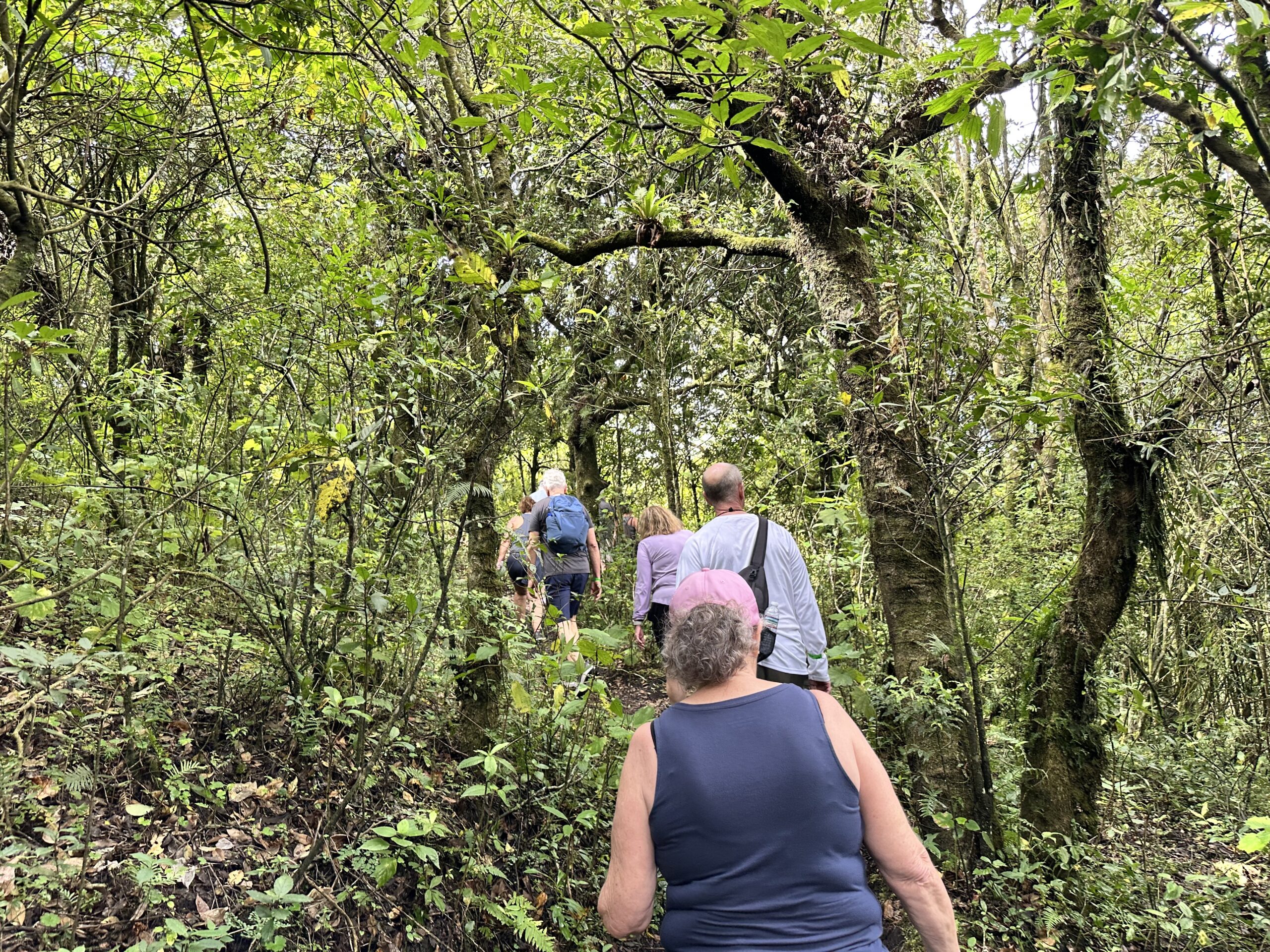
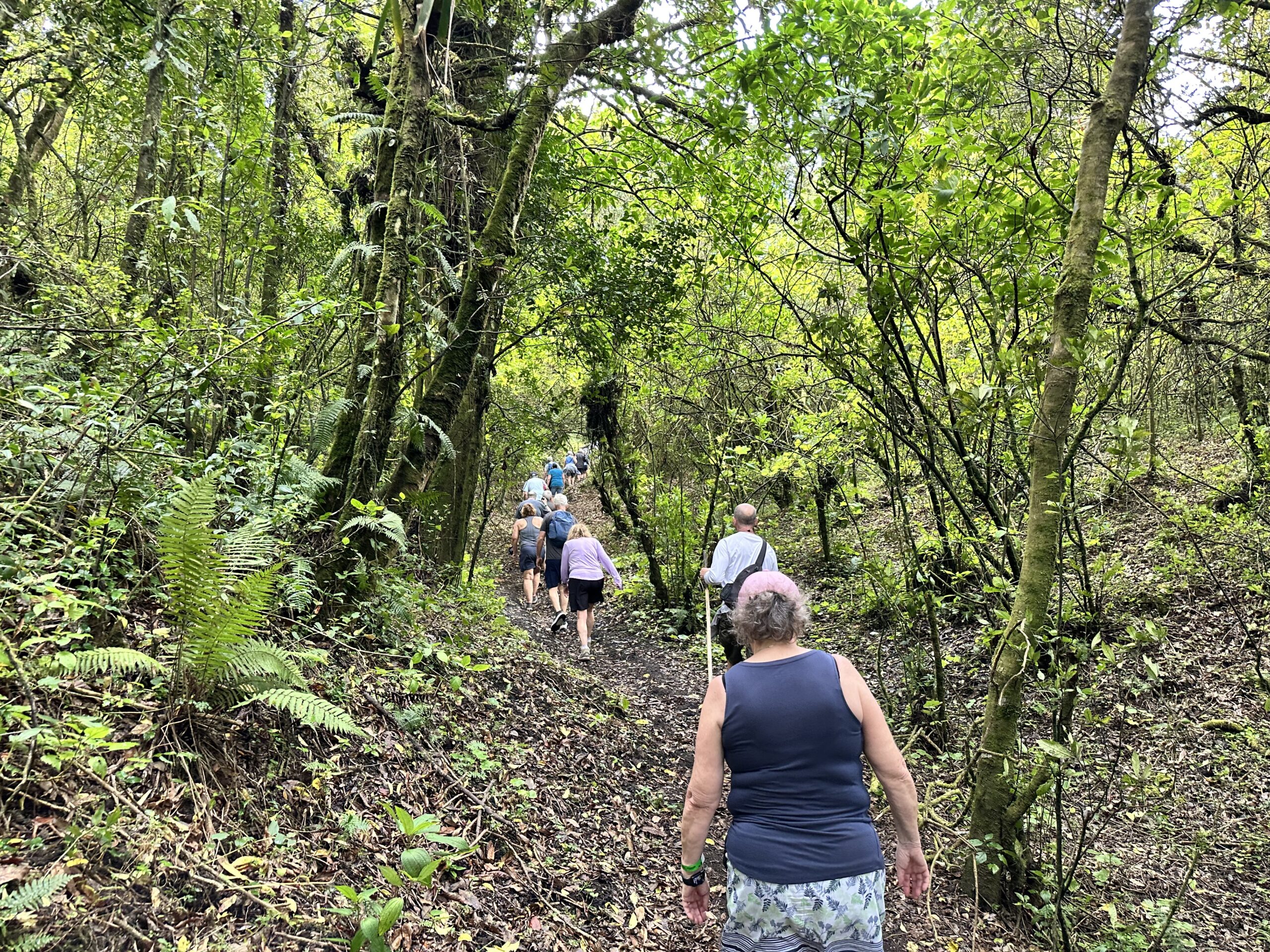
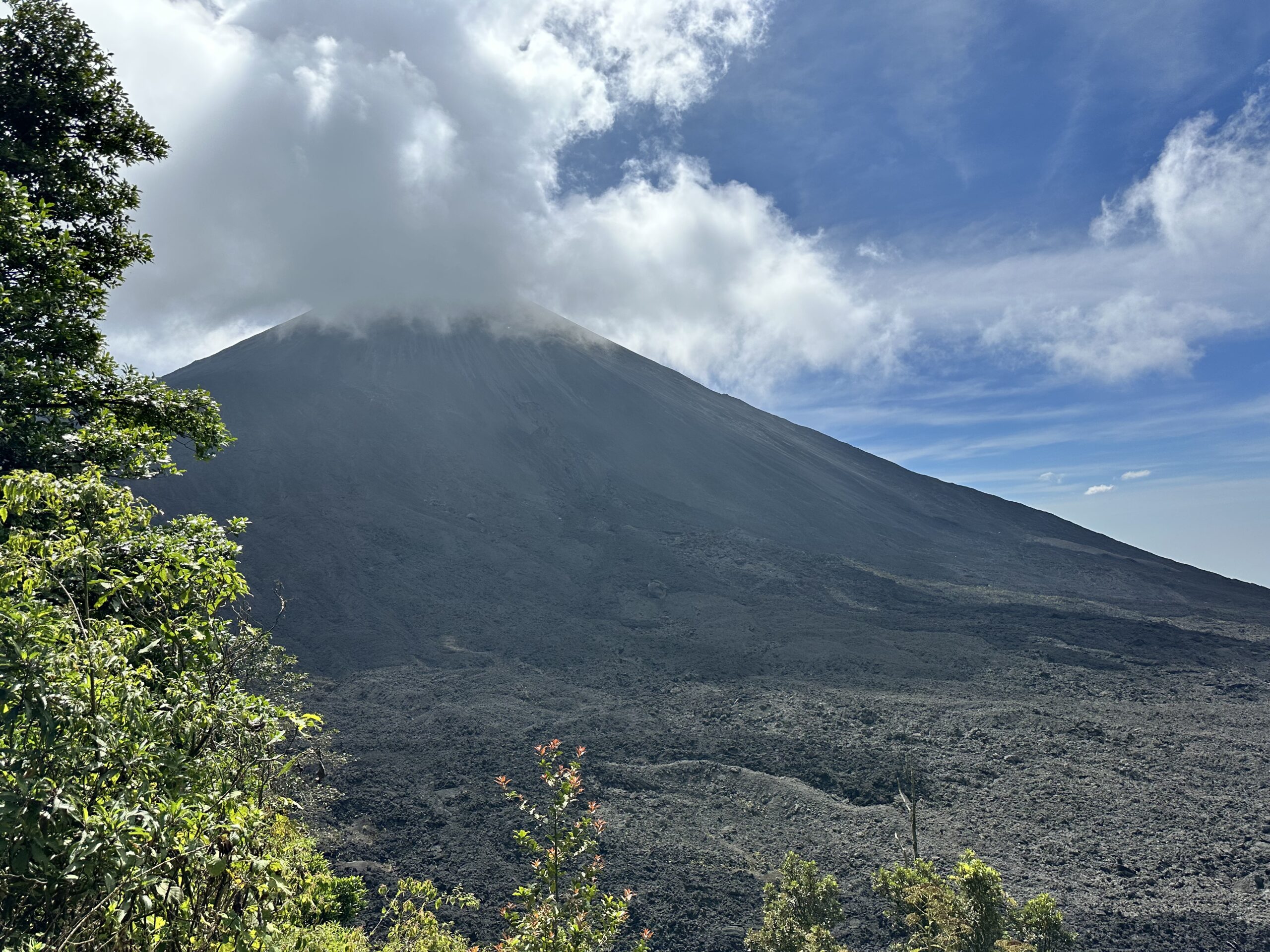
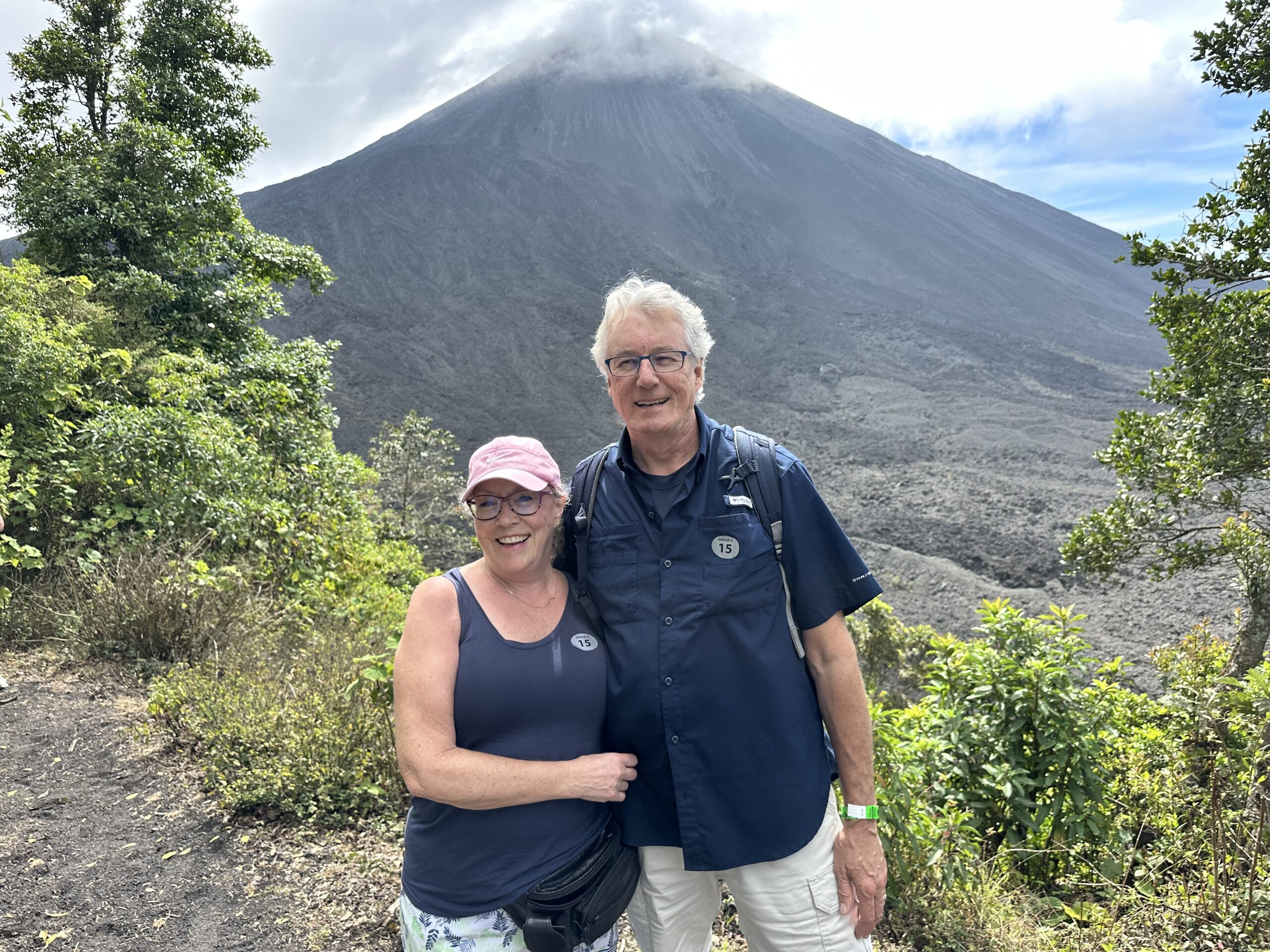
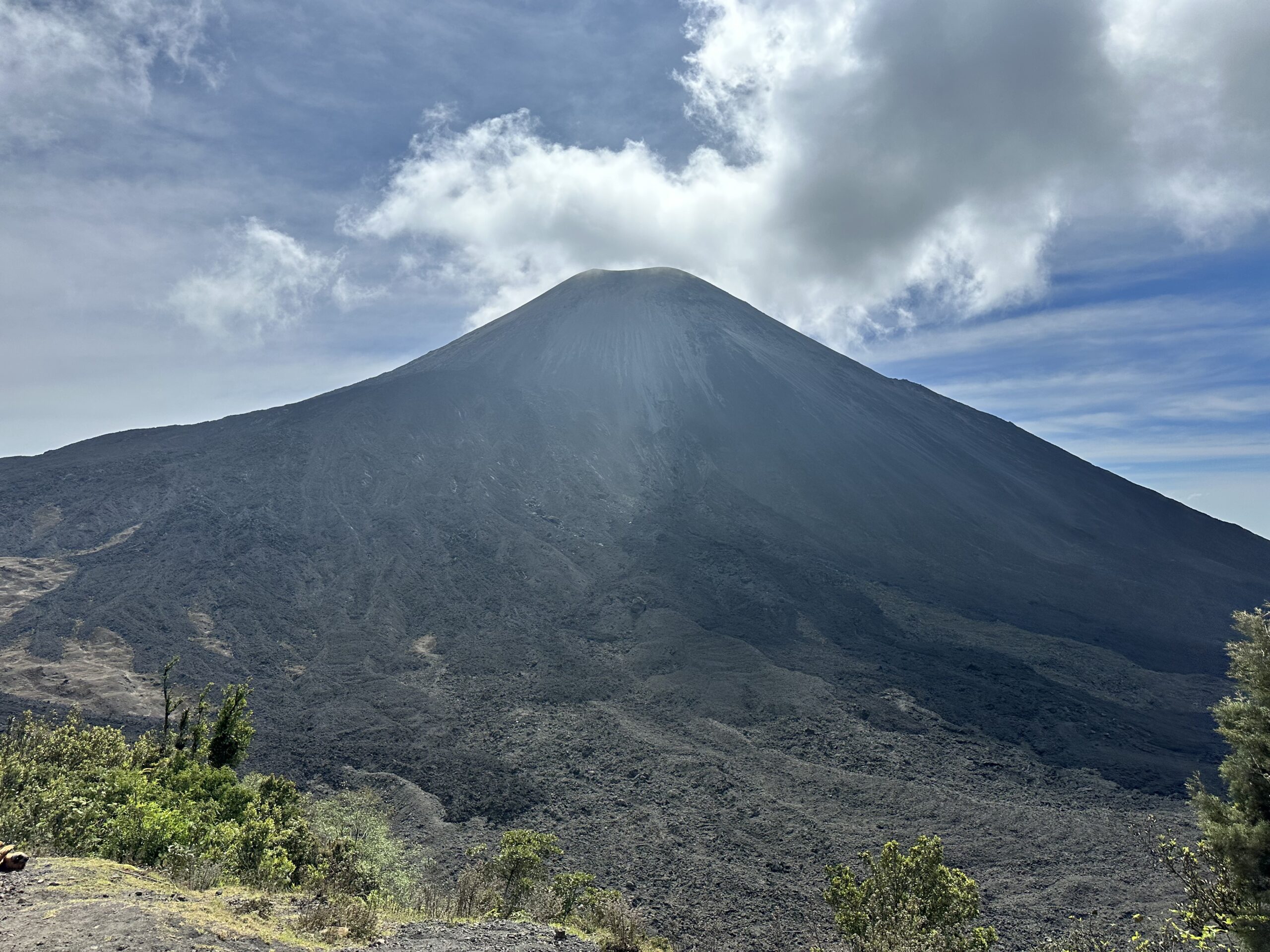
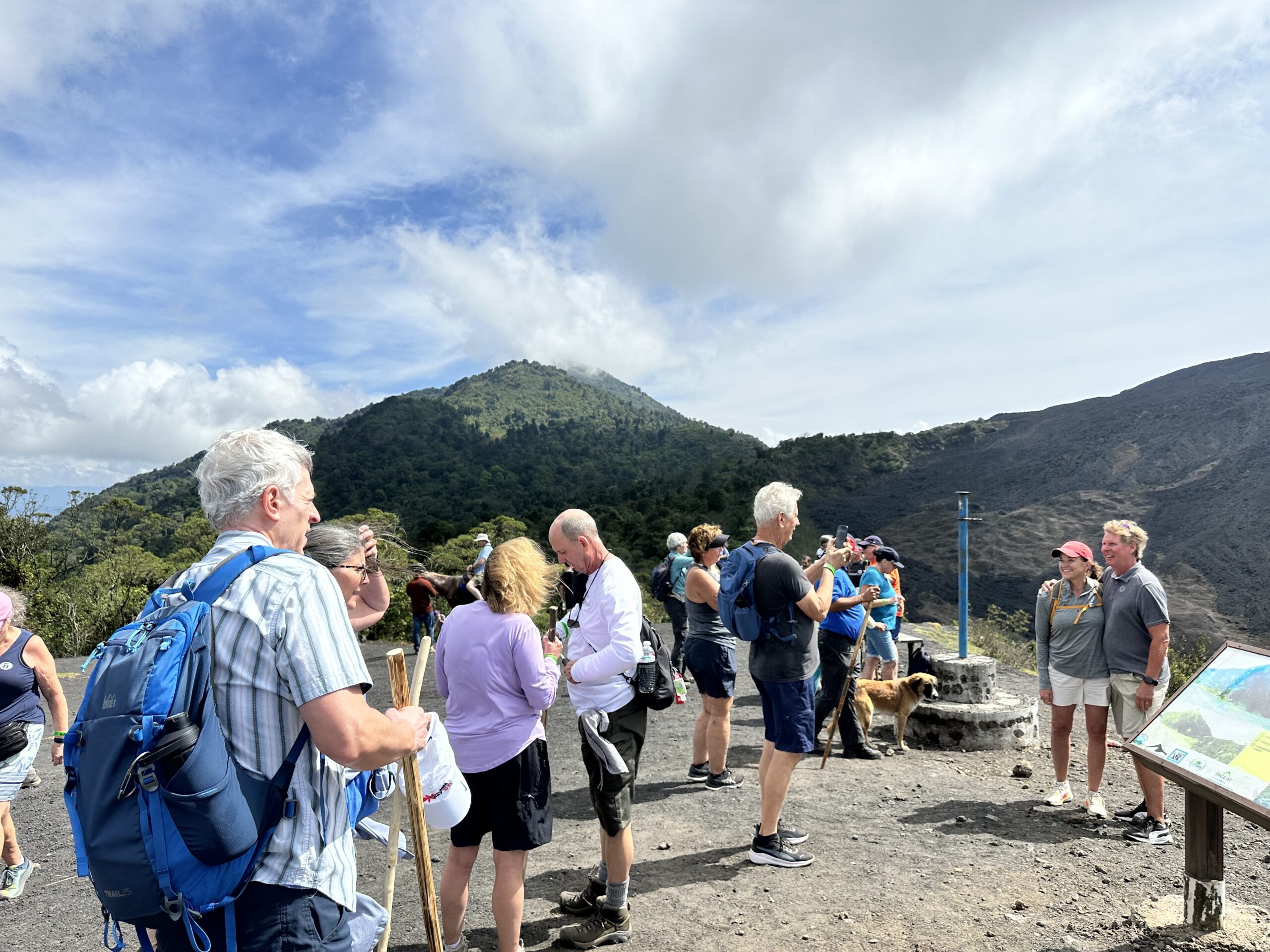
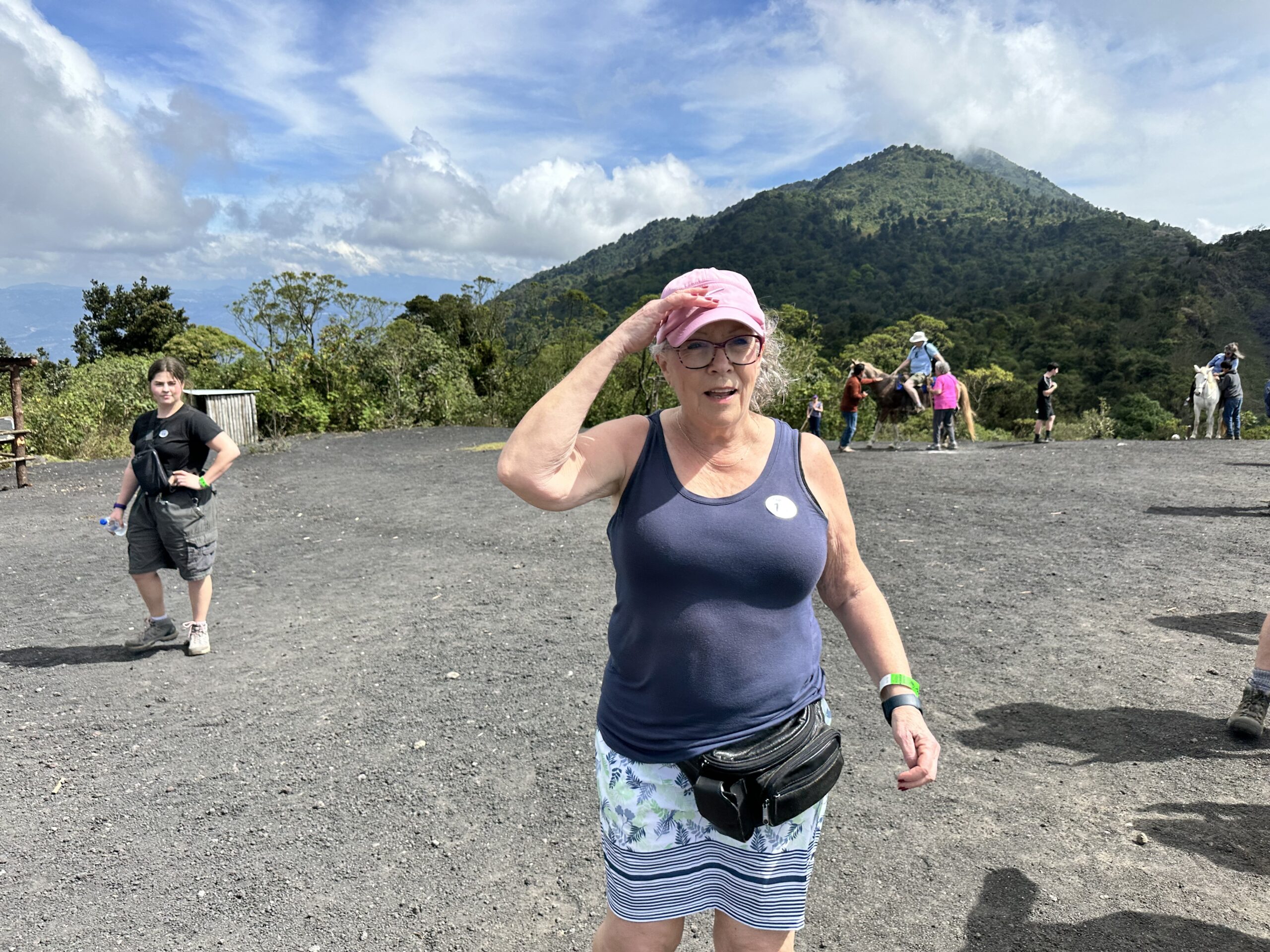
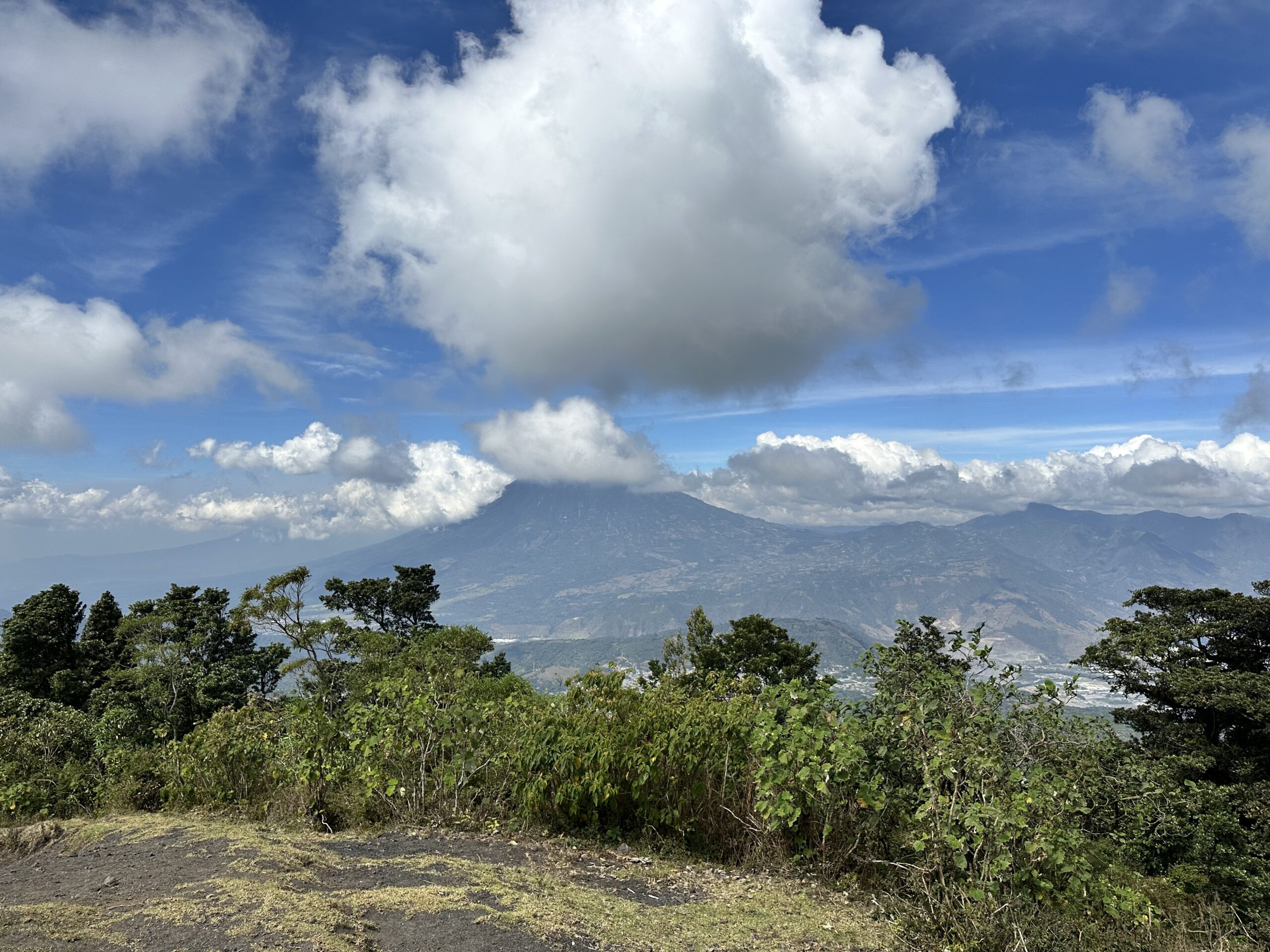
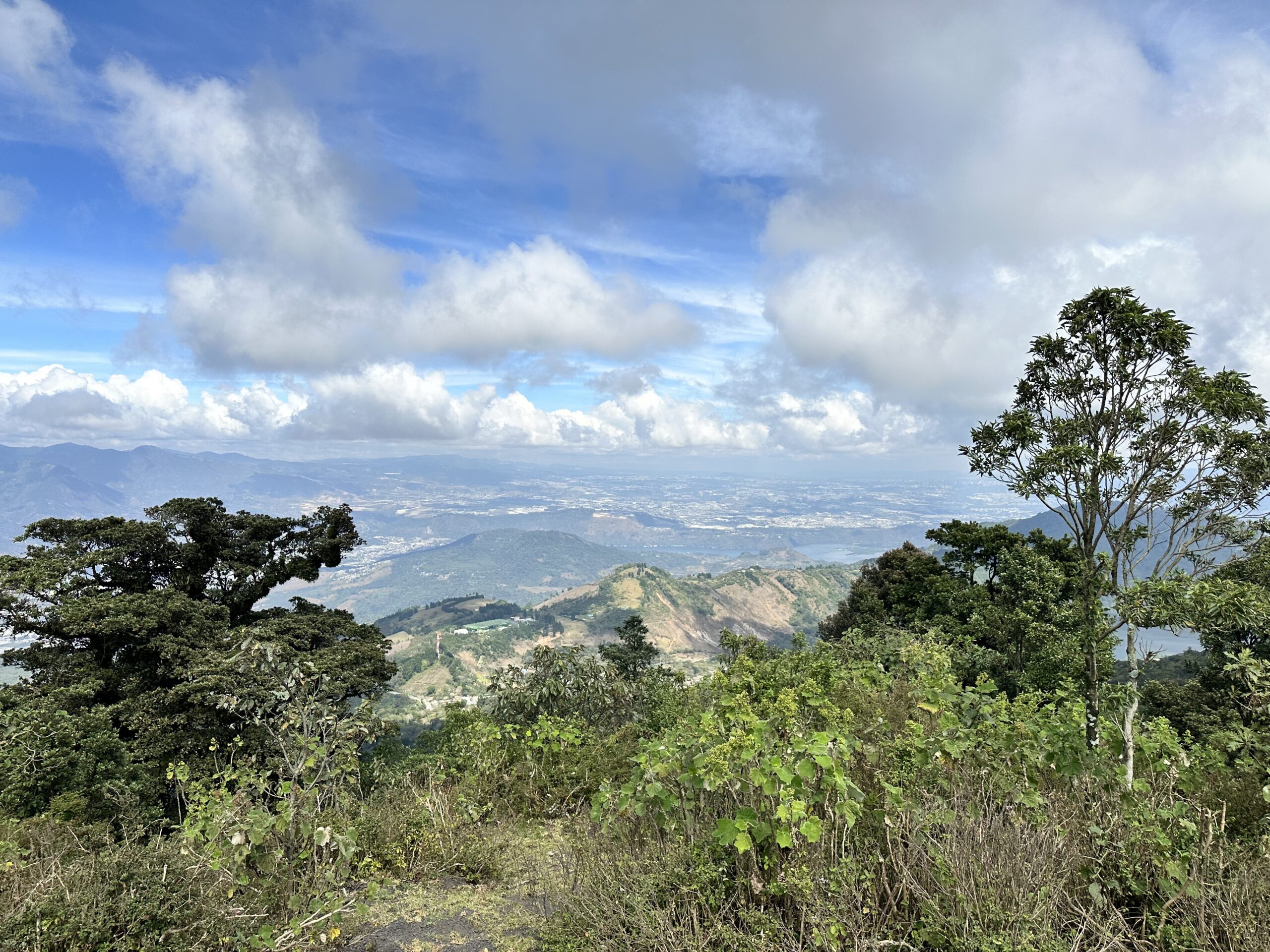
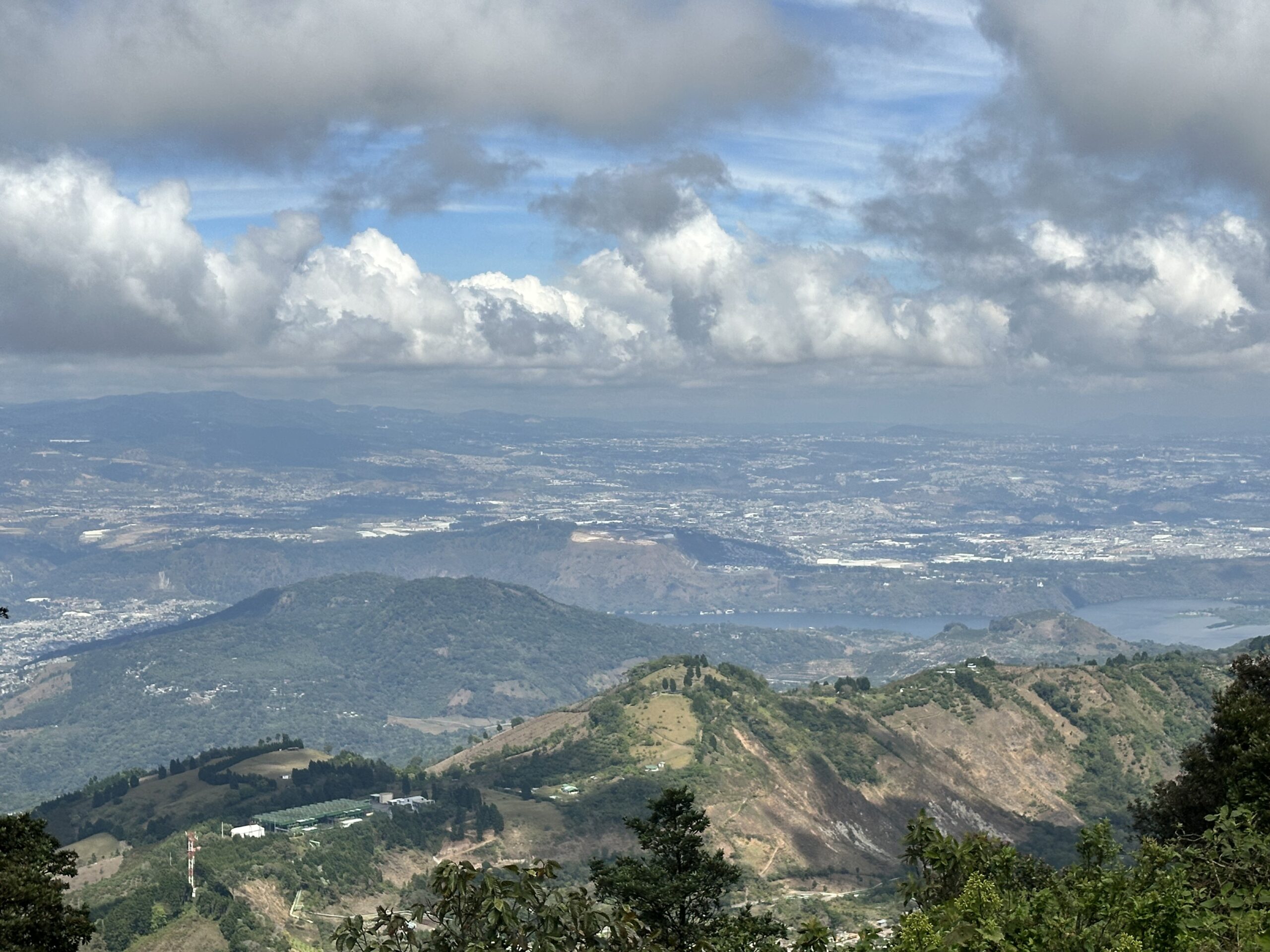
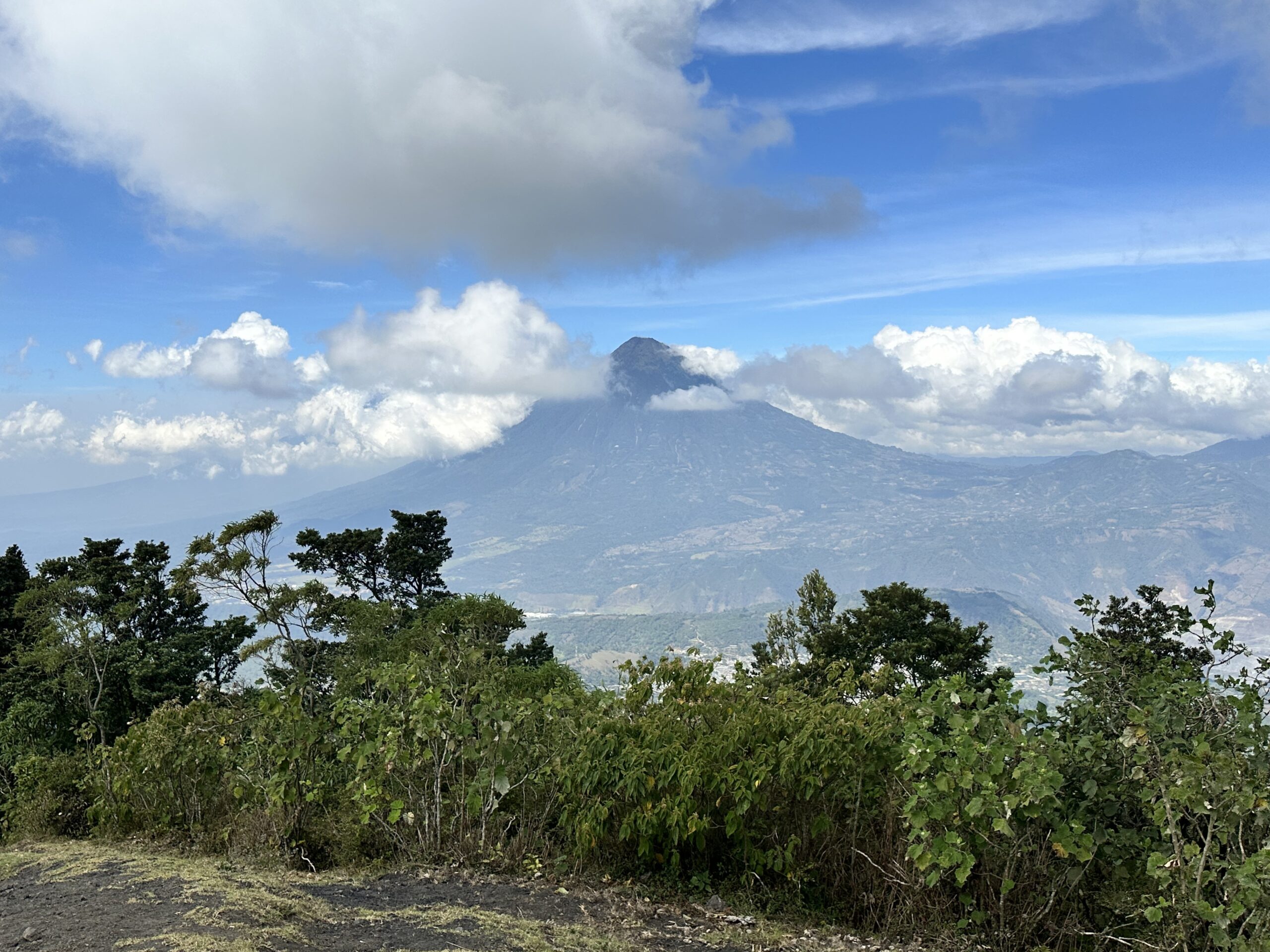
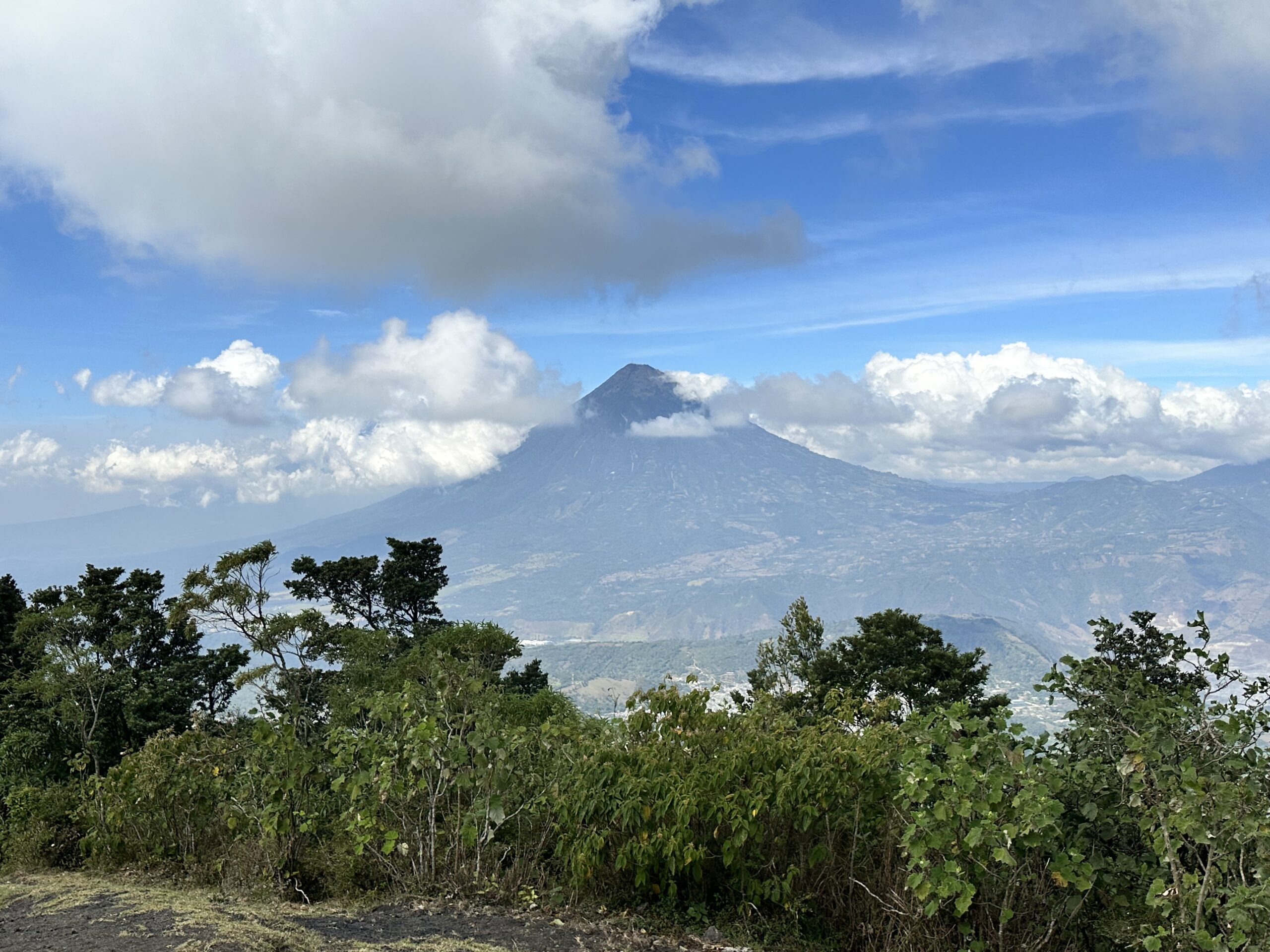
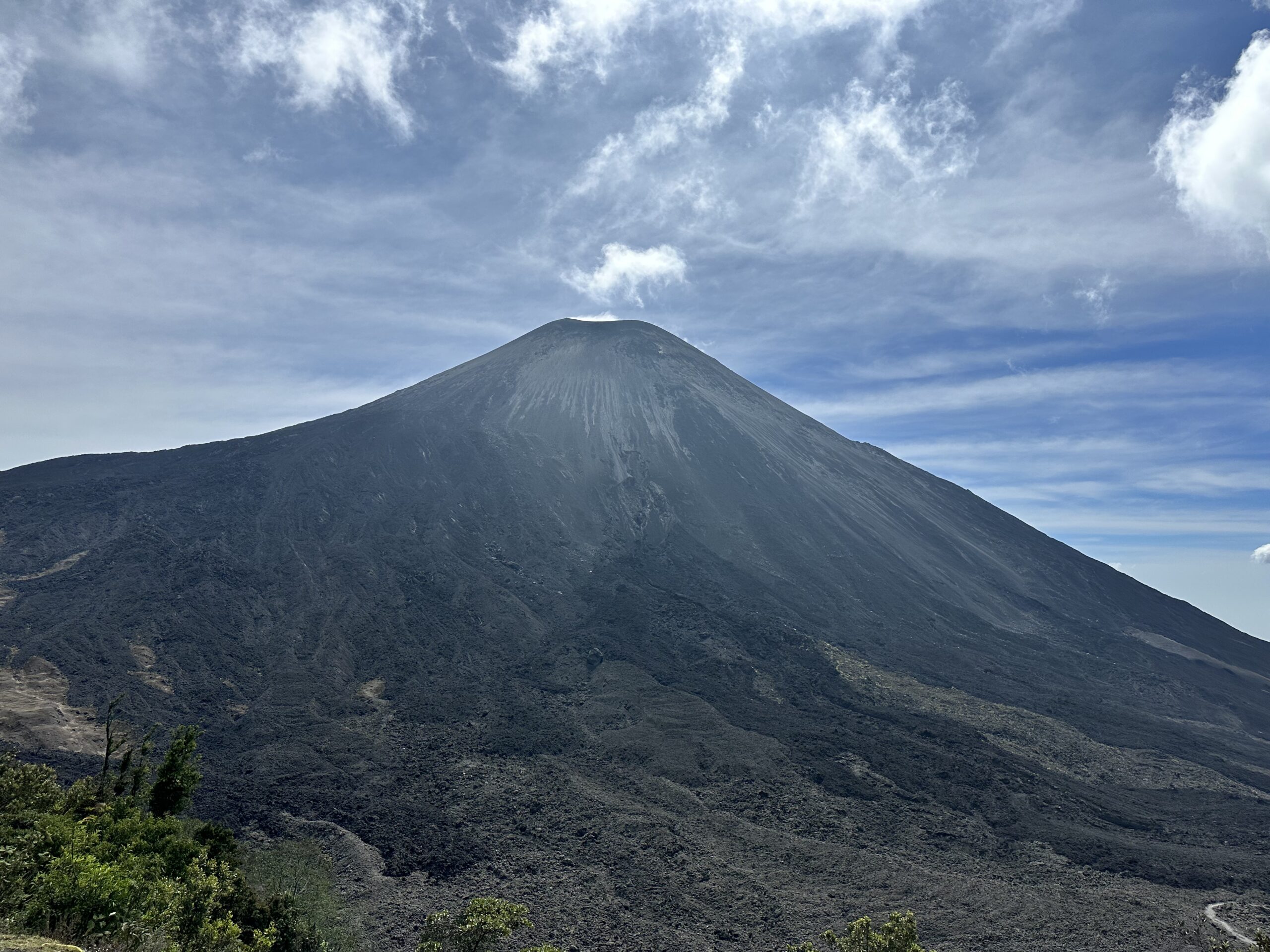
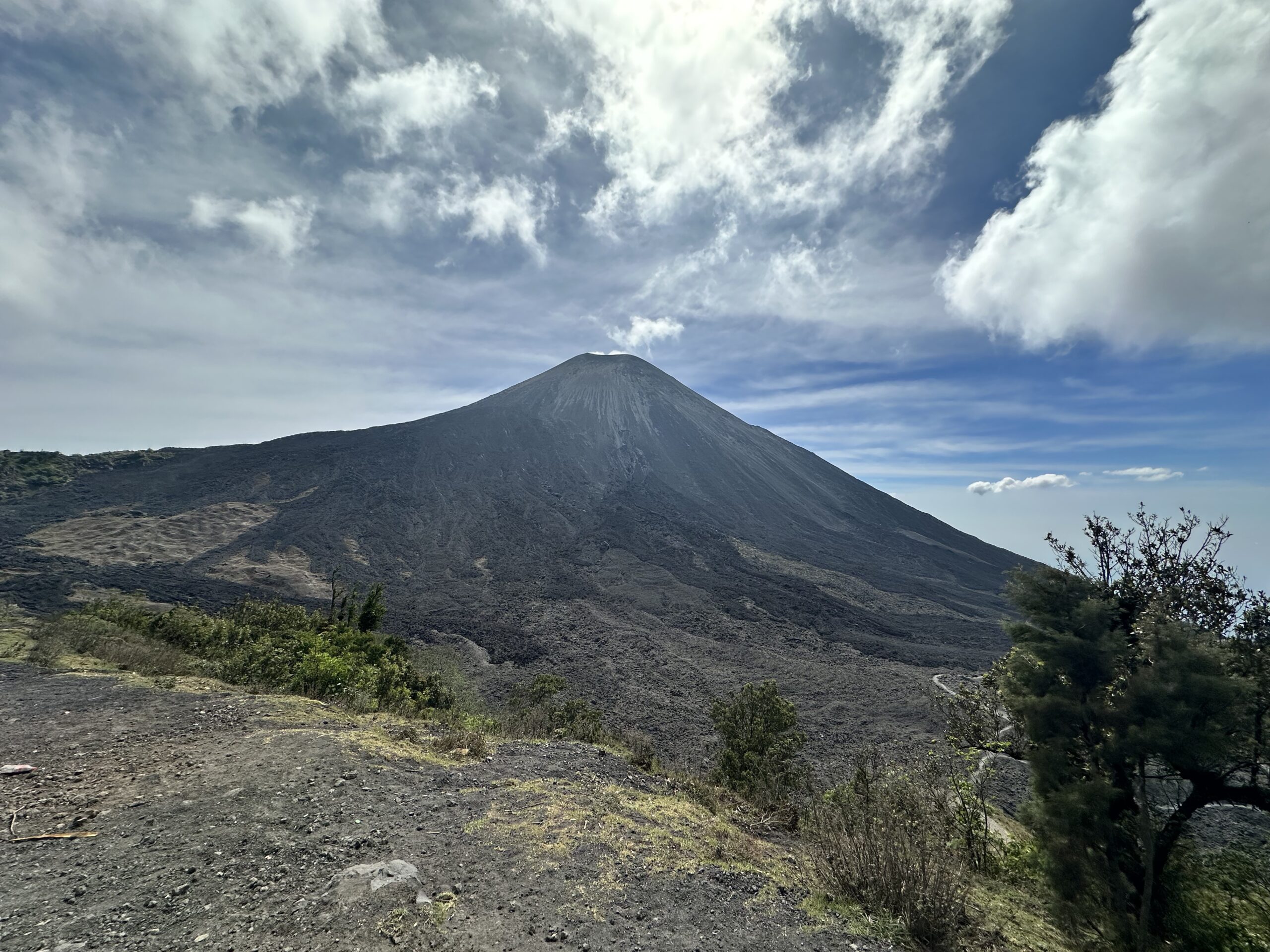
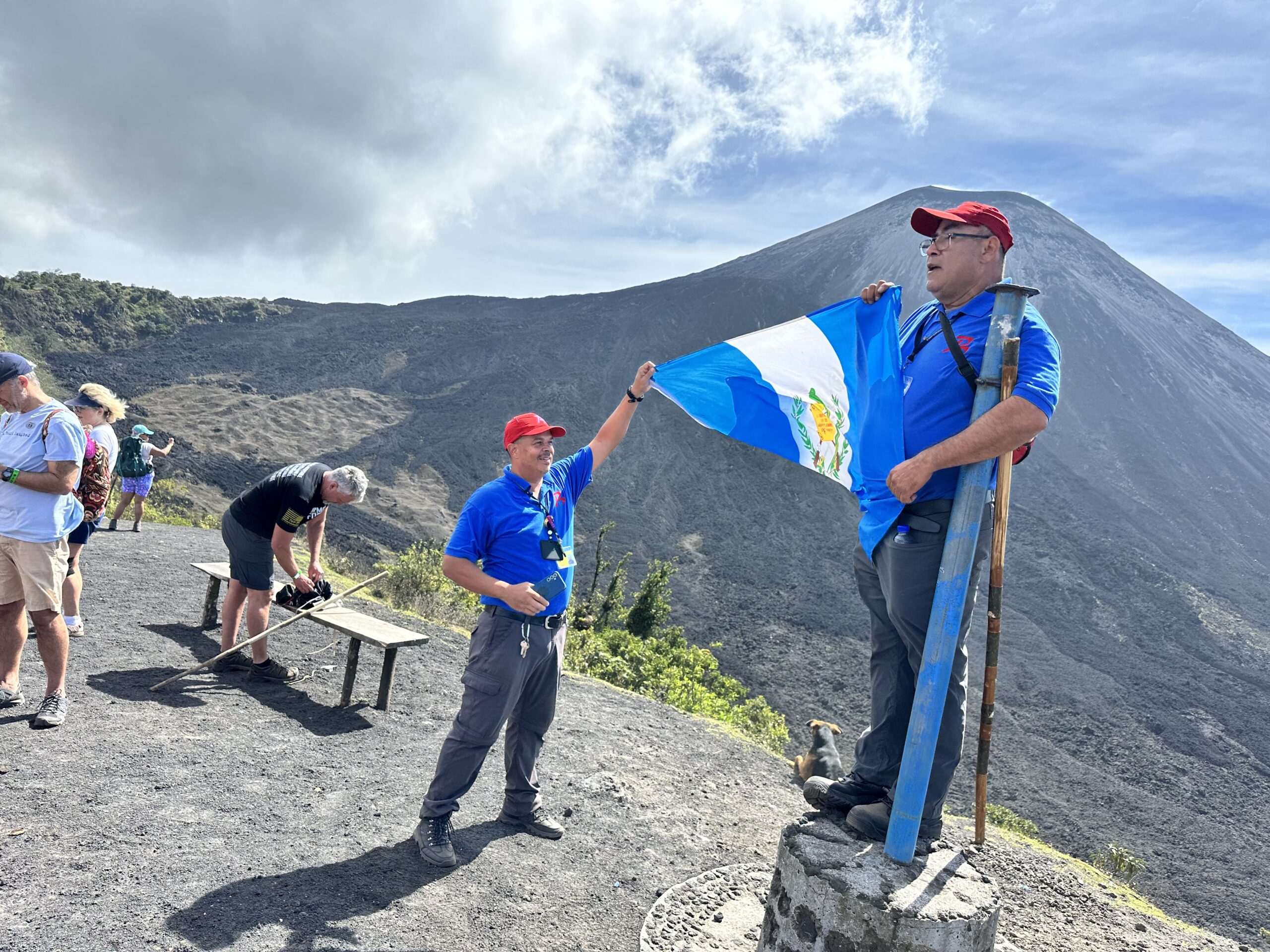
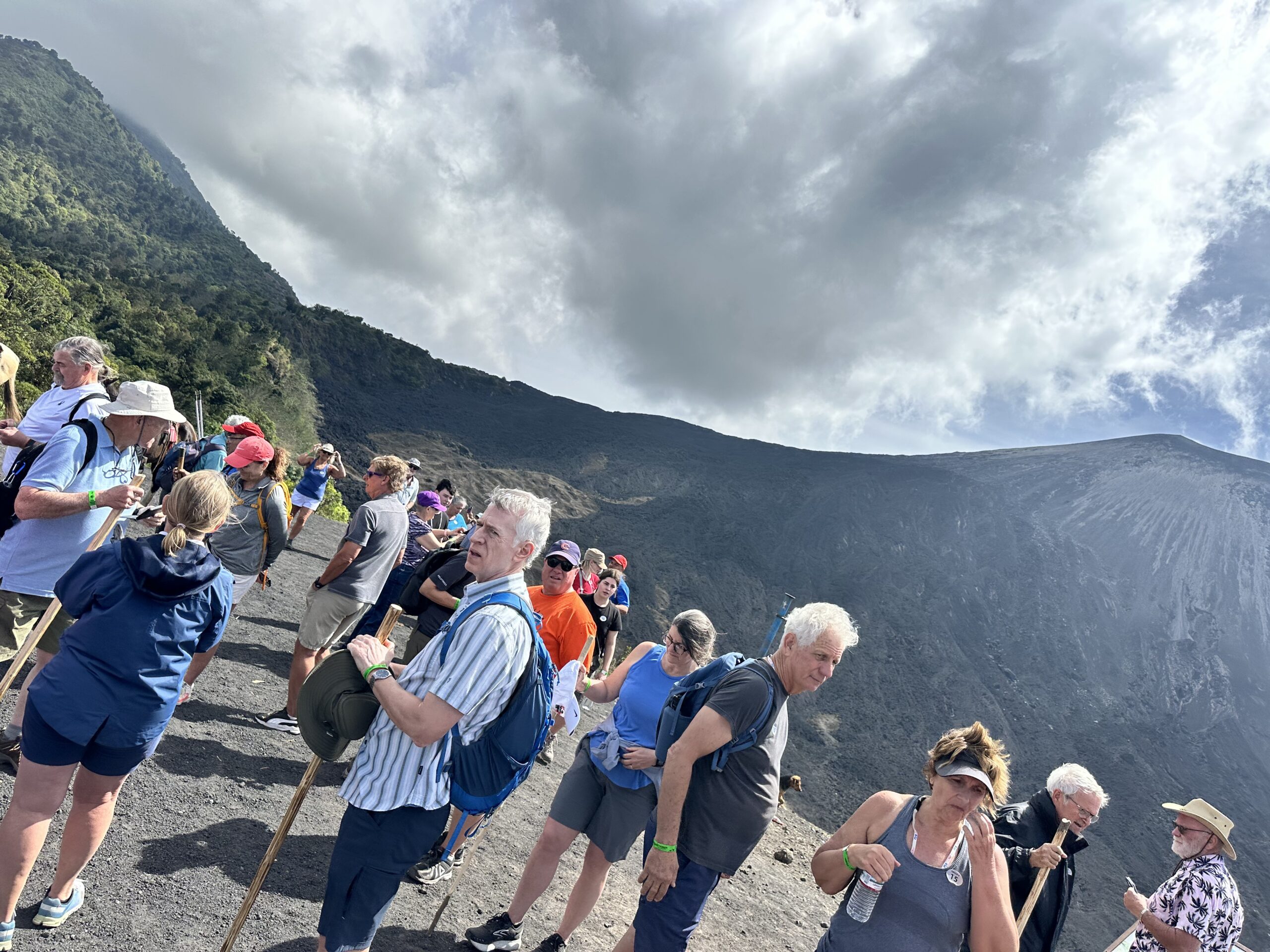
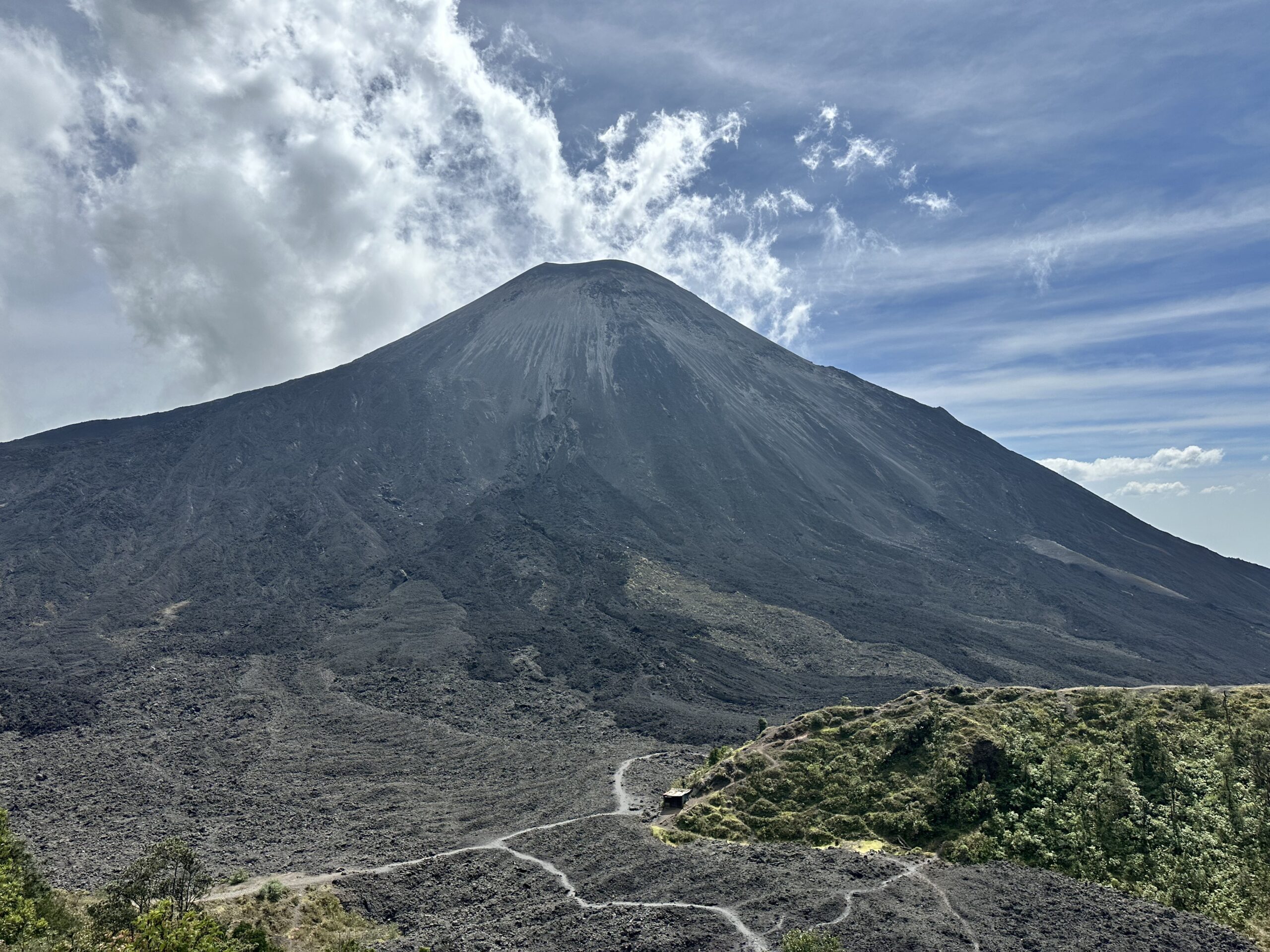
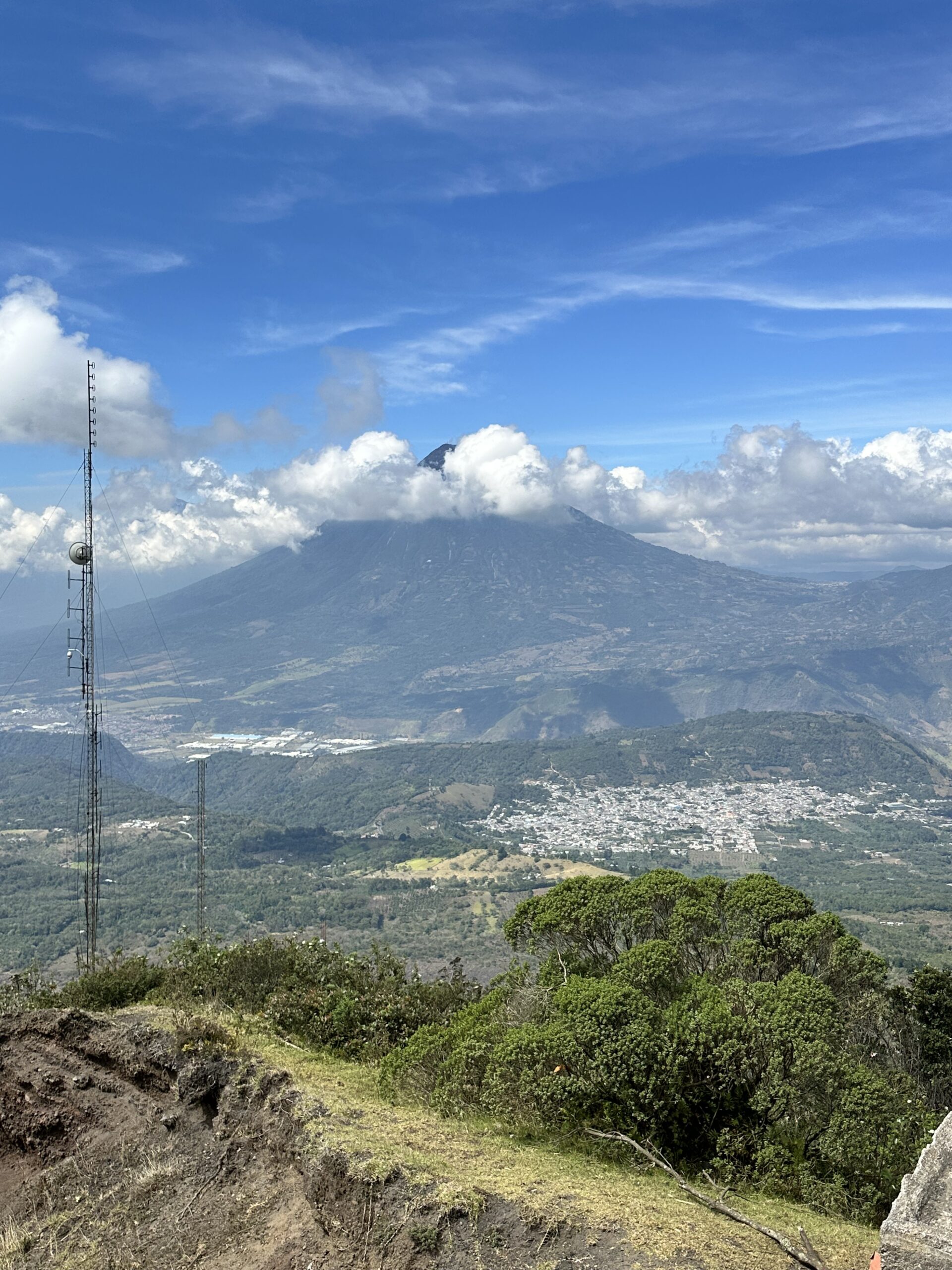
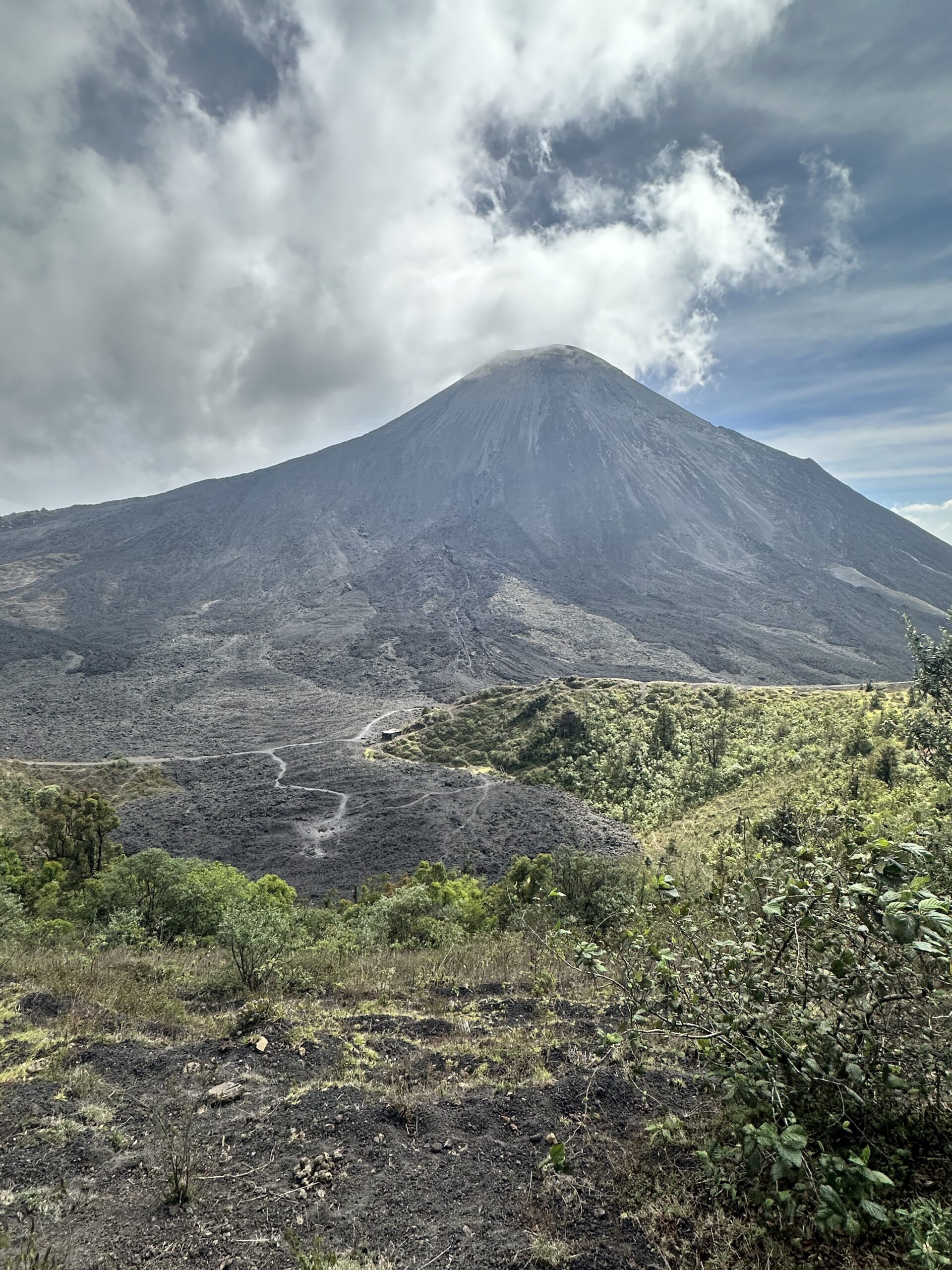
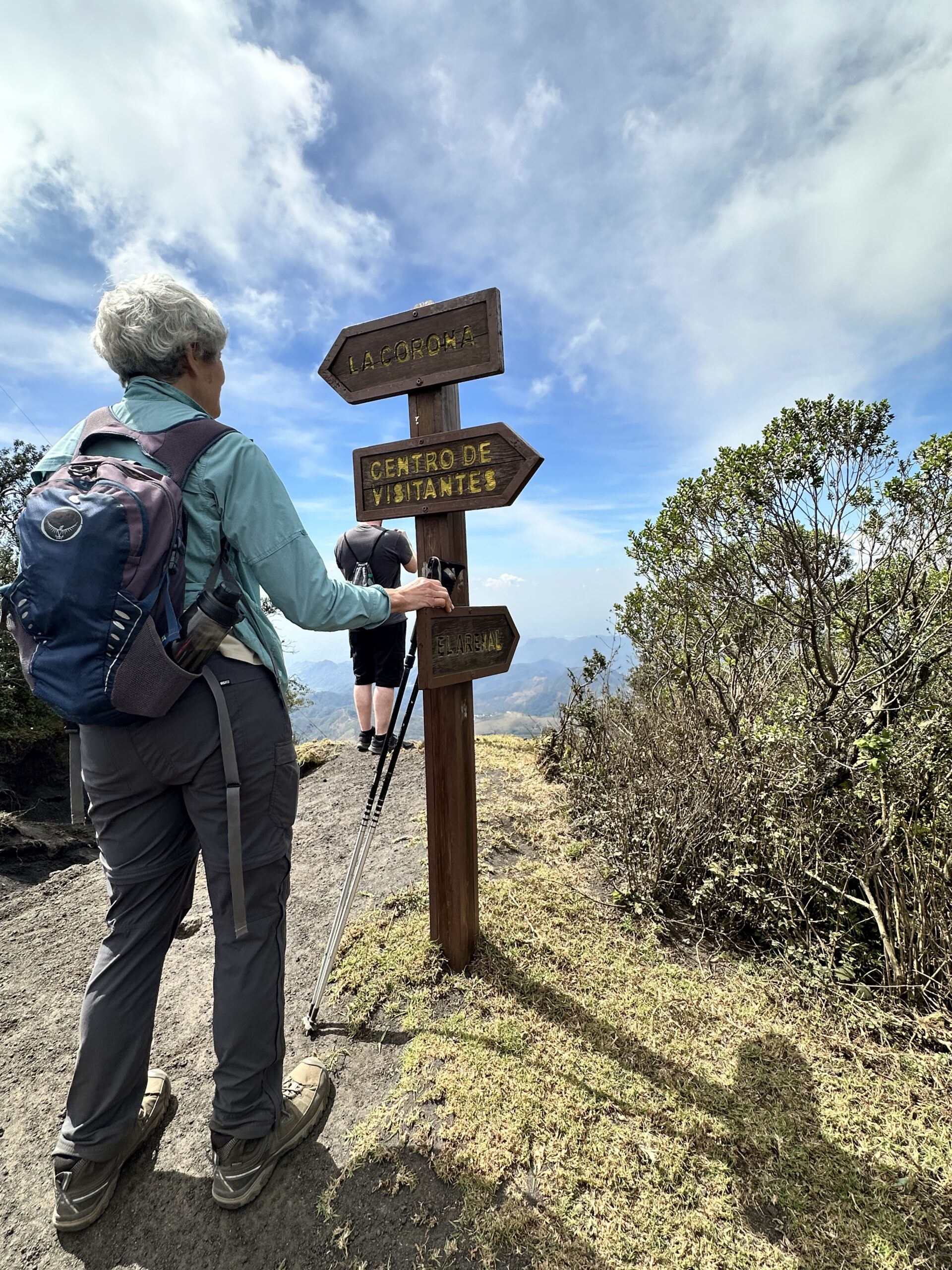
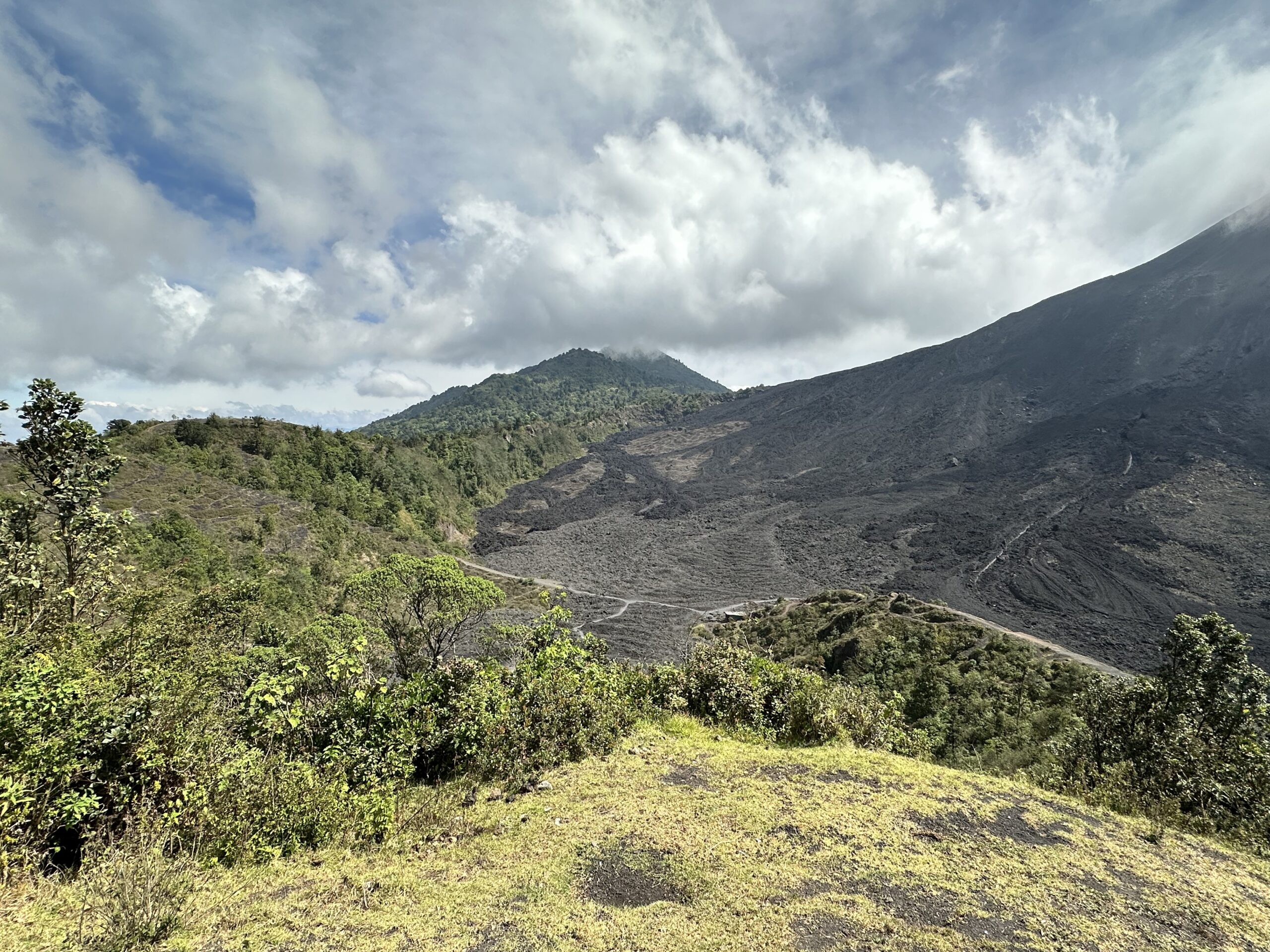
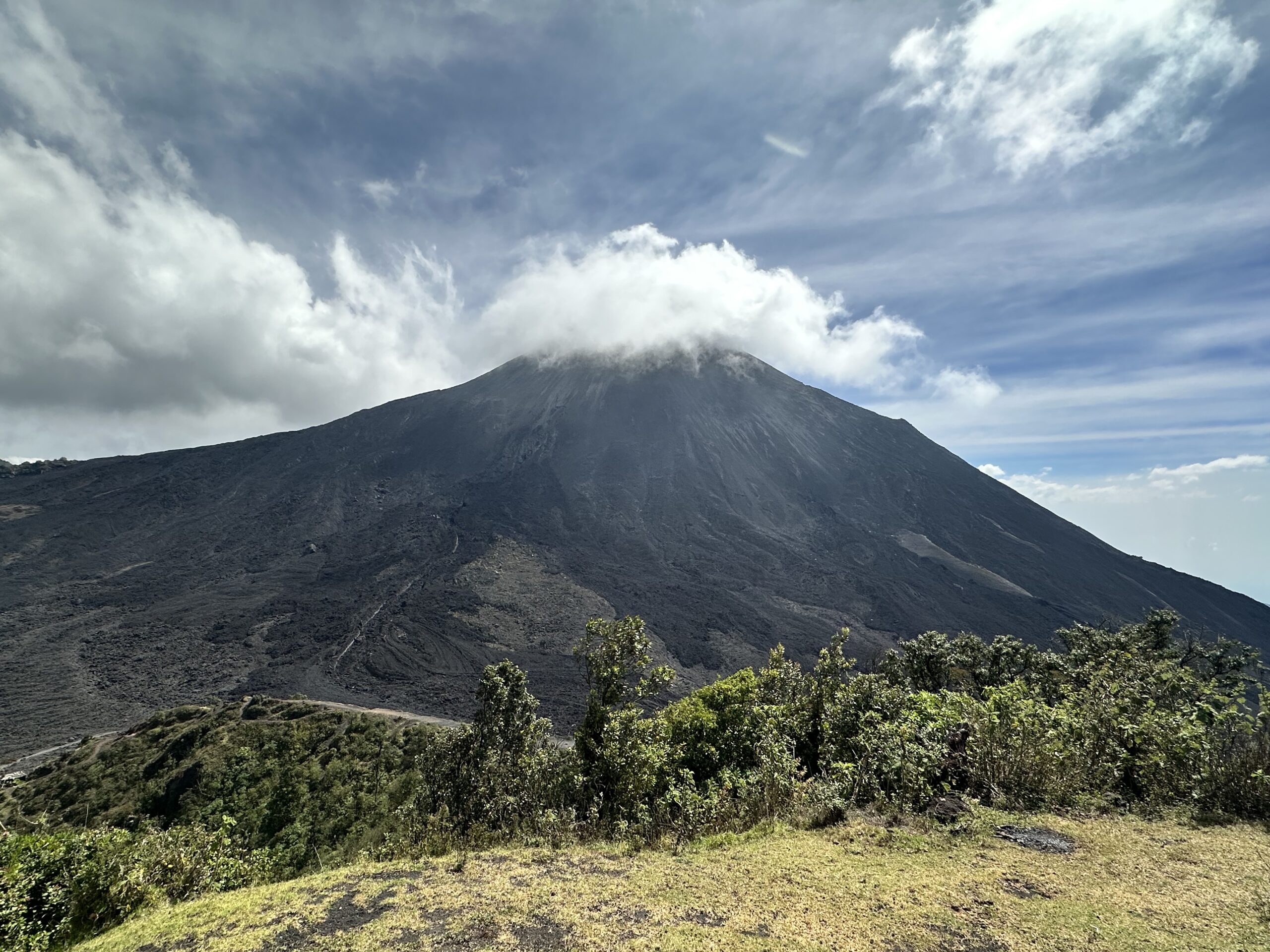
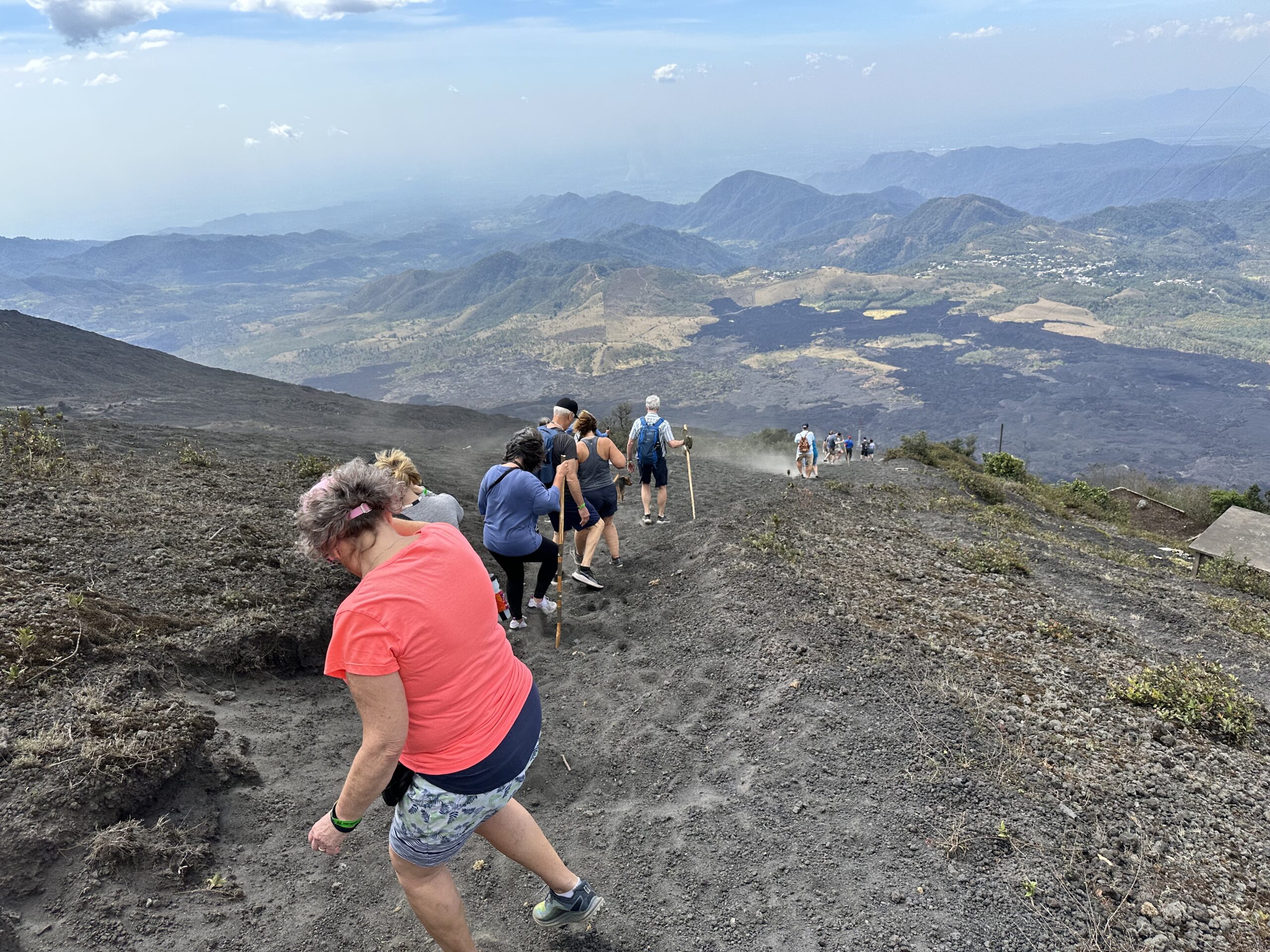
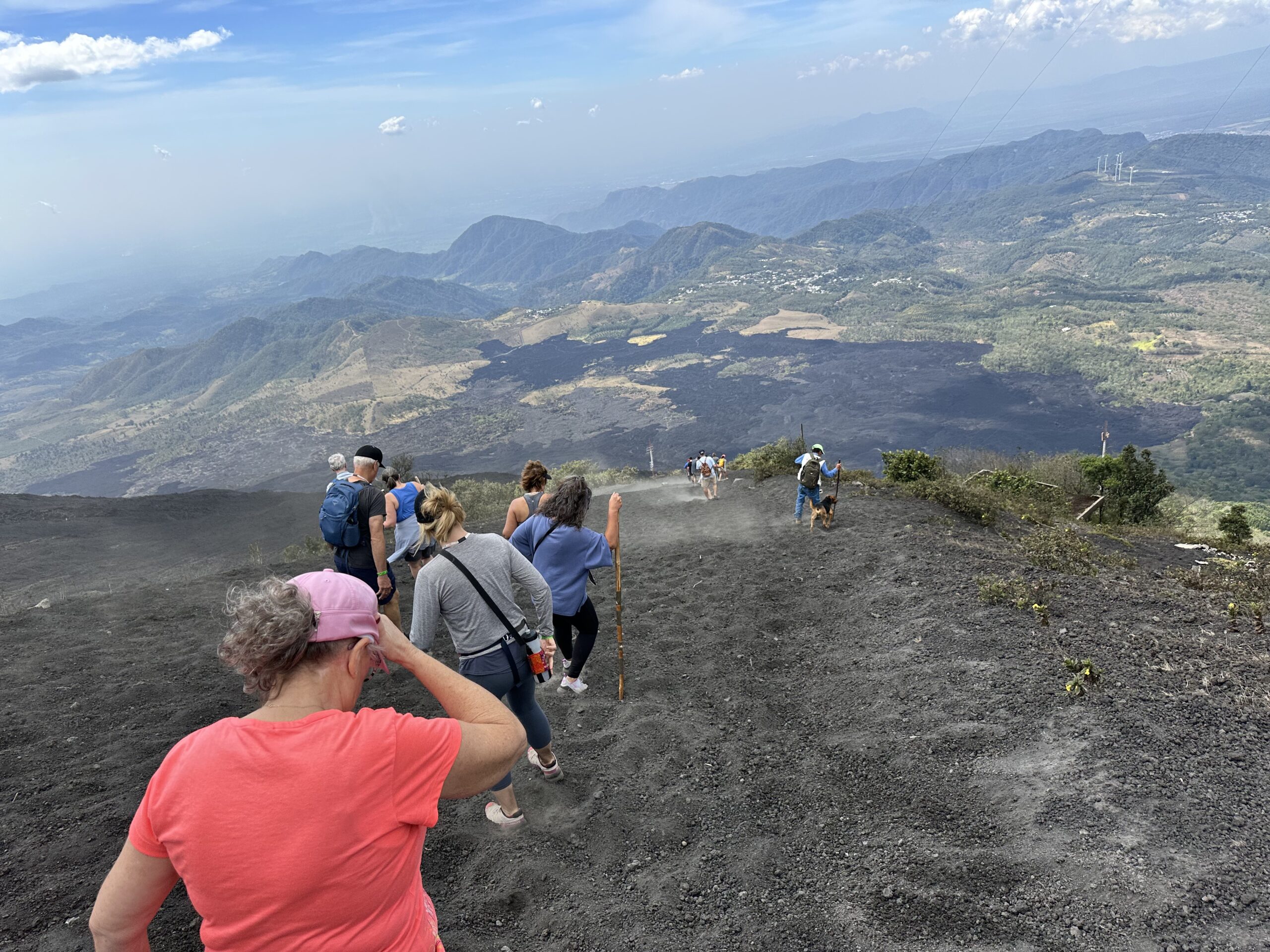
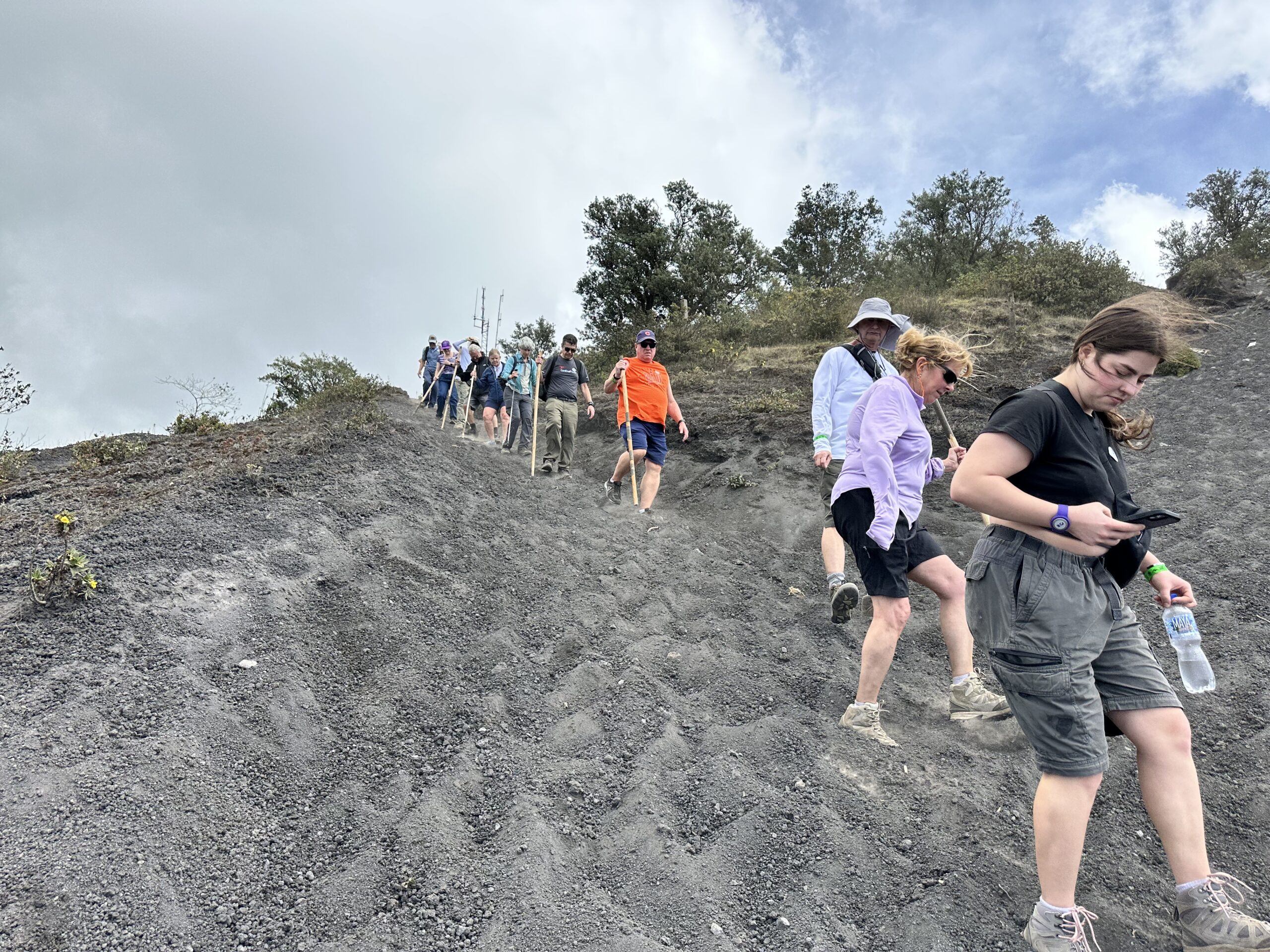
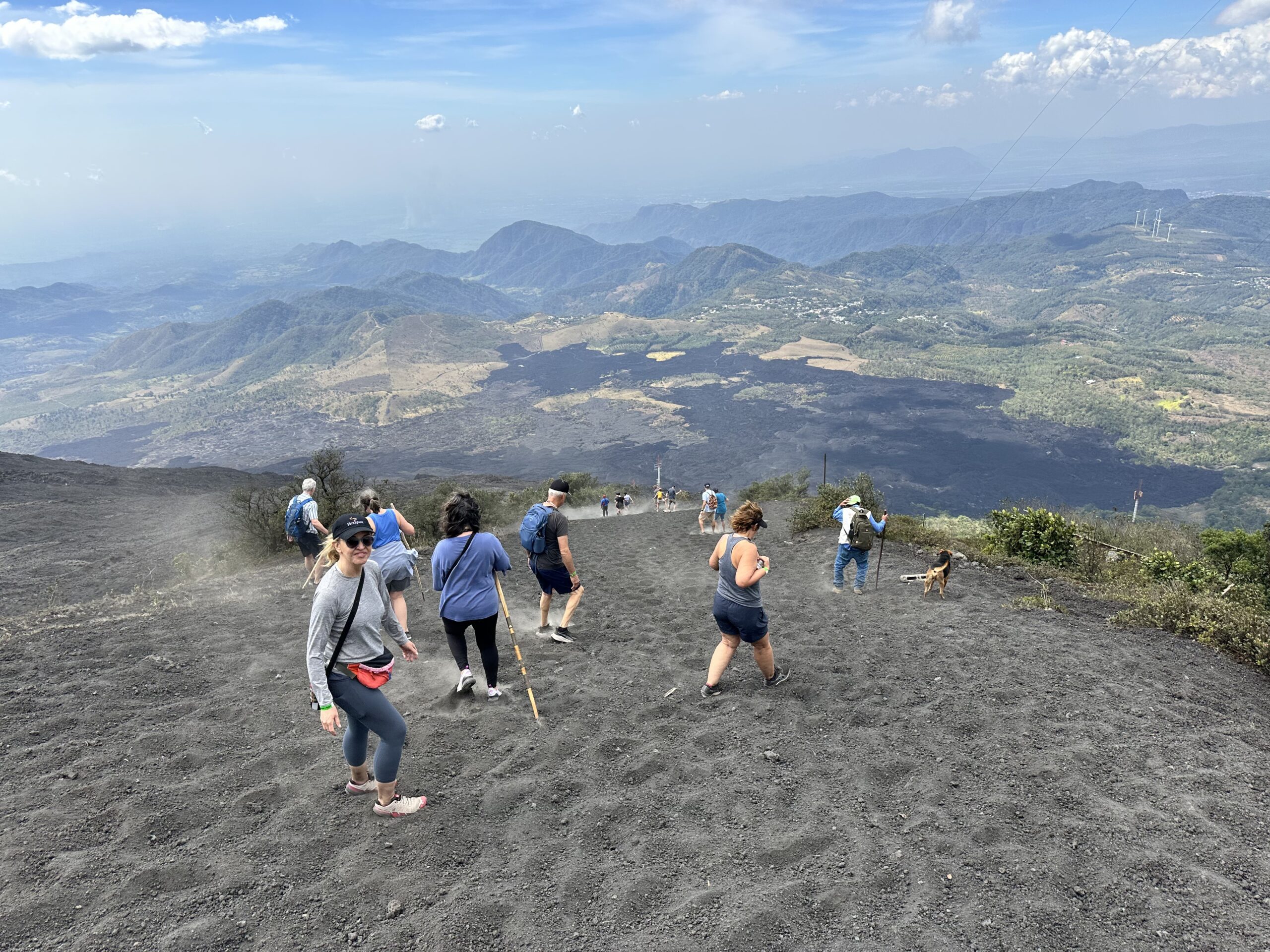
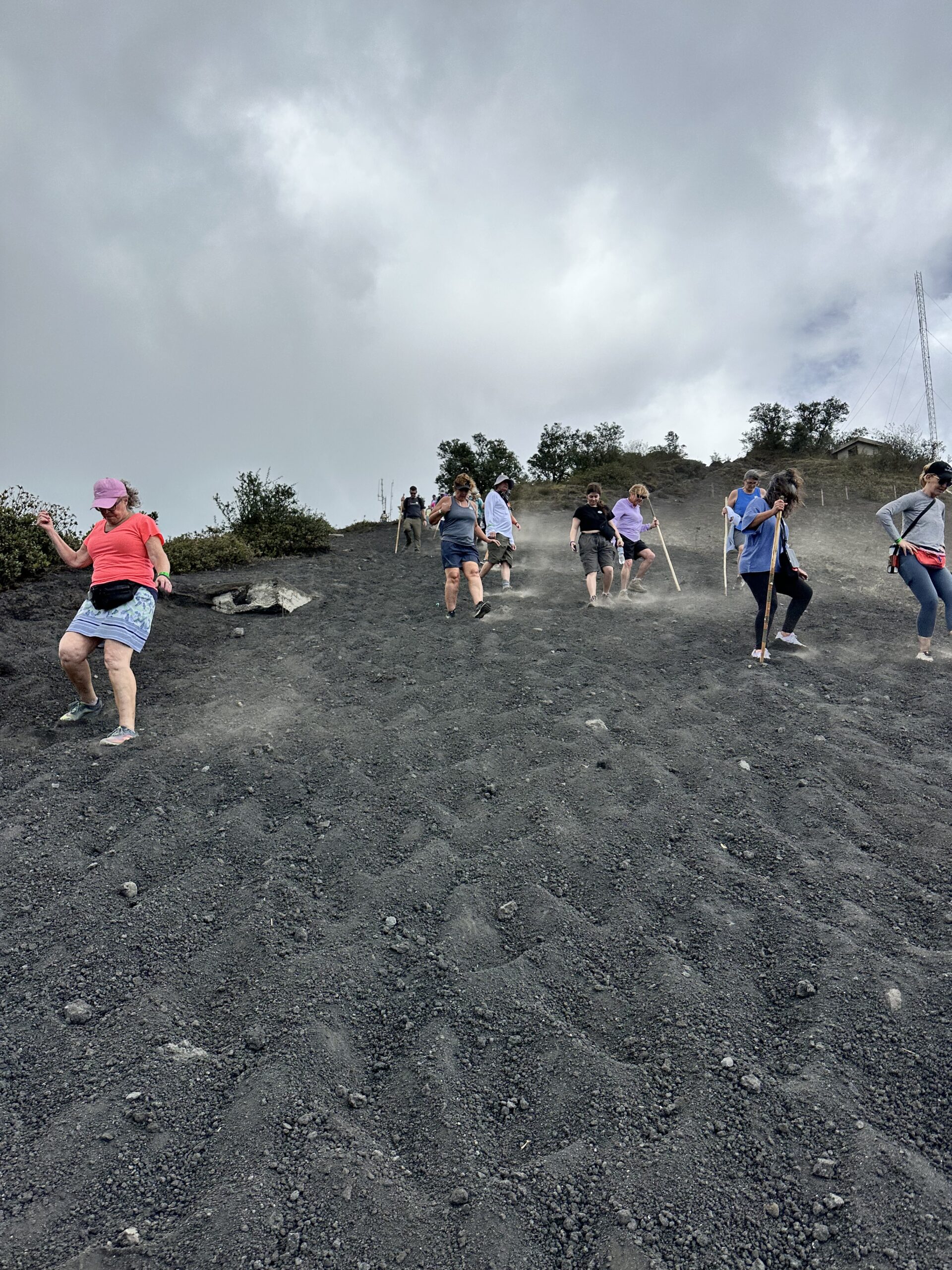
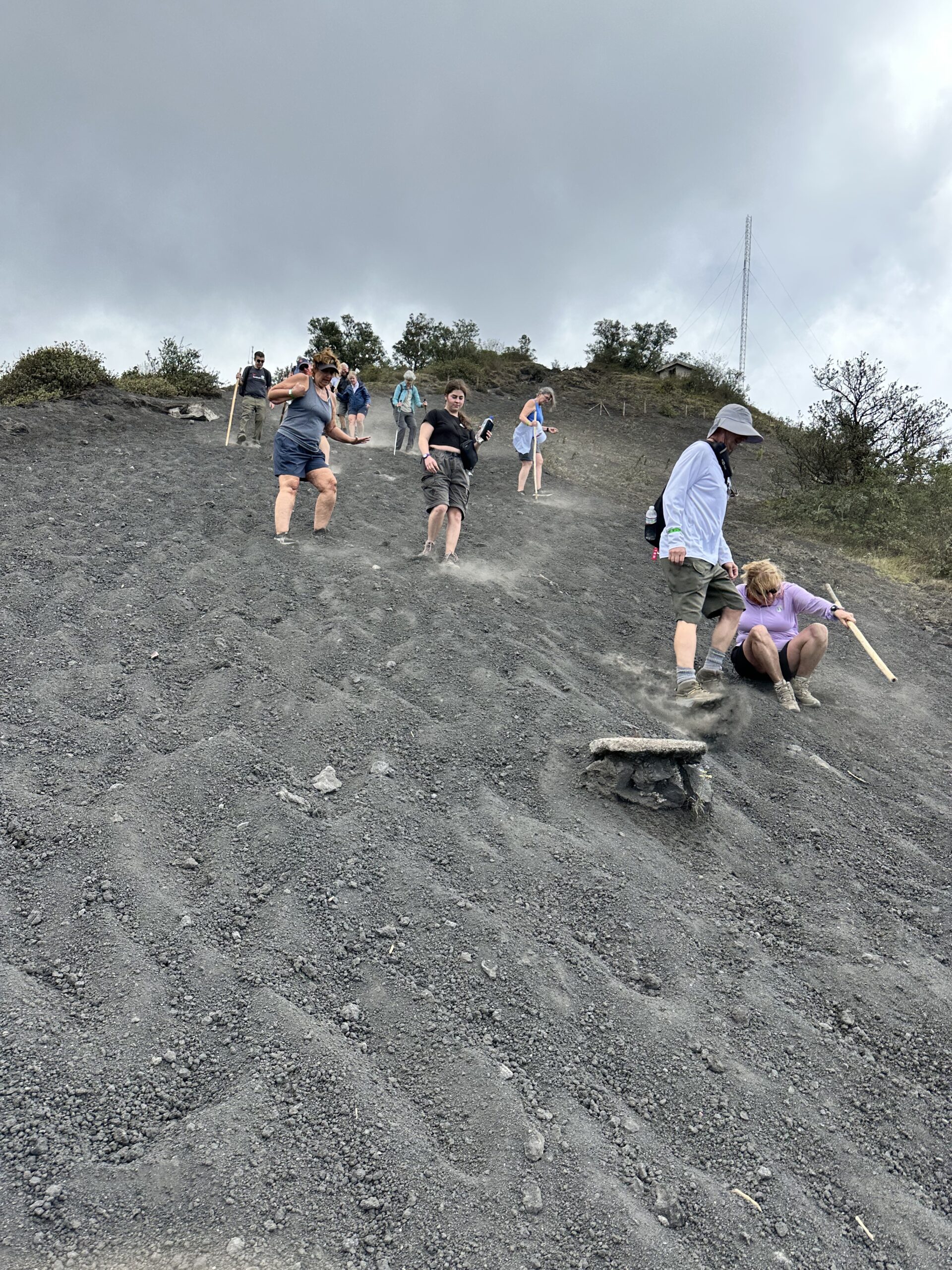
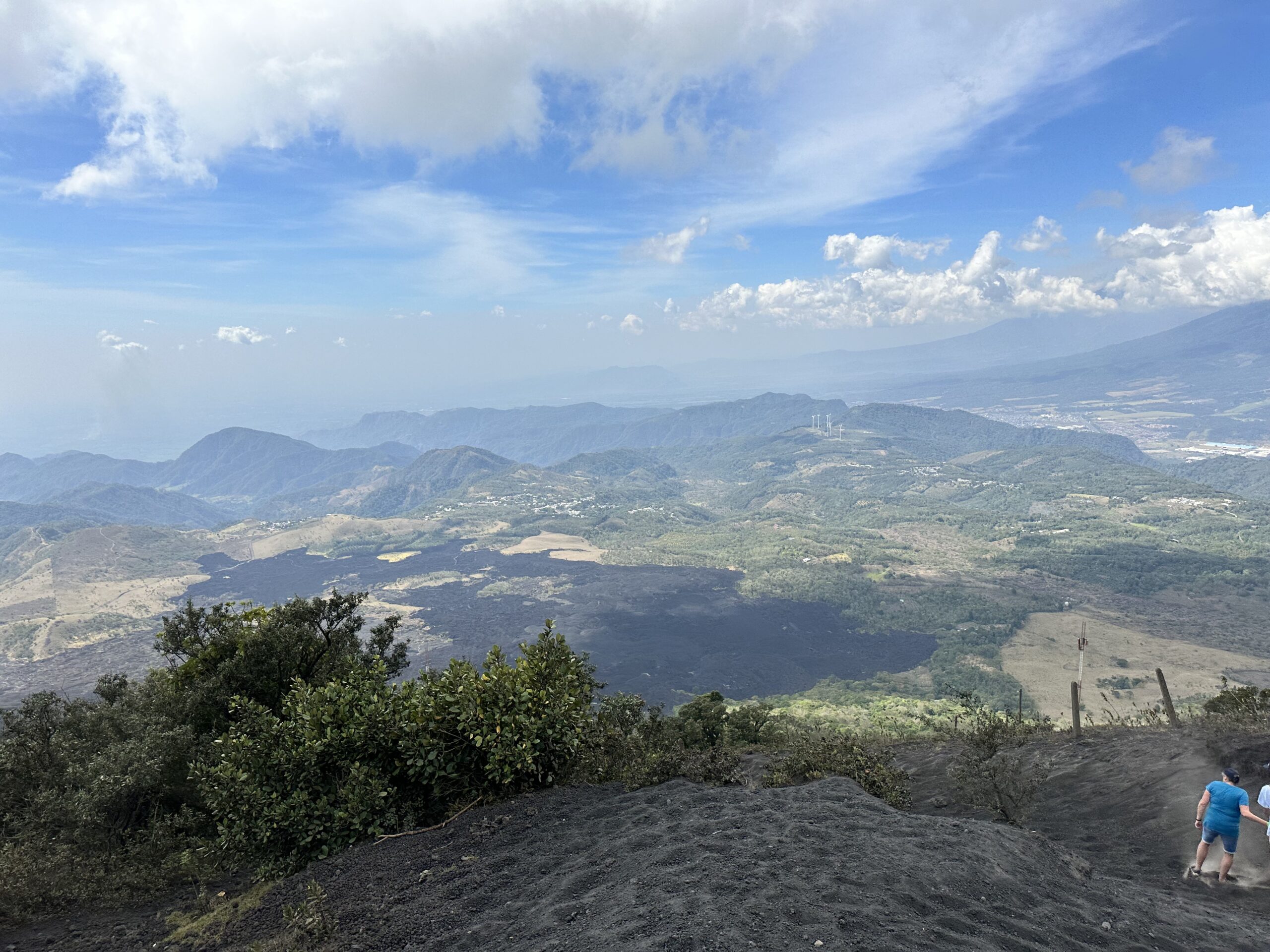
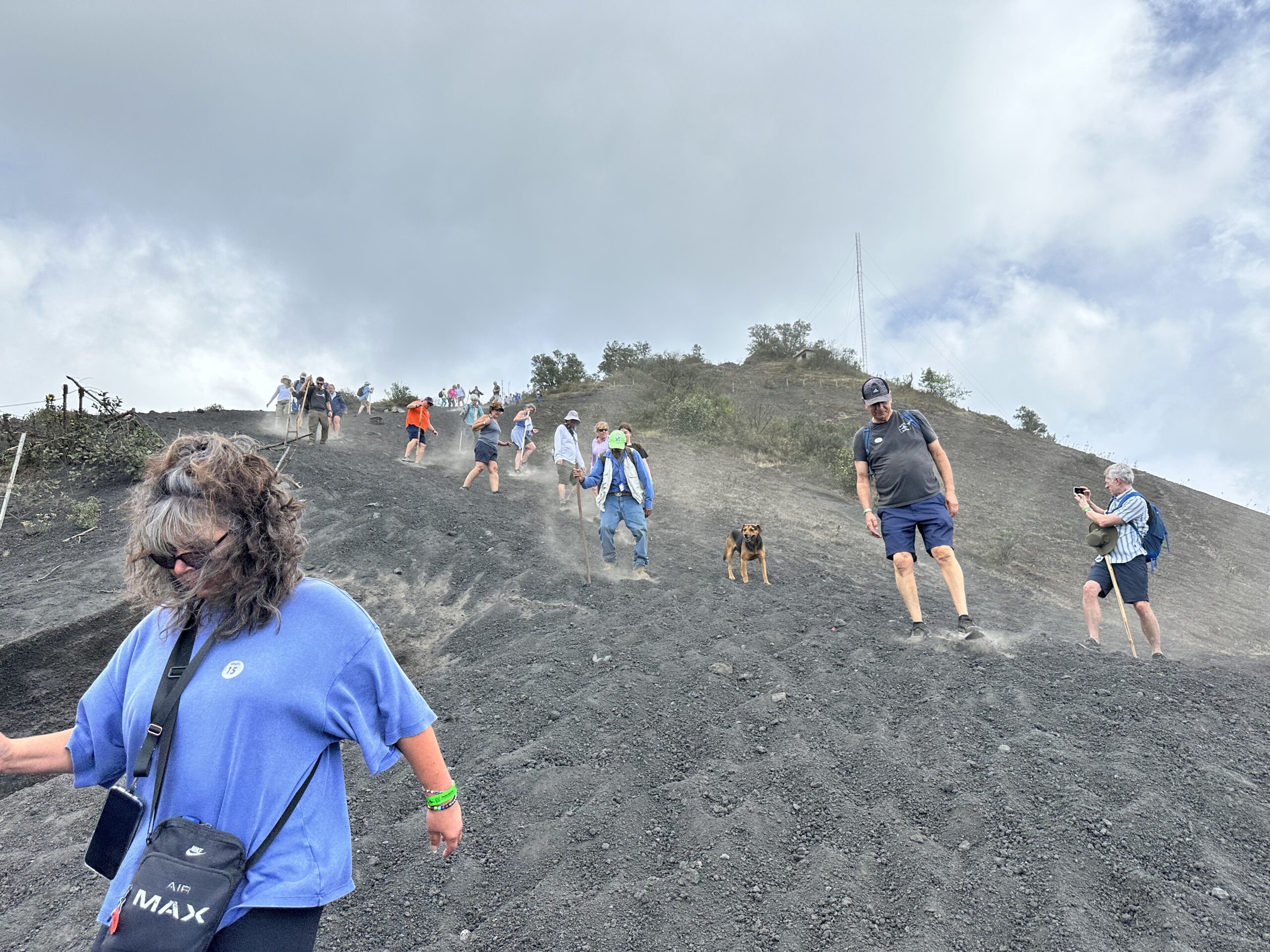
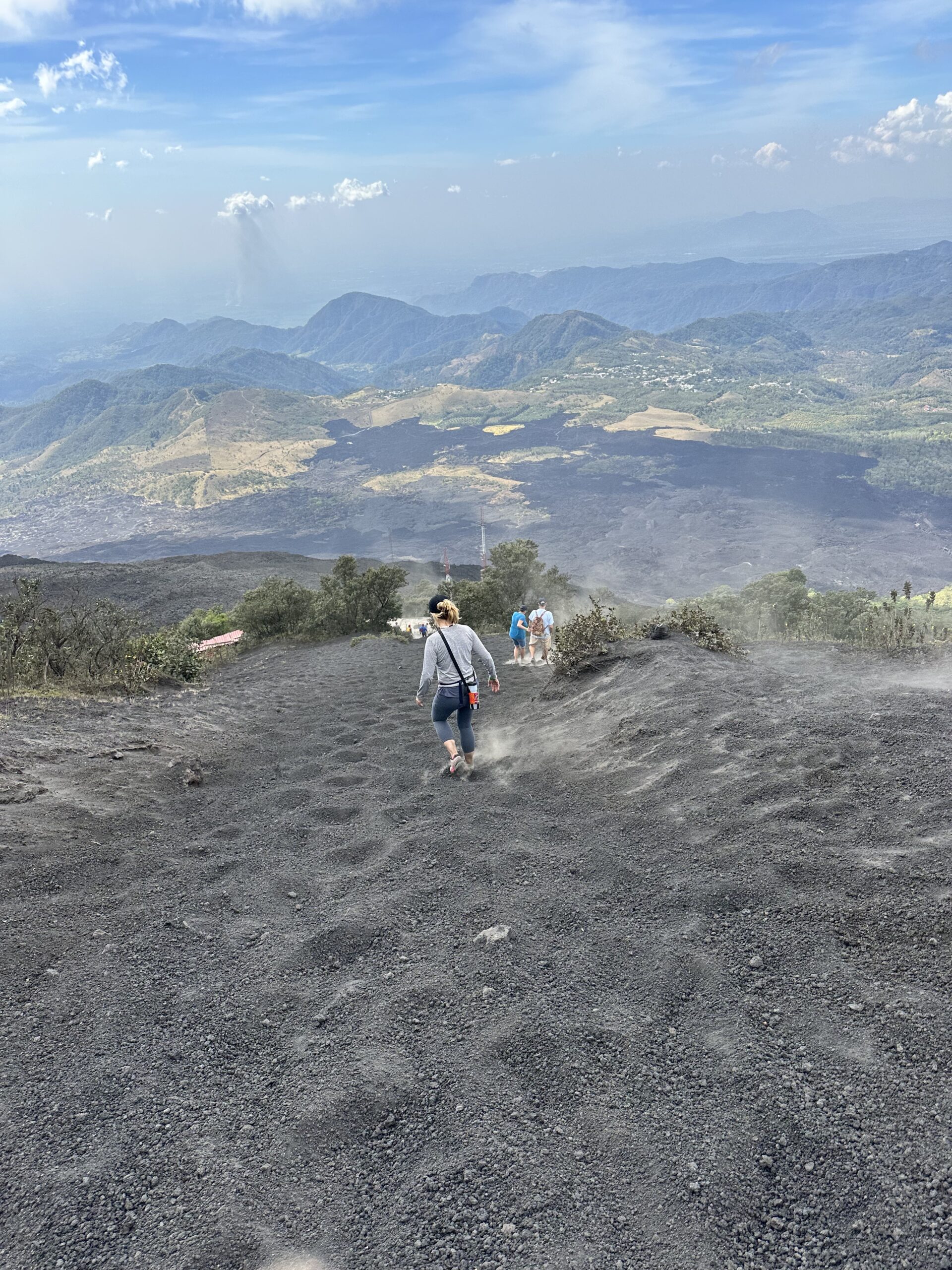
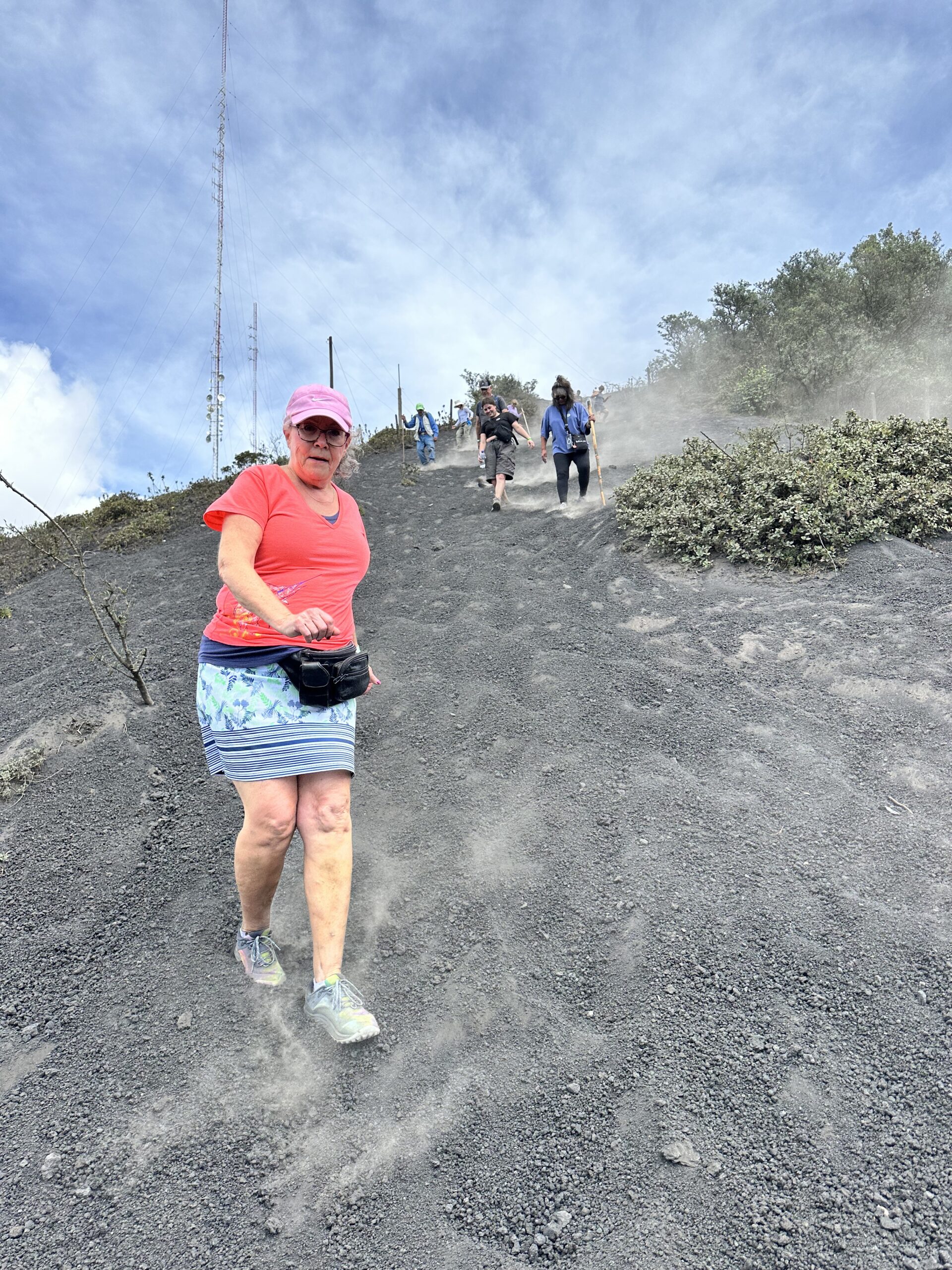
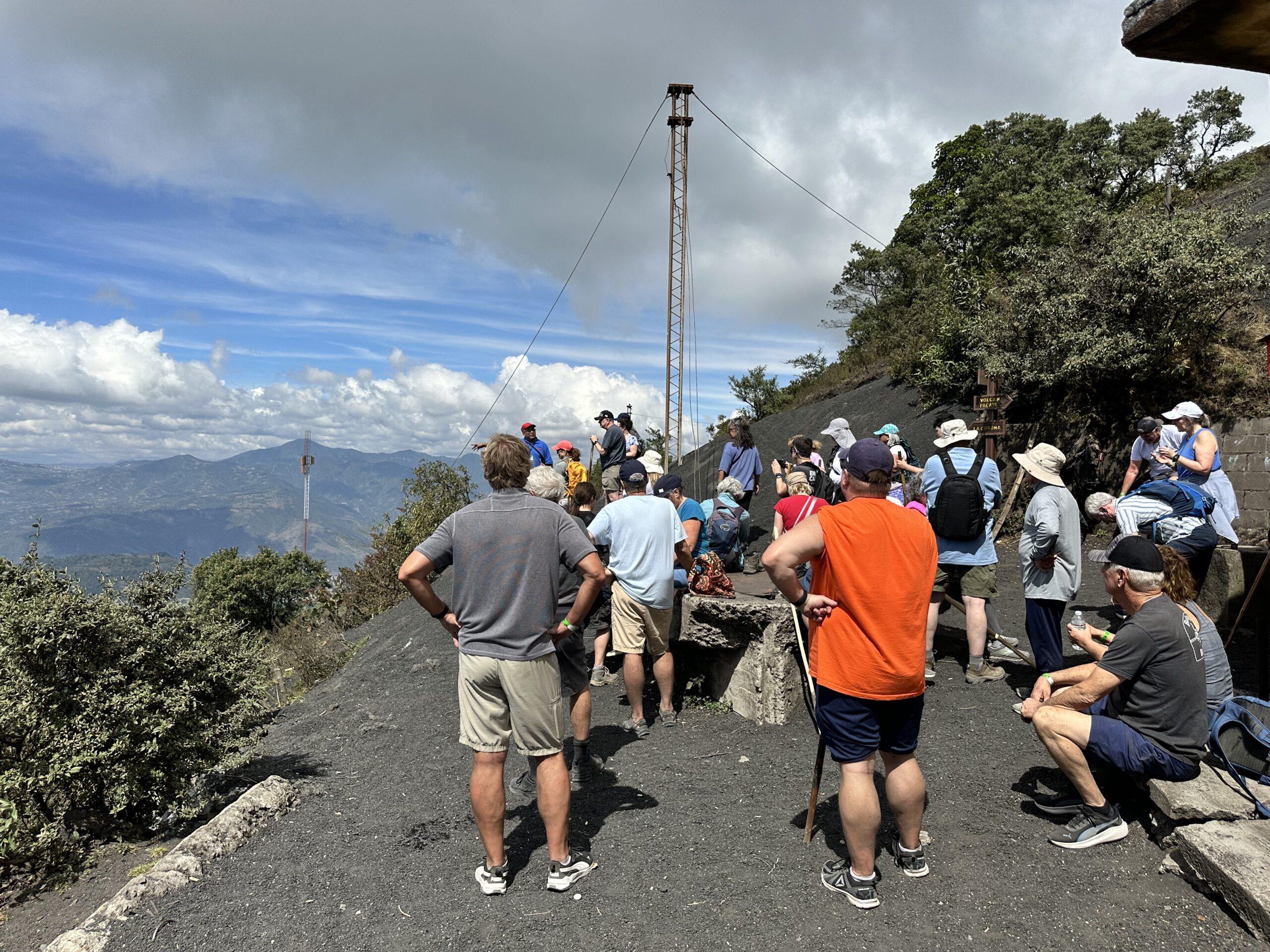
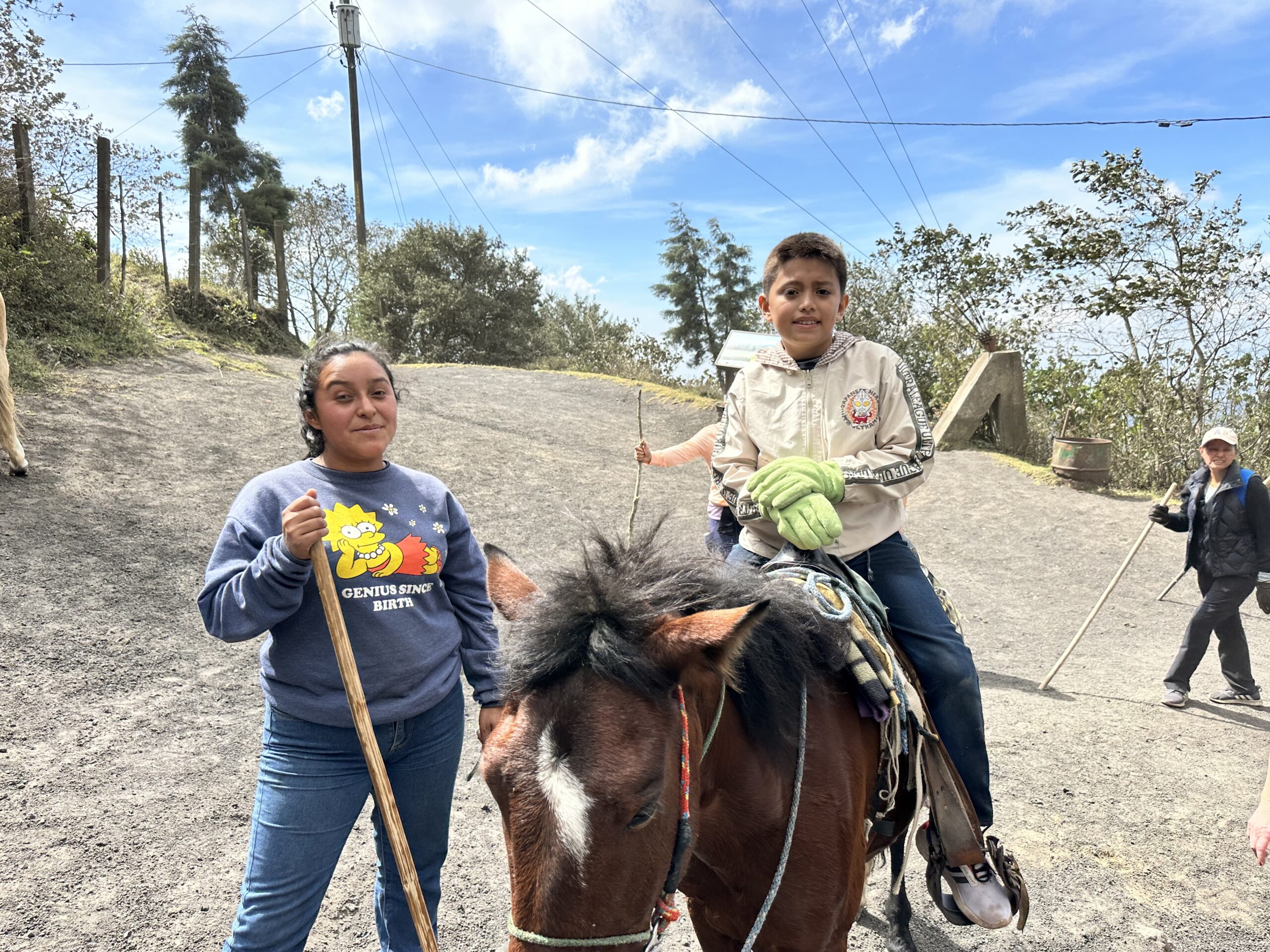
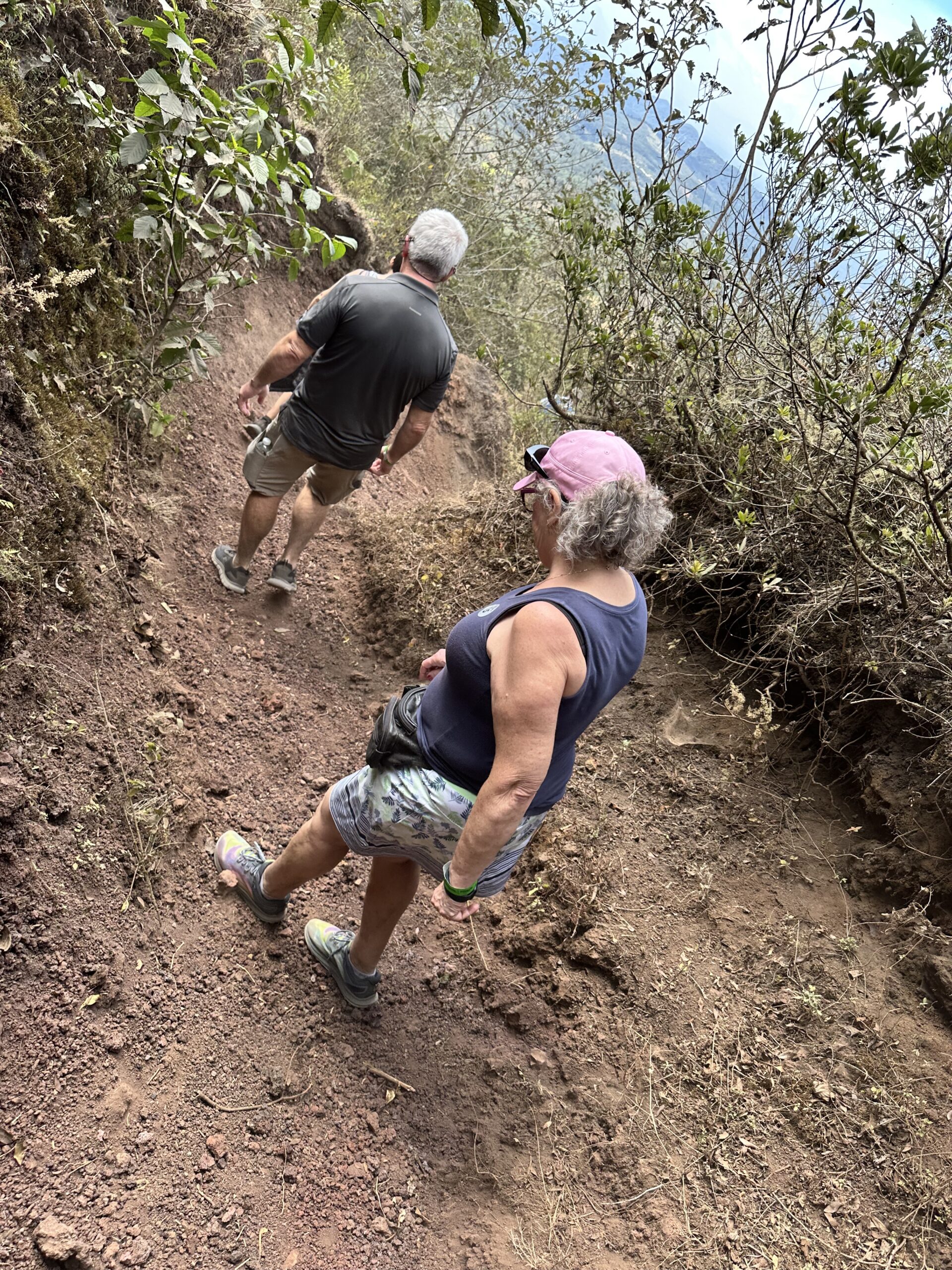
Guatemala. We took a day trip and hike to Pacaya National Park and Volcano. The literature said it would be a strenuous hike, but we thought….what the heck, this is a cruise ship – how bad could it be? It was tough!! They had horses at the ready in case people couldn’t make it. One person made it about 100m before hiring a horse and later sprained an ankle and had to have a piggy-back ride part way back. She should have gone shopping instead.
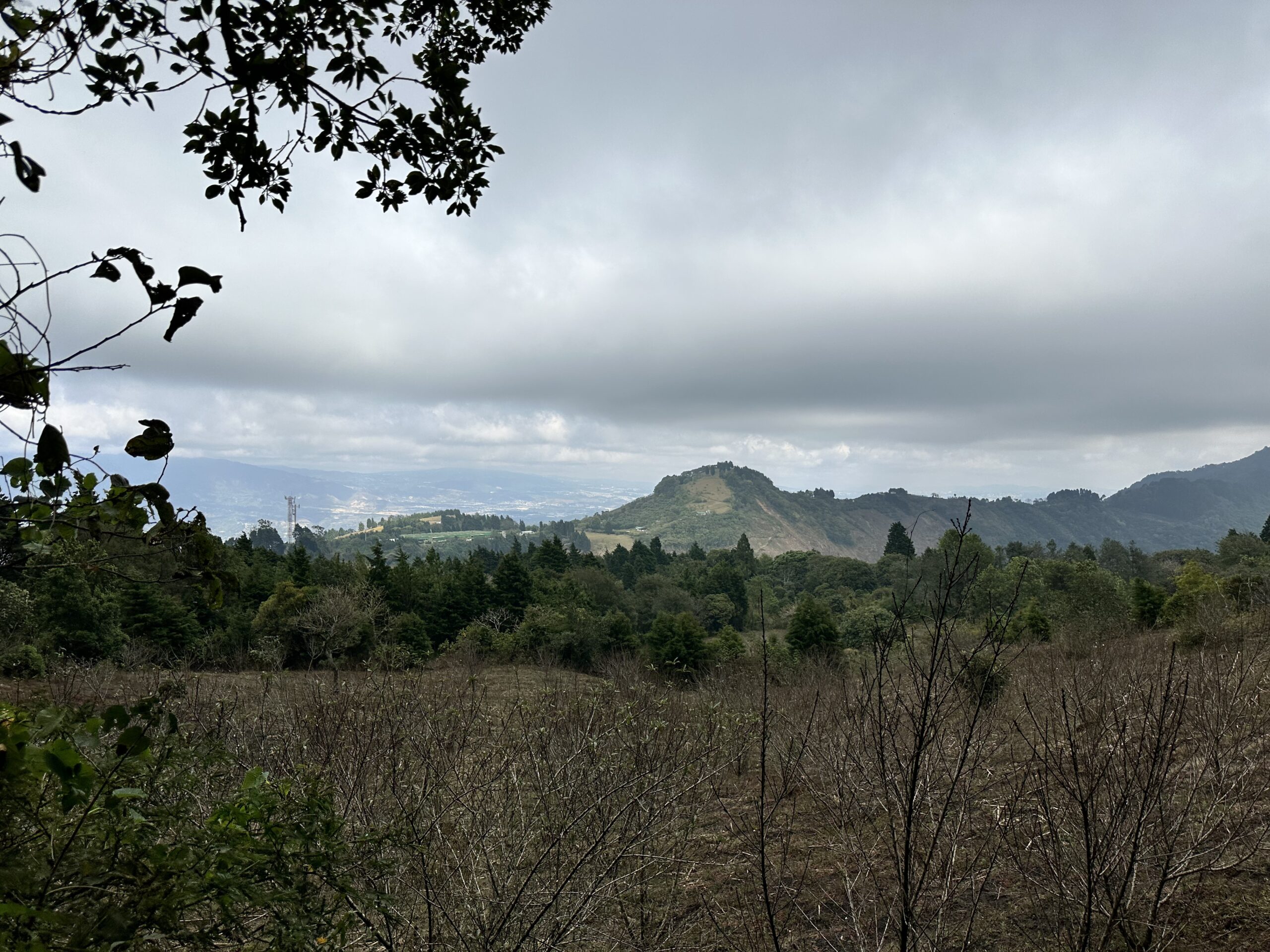
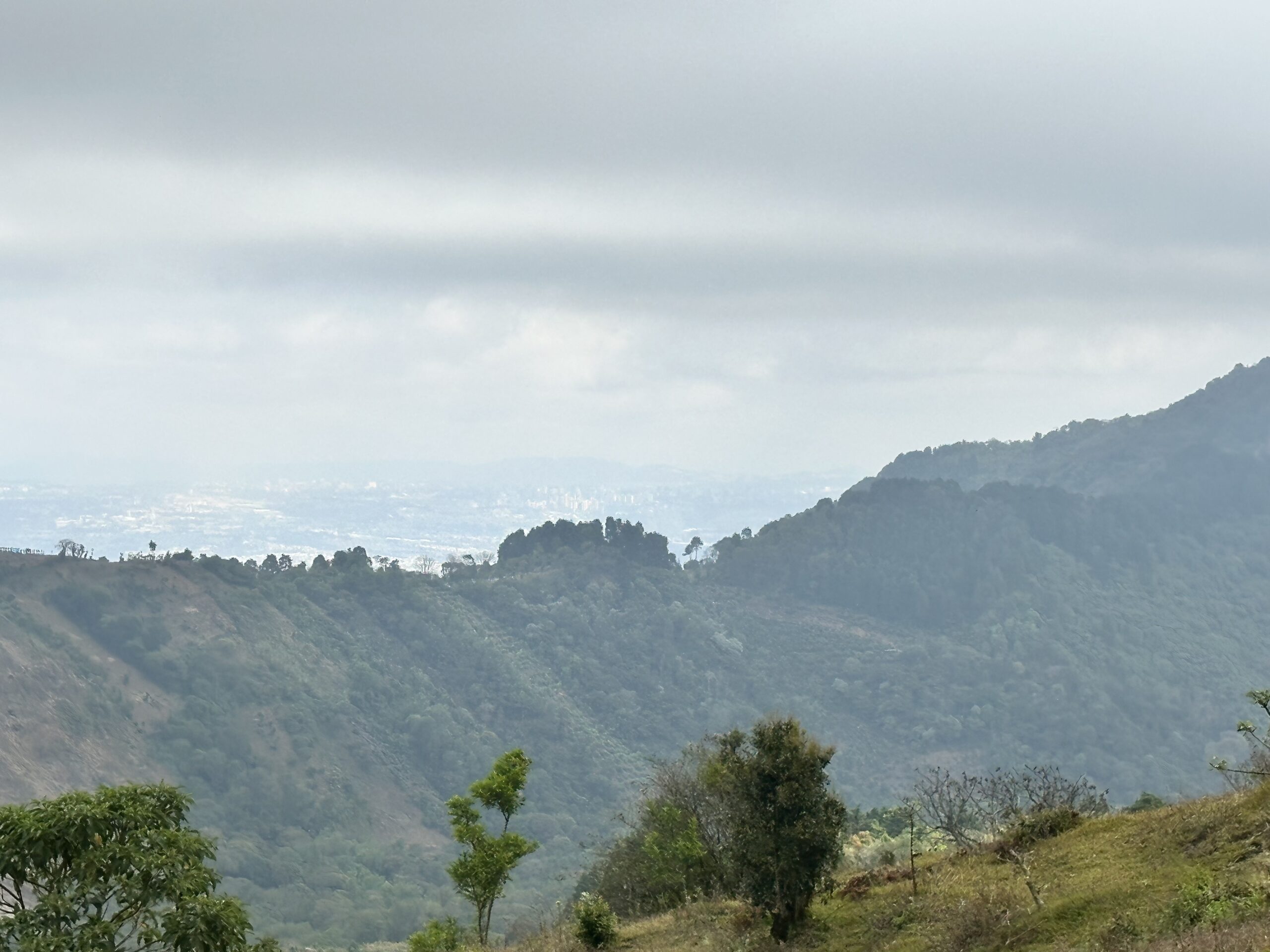
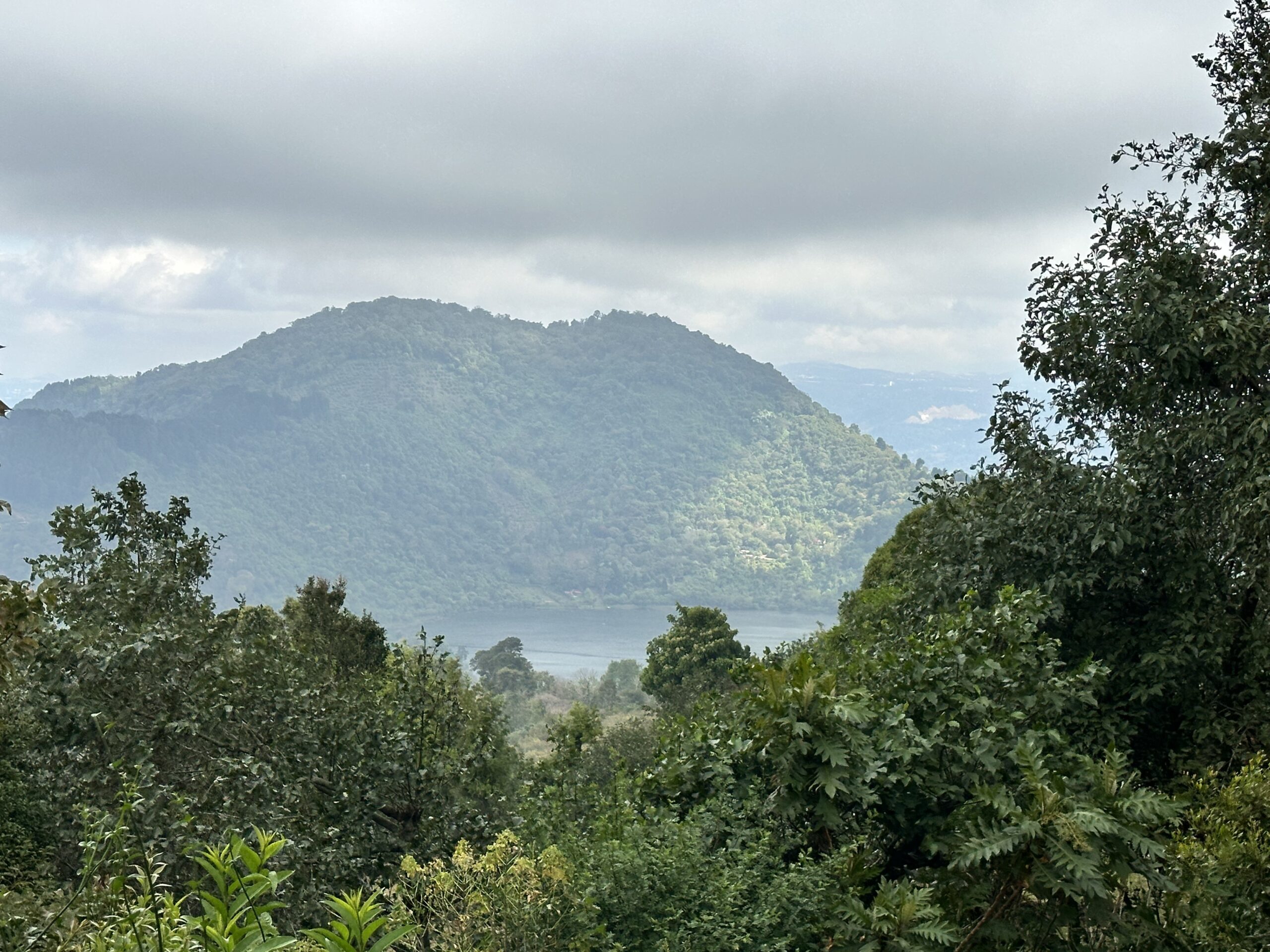
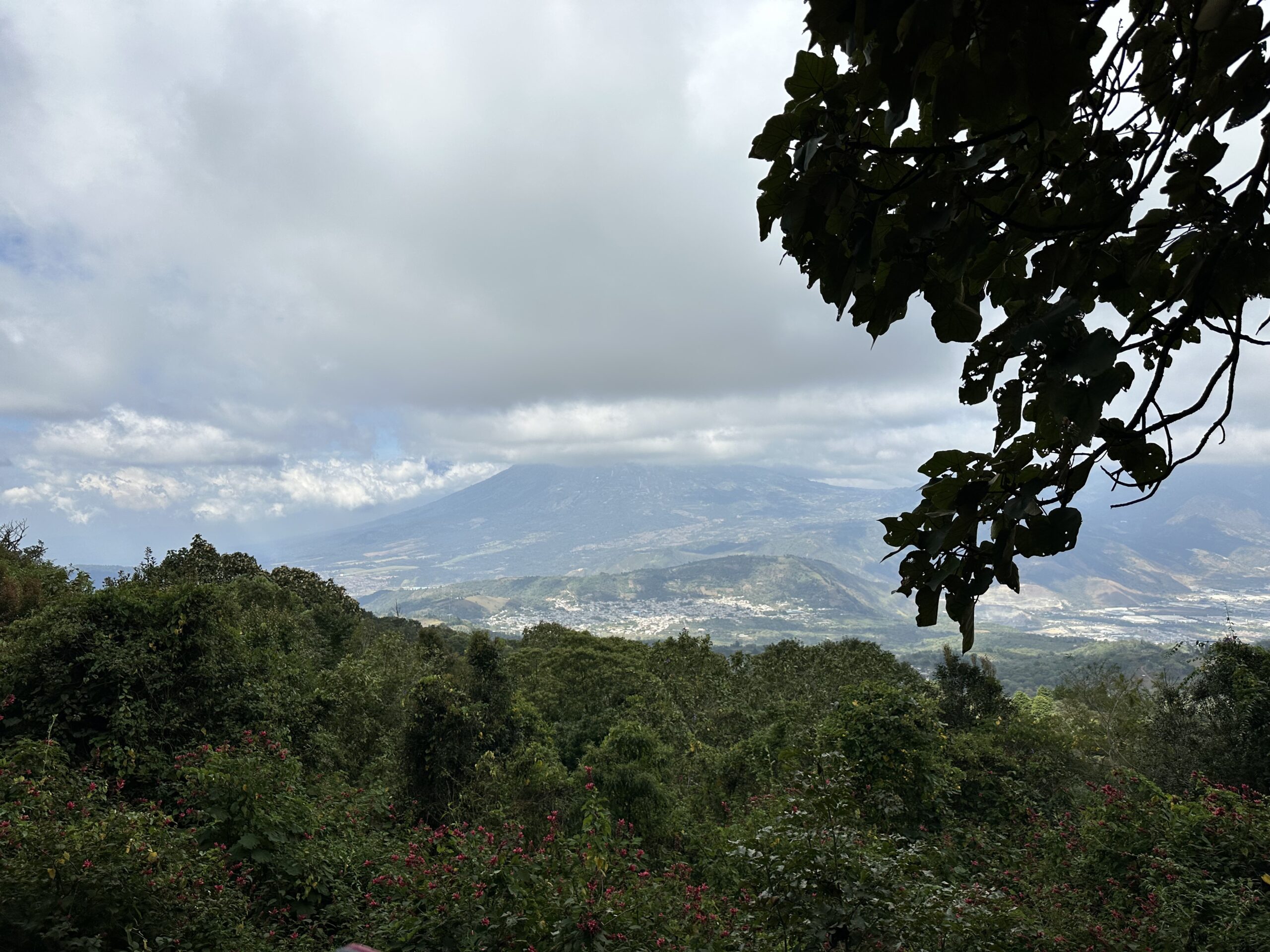
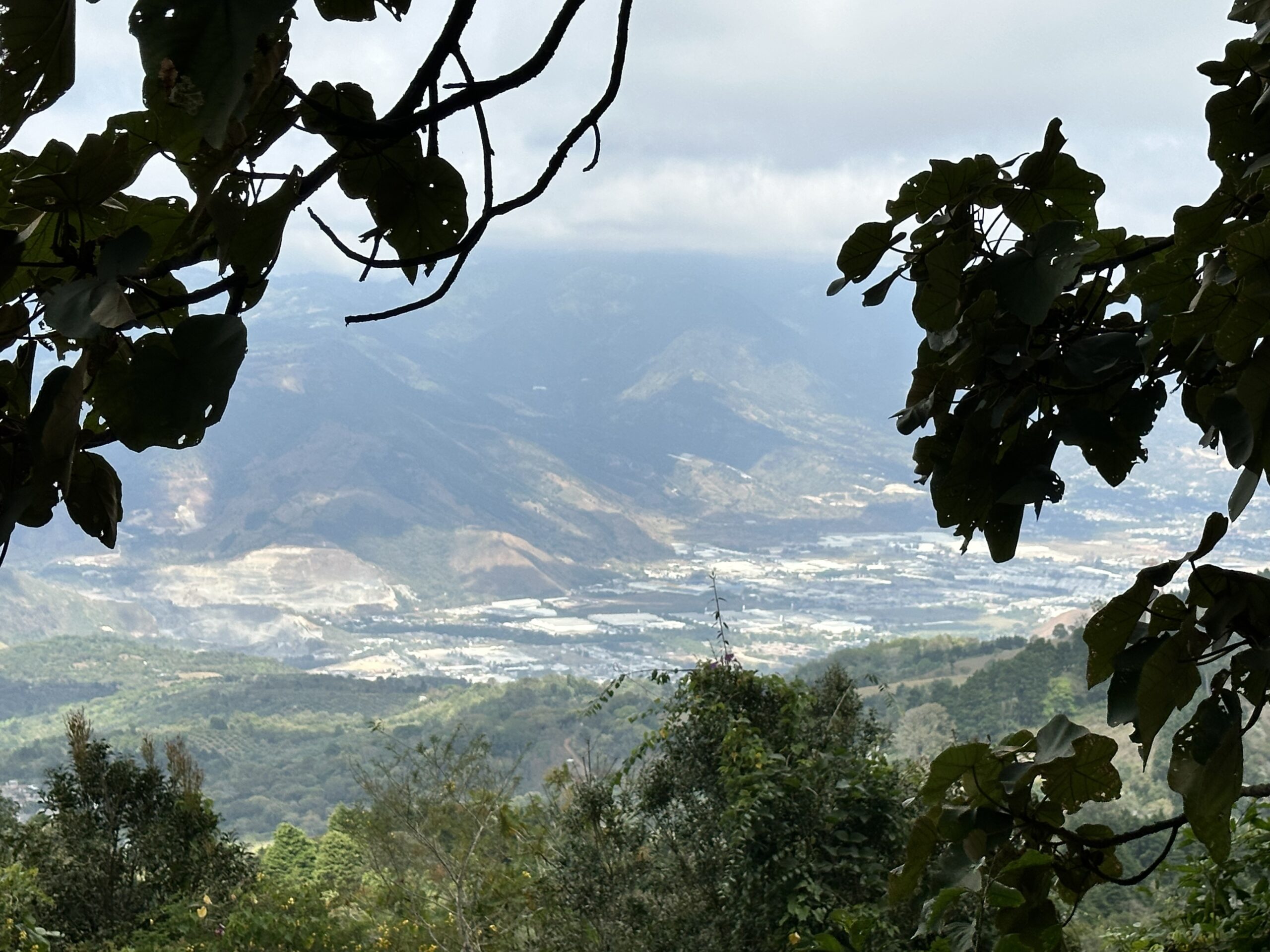
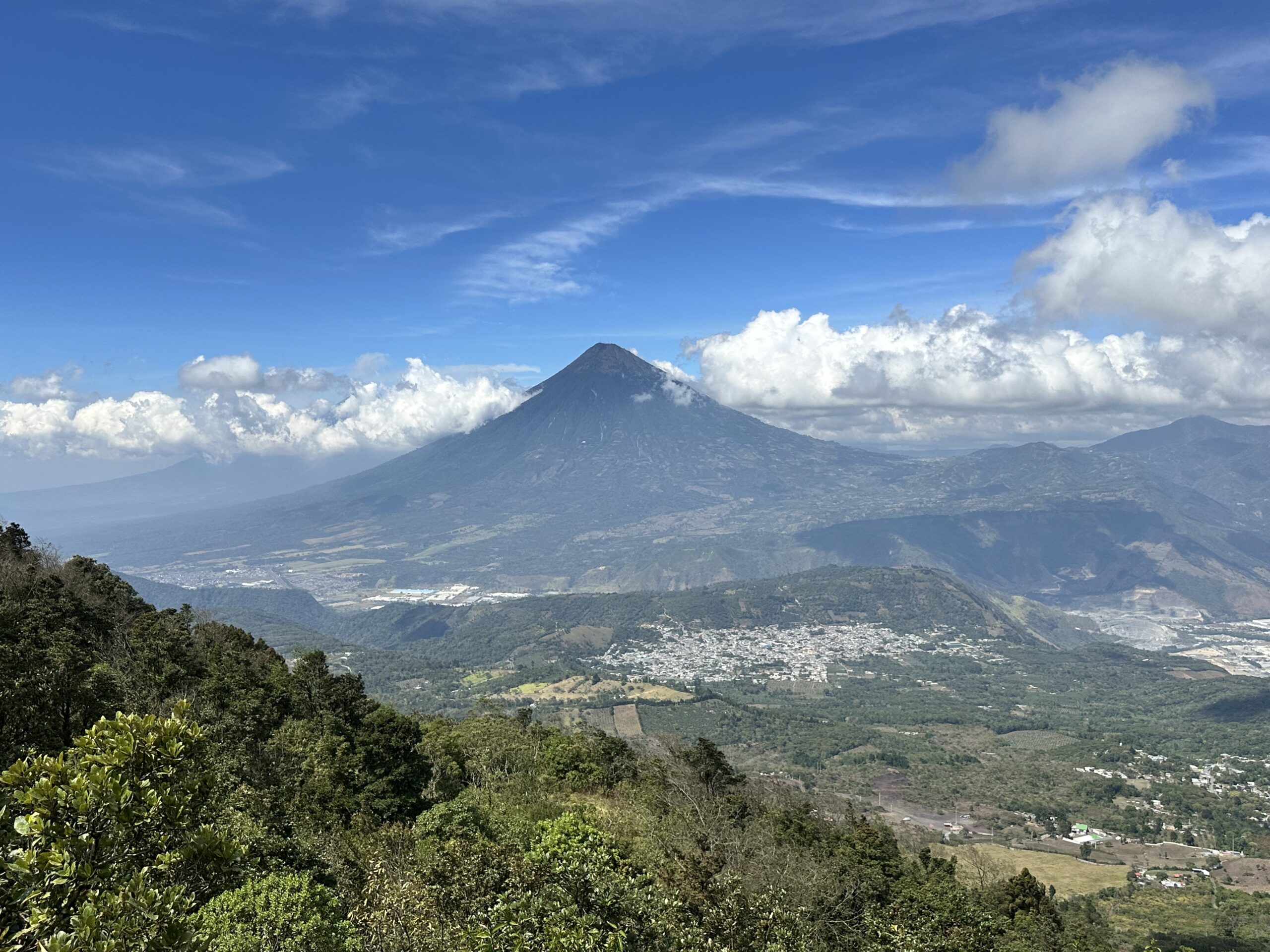
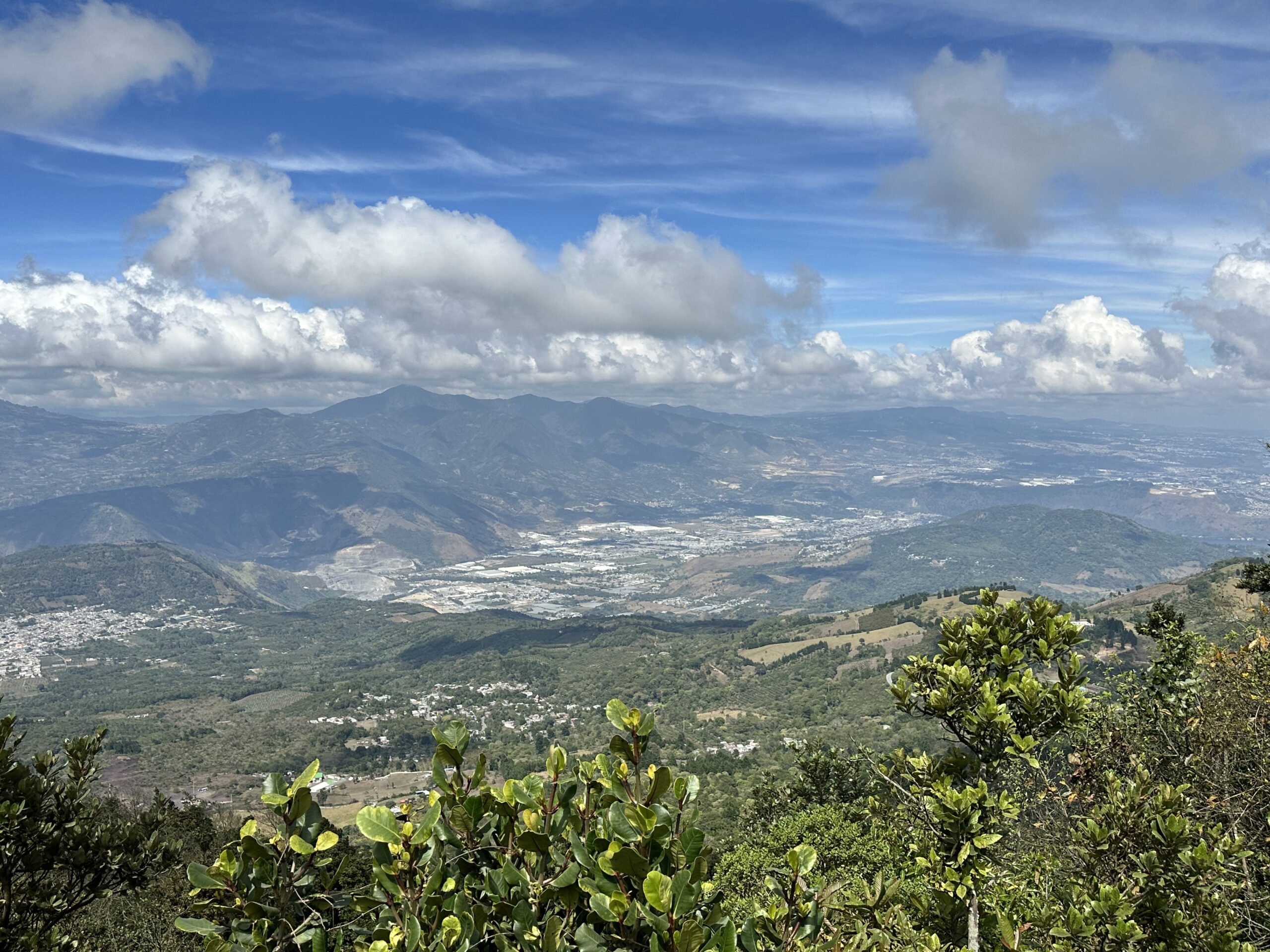
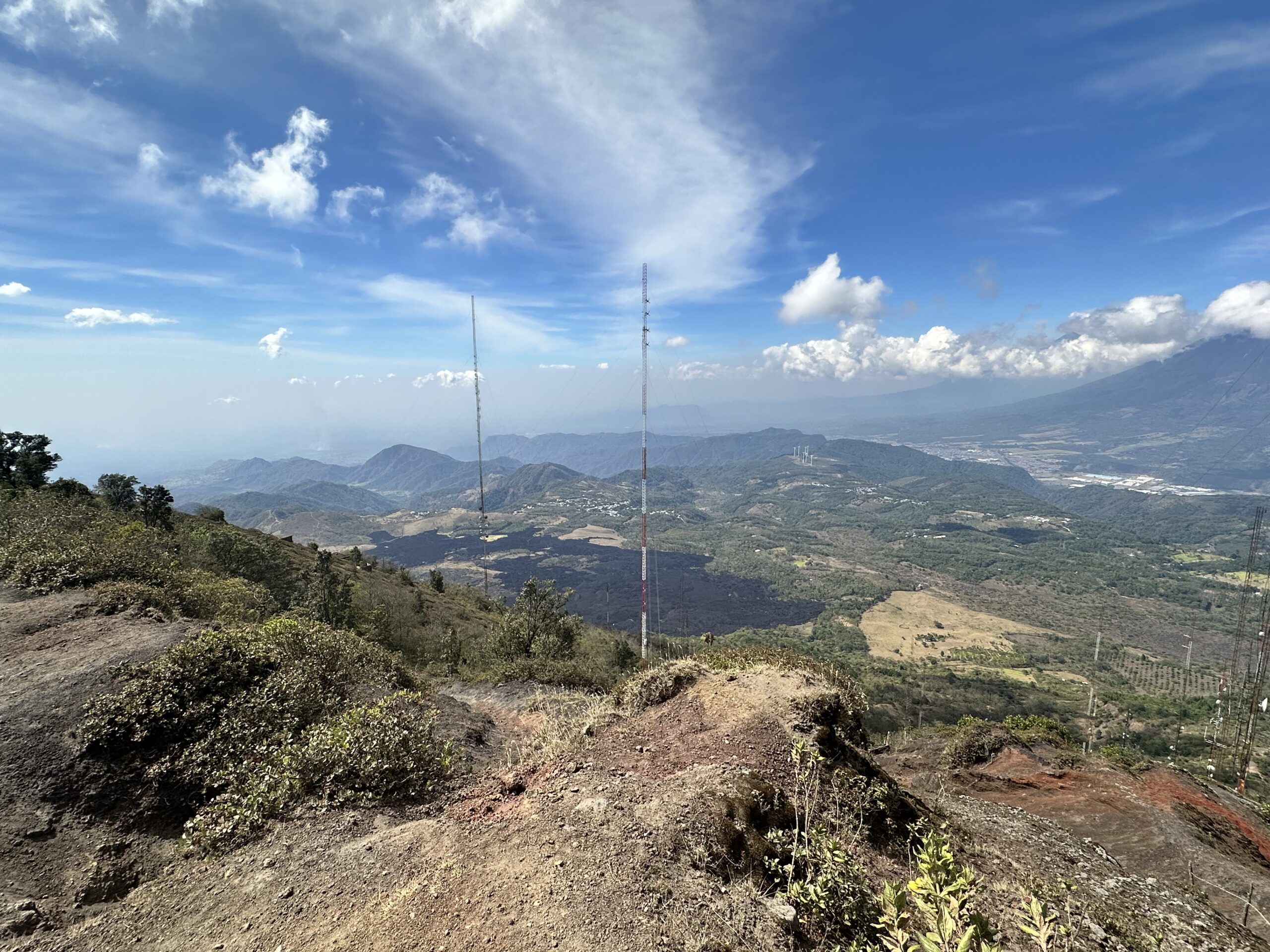
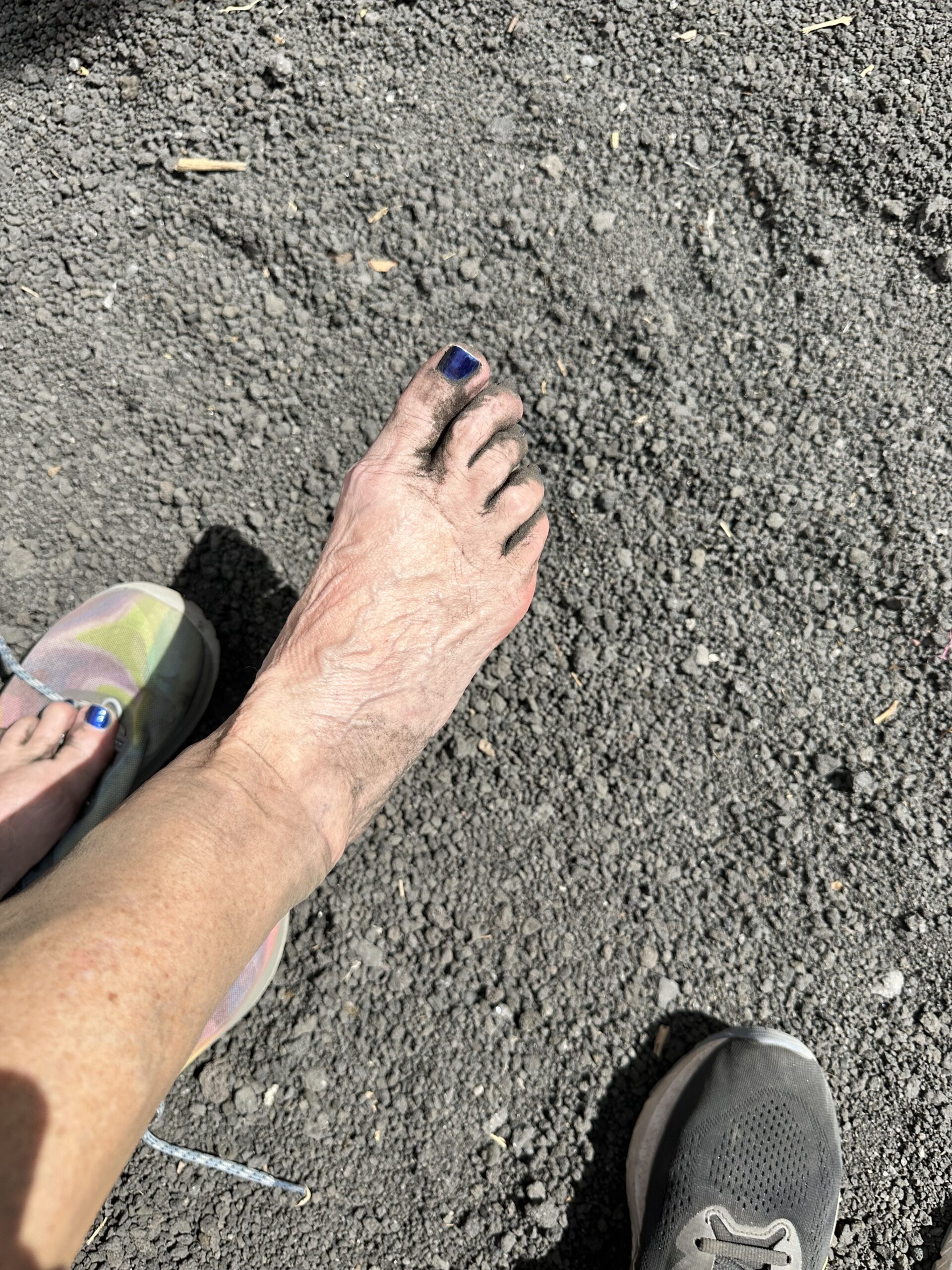
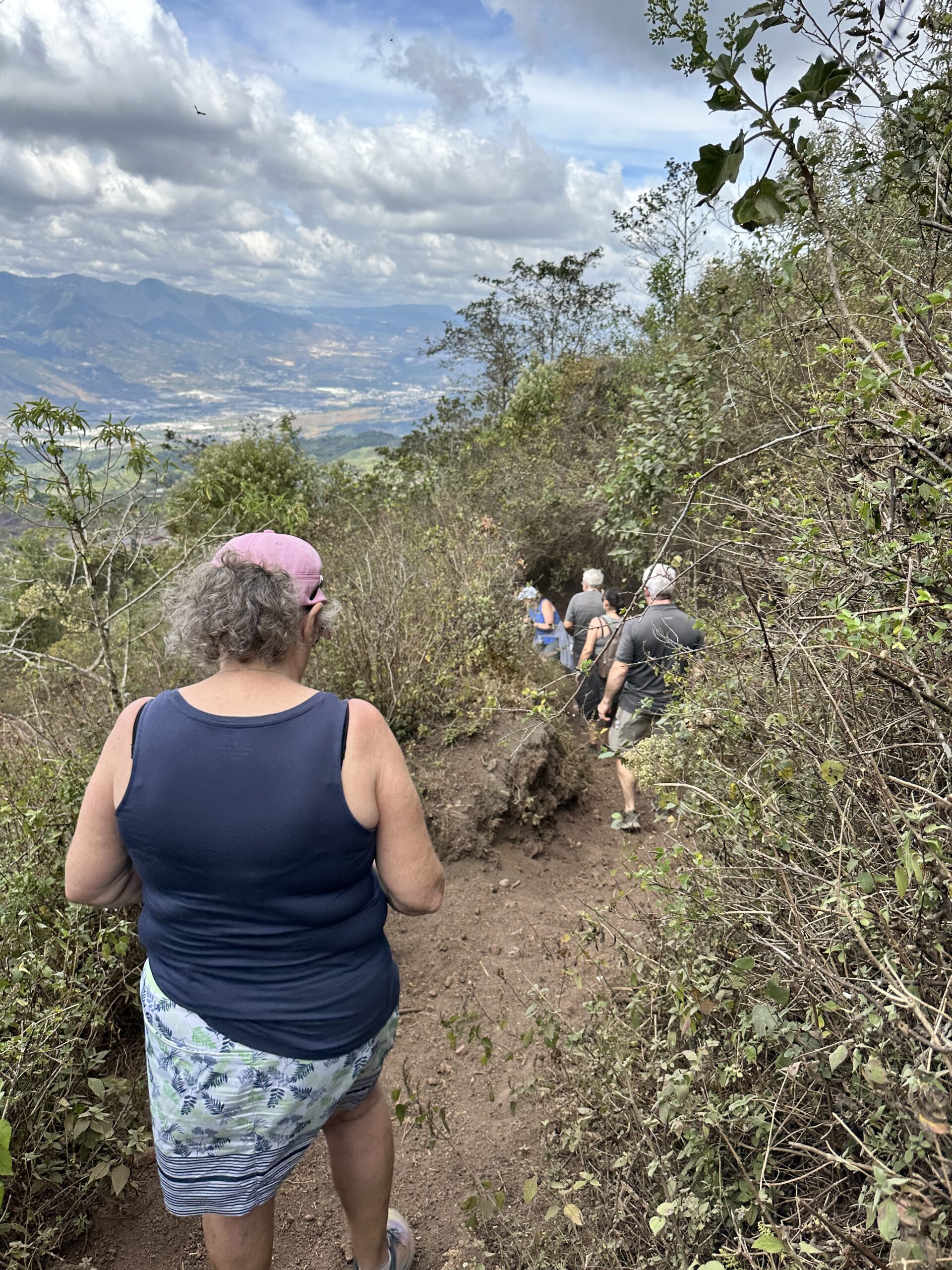
The total hike was 3.5 hours and 6.4 km, steep up and steep down. We hiked to an elevation of 2350m and the views were spectacular. Coming back down was fun – we were covered in lava dust from head to toe. We were concerned it would be hot, but at elevation, it was quite cool.
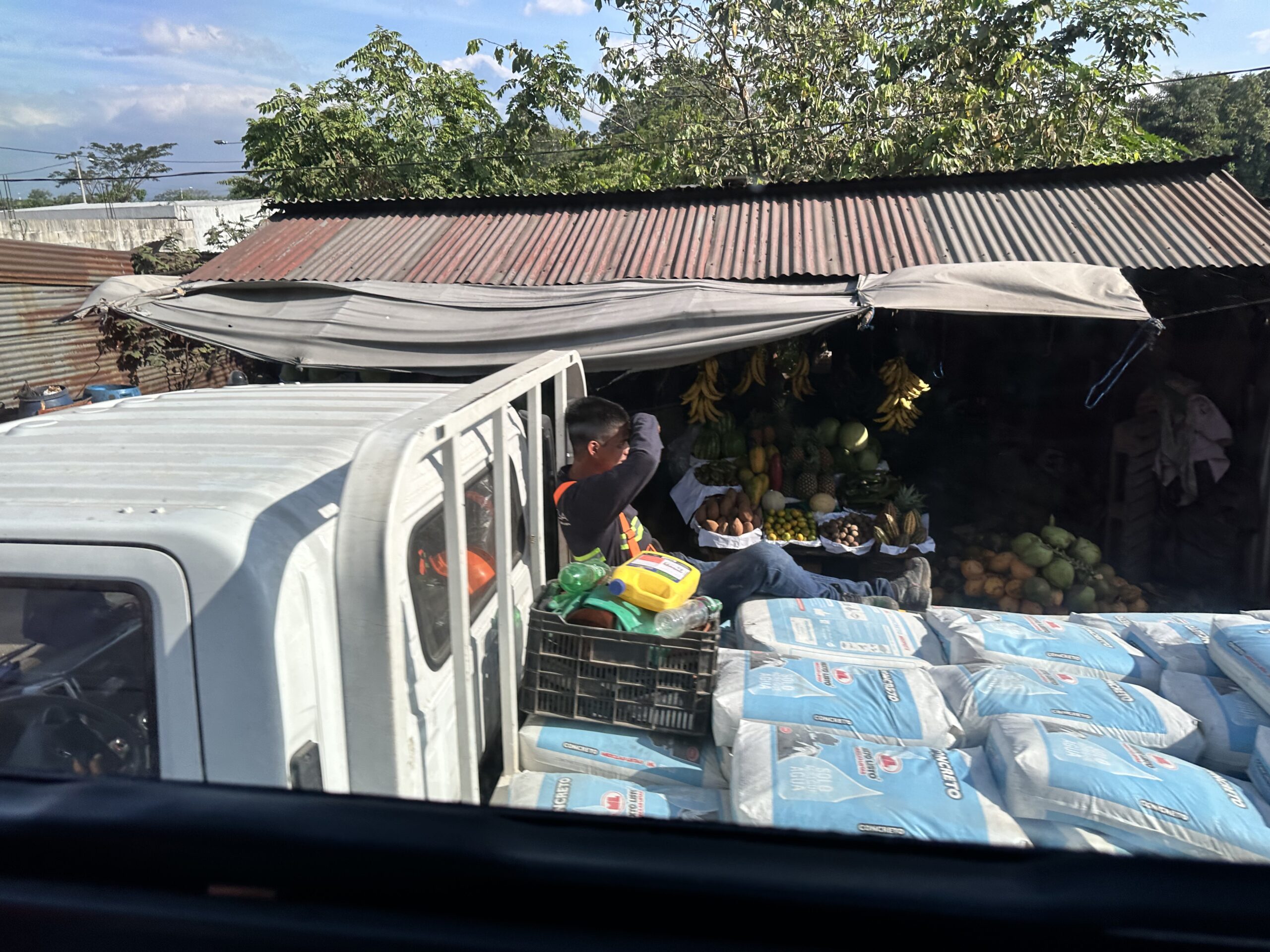
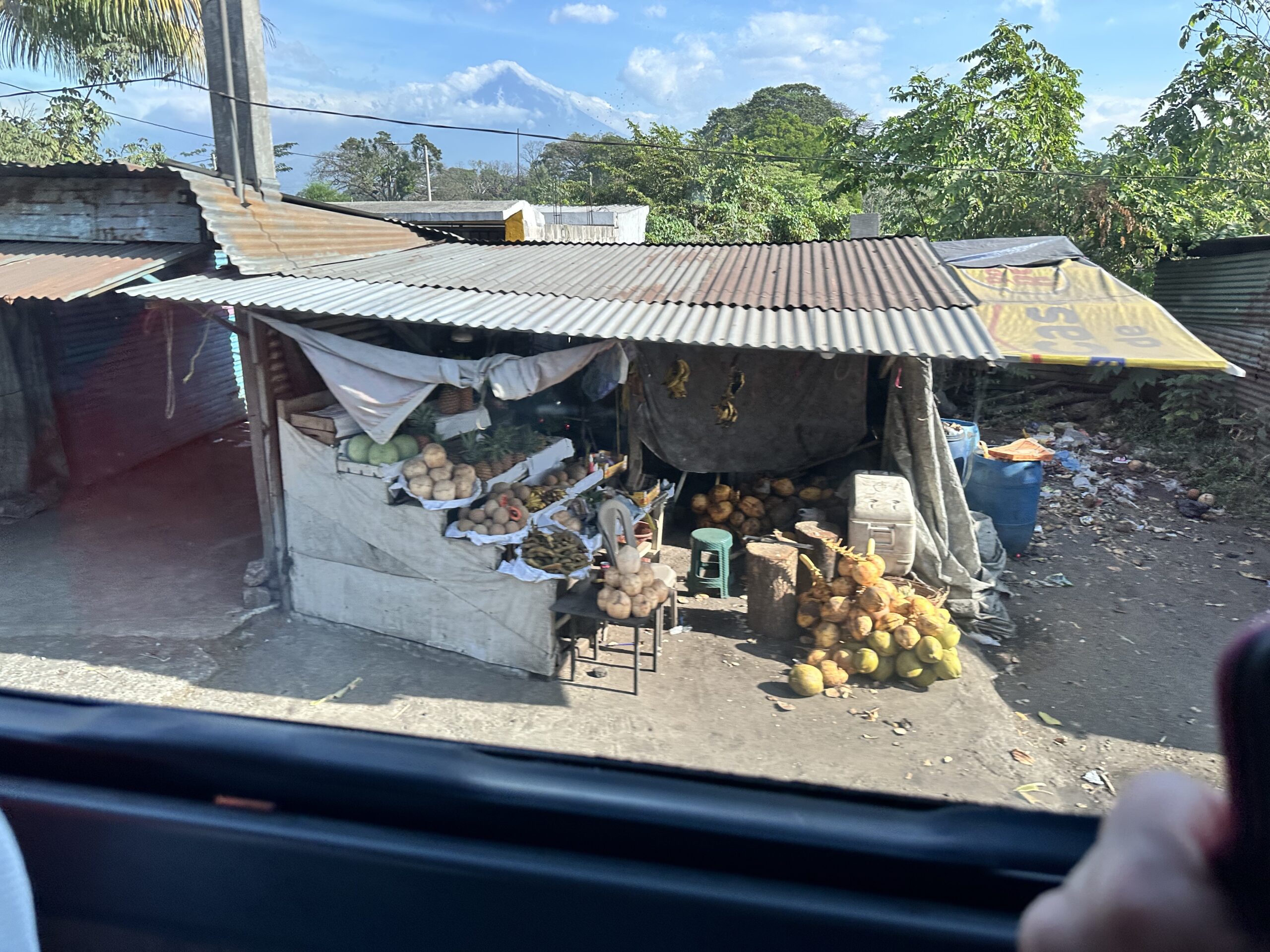
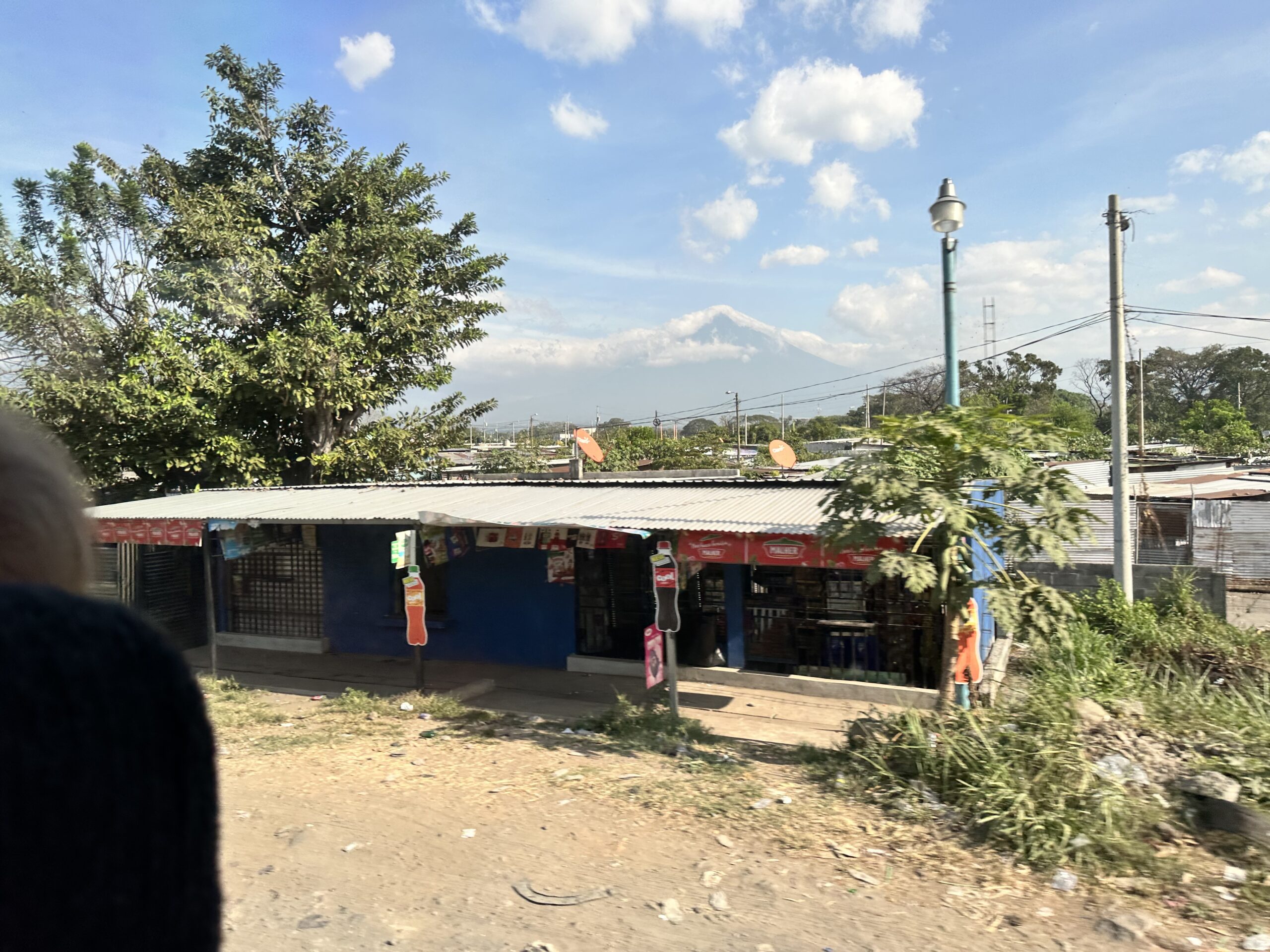
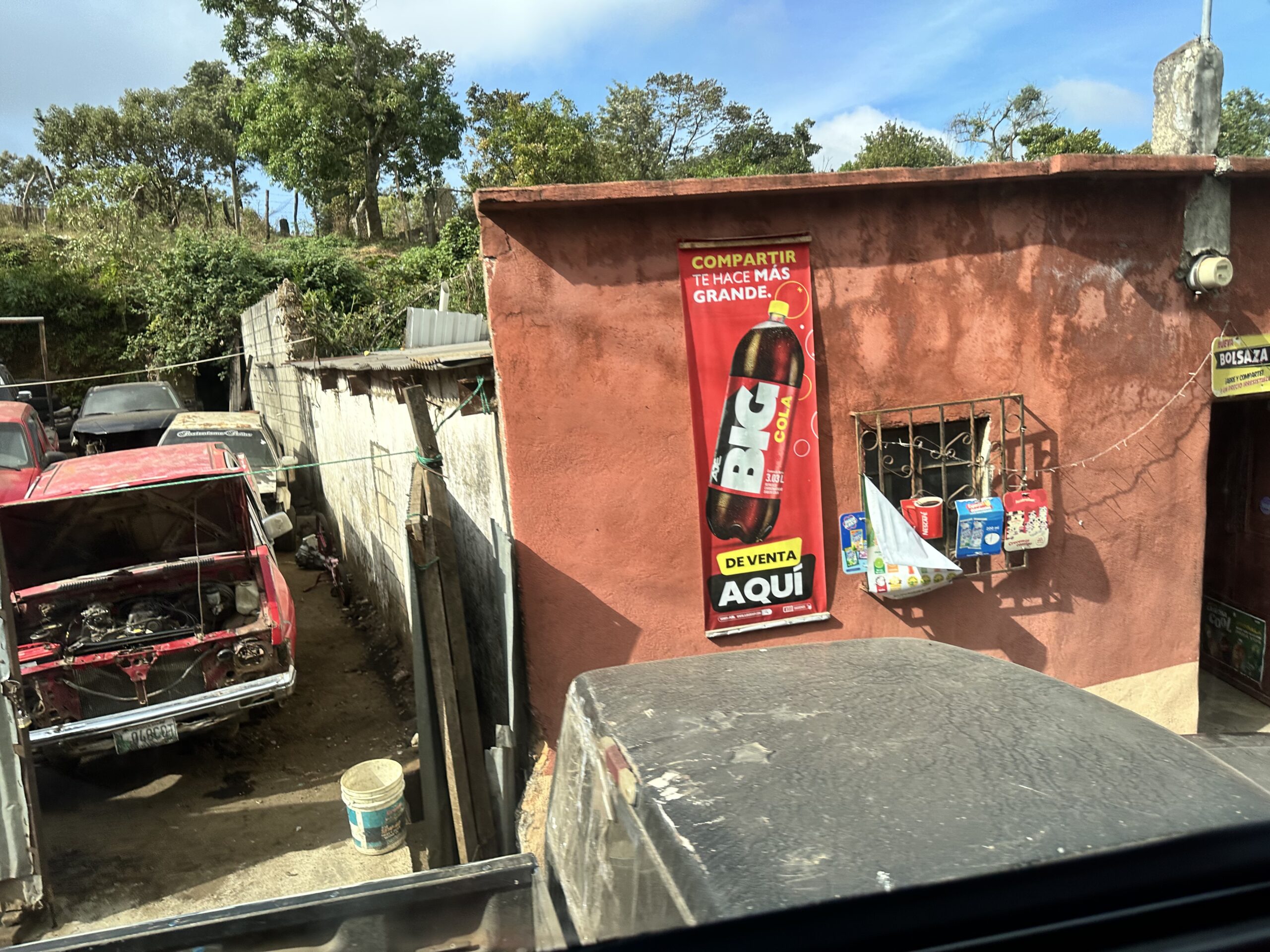
Guatemala is an interesting country with 37 volcanoes, 4 are active. Most people work in the cash economy and don’t directly pay income tax and social security. The Political system is challenged with plenty of corruption. The Americans are working actively in Guatemala to stem the ‘narco trade’. The have a large DEA compound and are working to help train youth and keep them out of gangs. Sounds better than a wall to me.