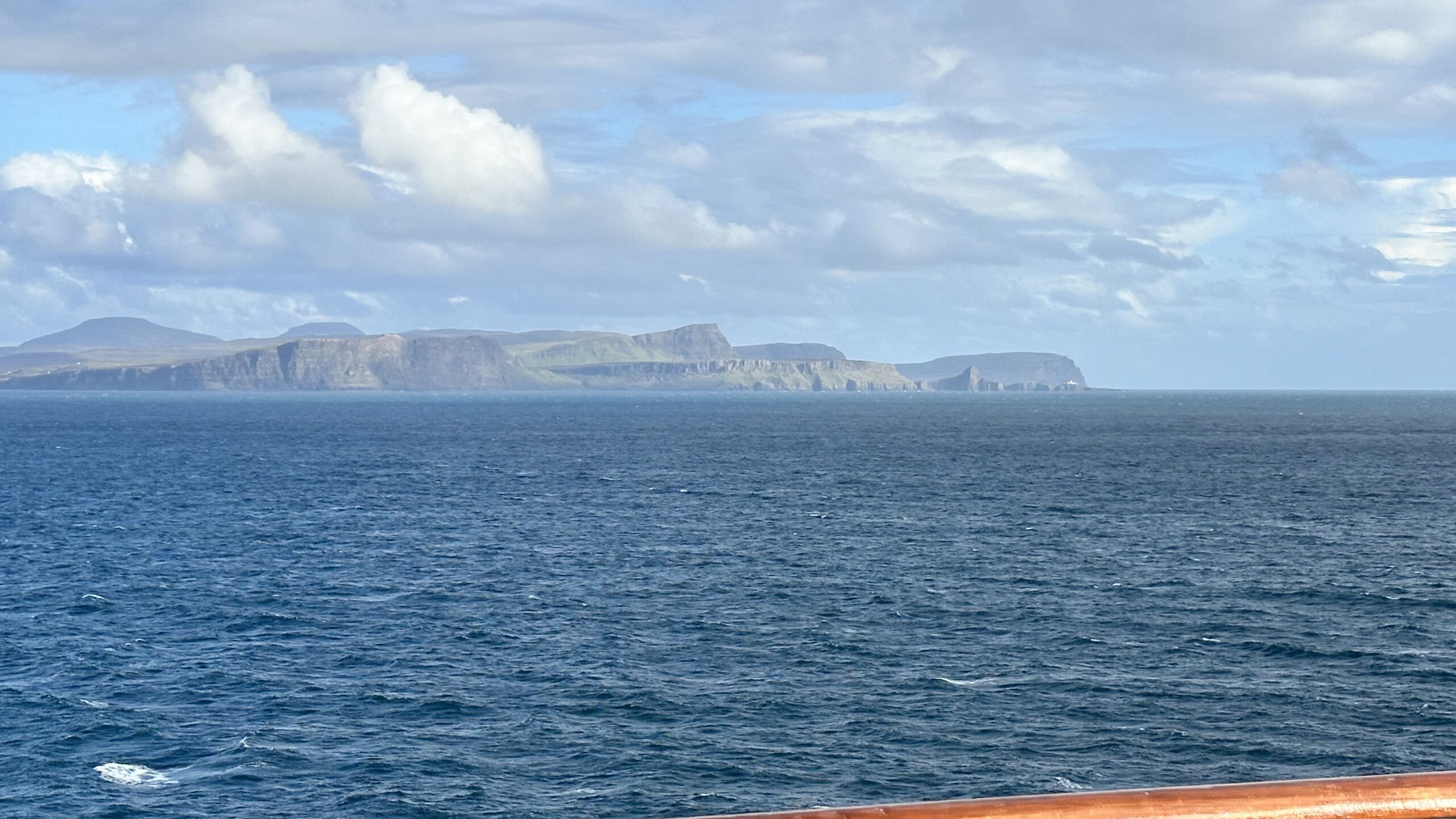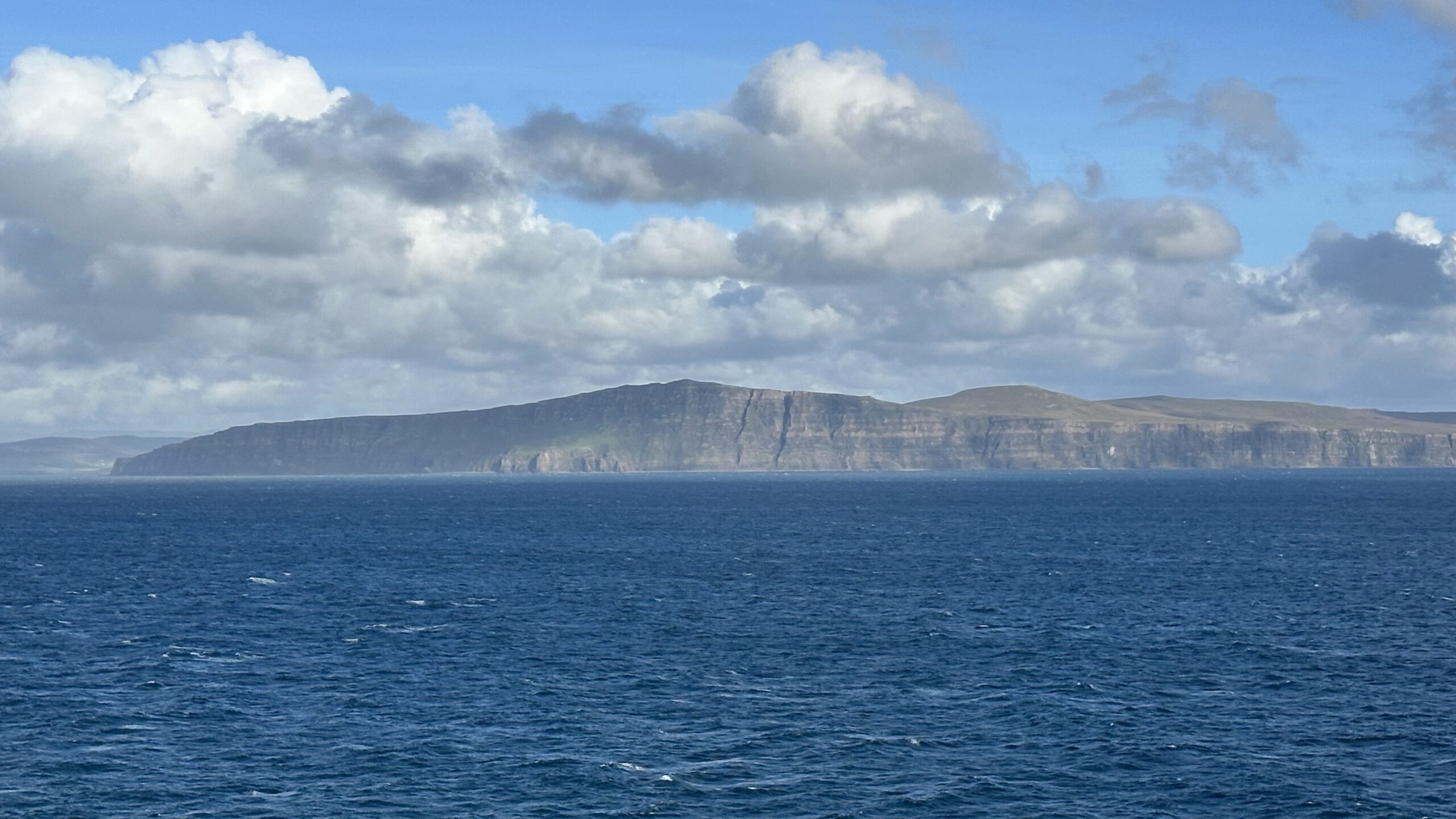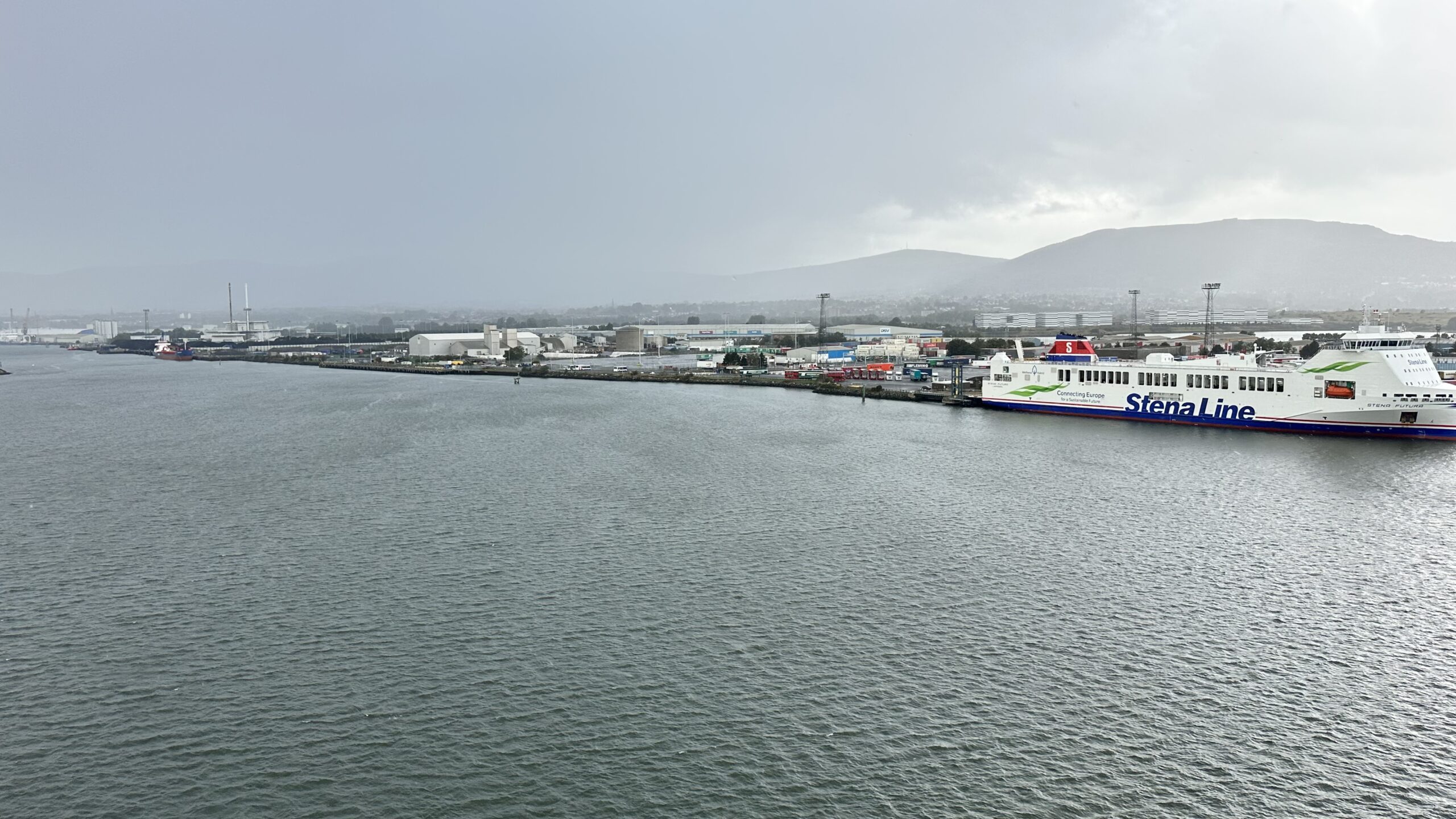
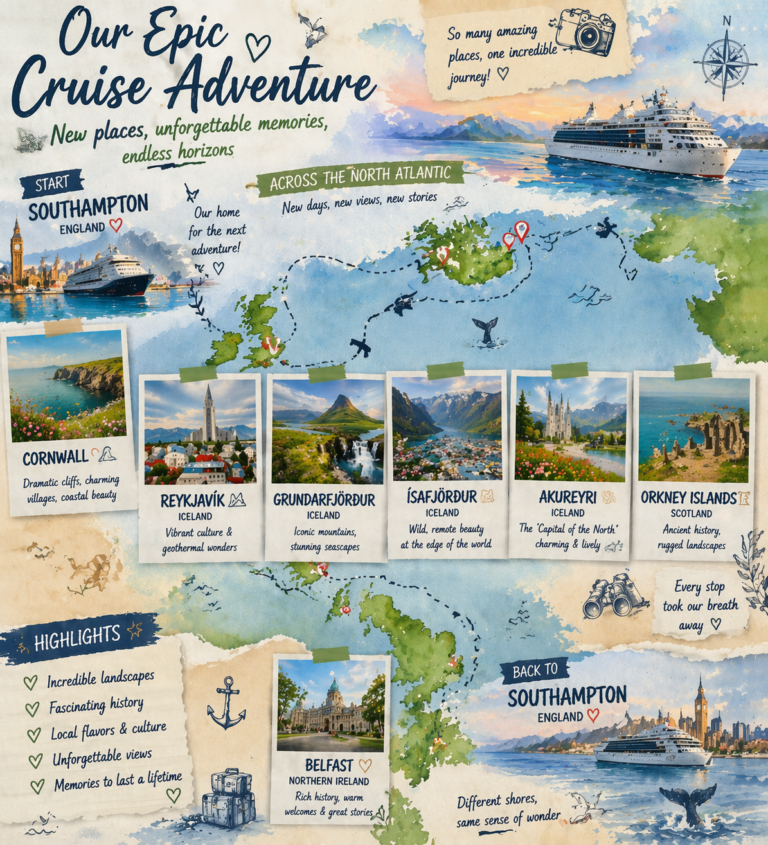
Thanks for dropping in. This trip was a bit of a mix with two weeks in hotels, B&B’s and a friend’s home travelling to London for 2 days, to Northern England for 4 days and Scotland for 9 days. Then, we flew to Southampton for a 14 day cruise that stopped in Ireland, Iceland, Scotland and Northern Ireland.
Here we go………
London and Southern England
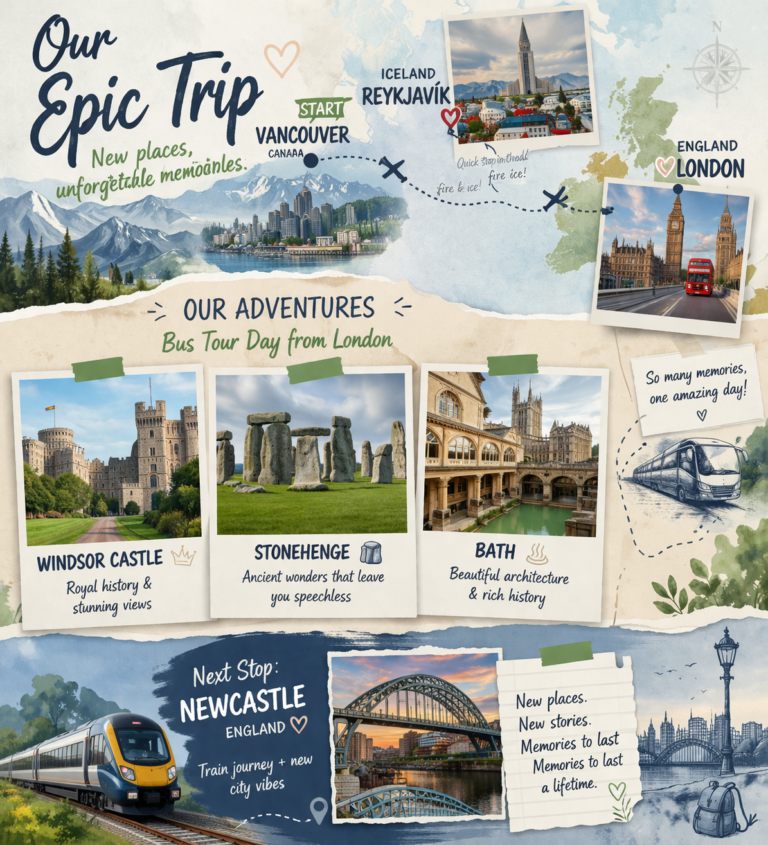
Windsor Castle has a long history and we all know bits of it. Suffice it to say, it is huge, beautiful and ornate with many fascinating elements of history in its bones and on display. Stonehenge is remarkable – it was constructed over a 1500 period and started about 4500 years ago. It is thought it was possibly built by Celtic Druids, but why and how are not known. Somehow they brought these huge stones, some weighing 25 tons, hundreds of miles and erected this astronomically aligned sets of circles. Next off to Bath, where the Romans built….you guessed it – a bath. Here, in 60 AD if you were Roman, you could work out in the gym, have hot bath courtesy of the hot springs, then a cold bath and a rub down with oils. Sounds like Club Med.
Hexham and Northumberland County
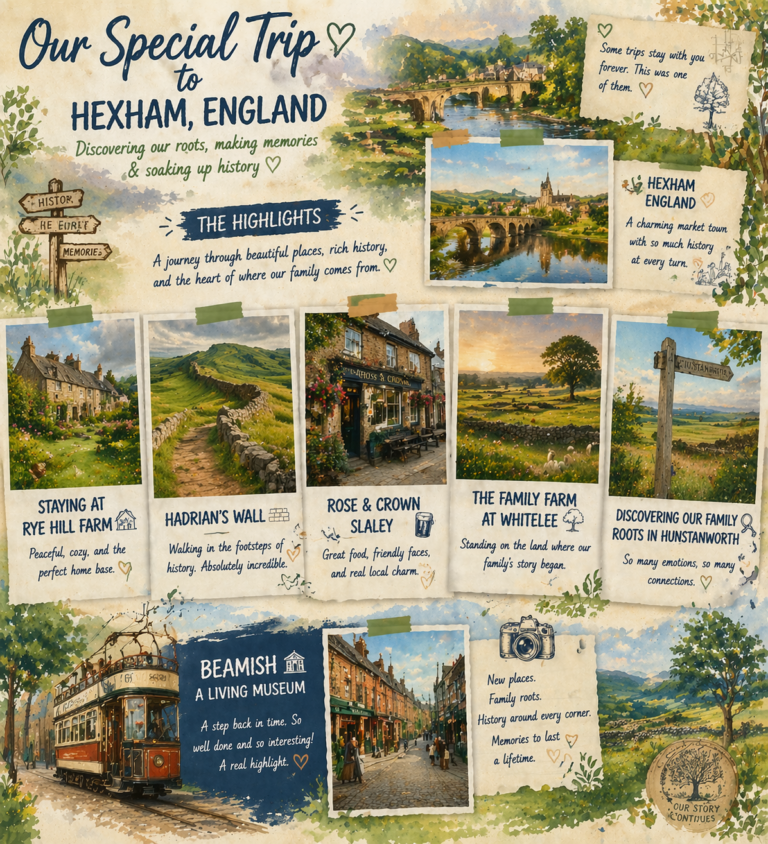
We stayed in a B&B called Rye Hill Farm, near the village of Slaley which has an official population of 1400 but feels like 200. The B&B is quite isolated at the end of a long road and is a working sheep farm of about 40 acres. The buildings are about 400 years old and it is a delightful B&B. Our host, Elizabeth, cooked us and the other guests a great English-style breakfast complete with bacon, sausage, egg, tomatoes, mushrooms and fry bread.
In Hexham, we met up with Bob’s second cousin (once removed) to compare notes. John has done a remarkable job over the years with family research. We visited the town of Hexham and Hexham Abbey, which has a long history dating back to 674AD. The Abbey has been quite well kept and is a major attraction.
Hexham is near Hadrian’s wall which can be seen in many locations despite it’s 2000 year age. The wall and many forts and fortlets (apparently it’s a word) span 73 miles right across the Country from sea to sea. It dates to 122 AD, built by the Romans during their 300 years in the area until the Roman Empire fell. A very interesting piece of history. We visited Vindolanda and the Roman Army Museum.
Once again, dinner at the Rose and Crown (built in 1675) in Slaley, which did not disappoint. Sticky toffee pudding for dessert!
Scotland
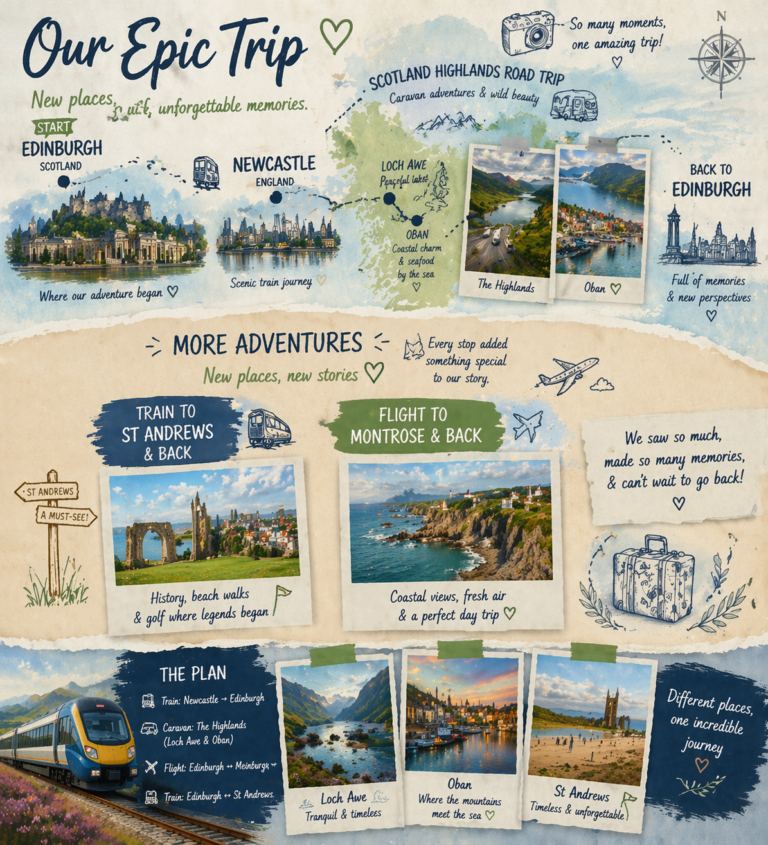
We took the train from Newcastle – first class was a treat and not expensive – to Edinburgh Waverly Station. The ride was about an hour and a half, much of it along the picturesque coastline. This is the first day of 9 wonderful, jam-packed days in Scotland, hosted by our awesome friends, Jean and Graeme (and their dog Jess). On the first night we headed into Edinburgh, where the Fringe Festival was in full swing and the town was a hoppin’. The people, the people!!
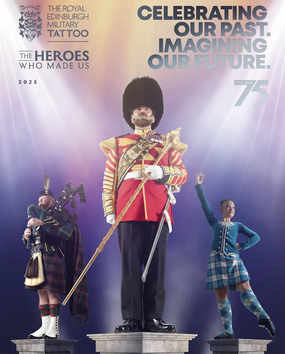
August 23. The first full It started with a nice long walk with our friends and hosts, Jean and Graeme (and Jess) to Rosslyn Chapel. It was built in the 15th century and although the exterior is magnificent as you can see in the pictures, the interior is absolutely stunning. However, no pictures allowed. This was the inspiration for the DaVinci Code by Dan Brown. Next, into Edinburgh – First on the agenda was an underground tour of Mary King’s Close, which turned out to be very interesting. We had dinner at an Italian restaurant, Vittoria, which was just hopping, as was everywhere in Edinburgh. Delicious pasta followed by sticky toffee pudding. Next was the bucket list item….the Royal Edinburgh Military Tattoo! The crowds are just stunning…so many people…and they all seemed to be heading for the castle and the Tattoo. Graeme had purchased excellent seats for us, although I don’t think there is a bad seat in the house. The Tattoo was beyond belief. We have seen many videos, but the actual real life event was incredible, magnificent, emotional…words can’t quite describe it. This was the 75th year of the Tattoo, and the one we attended was the last event of the season.
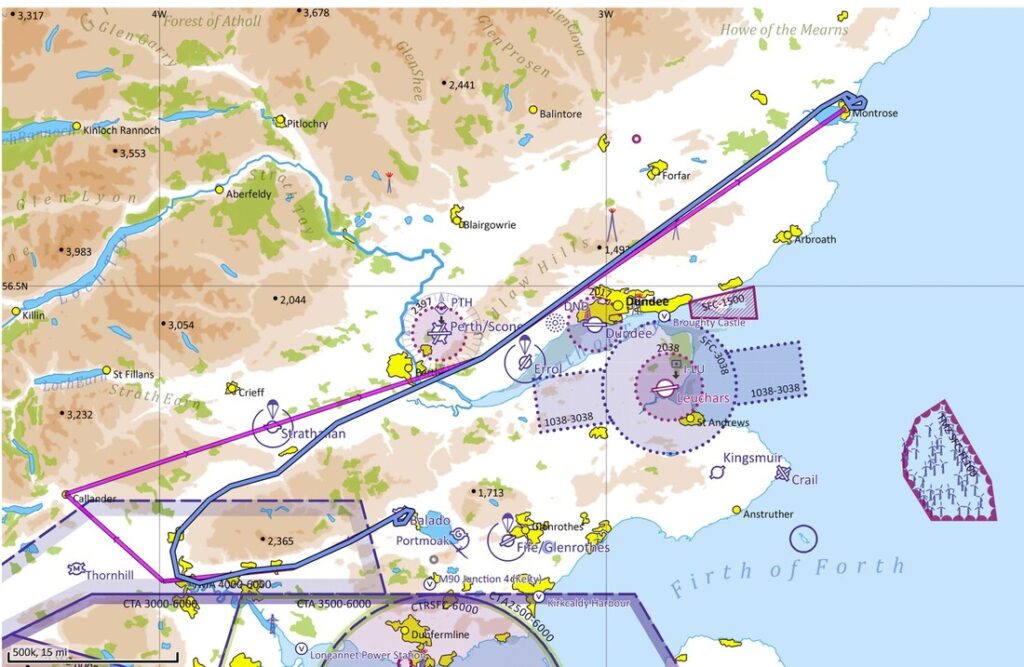
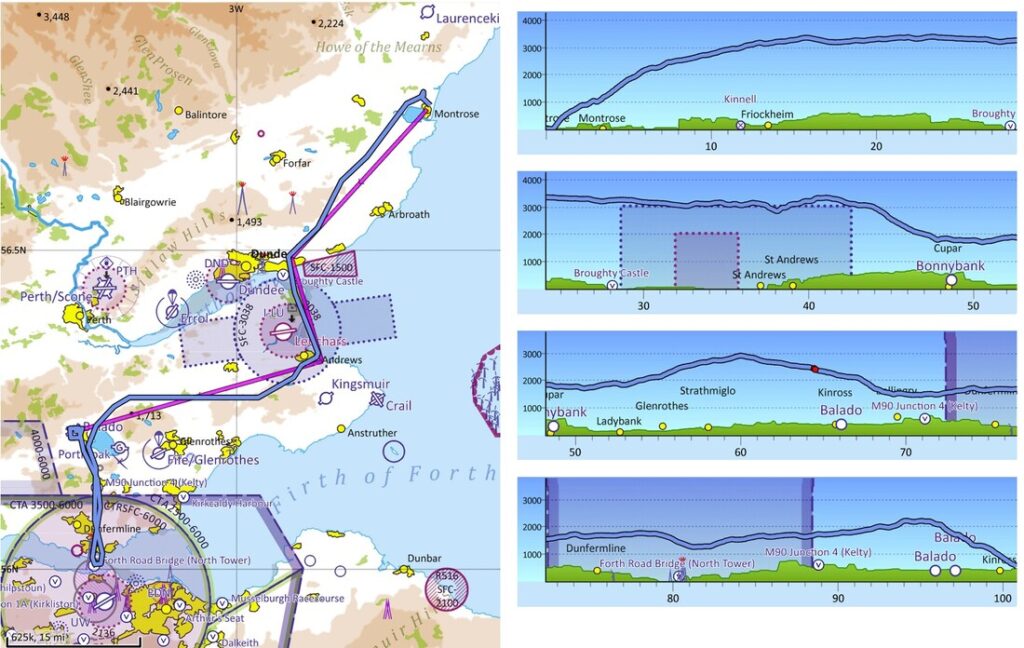
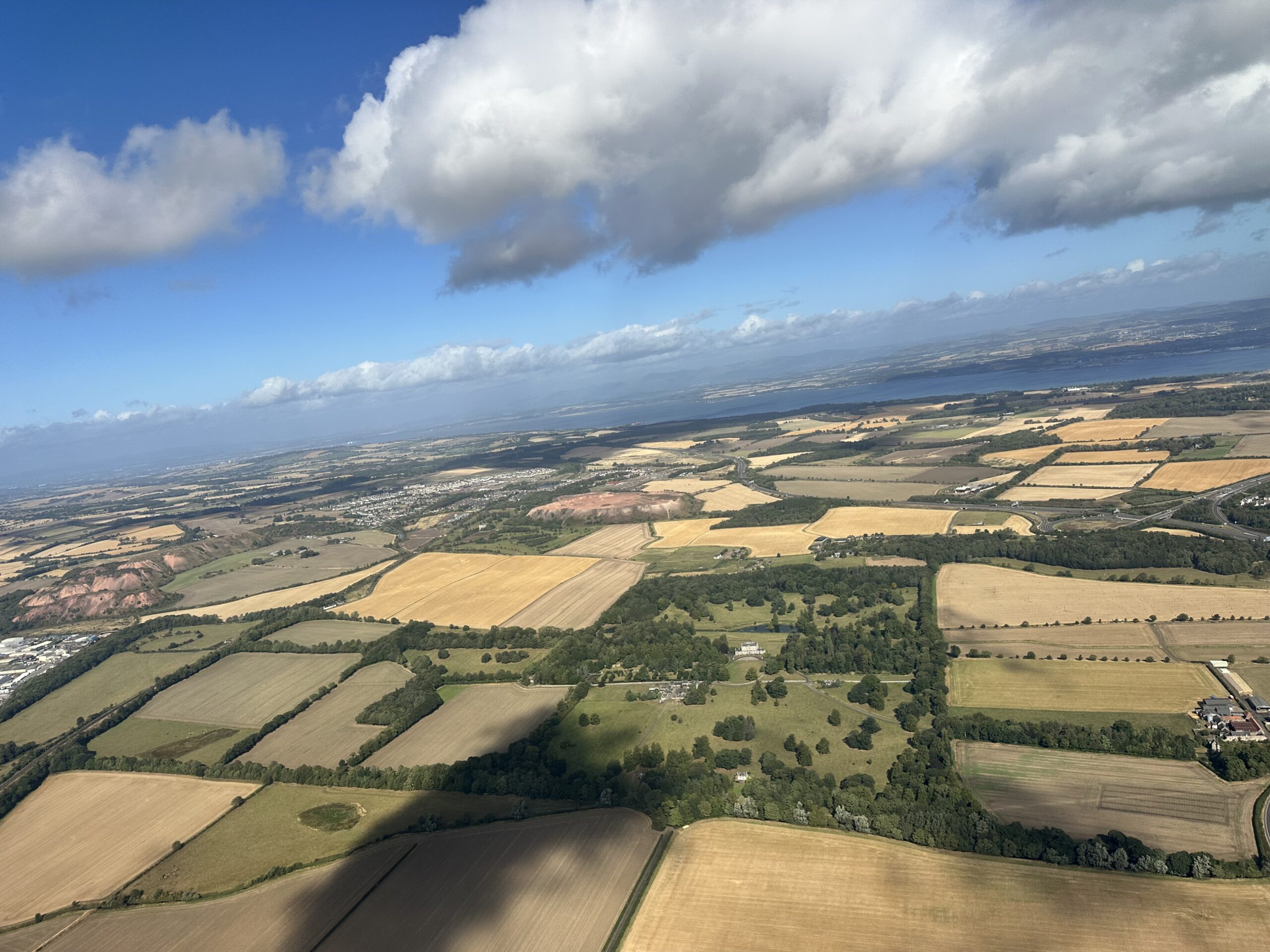
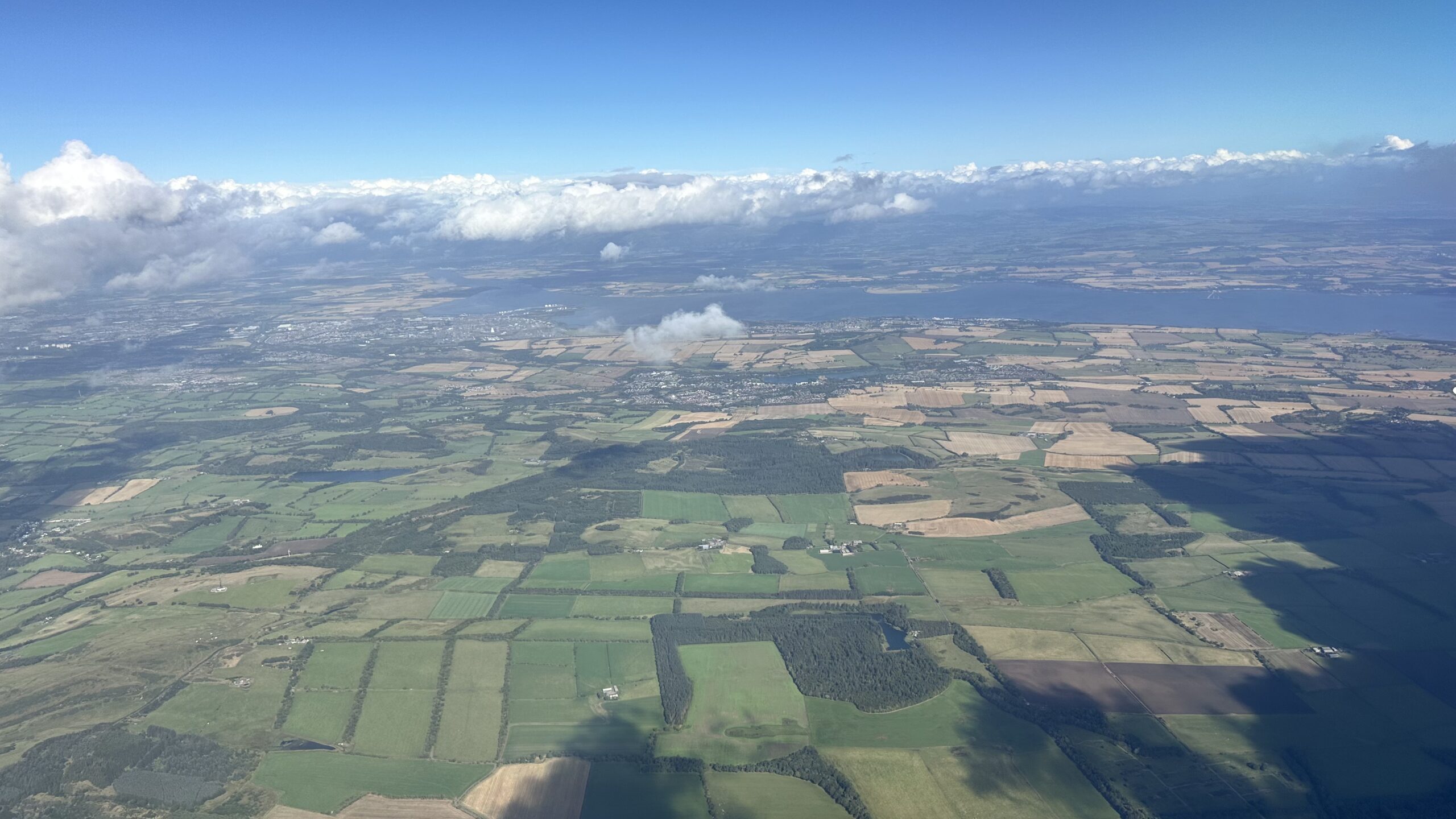
August 24. Now, this is the way to see Scotland…..or anywhere for that matter. Graeme took us (separately) for a fly in his Sting S4. It puts our old Cessna to shame. Graeme and Bob flew from Balado Airfield, just north of of Edinburgh, to Montrose on the eastern coast to a fly in. On the way; Perth, Stirling and the Castle, Wallace monument and more. On the way back; Leuchars and the Air Force base, St Andrews, the 3 Firth of Forth bridges. This is one incredible aircraft and the flight adds to an overwhelming stay in Edinburgh thanks to incredibly generous Jean and Graeme!!
August 25. Off to St Andrews by train to have a wee visit with Janie and Jeff. Bob has known Janie for few years (62). We had a fantastic day which included playing golf at St Andrews, the home of golf. Let’s clarify – this was playing golf on the 18 hole putting course called the Himalayas because of the little hills. It was the course used years ago by the ladies when the men were on the main course. Bob and Jeff won and no cheating was hardly involved. Then, we had a great lunch overlooking the golf course, ocean and the beach where they filmed a well known scene from Chariots of Fire, followed by a walking tour through beautiful, historic St Andrews, a pub dinner before the train ride home to Edinburgh. It was the best thanks to a well planned day by our hosts, Janie and Jeff!
FYI – If you would like to play St Andrews, it’s £400 plus £100 for a caddie. For 2 people, that would be close to $2000 CAD.
Another fabulous day. Off to Oban and Loch Awe, but first stops to ride the Falkirk Wheel and see the Kelpies. The Falkirk Wheel is an engineering marvel moving 250 tons of water and boats and people (times 2) simultaneously up and down 35 metres. This is done with the same power it takes to run 8 kettles for tea (a true Scottish measure). The Kelpies are mythical creatures captured in this remarkable set of sculptures. Oban is a pretty seaside town, once a fishing village but now a resort town and hop off point for ferries to Islands like Islay, Colonsay and Tiree. Then, a winding single road drive along Loch Awe to the 18th century Portsonachan Hotel. Absolutely beautiful!!!
August 27. Another very full day travelling in the campervan. After a great breakfast at the hotel on Loch Awe, we headed back to Fort William, then on to see the Glenfinnan Viaduct, made famous by the Harry Potter movies. It was far too busy to even consider getting into the parking lot for a up close view of the viaduct as the Jacobite train passed. So, we went up the road where the train tracks were on the other side of the loch, not far away. We waited in vain for the train to come along, but guess it was on Canada’s VIA Rail time, and as expected the Scottish rain drove us back to the campervan and onwards to Glencoe. We were in an absolute downpour, but did brave the elements to get out for a few pictures. Glencoe is famous for the massacre of February 13, 1692, where the Campbell clan slaughtered the MacDonalds due to their not pledging allegiance to William III. Lots of history here, almost as much as the rain! Off to have a drive along Loch Lomond, which is far bigger than we had thought, covering 27.5 sq miles, and 600’ deep in parts. Graeme did an amazing job driving along the narrow, winding roads, with big trucks and buses that definitely wanted their share of the road. The water was really pooling along the road edges, so for much of the time, we had a bow wave. Dinner was at a lovely restaurant (Duck Bay Hotel) overlooking the lake. Really good haddock and chips, of course with mushy peas.
August 28. We headed off to Colton Hill, as we decided to go there instead of Arthur’s Seat. It is supposed to be much better views, and probably right! A heavy slog up the hill to ‘Edinburgh’s Disgrace’, which started out to be a replica of the Acropolis, but was abandoned part way through. Lunch at a little restaurant at the top, with incredible views of Edinburgh, the Castle, and far beyond.
August 29. Sailing on the Firth of Forth. Crewman Graeme set us up to go with Edinburgh Boat Charters and Captain Colin for a day of sailing. The weather held and we saw only a small bit of rain. We went east for the morning and west in the afternoon. The bridges are; the Forth Bridge (the orange coloured one used only for rail traffic – built in 1890 and is on the World Heritage List), the Queensferry Crossing (opened in 2017 and has the cables extending down from three large columns) and the Forth Road Bridge (looks like the Lions Gate bridge and built in 1964).
August 30 (Saturday) Our last full day in Scotland. We headed to Edinburgh to see the Palace of Holyroodhouse, the Royal Mile, Edinburgh Castle, Princes Street, Scott Monument, the National Museum of Scotland…..and topped it off with an after dinner soaking by a Scottish summer rain shower!
August 31 (Sunday) Today, we bid a fond farewell to Scotland. We did so much – we saw bridges, lochs, mountains, palaces and heelan coos (highland cows) and much more. We travelled by plane, train, automobile, caravan, bus, running shoe and sailboat. We experienced golf at St Andrews and were moved by the Tattoo. We saw Scotland from the air, ground and on the water. We touched history and savoured wonderful food. A big, grateful thanks to Jean and Graeme (and Jess) for making our Scottish adventure so incredibly special. You guys are awesome for making this all happen!! Also, thanks to Janie and Jeff for making our day at St Andrews so wonderful. Graeme kindly drove us to the airport after a bit of a teary farewell to Jean and Jess (who had finally warmed up to us). It was hard to leave, as we had forged such a nice bond with them both. They have said they will come over and visit us, so fingers crossed that will happen.
Videos from England and Scotland
Playlist

0:16
0:16
0:16
0:16
0:16

The Cruise
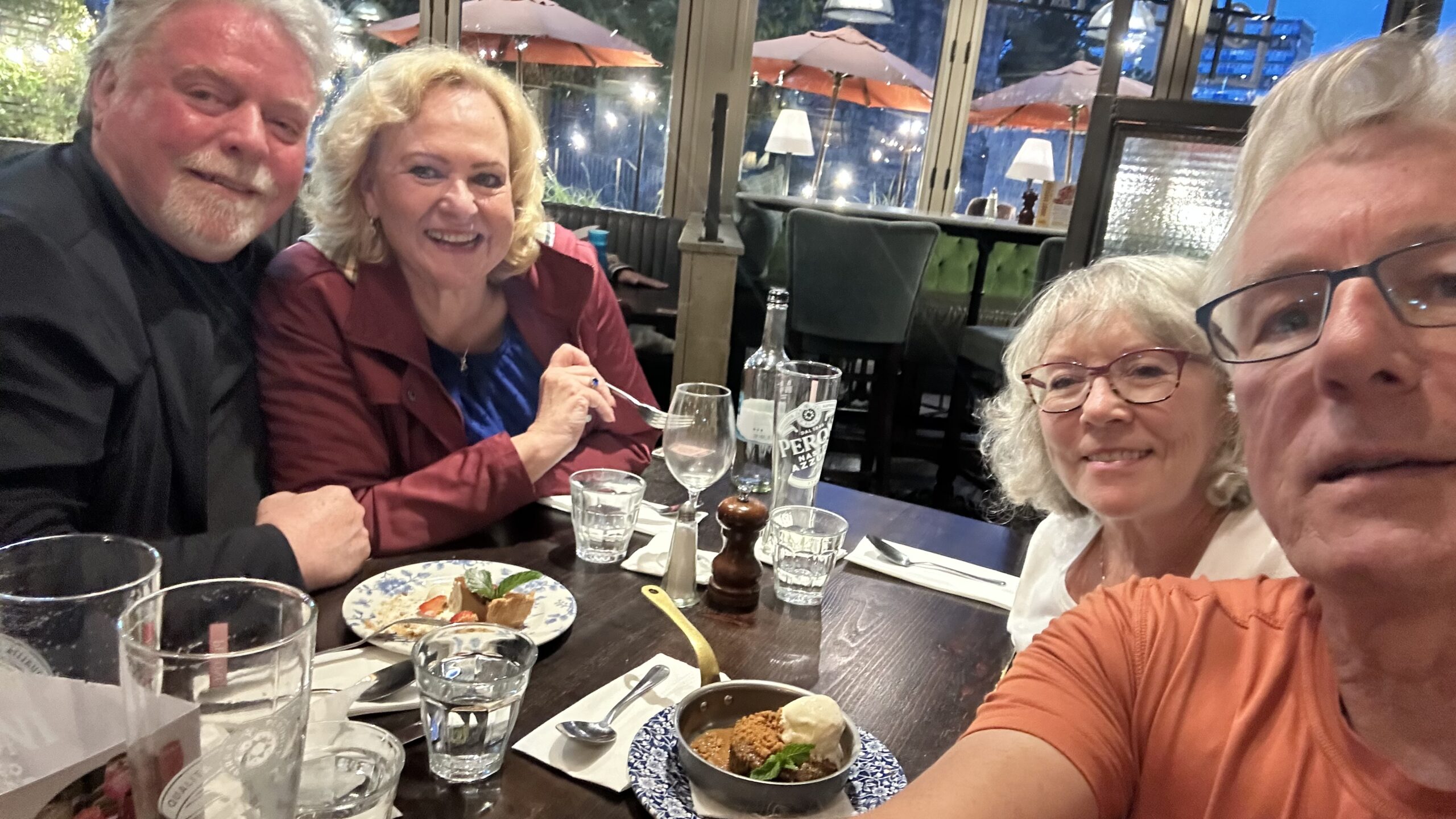
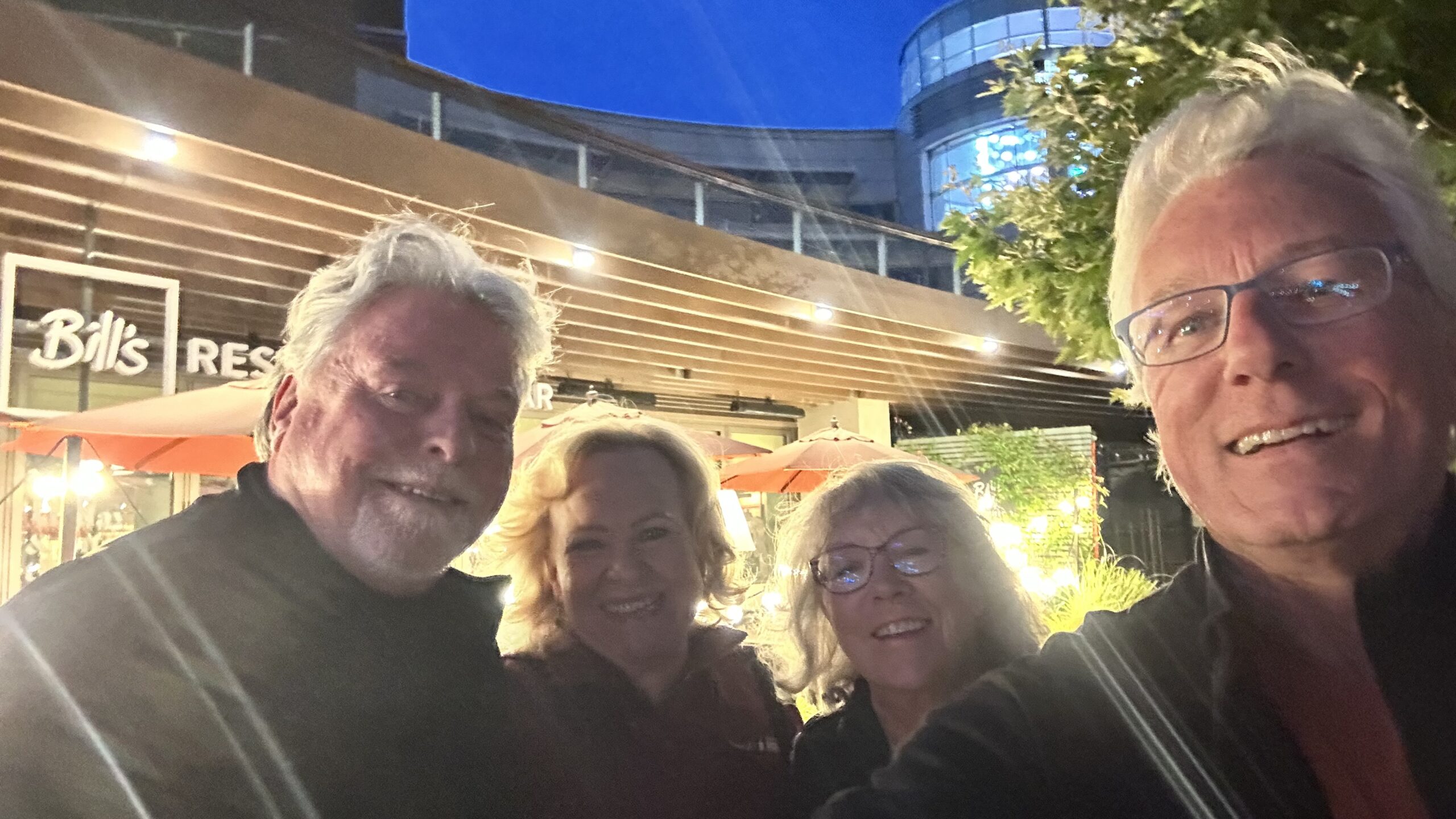
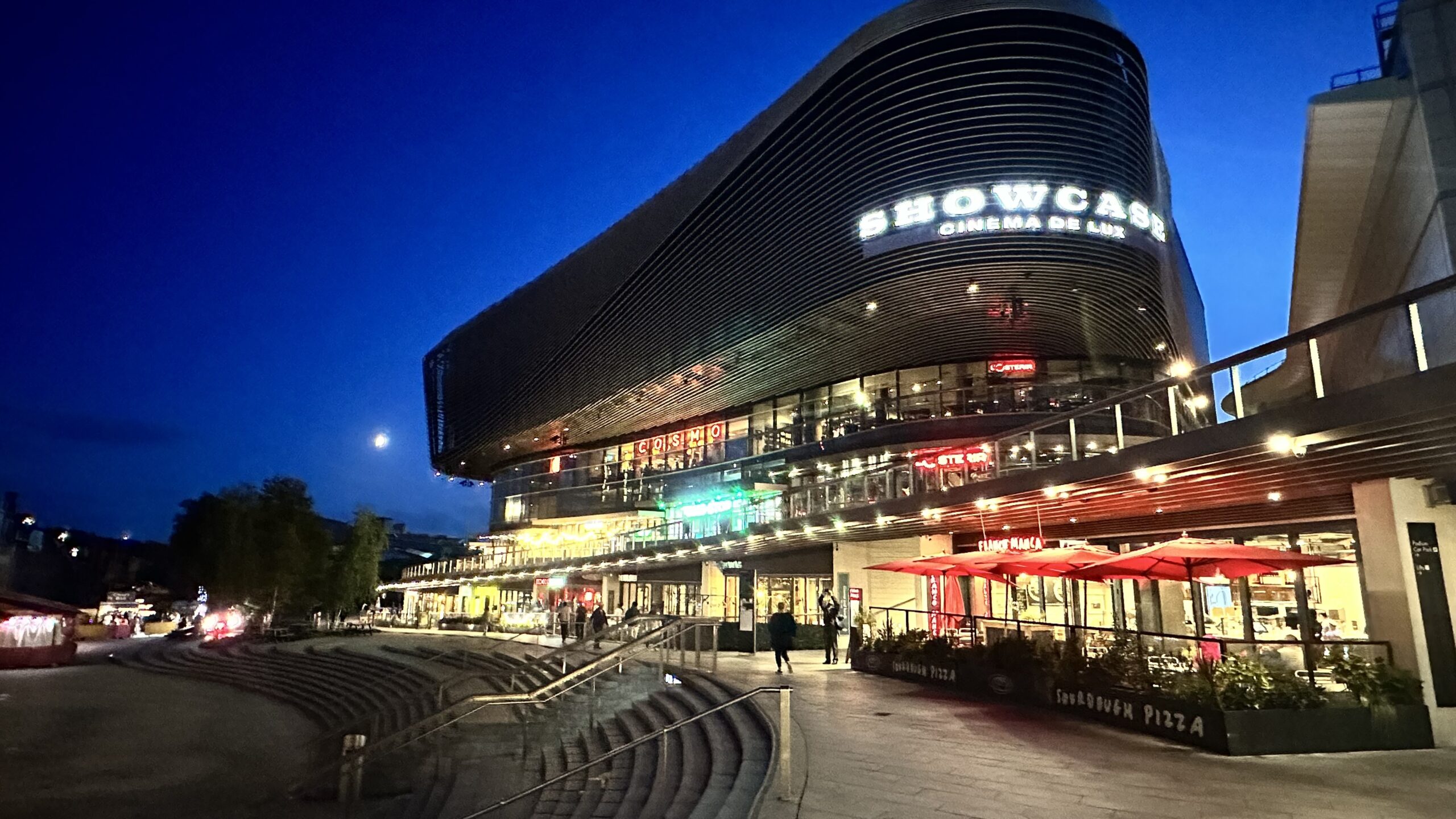
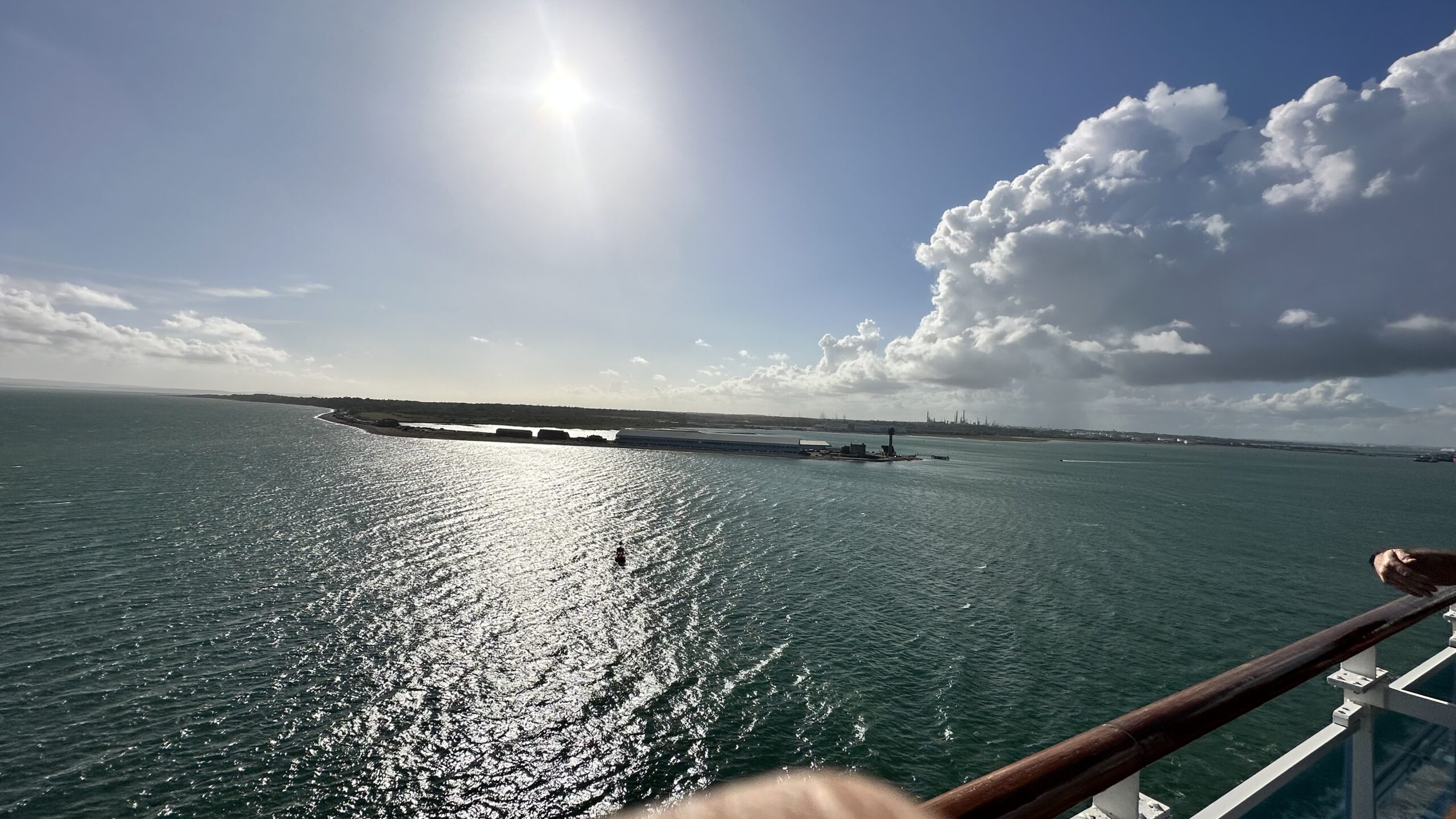
August 31. We flew from Edinburgh to Southampton to stay at the wonderful Ibis Hotel (not the upscale one). Who cares, it was clean and cheap. We had lunch at TGIFridays next door and paid 28 pounds ($55) for what is quite possibly the worst hamburger and 7 french fries we have ever had. We met up with our cruise companions, newlyweds Donna and Steve. Although we tried to talk Donna out of marrying Steve, she carried on with it anyway 🙂 . We think she lost a bet. Only kidding, they are great friends! Steve is an old (and I mean OLD) friend of Bob’s from college days. We went to Bill’s restaurant for a pre-cruise dinner. It was quite nice but they added a non-mandatory tip of 12 per cent (tips are not common here) and 4 1/2 pounds ($9) for a decanter of water. Yikes. The whole bill was 91 pounds or $180. It’s not cheap for food here.
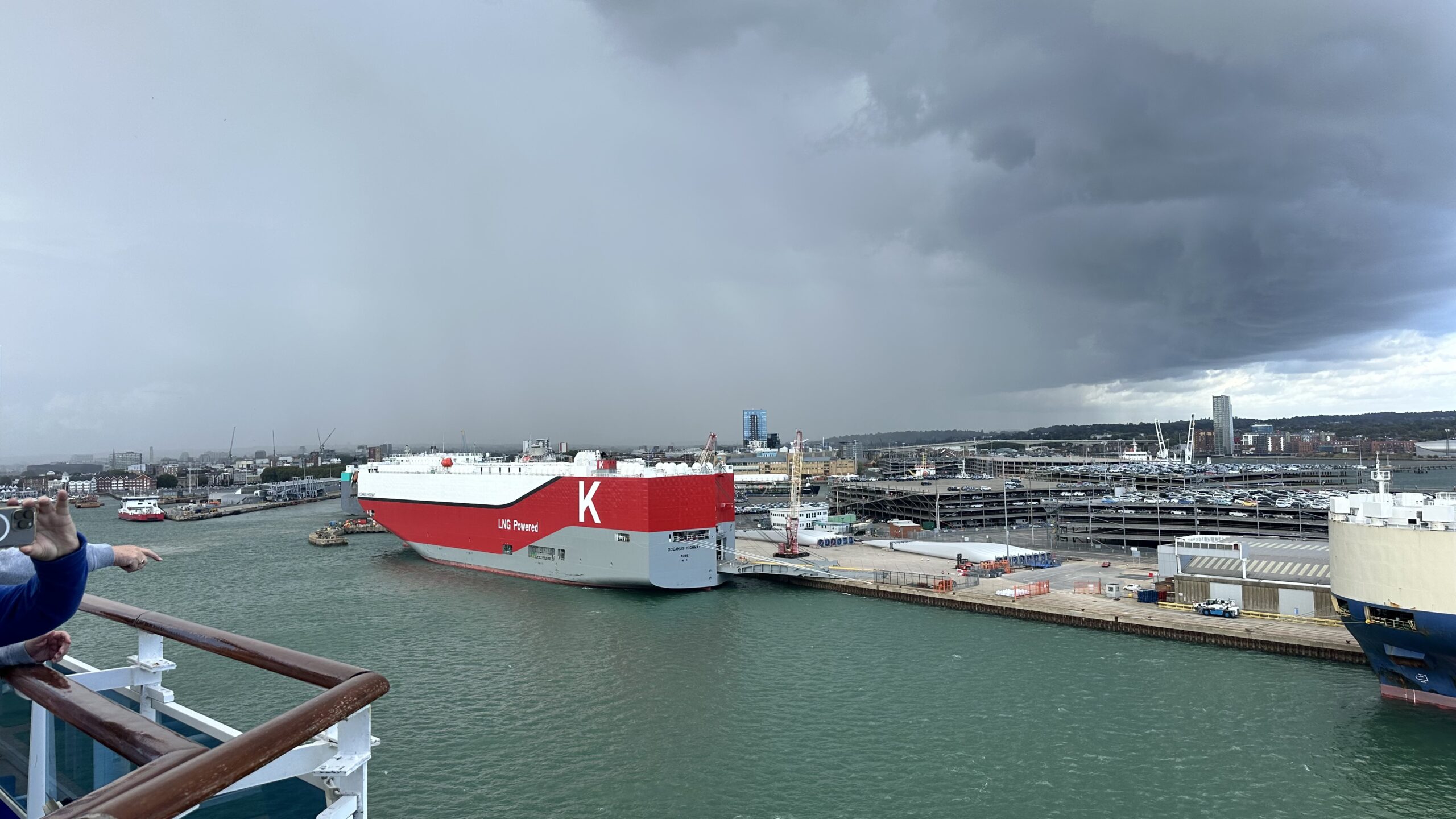
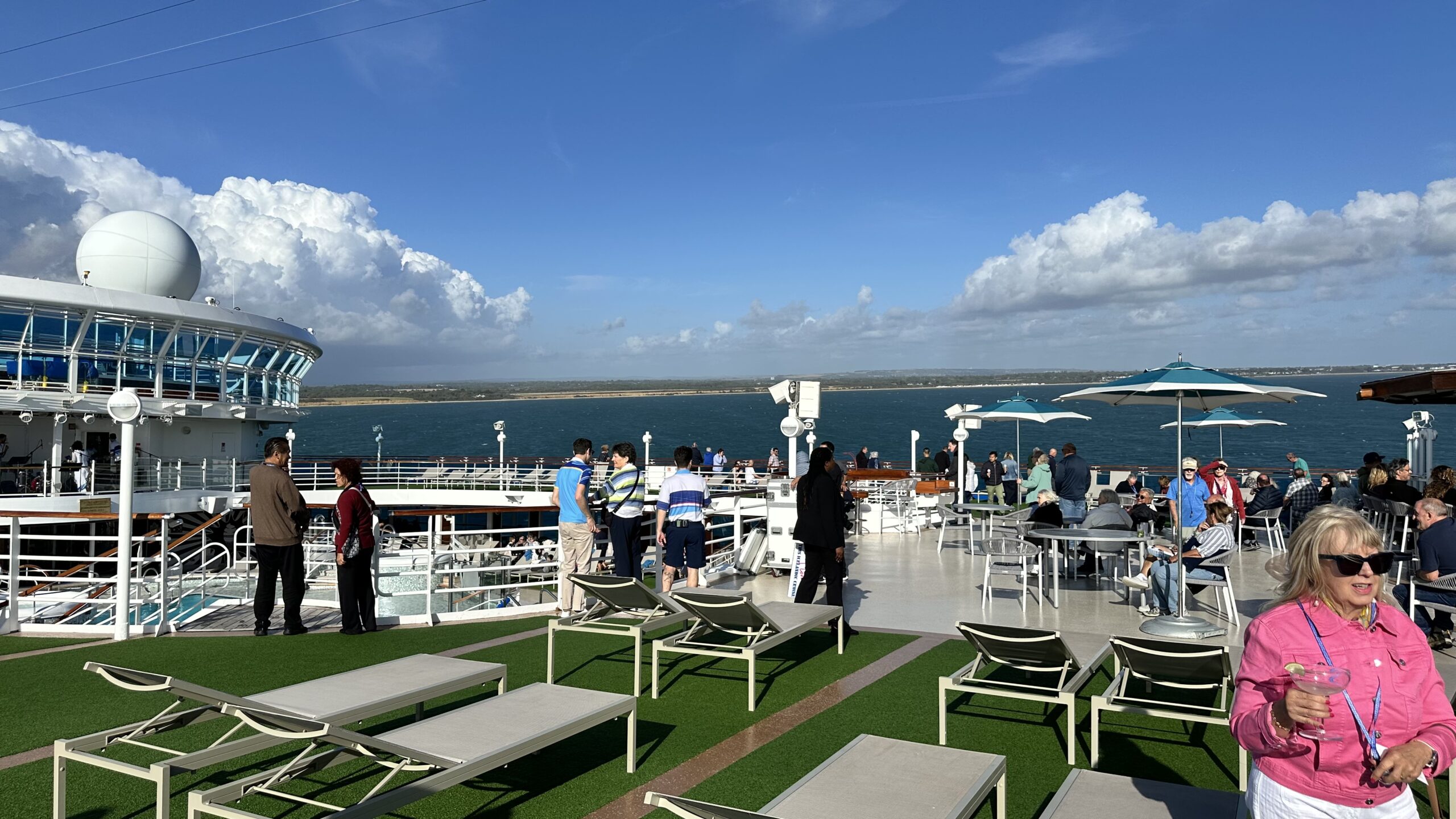
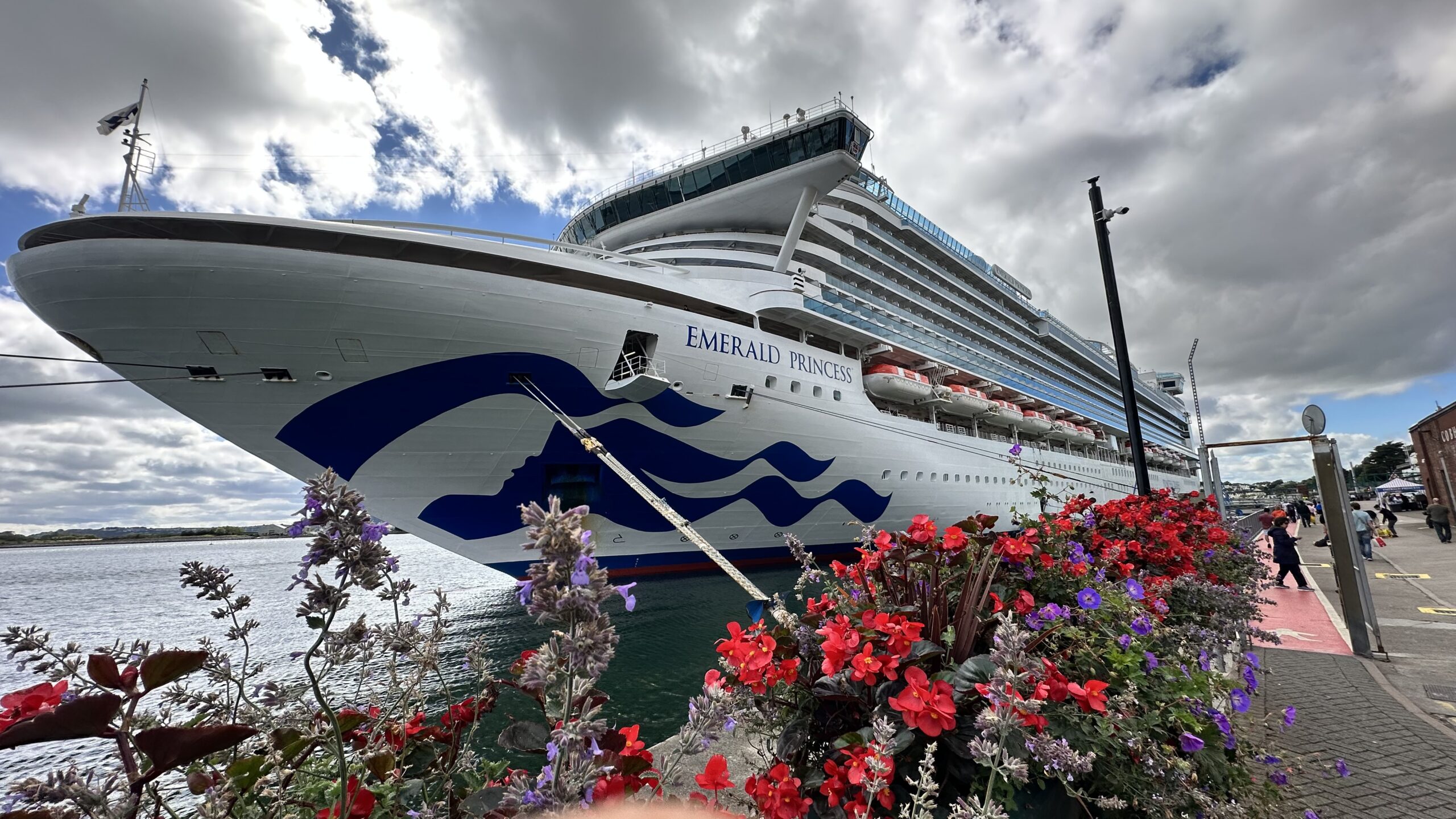
September 1. We boarded the ship (The Emerald Princess) today. It was intermittent monsoons and sunshine. Little did we know it would be an omen of things to come.
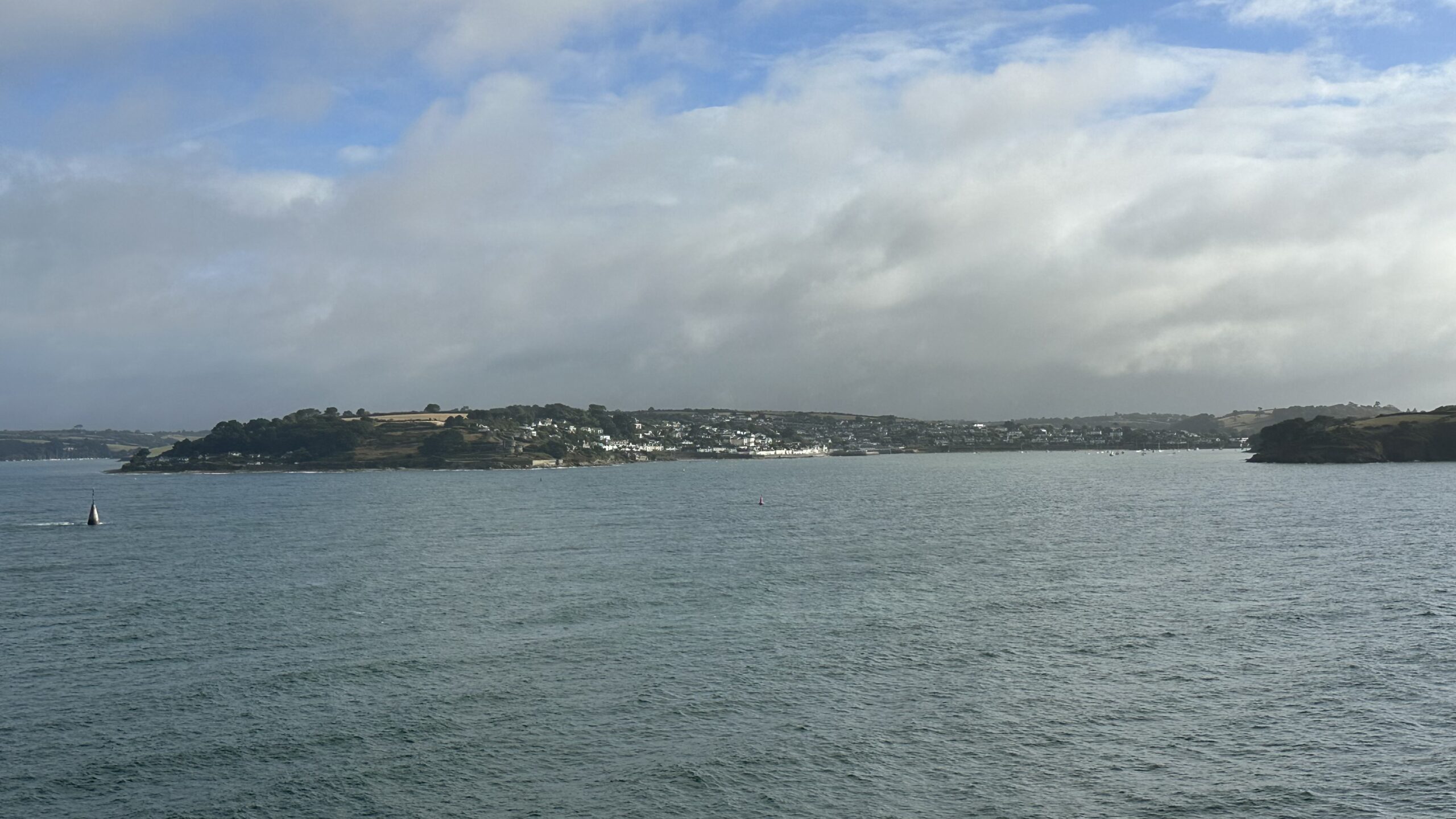
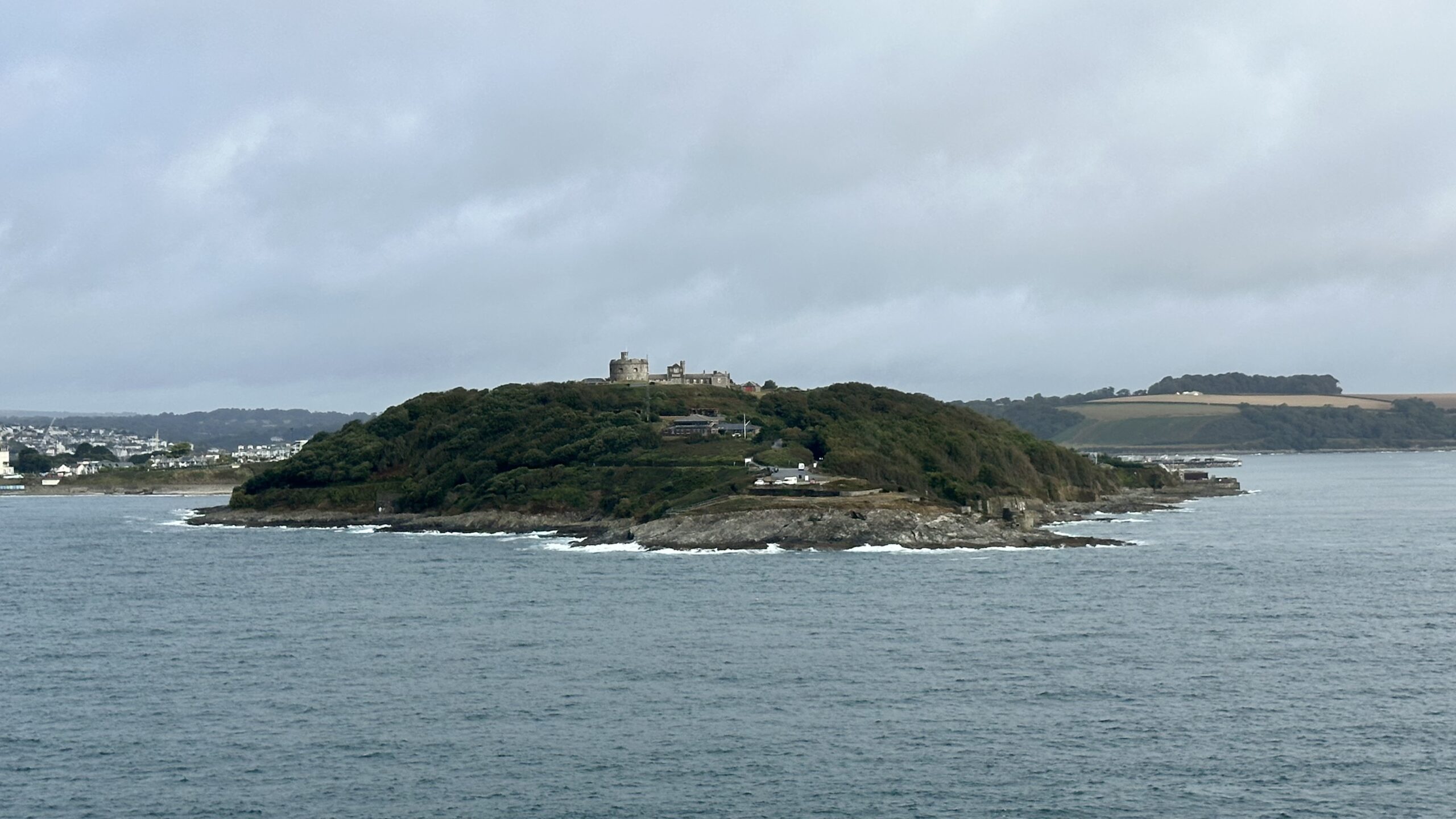
September 2nd. The first stop on the cruise did not happen. We pulled into the harbour at Falmouth, dropped anchor and the Captain had them run in a few tenders. No go – too rough. We left and carried on to Cobh.
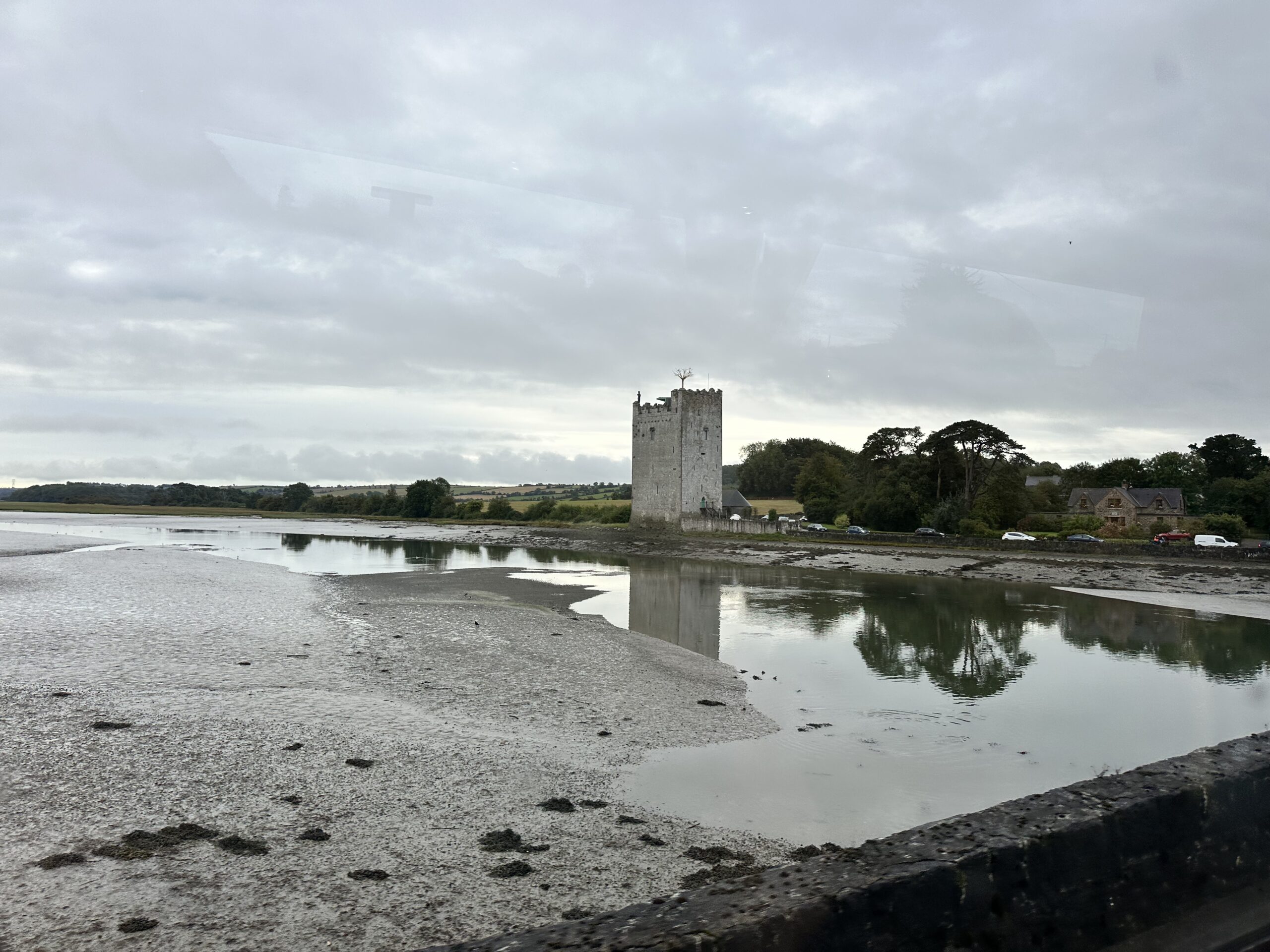
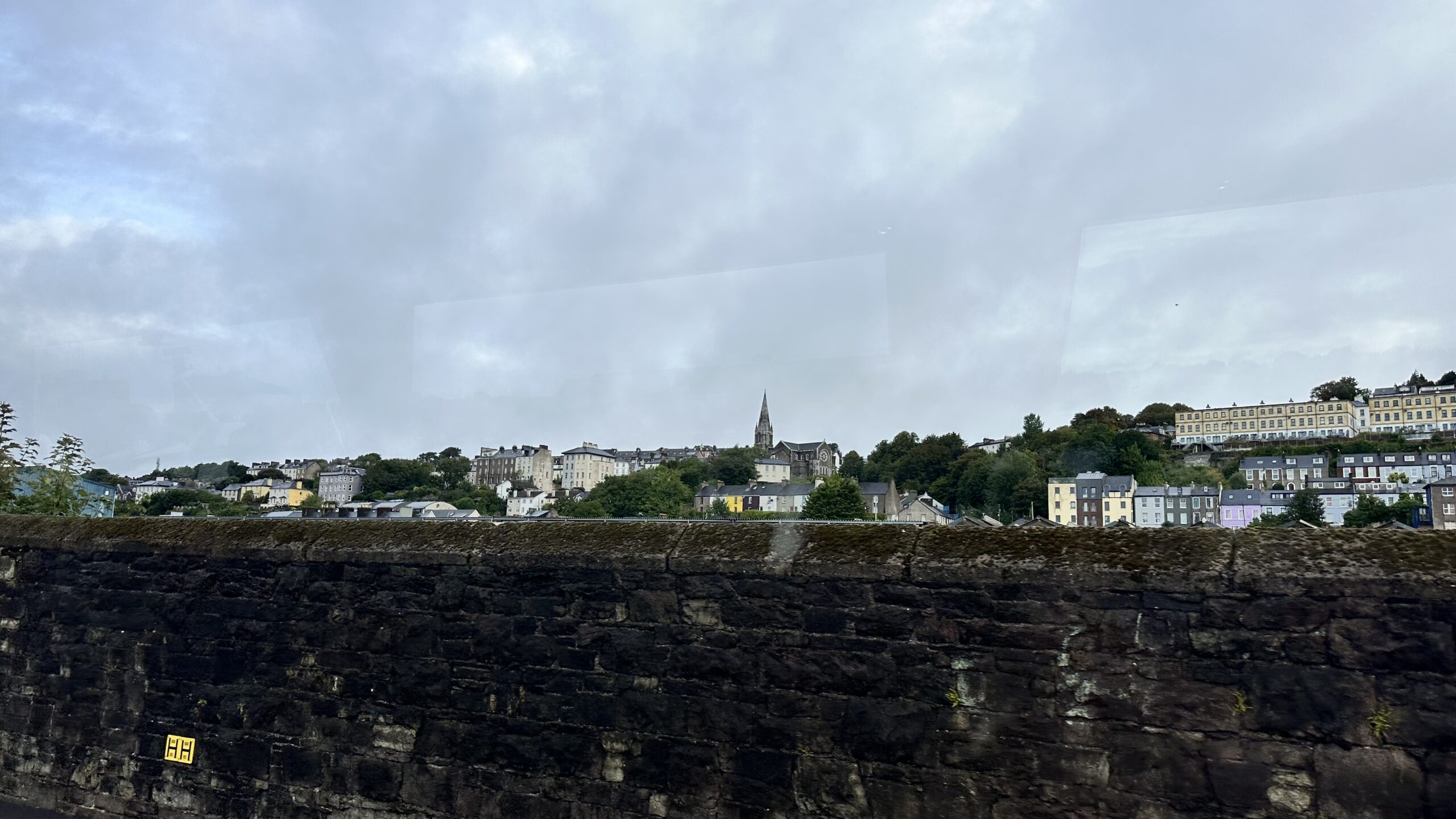
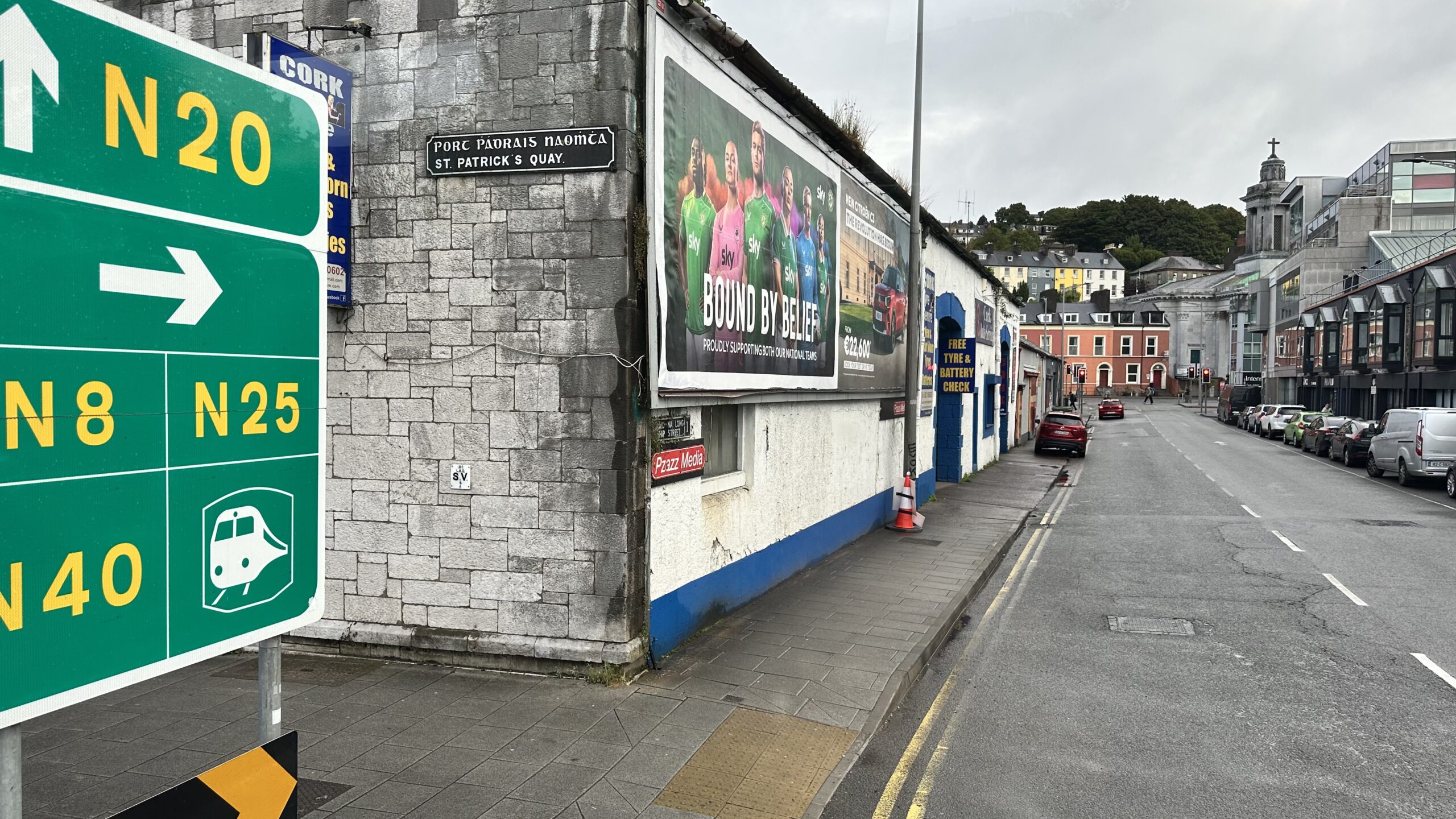
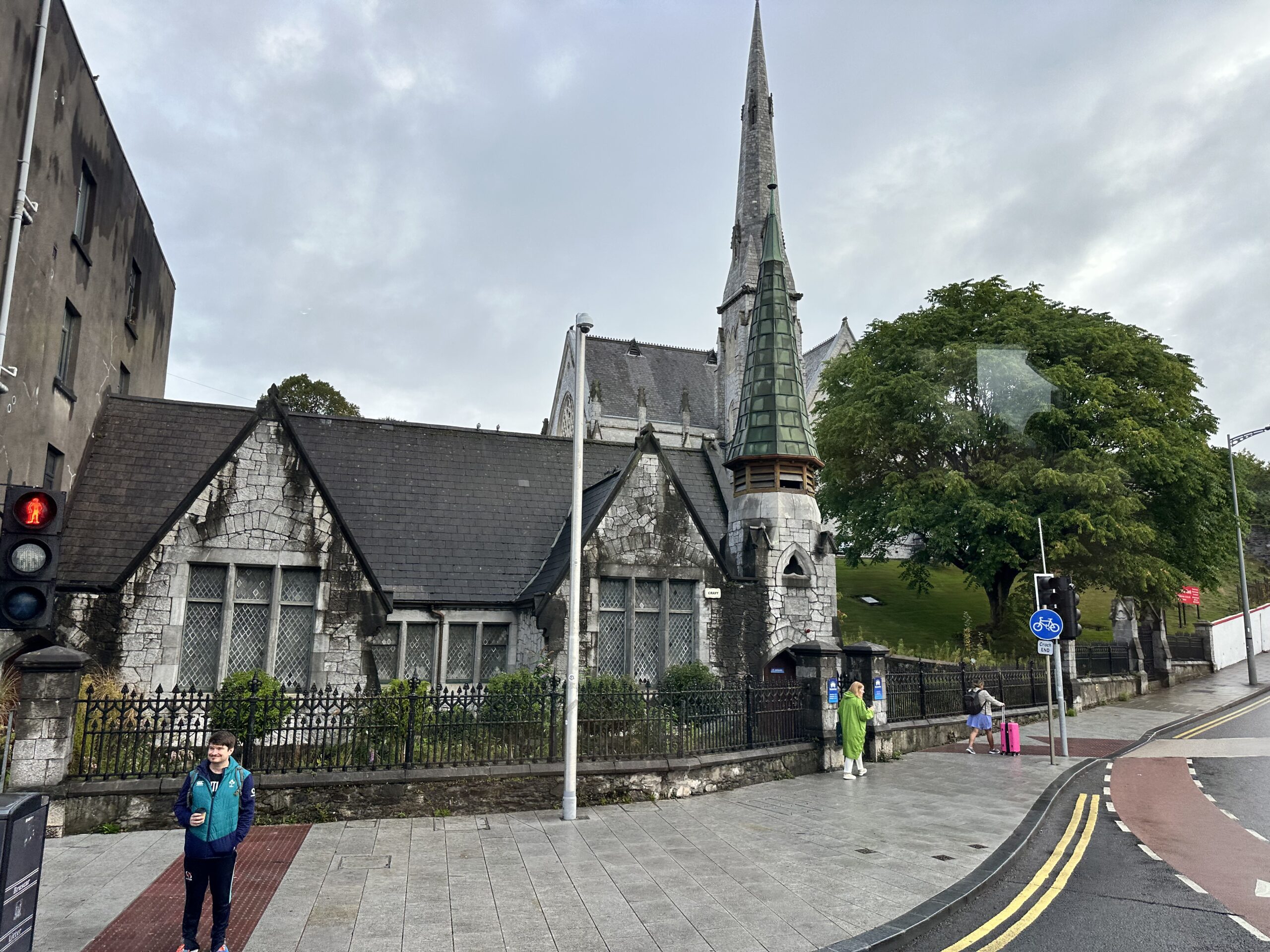
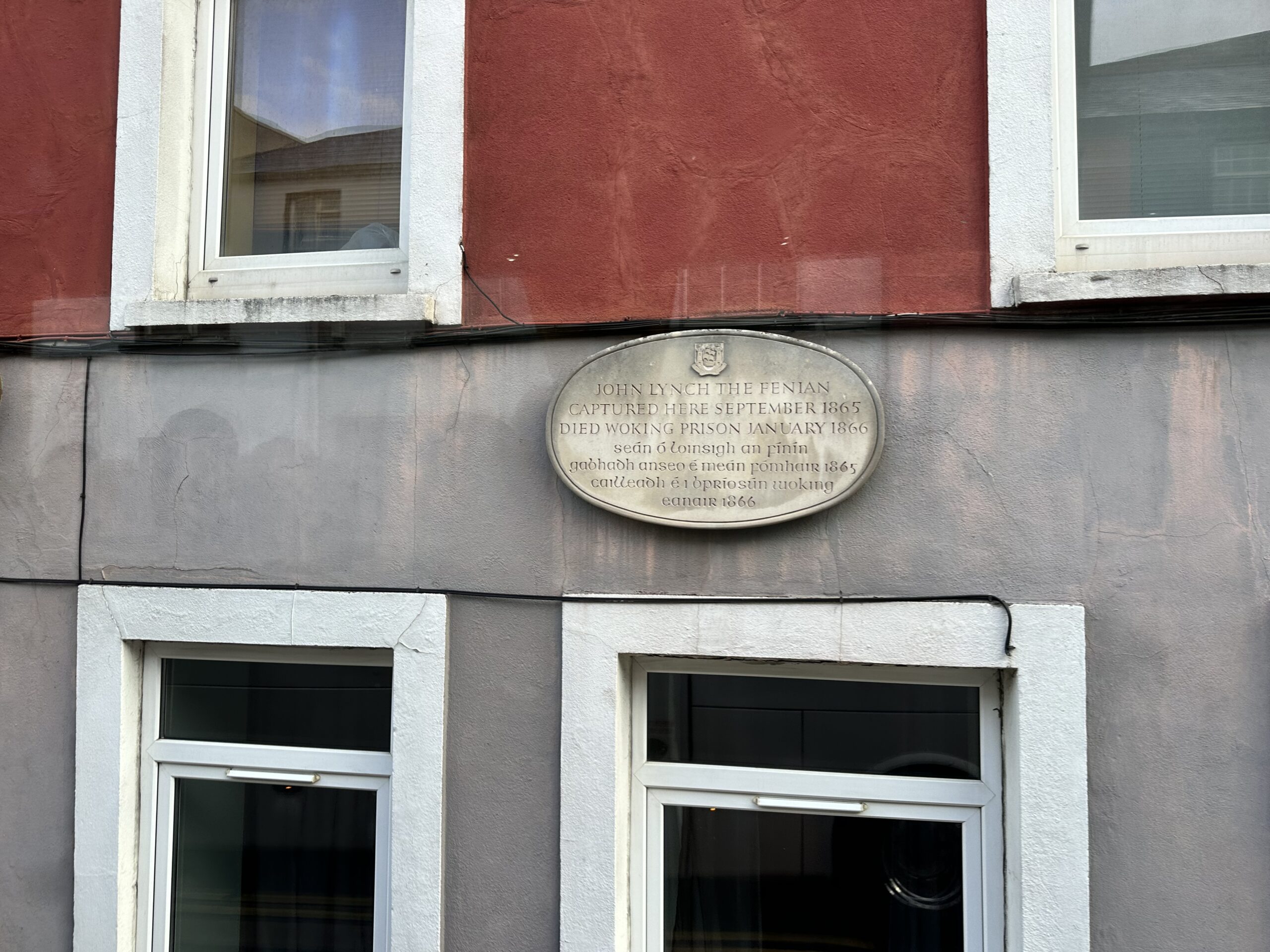
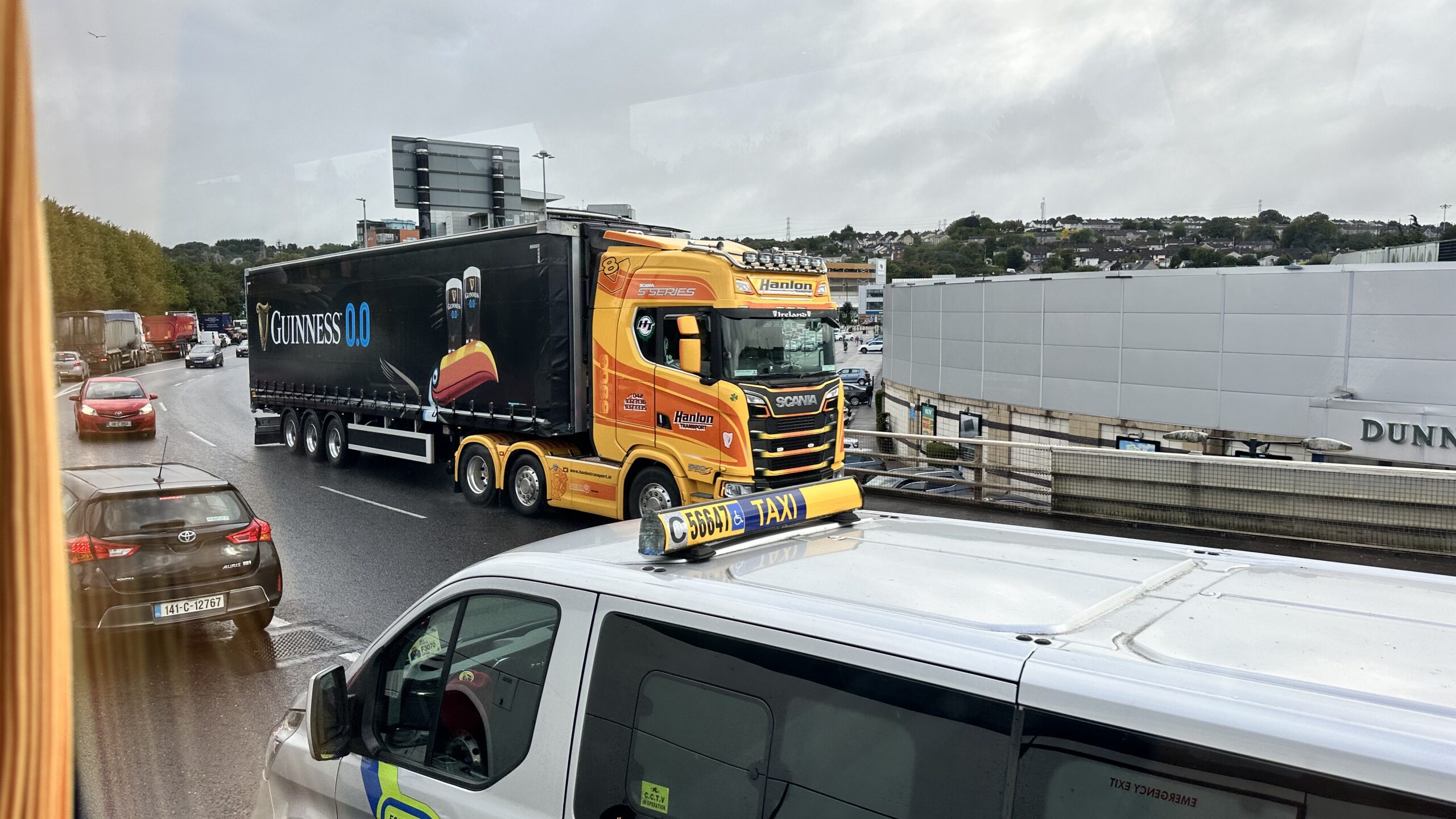
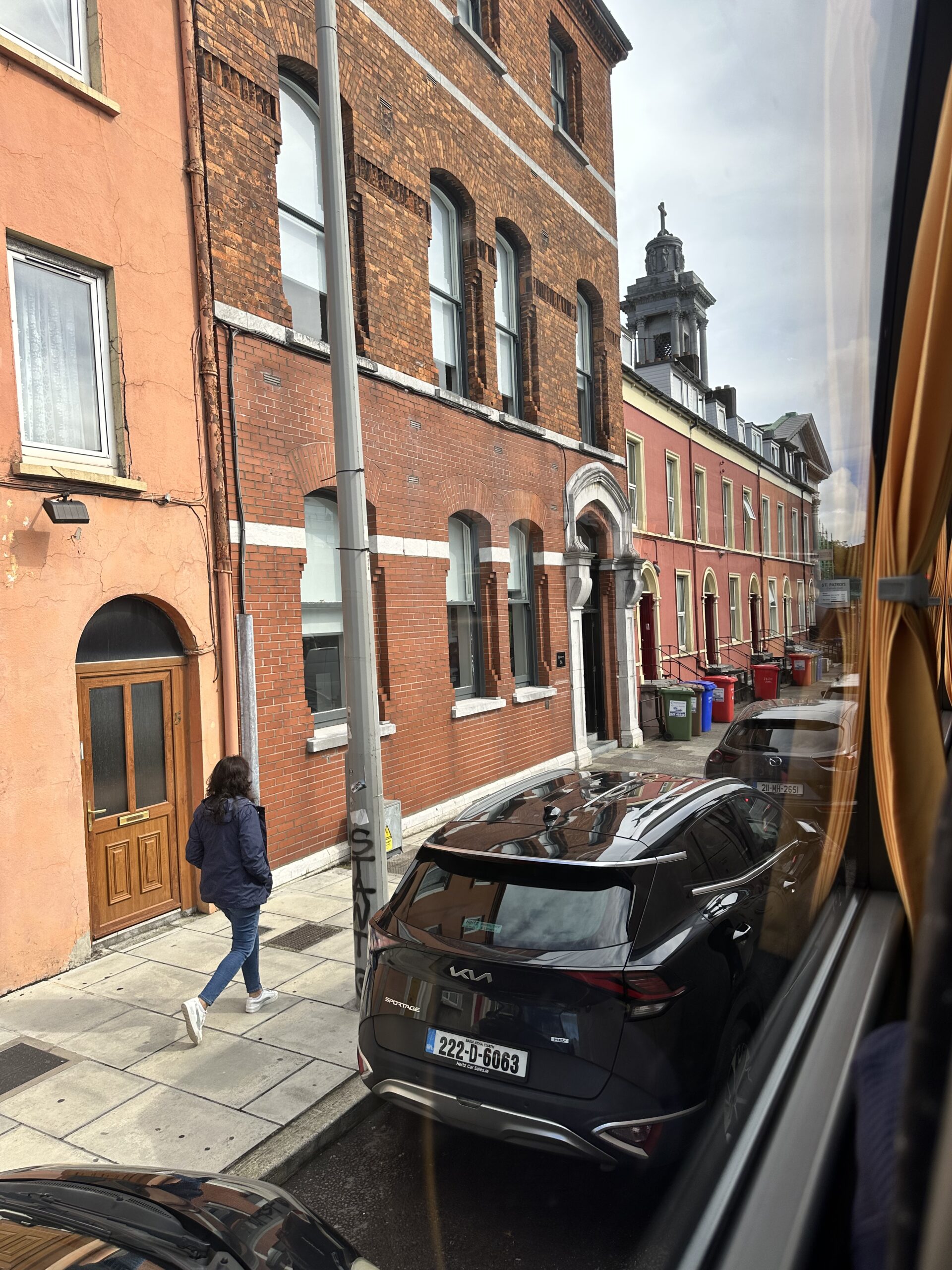
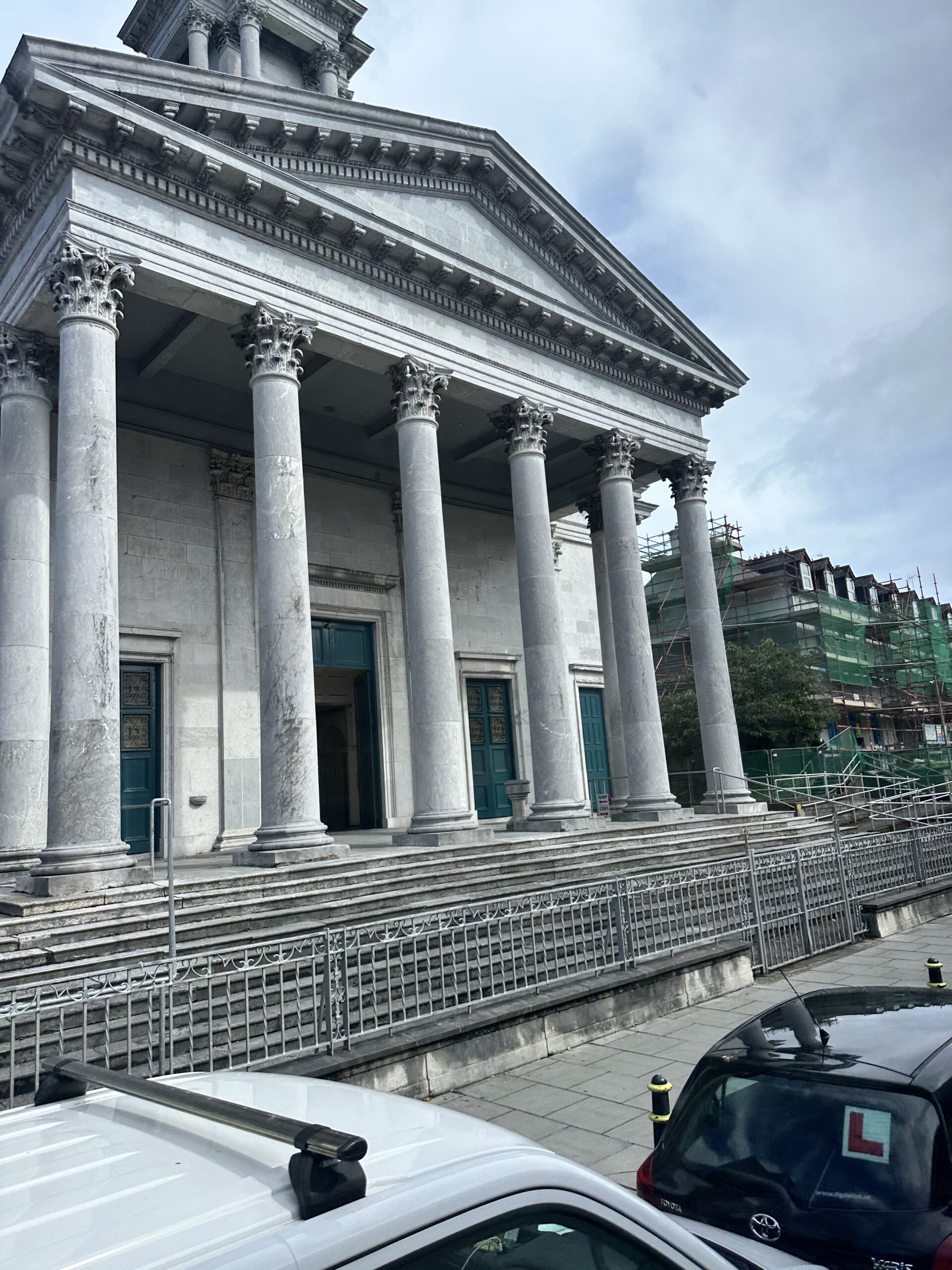
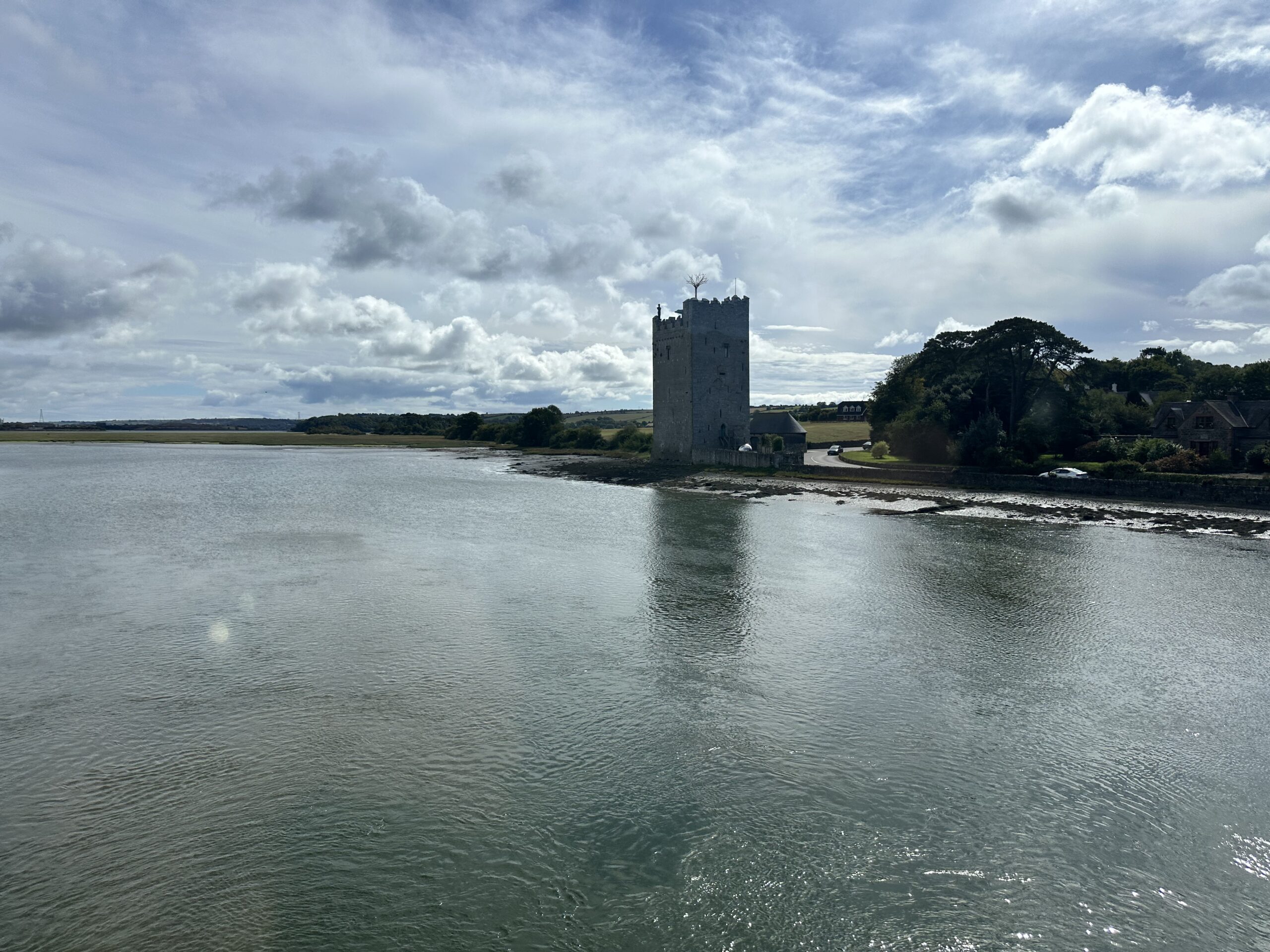
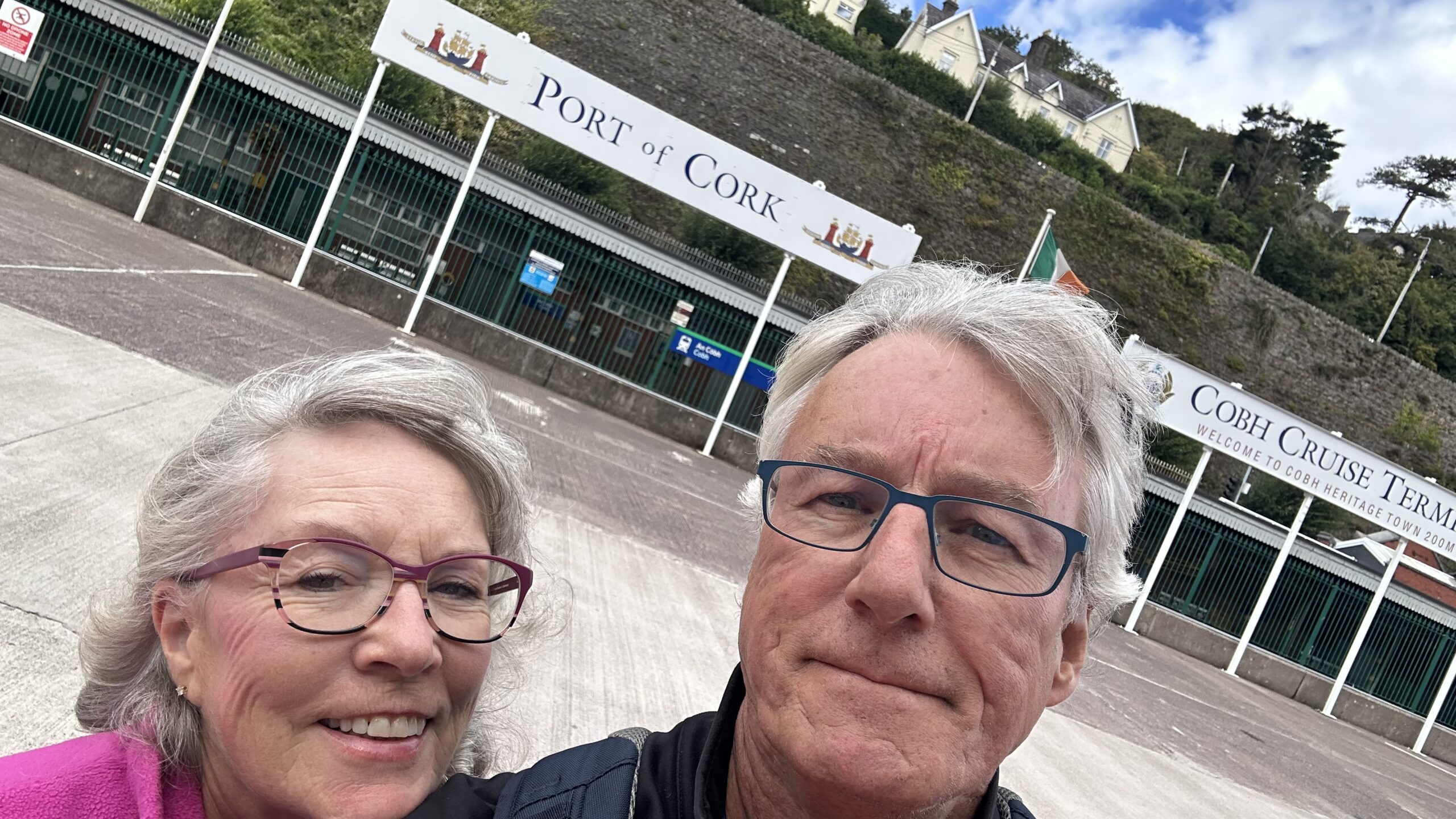
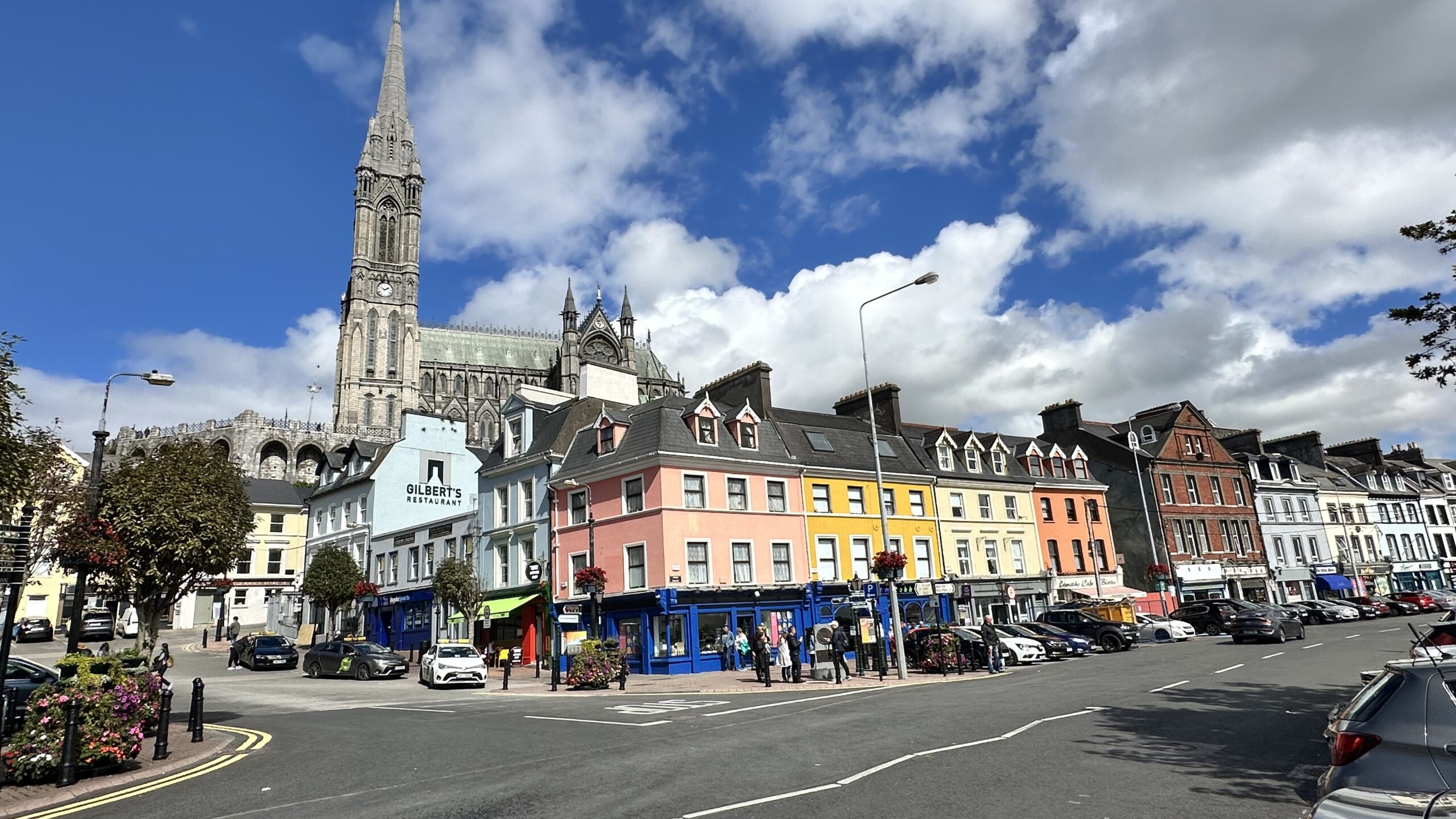
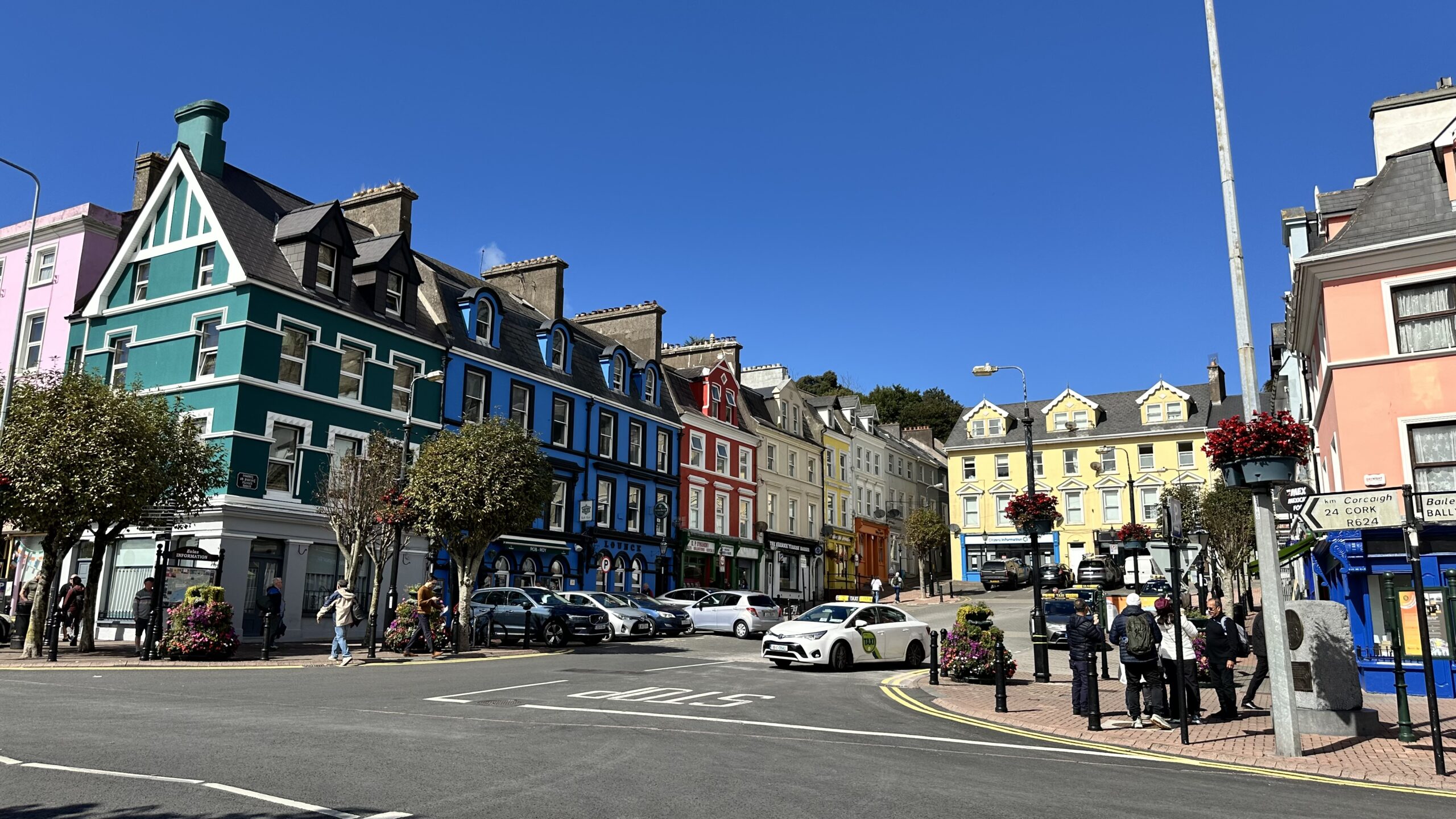
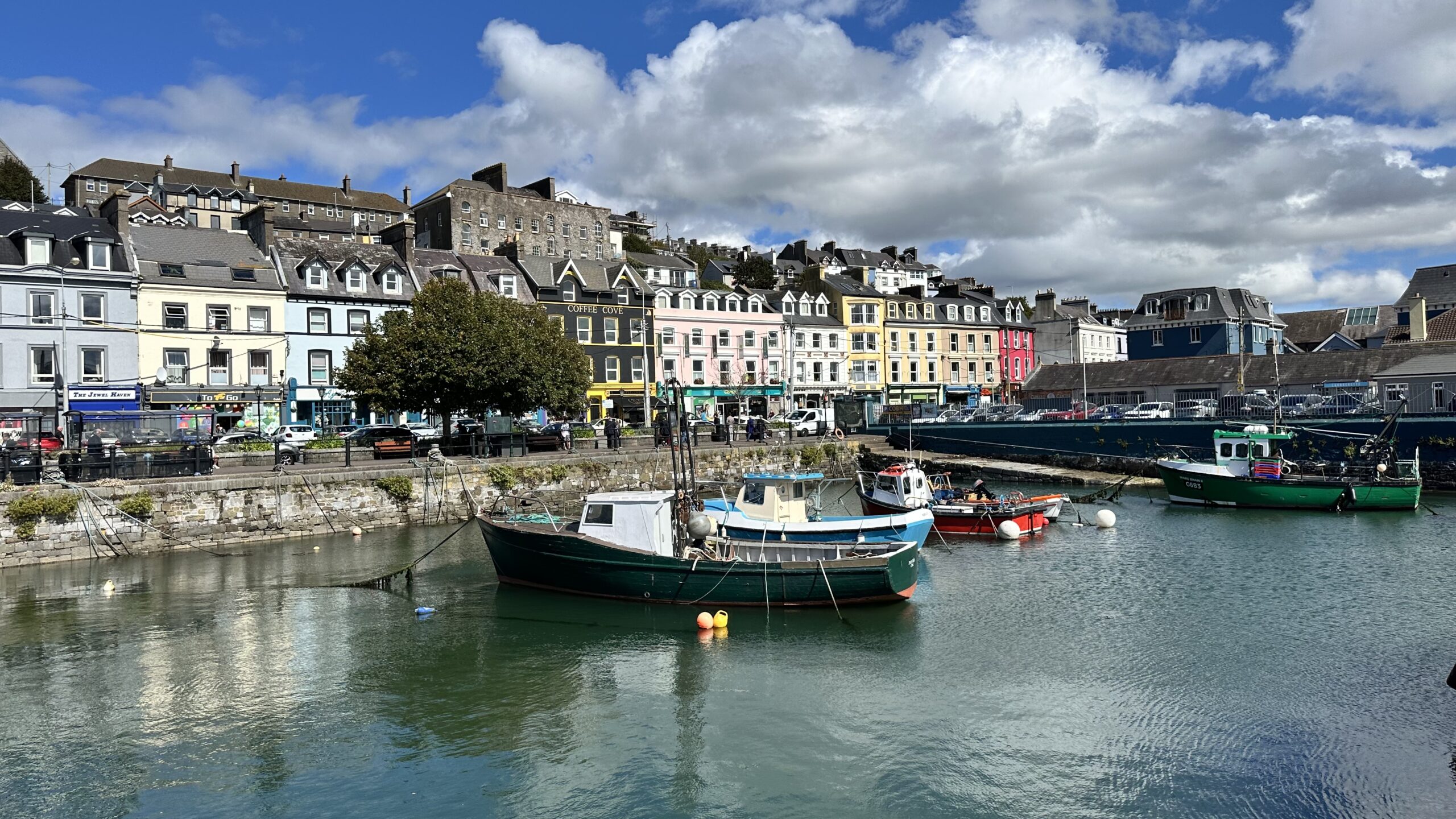
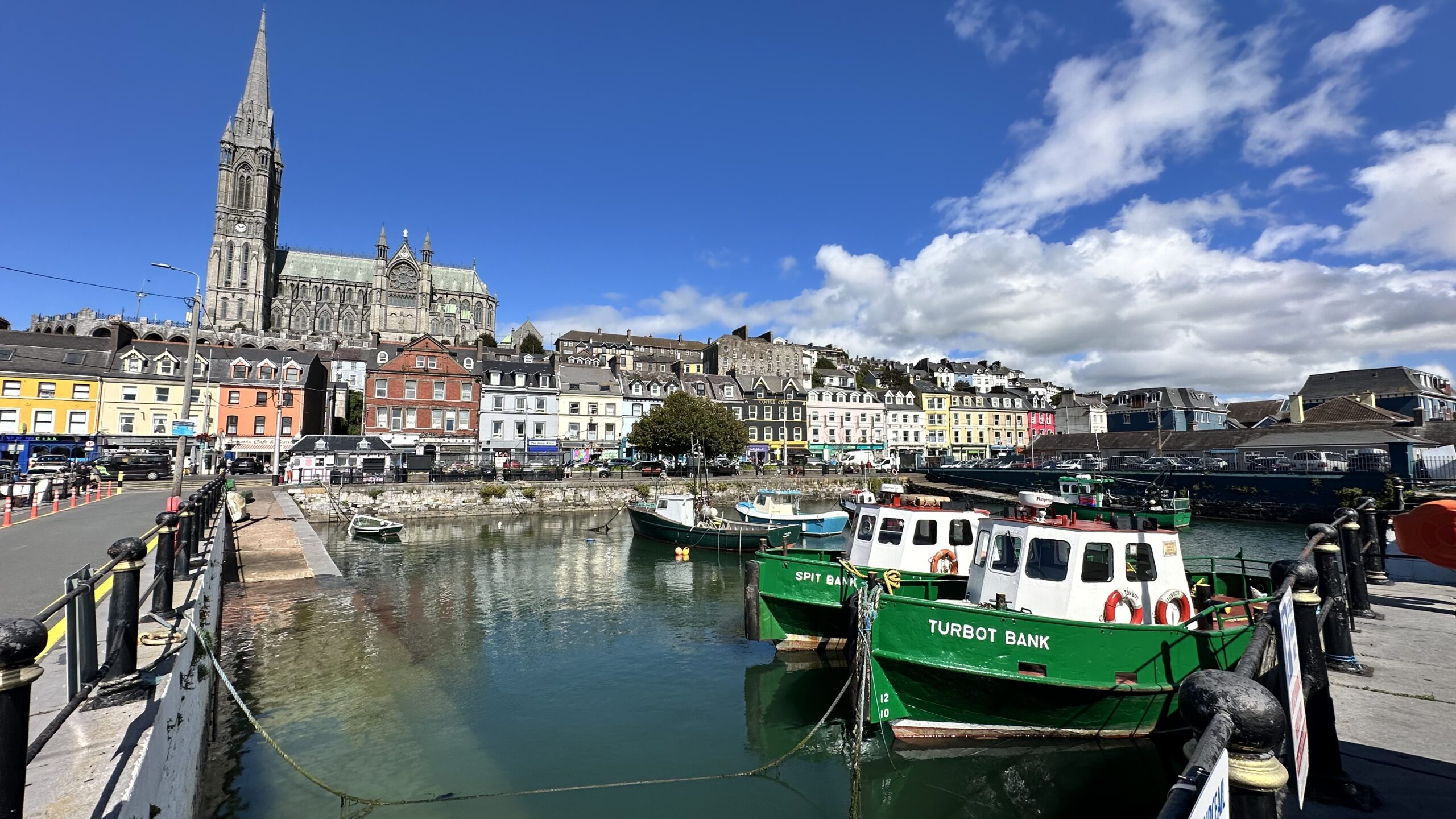
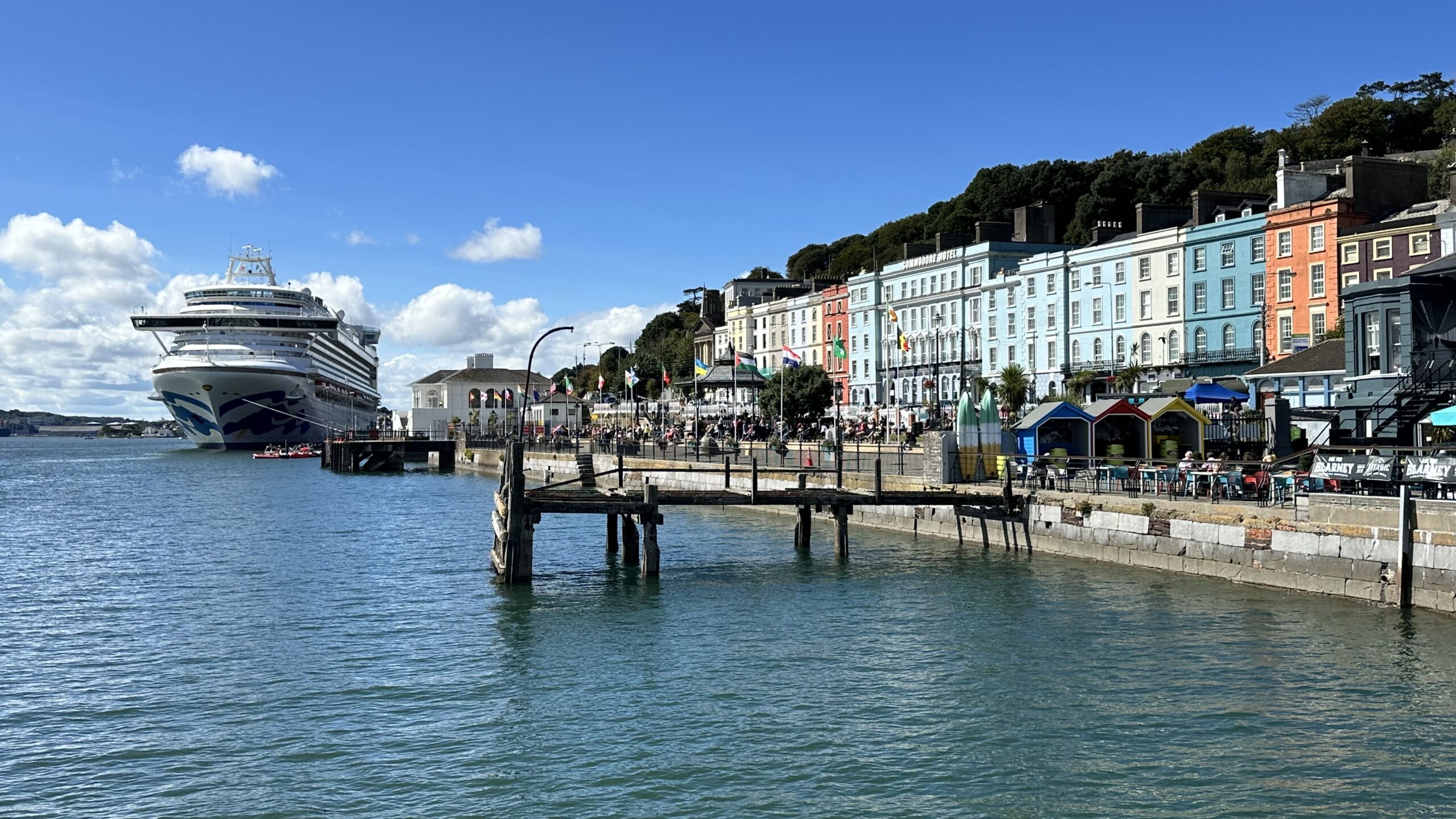
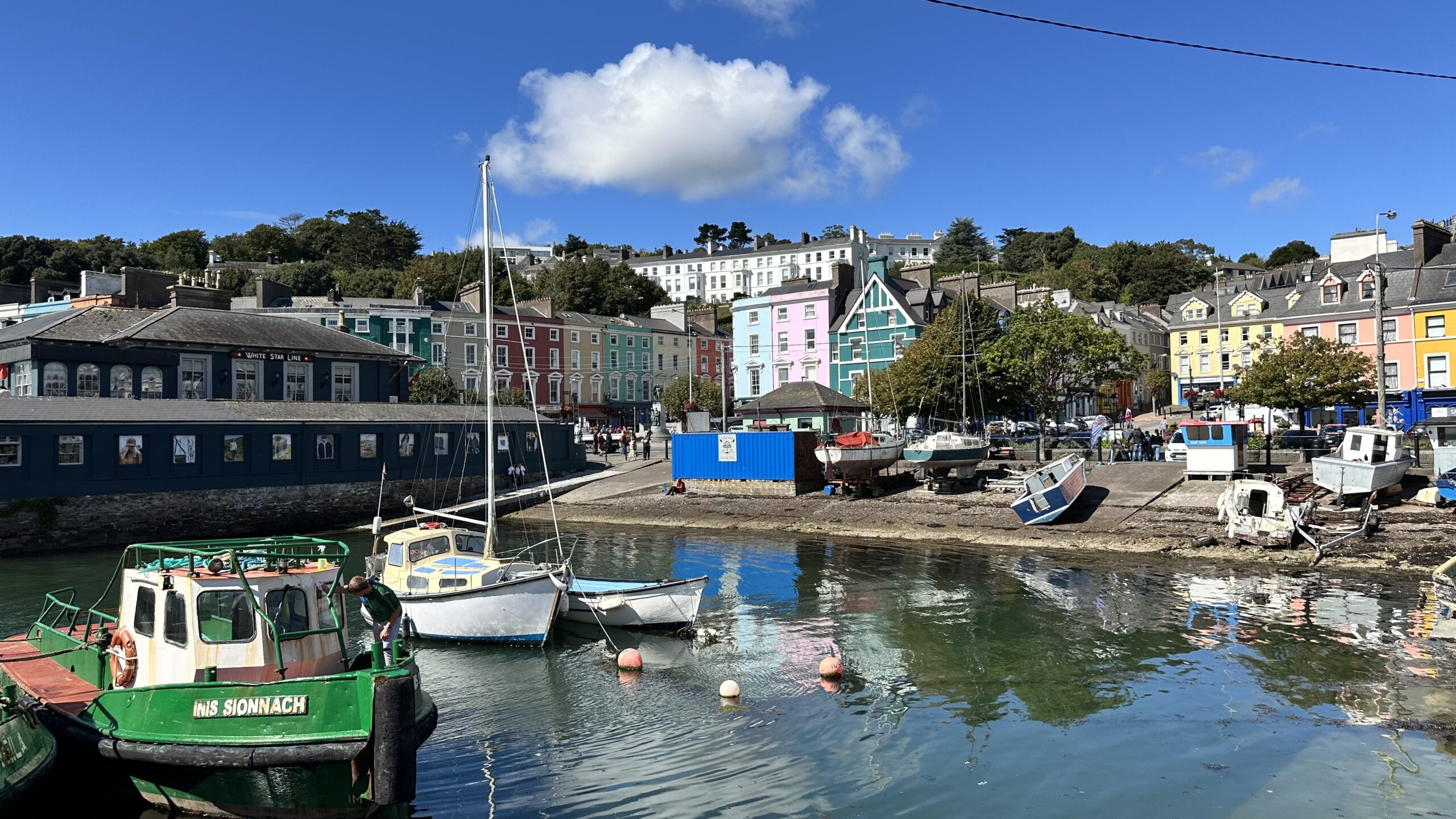
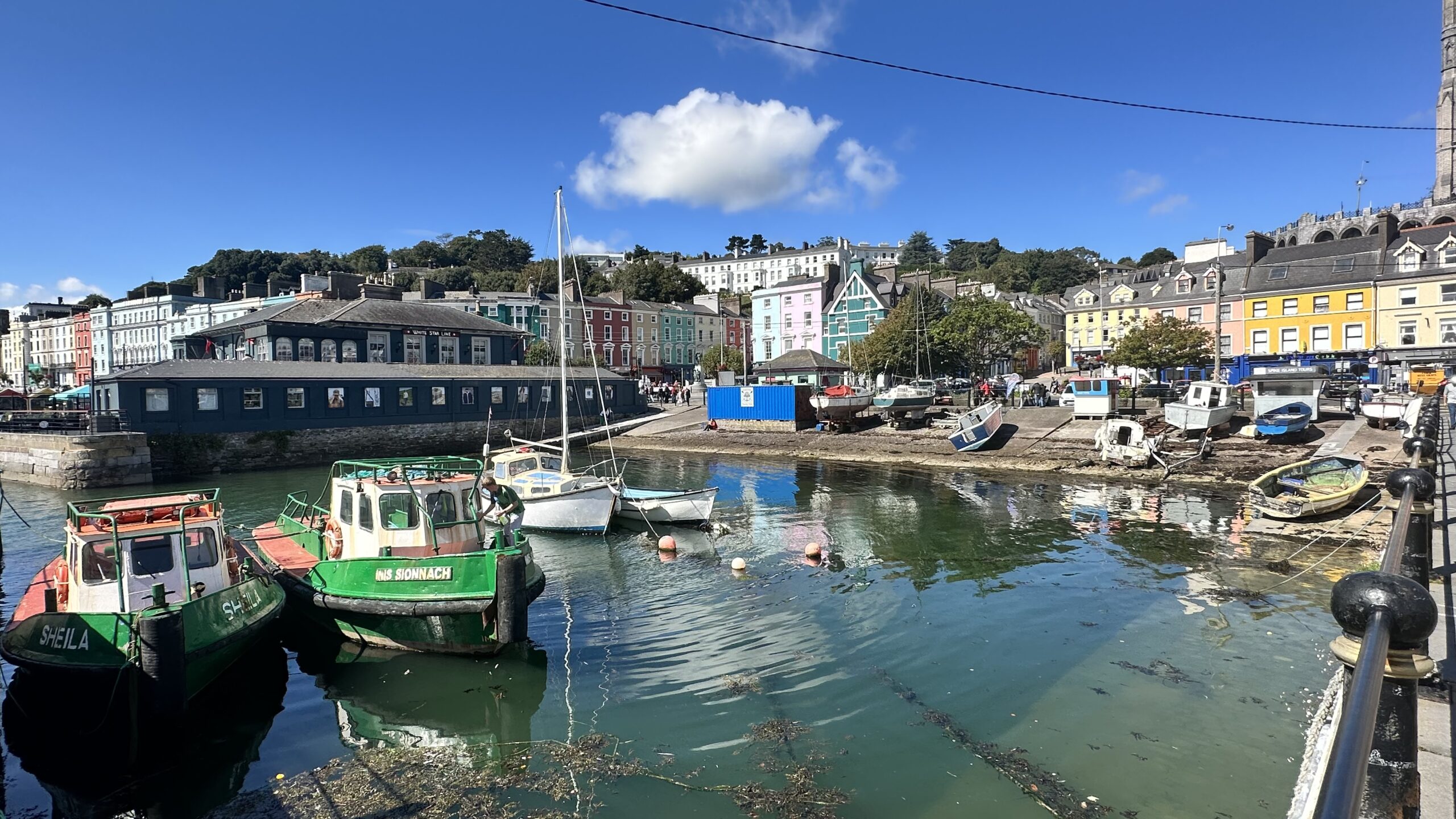
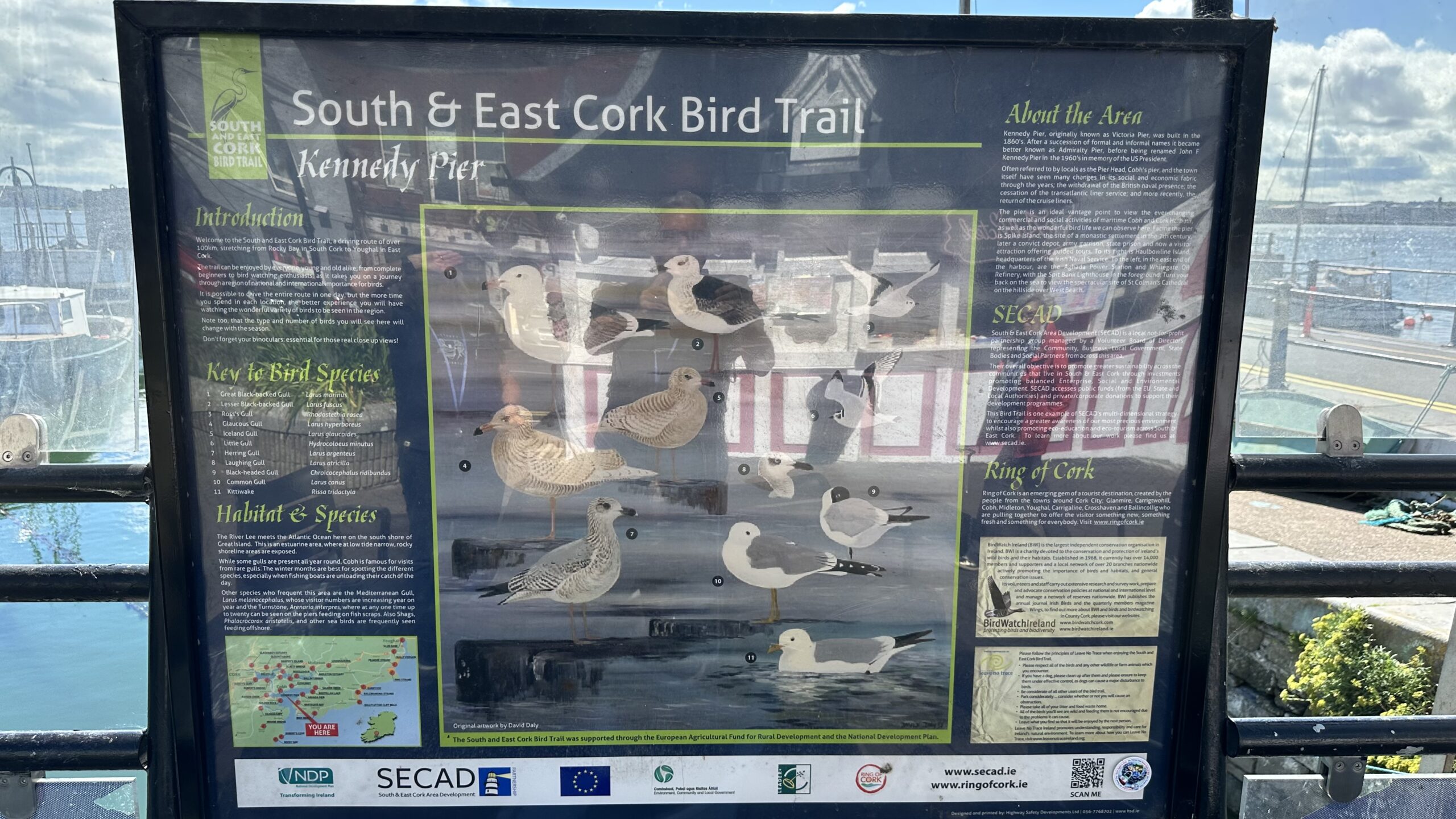
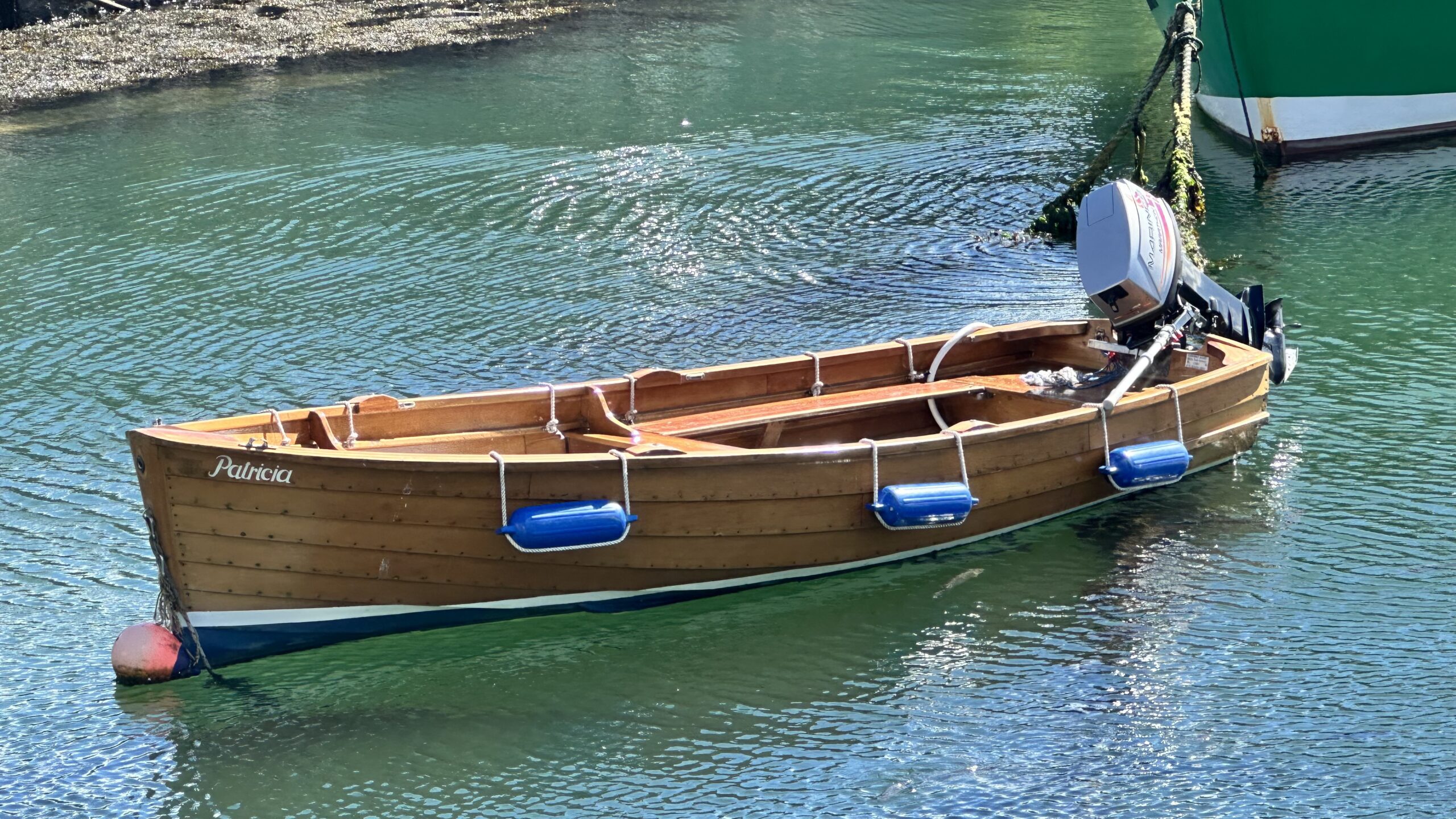
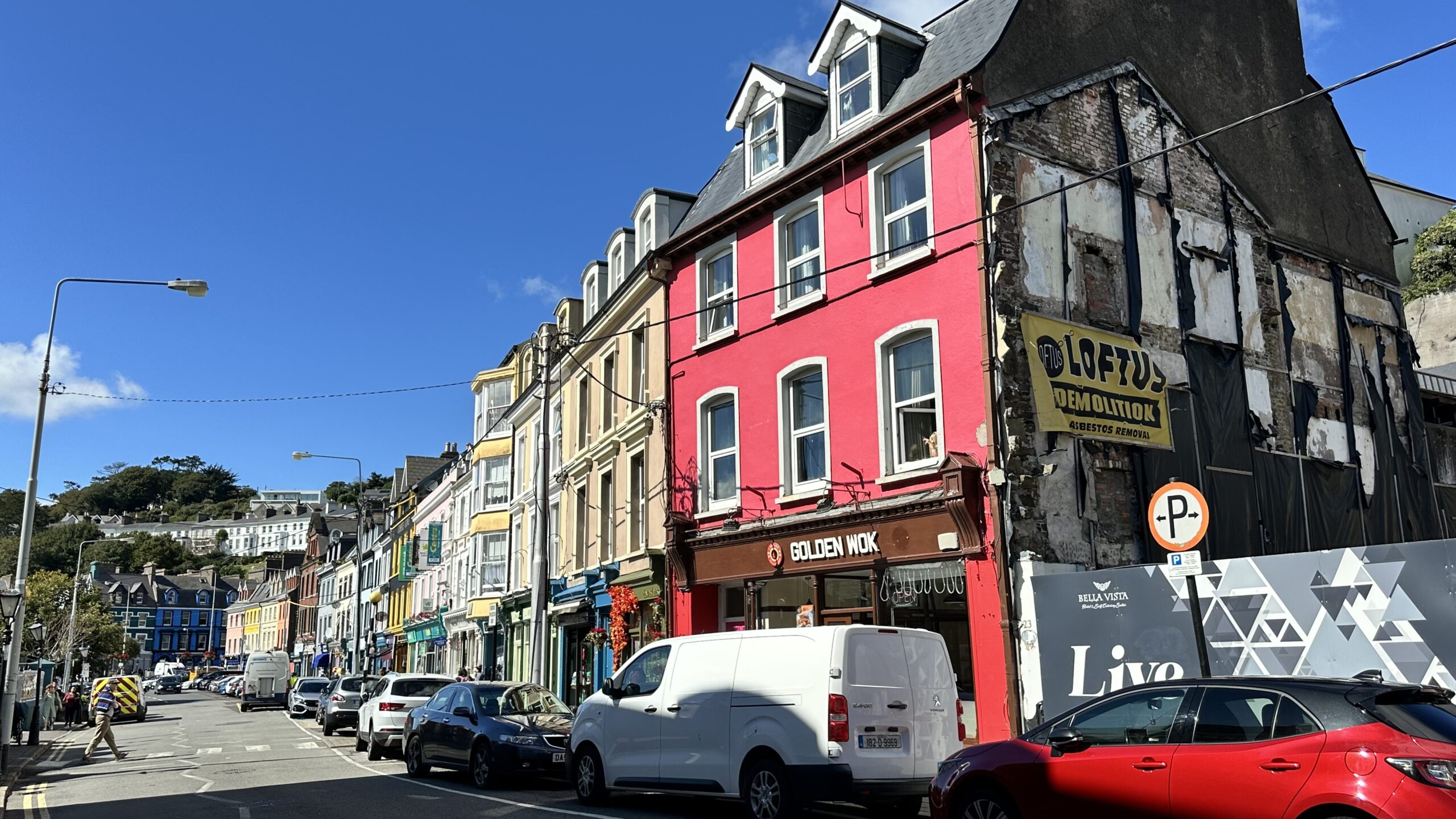
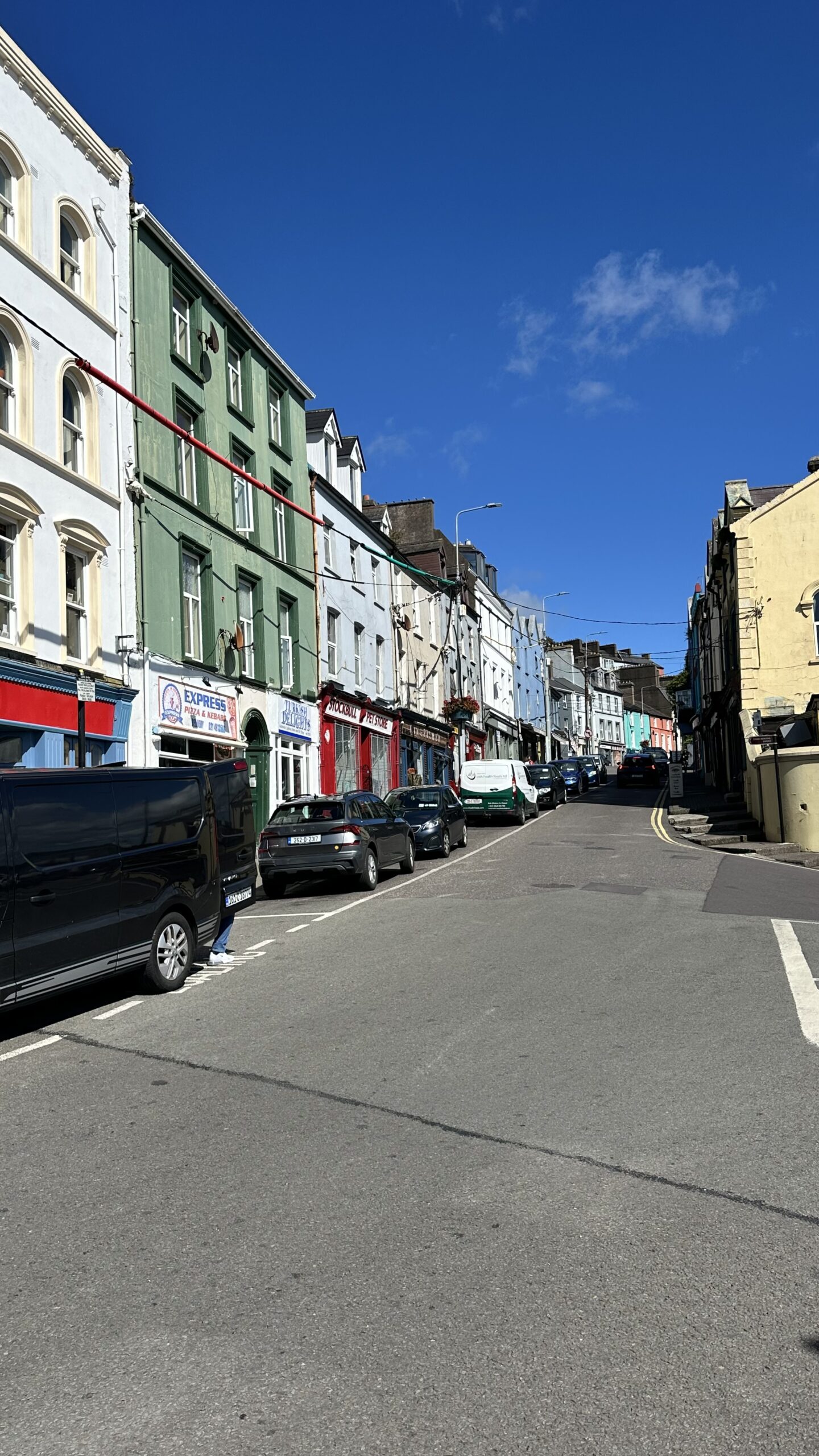
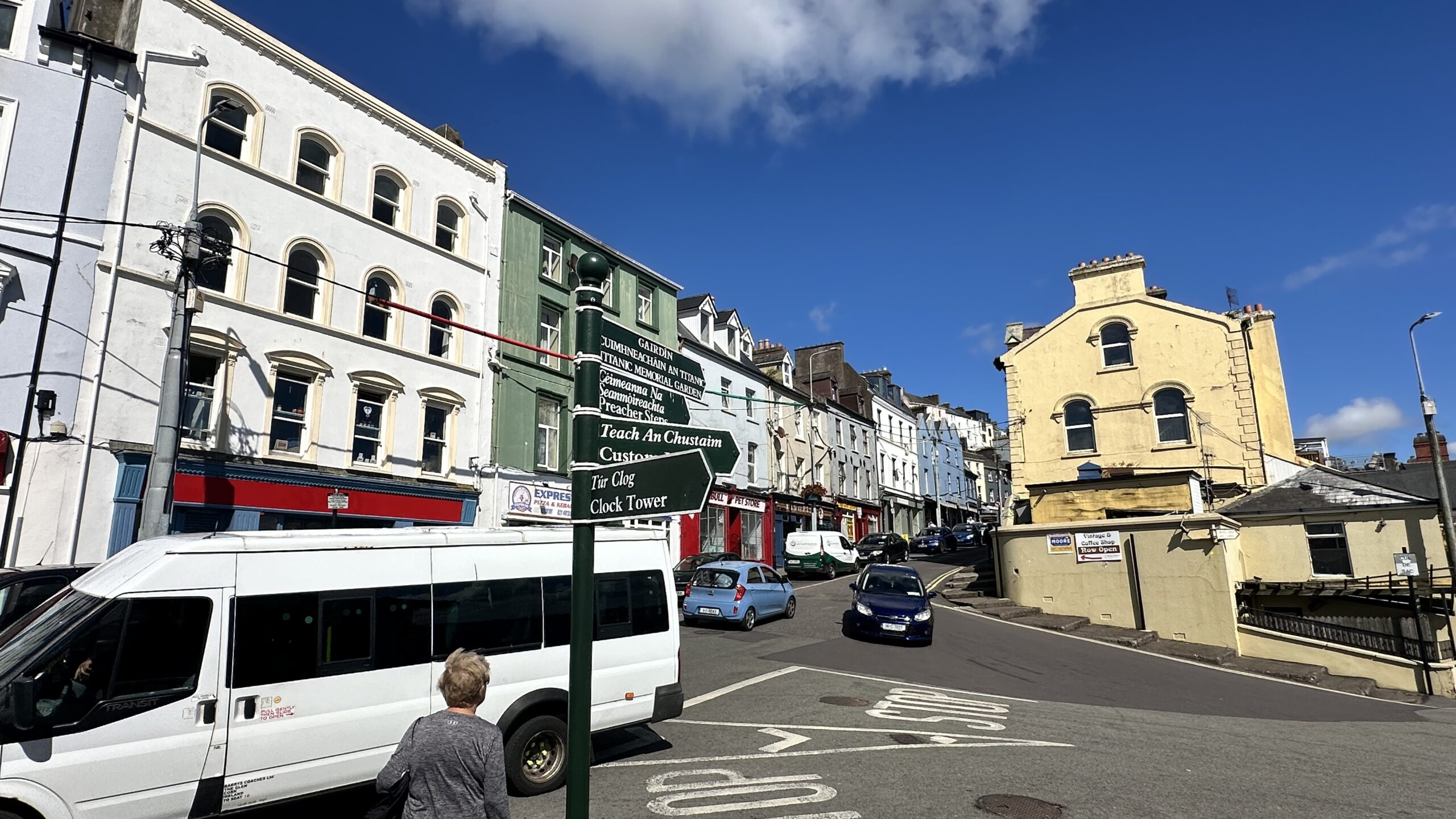
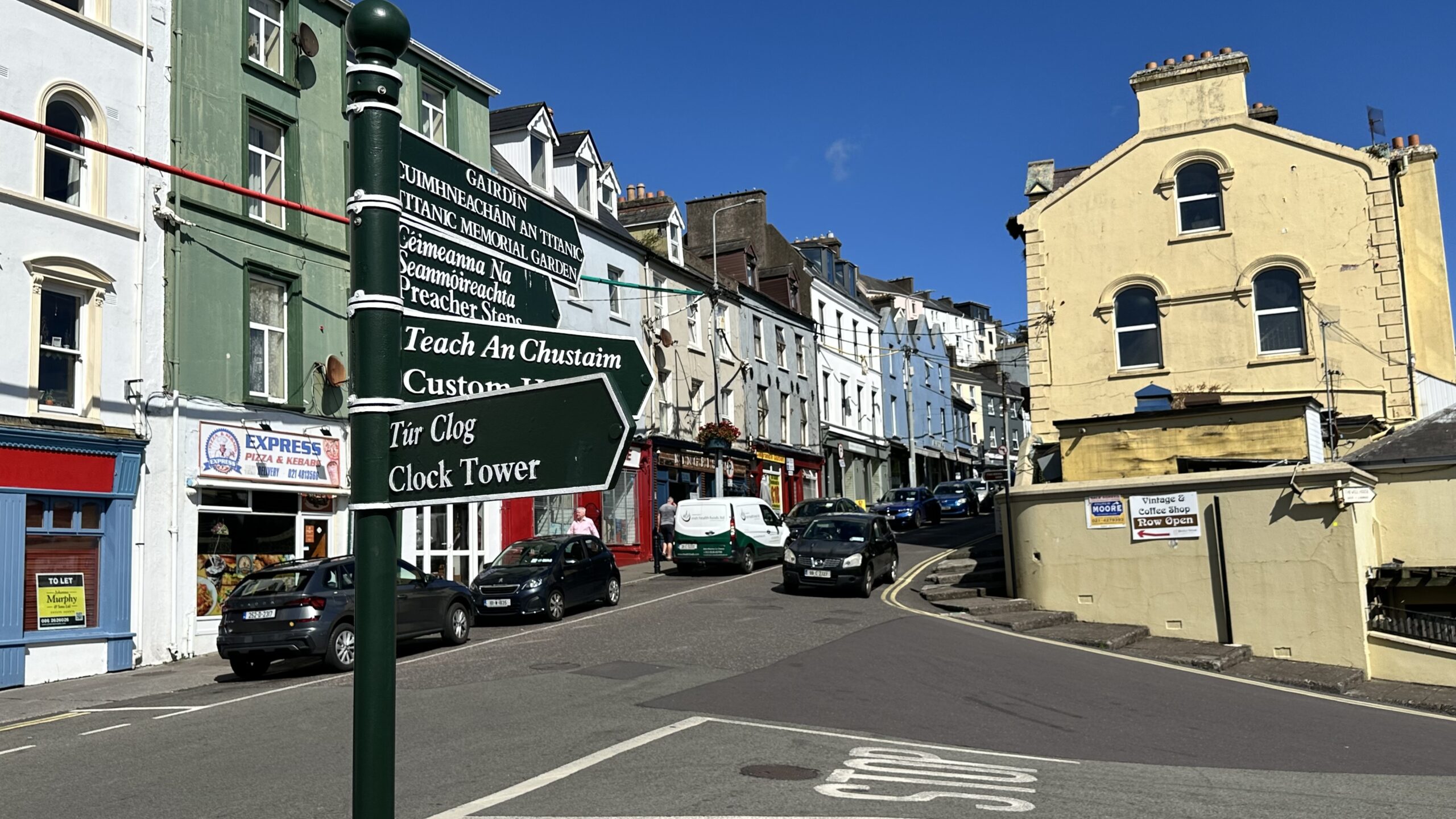
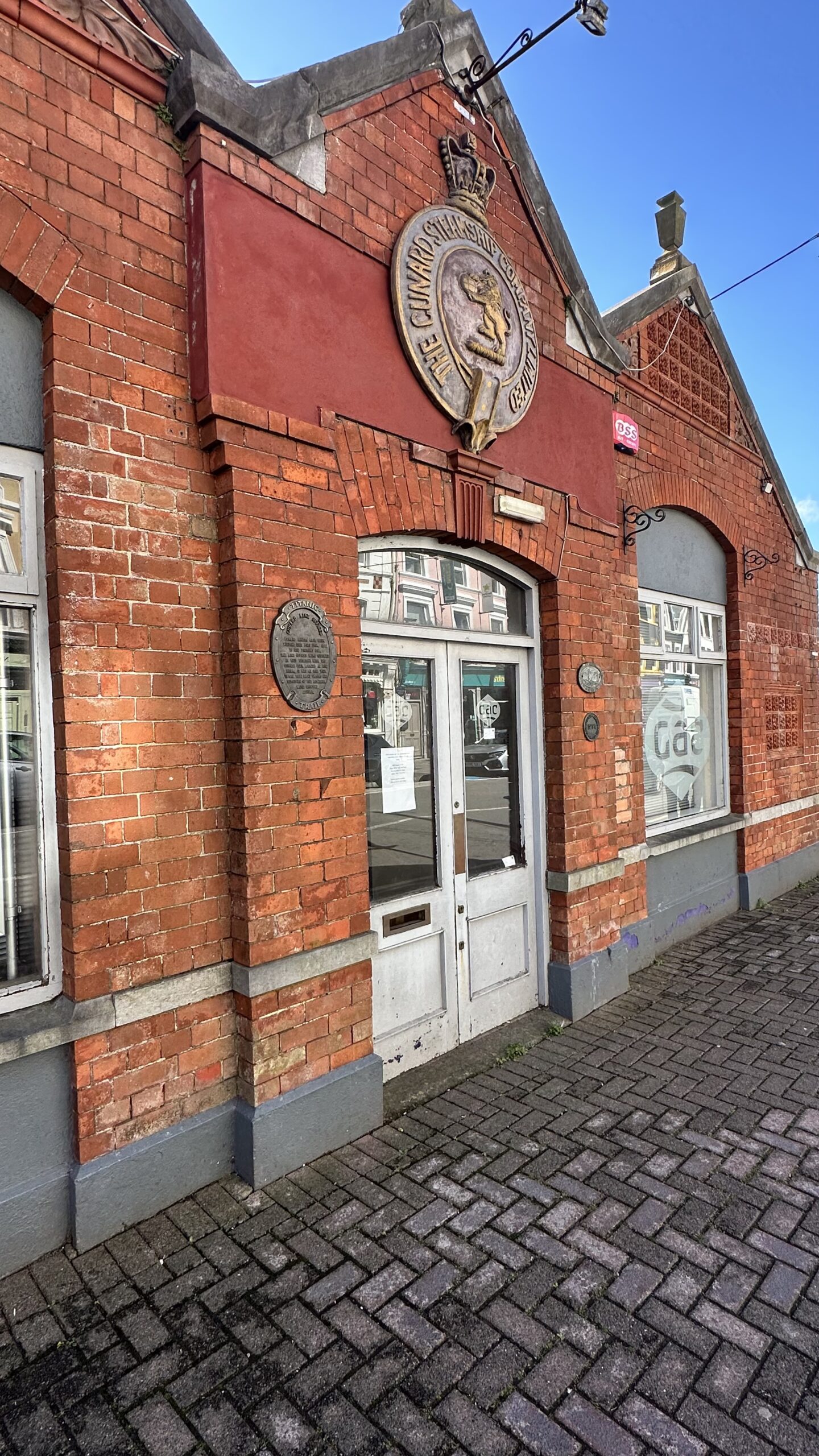
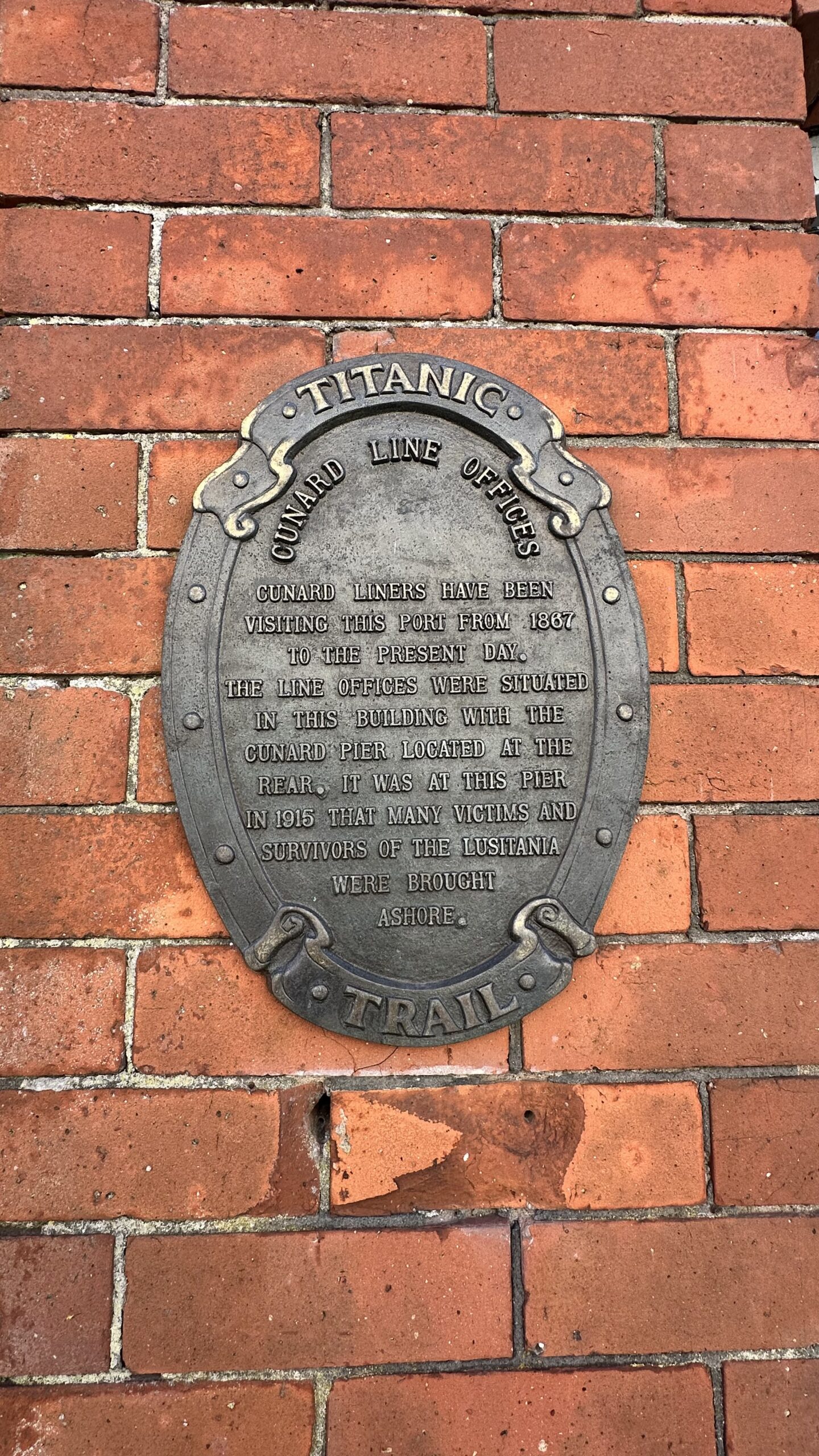
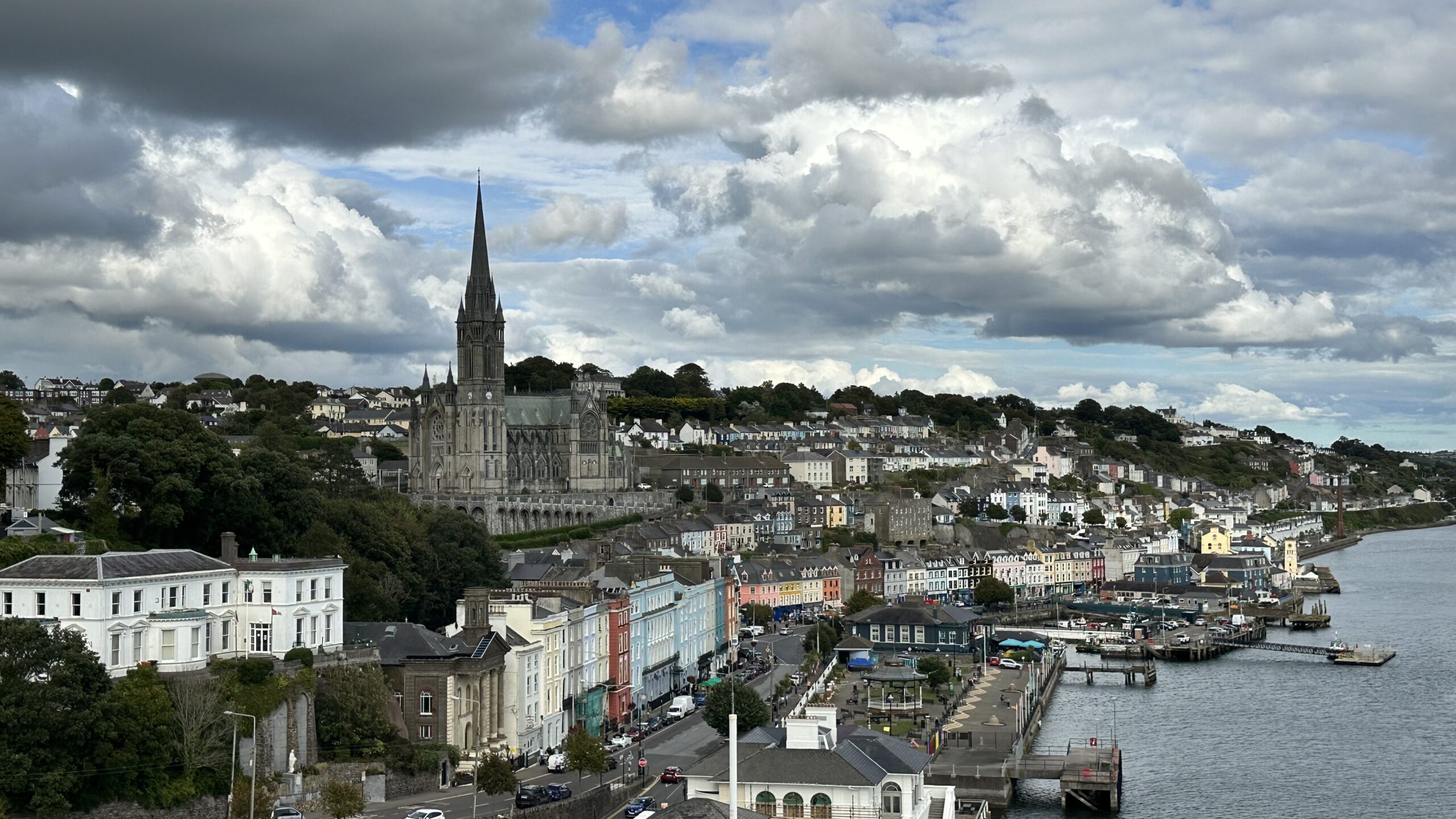
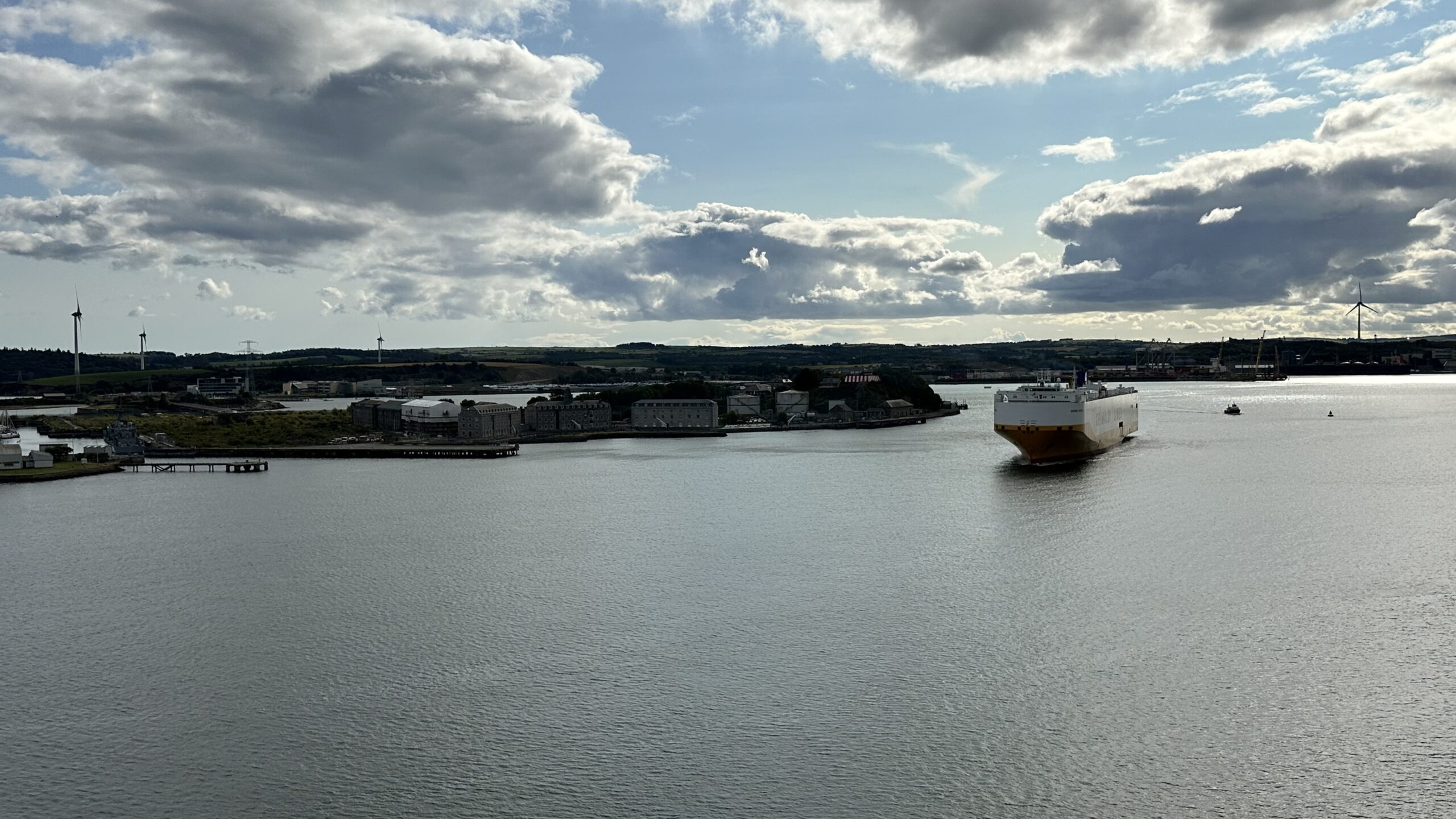
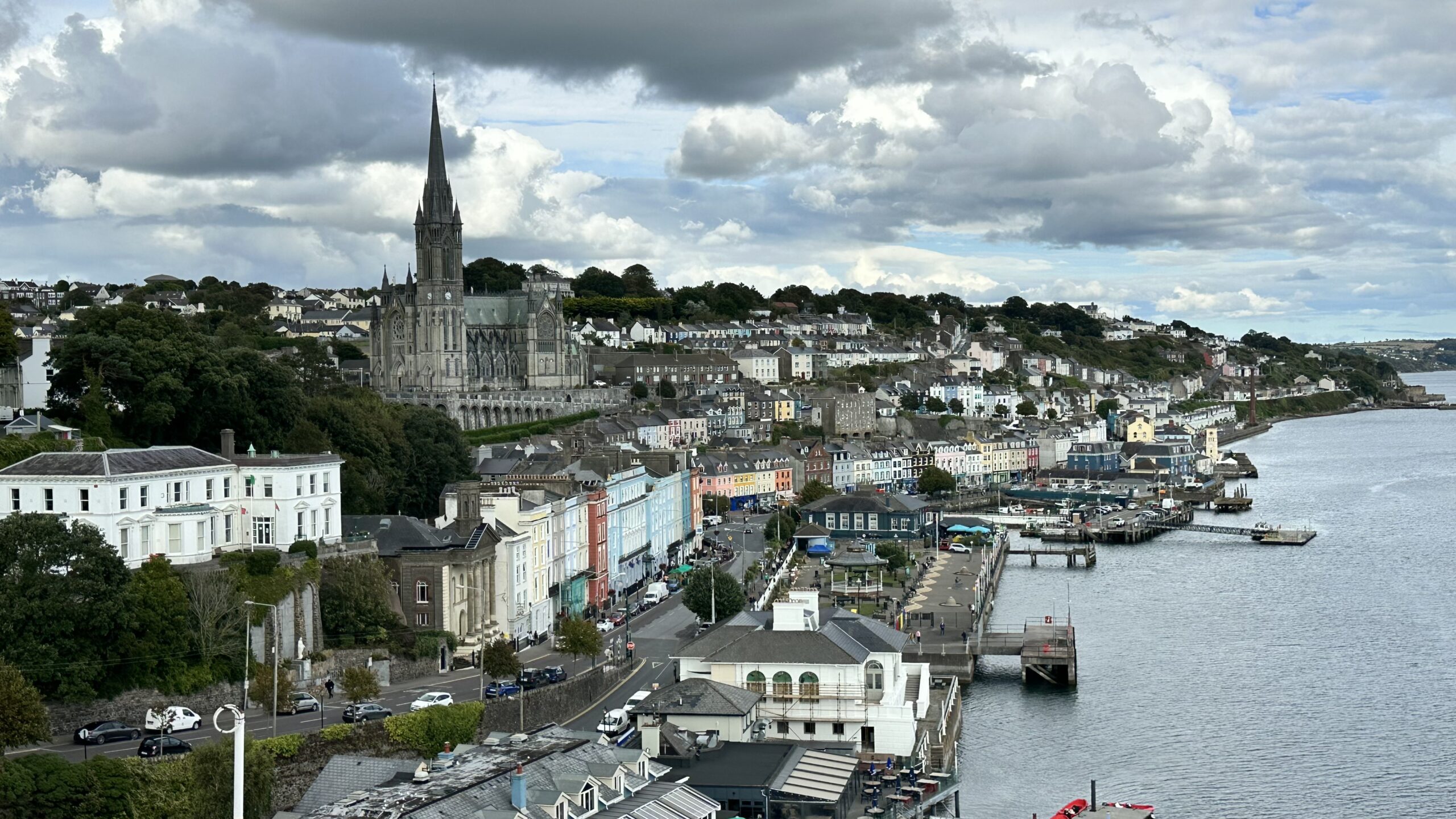
September 3rd. Wednesday was Cork, Ireland. We docked in the port, not too far away in a little town with a big history, called Cobh (pronounced Cove).
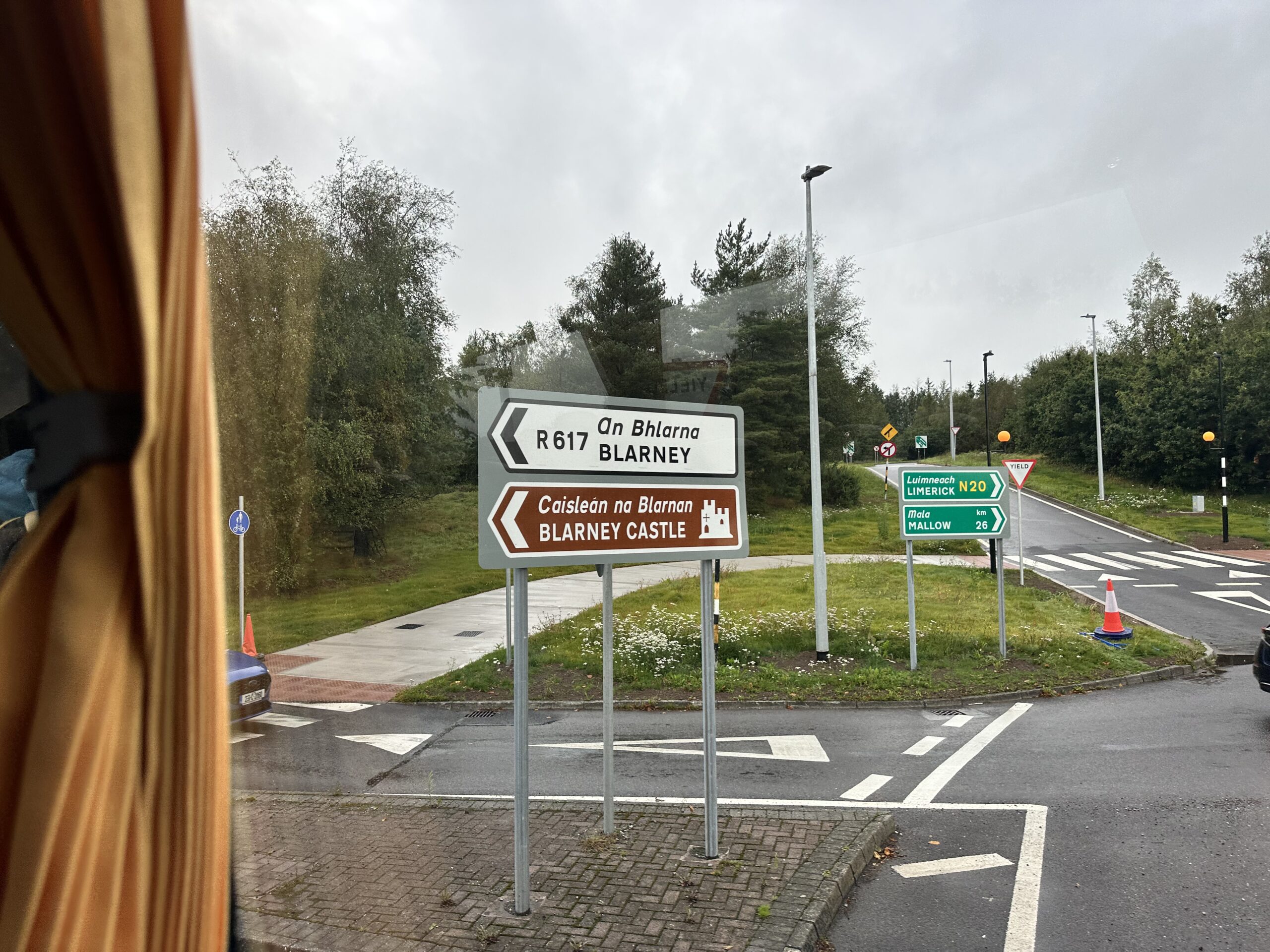
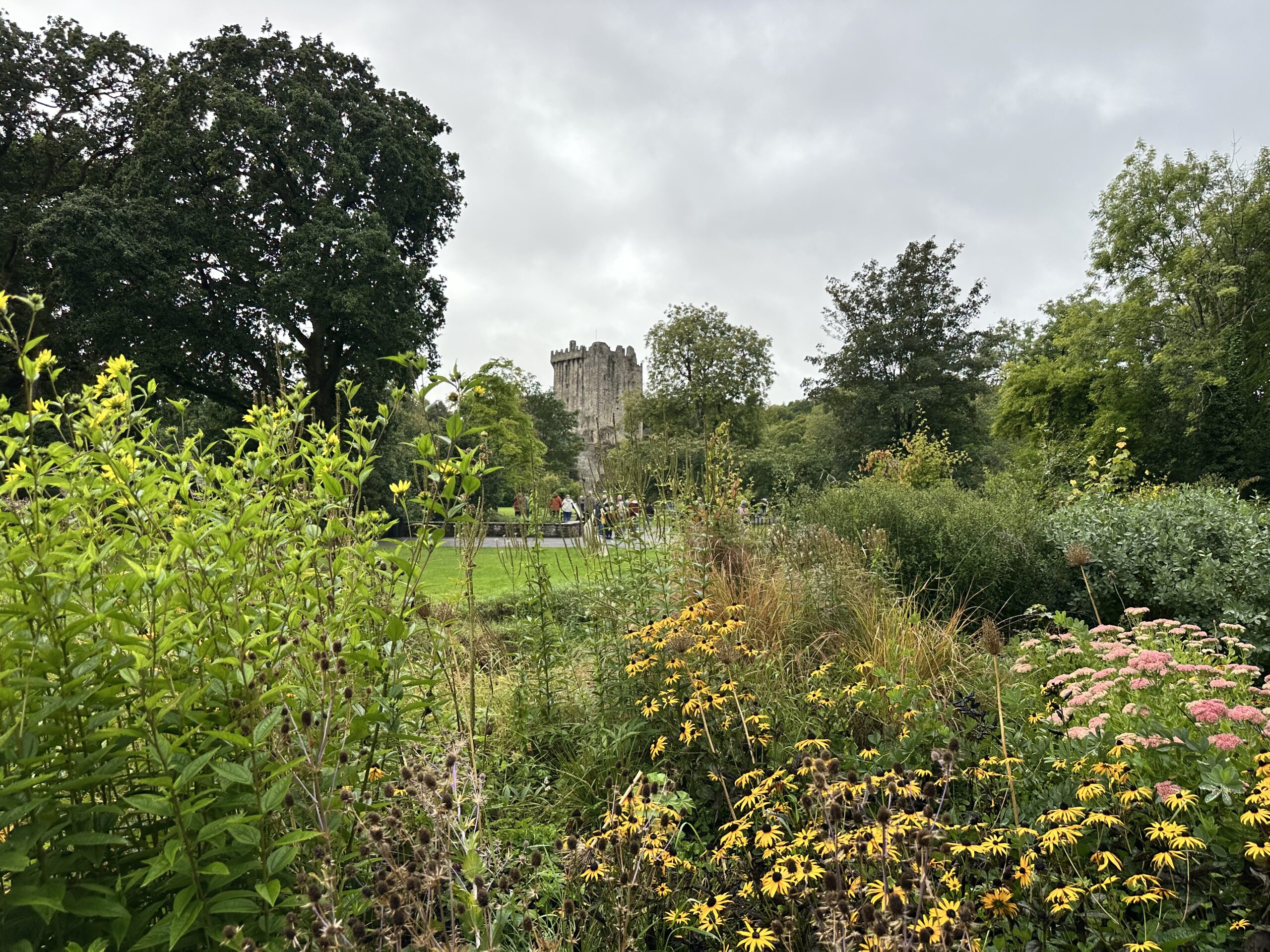
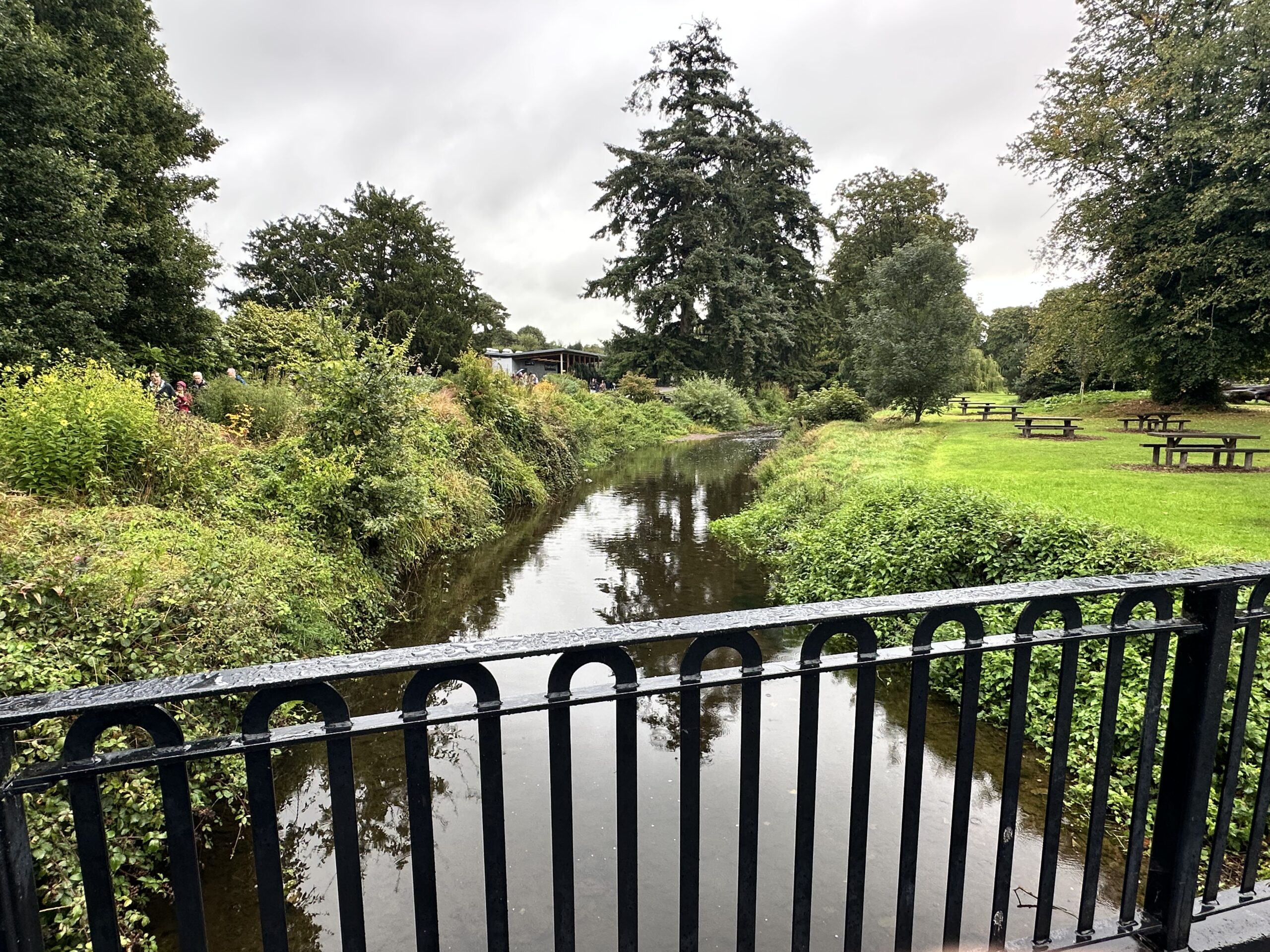
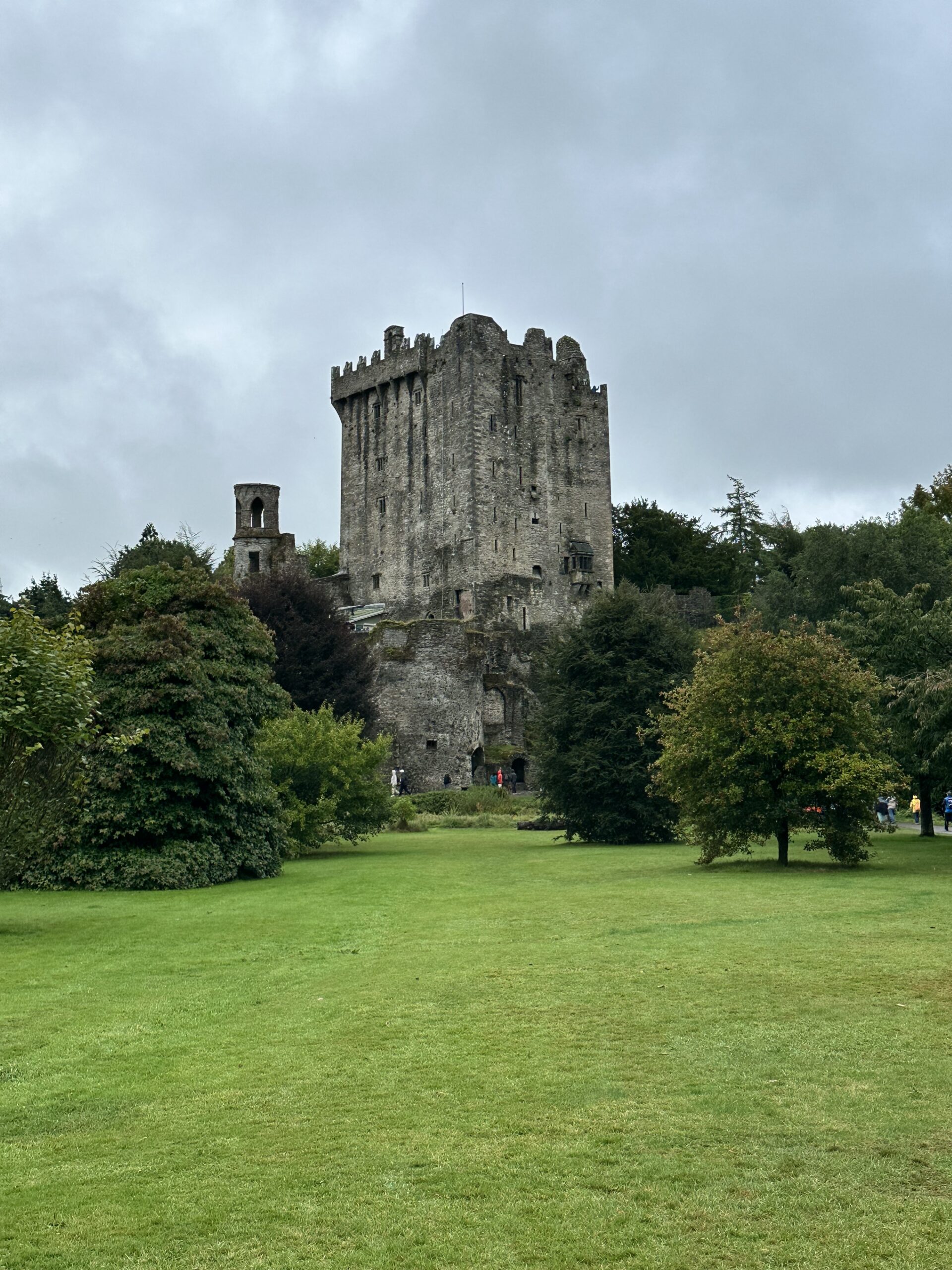
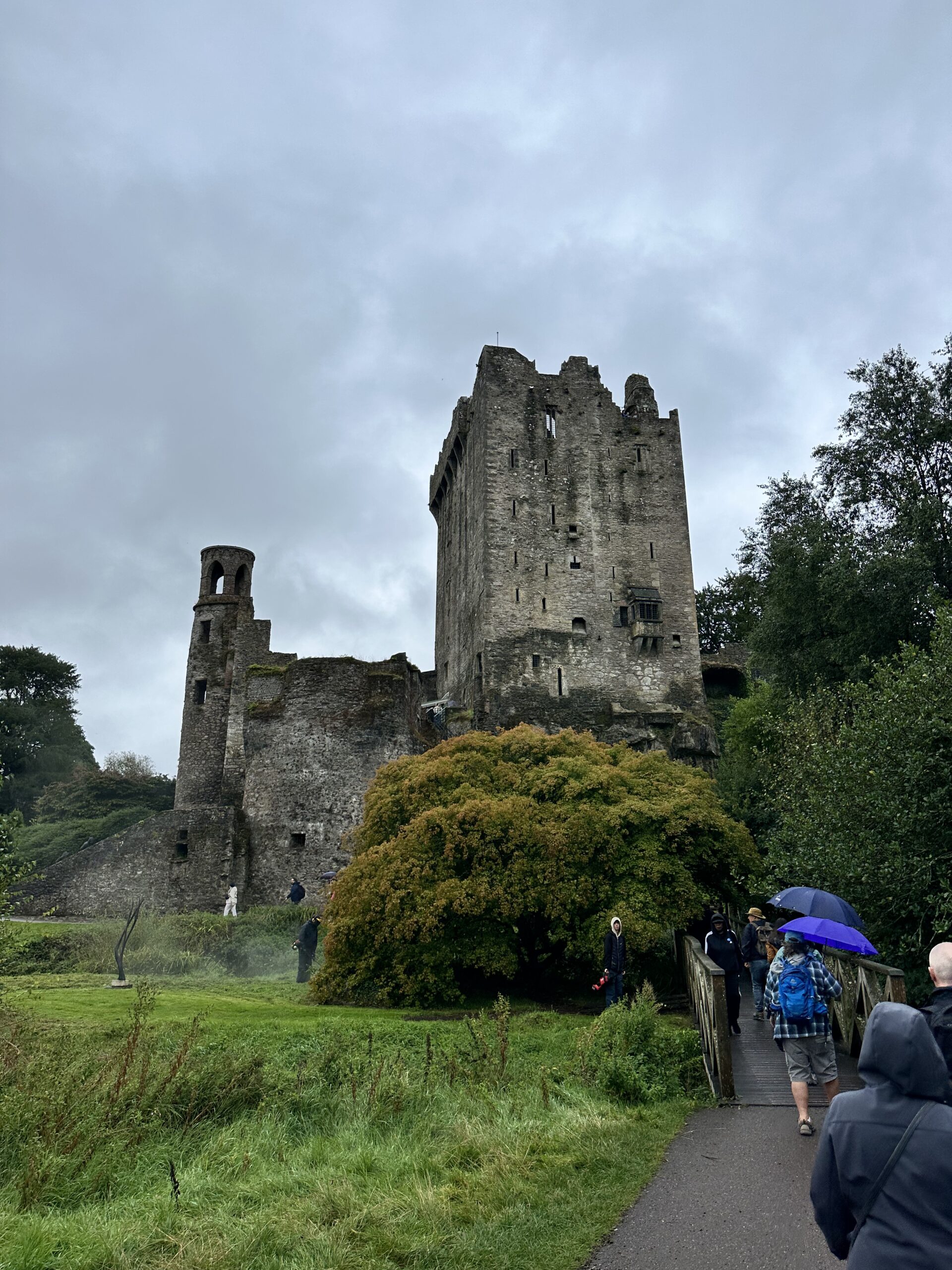
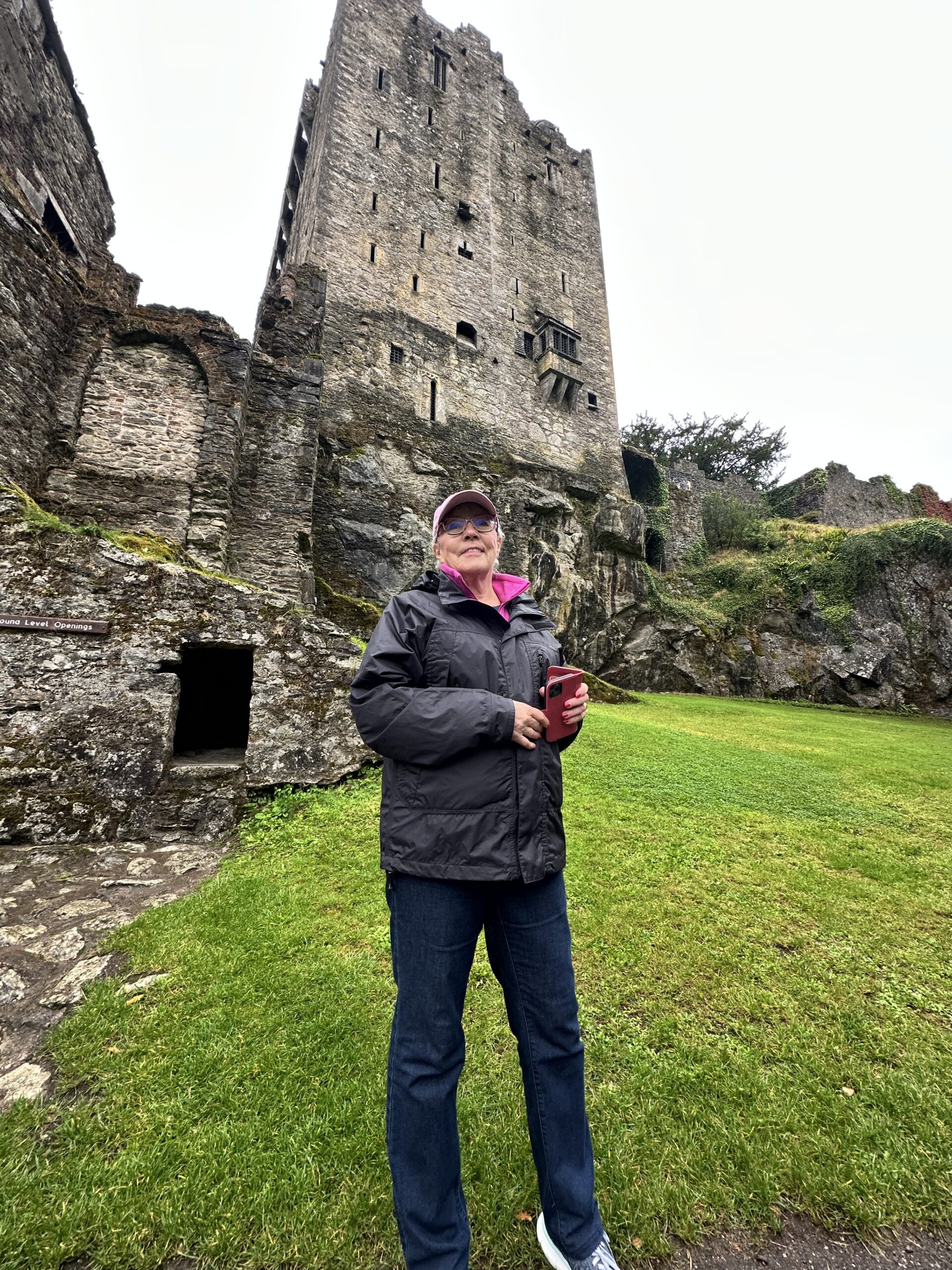
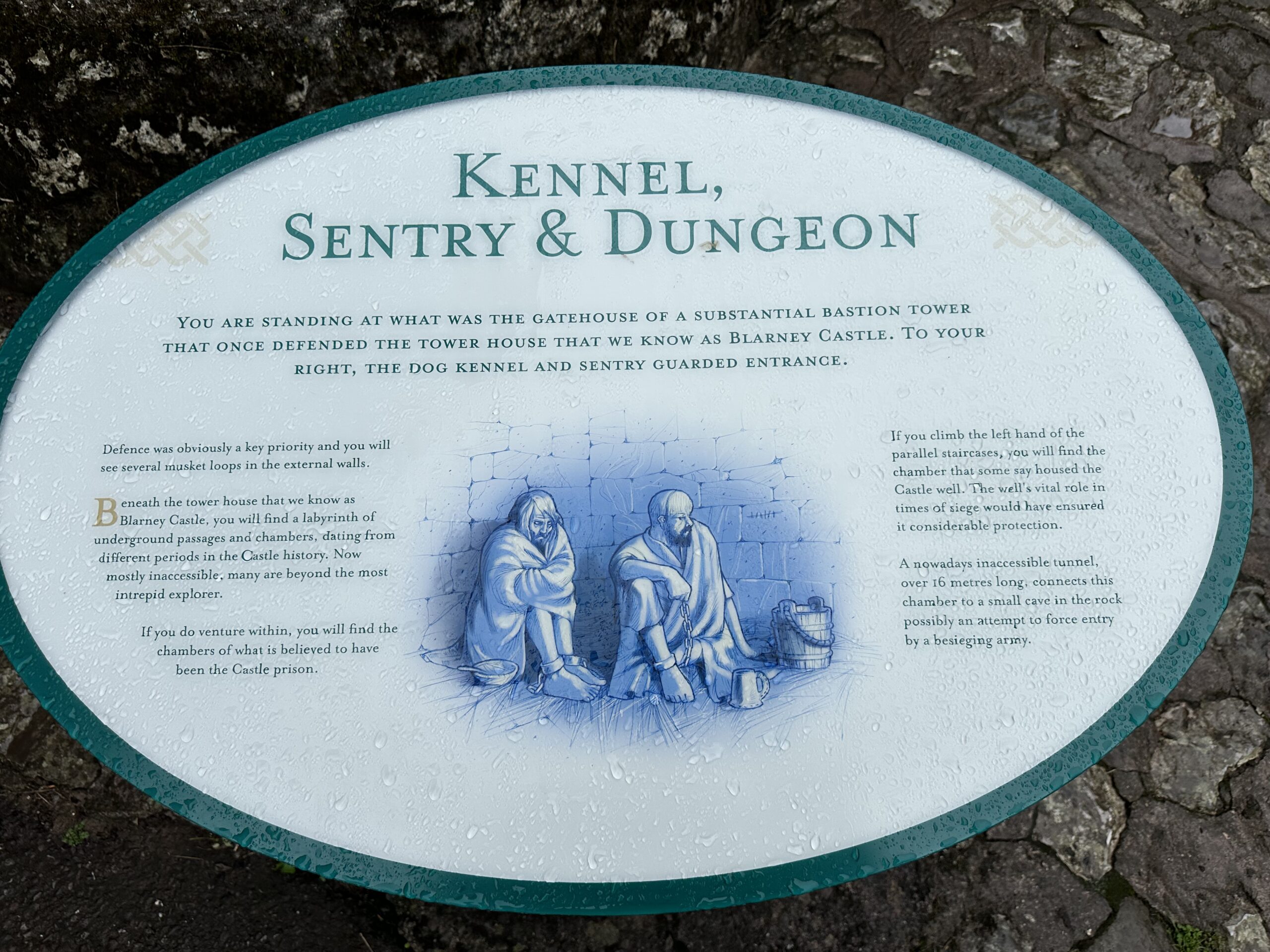
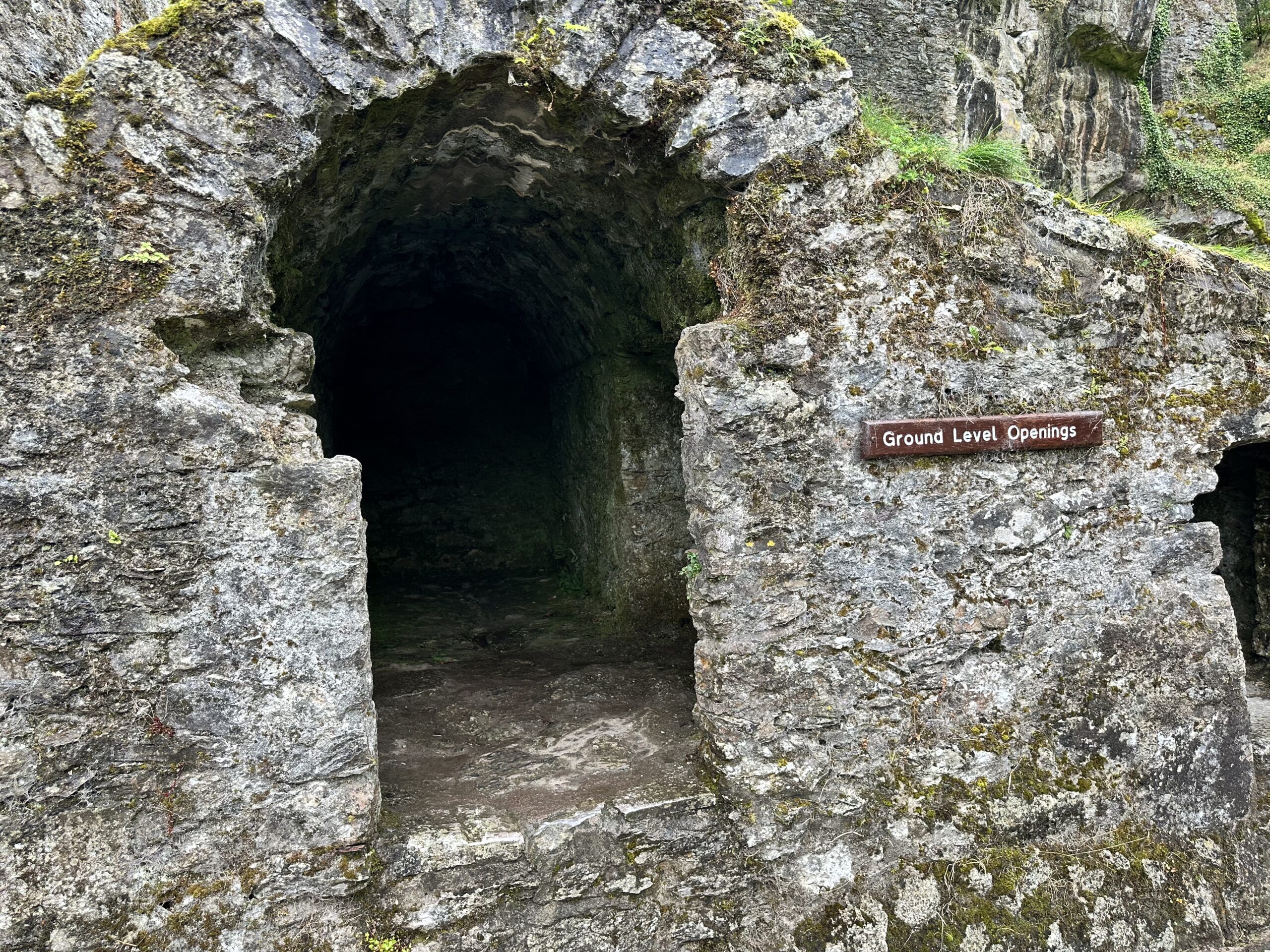
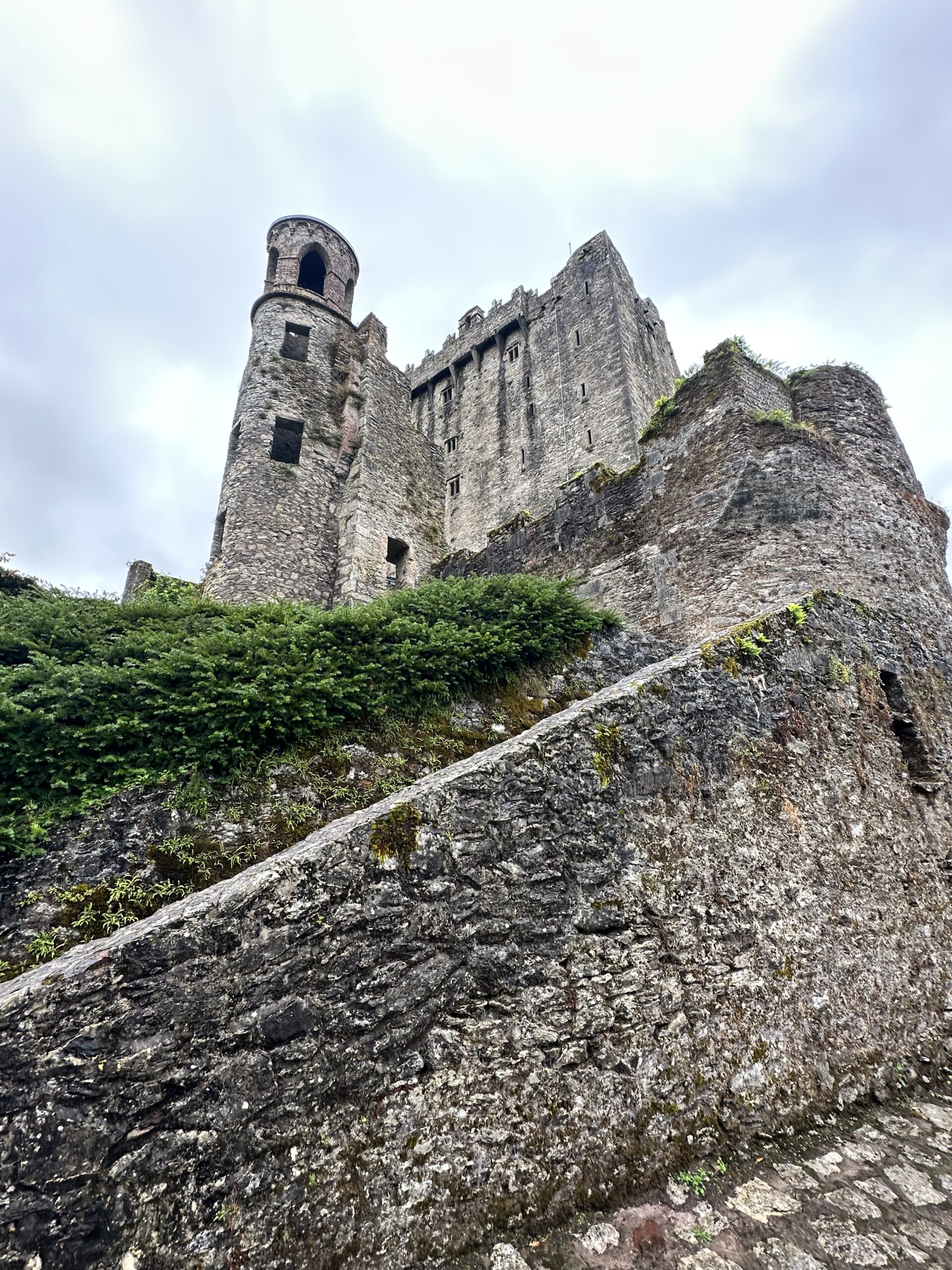
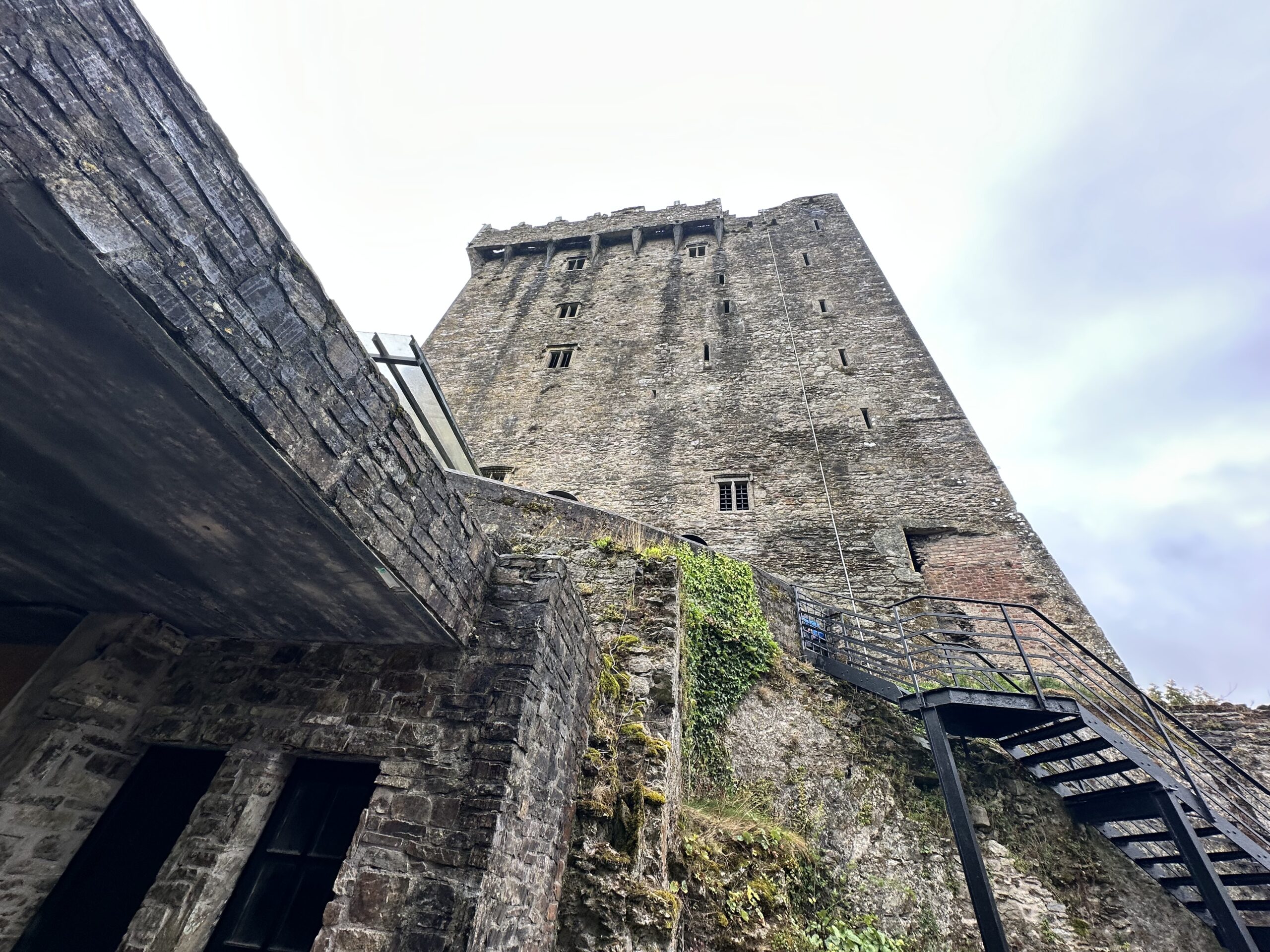
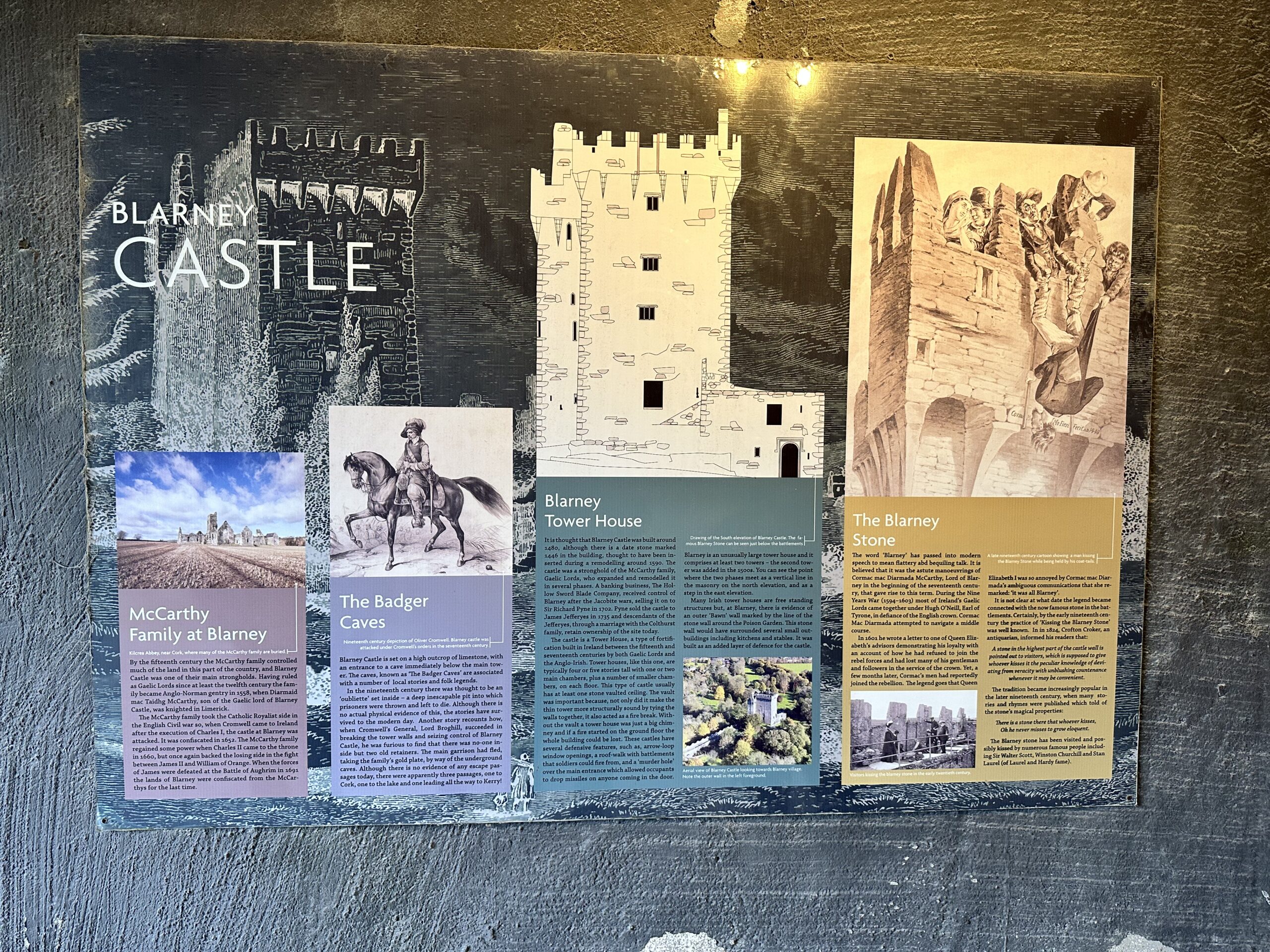
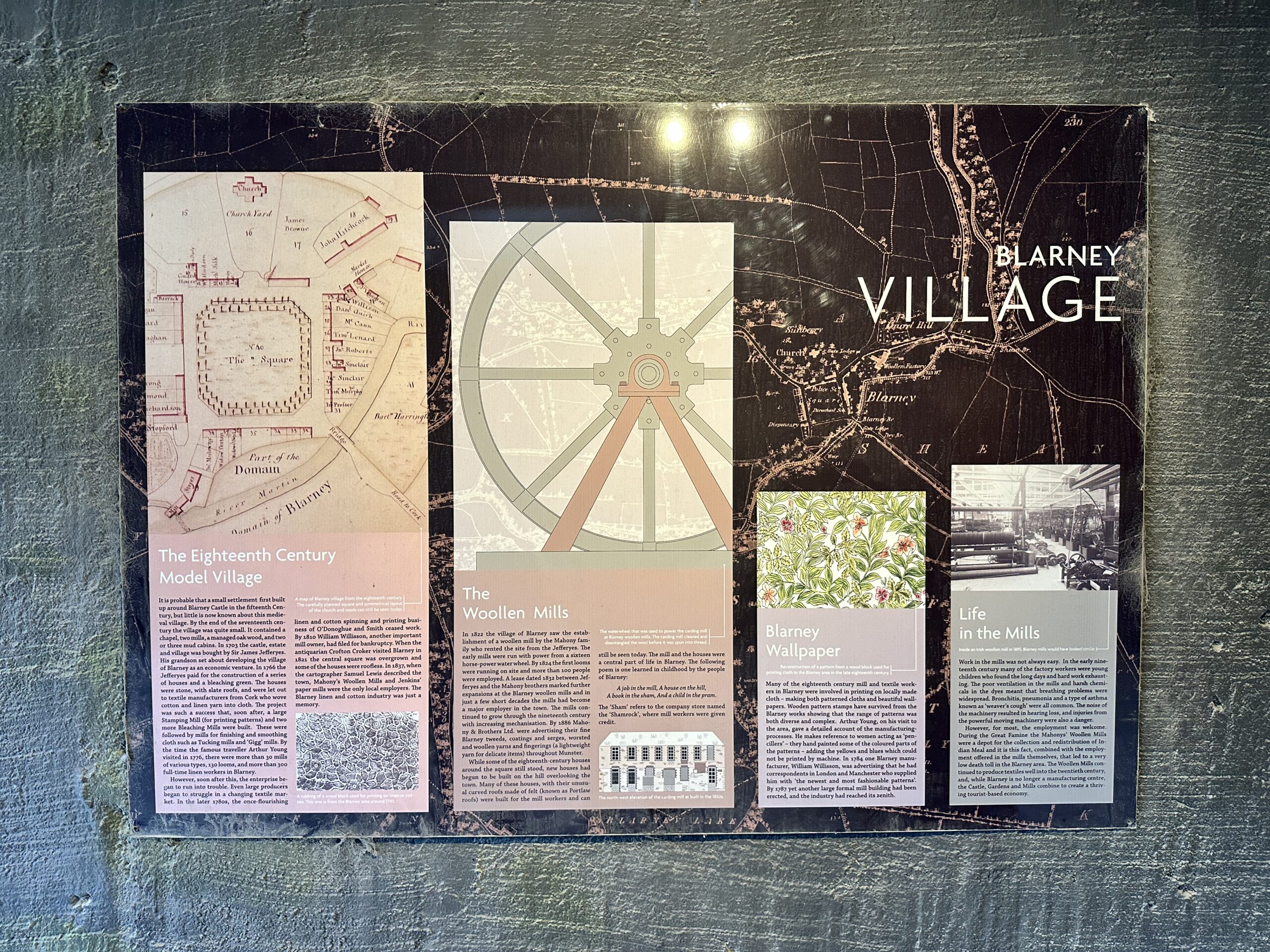
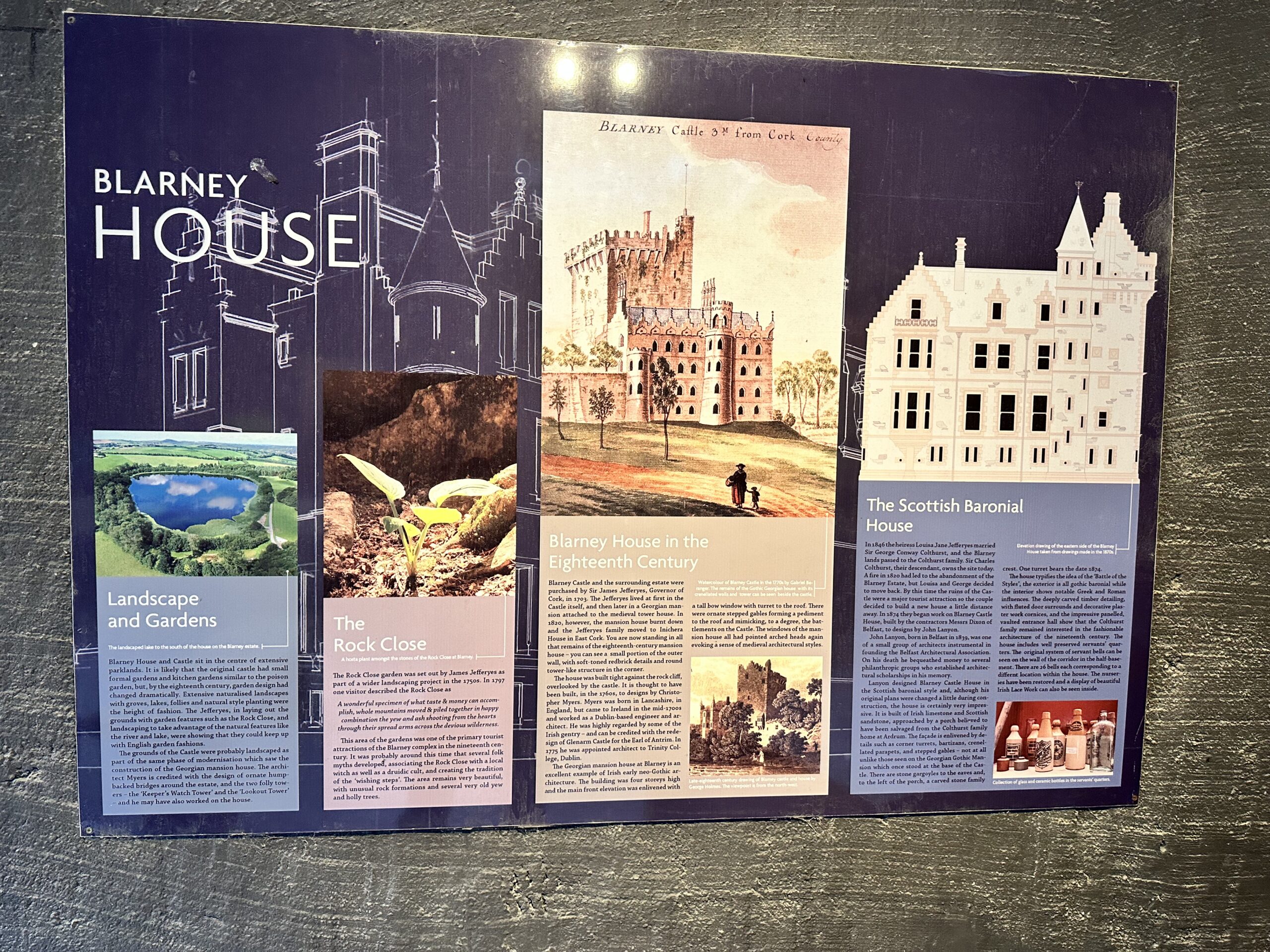
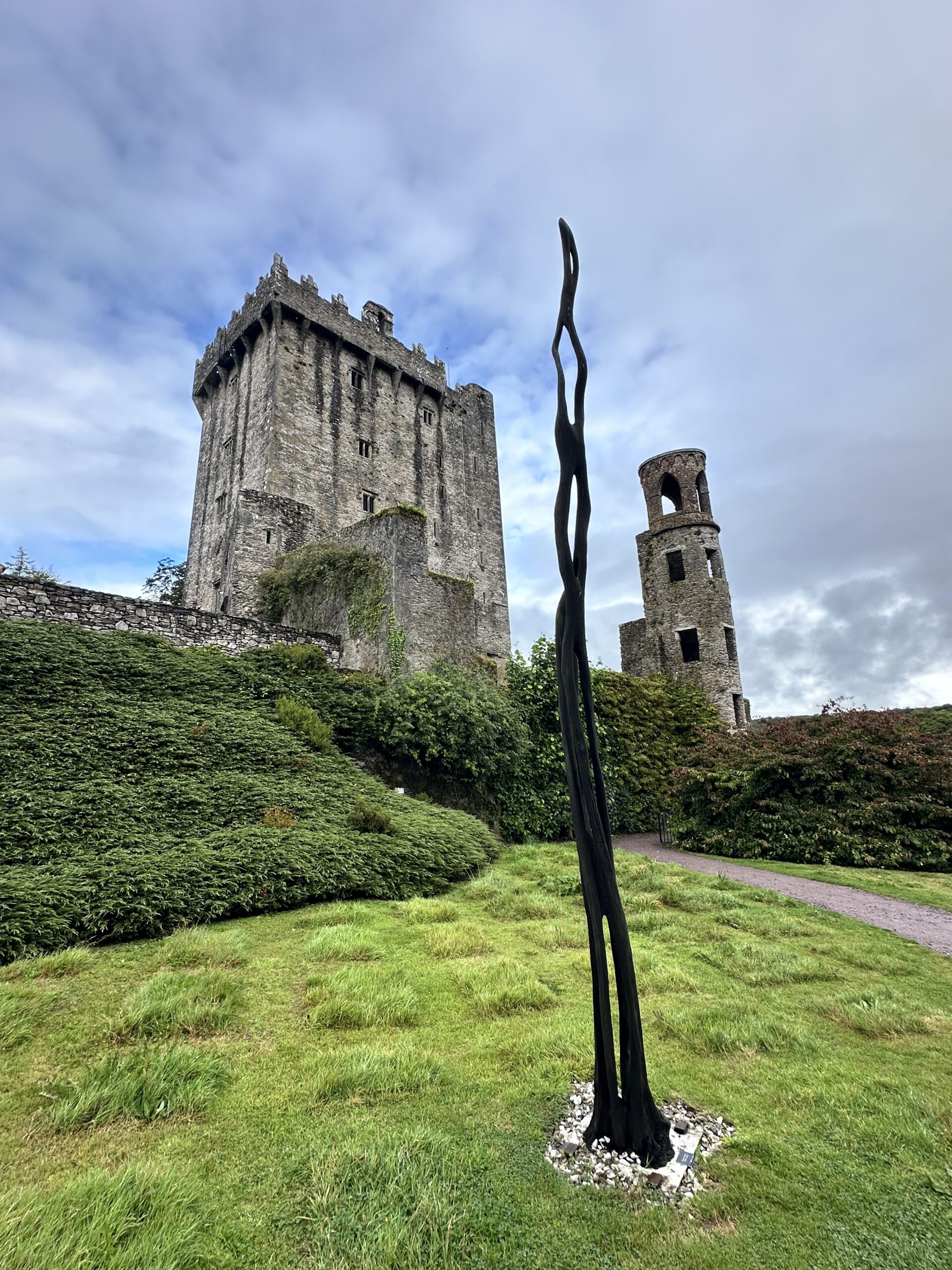
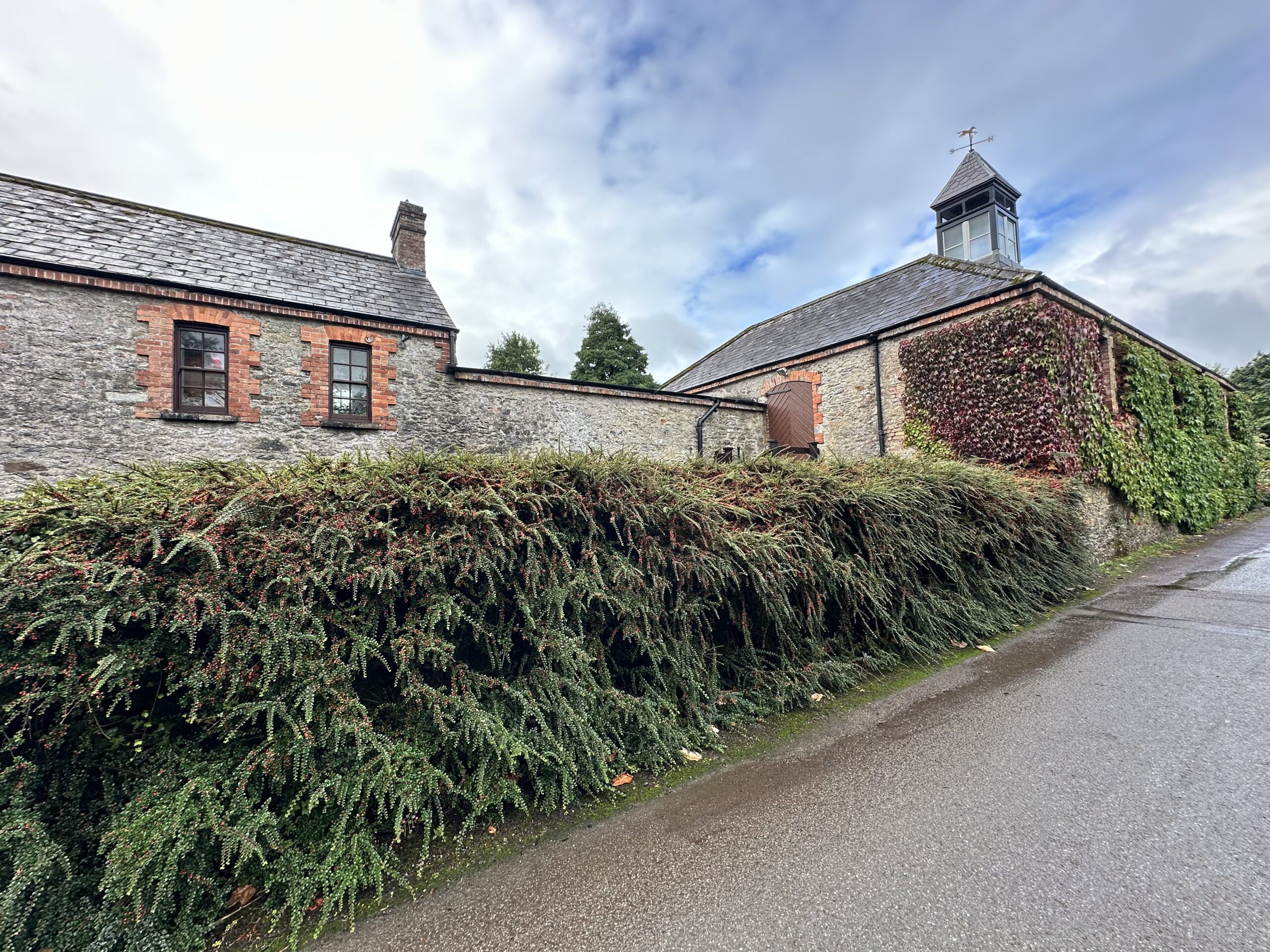
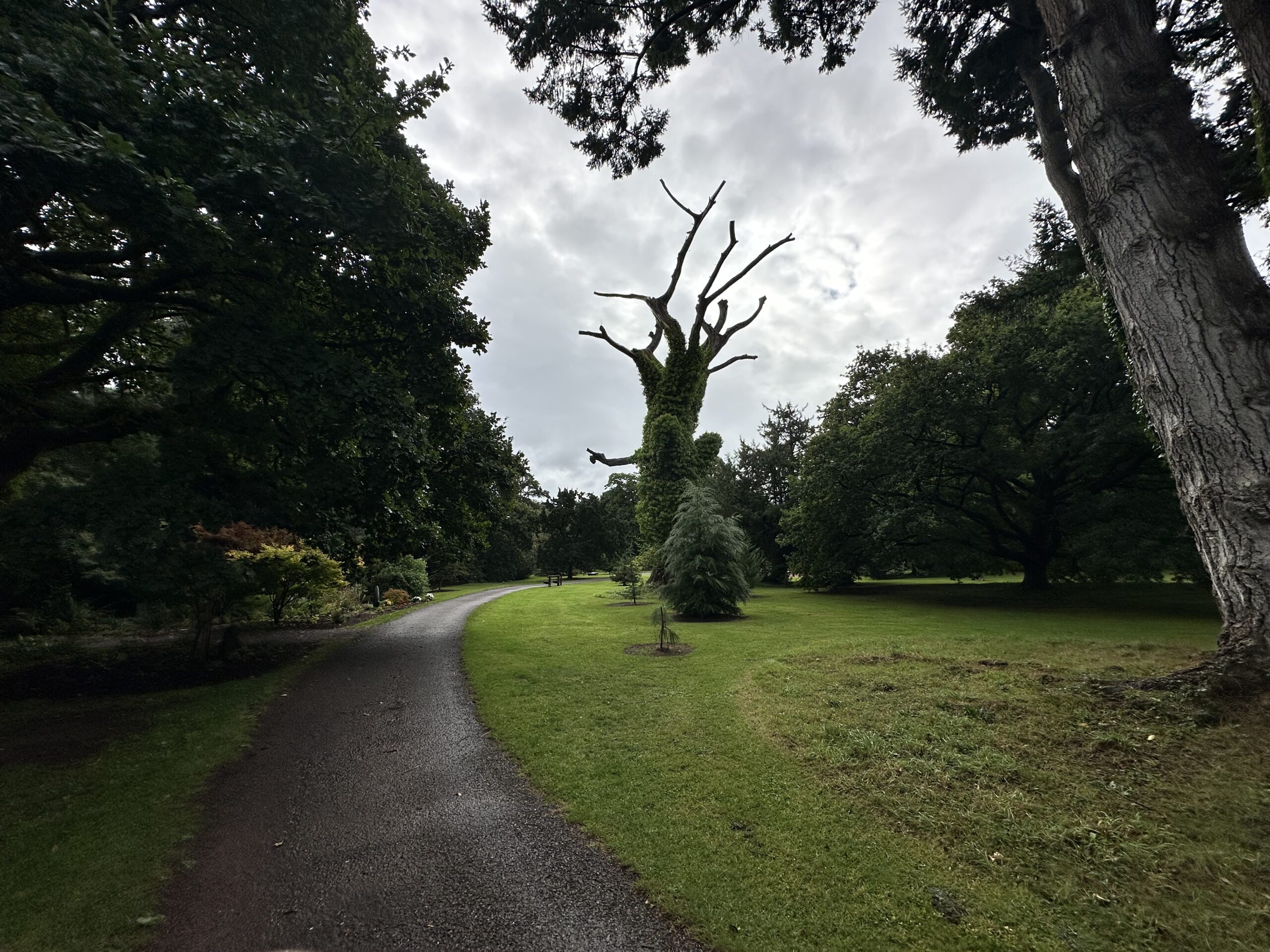
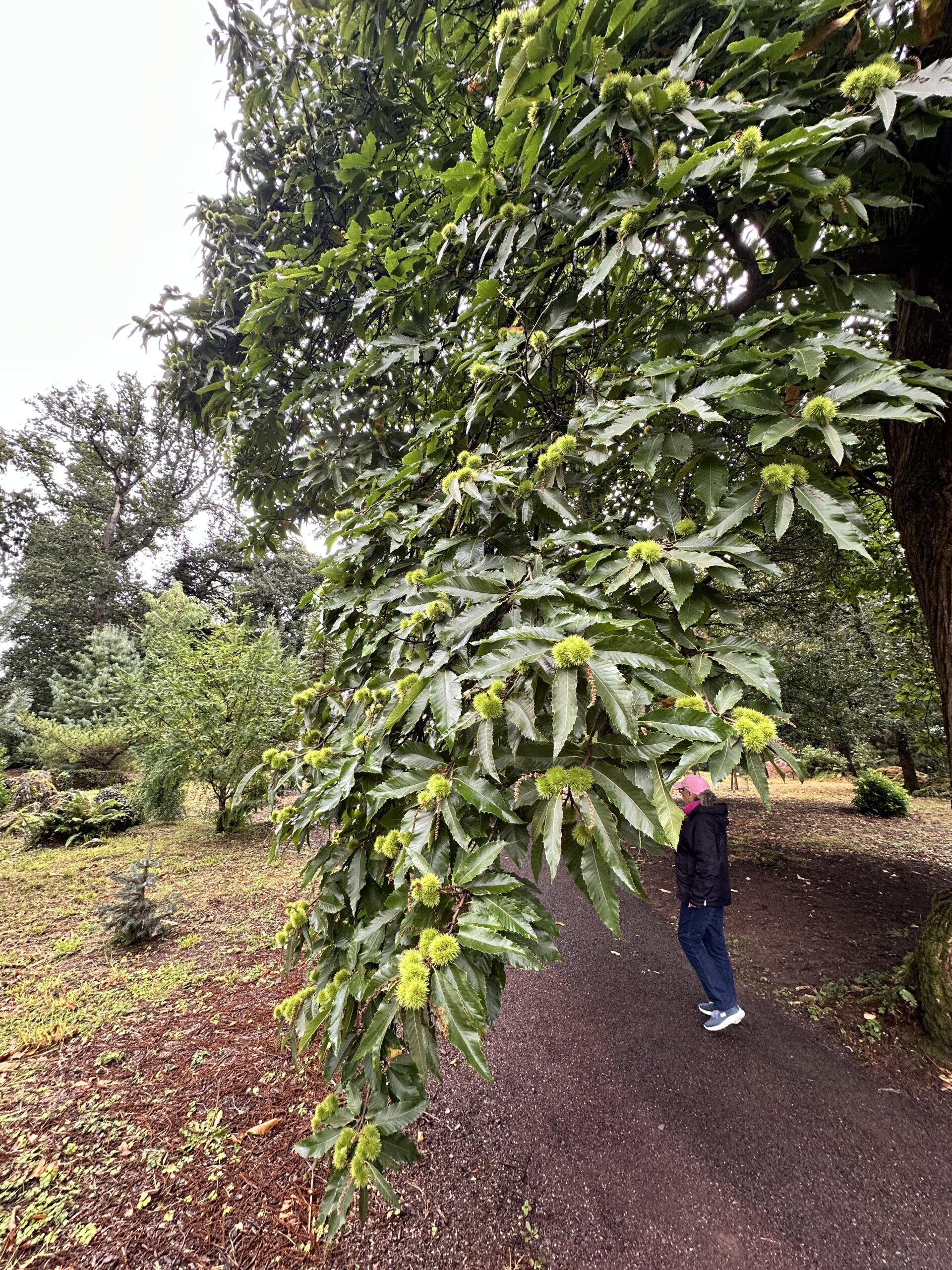
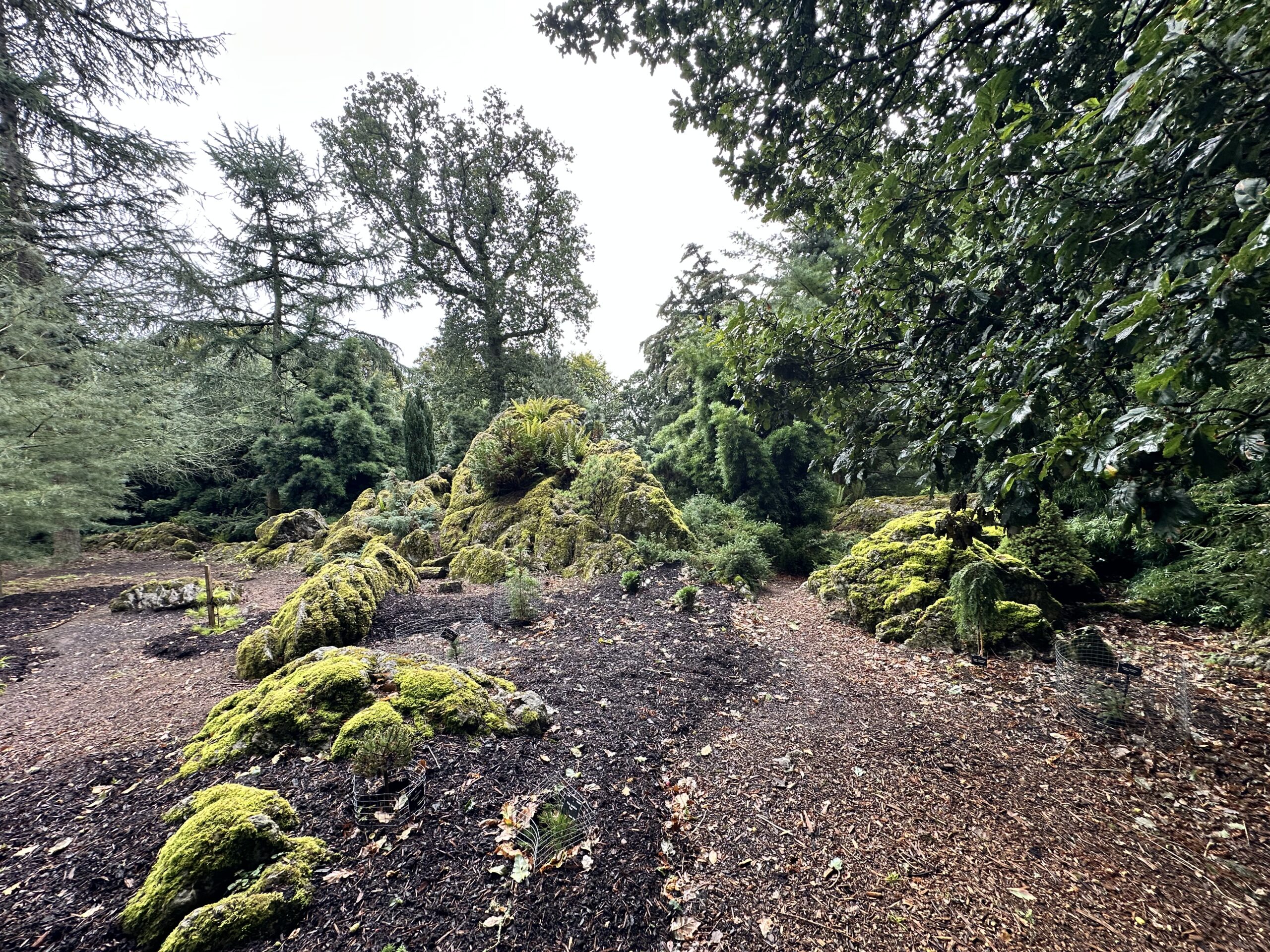
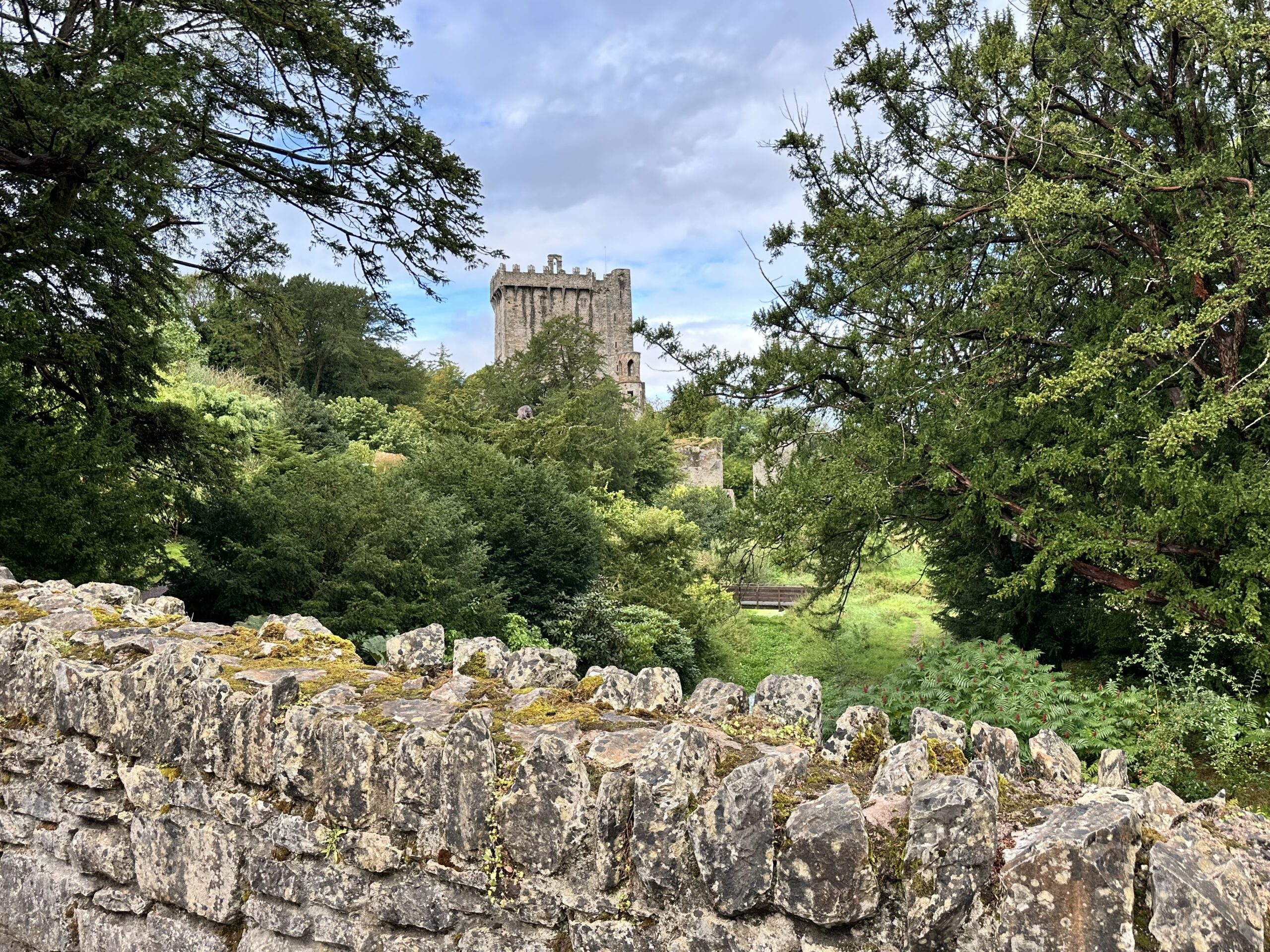
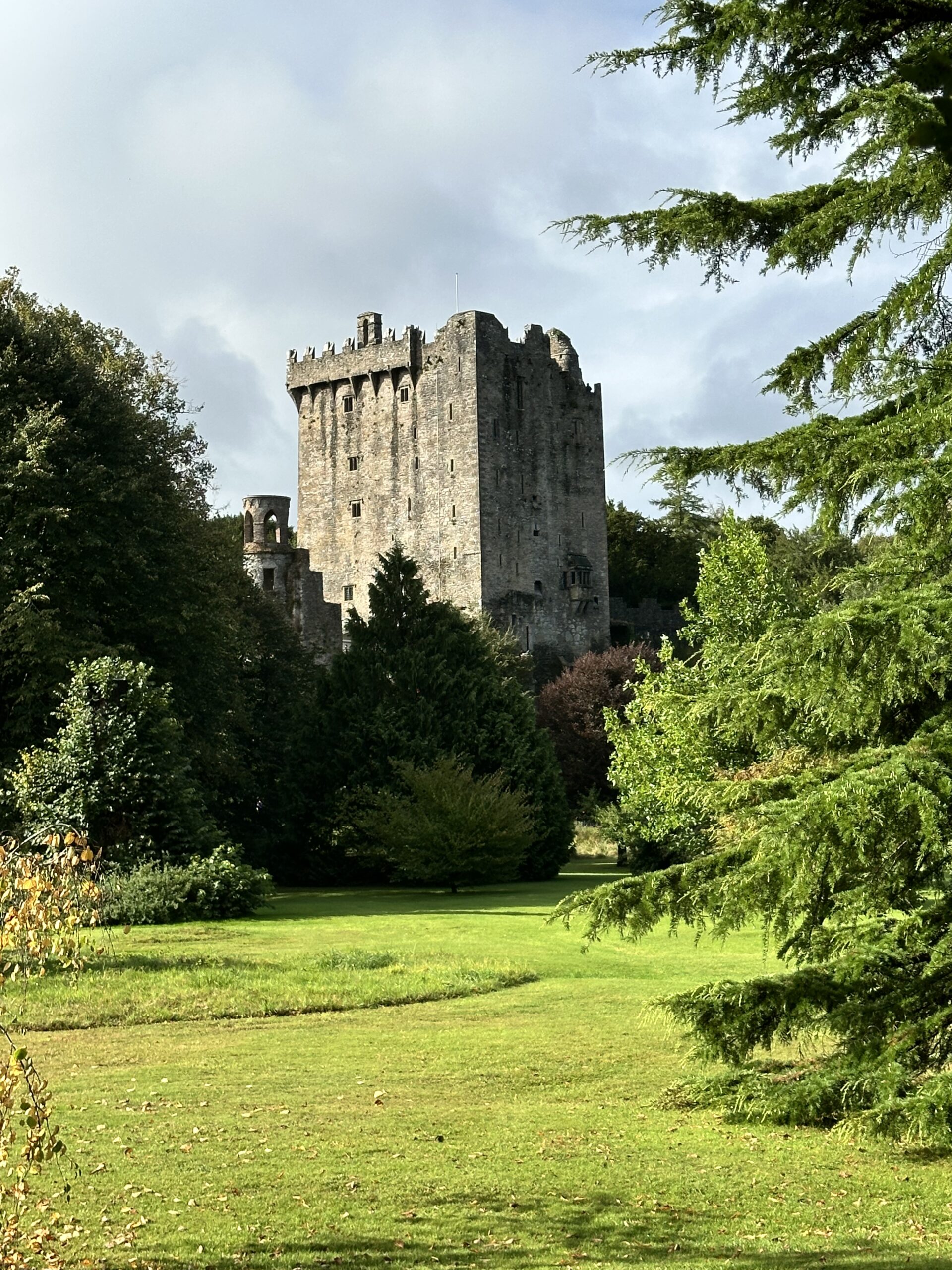
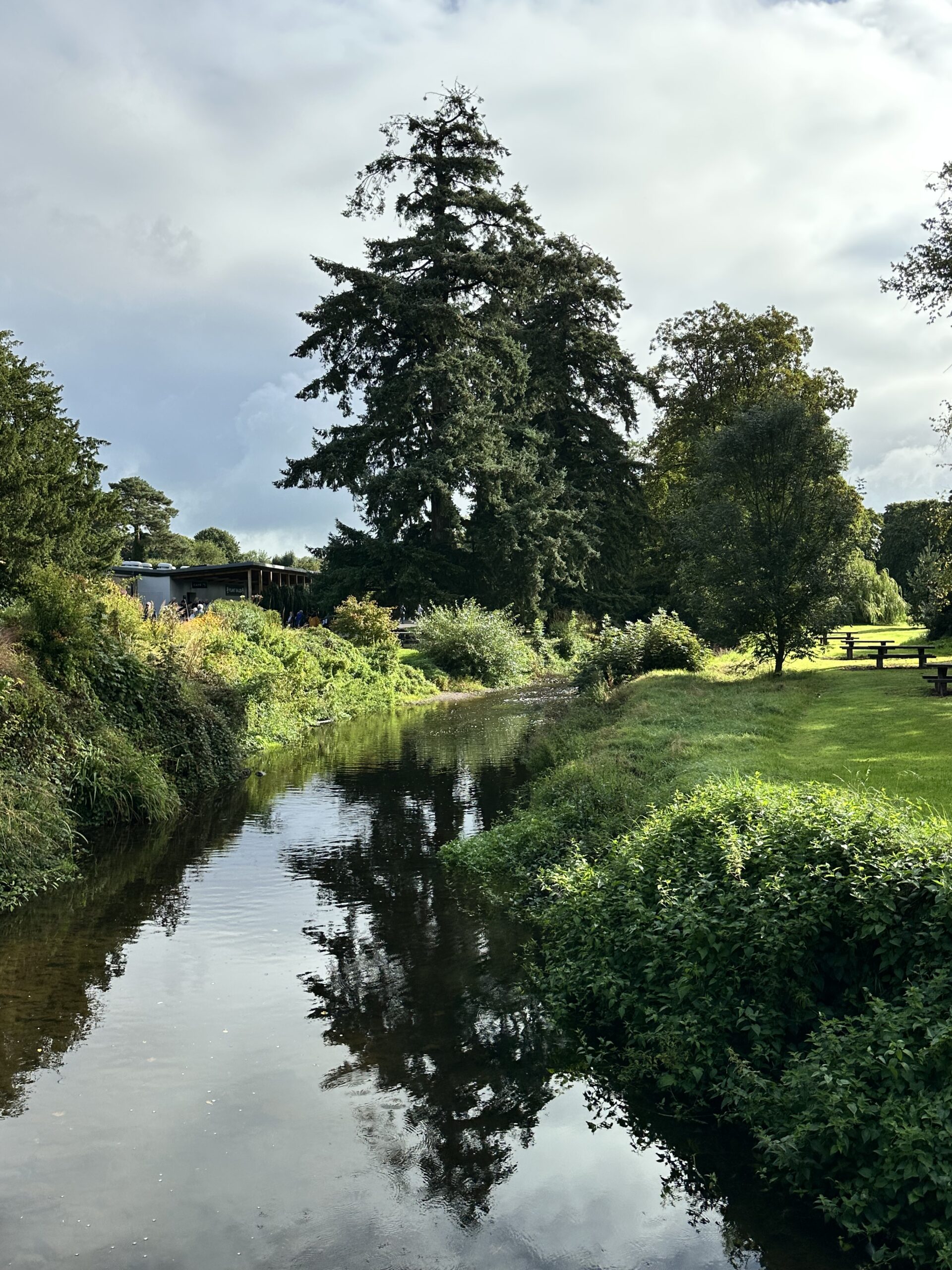
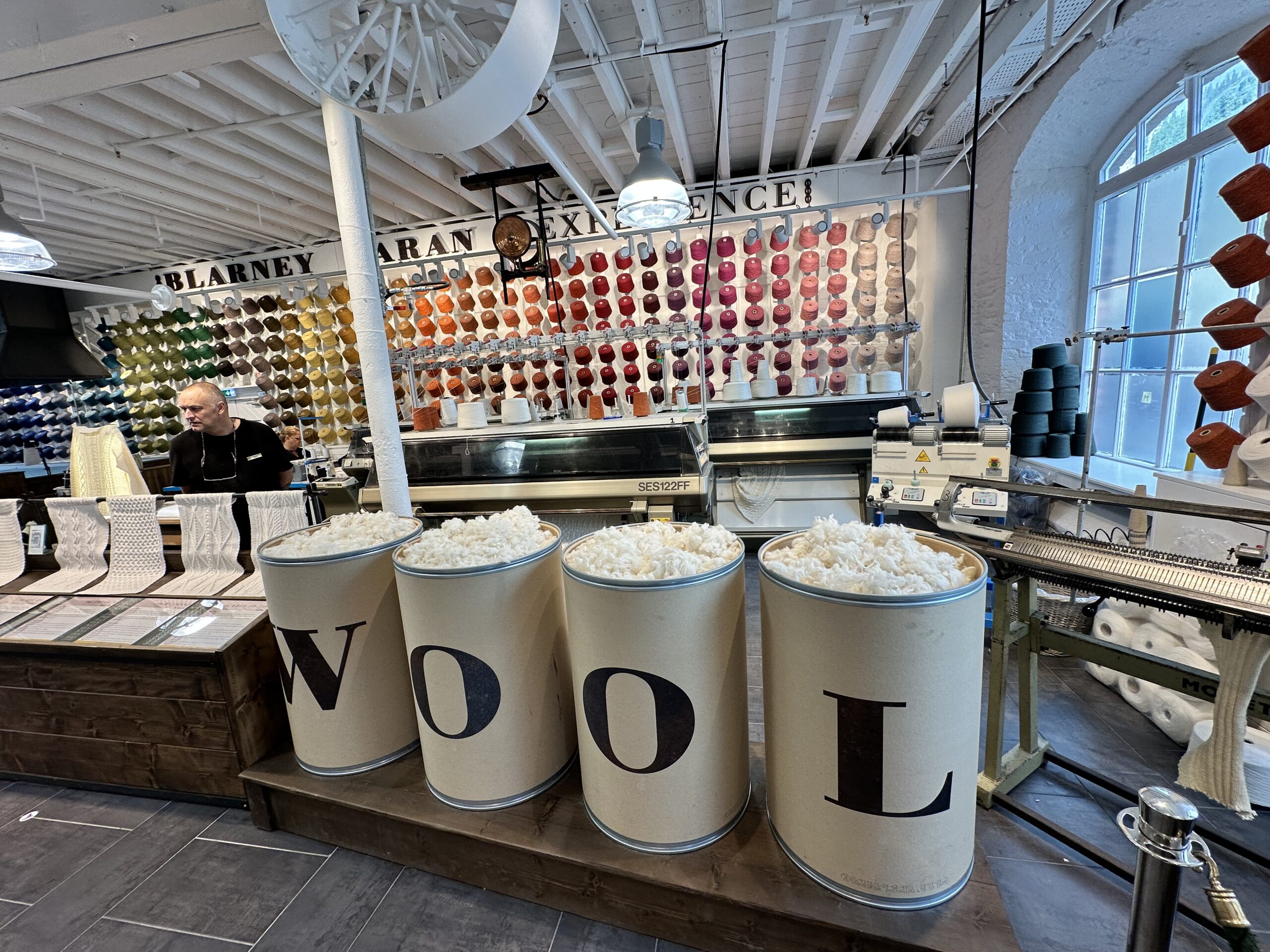
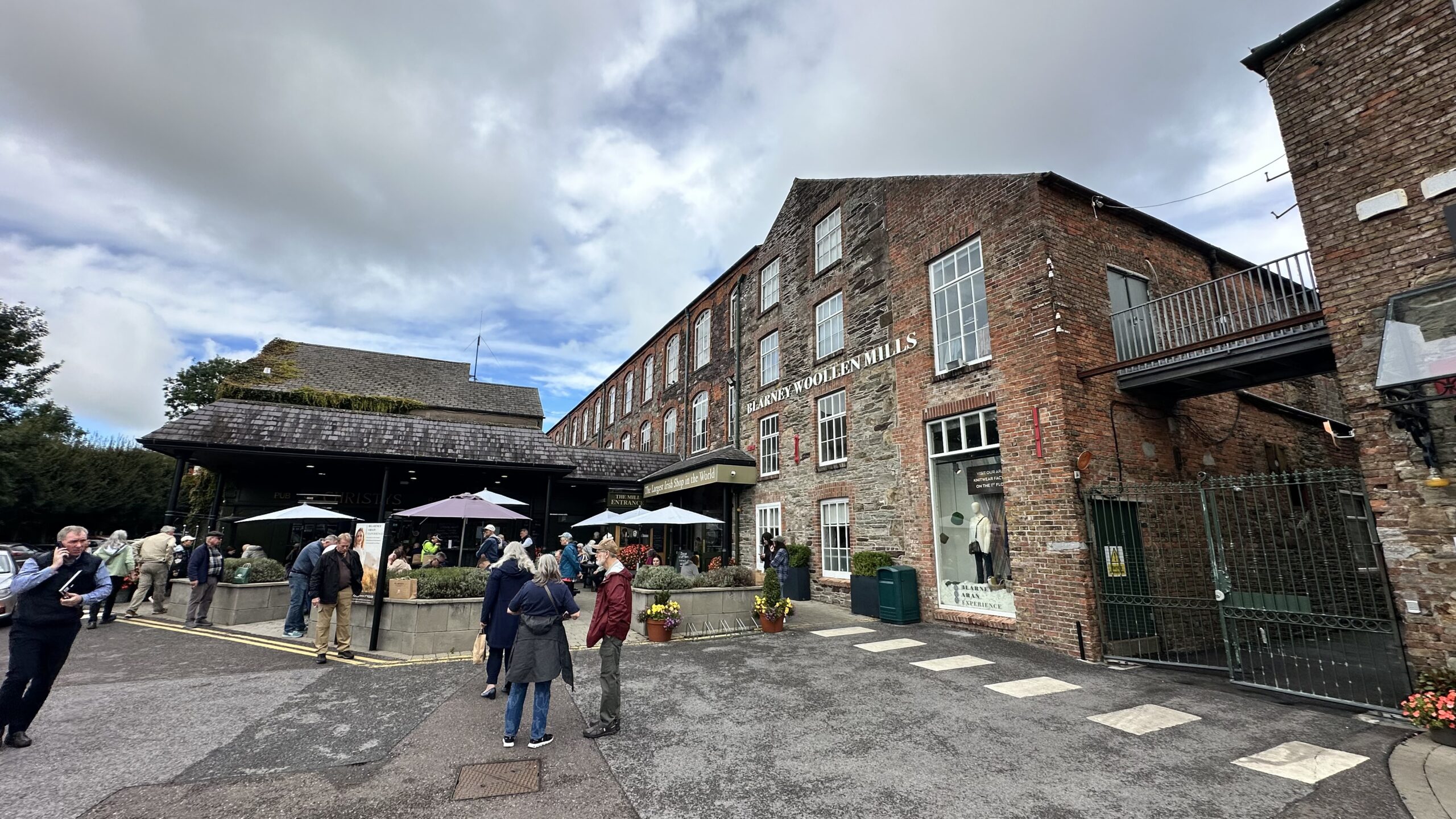
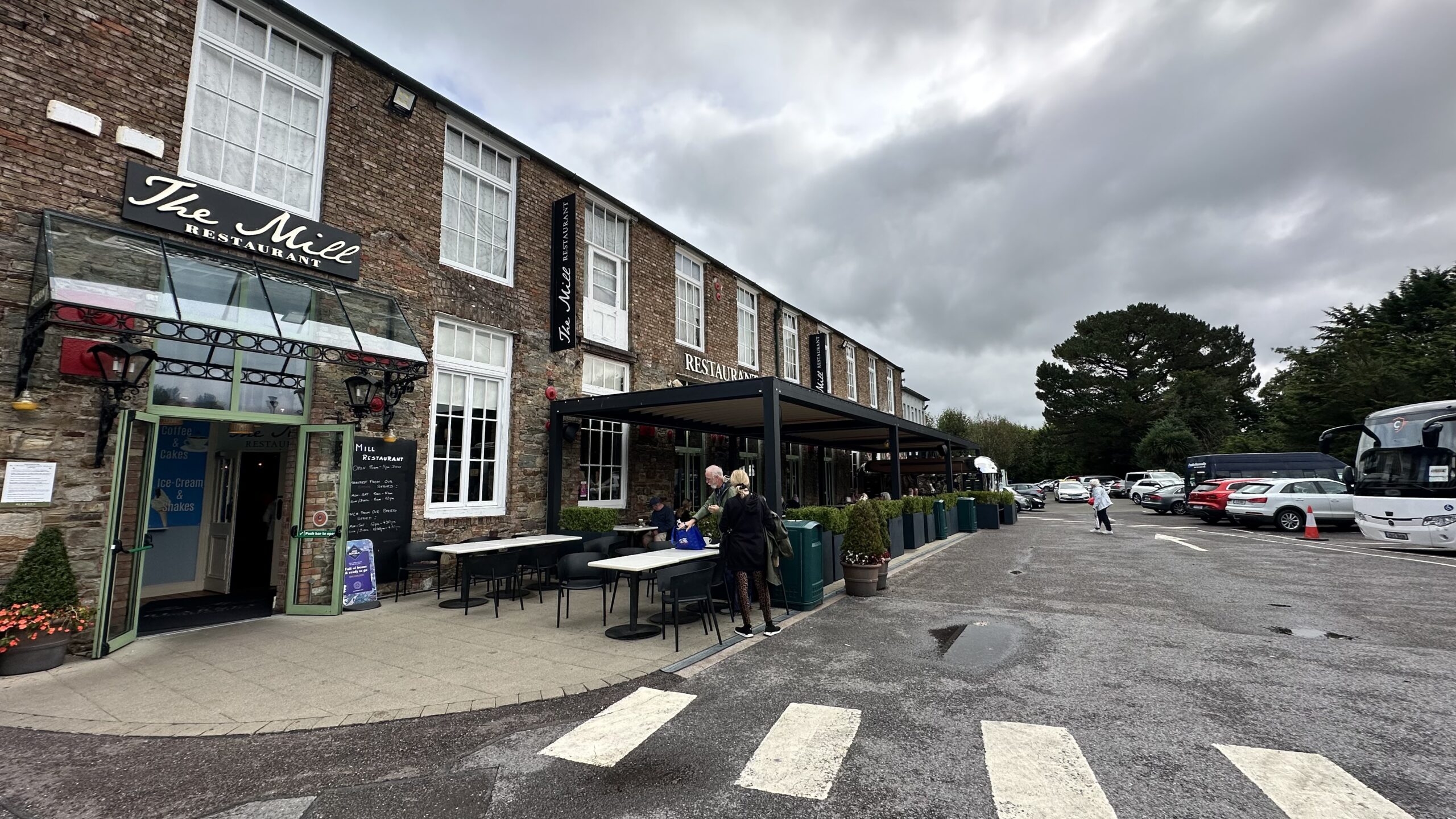
We headed off on a one hour bus ride to Blarney Castle, built a few years ago in 1480. There were big lineups to kiss the Blarney stone, so we toured some of the castle and walked the very impressive grounds. There was also a woolen mill onsite, where they were making sweaters. There are no knitting needles here because it’s all computerized and they produce beautiful products.
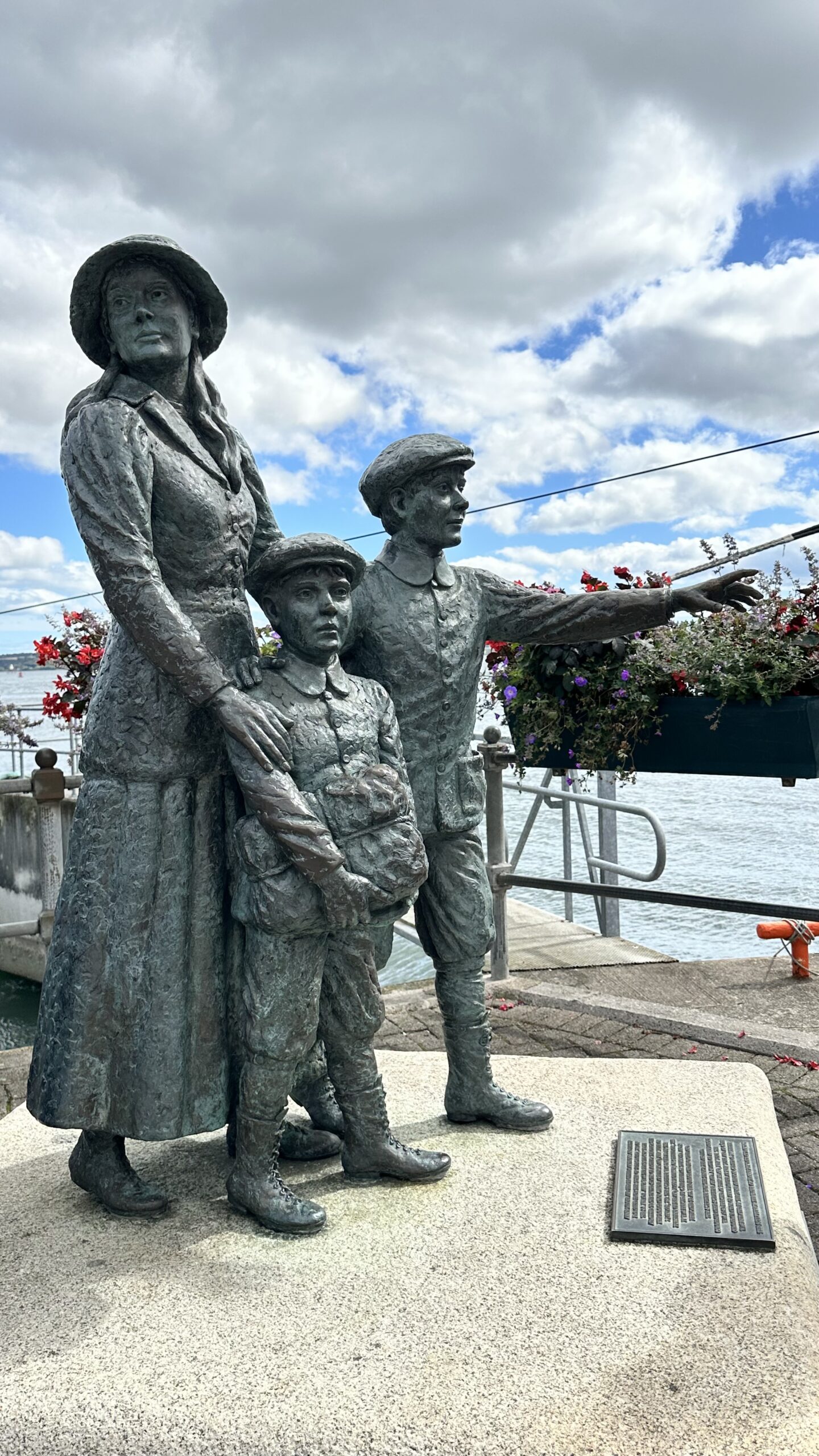
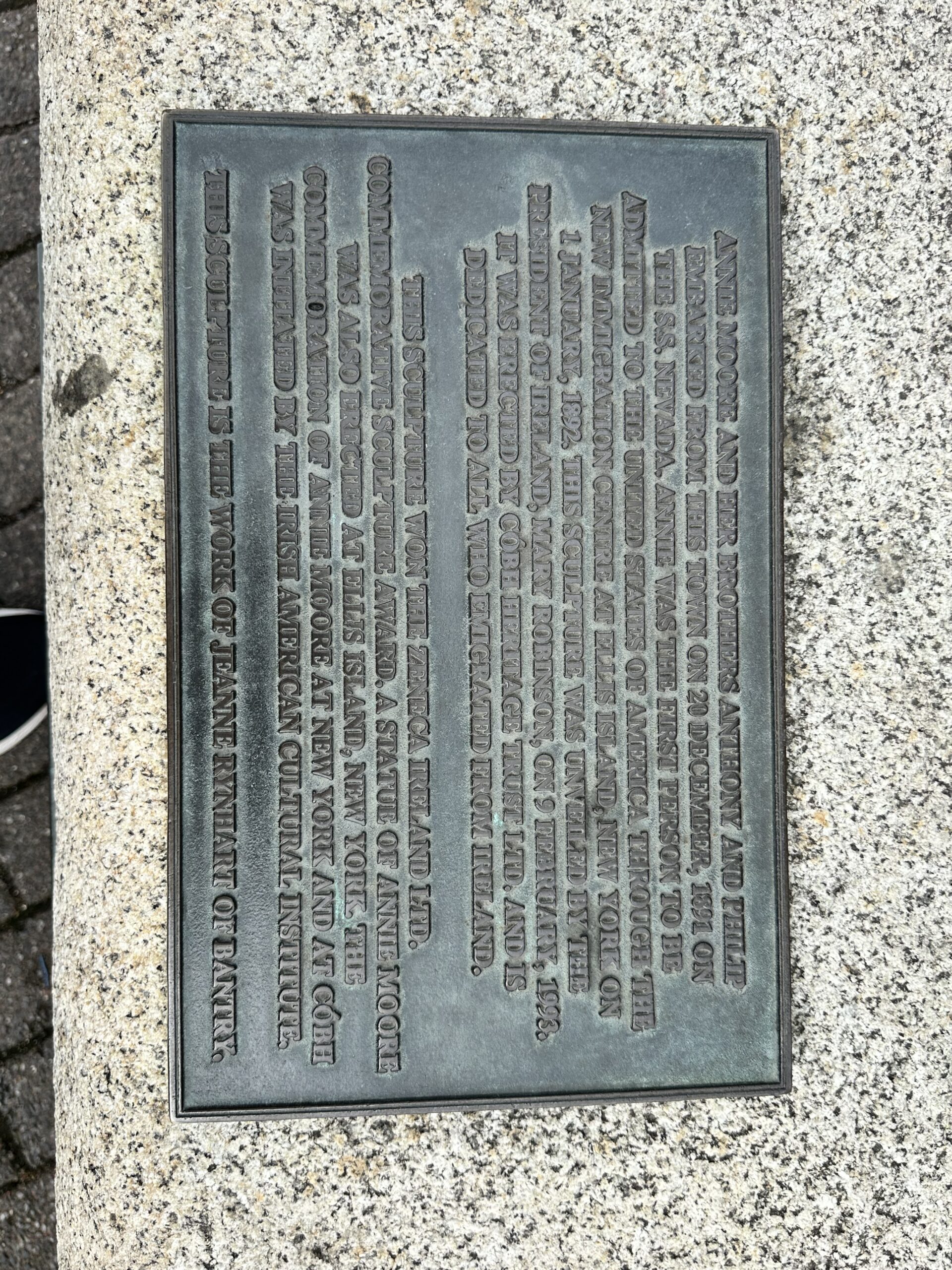
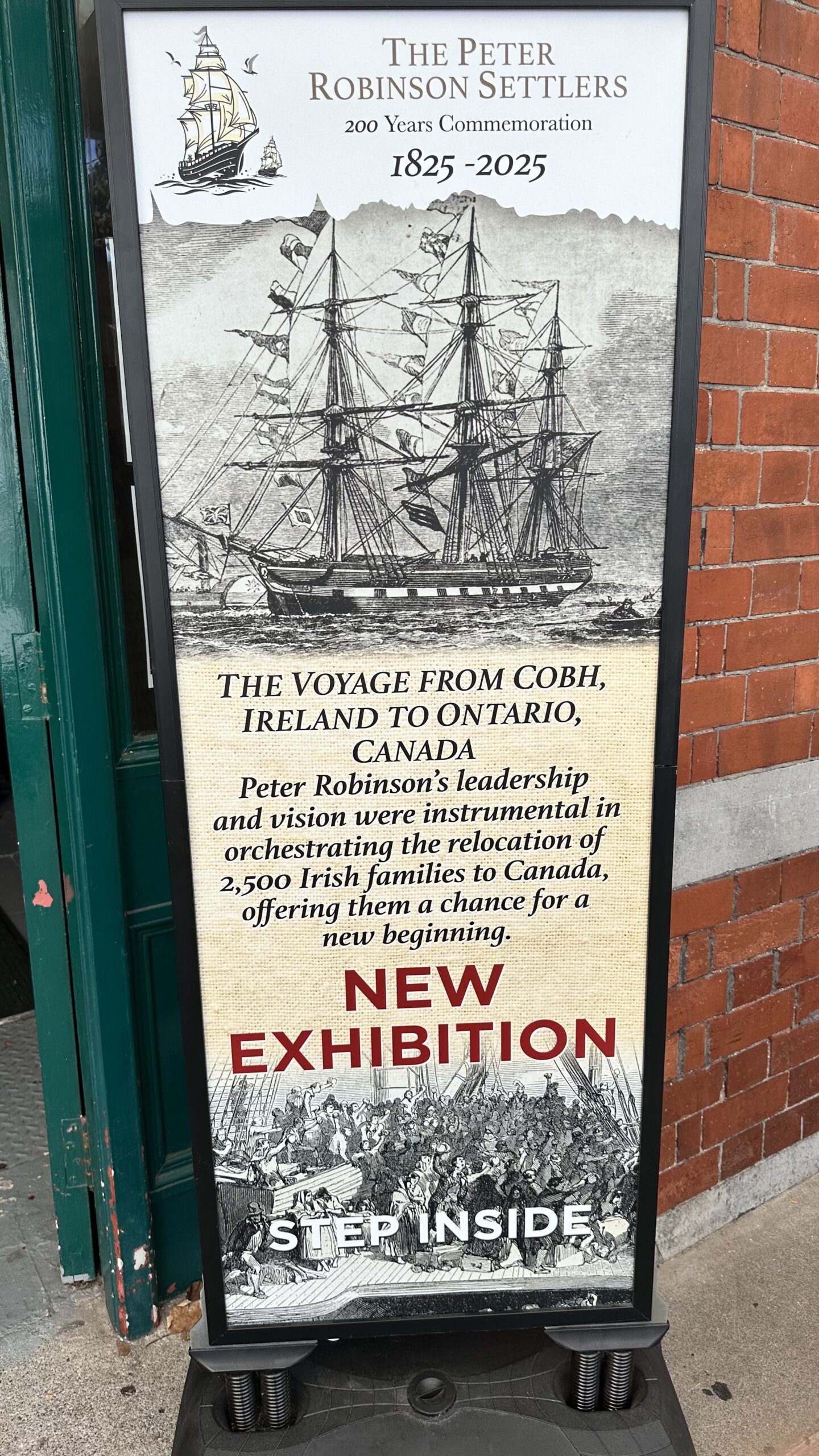
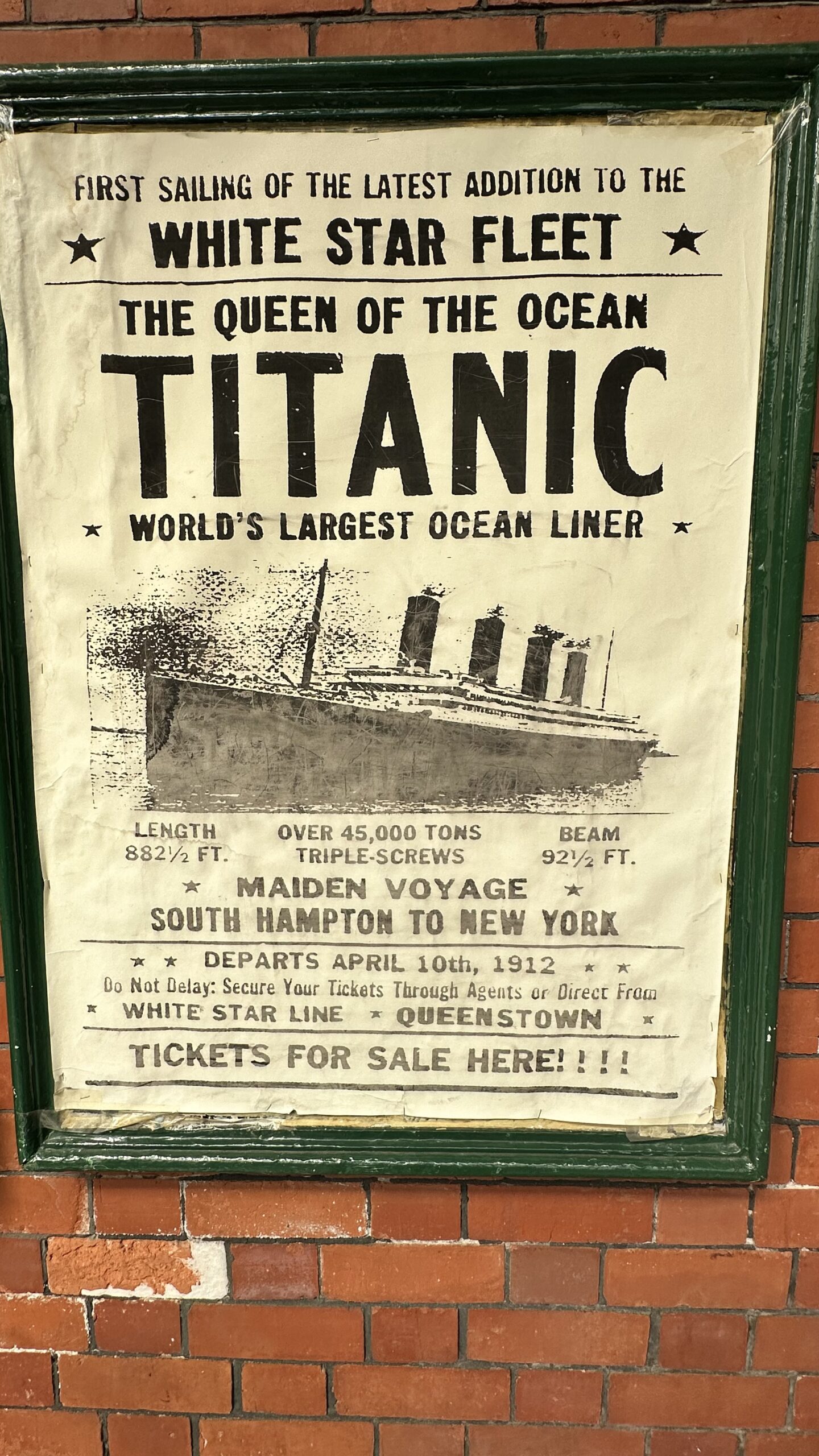
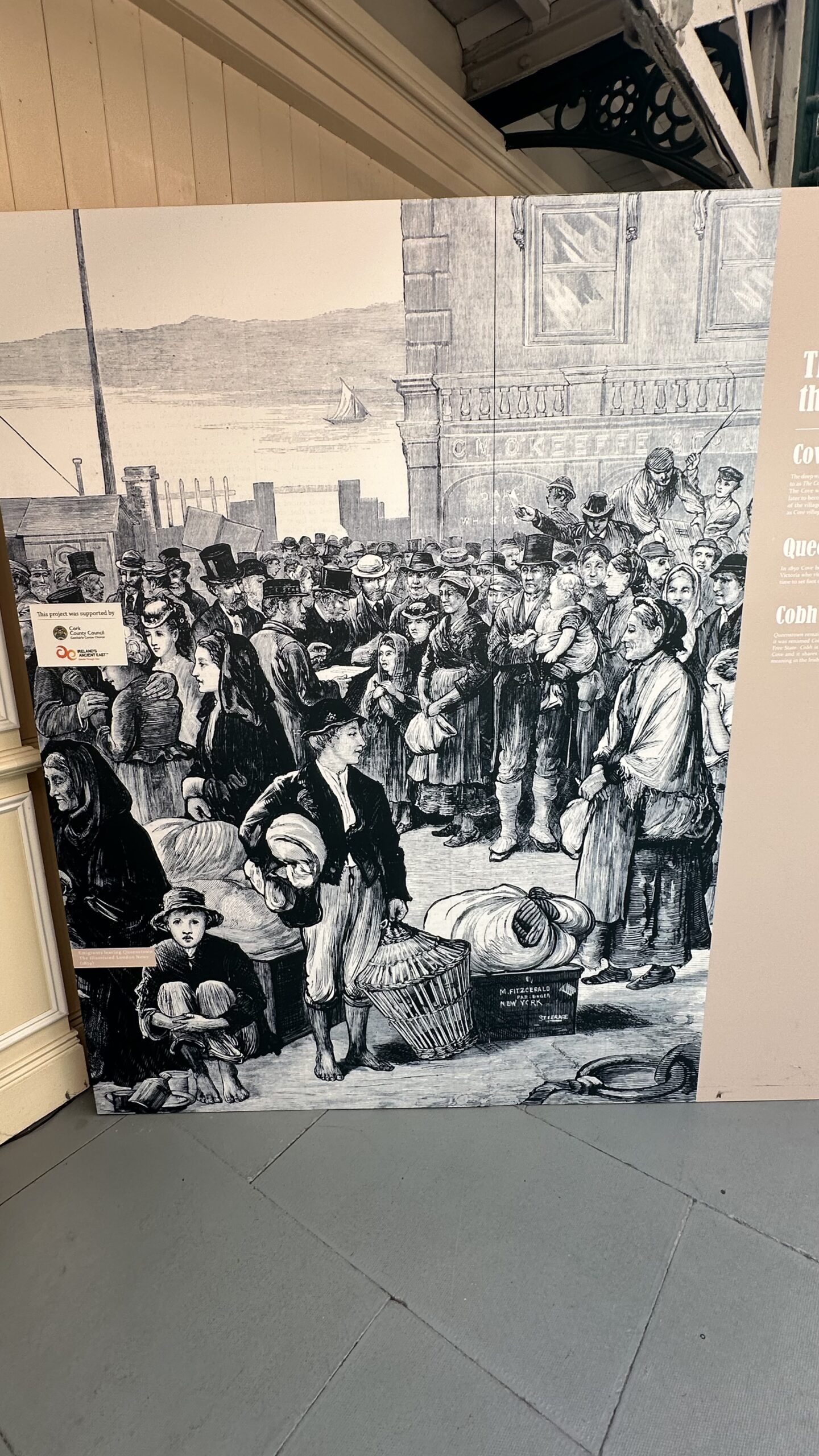
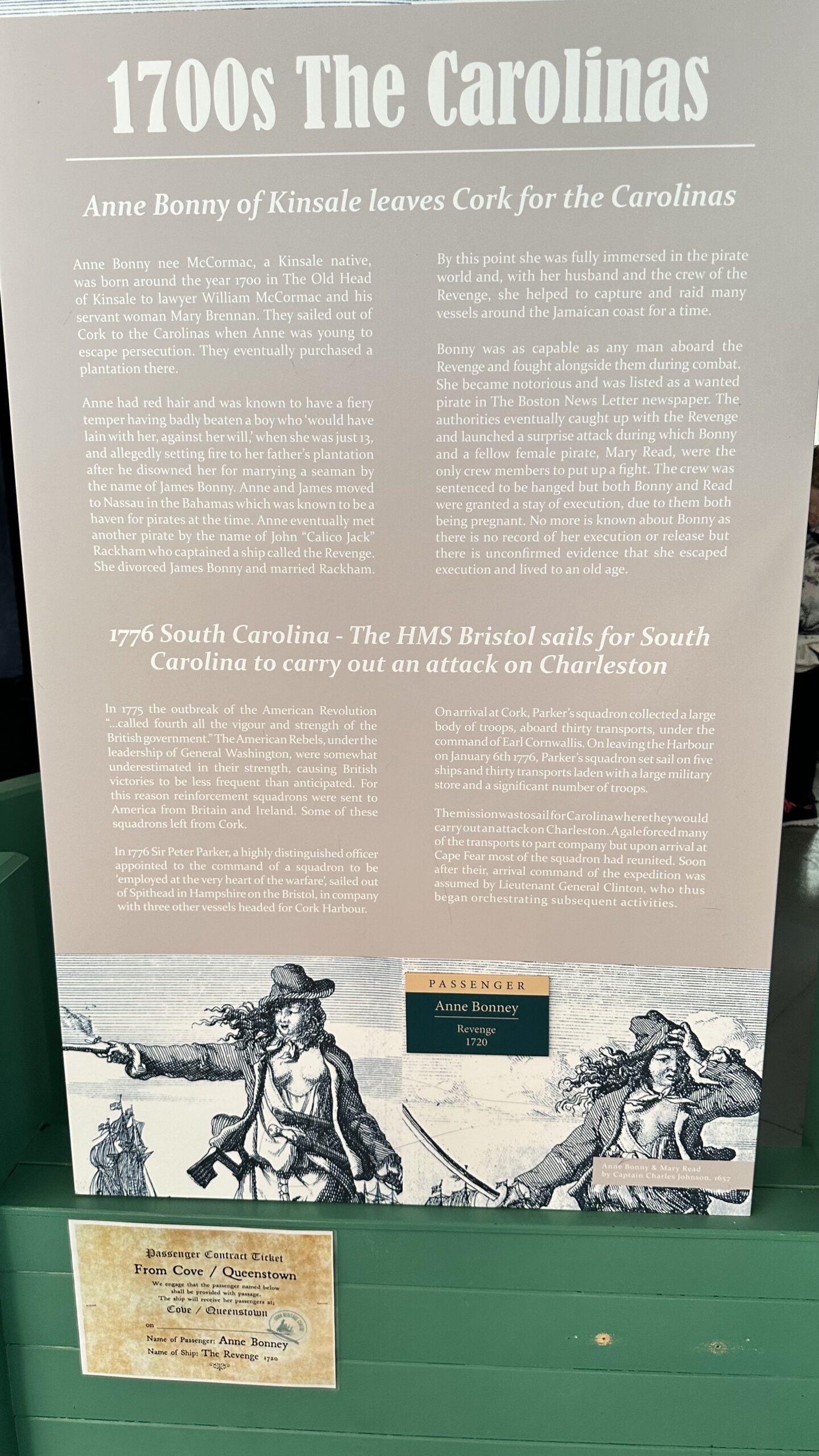
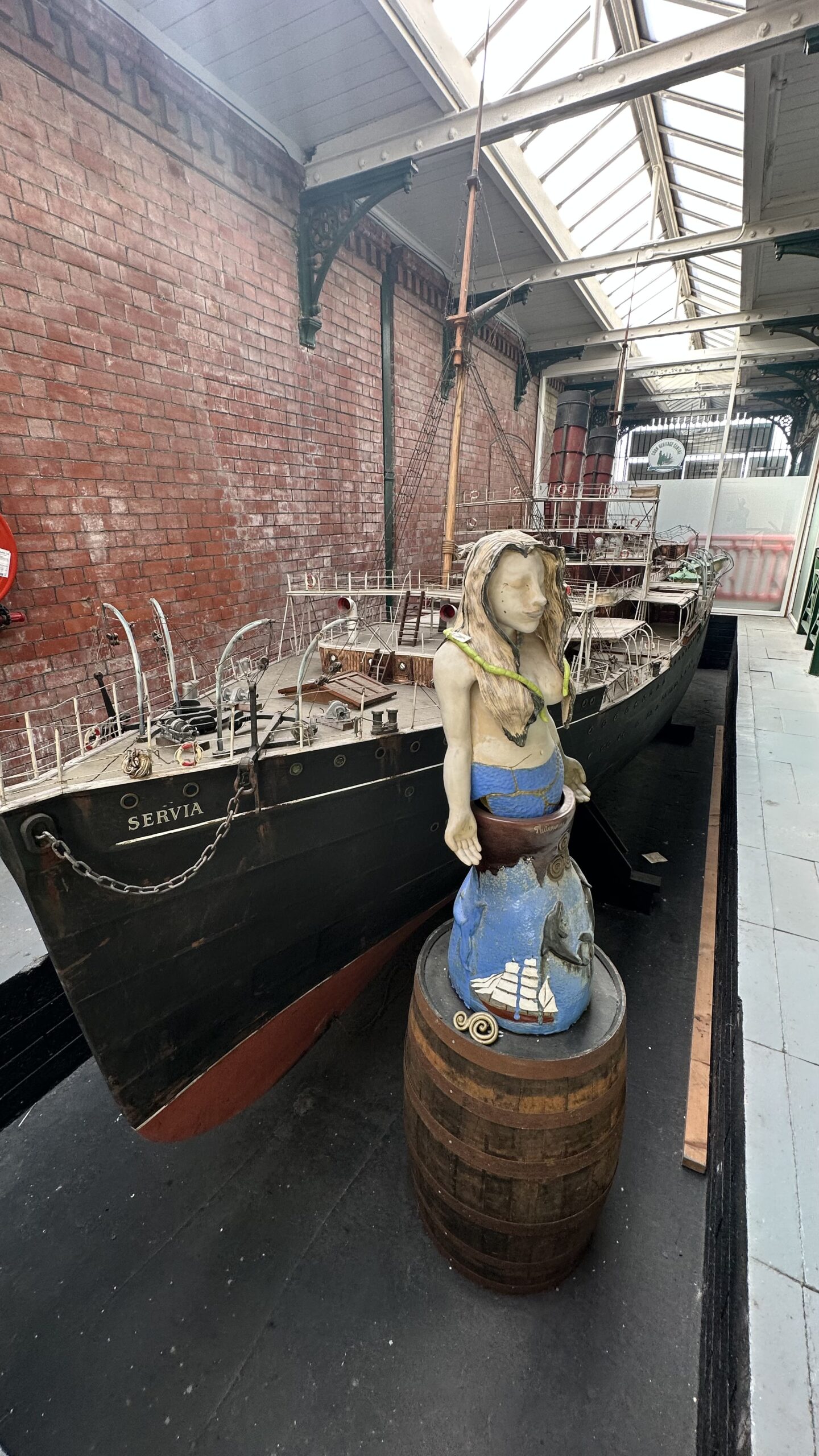
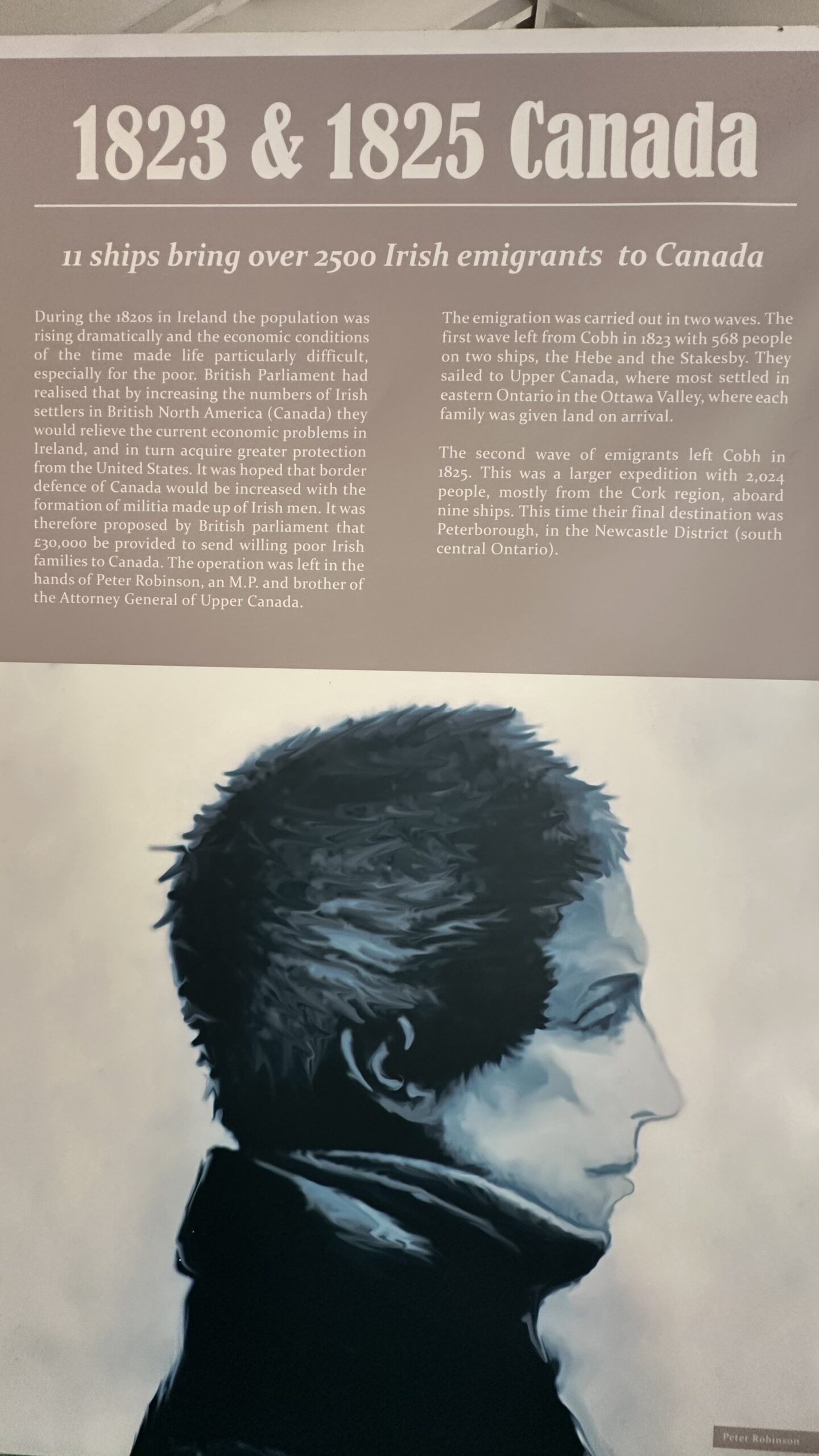
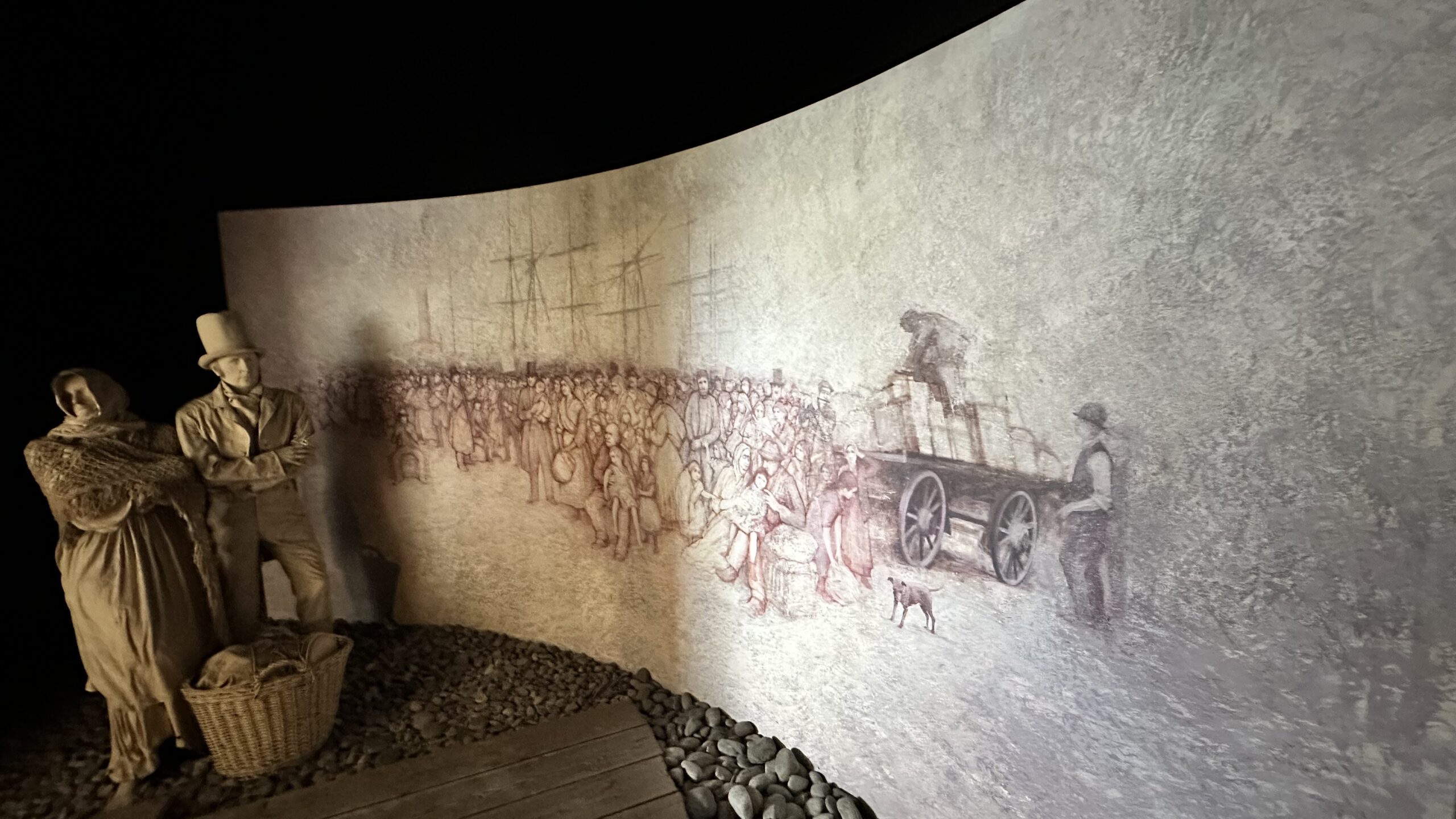
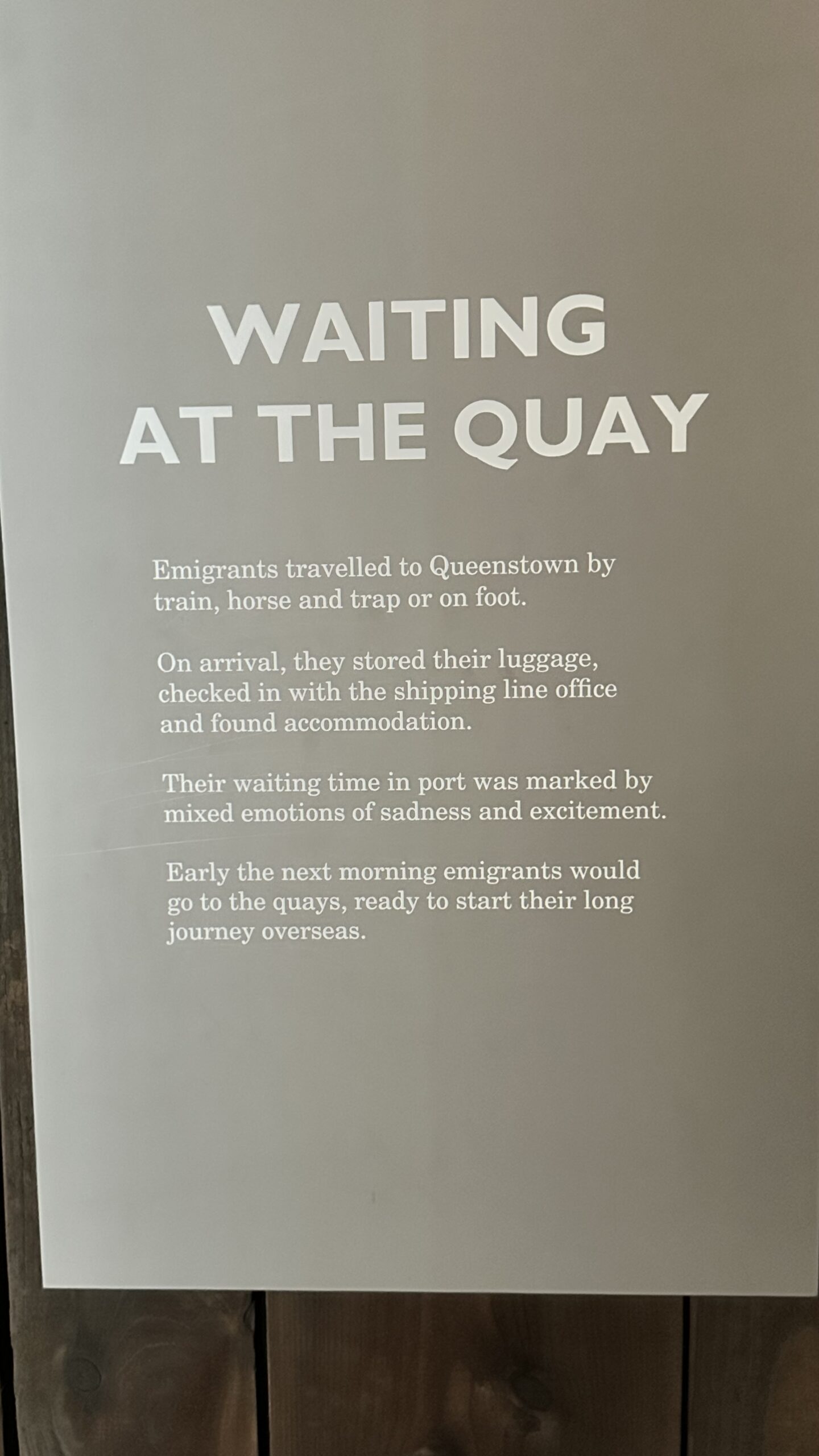
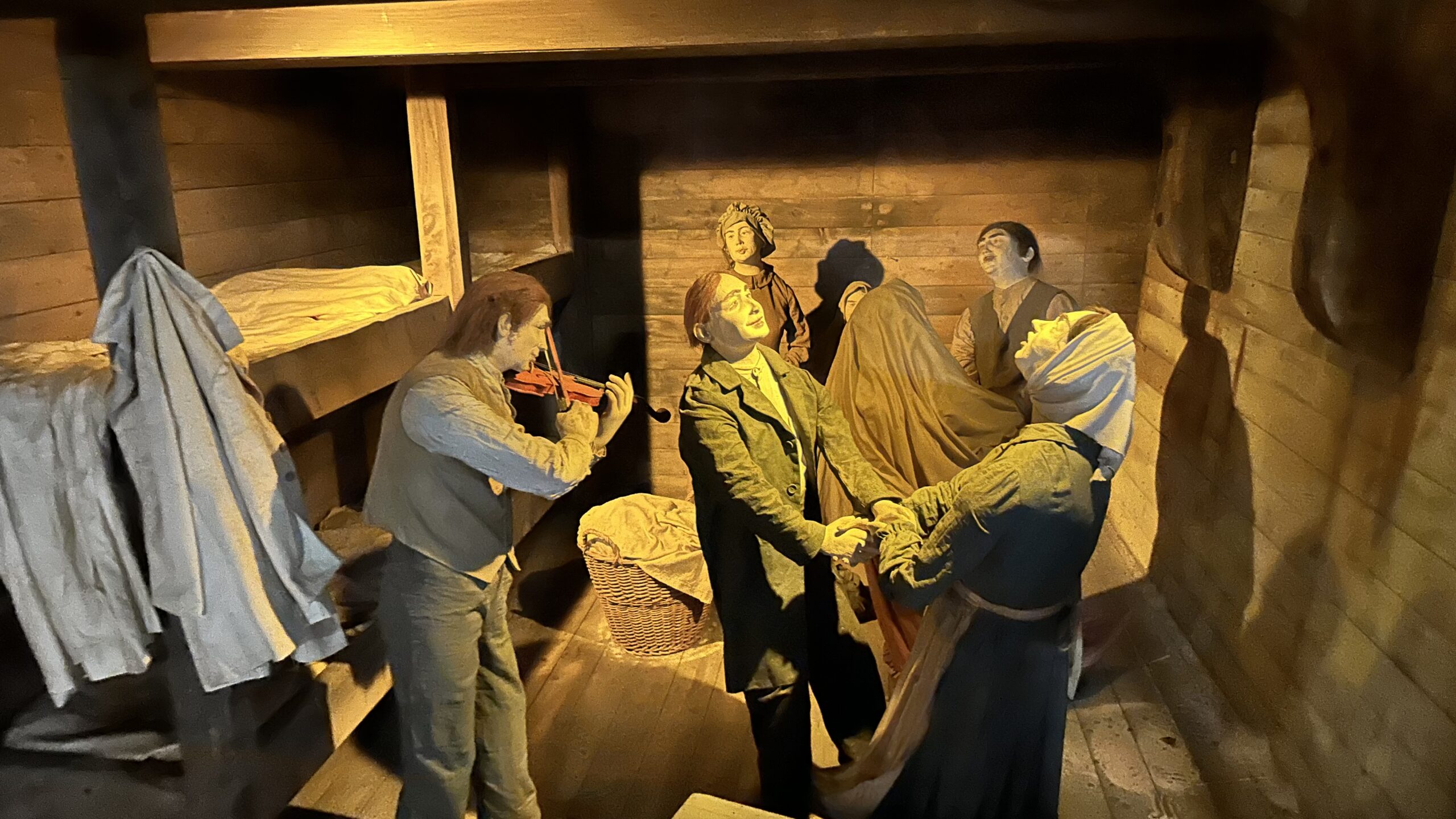
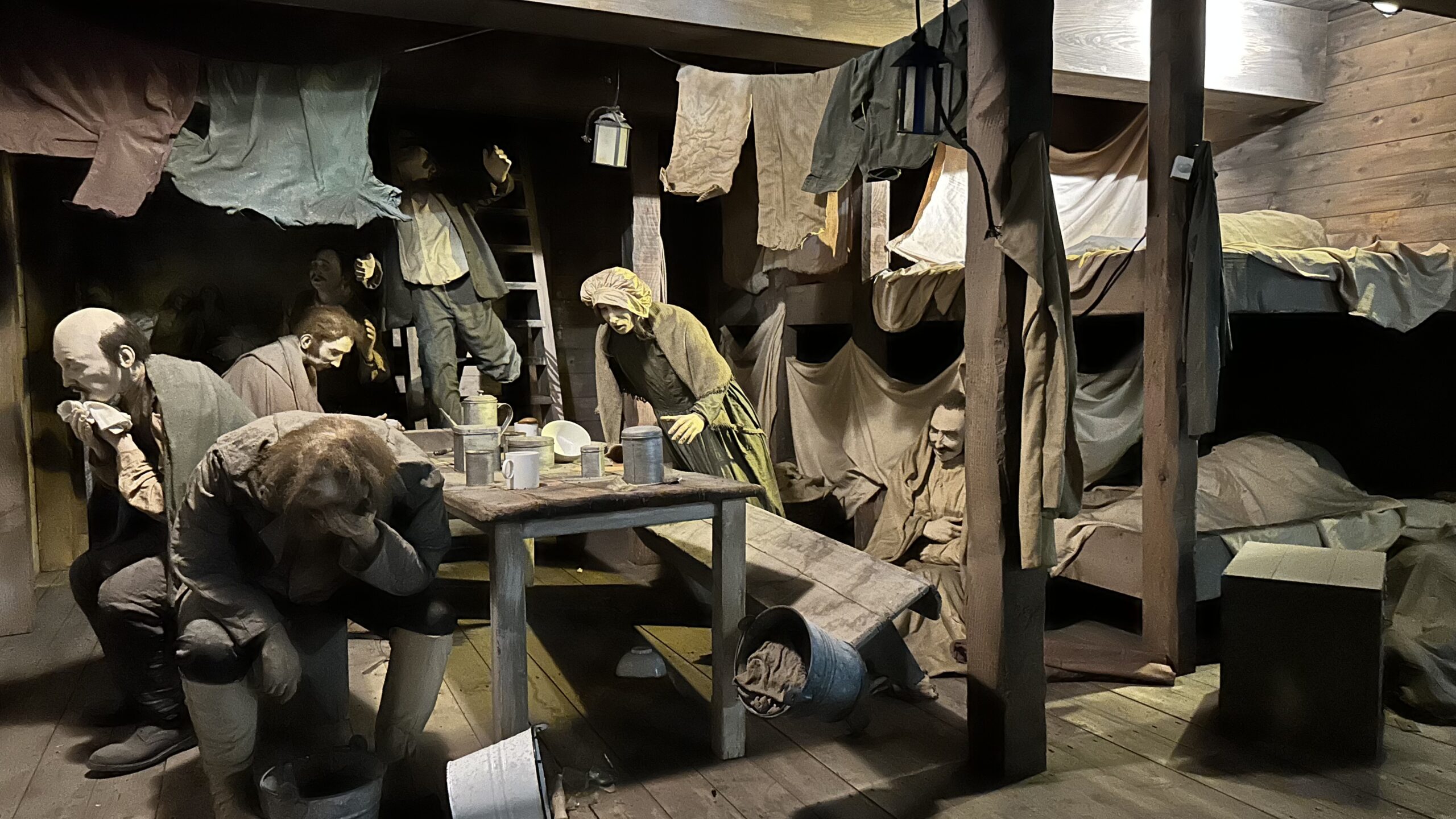
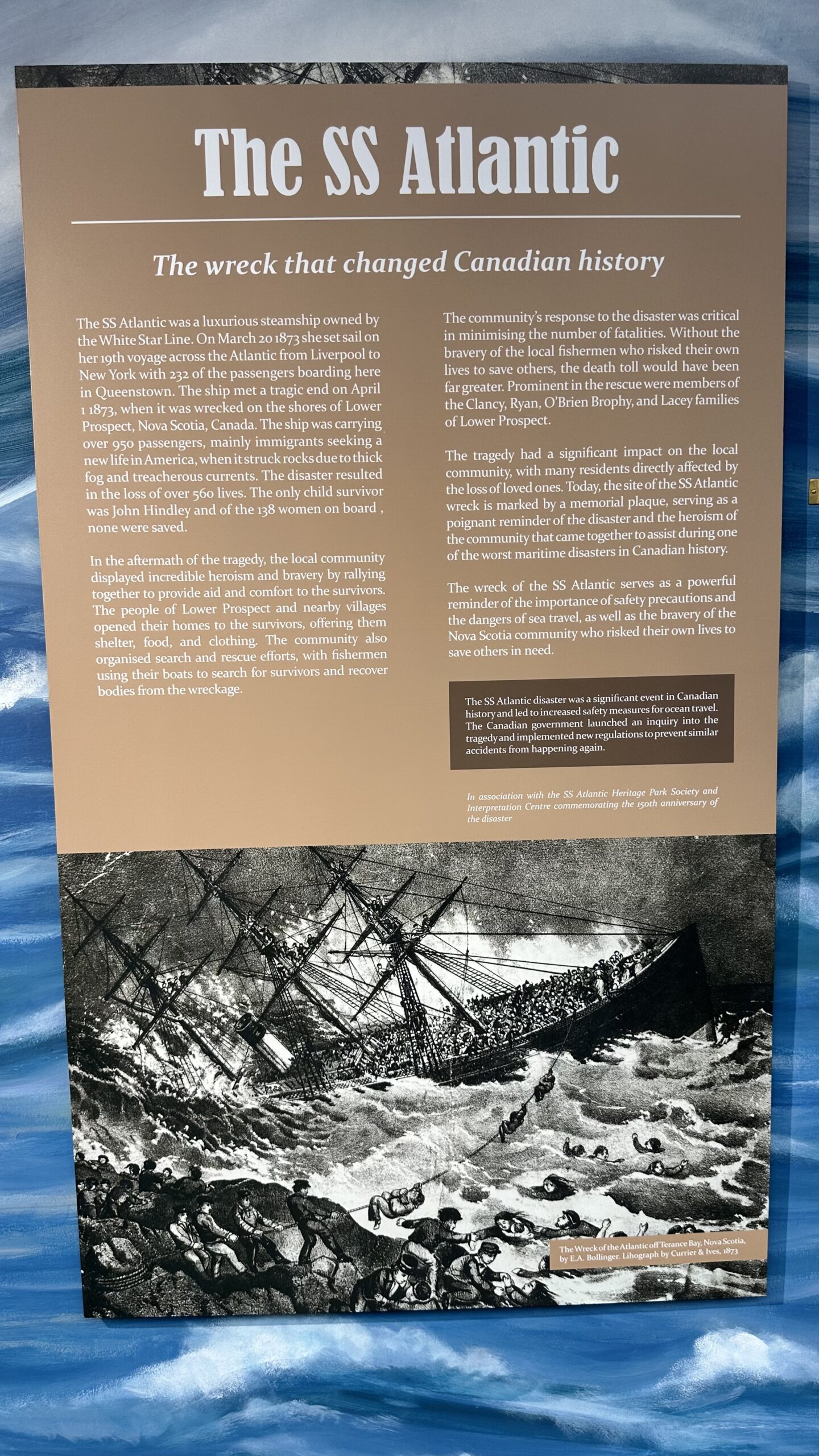
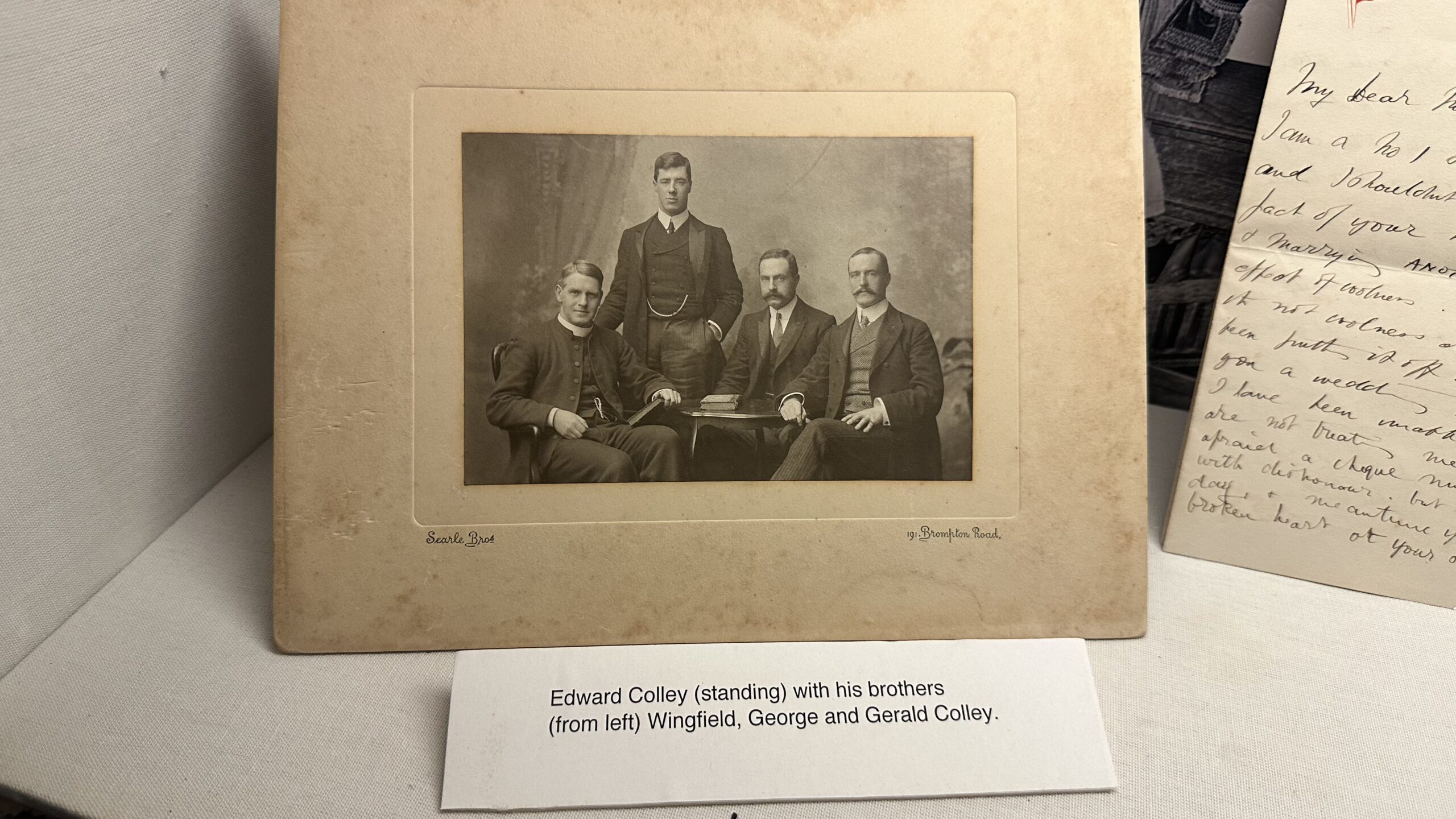
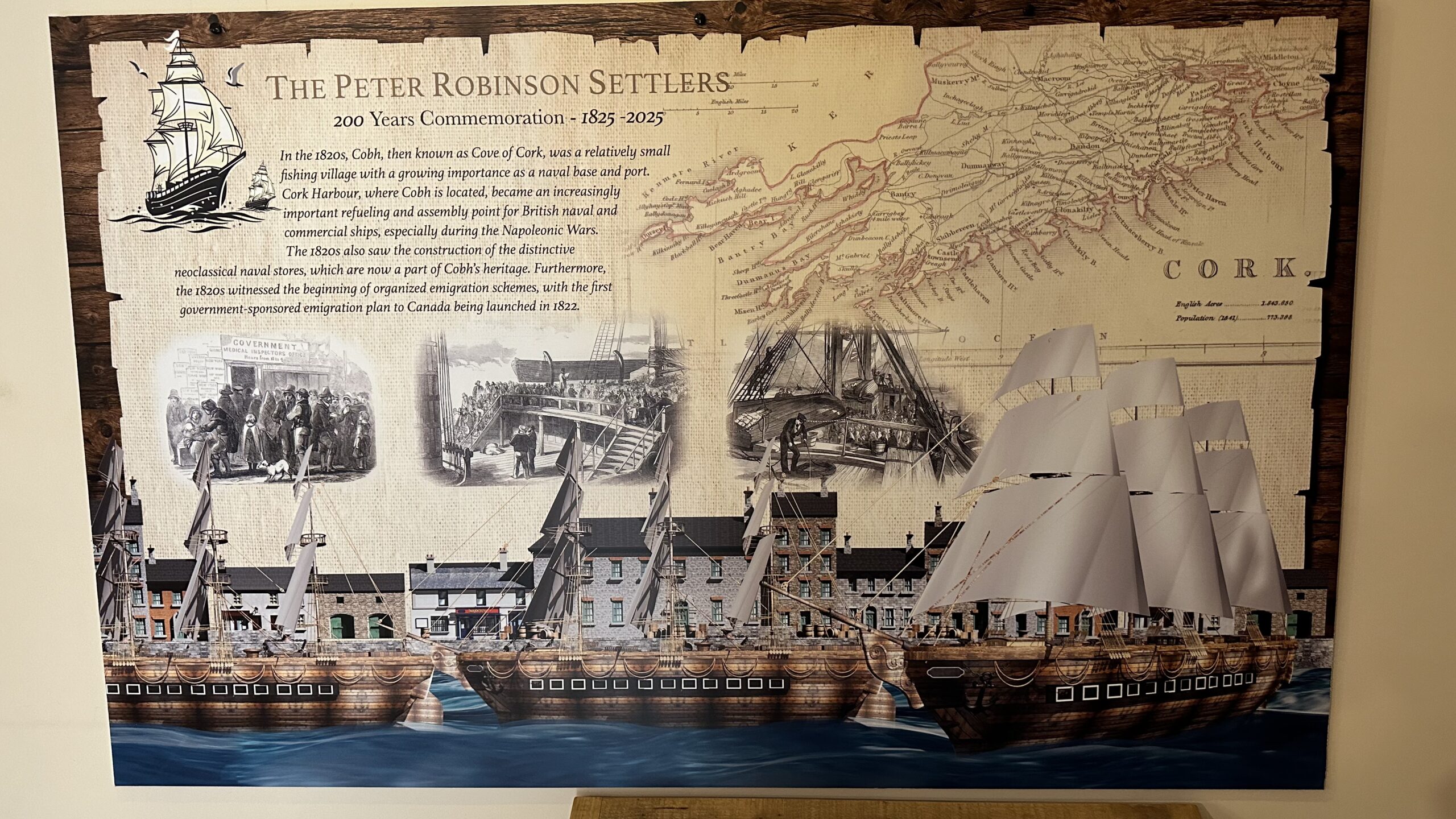
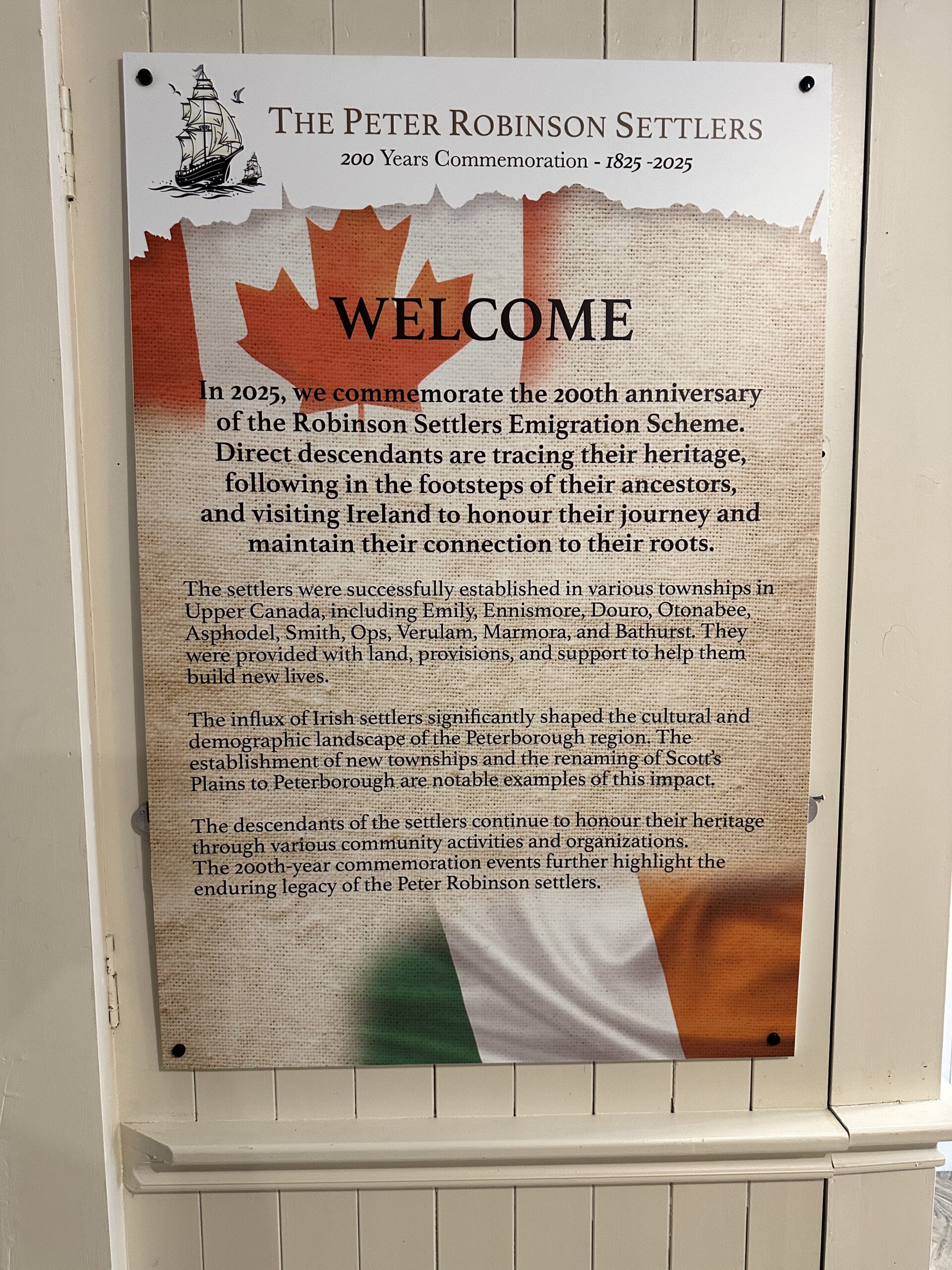
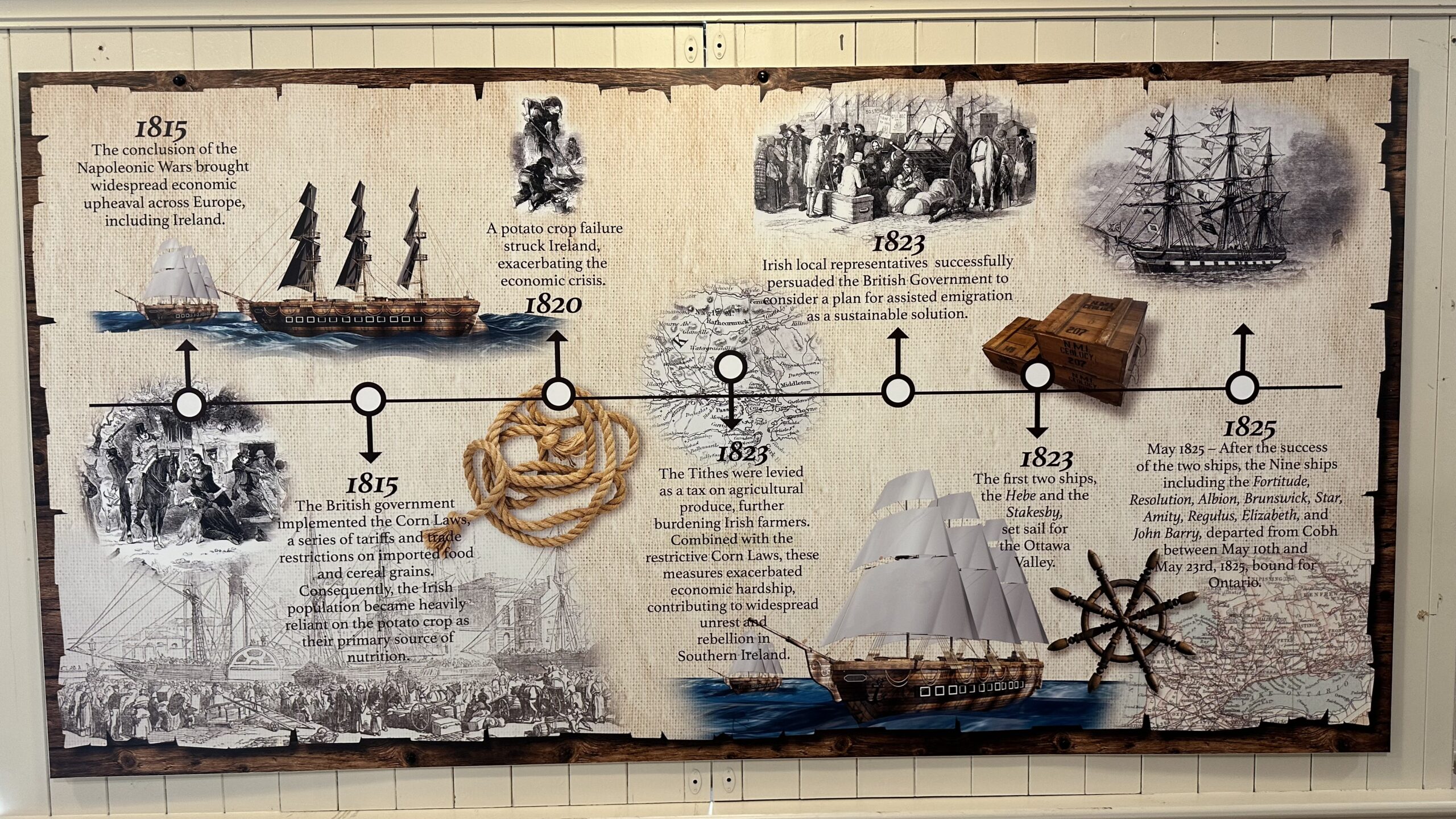
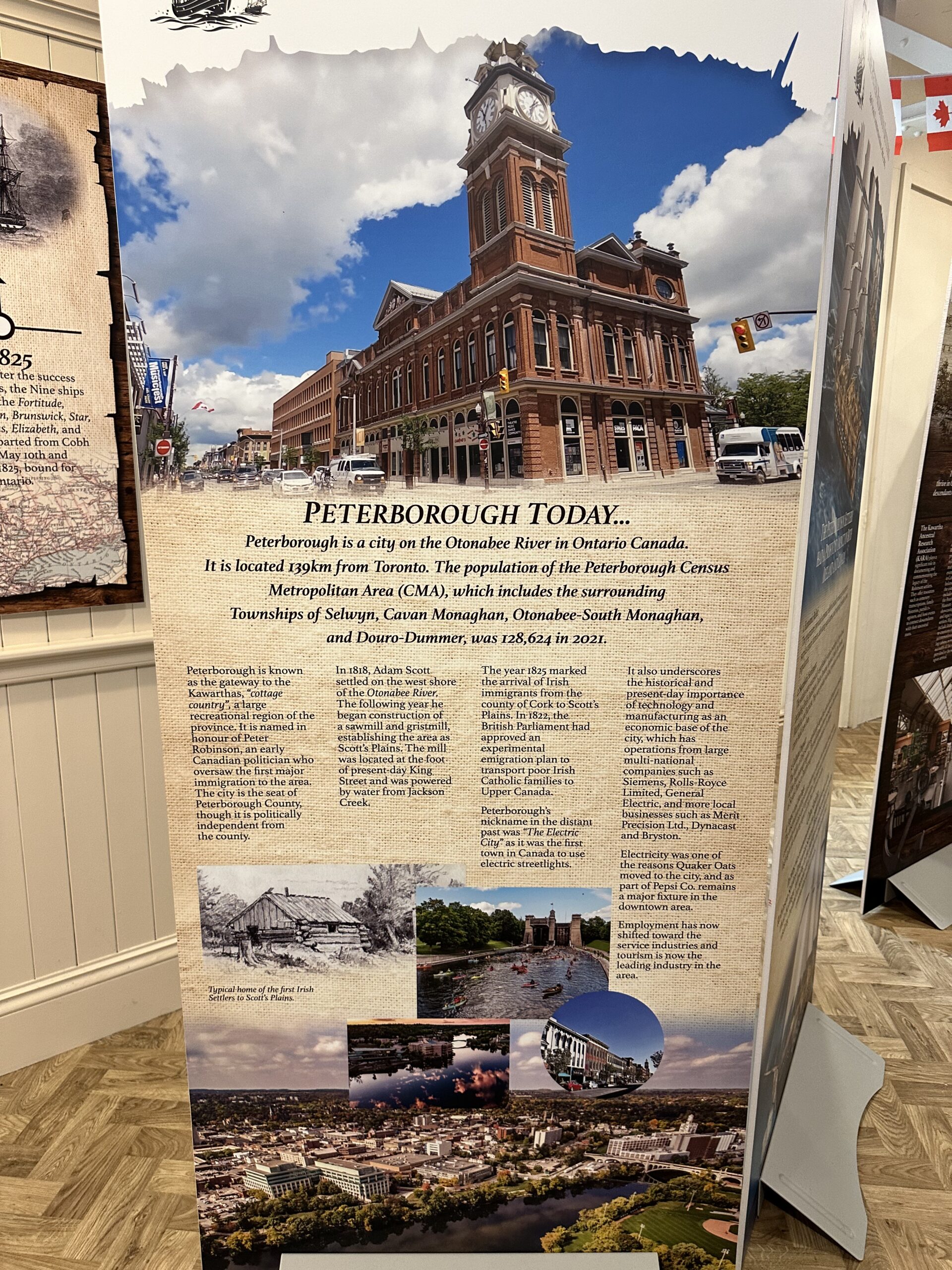
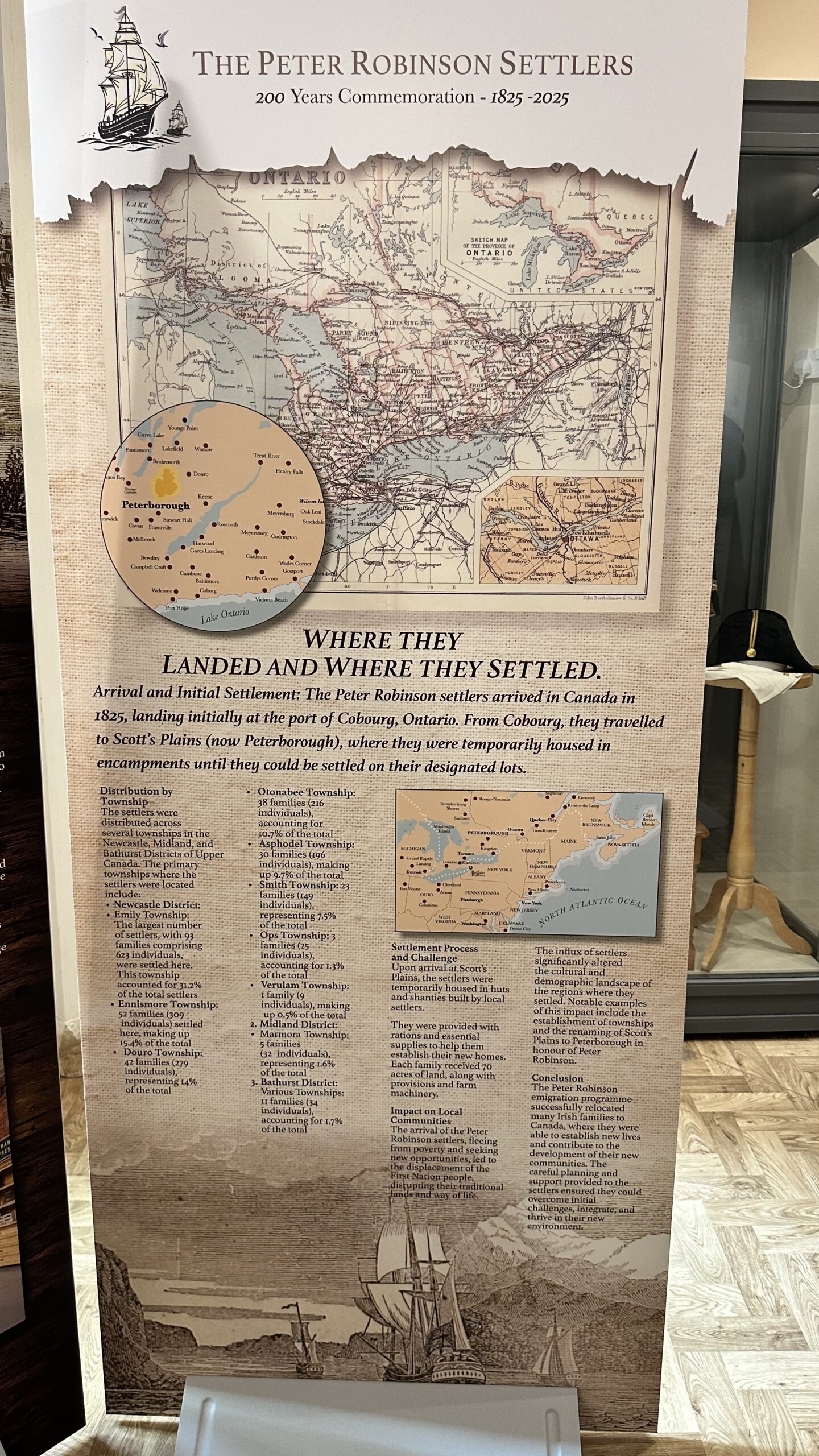
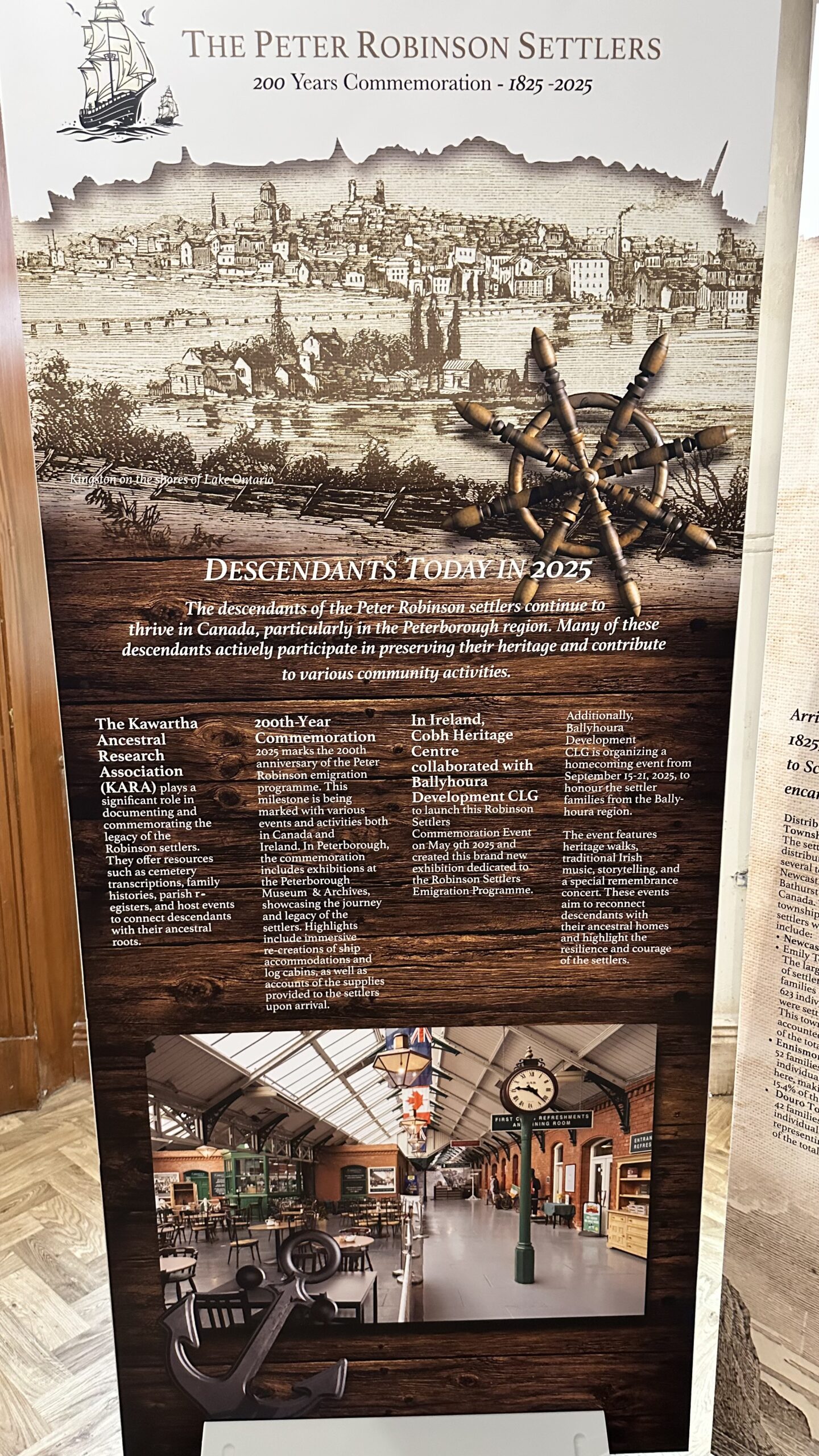
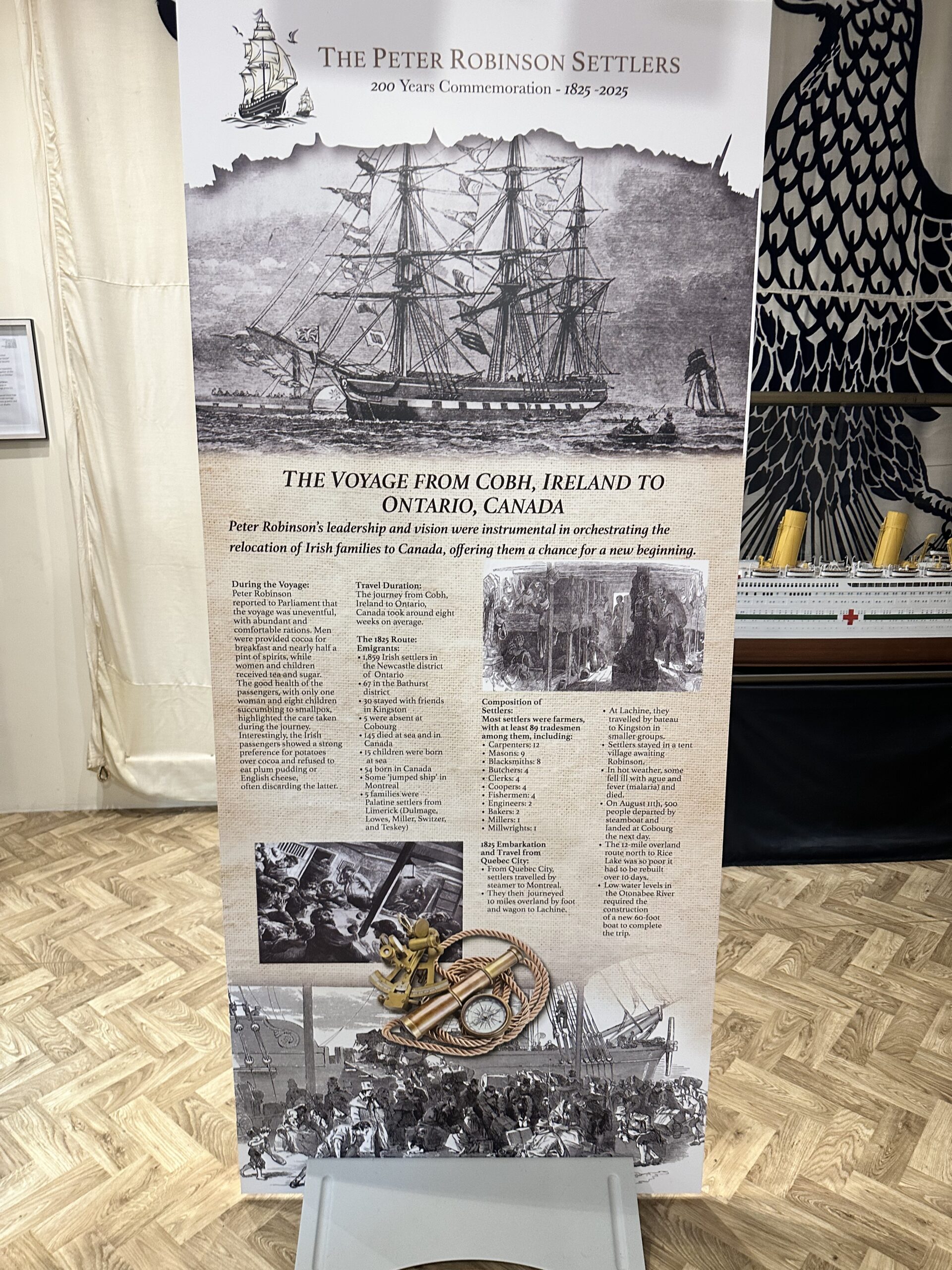
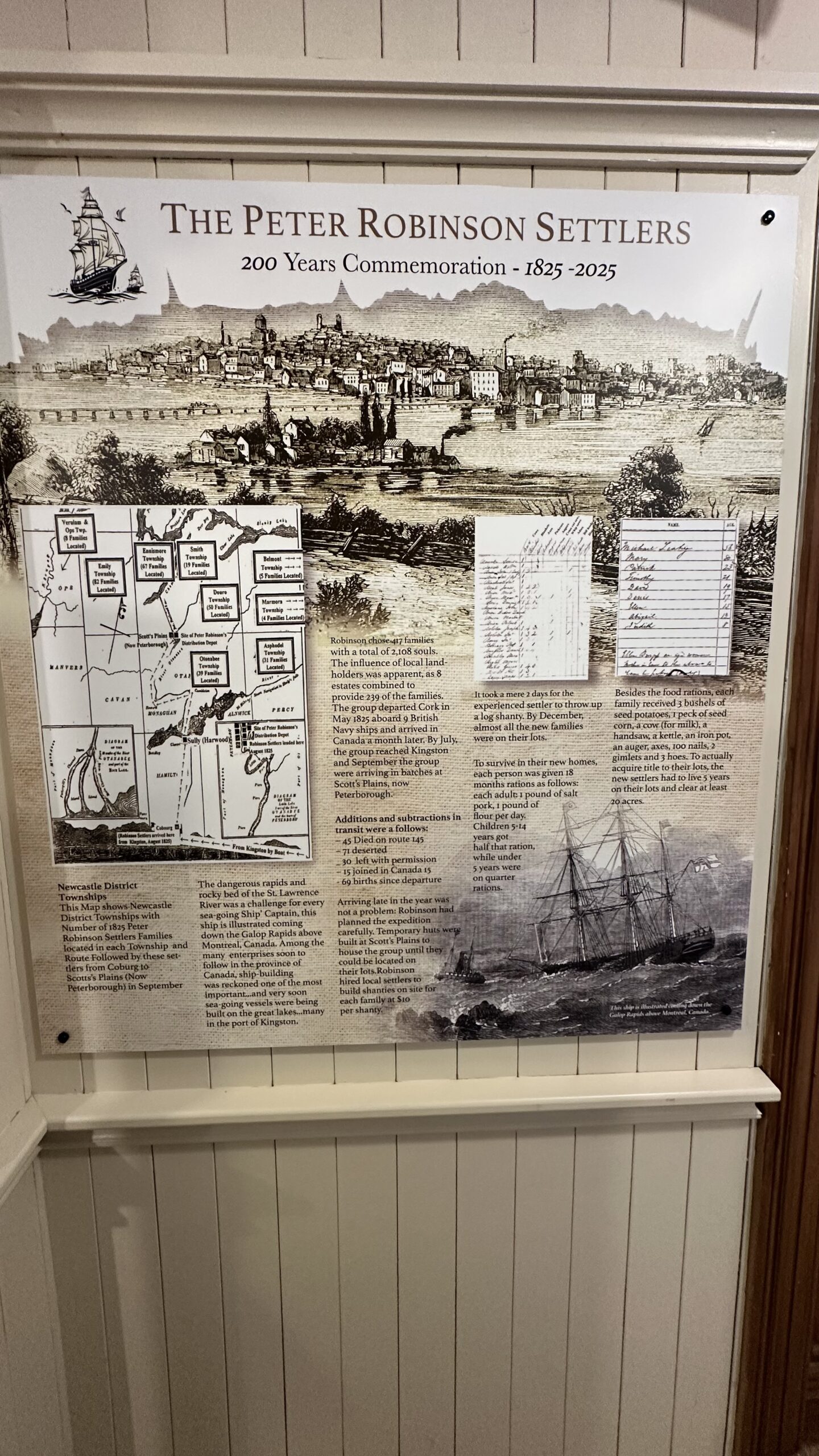
Back in Cobh, a pretty little seaside town, I went to the museum where they currently have a section commemorating the 200th anniversary of the Irish emigration to Canada, led by Peter Robinson to what is now Peterborough, Ontario. Many other Irish families left for Canada and the US from Cobh in the early 1800’s looking for a better life. We didn’t see a lot of Ireland, but what we saw was beautiful!!
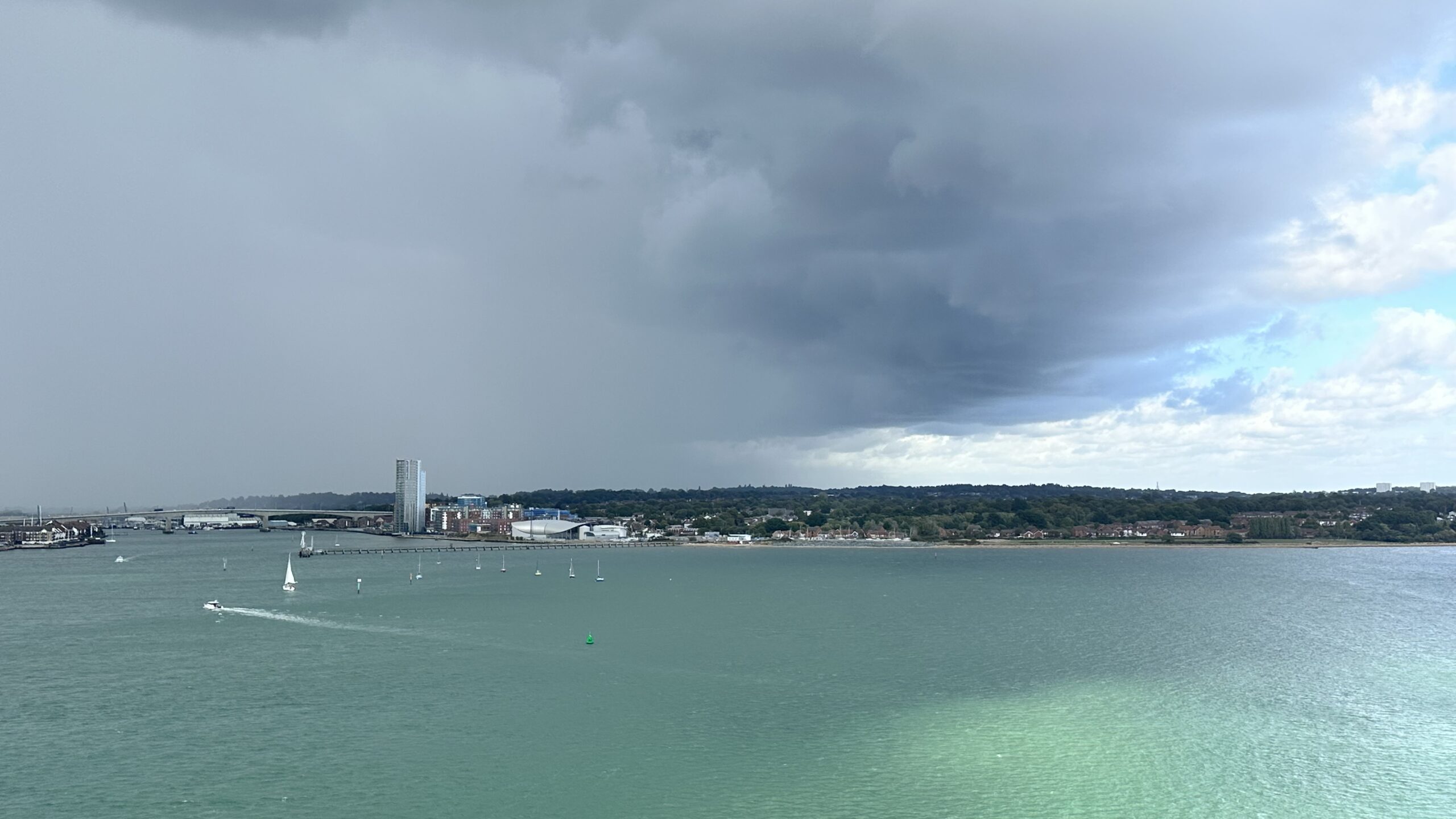
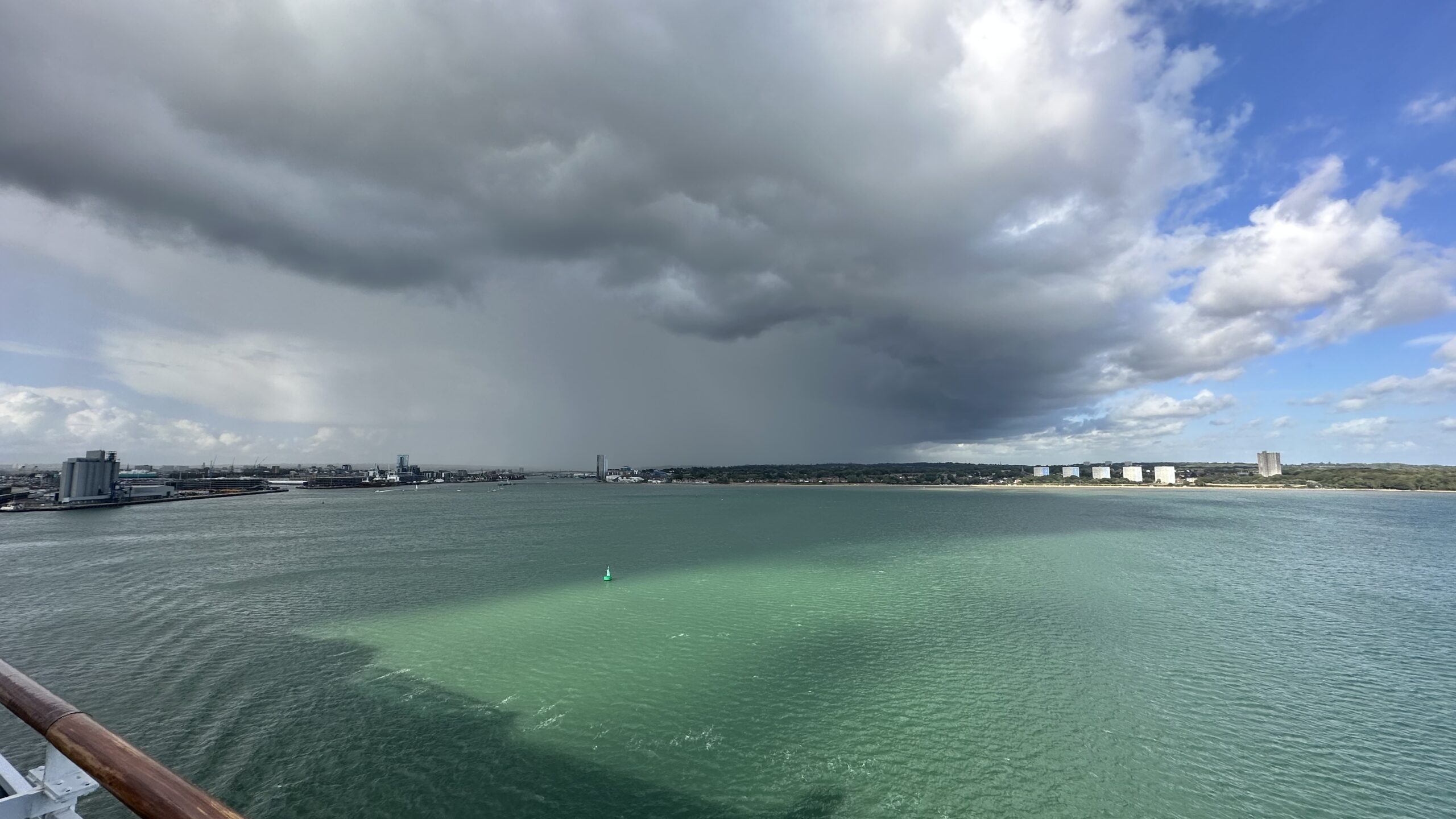
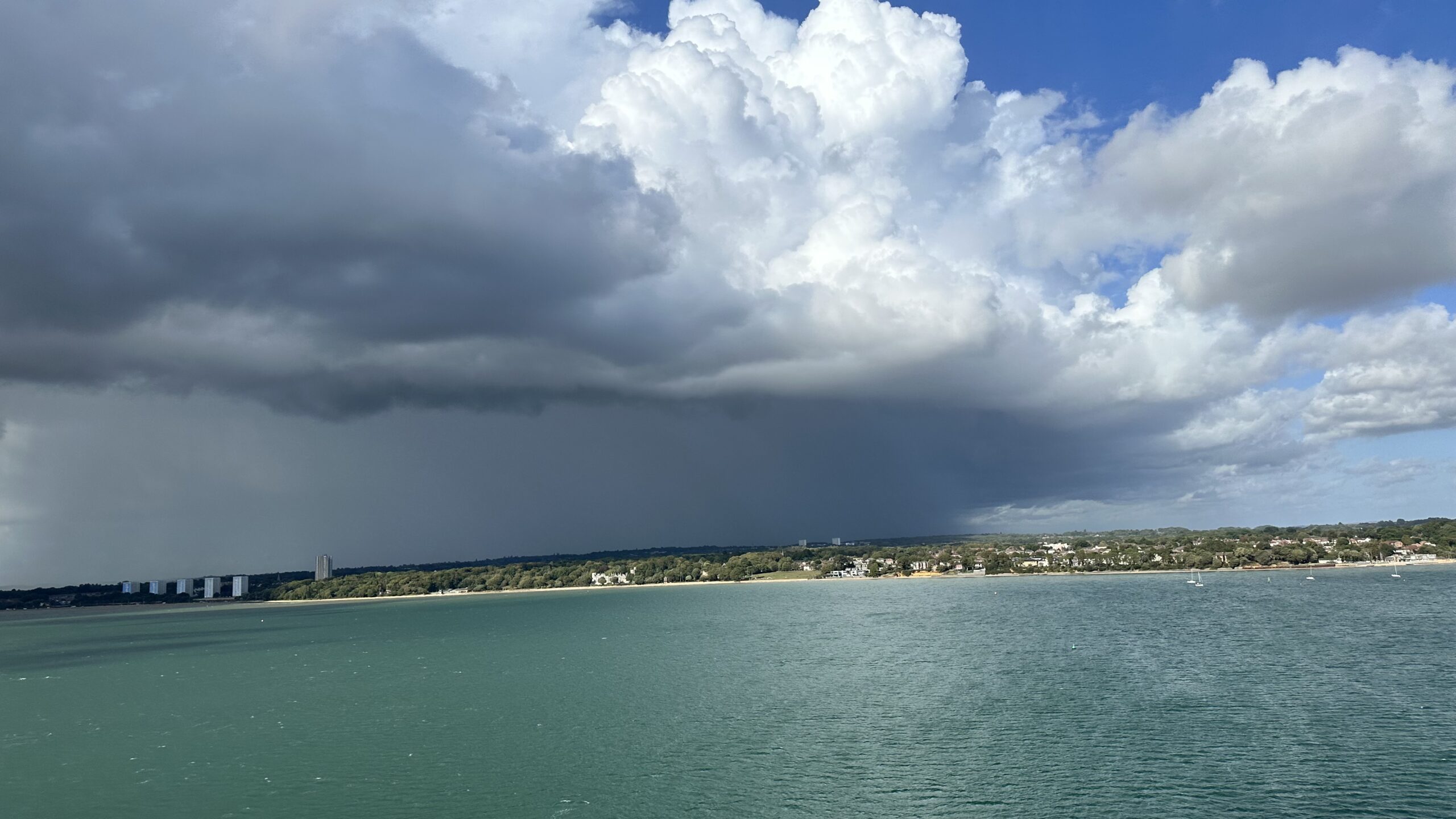
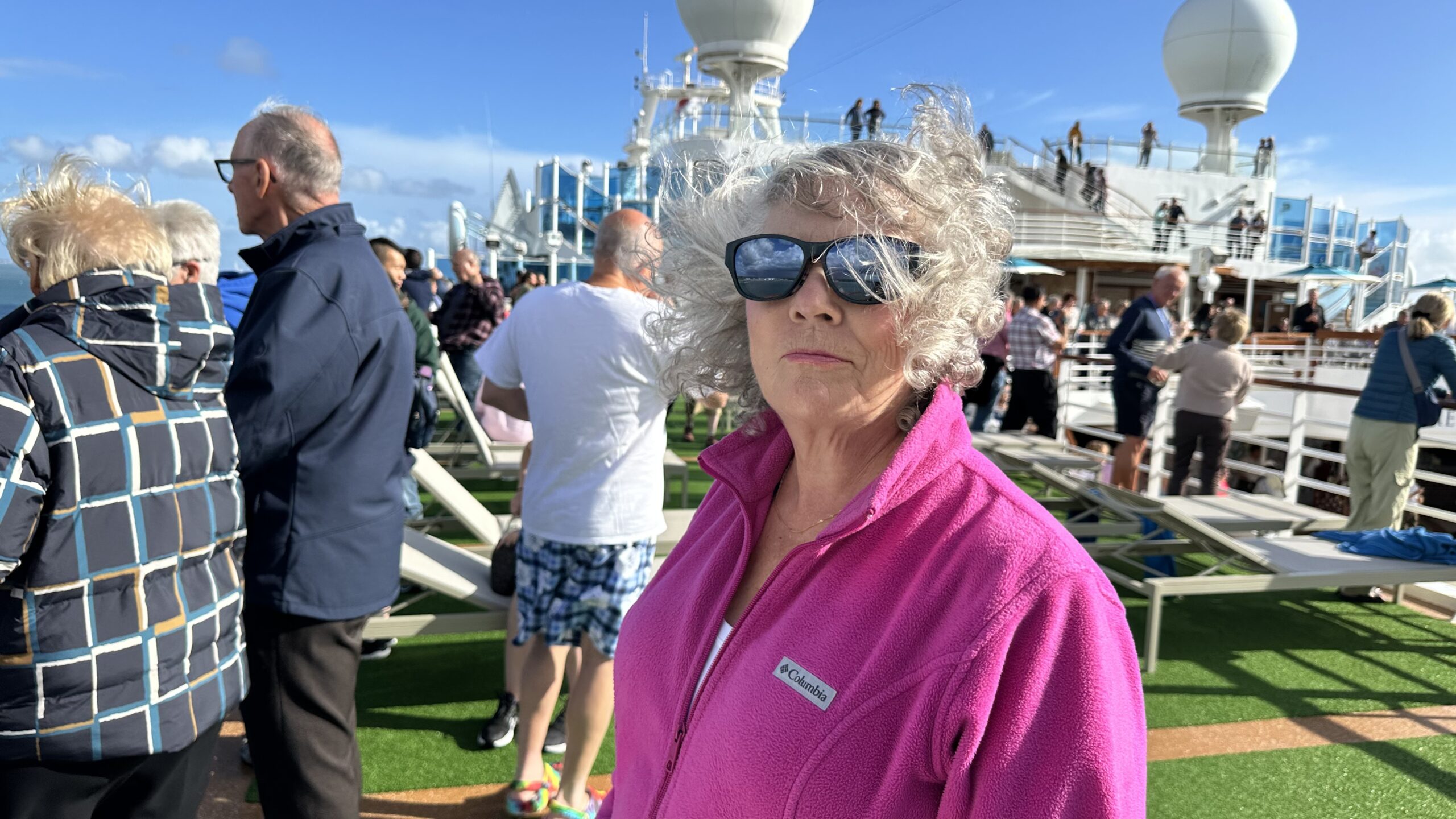
Southampton and On the Ship
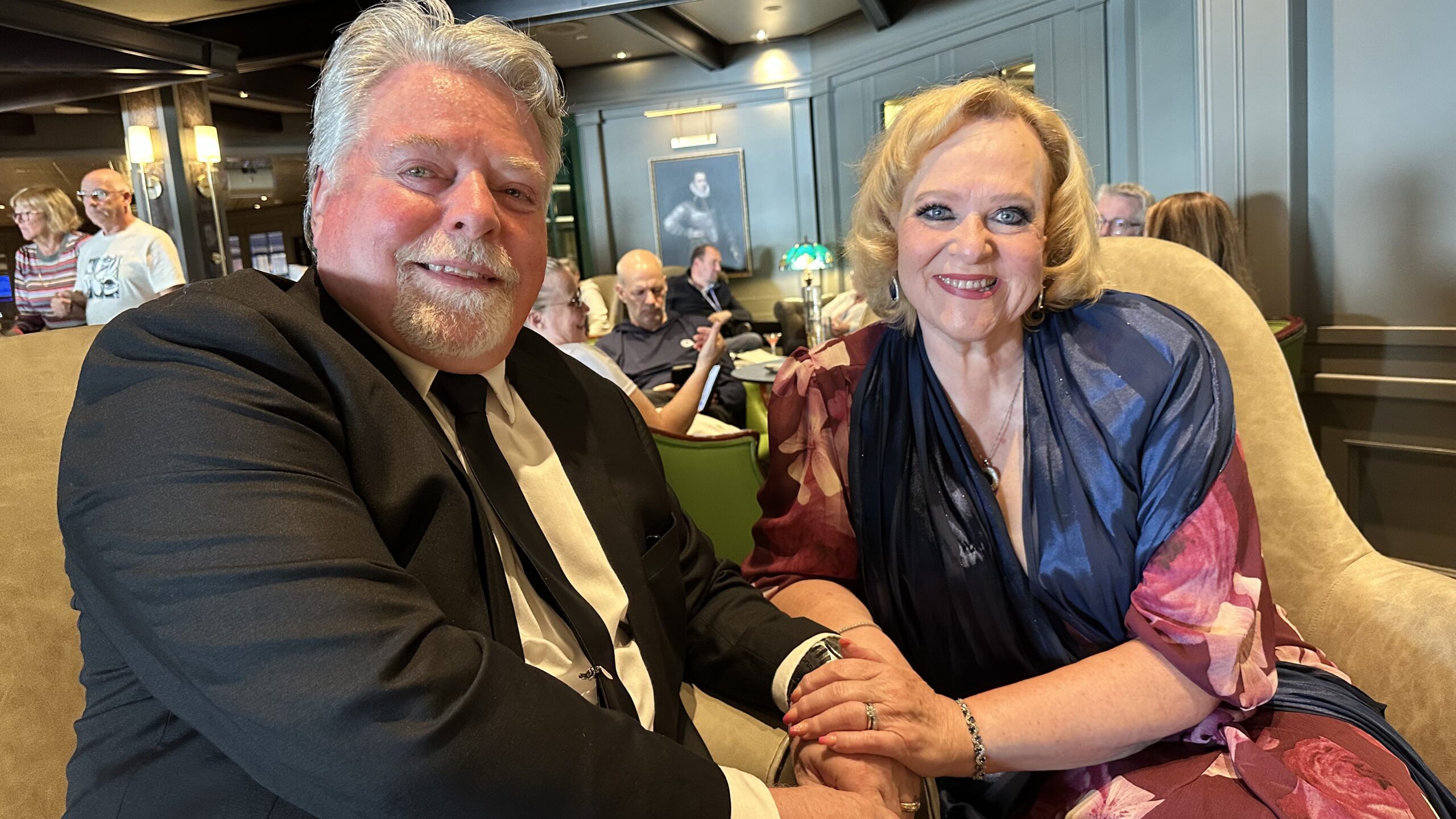
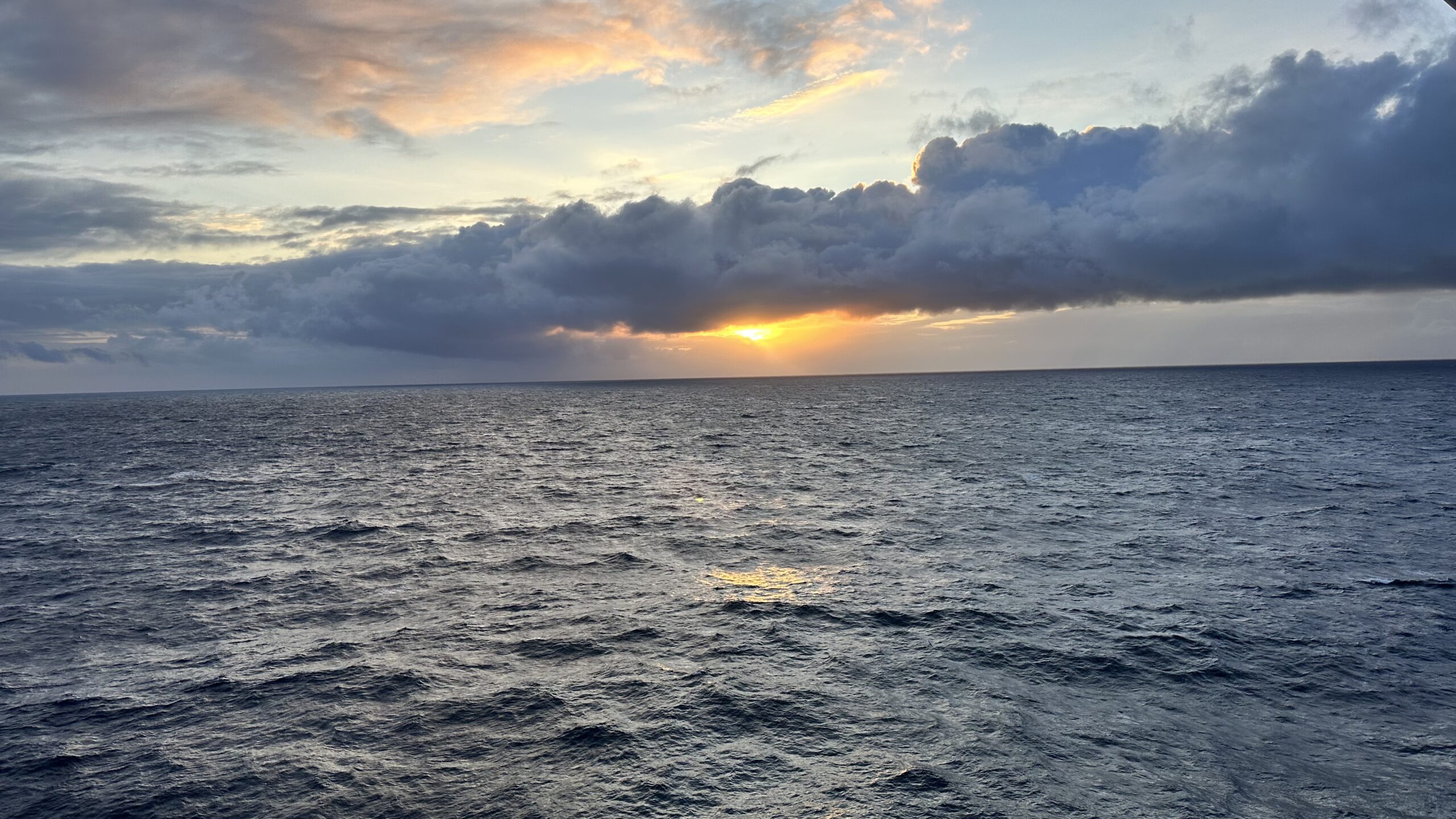
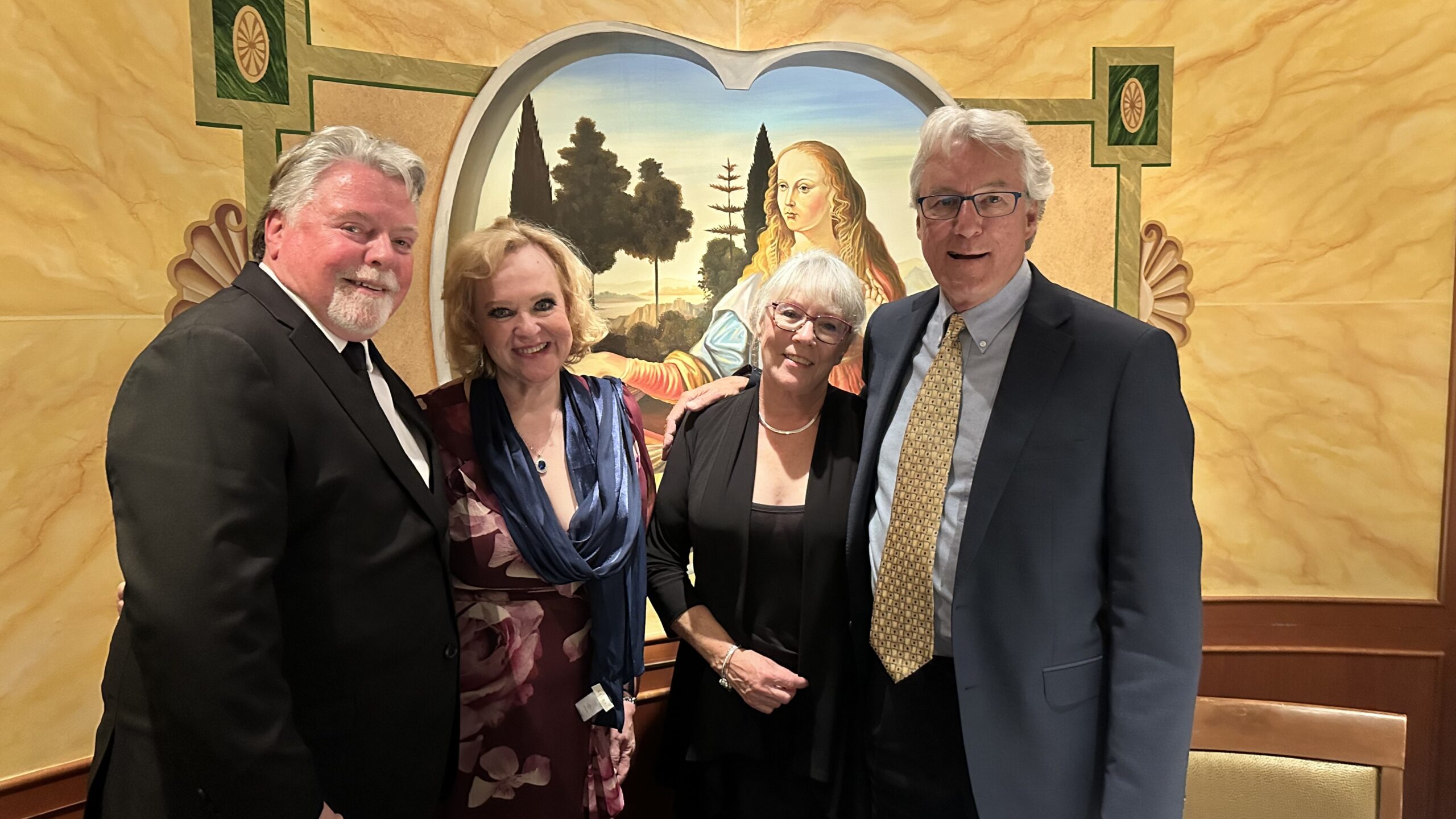
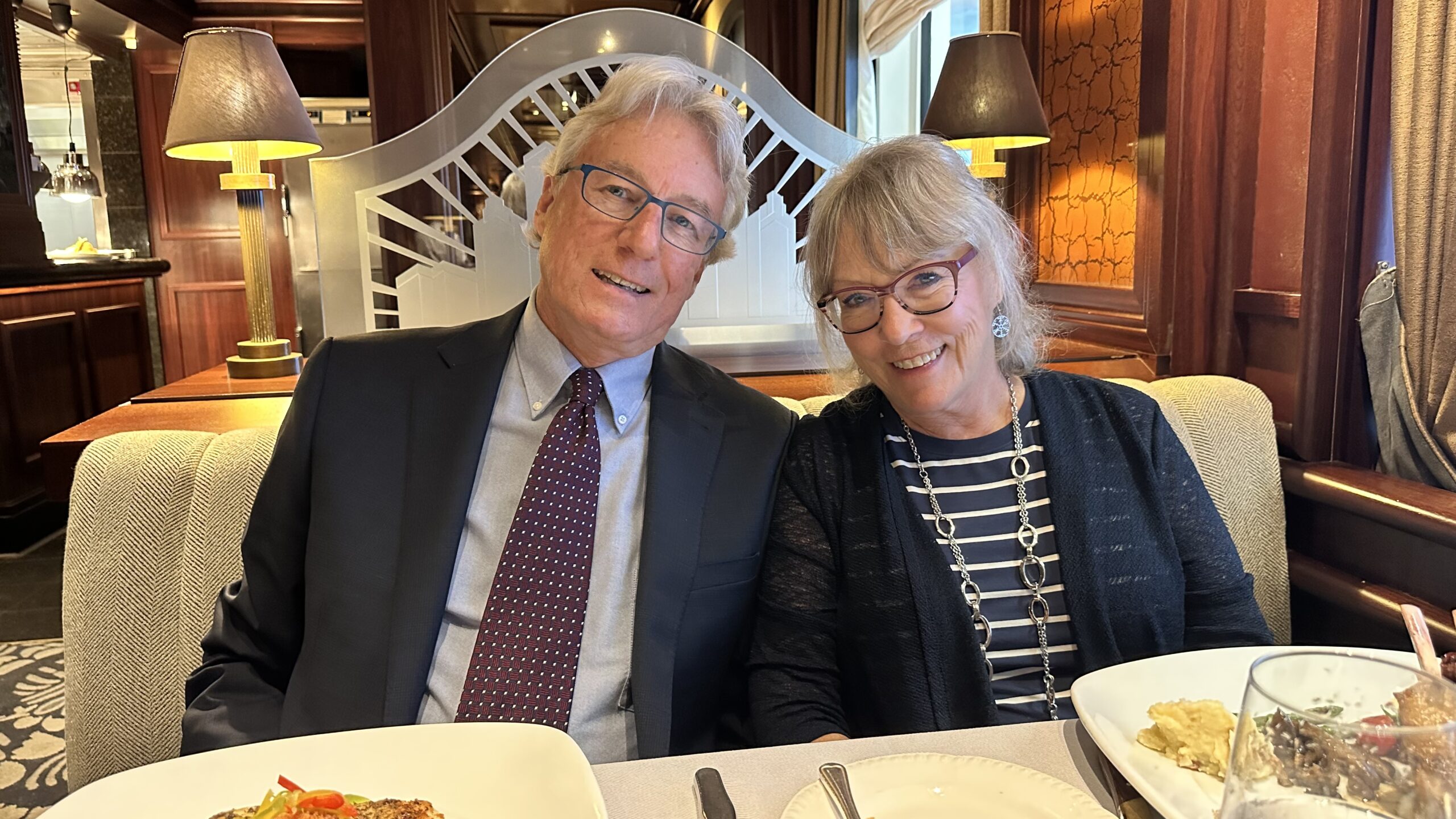
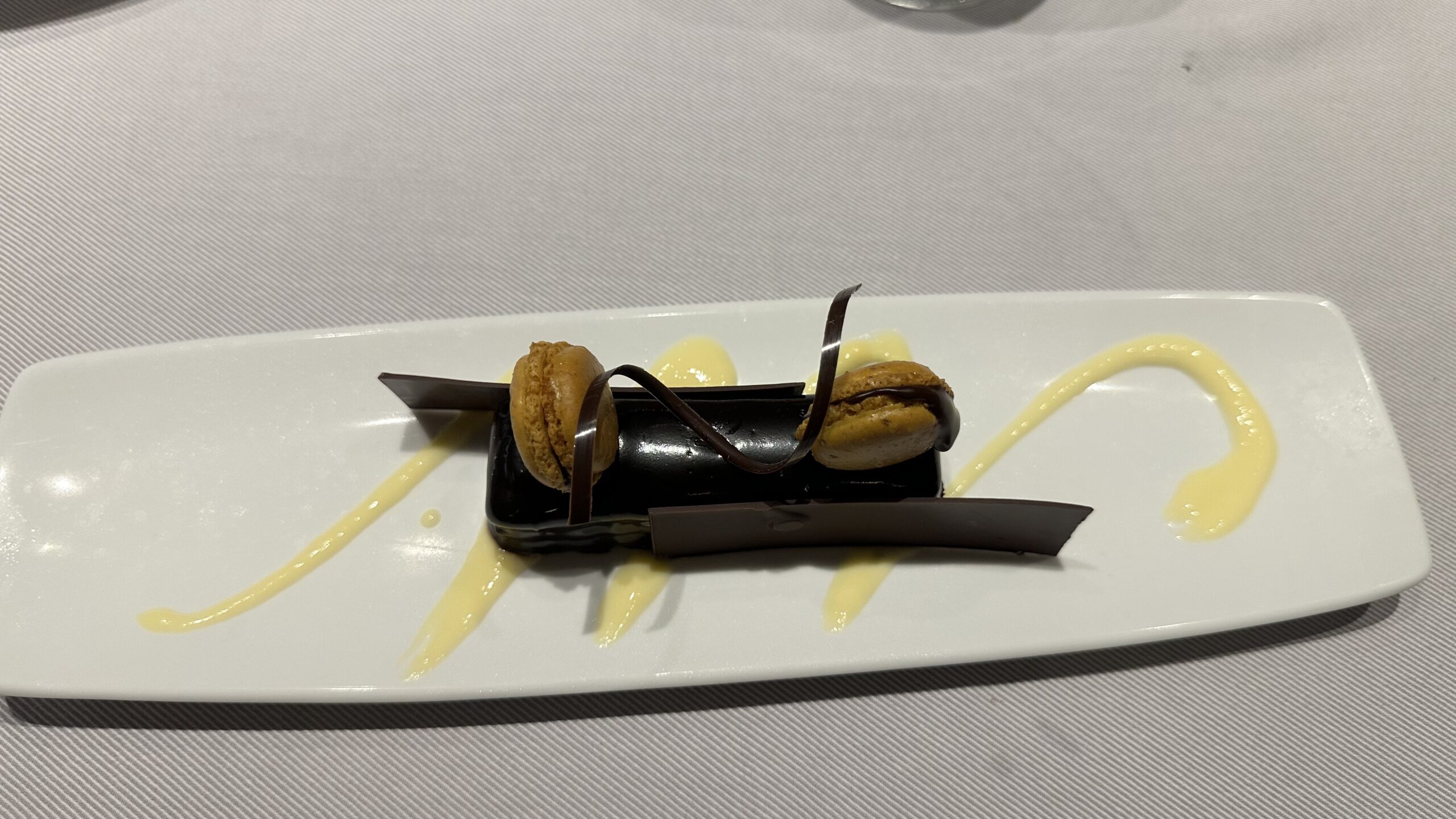
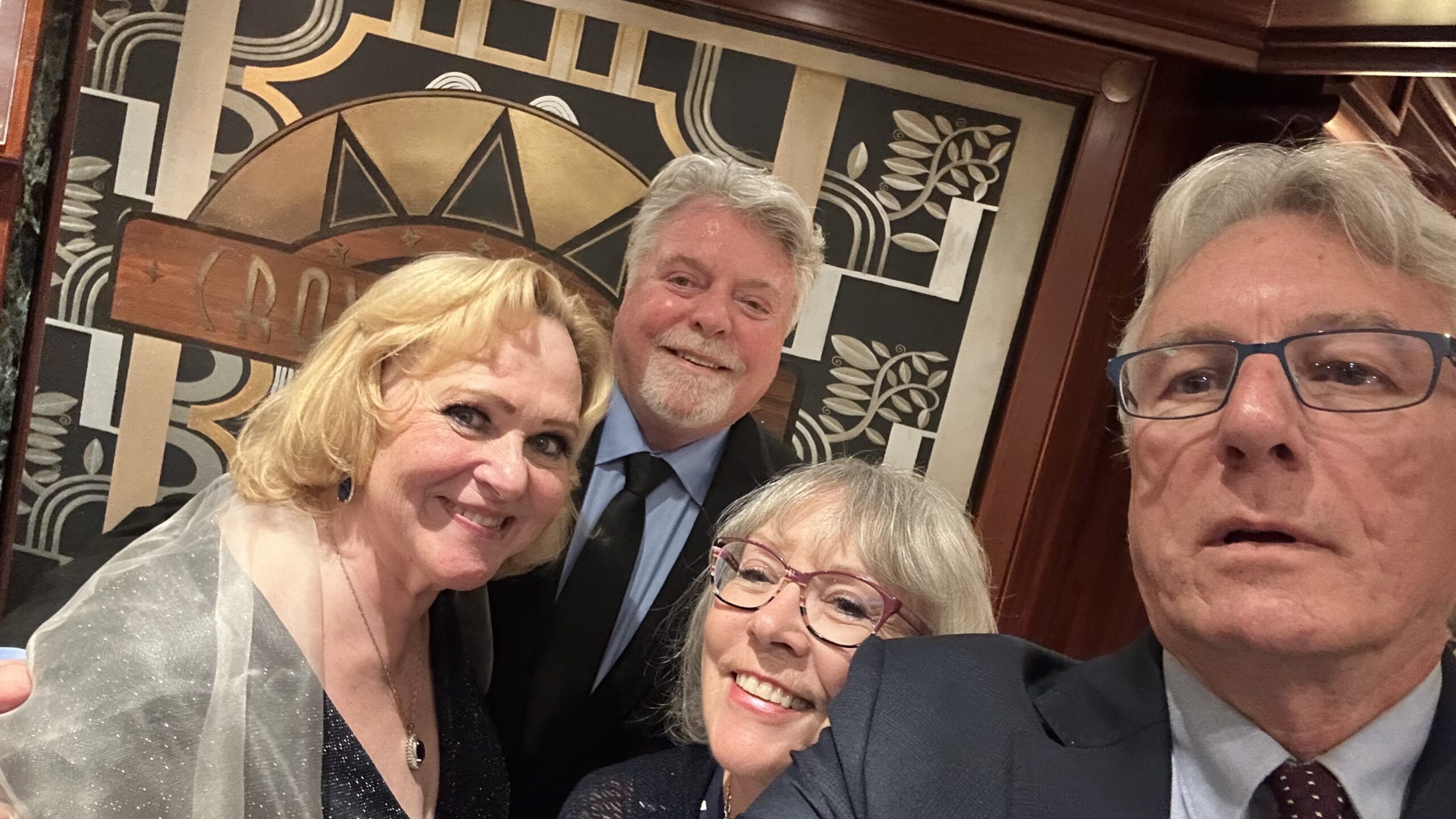
Cork and Cobh
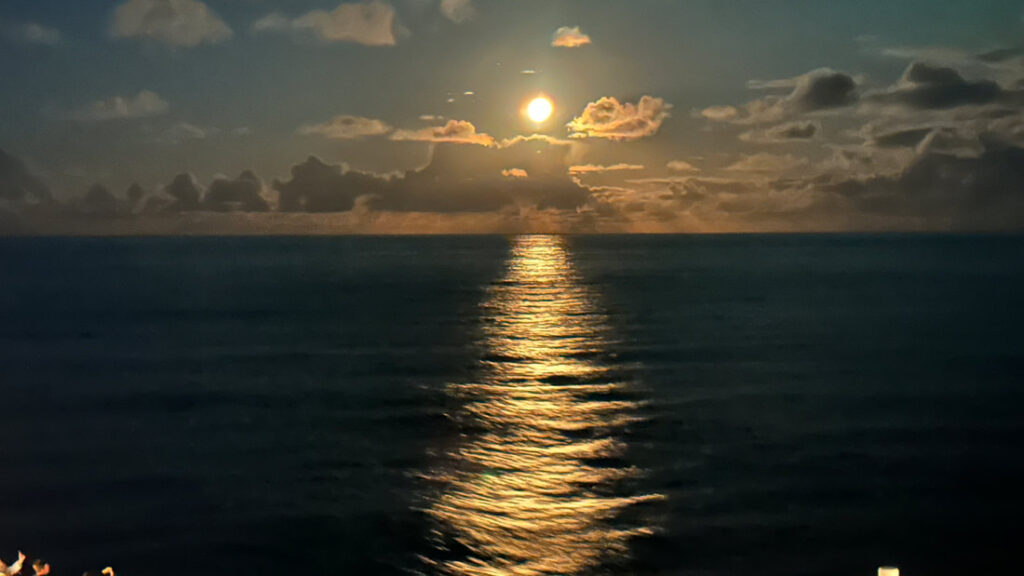
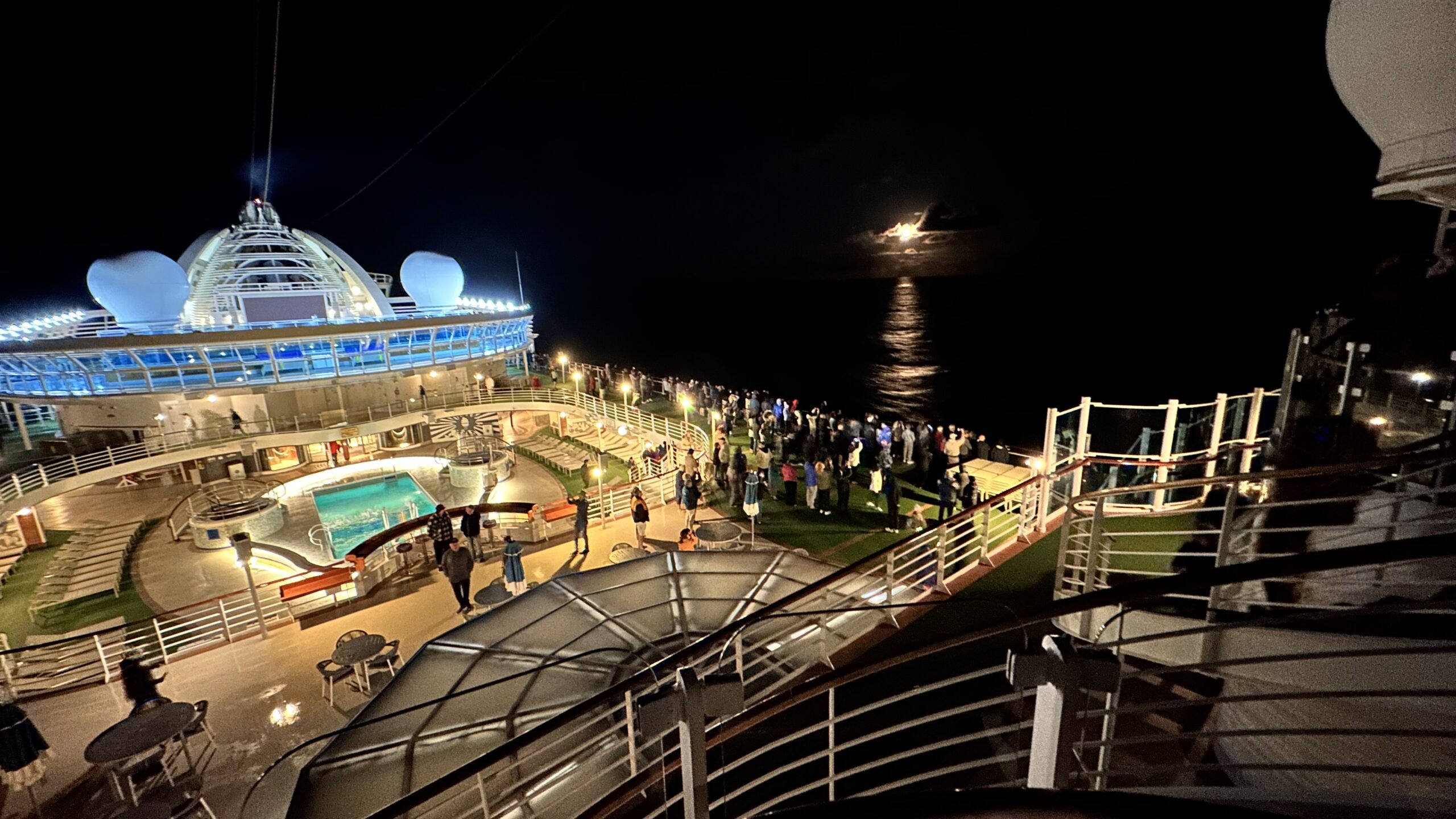
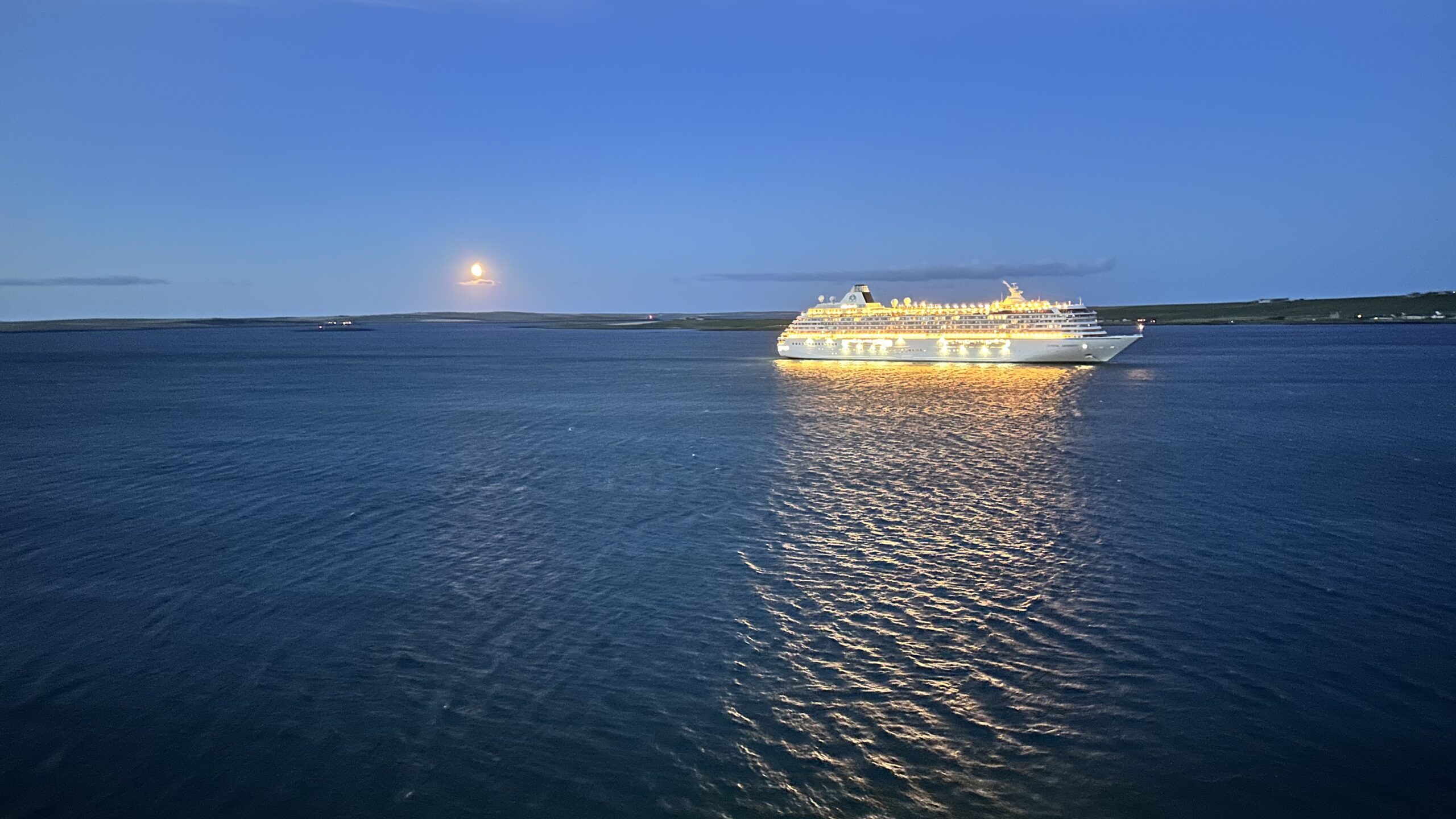
Enroute Iceland, the Captain came on the PA system at 0230 (including in our stateroom) to announce that we could see the Northern Lights if we went out on deck. It turns out that the moon was just as spectacular.
September 6 Reykjavik and the Golden Circle
From the Princess Cruises;
‘Soak up the magnificence of Iceland’s Golden Circle and more during a full-day journey that starts with a scenic drive to Thingvellir National Park. Established in 1930 as a historical, cultural and geological shrine, this breathtaking rift valley features Iceland’s largest natural lake and a rich history tied to the formation of Icelandic Parliament in 930 AD. Continue to Gullfoss Waterfall, whose rushing water tumbles over a natural tiered staircase to plunge down a deep ravine. Explore Strokkur, an explosive geyser whose steamy spouts sometimes blast 60 feet skyward. Savor an Icelandic lunch and shop for souvenirs before visiting Hellisheidi, the world’s second largest power station, which employs geothermal forces from three volcanic systems dating back 11,000 years.’
Please tell everyone you know that Iceland is terrible, cold, expensive and there is nothing to see, so they won’t come here and crowd the place. I am kidding, of course. It is remarkable!!!!! We did the Golden Circle Tour. It starts with a stop at Thingvellir National Park, a dramatic spot in many ways, where a parliament first met over 1100 years ago.Then, to the Strokkur Geyser, which did not disappoint. There is plenty of similar activity everywhere you look.
Next, to the waterfall Gullfoss (golden falls), which may be the most beautiful waterfalls in Iceland. Lastly, the Heillisheida Power Plant, one of the largest geothermal power plants in the world. It supplies the Reykjavik area with both hot water (99.9% of homes) and electricity. Today, 90% of heating and 30% of electricity in Iceland comes from similar geothermal plants. The remaining electricity is mostly hydro-electric and a small amount from wind turbines, making Iceland almost 100% renewable for power generation.
From Princess Cruises;
‘During this breathtaking half day tour, explore beautiful sections of the Snaefellsnes Peninsula starting with Djupalonssandur, a former fishing village featuring black-pebbled beach and four legendary lifting stones once used to test fishermen’s strength. Feel the silky-softness of the beach’s time-smoothed black pebbles. In the ancient fishing village of Hellnar, snap photos of stunning rock formations including Valasn, a magnificent protruding cliff and visit the Snaefellsnes National Park’s visitor center. In Arnarstapi, an enchanting hamlet featured in several Icelandic legends, explore the the area’s splendid cliffs to view endless seabirds including for kittiwakes, fulmars and artic terns. Marvel at spectacular volcanic rocks including three blowholes. Take in the majestic Snaefellsjokull, a glacier covered stratavolcano made famous by the novel Journey to the Center of the Earth.’
The next stop was a stop at Grundarfjodor on the Snaefellsness Peninsula. Since we are now fluent in Icelandic, we know what all that means. We took a tour with a stop at Arnarstapi. It translates to – ‘the place with the stiff, icy cold wind and pay bathrooms’. The scenery is incredible, with something new every way you turn. We also stopped at Djupalonandur, which means the place with the black sand beach and not a tree in sight, but lots of moss covered lava.
From Princess Cruises;
‘Explore Norther Iceland’s landscapes on this excursion. Travel to Godafoss waterfall where Thorgeir Thorkelsson and the Icelandic parliament decreed that the island would convert to Christianity. Next, a stop for a refreshment break at a local restaurant, After, you’ll travel to Namaskard to witness boiling mud pools with dense vapors at one of the most active volcanic areas on Iceland. At Dimmubogir, see weirdly shaped lava formations that were left exposed as this former lava lake cooled and receded. ‘
The last day in Iceland. We visited Akureyi, a cool and sweet (check out the stop light) town of about 18,000 residents, in the north of Iceland. It’s the second largest in Iceland, behind Reykjavic. We crossed the Arctic Circle to get there and officially became Bluenosers, with the certificate to prove it.
We spent a day touring the beautiful, rugged landscape, with stops at Godafoss Falls, Lake Myvatn, the lava labyrinth and hot springs. We stopped at the restaurant for lunch and although we didn’t pay, the menu shows that a set menu of 3 courses is 12000 ISK or $136 CAD. A bowl of soup alone is $36.
Iceland is also the land of Bob’s ancestors. Most were born, lived and died in the northeast section of Iceland near Vopnafjörður, some 150 km east. However, a few were born and lived not far from Akureryi. Our tour bus driver was very helpful in pointing out some of the areas where Bob’s ancestors may have lived.
Kirkwall - Orkney Islands
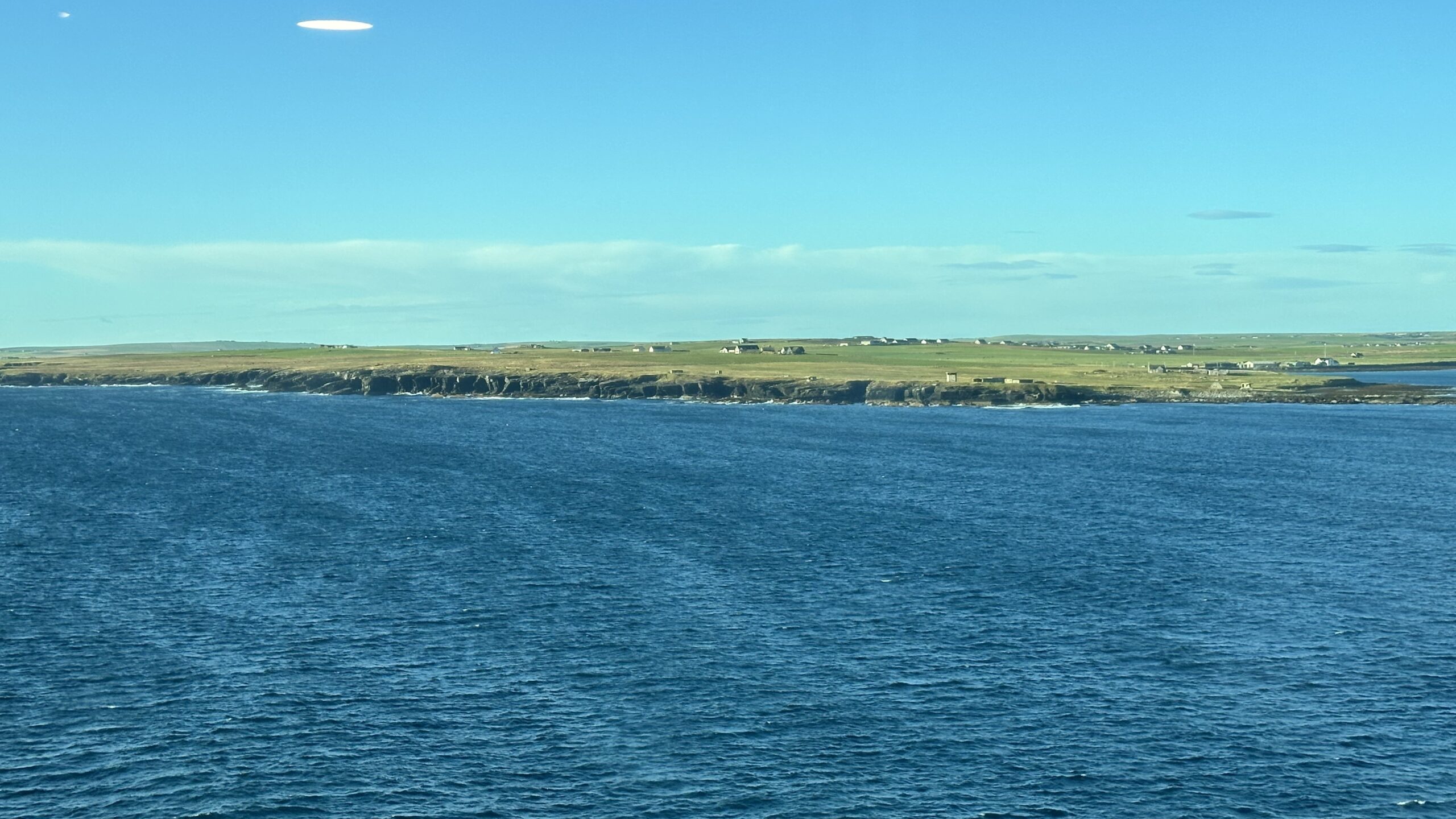
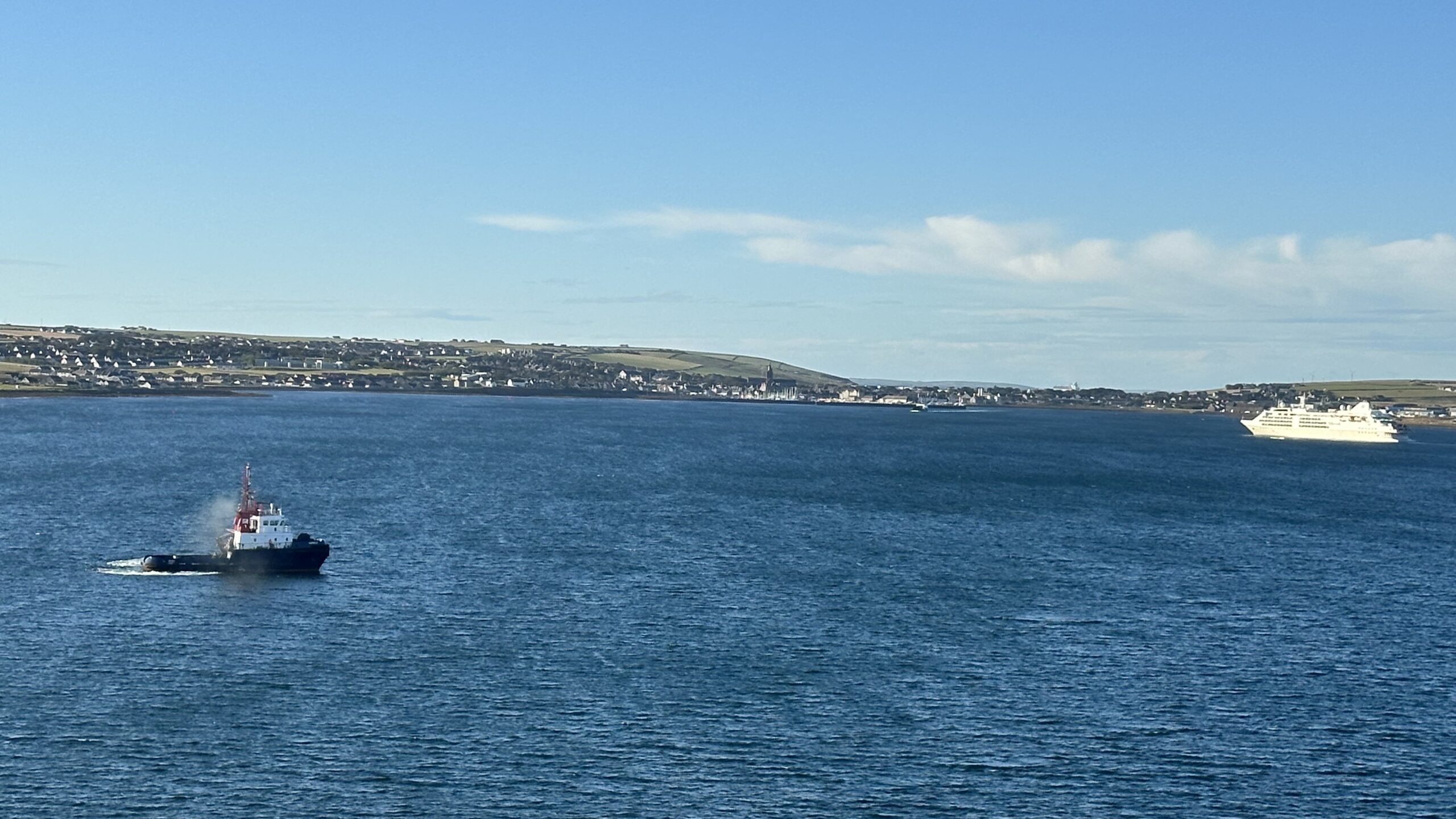
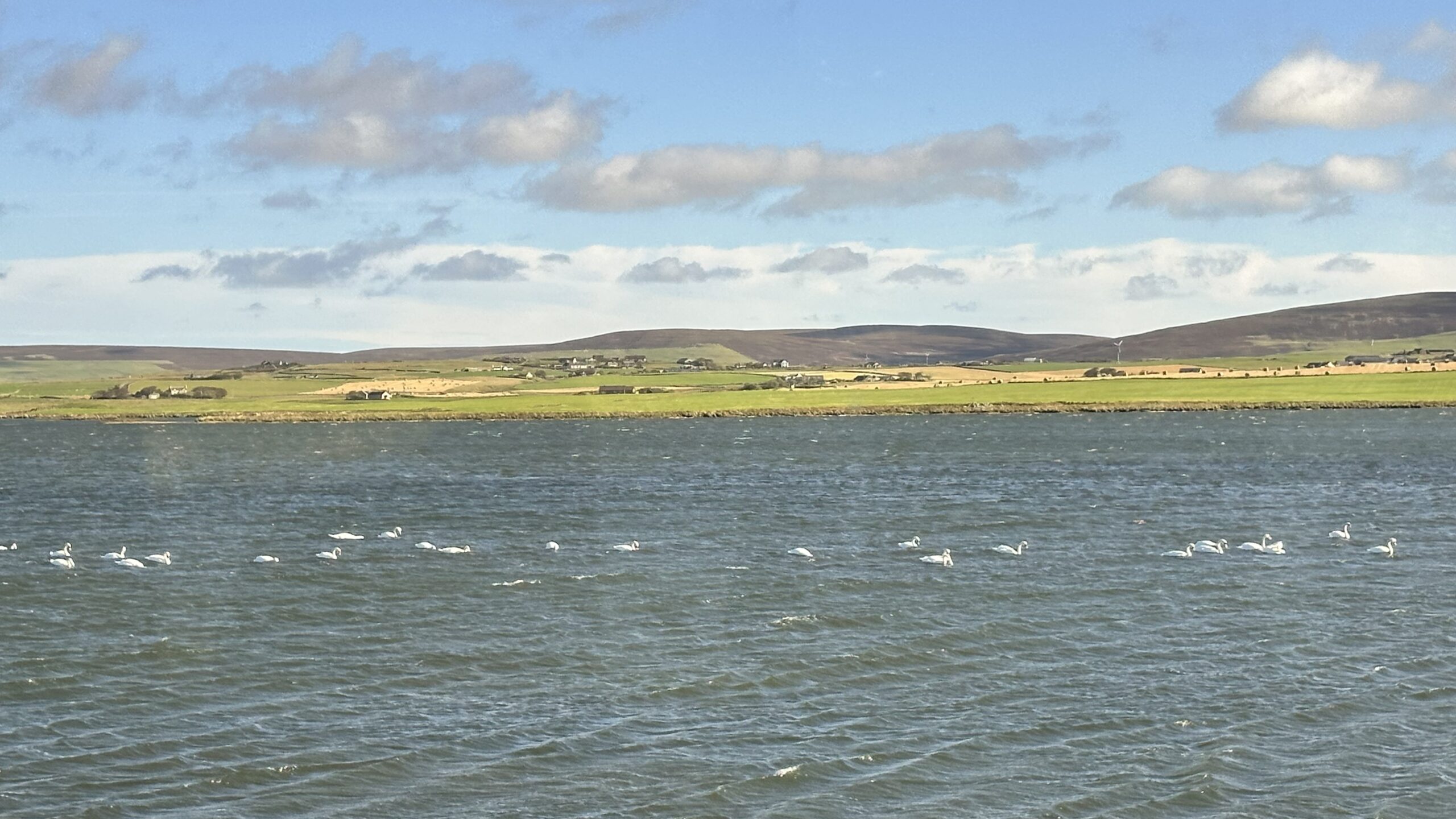
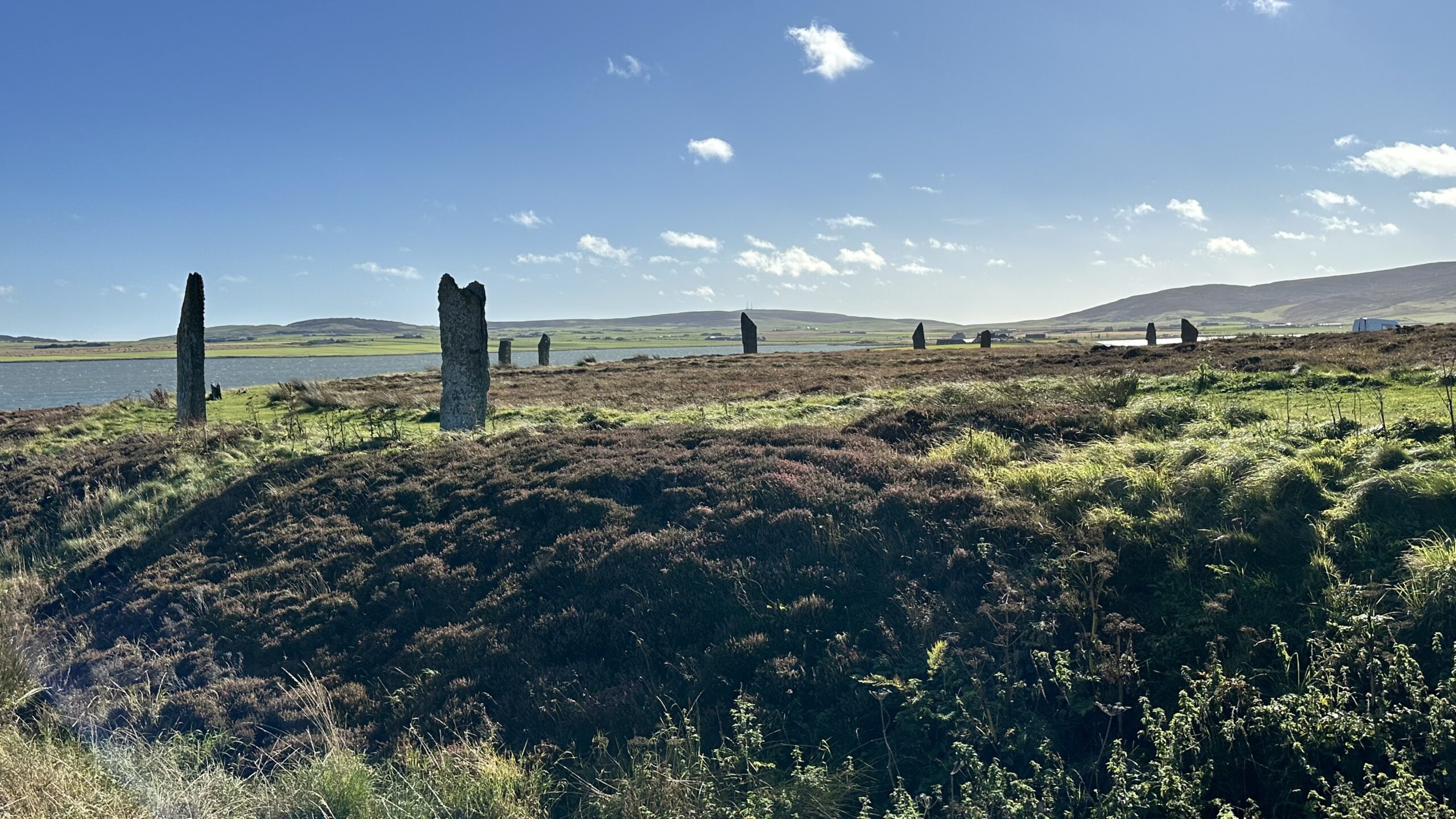
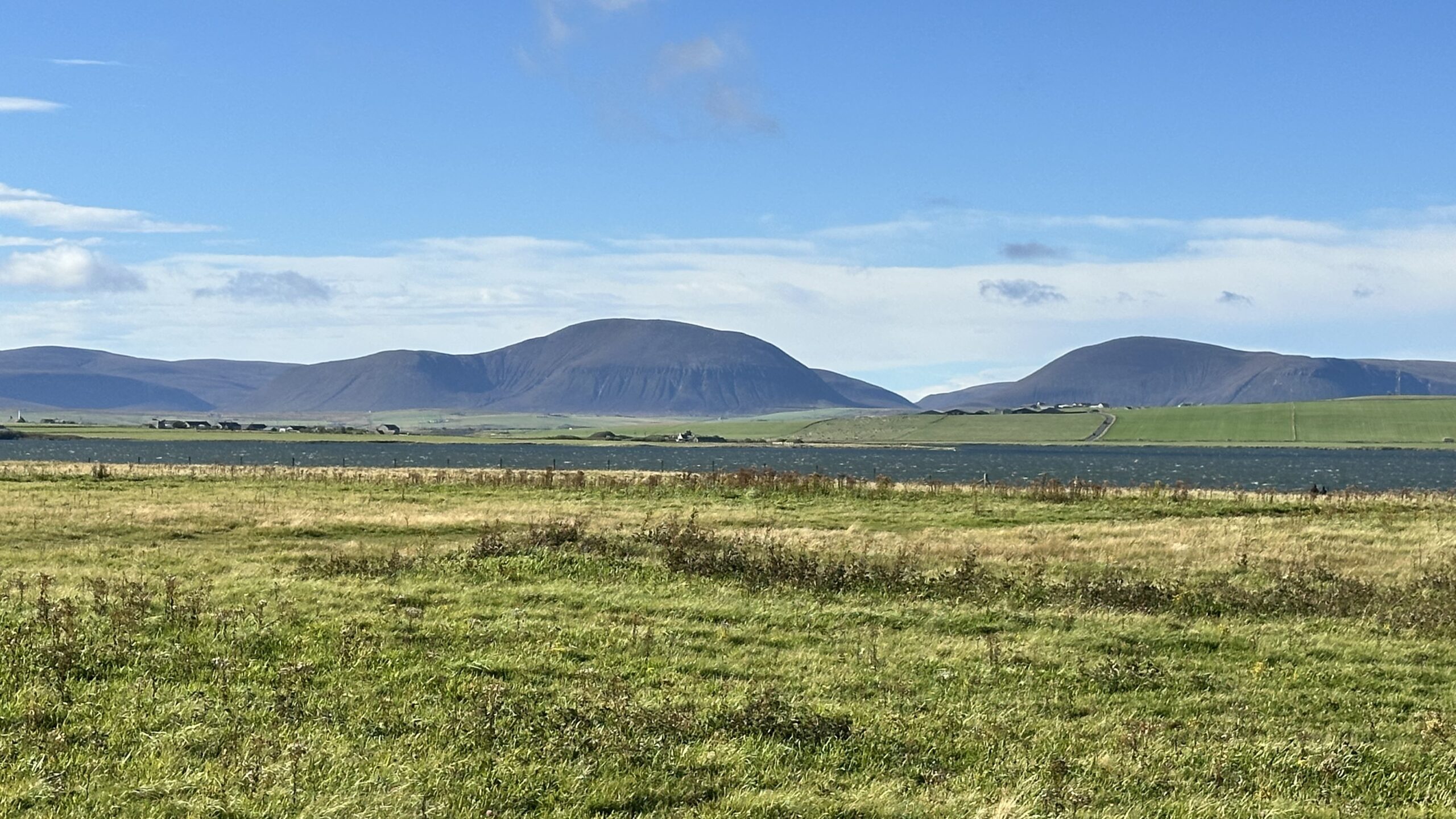
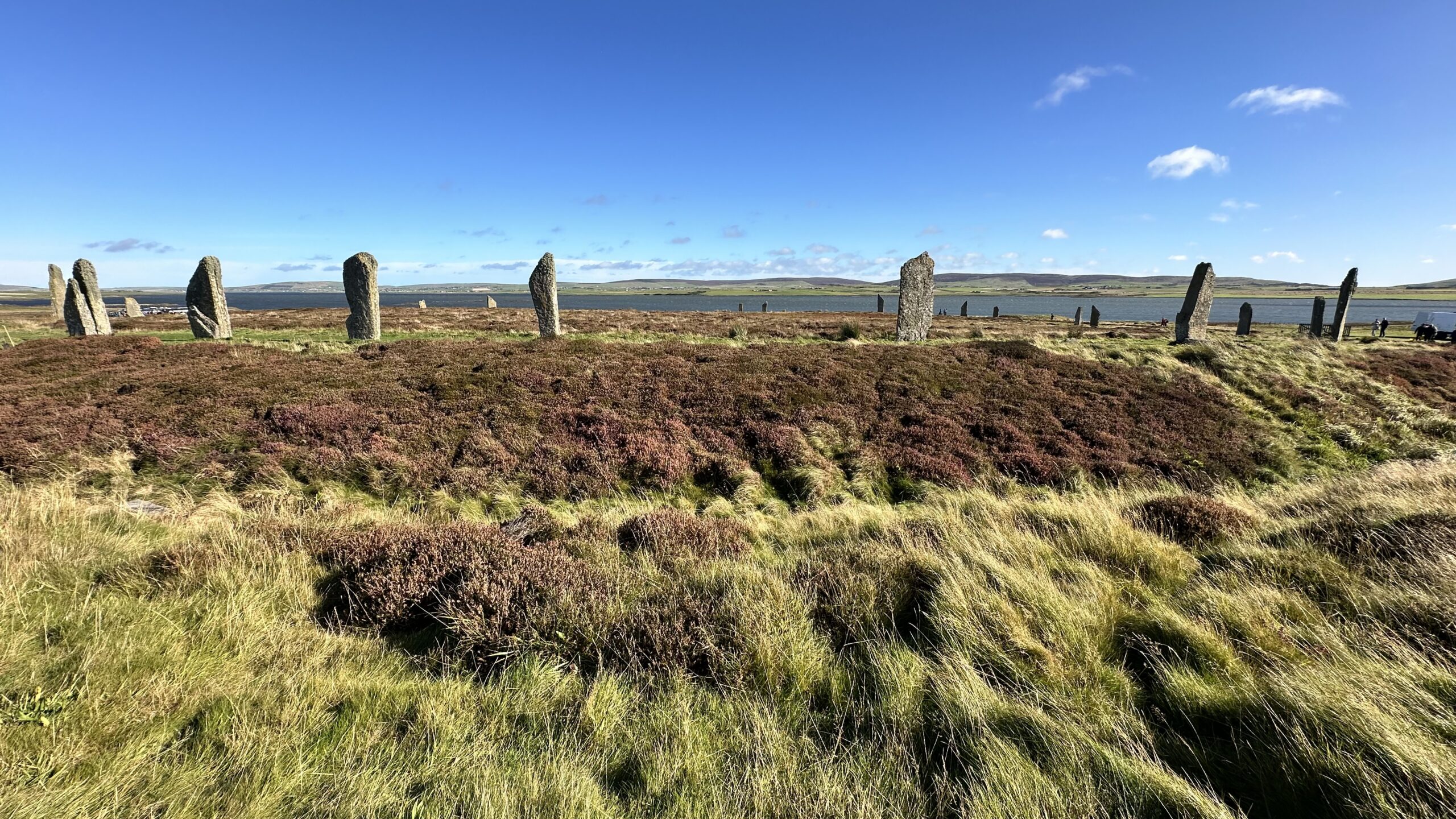
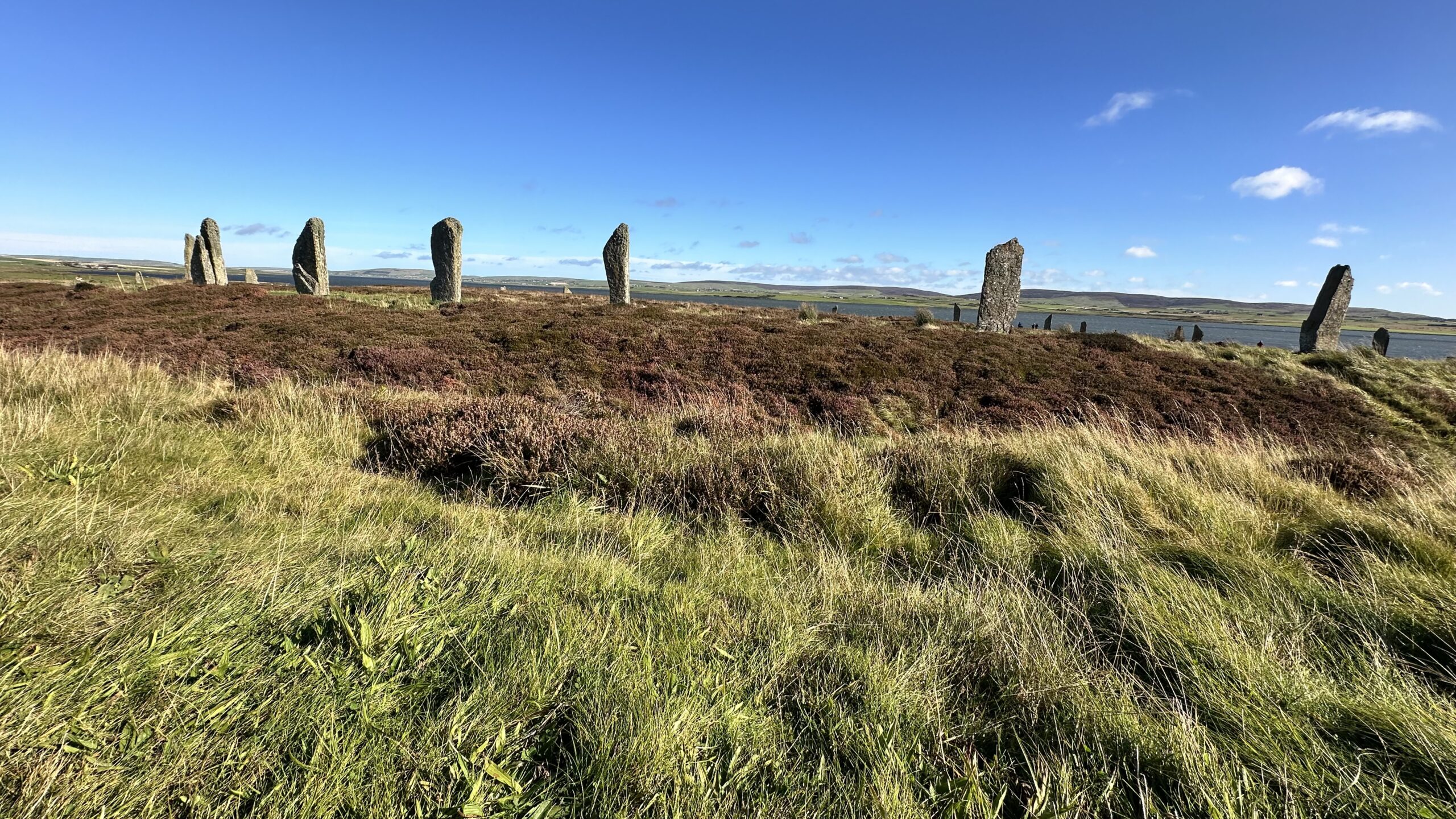
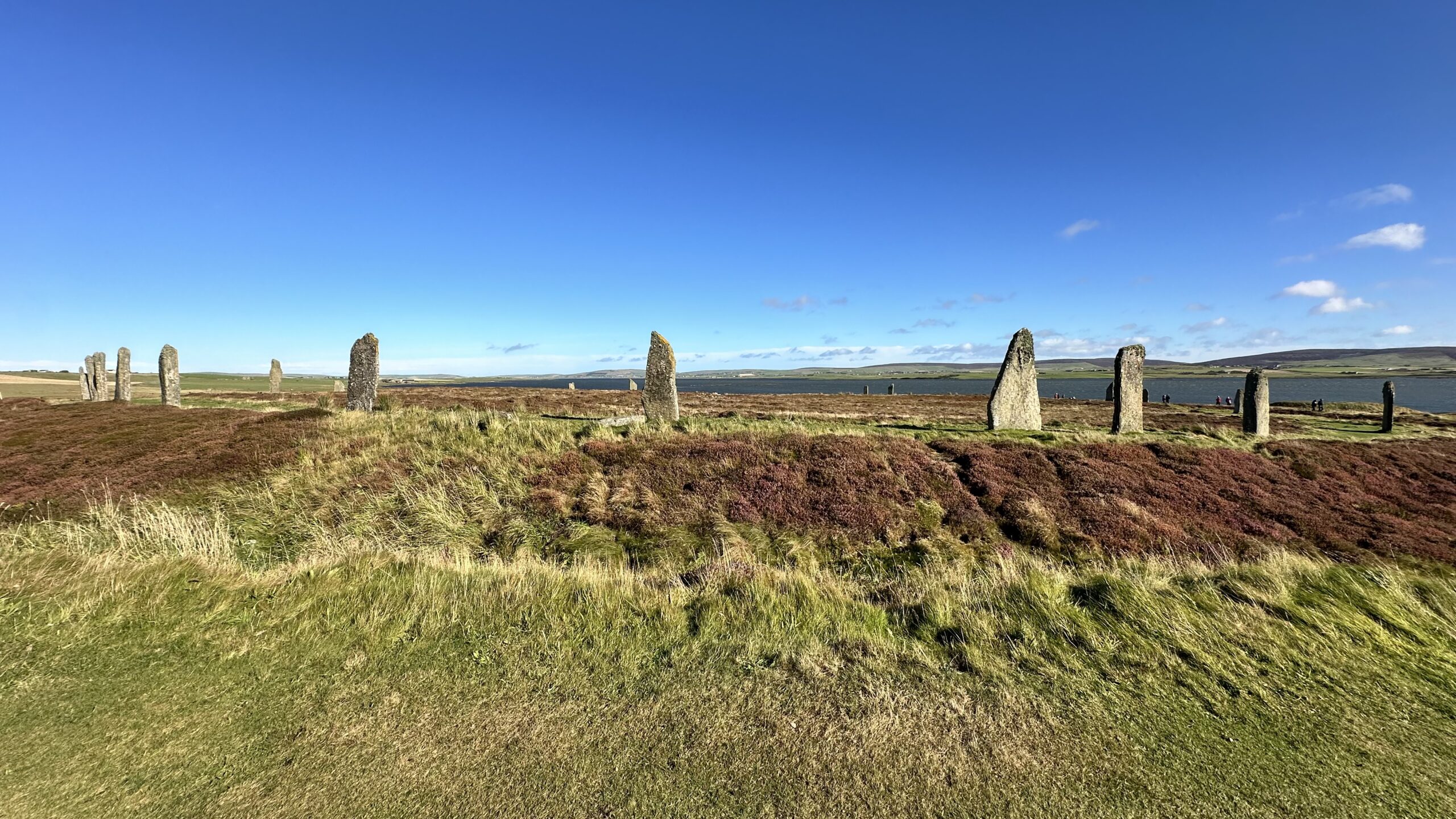
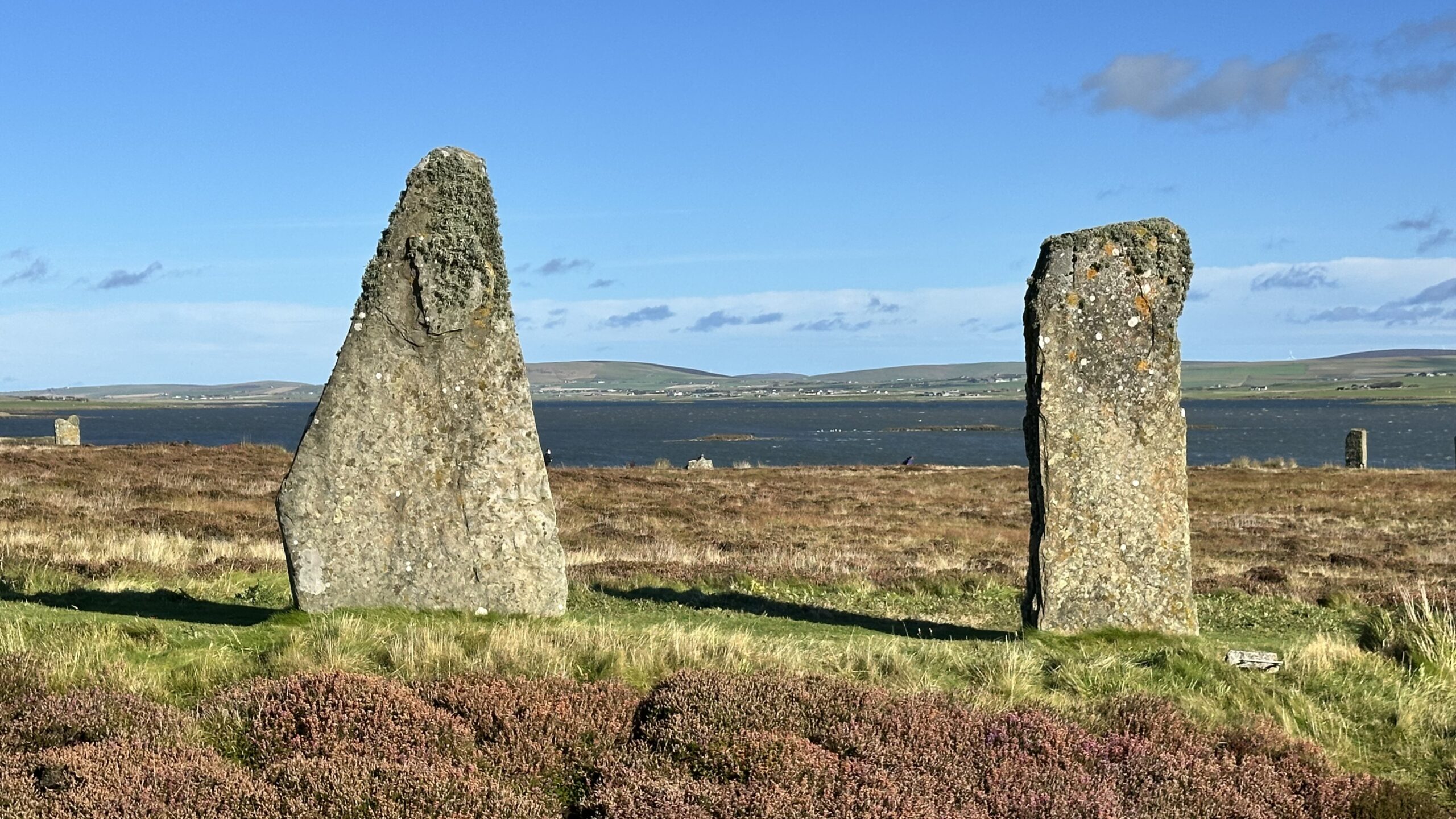
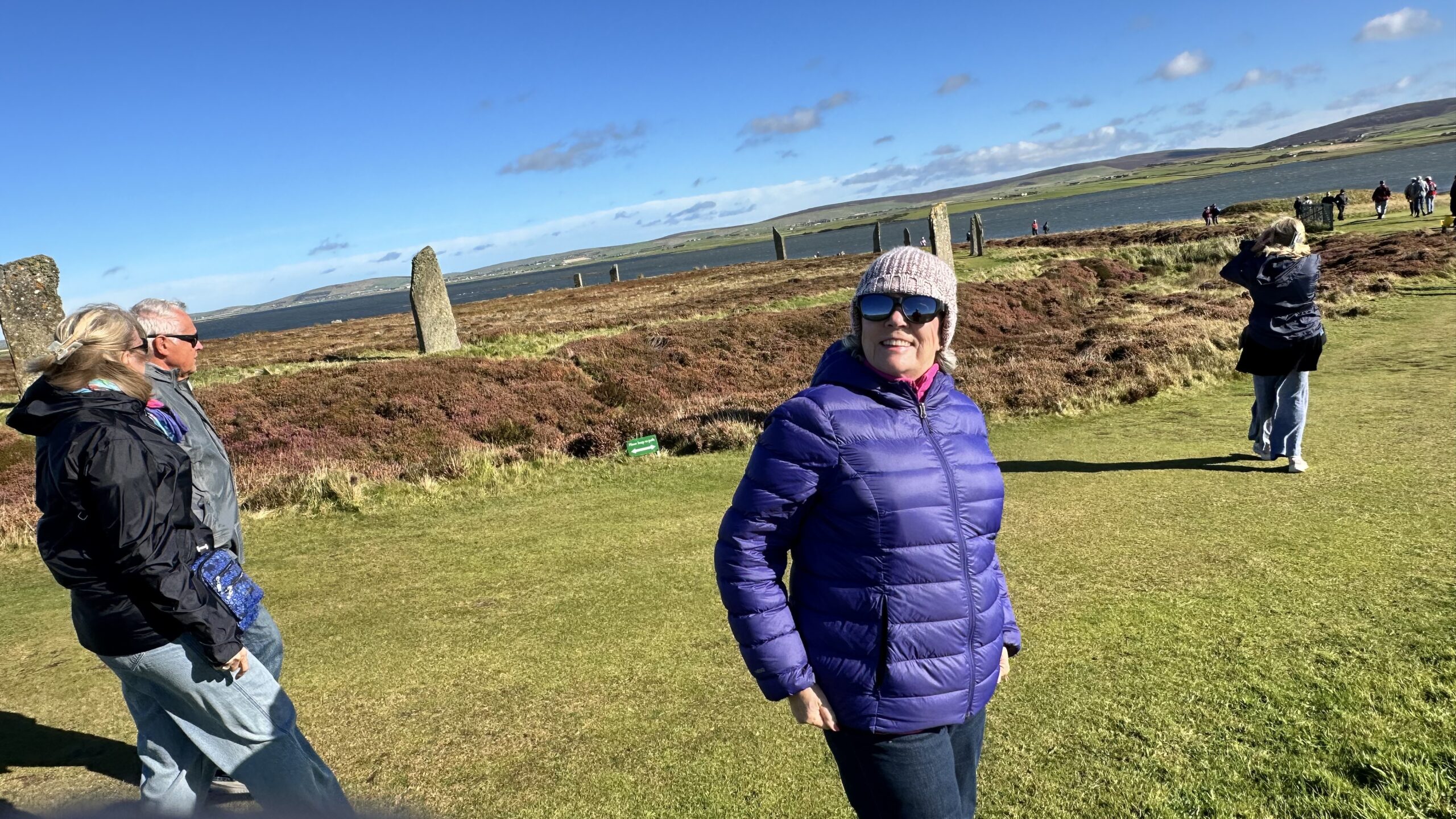
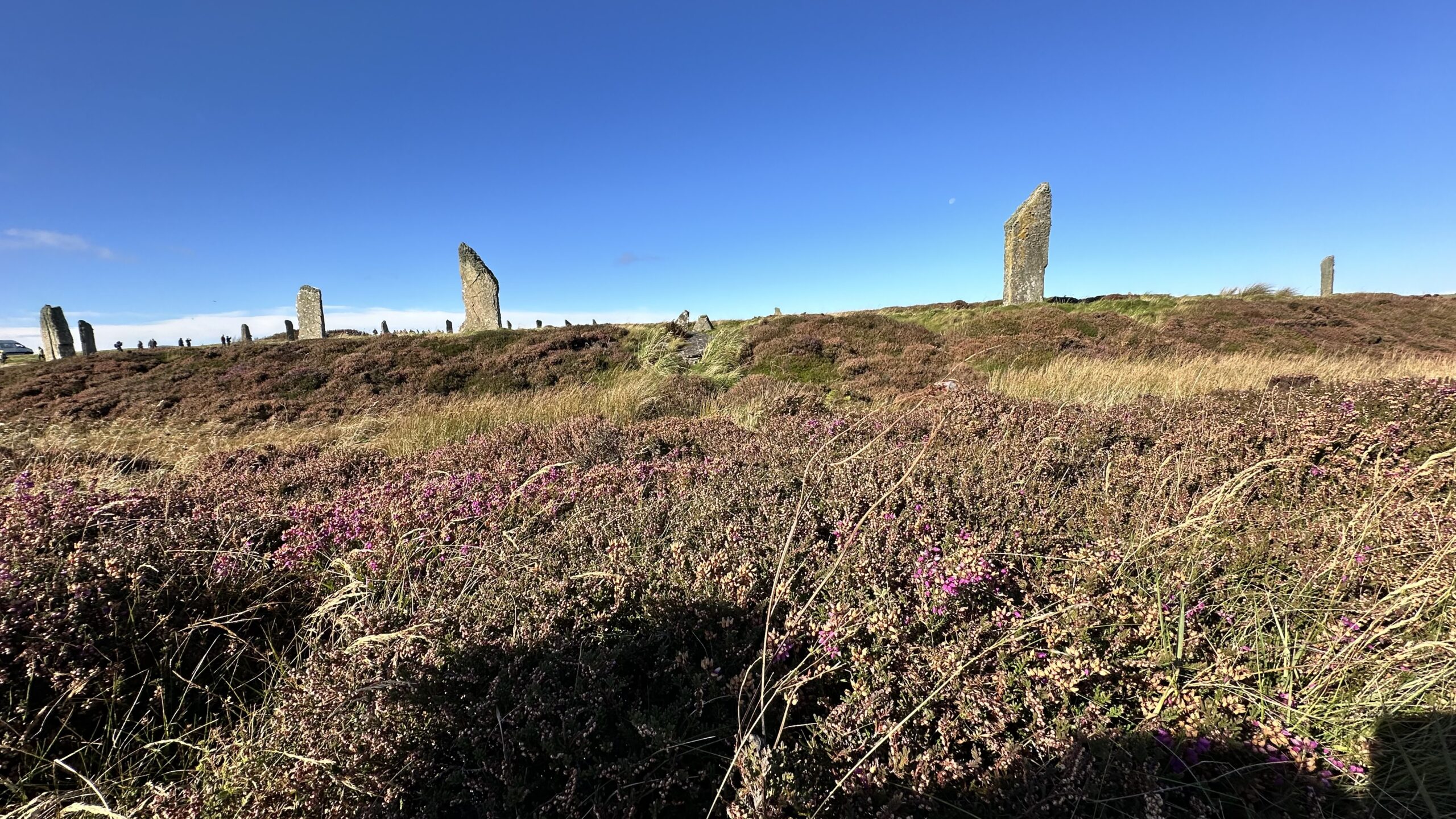
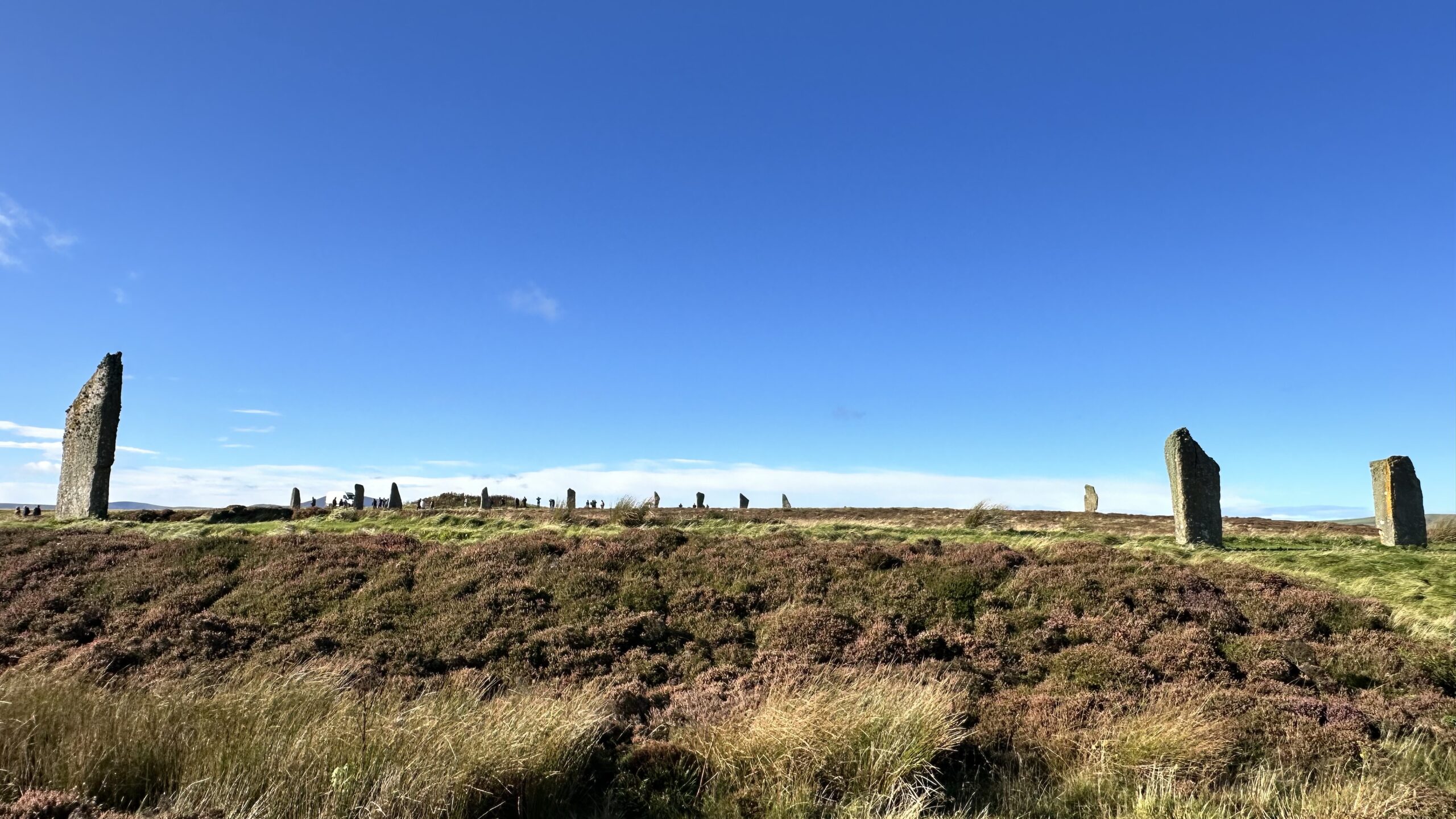
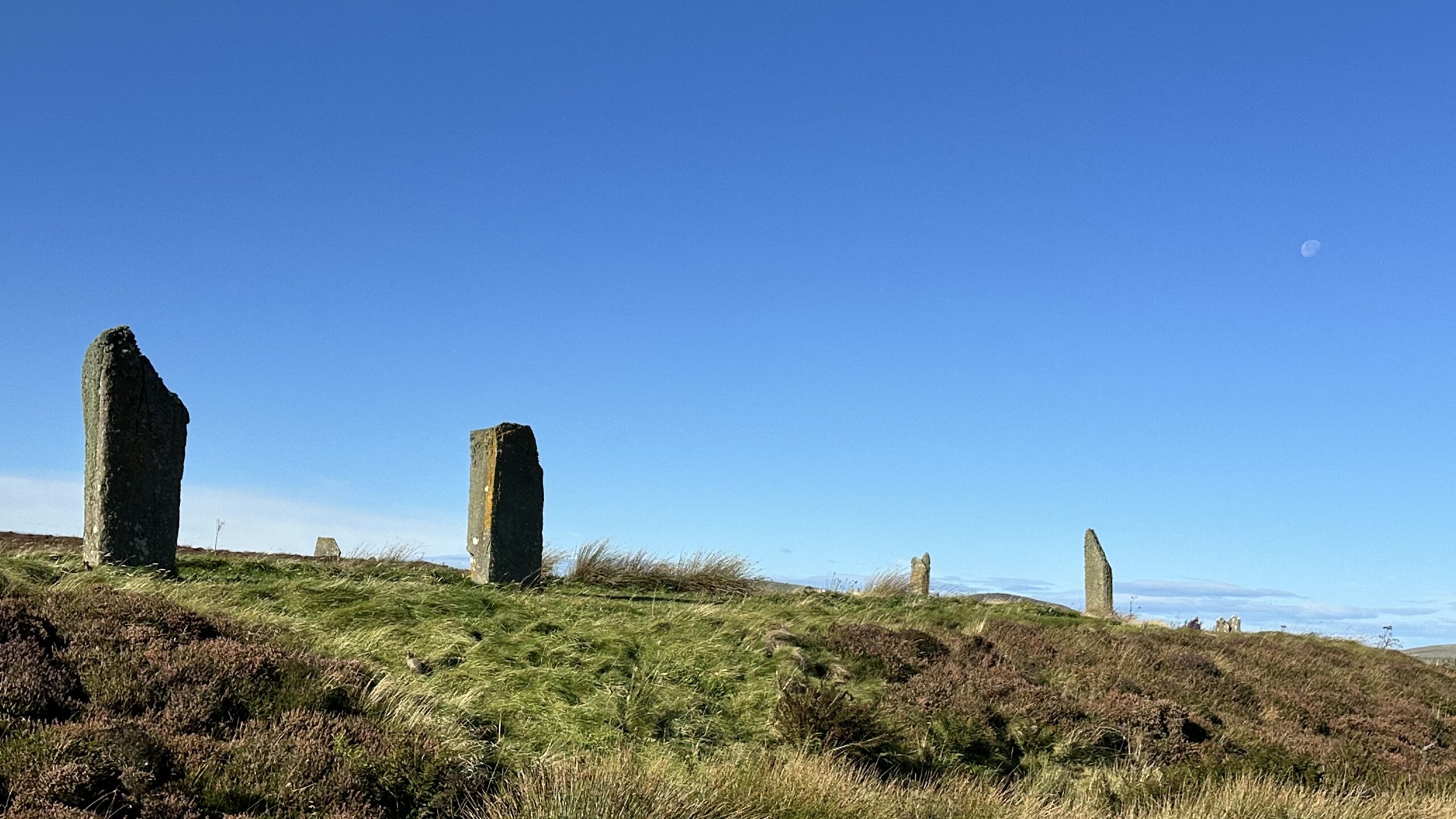
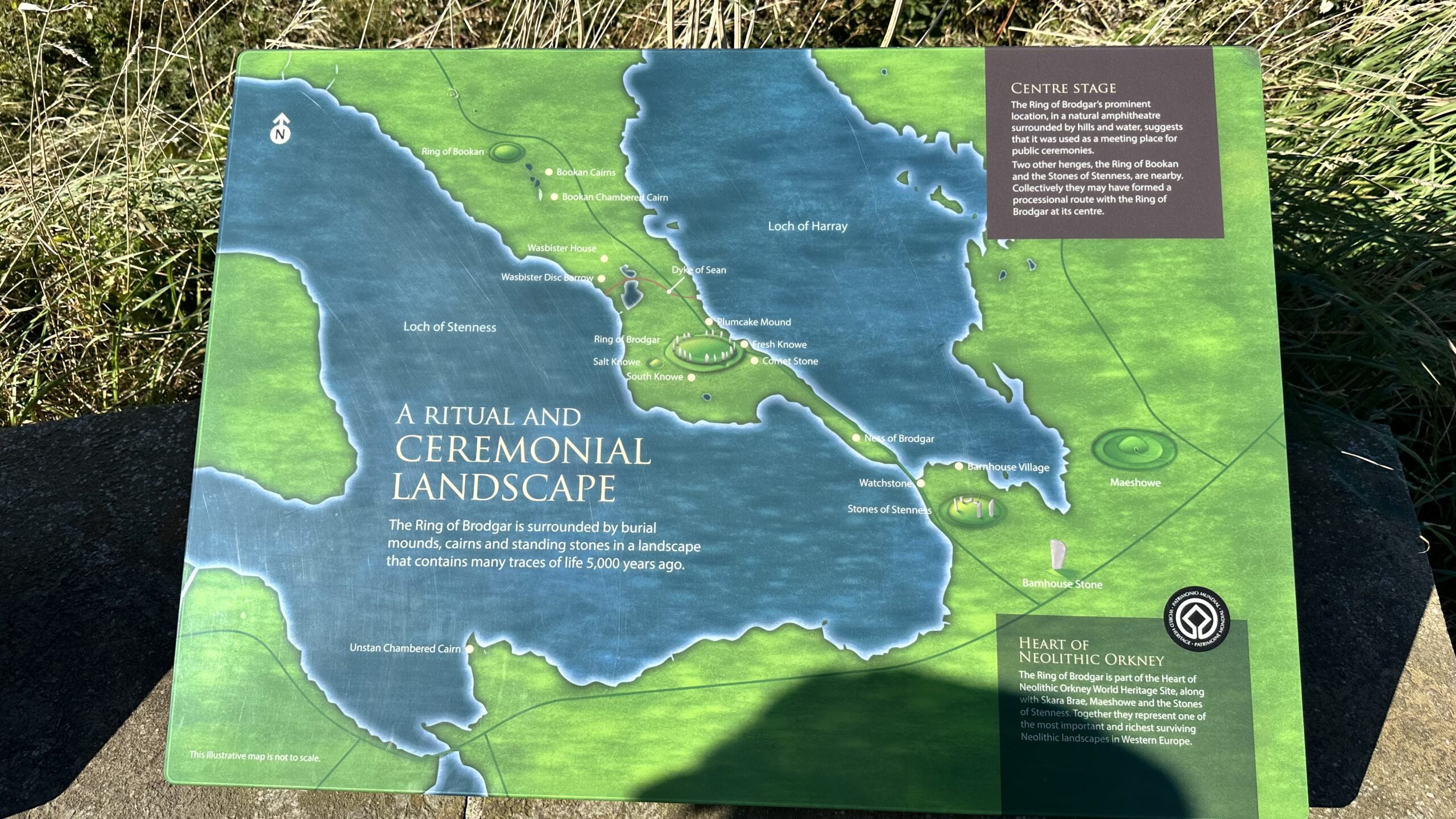
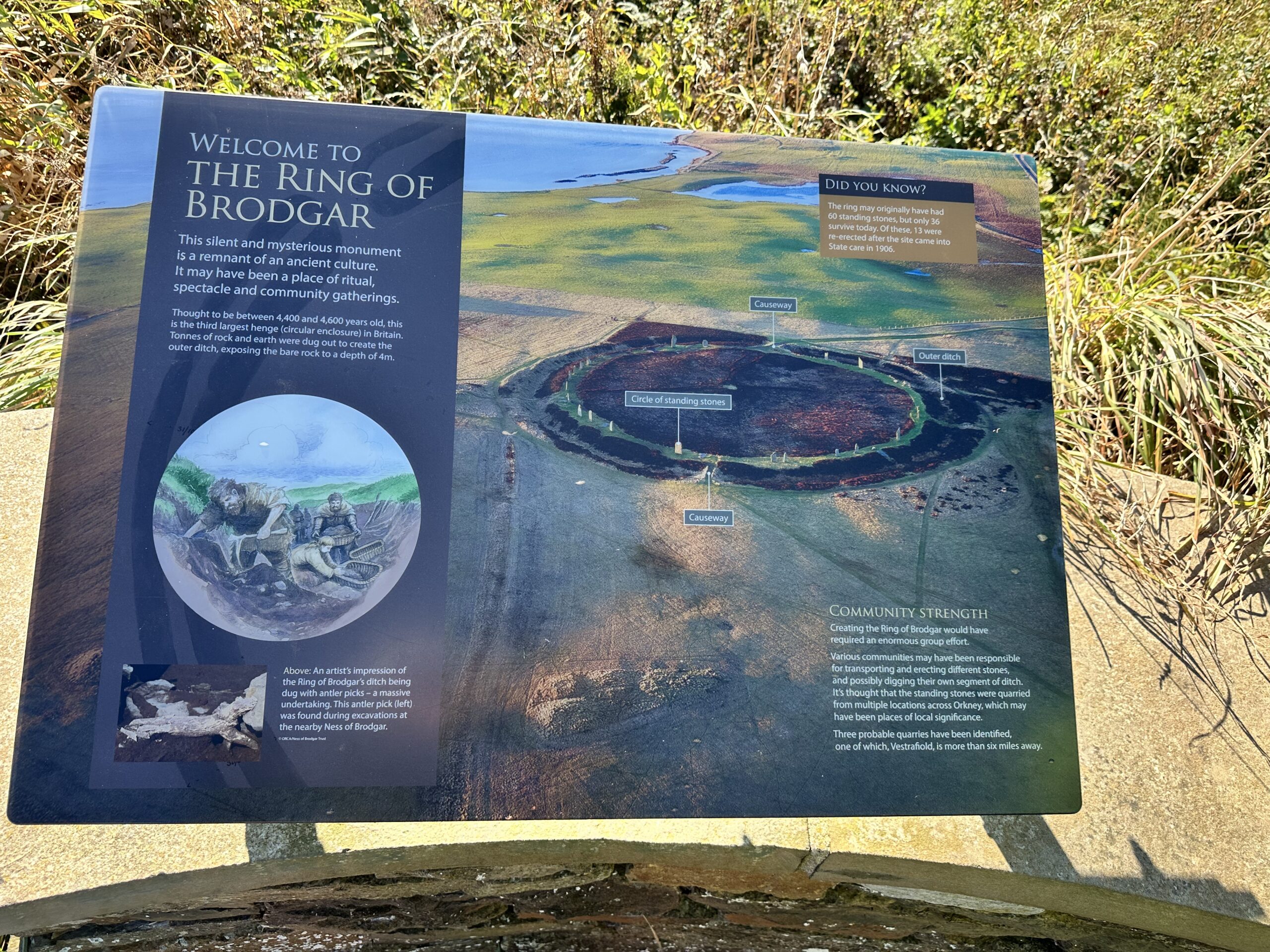
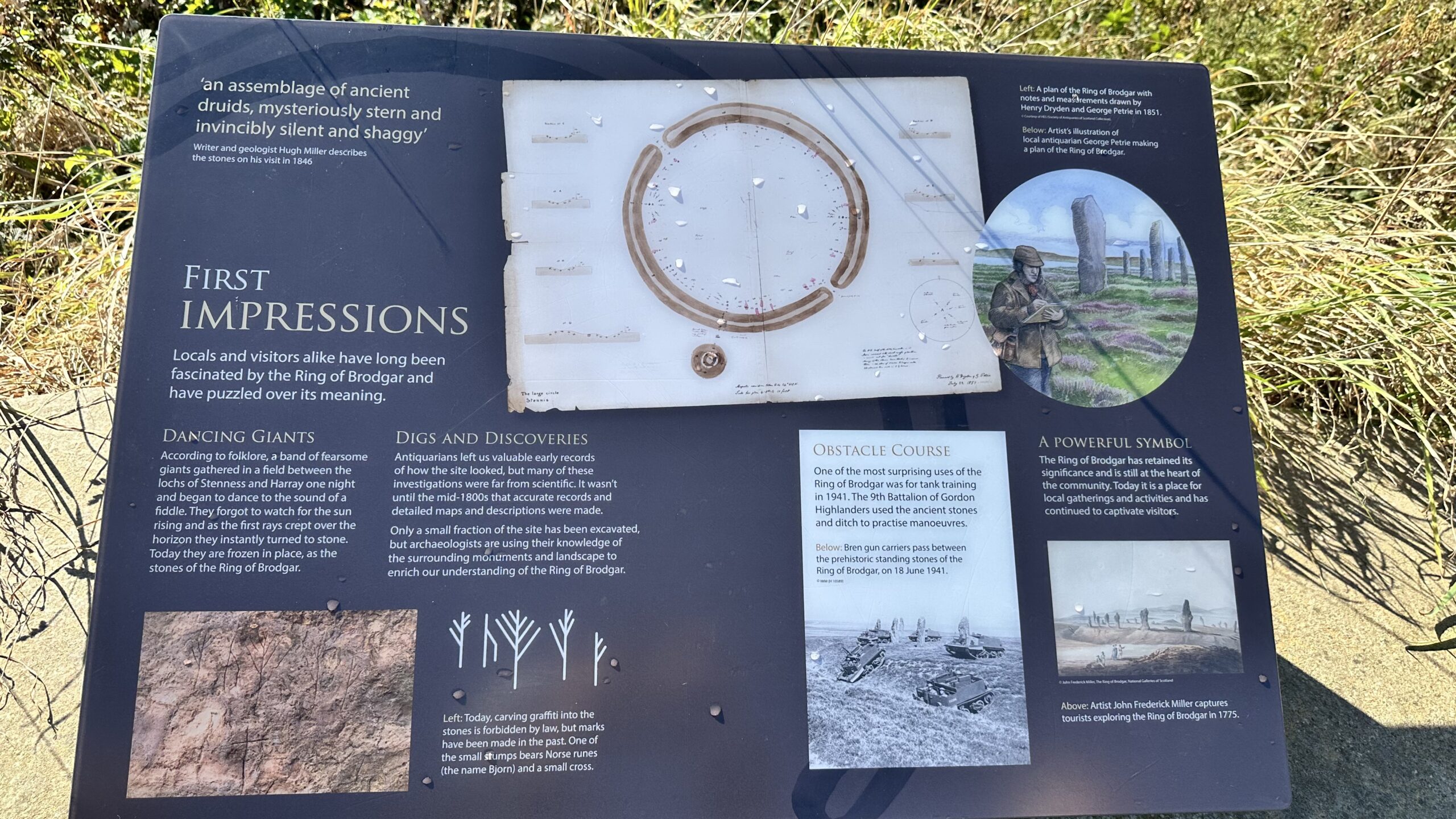
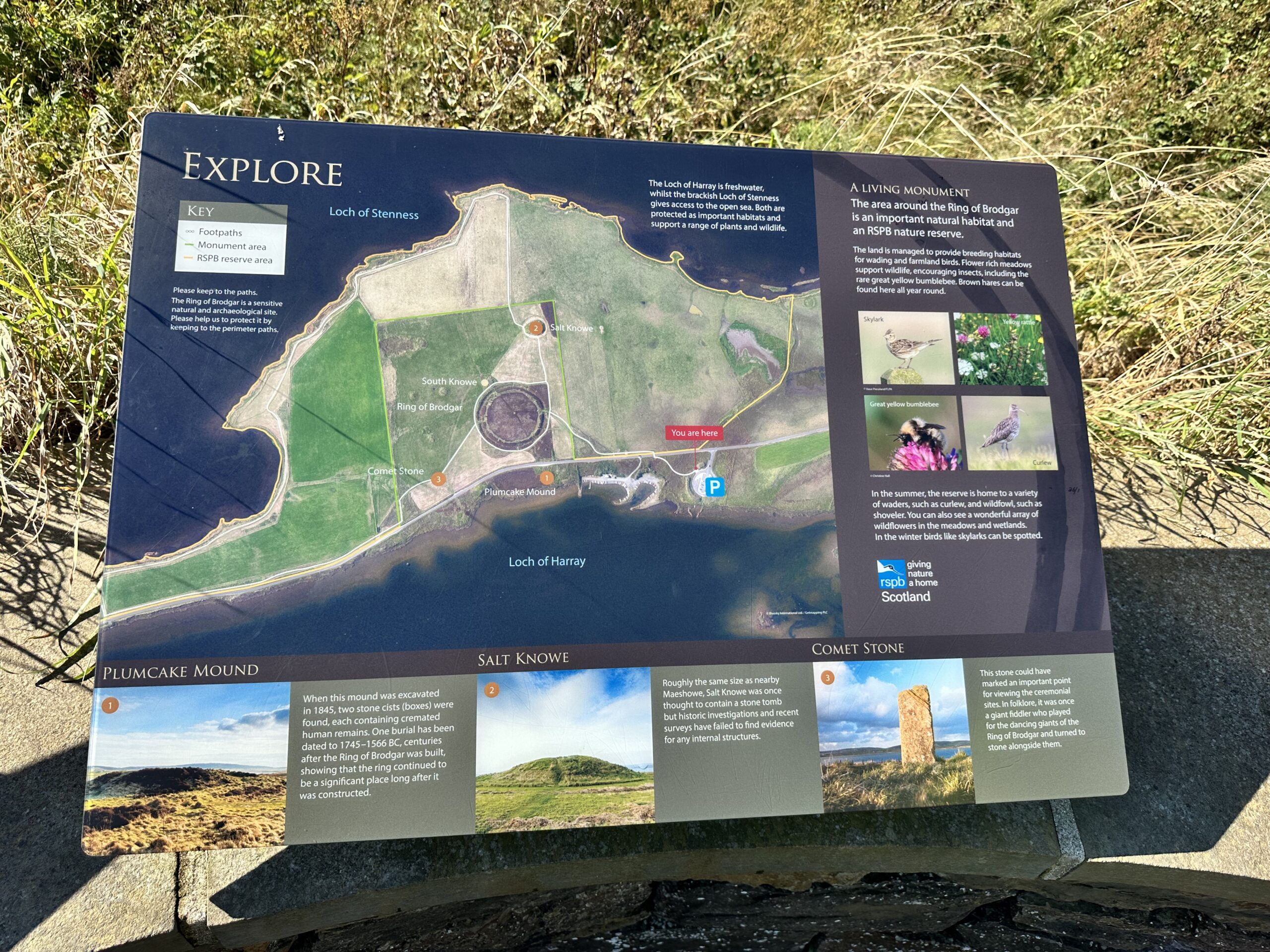
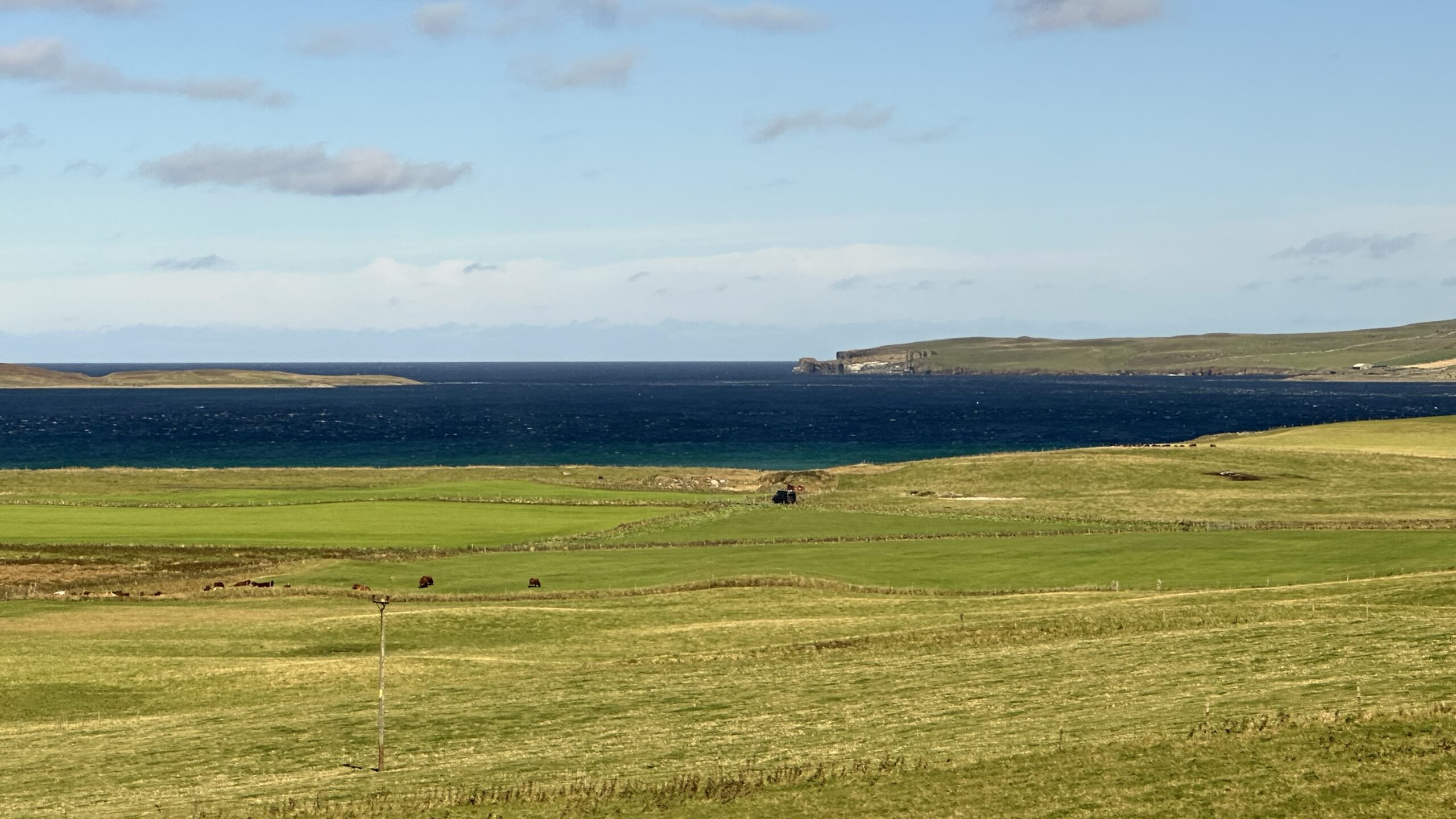
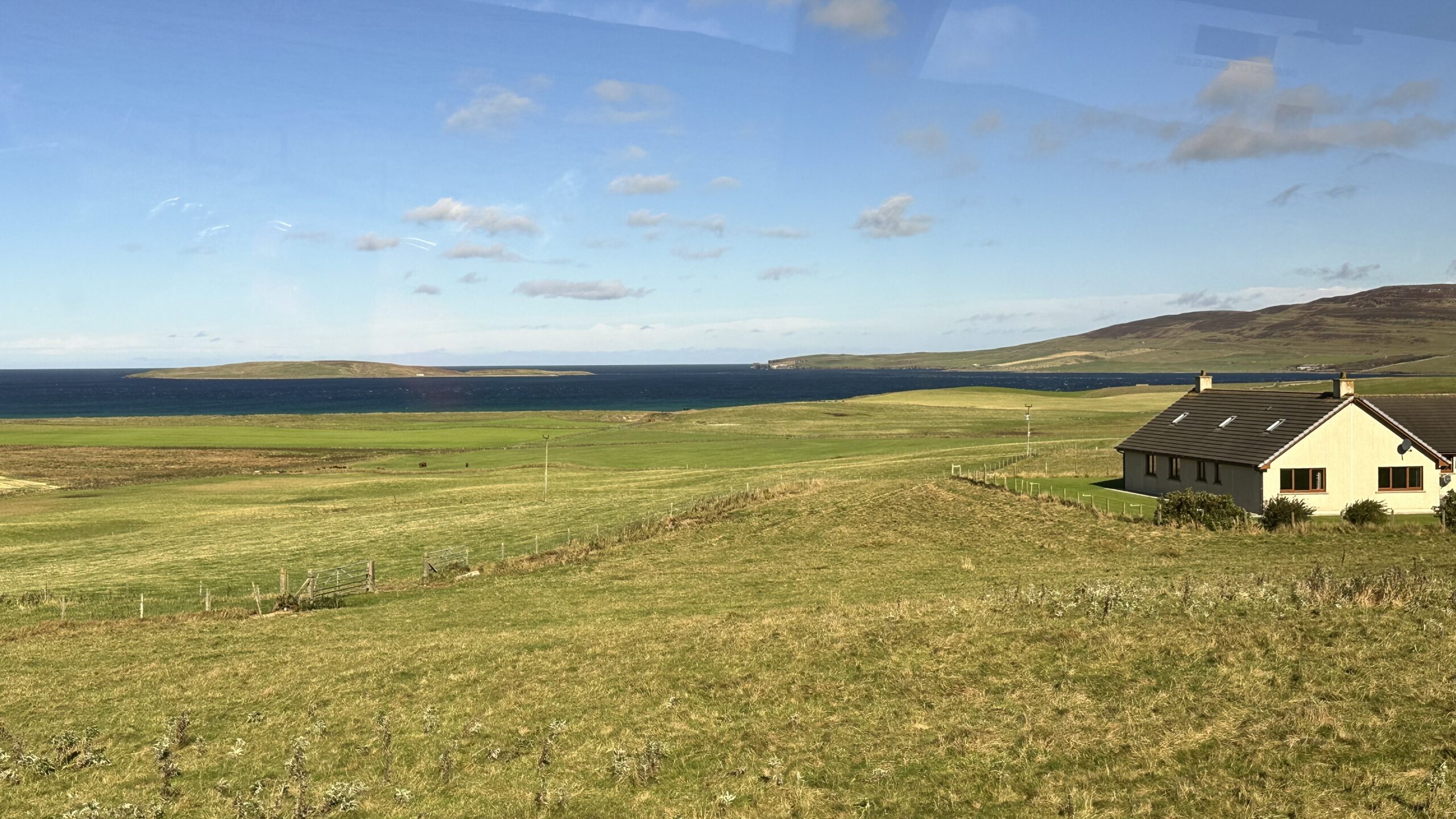
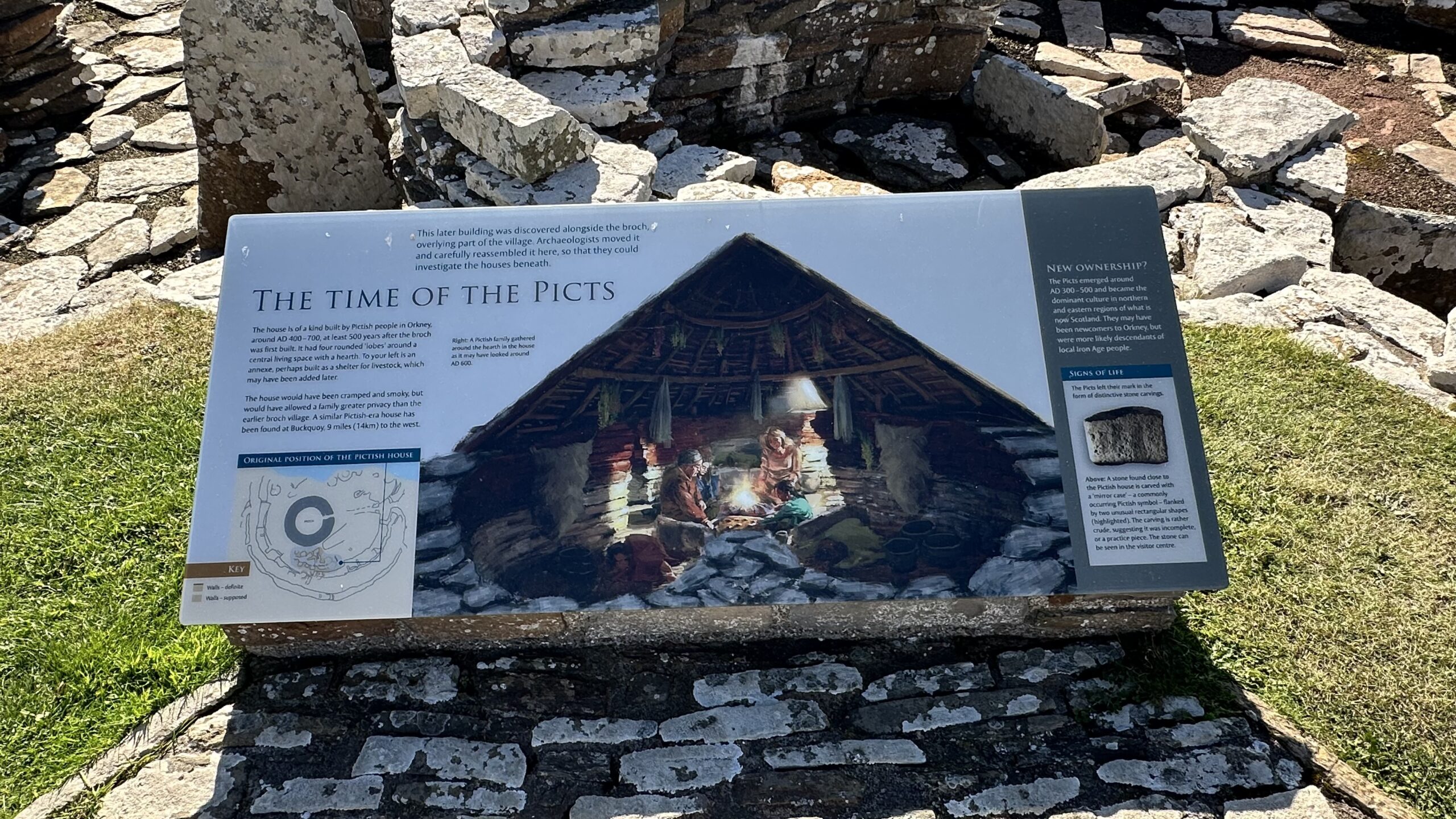
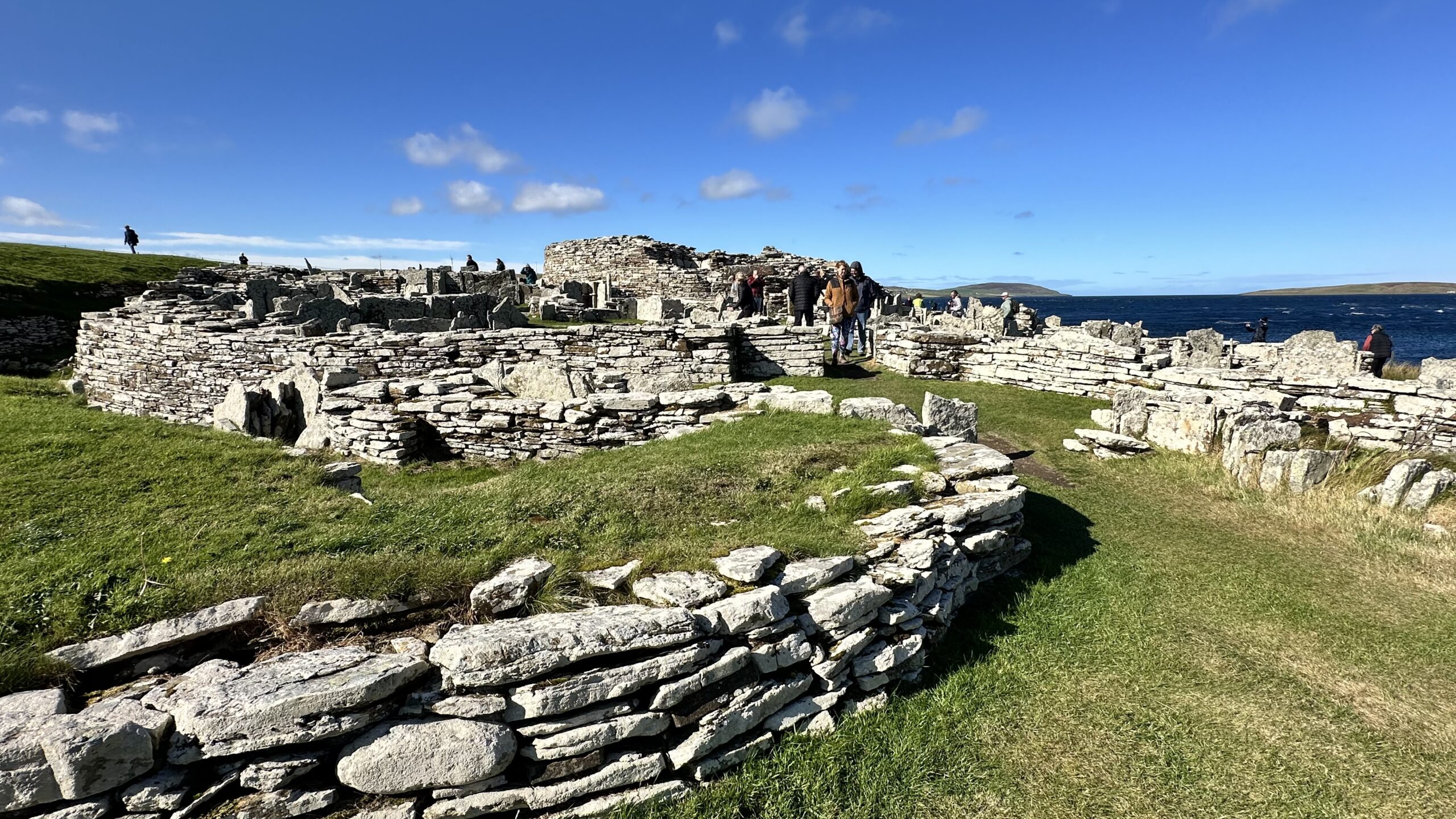
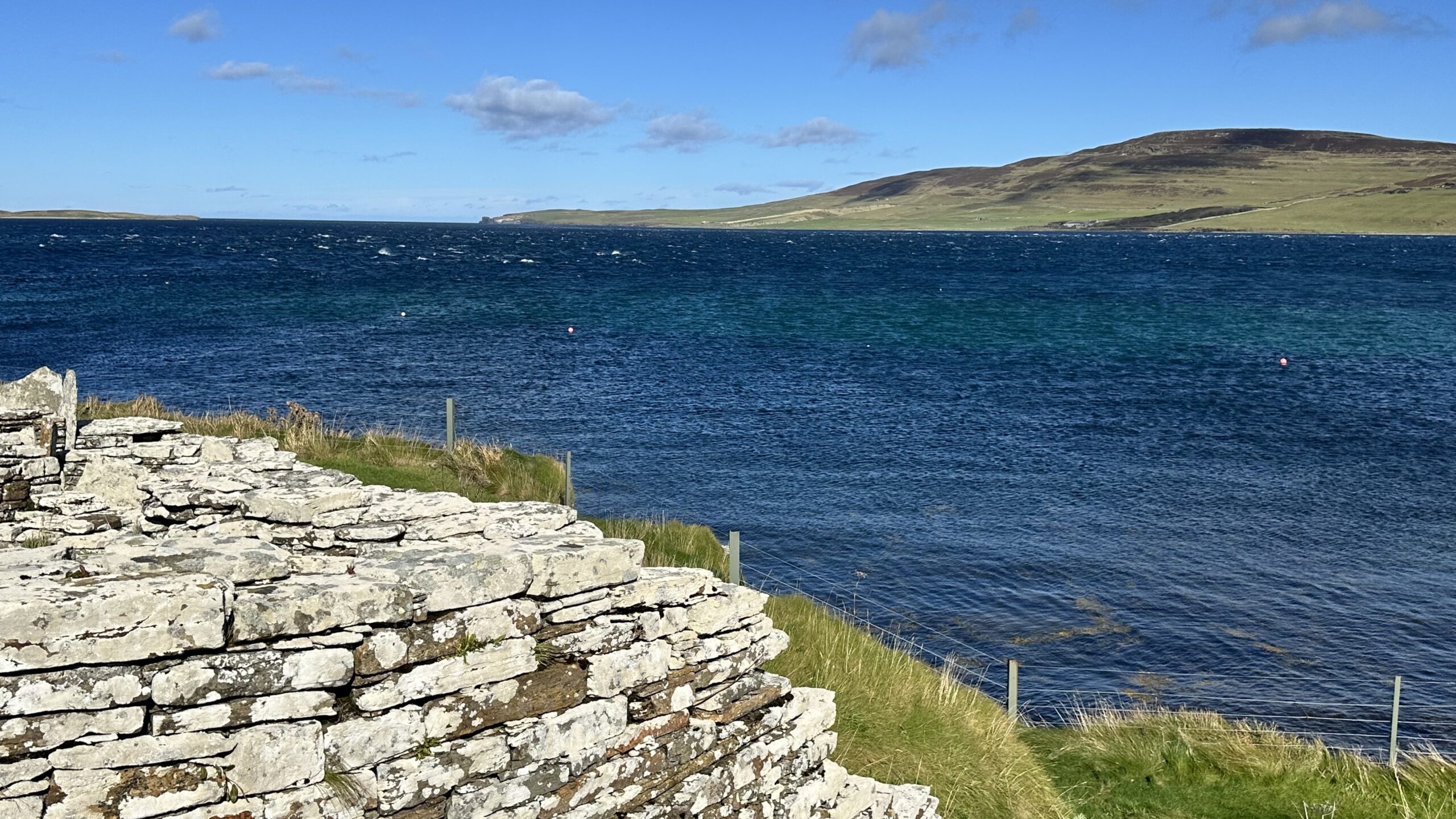
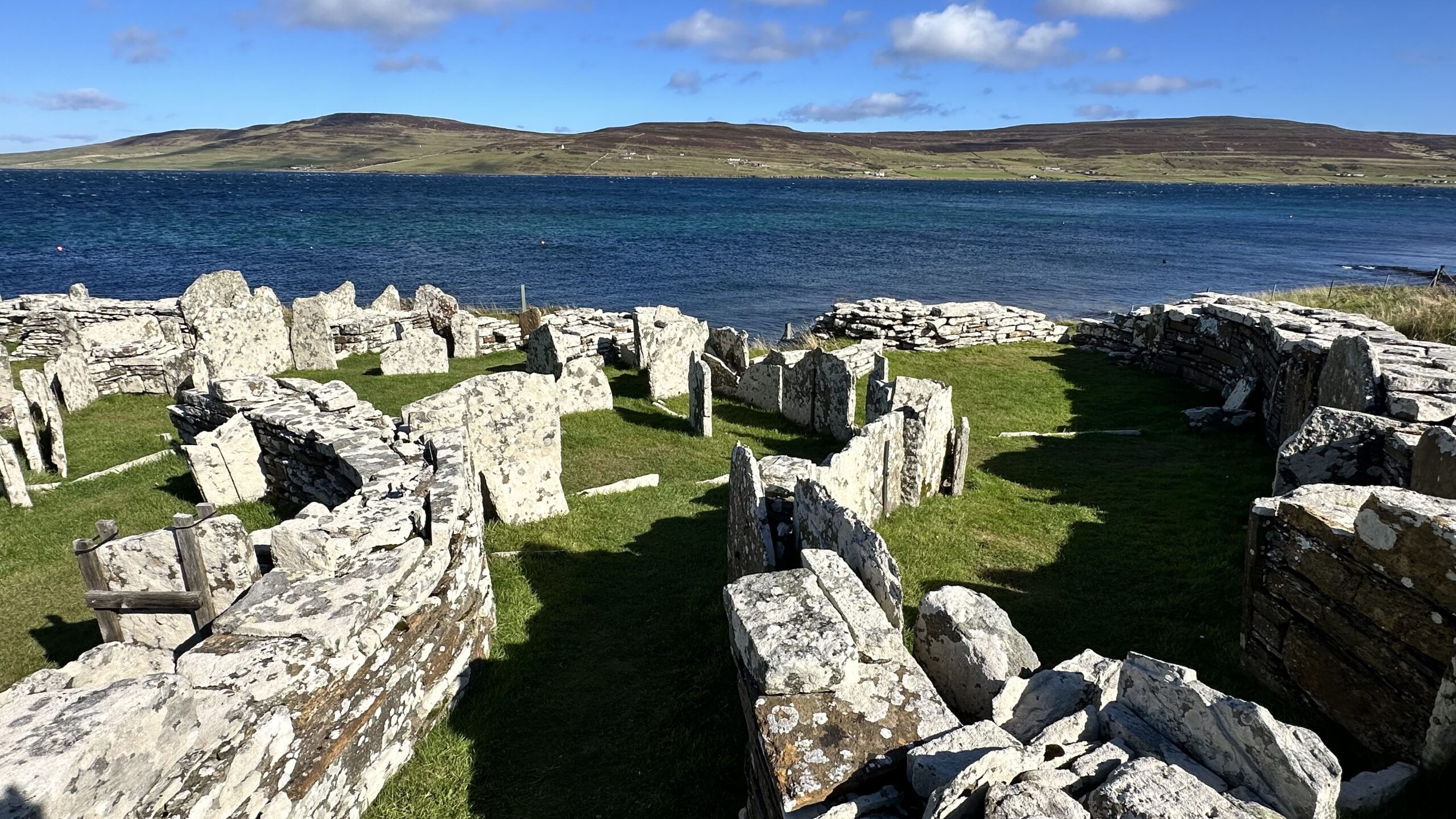
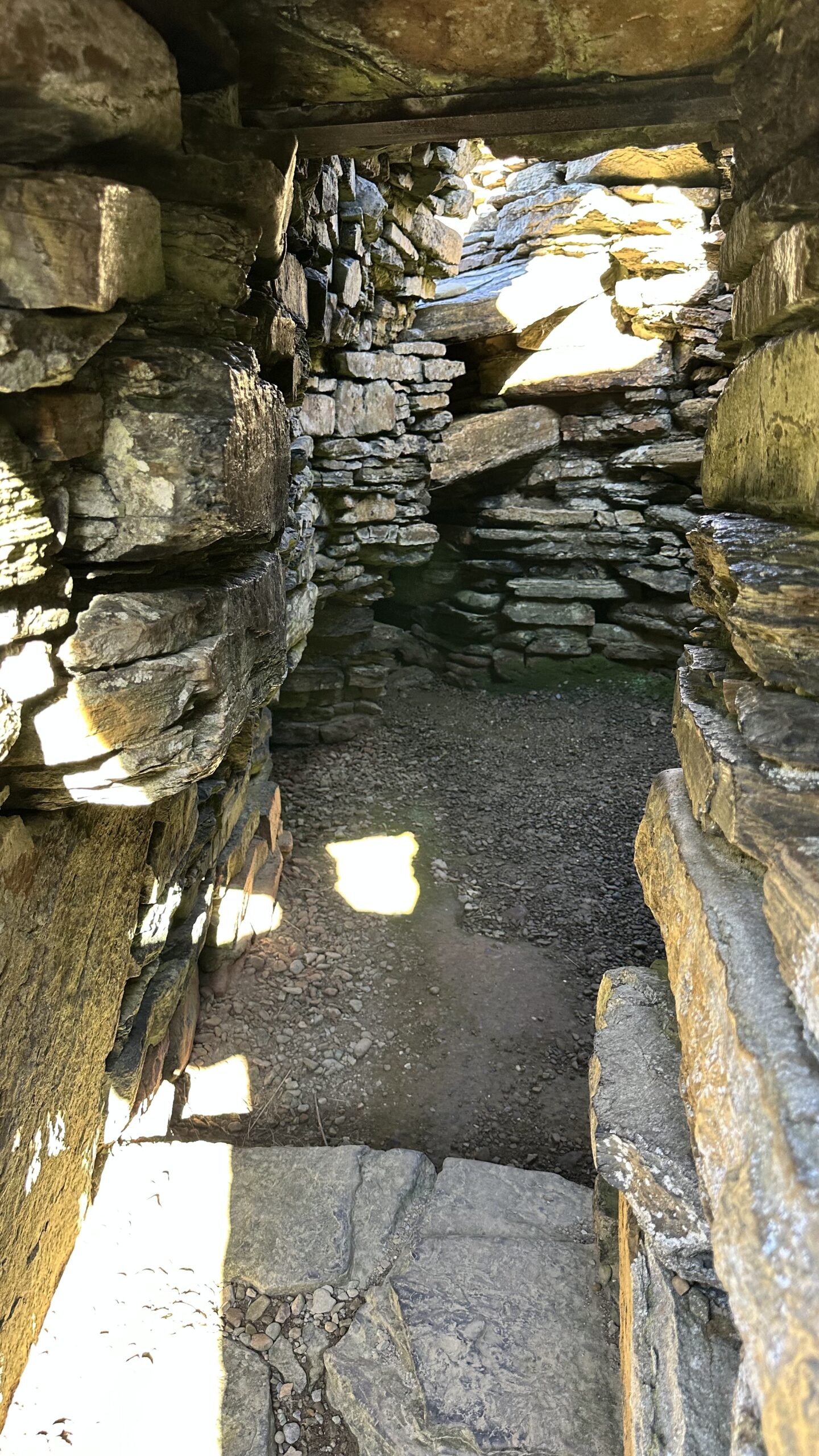
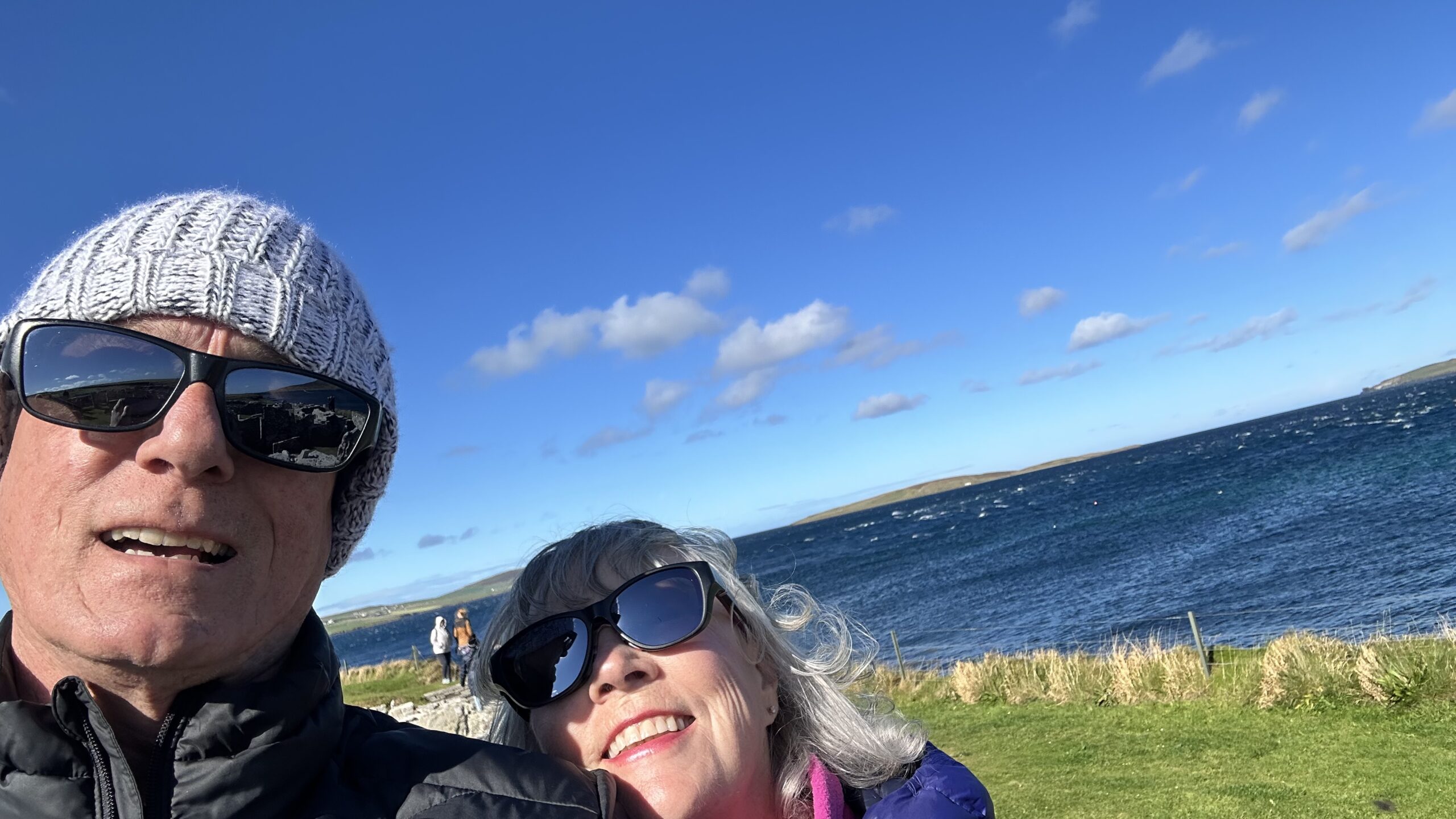
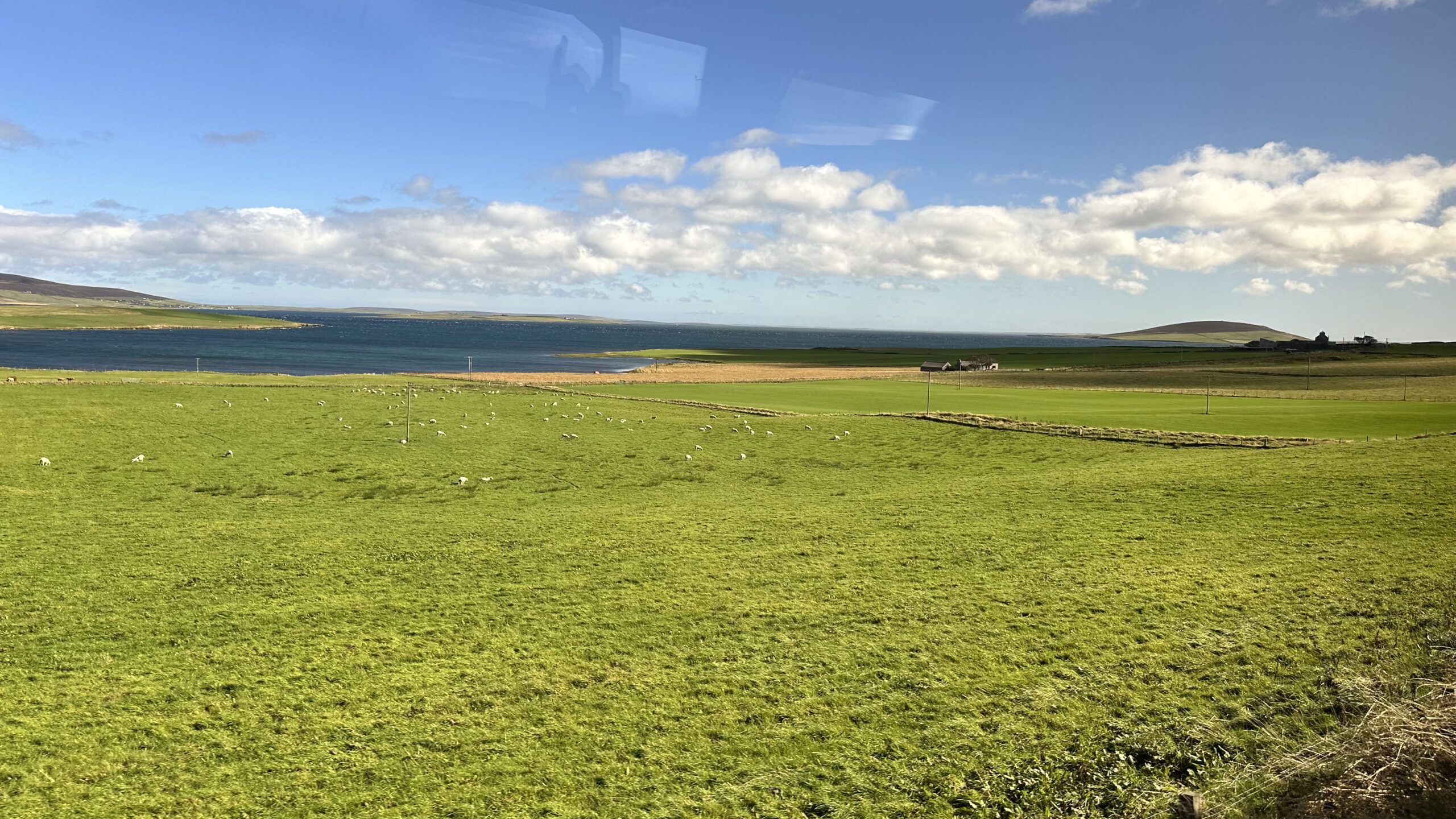
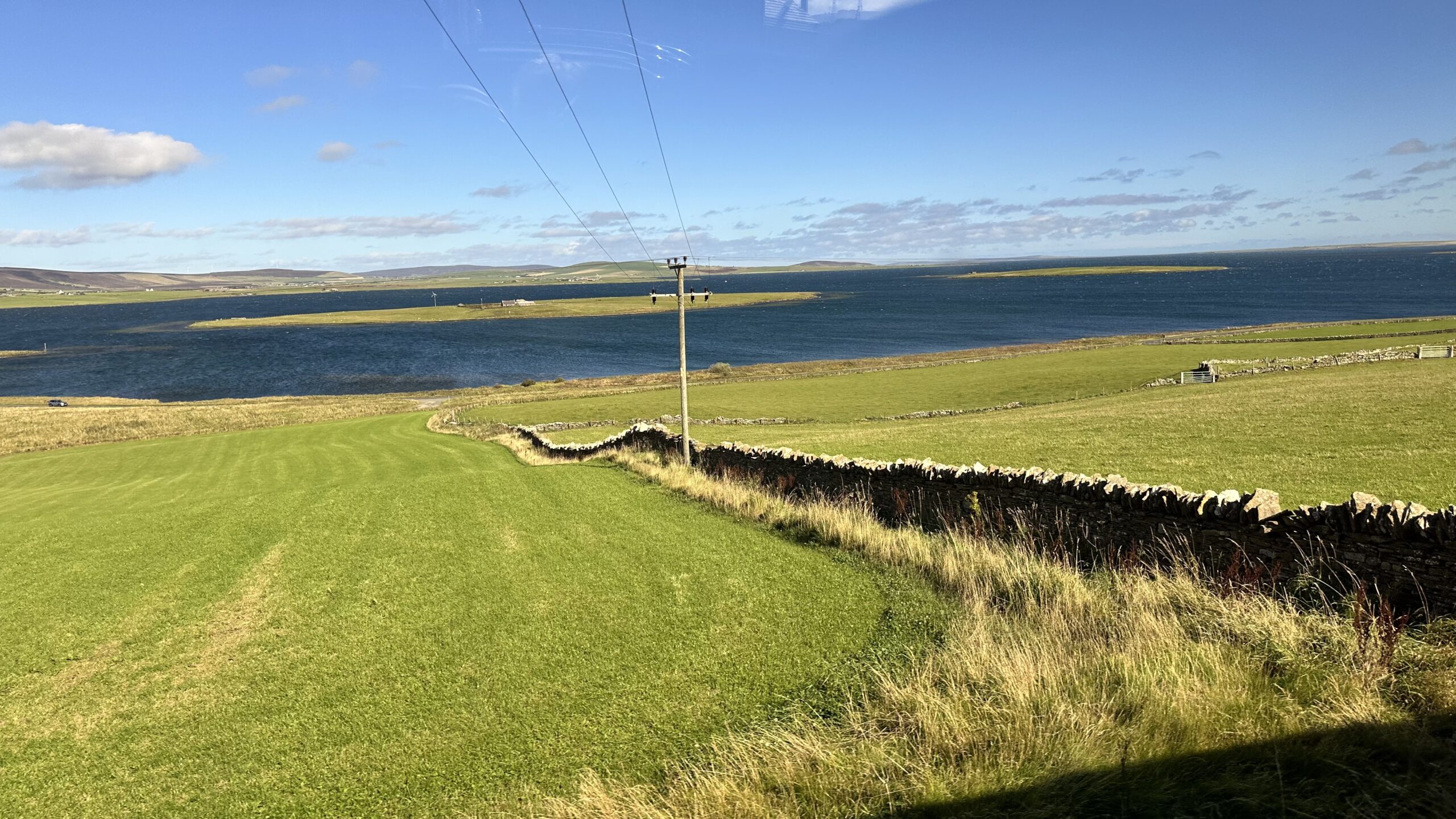
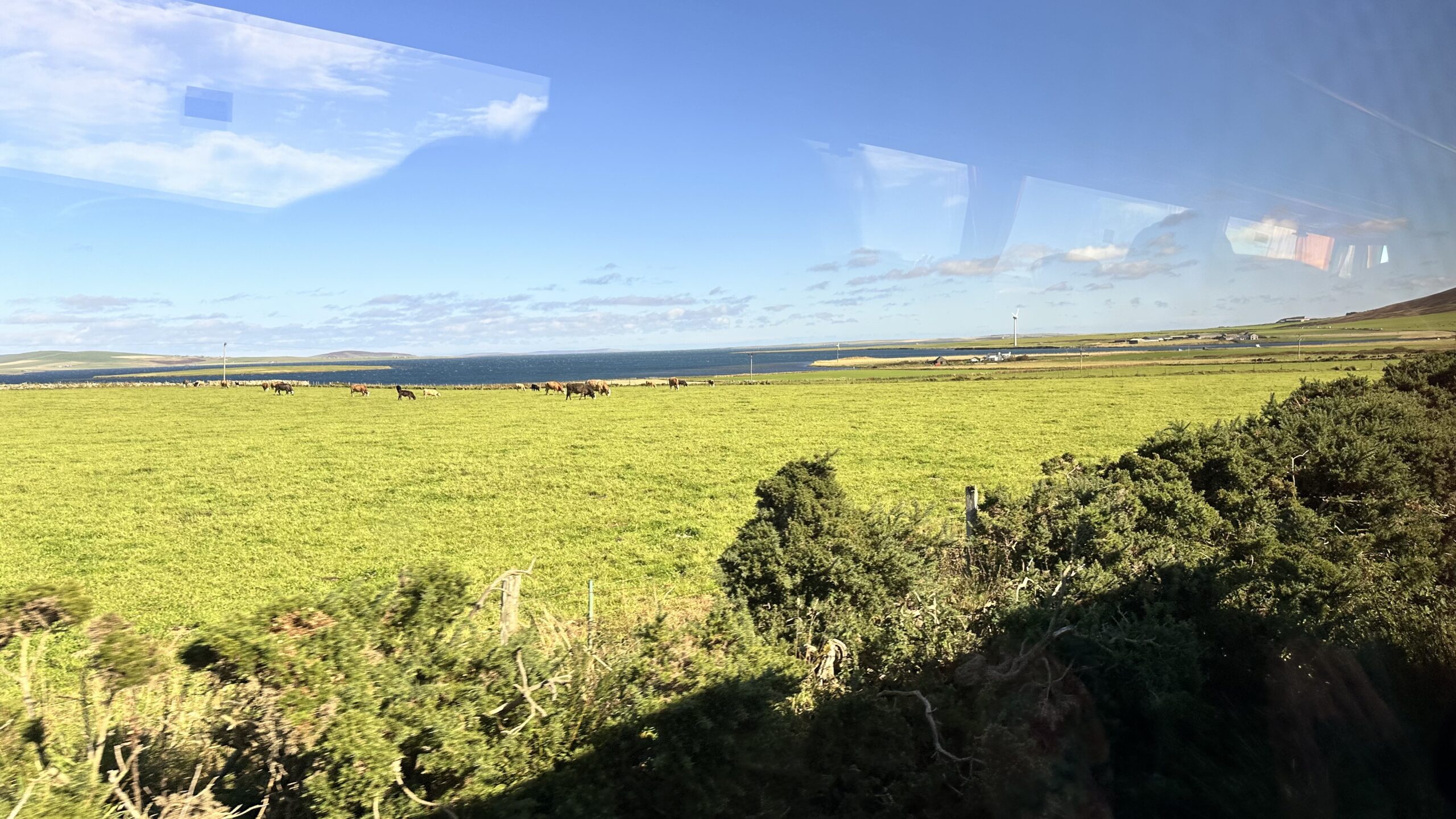
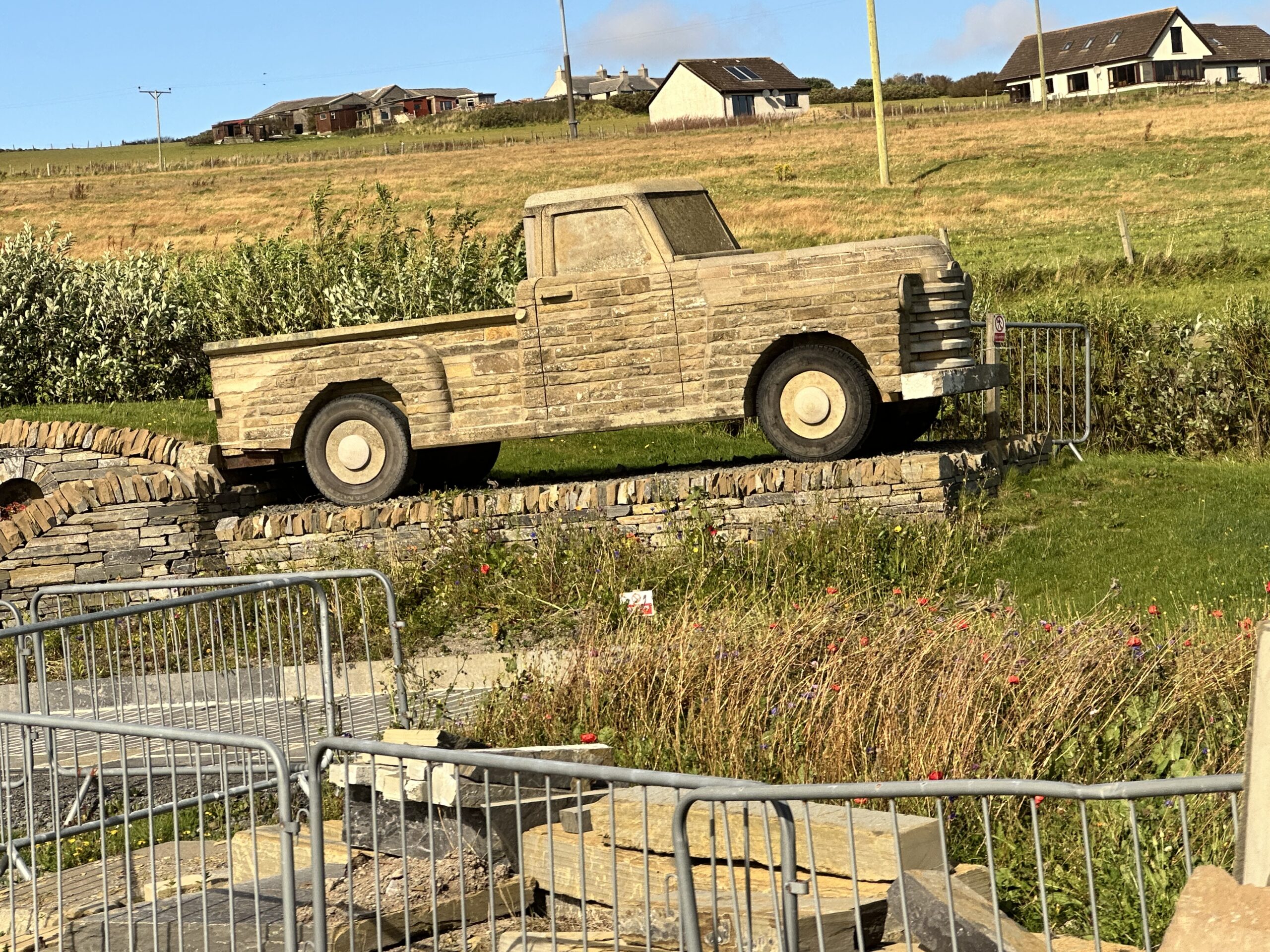
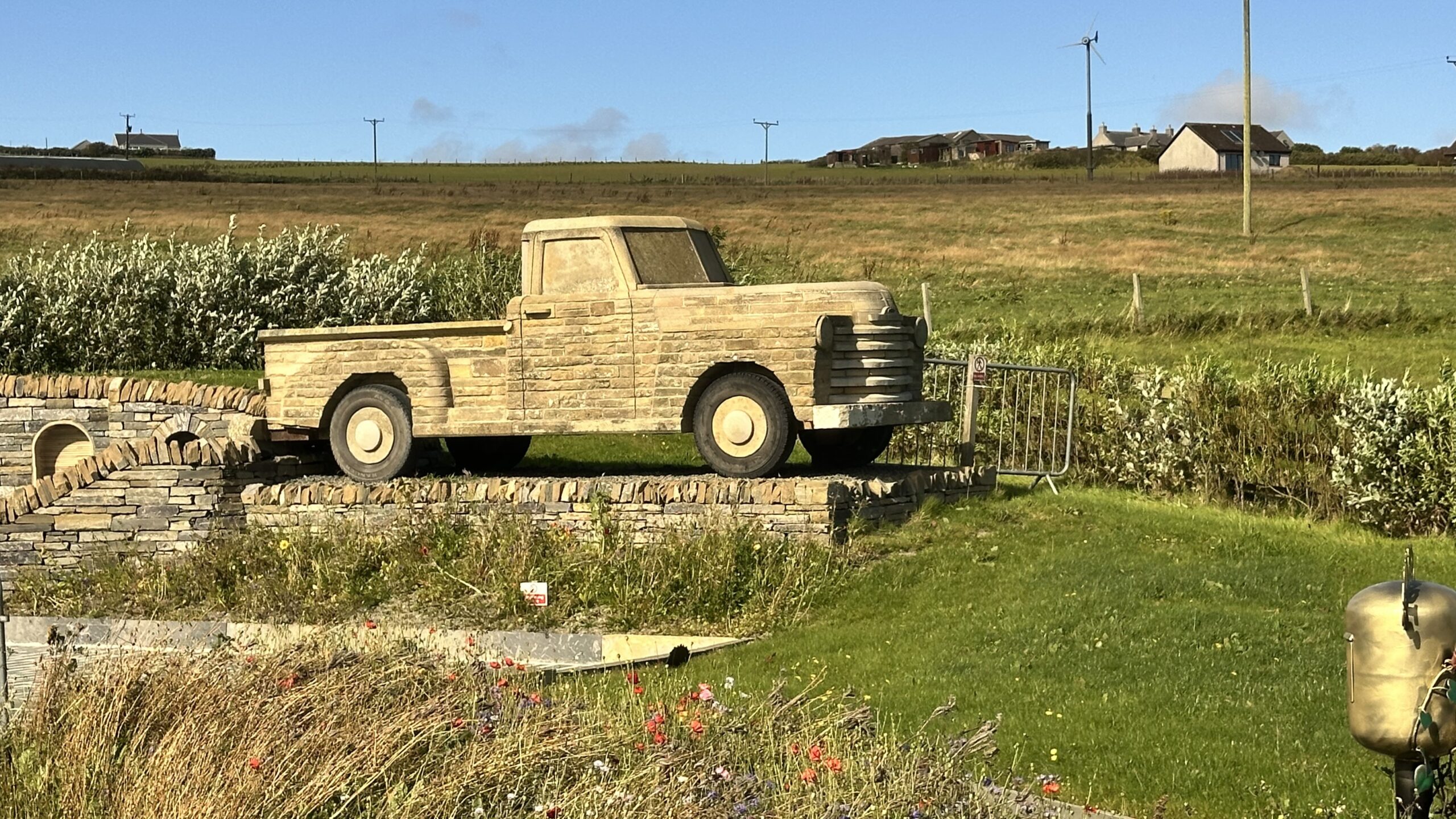
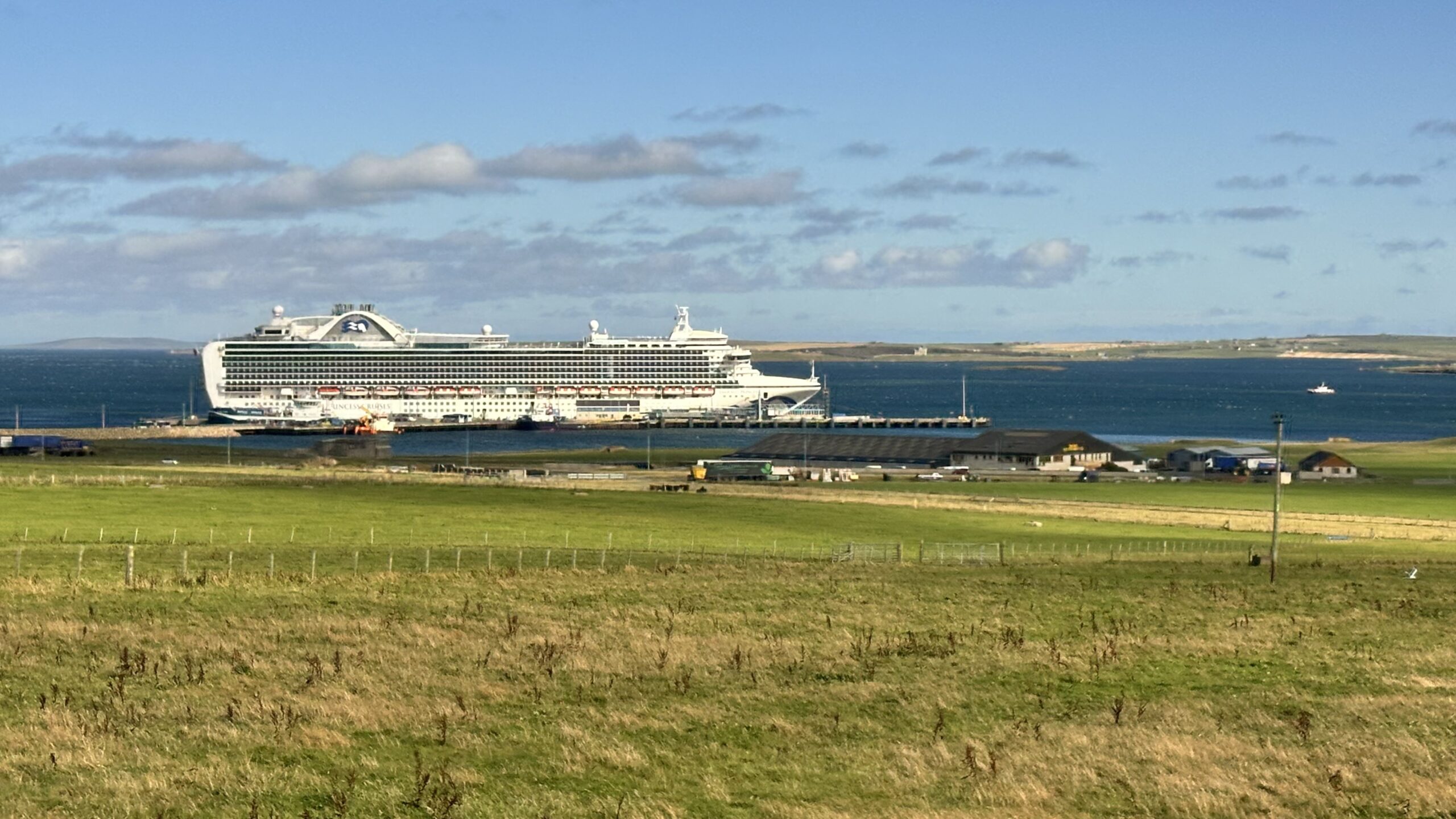
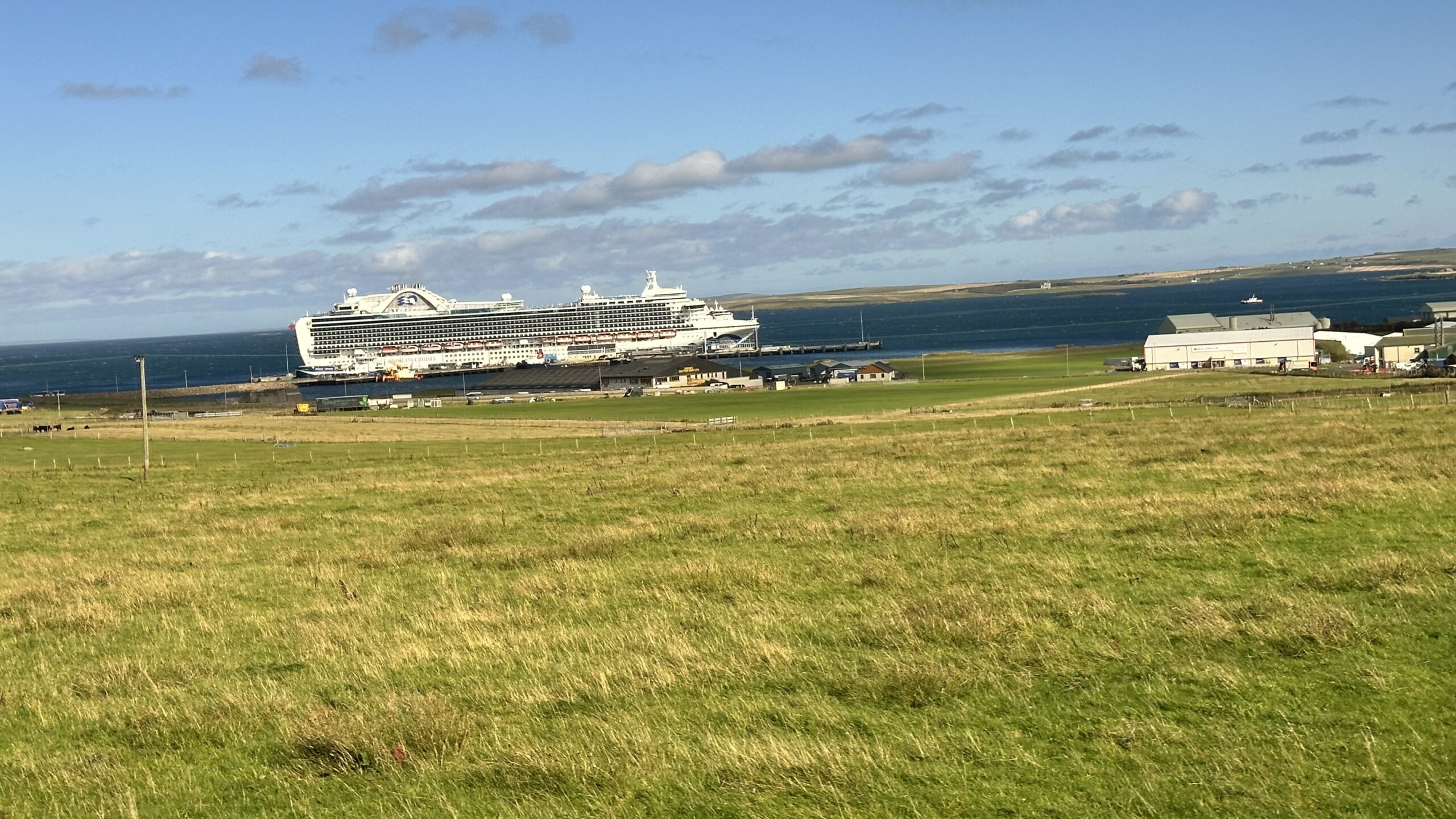
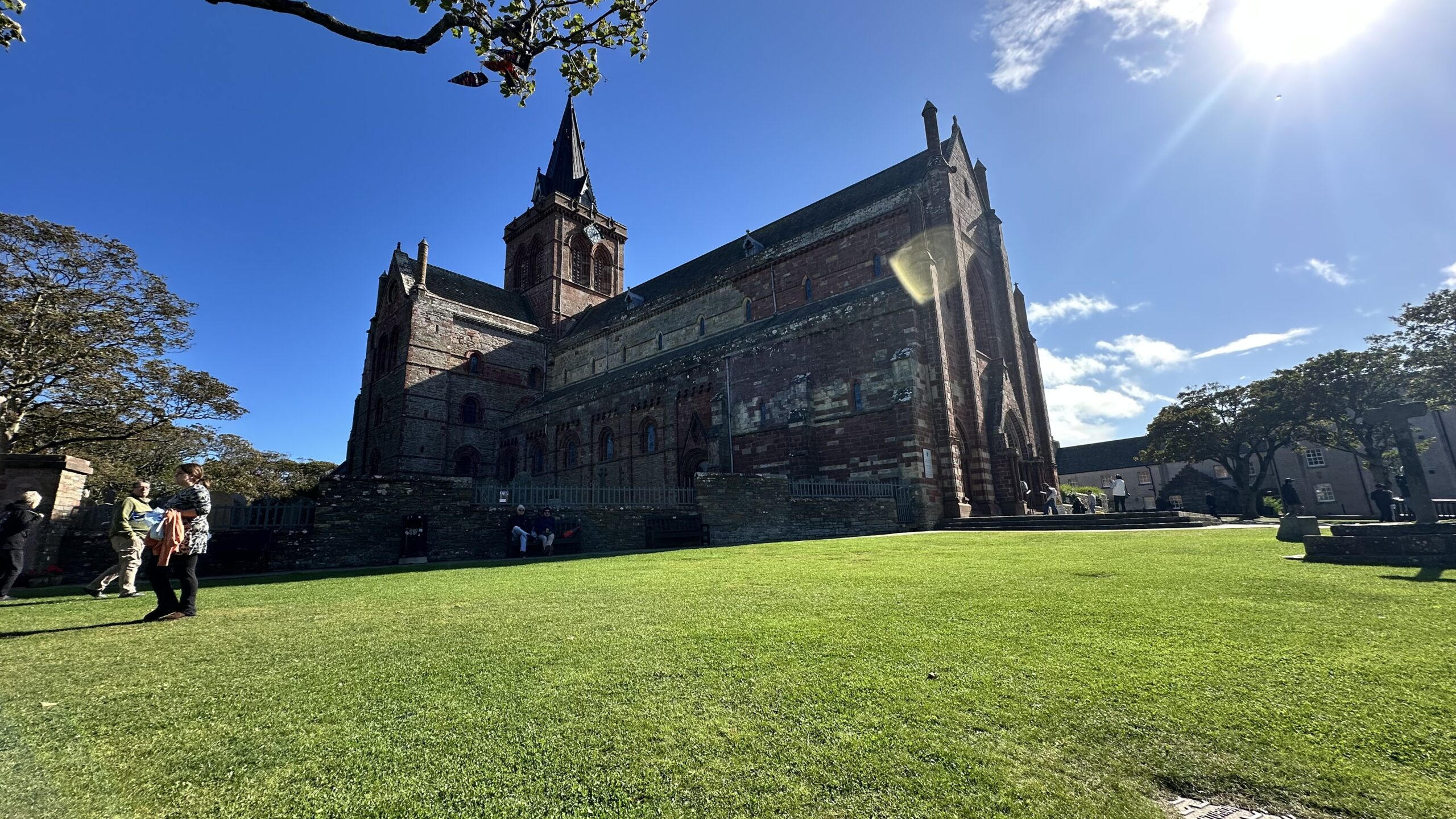
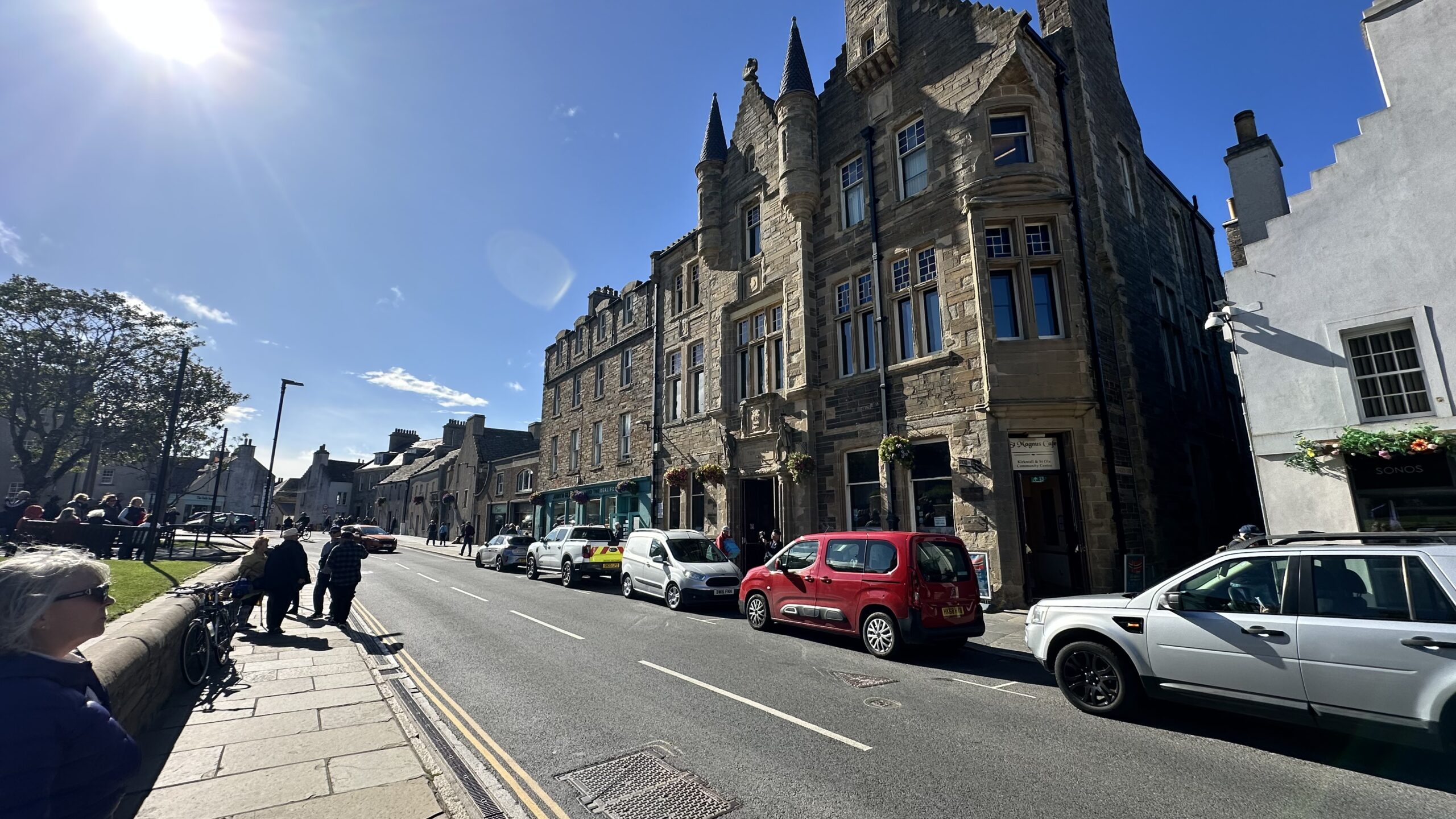
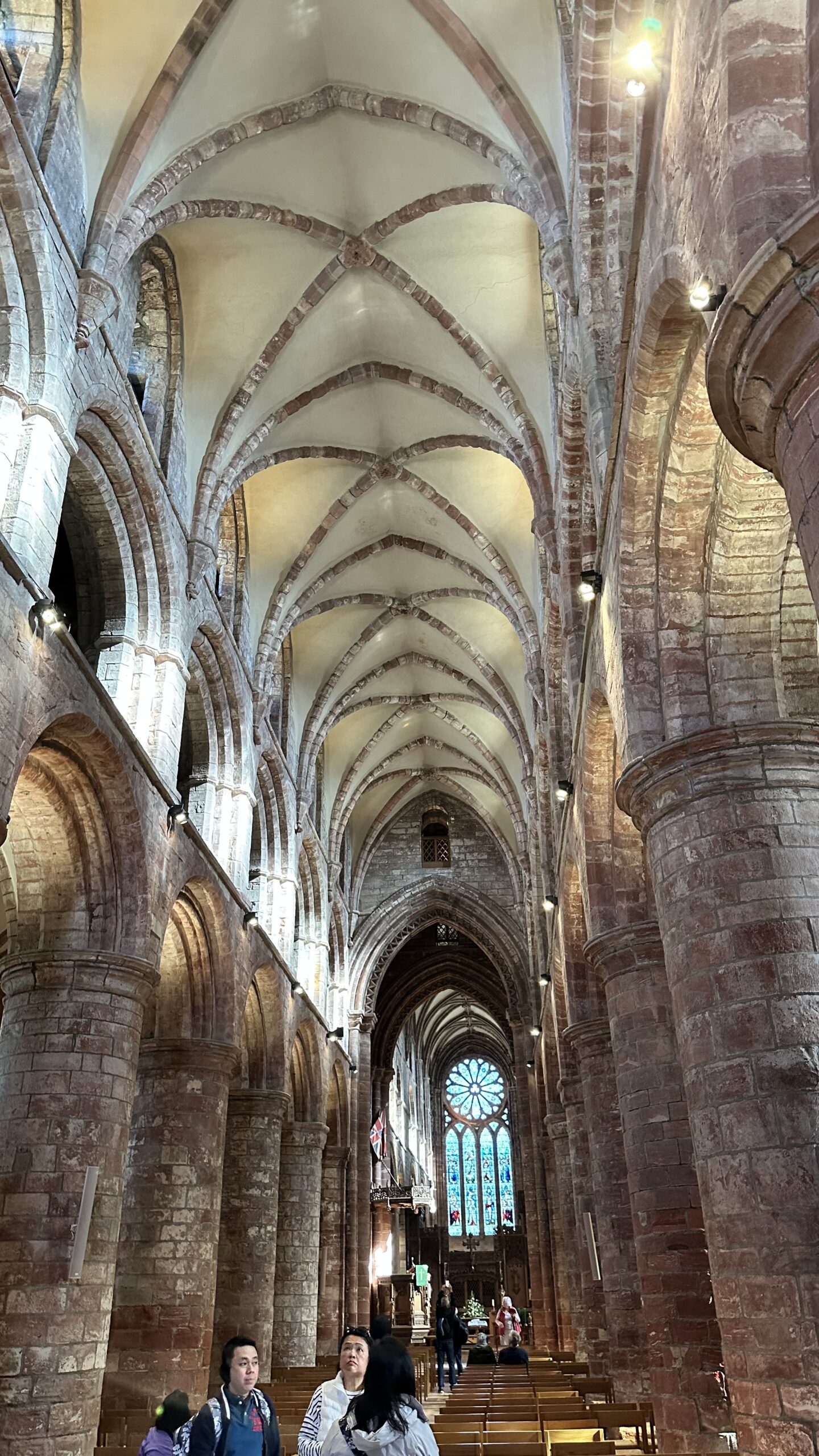
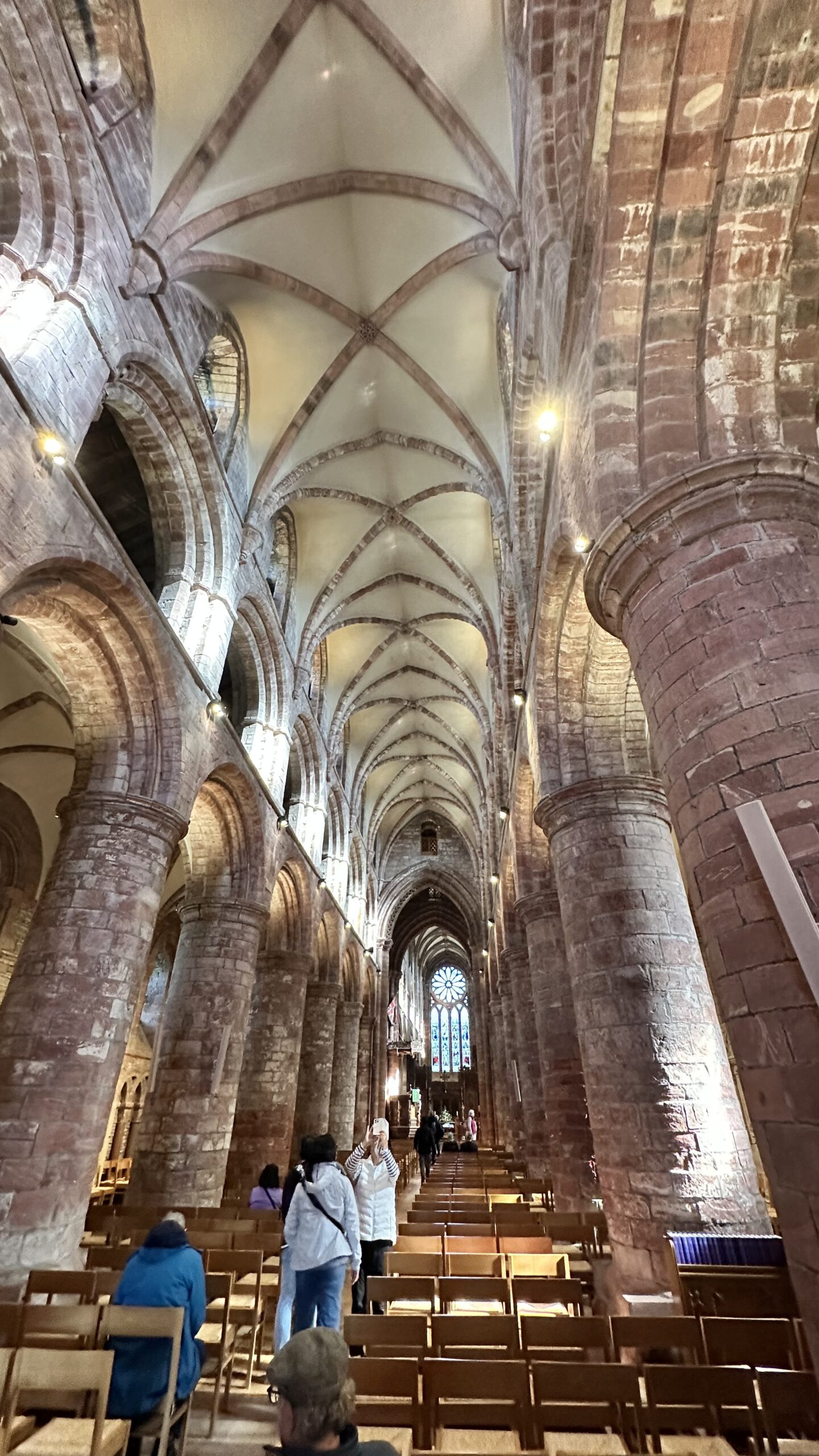
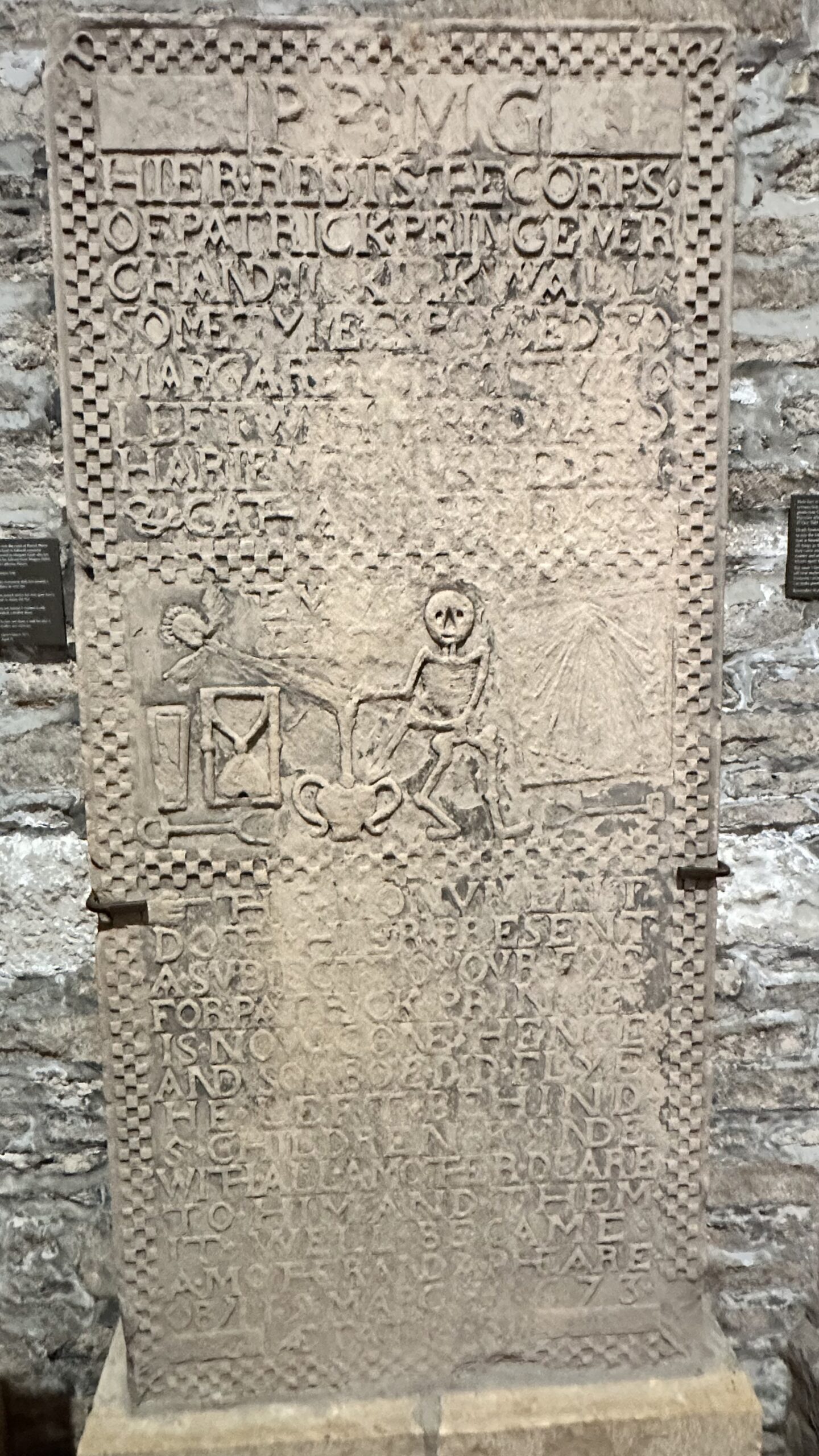
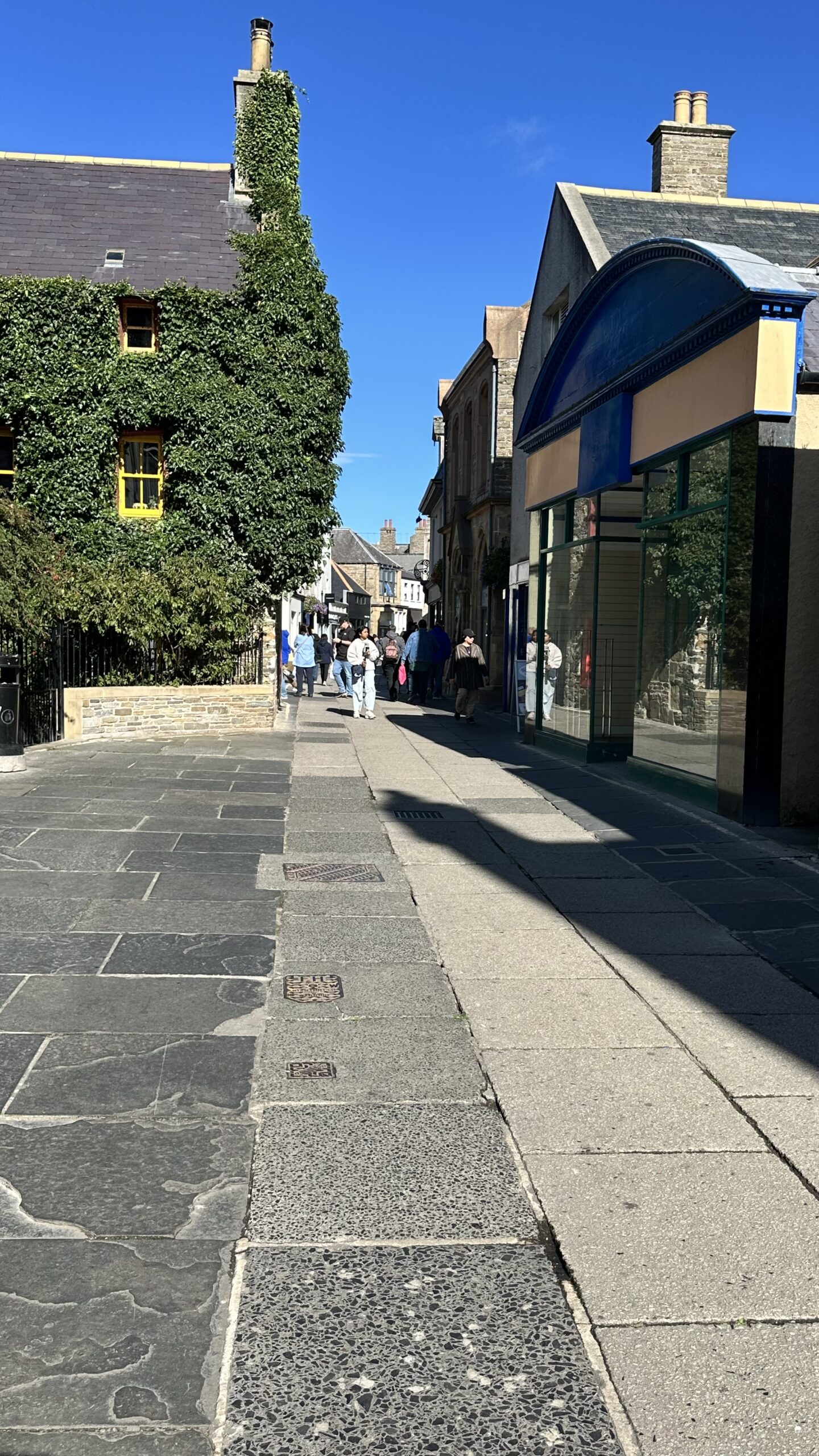
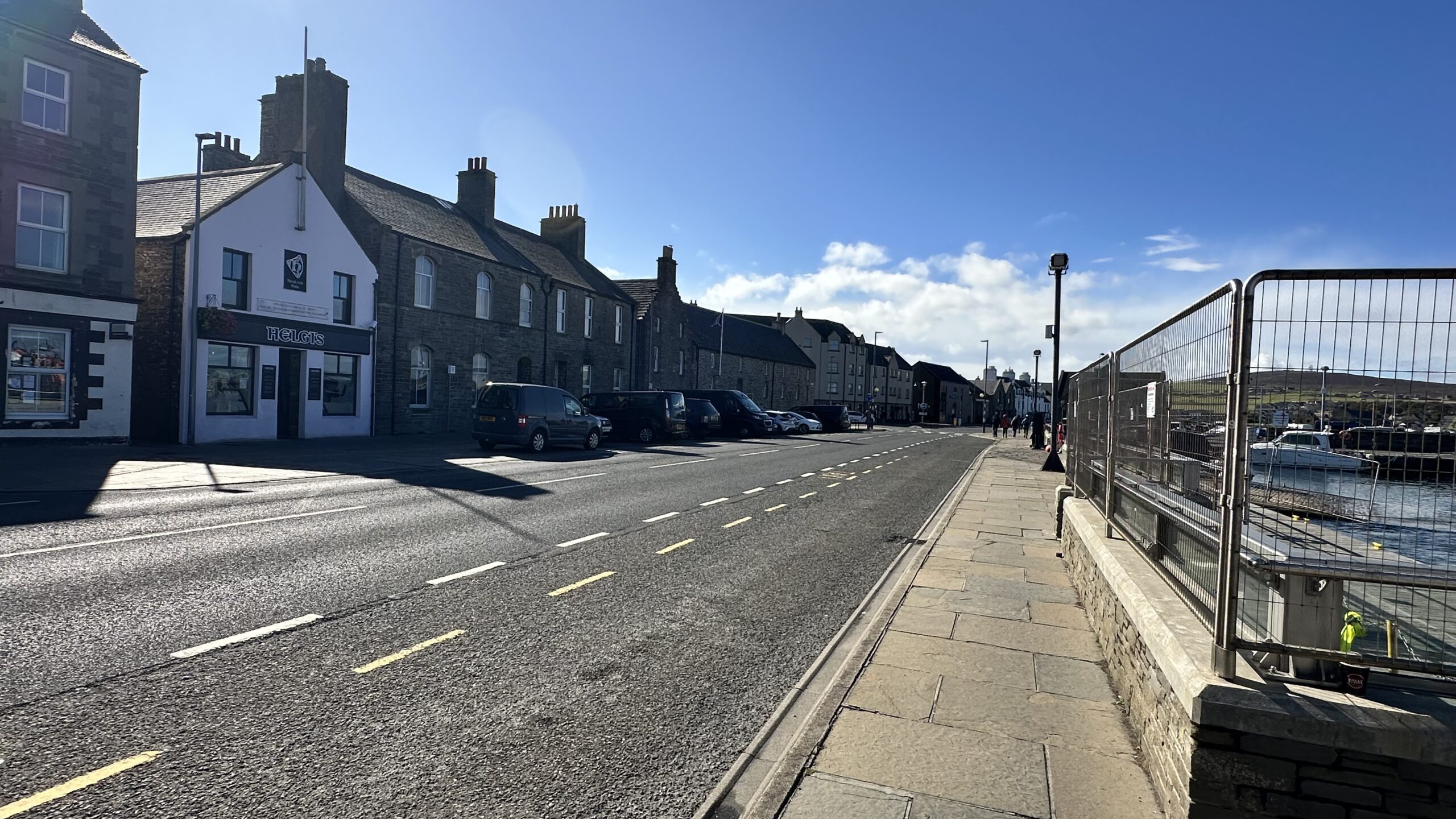
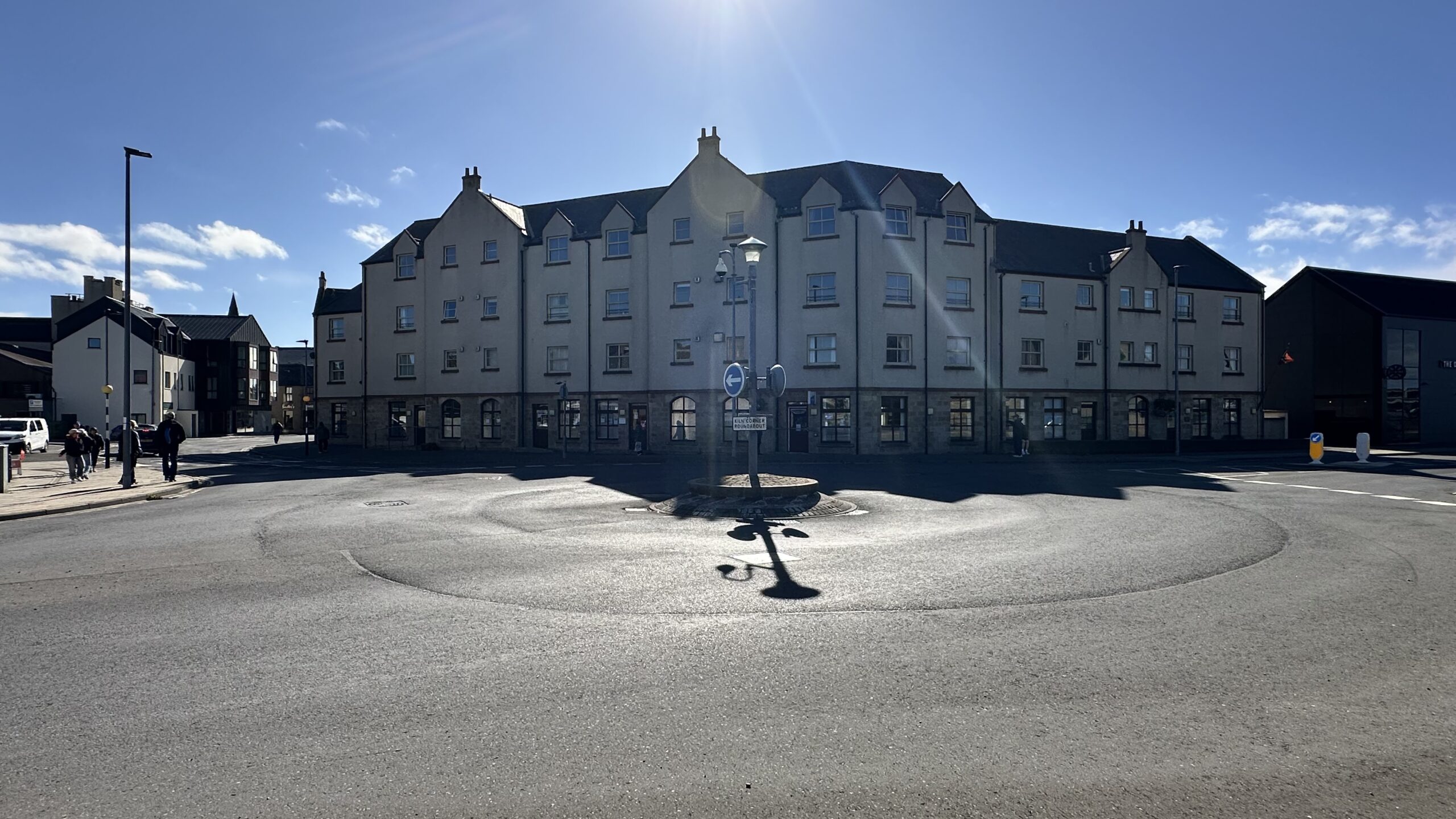
After a day of cruising we arrived in Kirkwall in the Orkney Islands. The Orkneys are a group of 70 islands with about 20 inhabited. Given it’s strategic position off the NW coast of Scotland, the Orkney Islands have a long and varied history going back thousands of years through Neolitic tribes, the Picts, Norwegian rule and became part of Scotland in 1472. The Ring of Brodgar is about 4600 years old and like Stonehenge, who built it, how and why are not known.
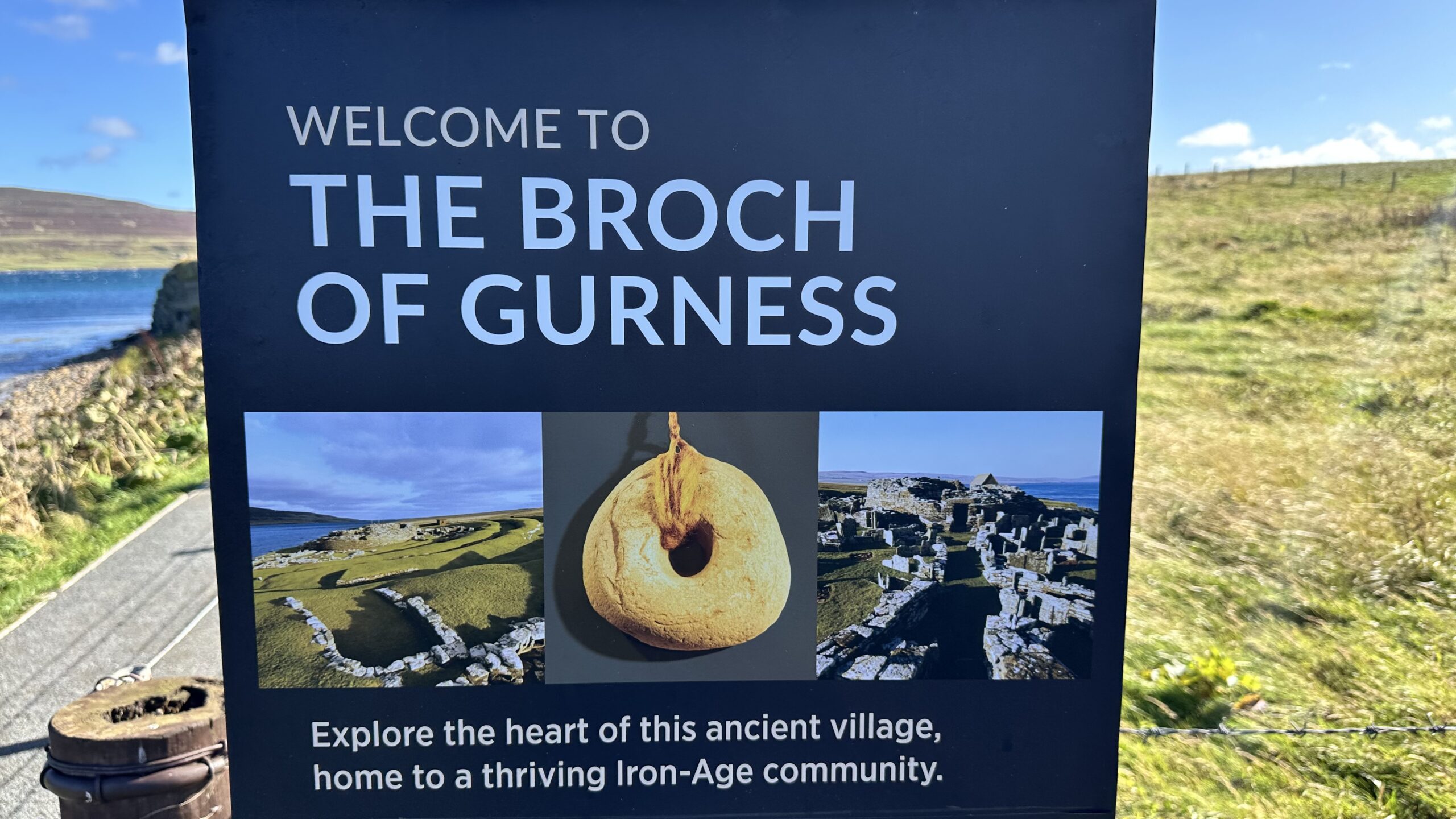
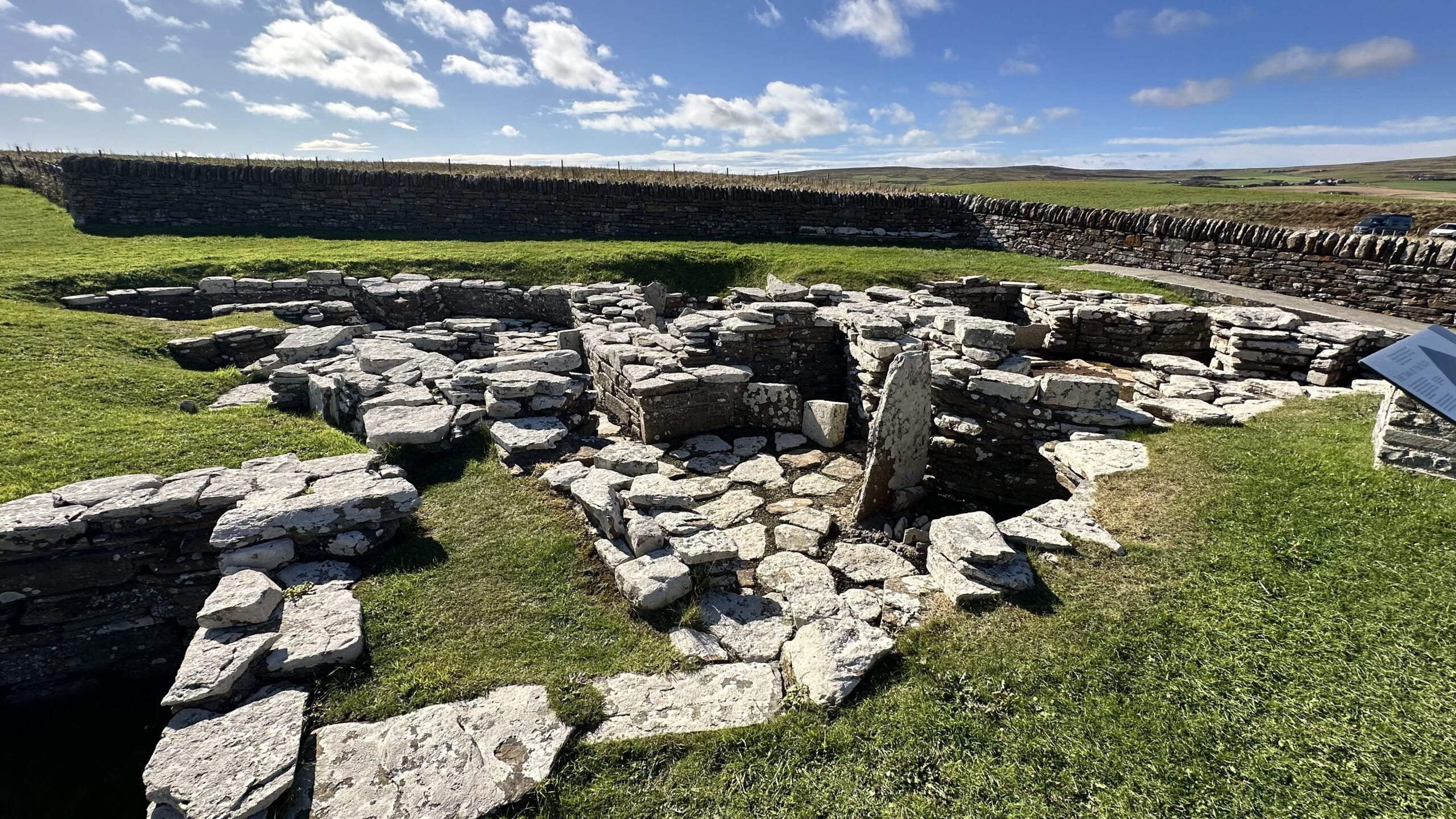
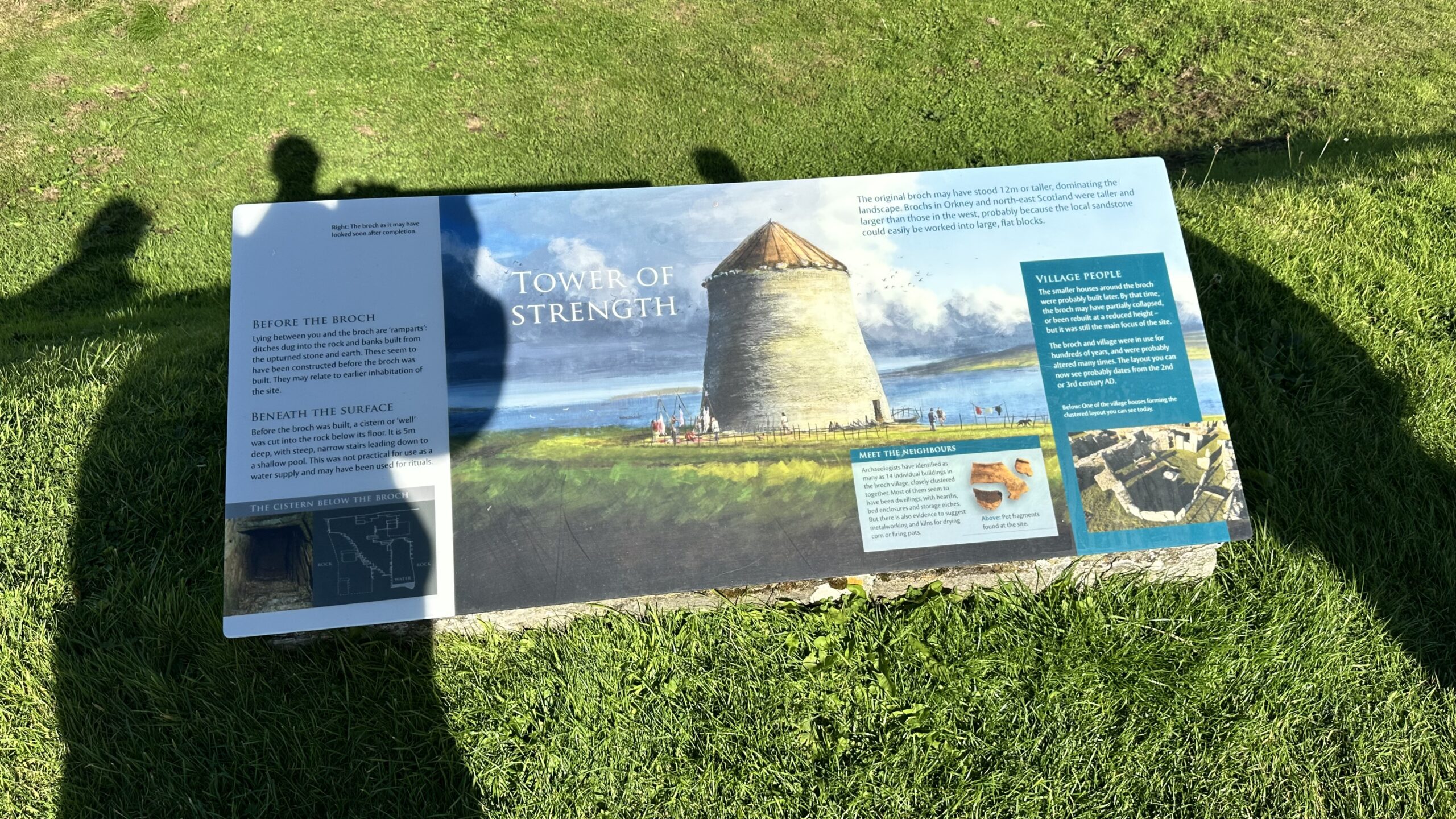
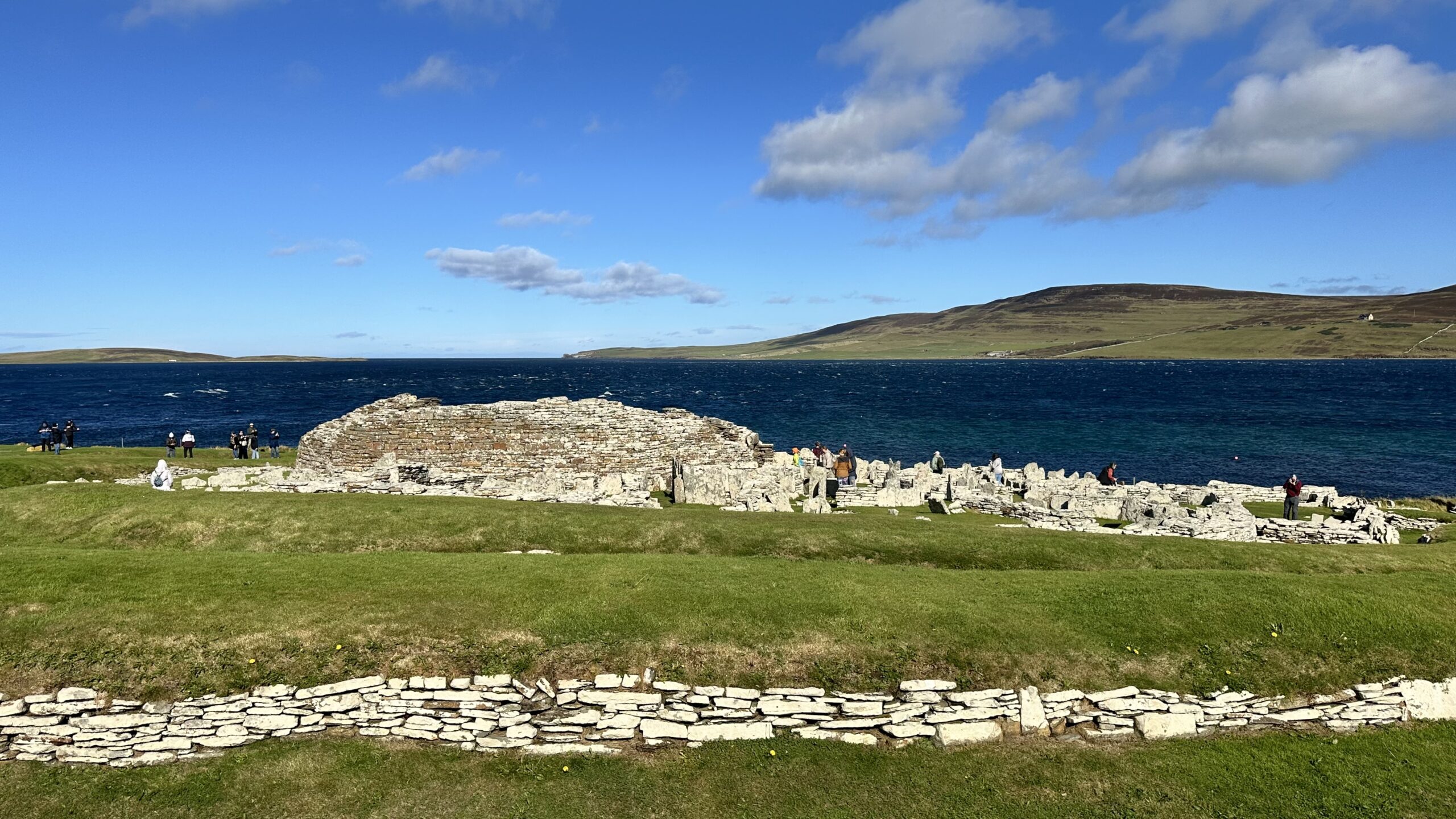
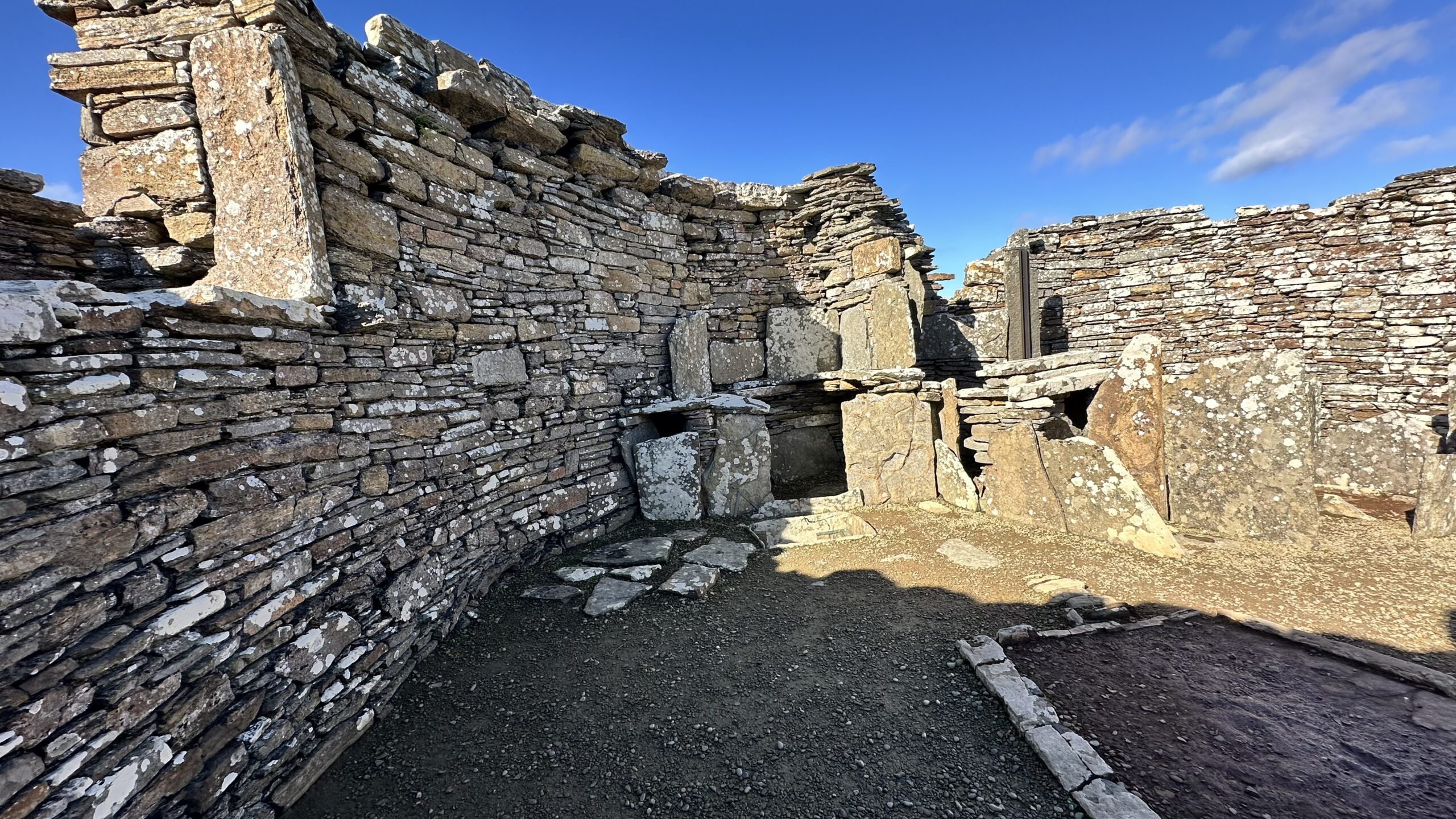
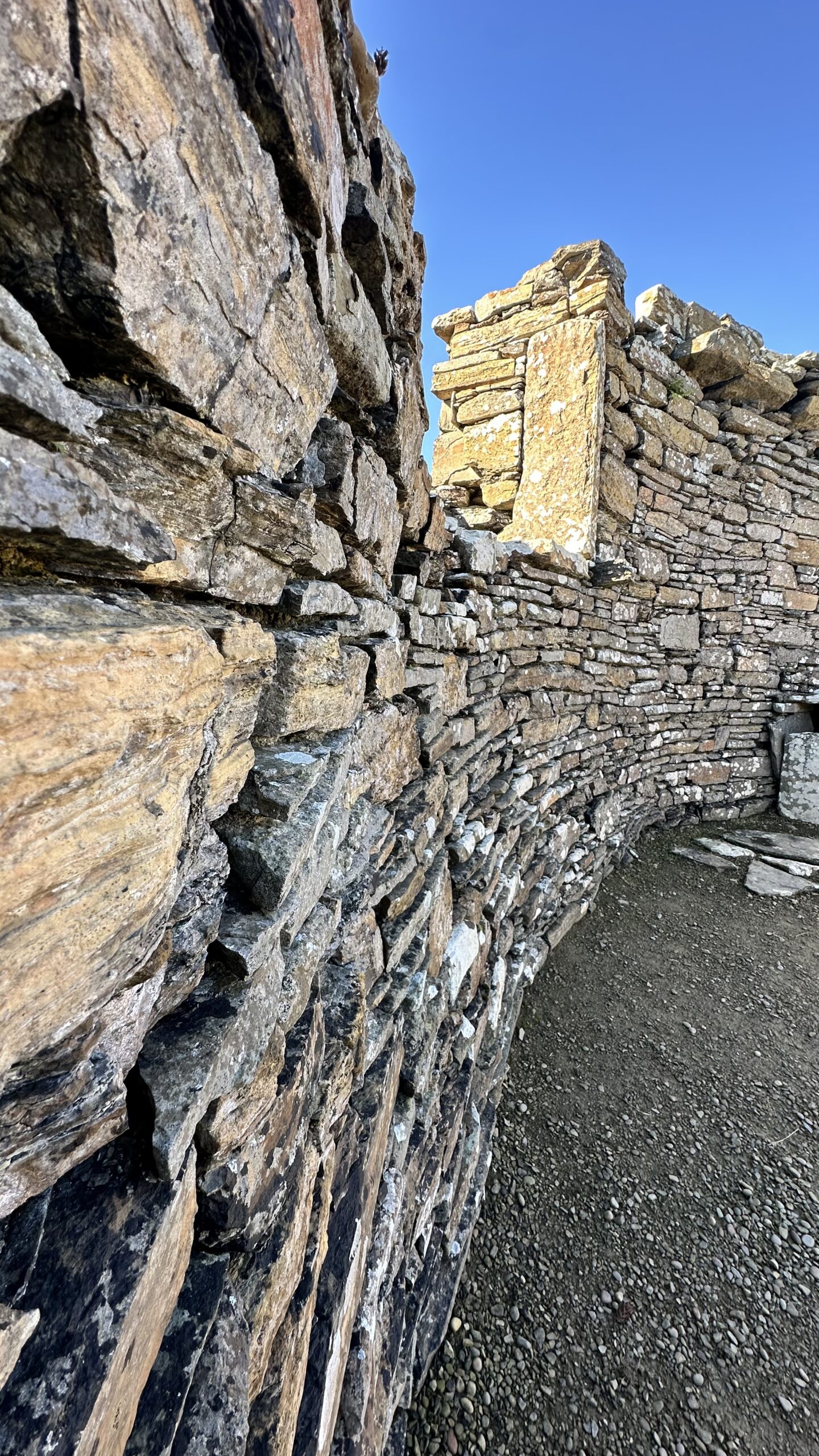
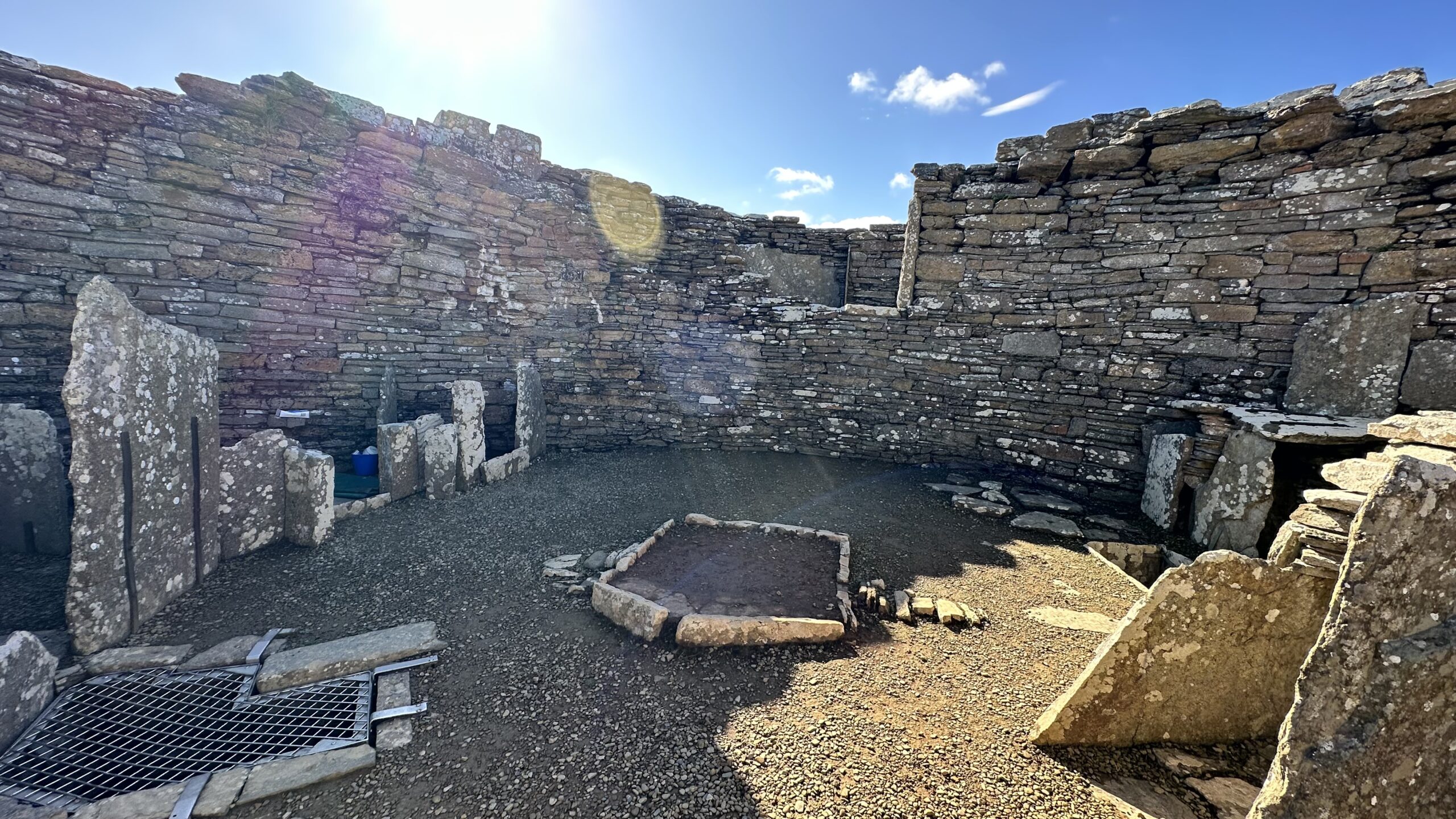
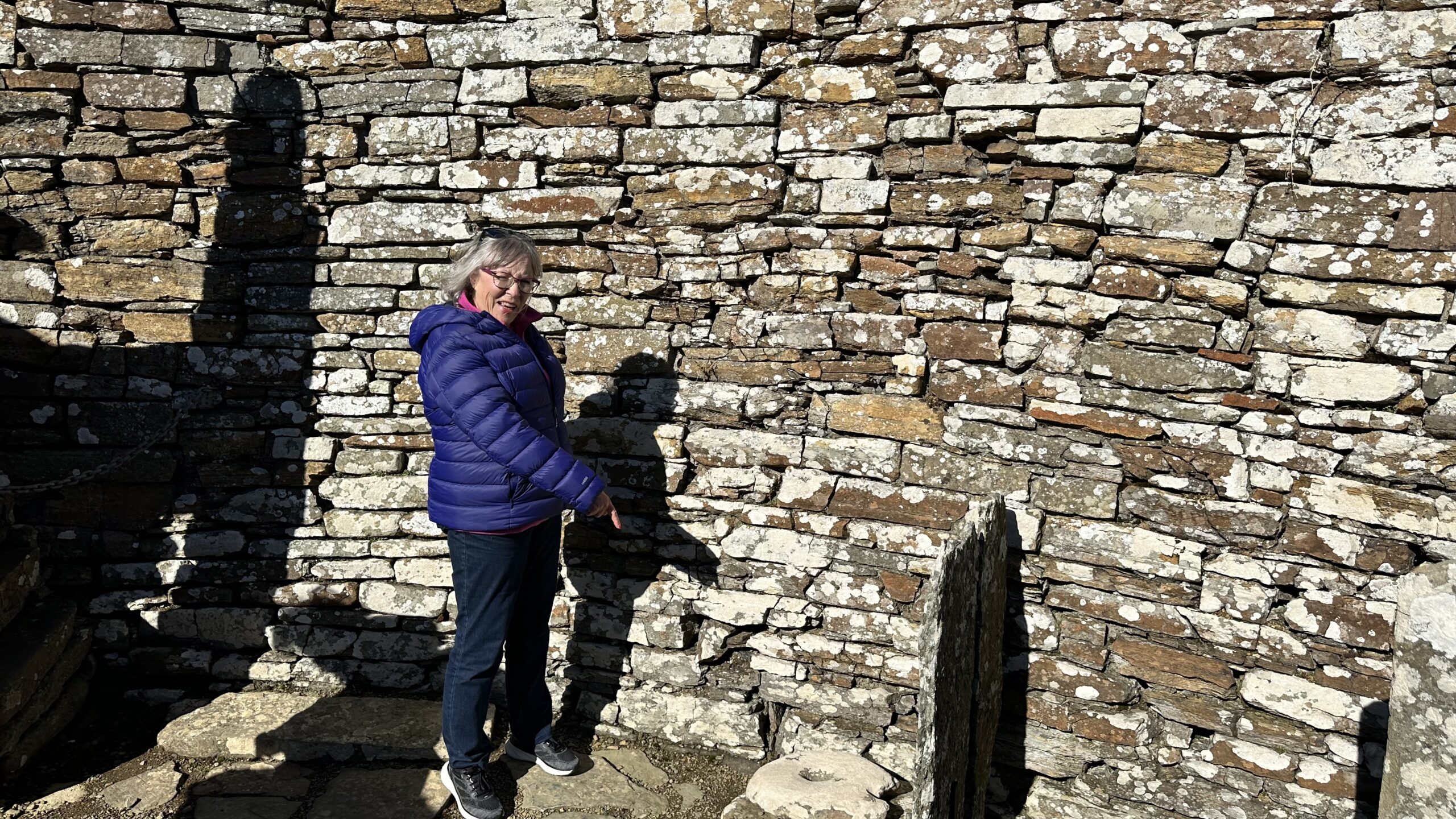
Around 500 BC, Iron Age inhabitants began to build strong circular houses as main dwellings for their farms. The Broch of Gurness is one such building. It was 8 meters tall with a diameter of 20 meters. It was surrounded by other dwellings that house up to 40 families.
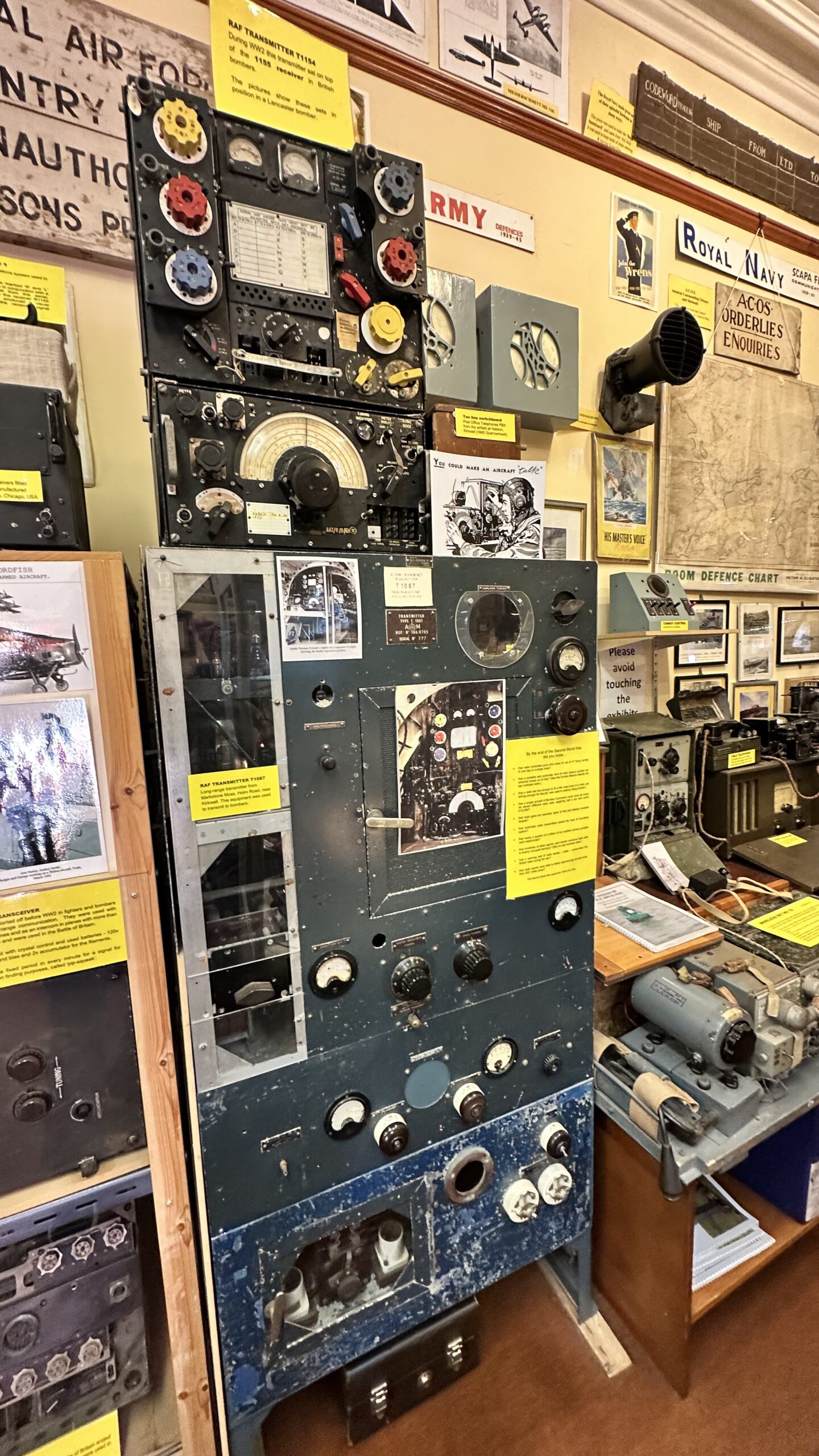
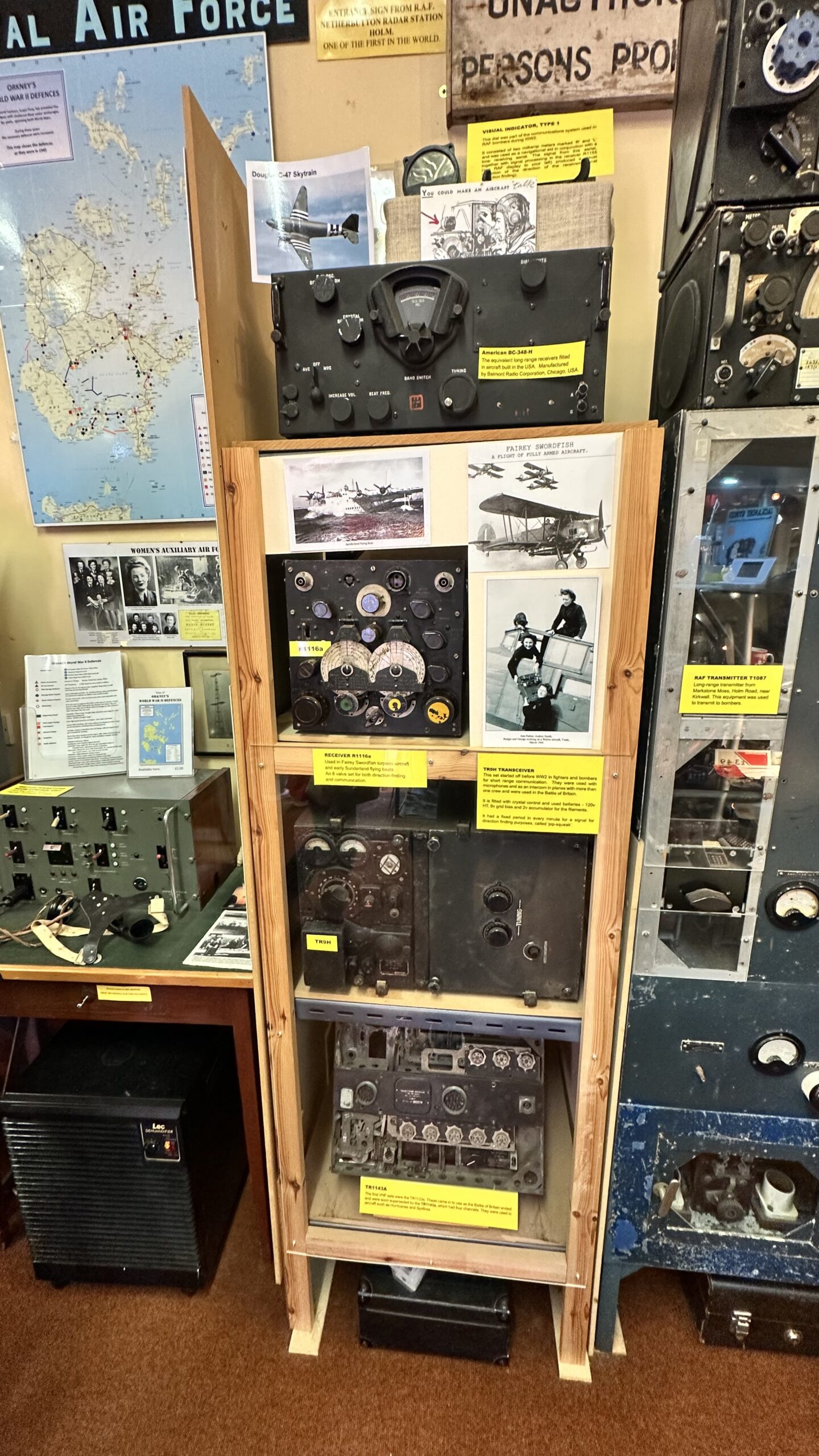
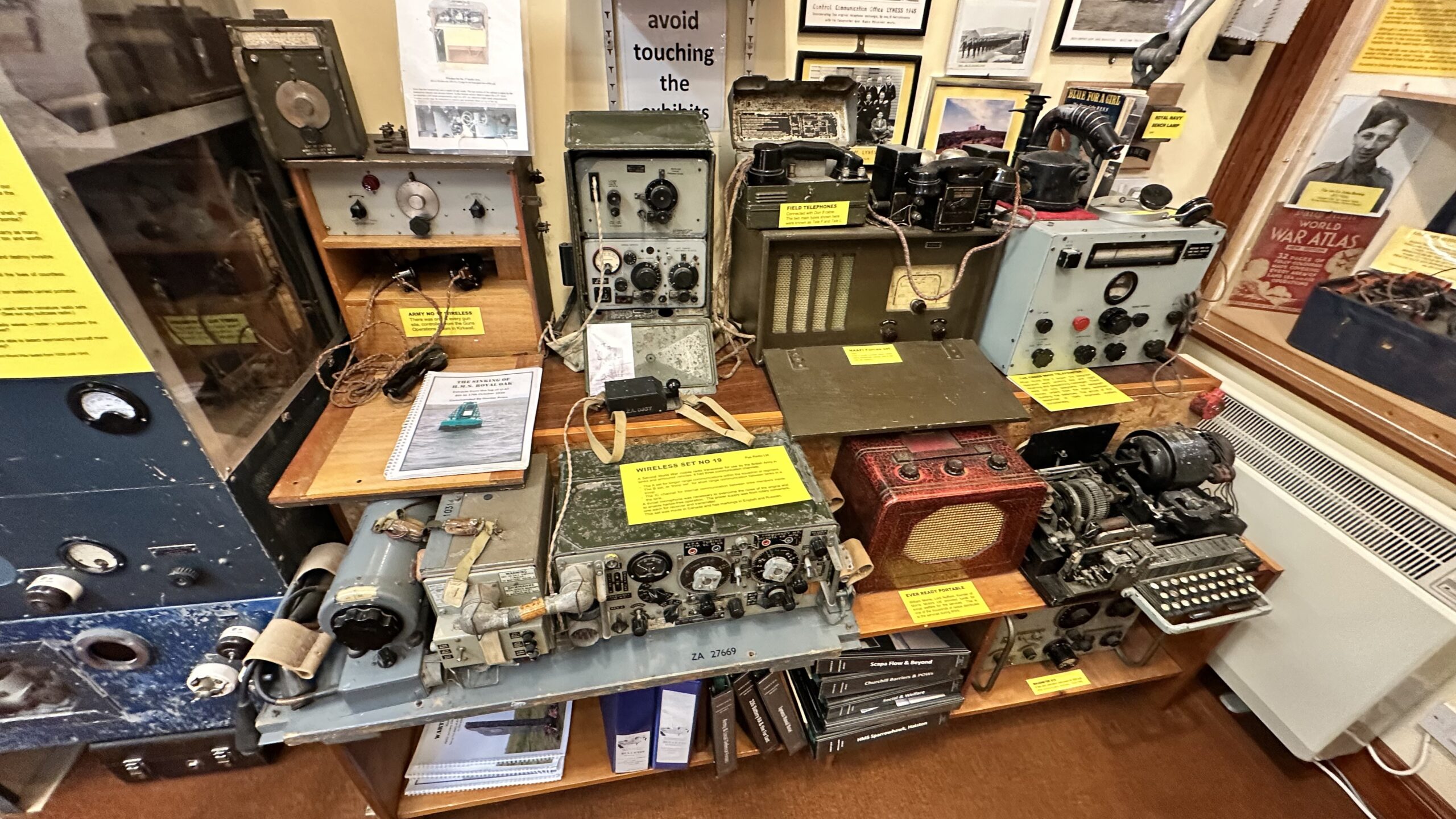
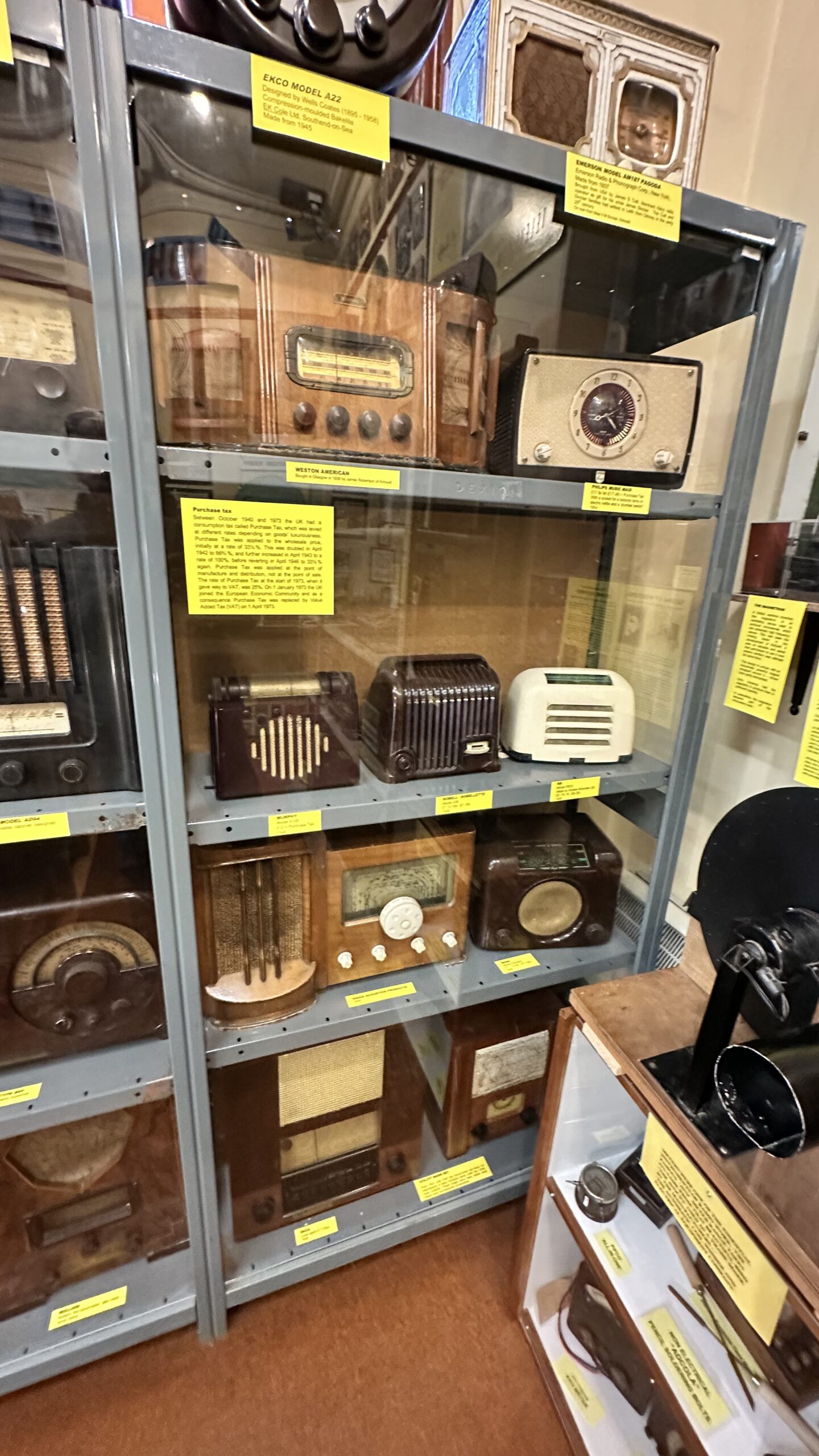
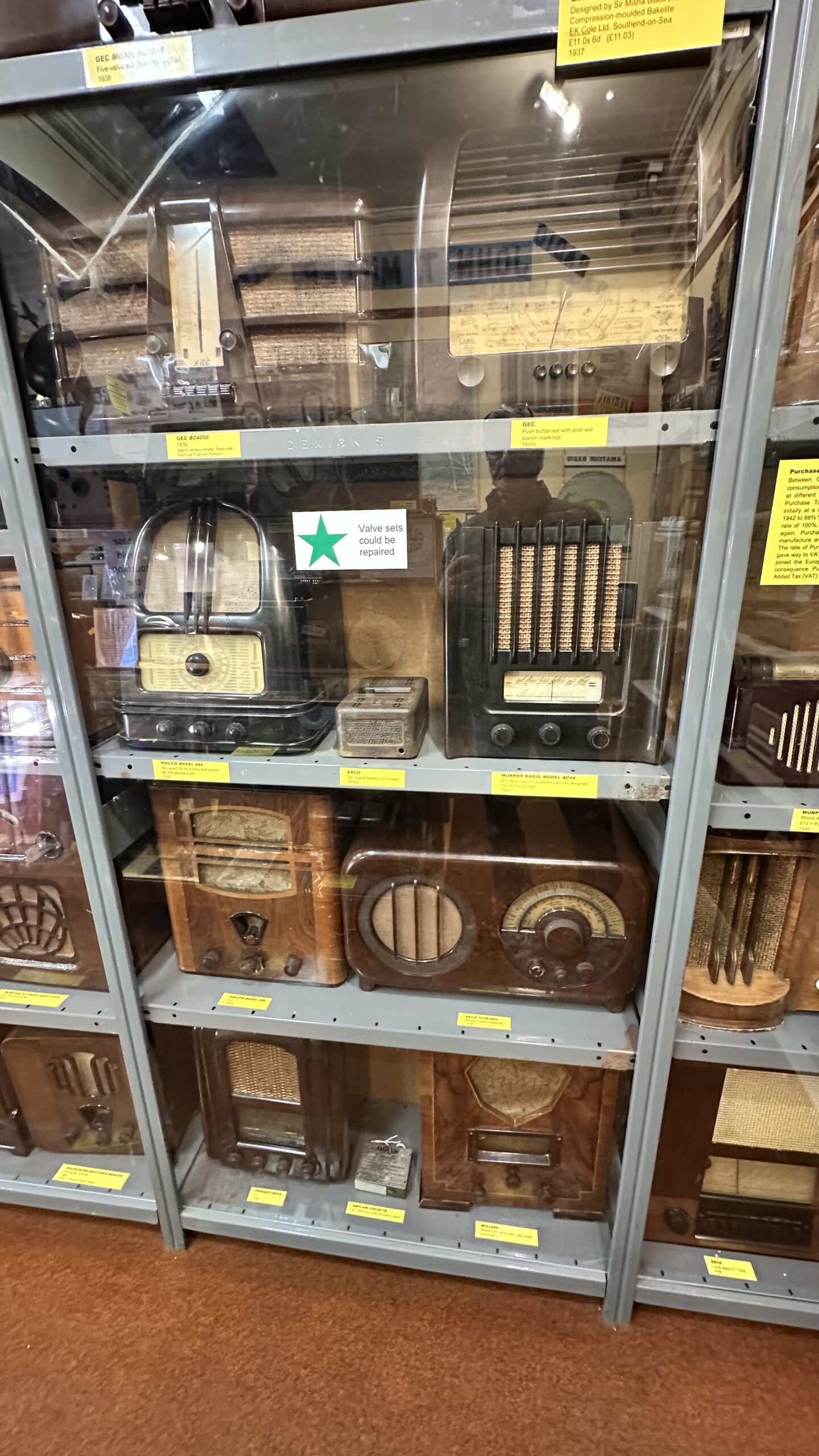
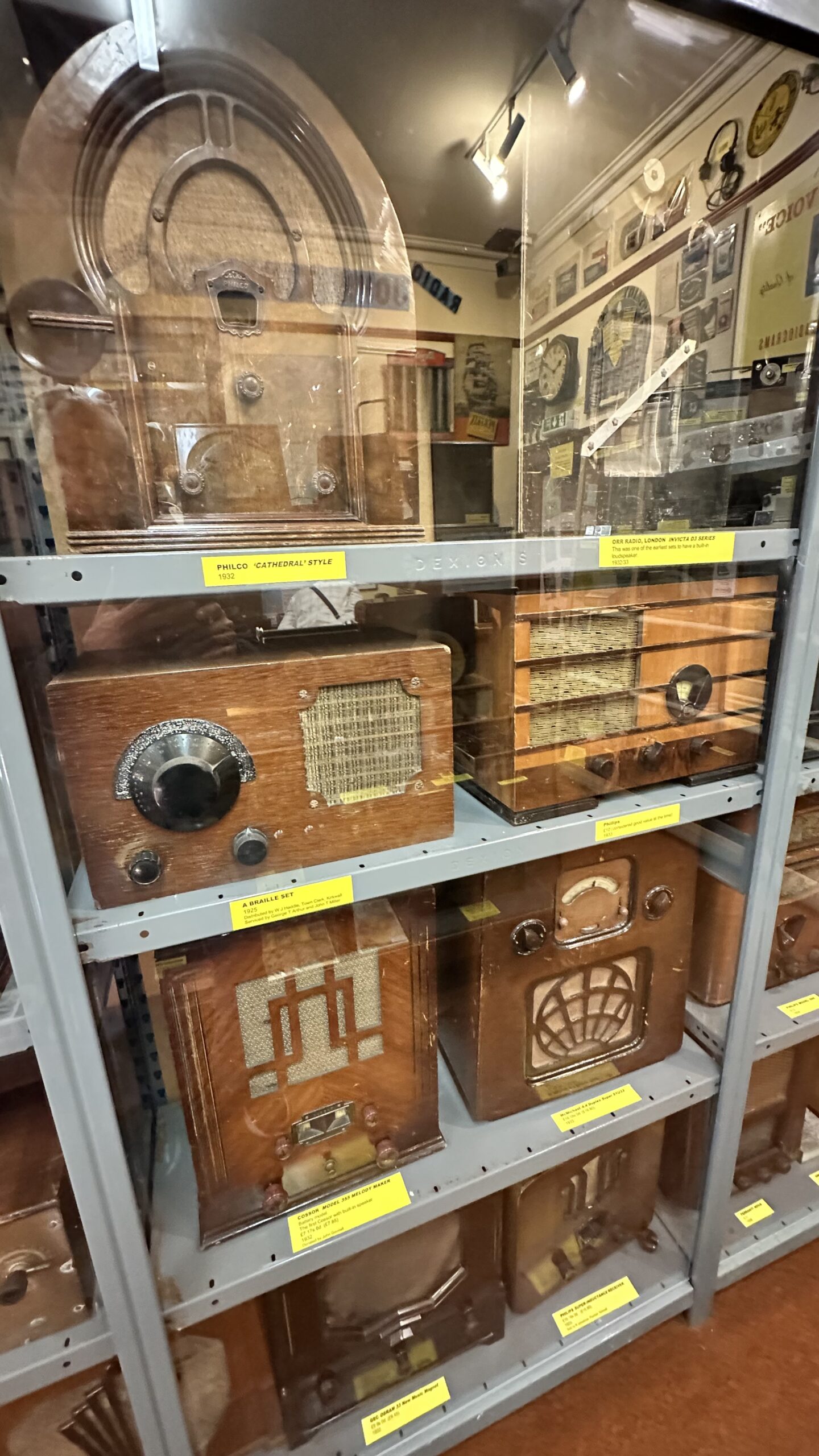
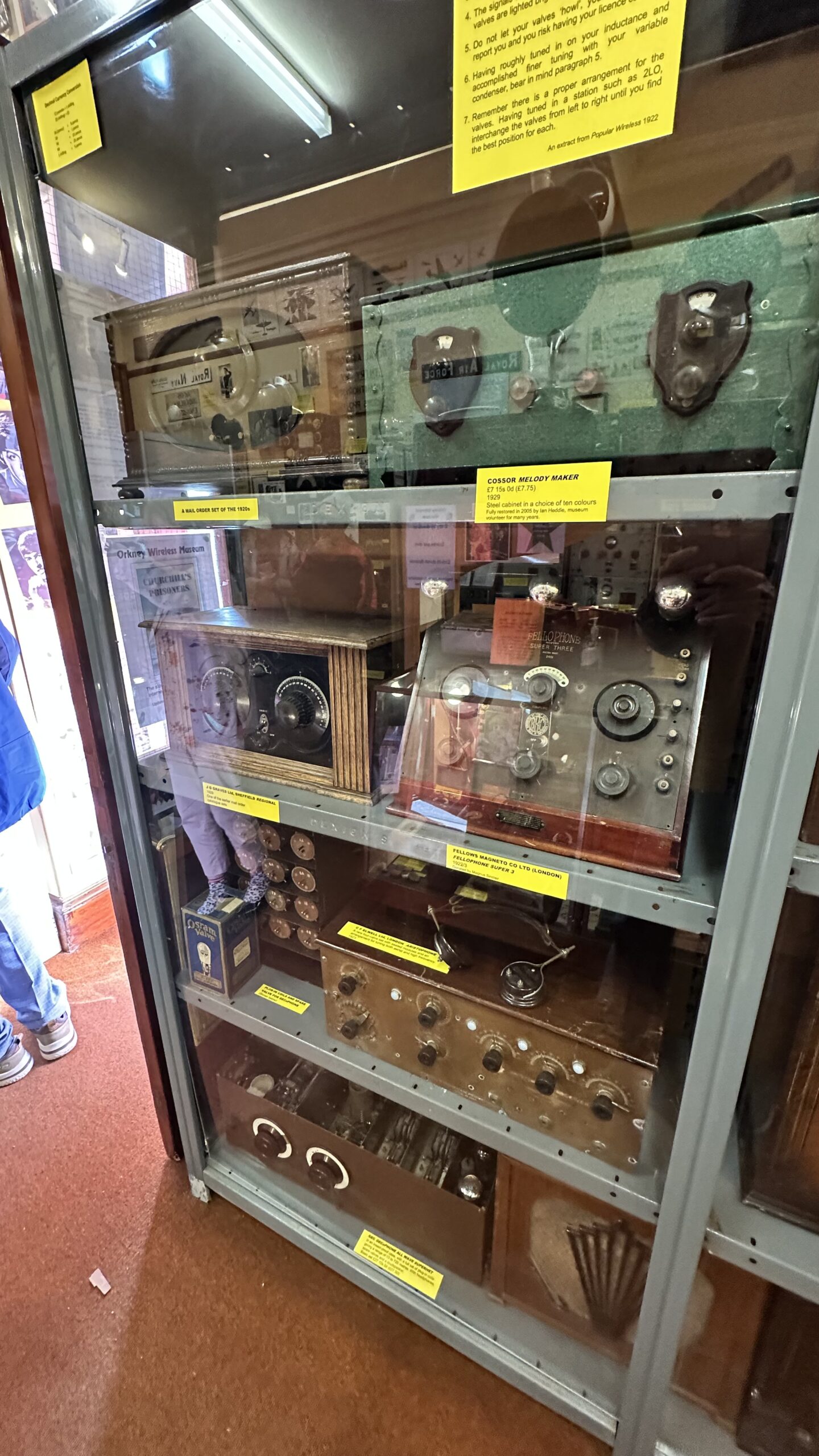
Downtown Kirkwall had a great little wireless museum with old radios with some military radios from WWII.
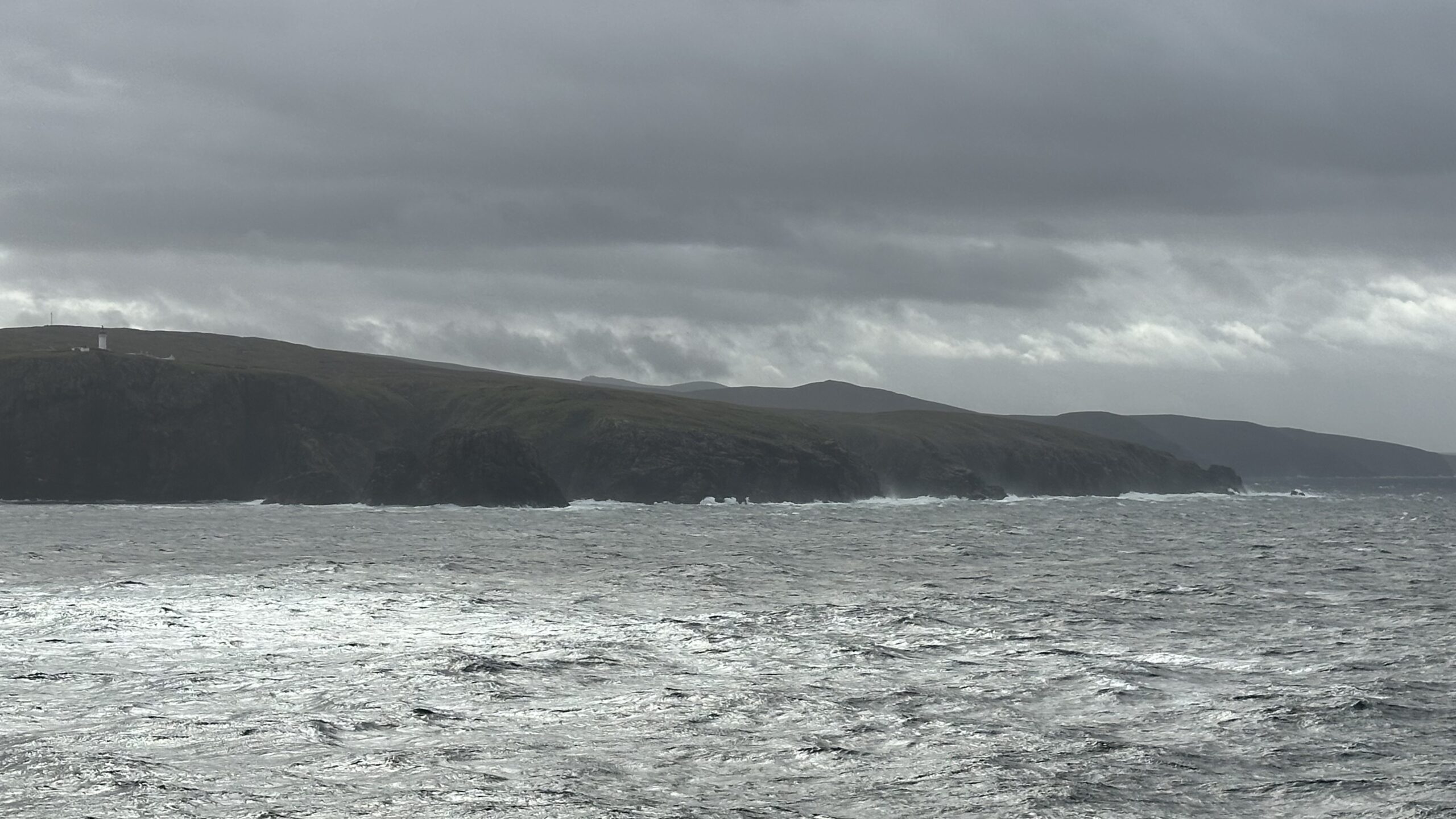
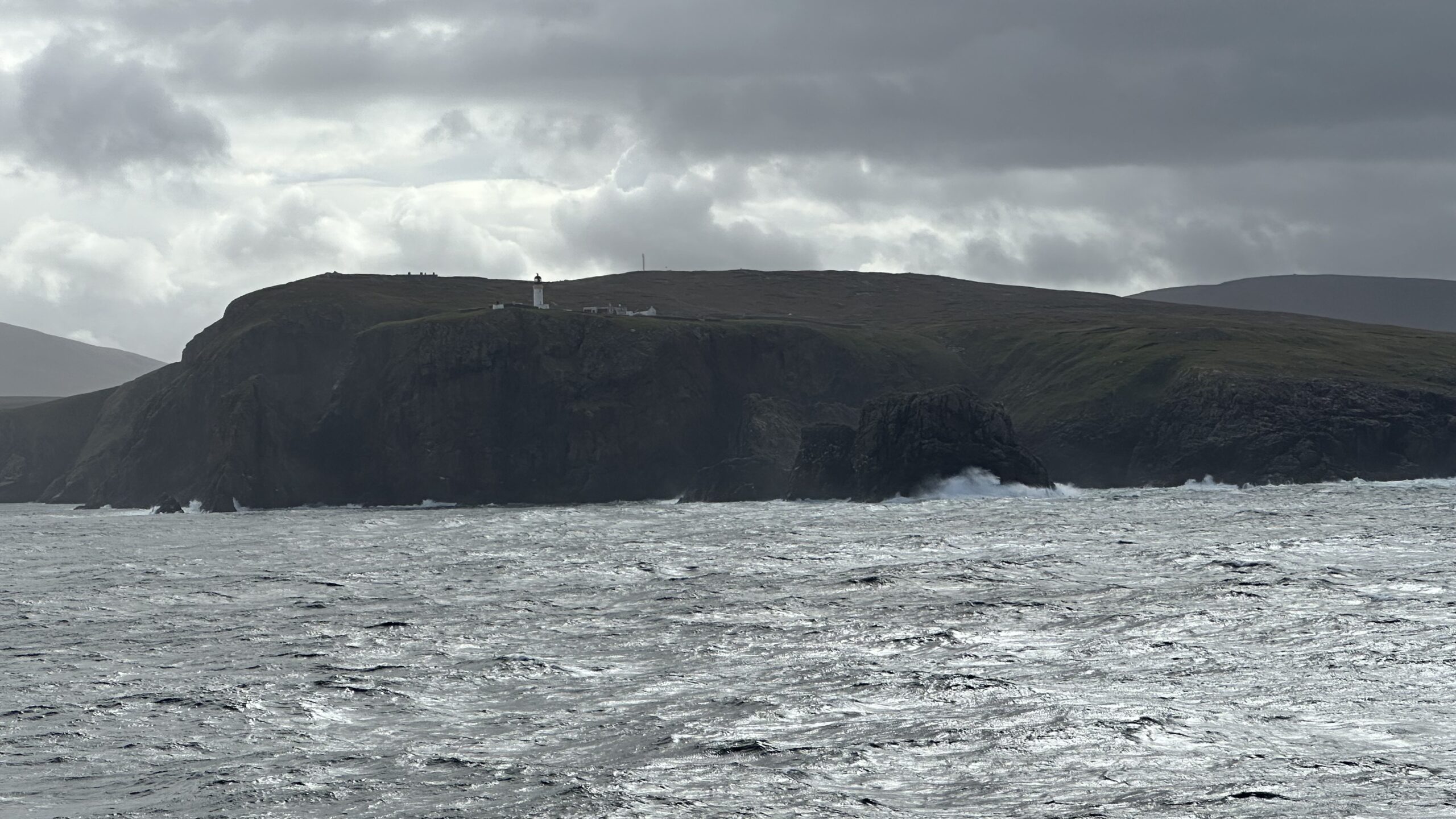
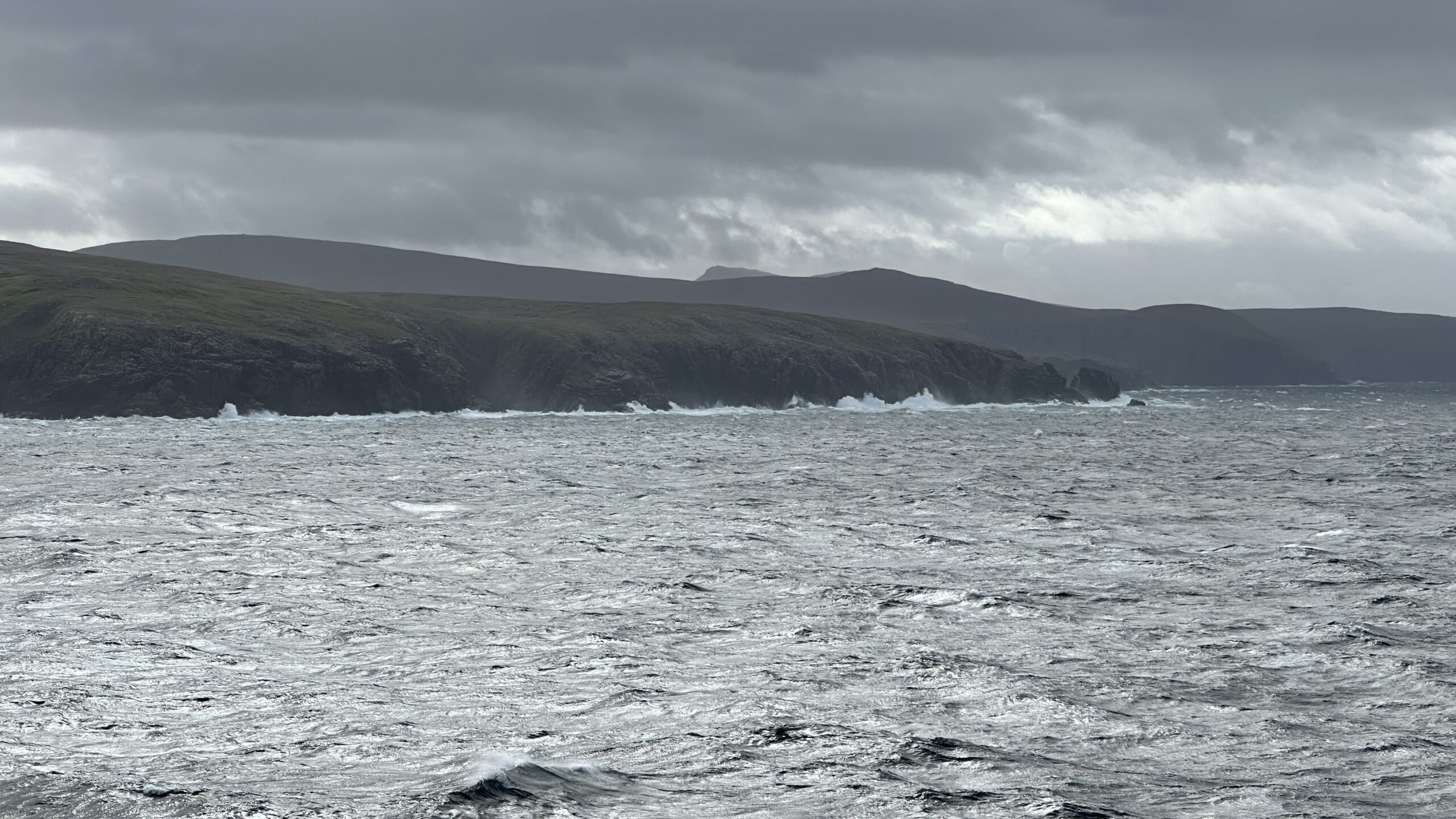
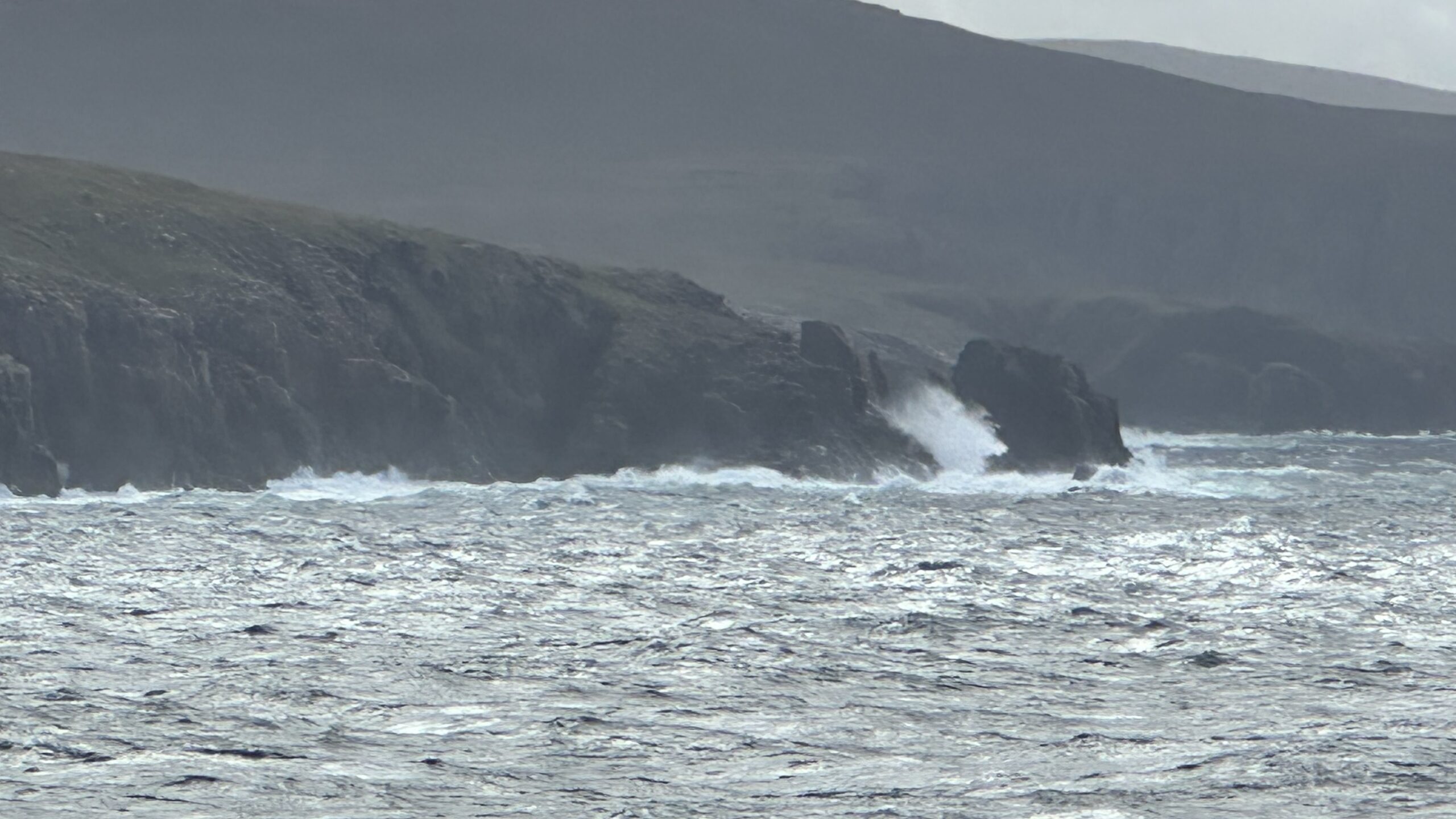
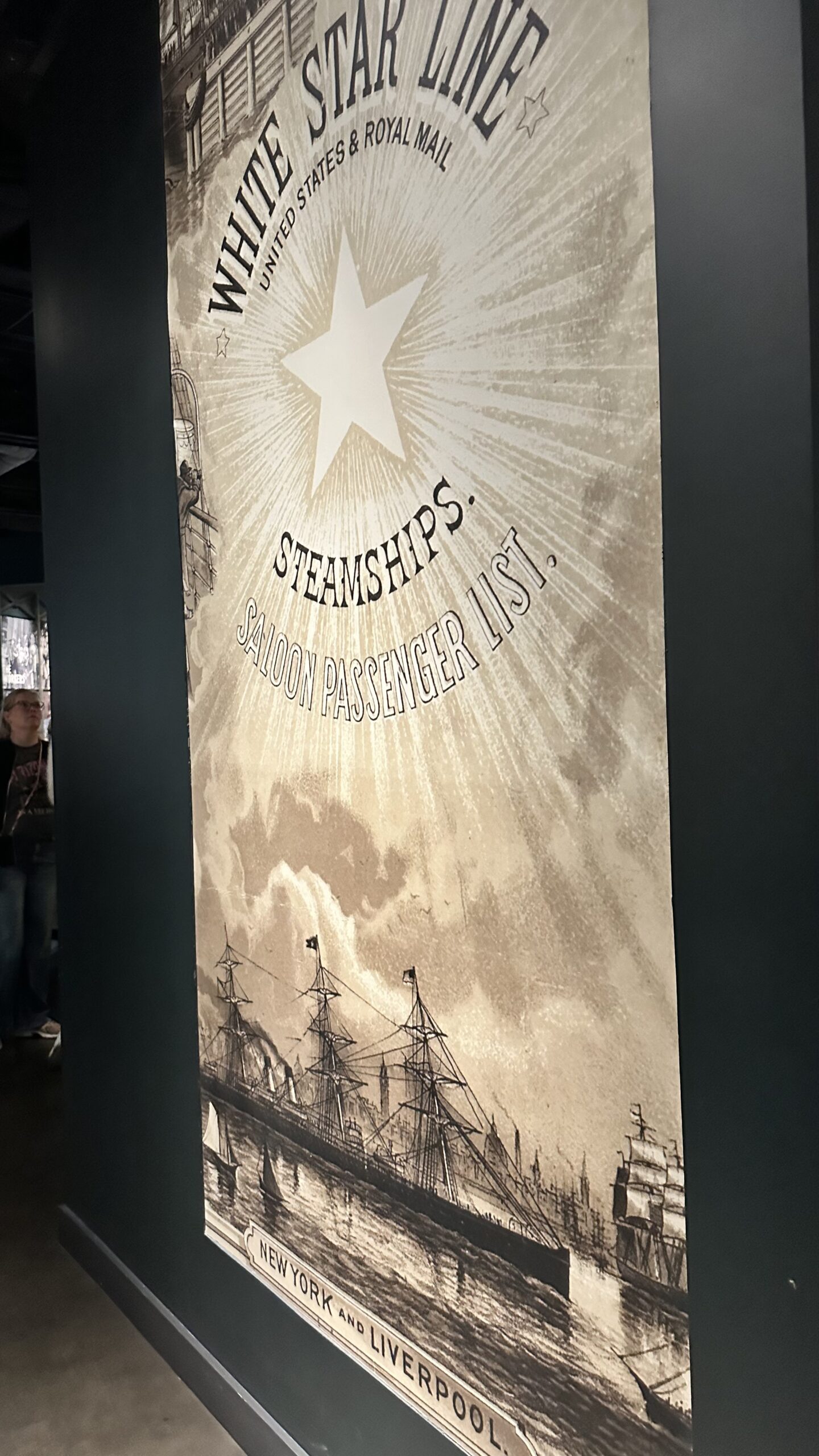
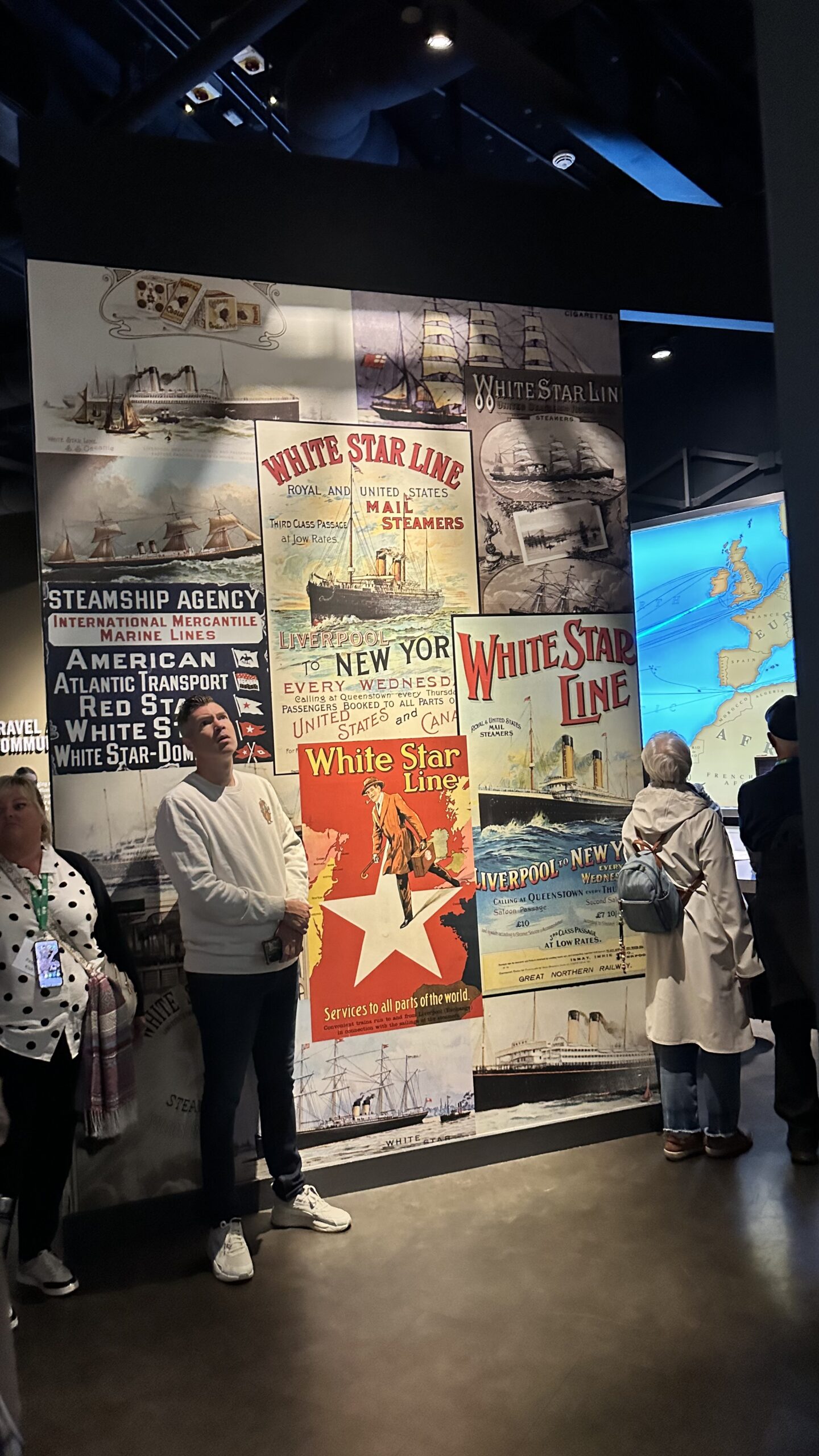
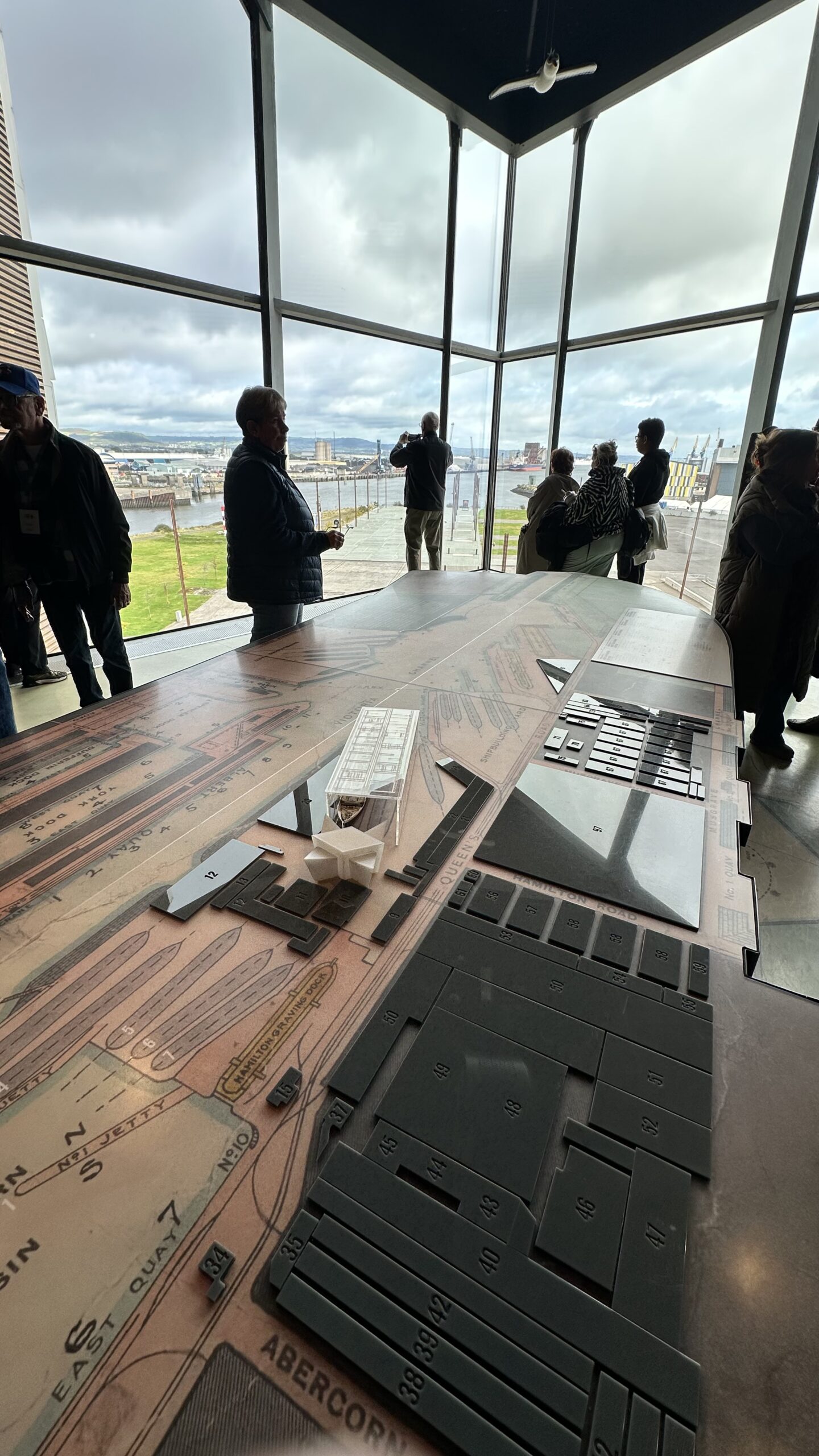
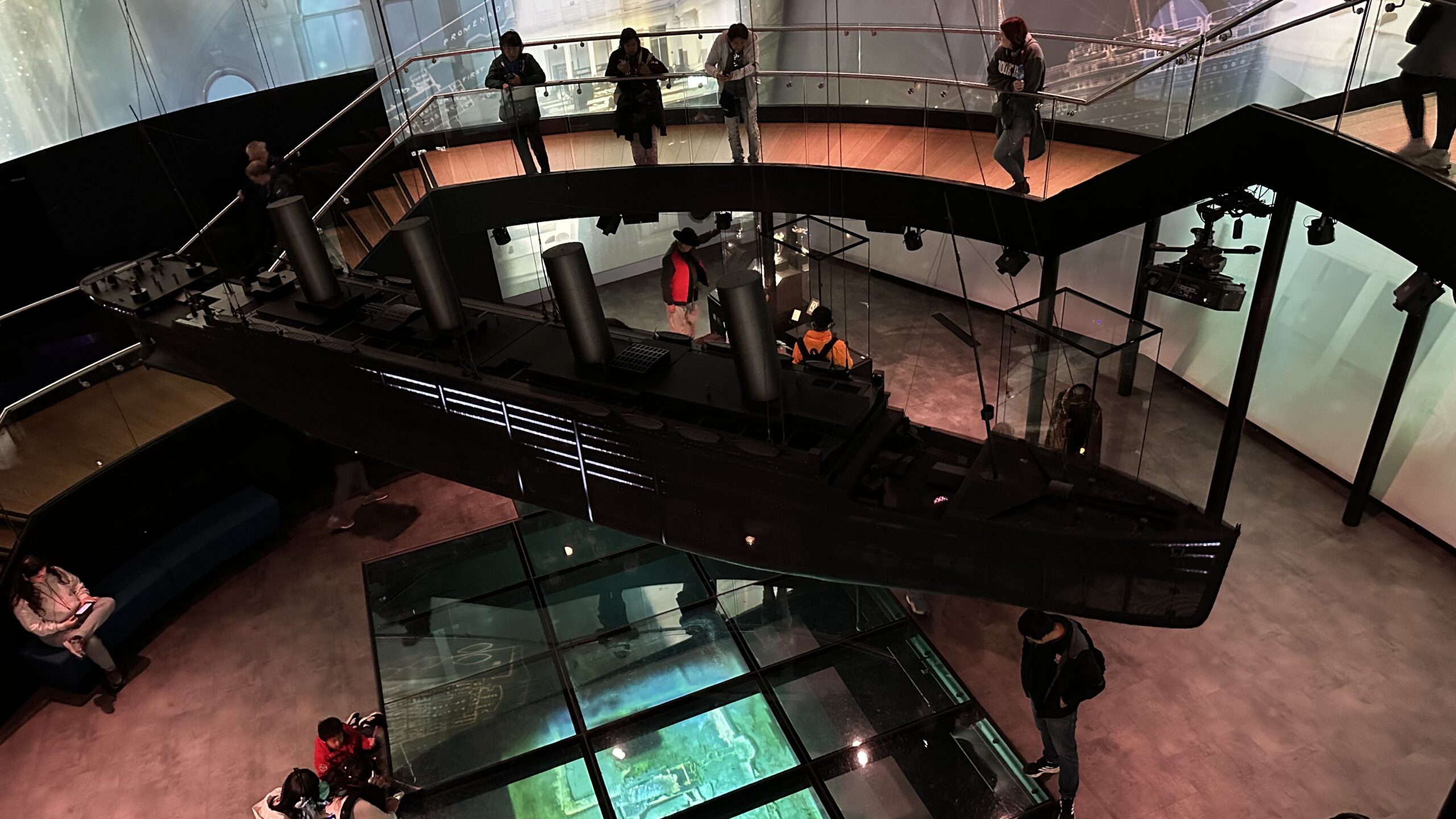
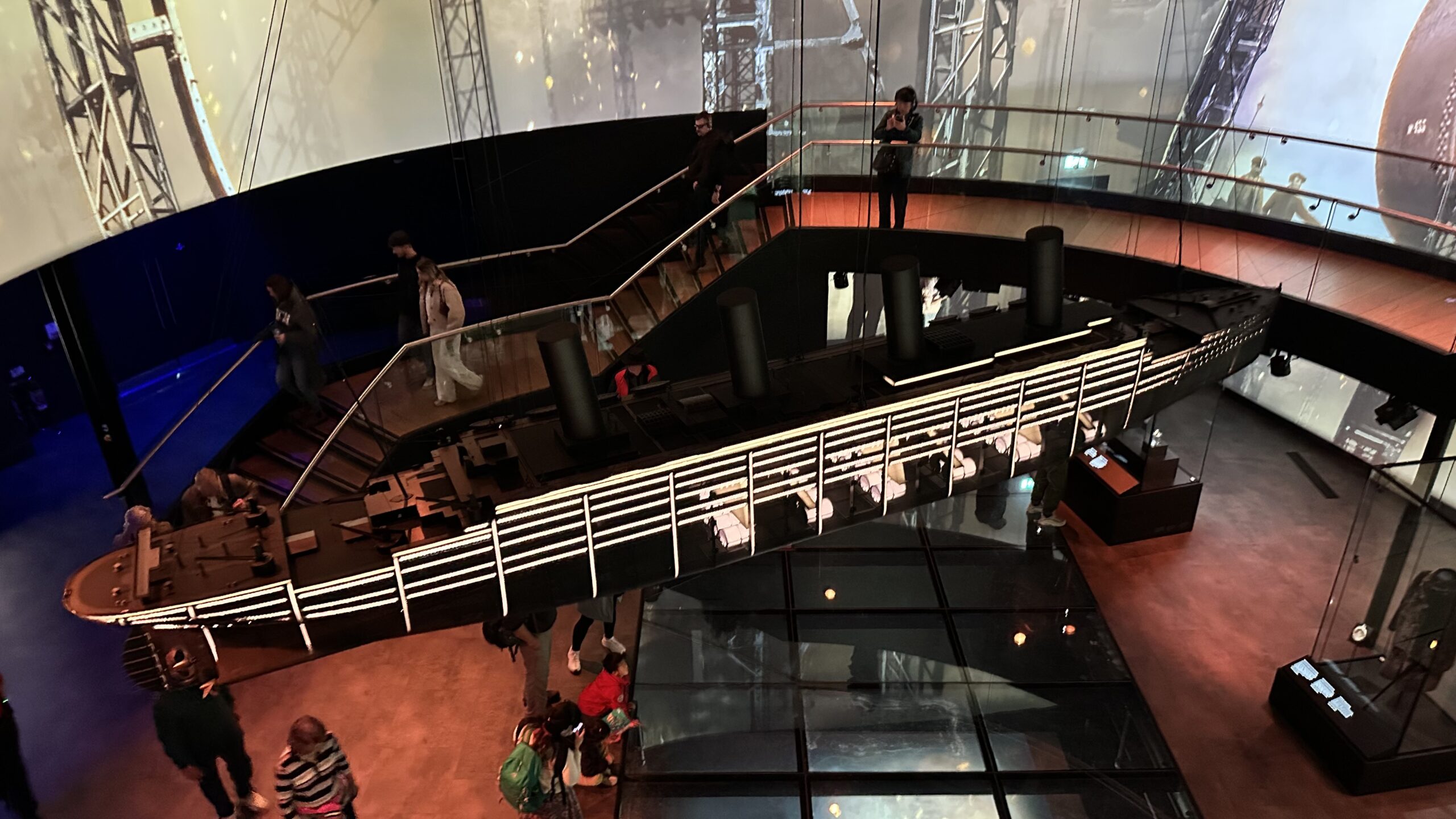
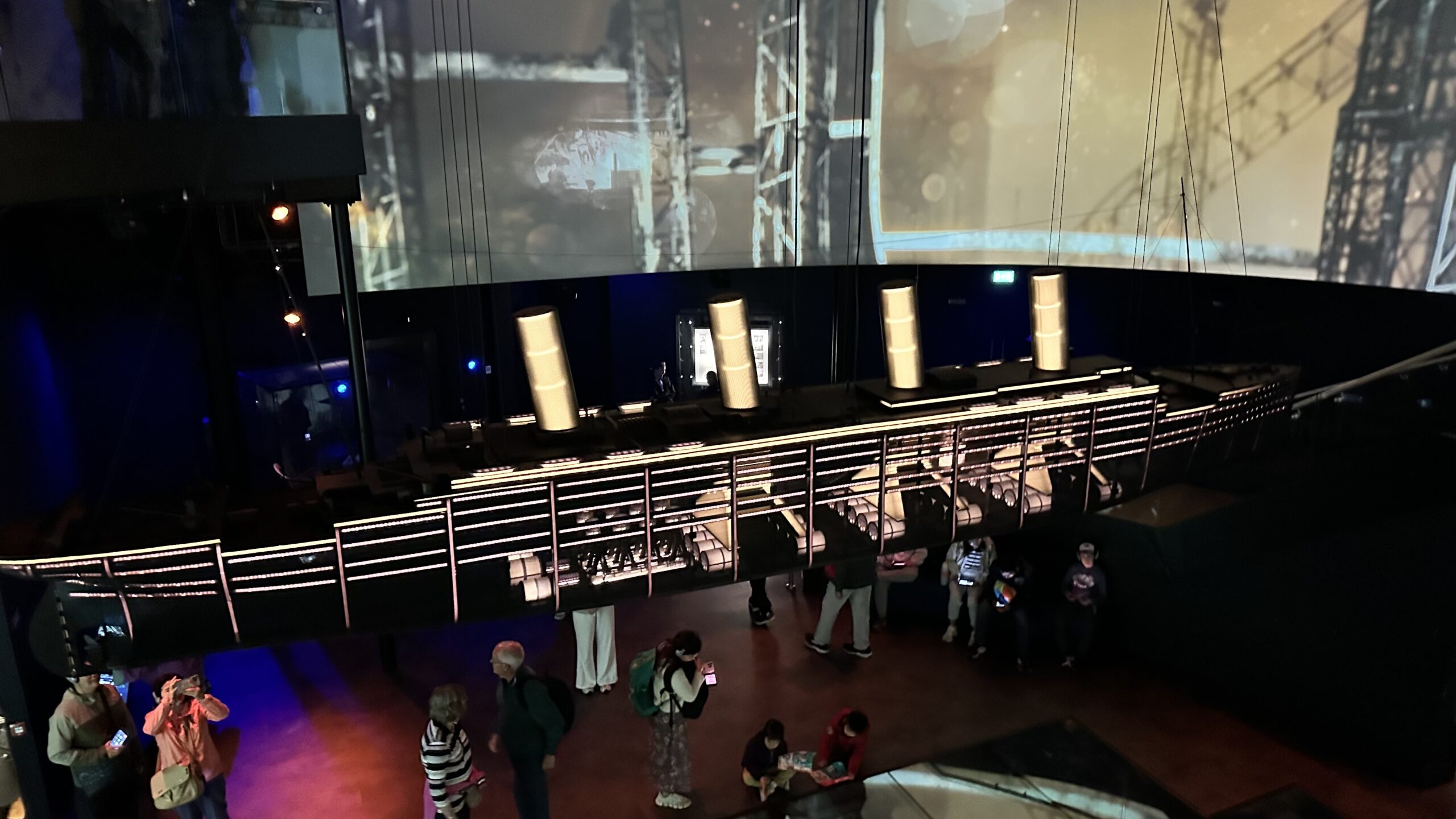
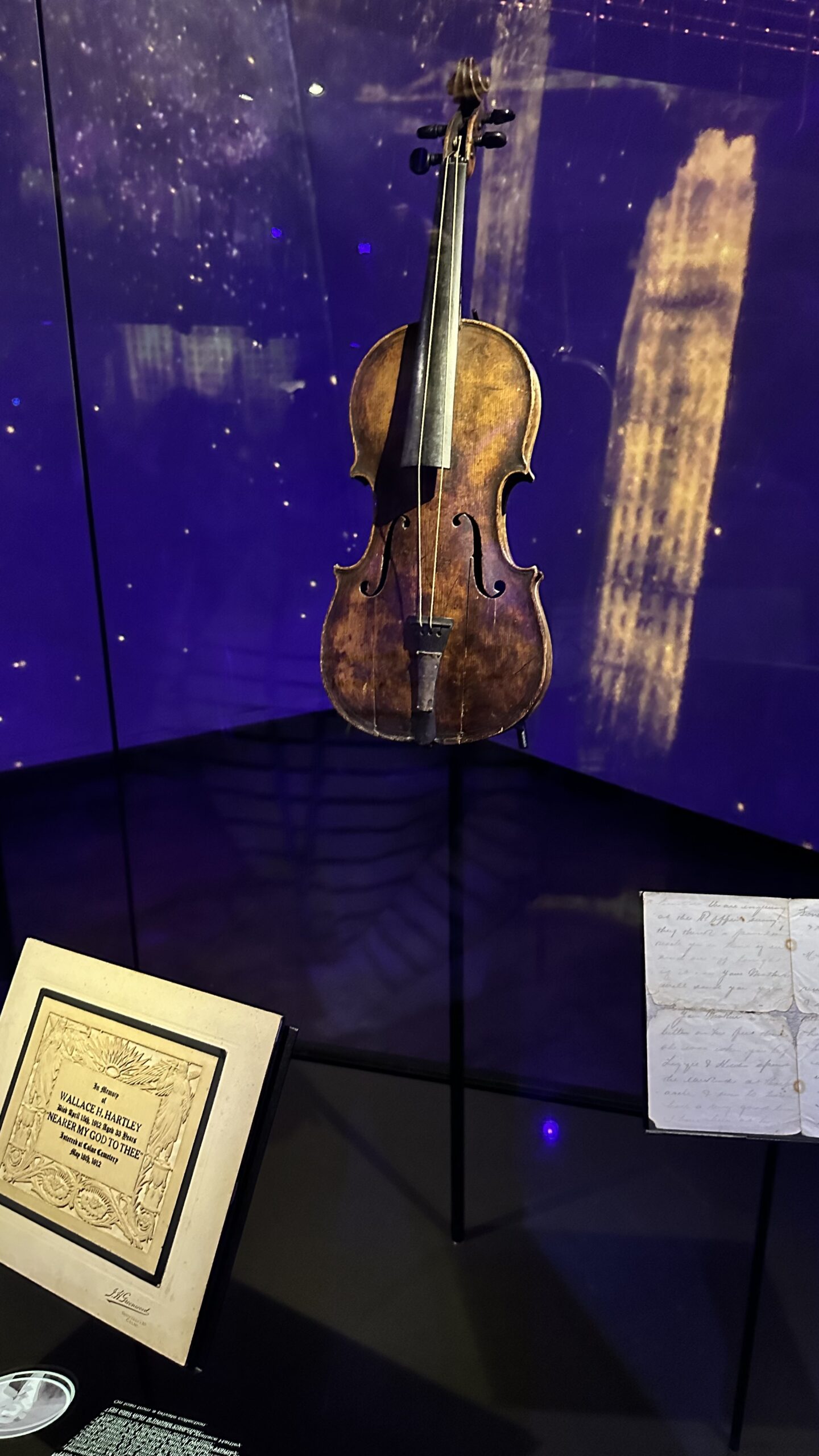
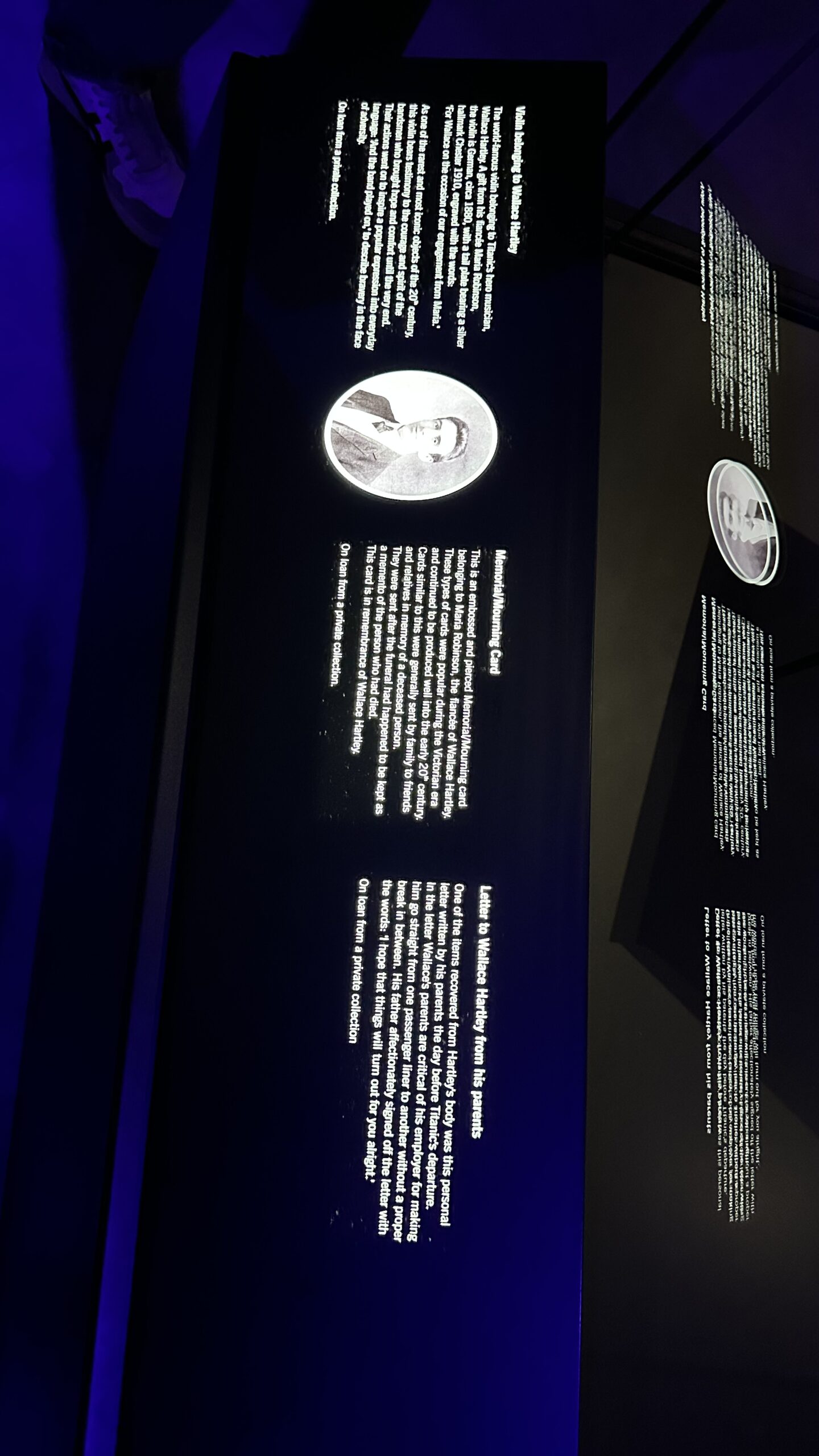
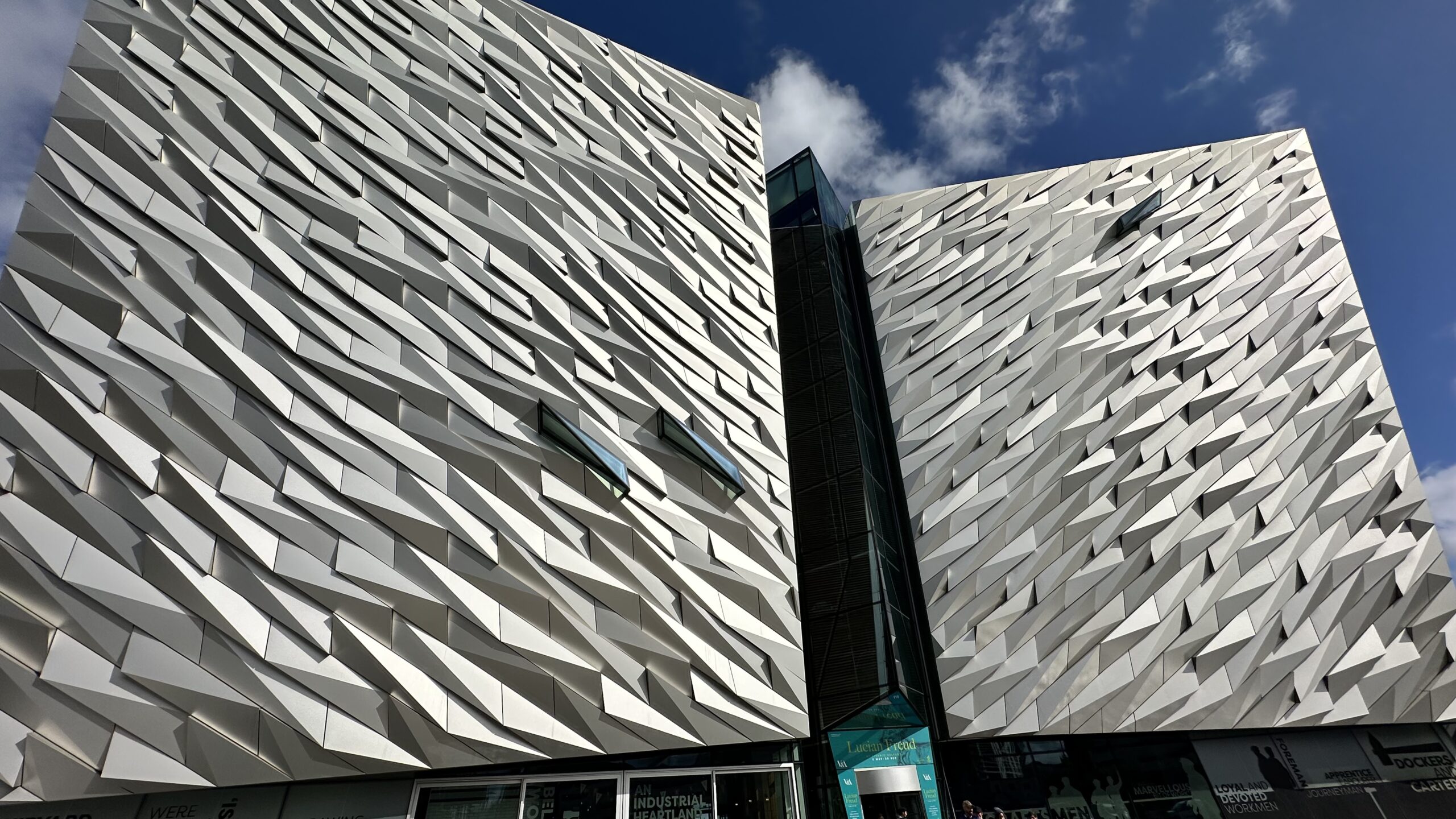
Due to weather, we missed the second to last scheduled stop on the cruise, which was to be Stornaway on the island of Lewis and Harris. We sailed on to Belfast in some interesting, rough seas. Although we were not feeling great, we ventured in to the Titanic museum. It was fascinating and difficult to photograph and capture what a fabulous job was don designing and building this museum.
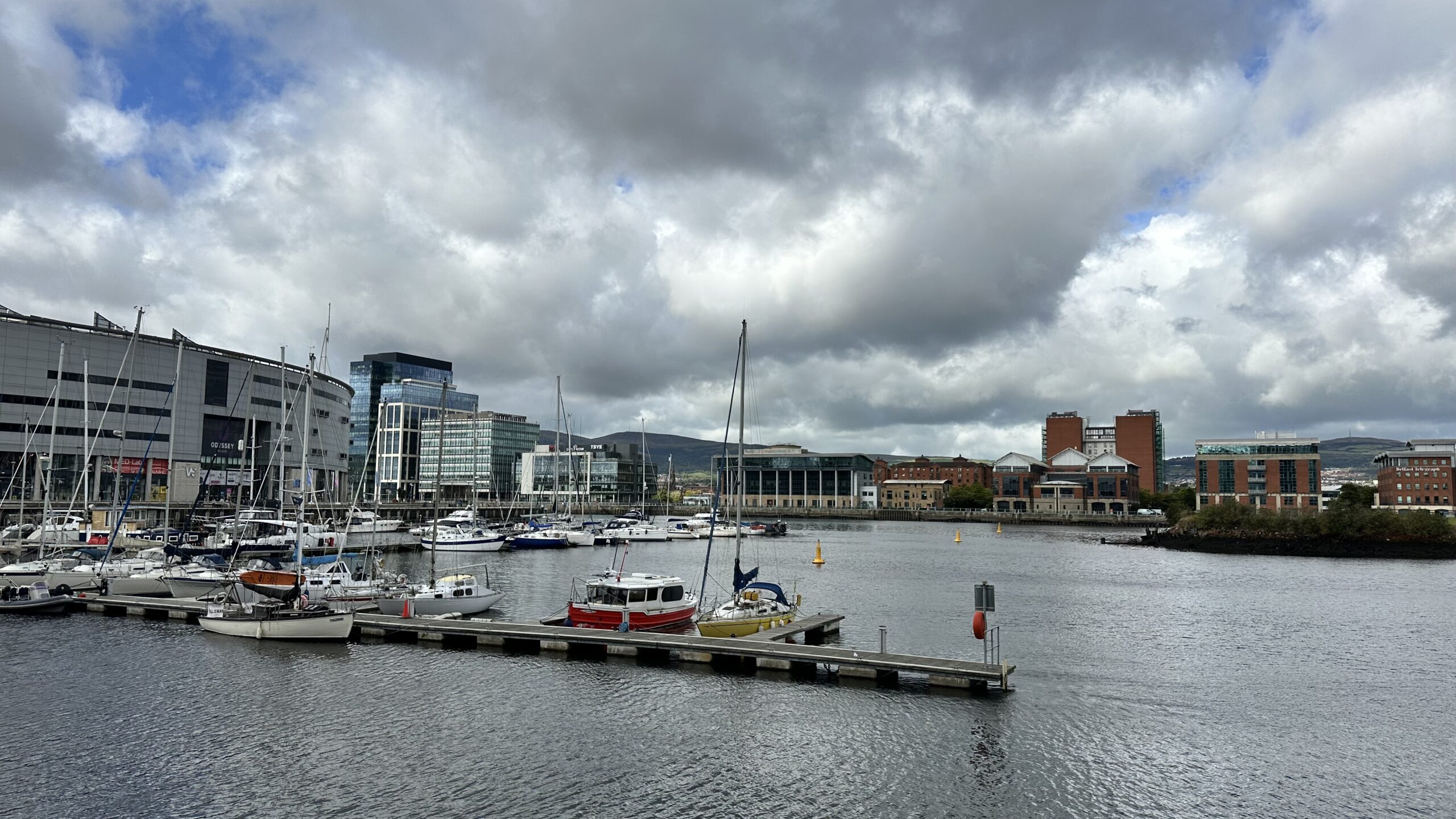
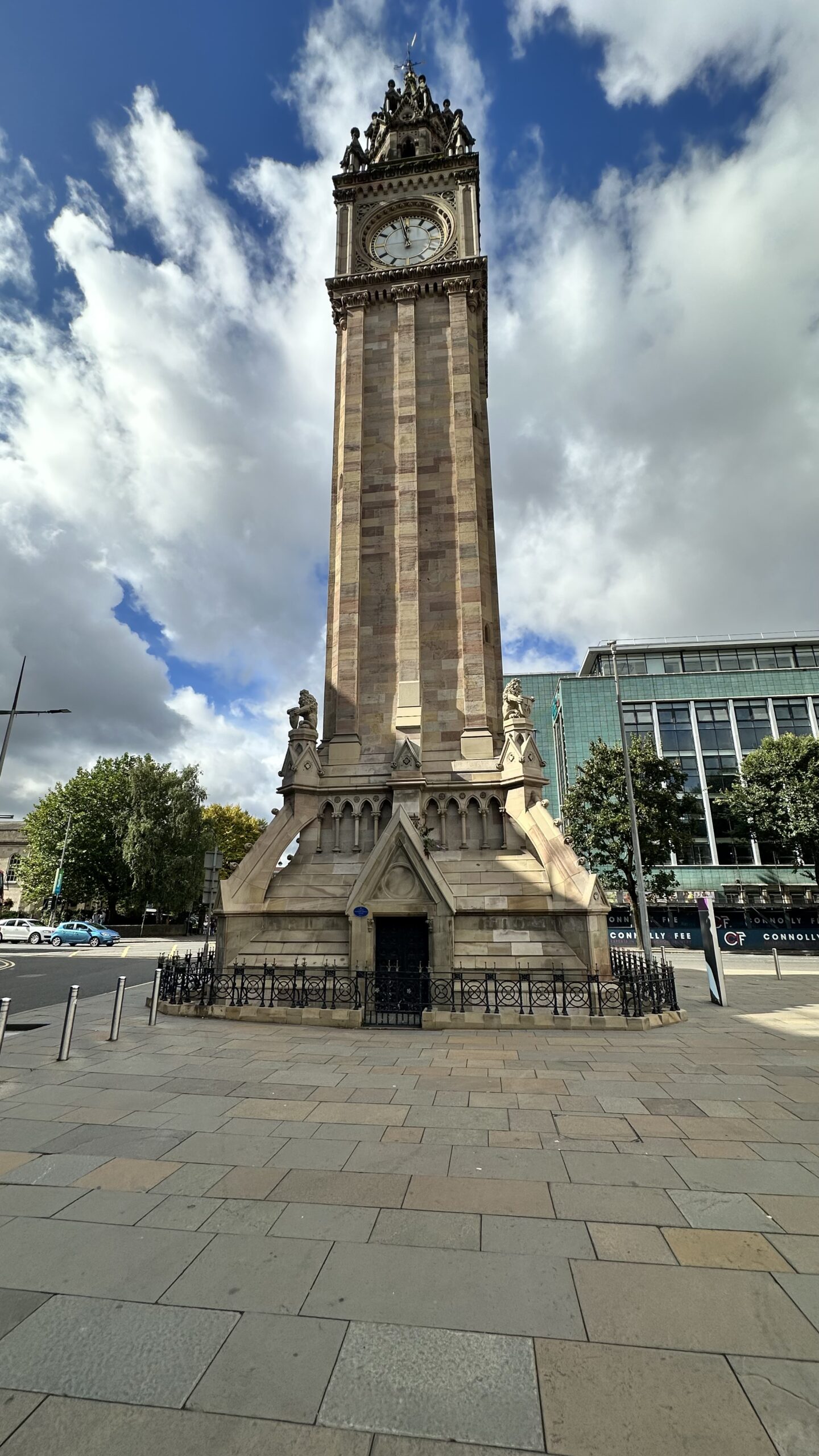
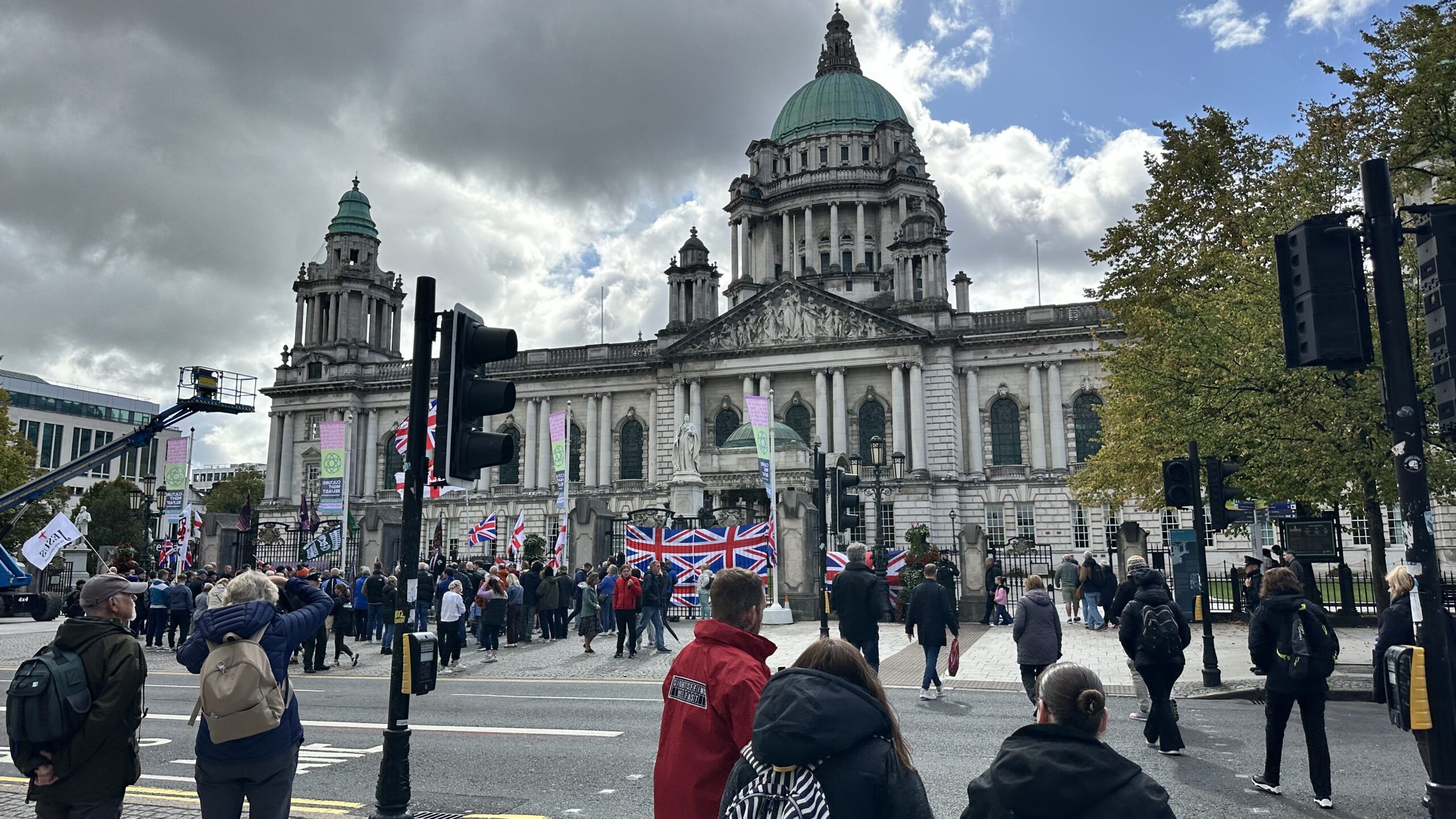
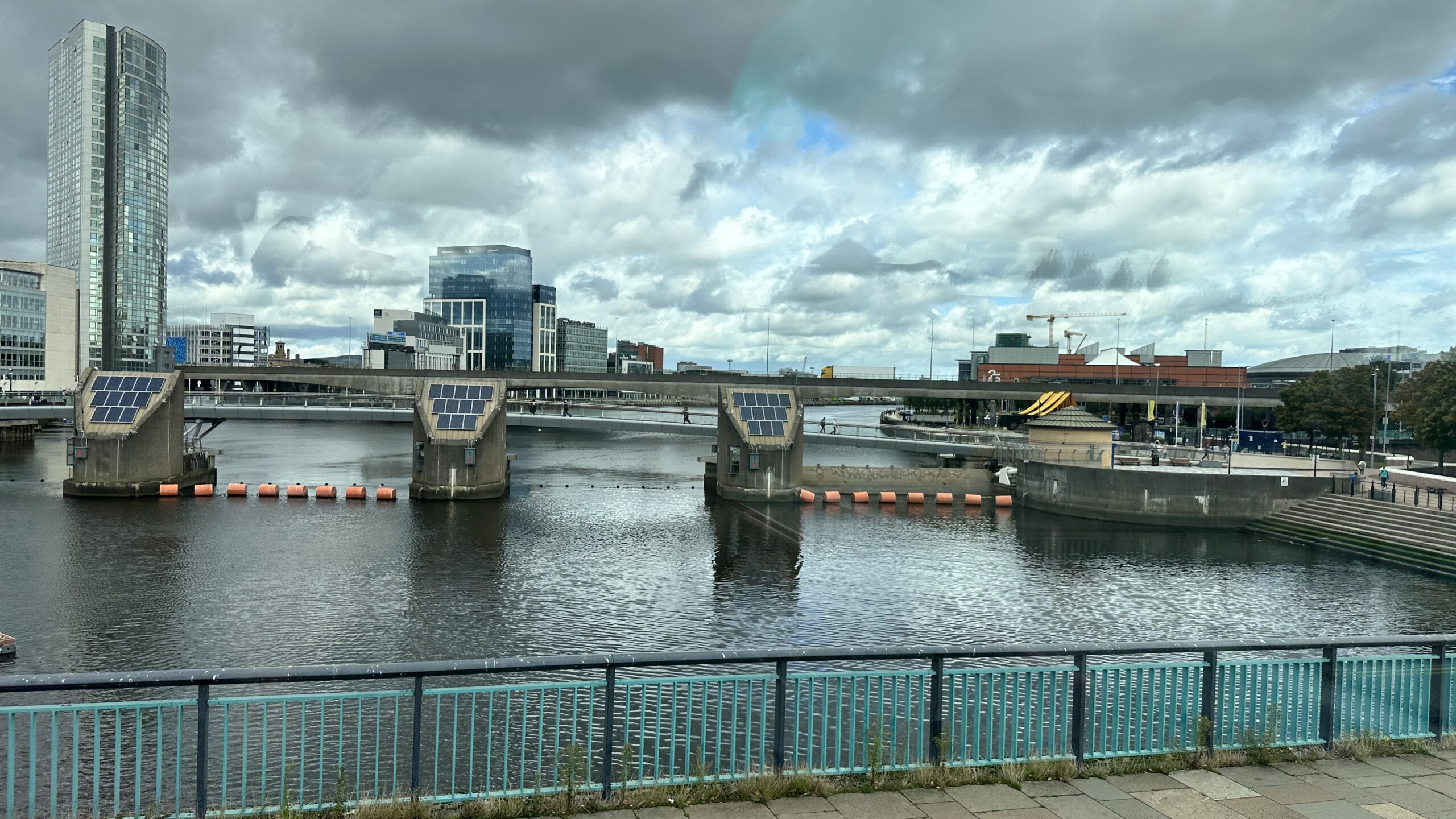
After the museum, we walked into downtown Belfast, along the River Lagan and into downtown.